 Molecular prevalence and risk factors analysis of Theileria annulata in cattle at Jeddah, Saudi Arabia
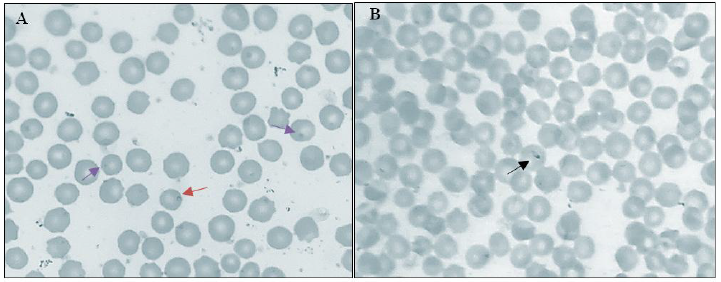
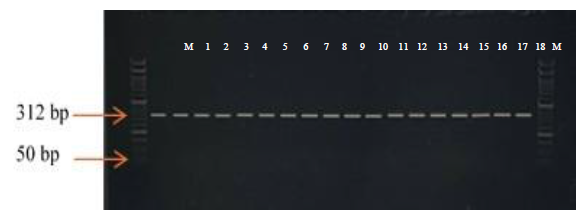
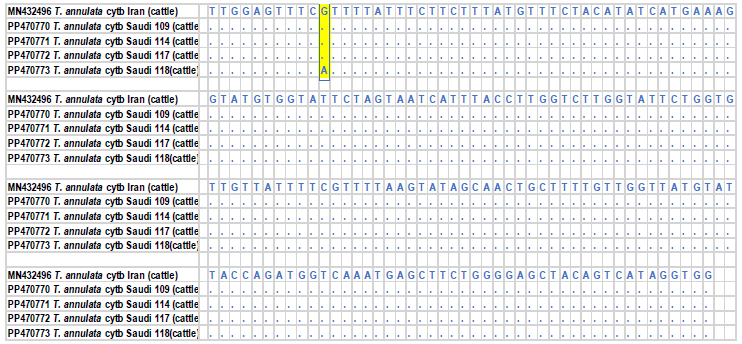
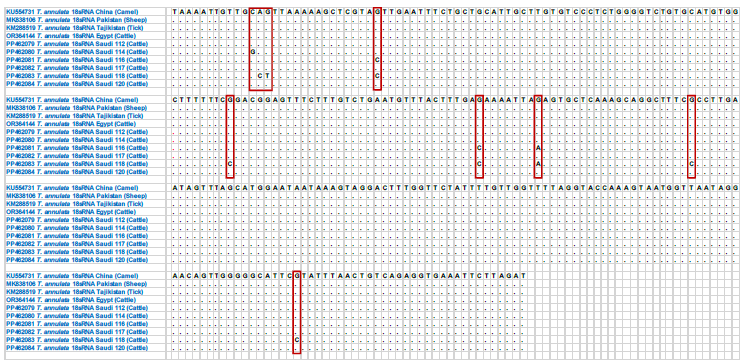
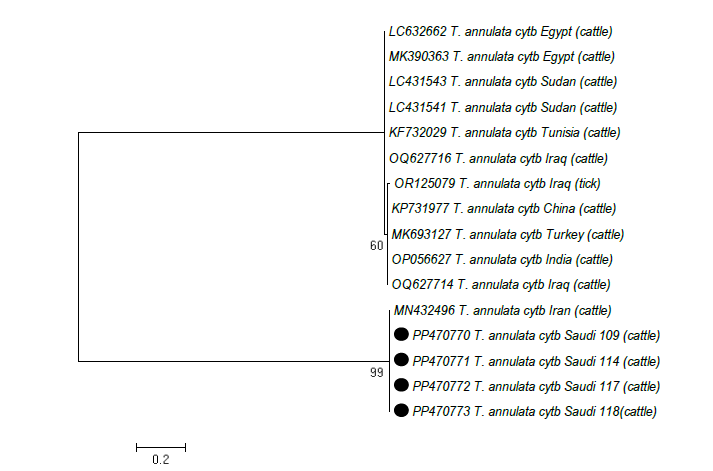
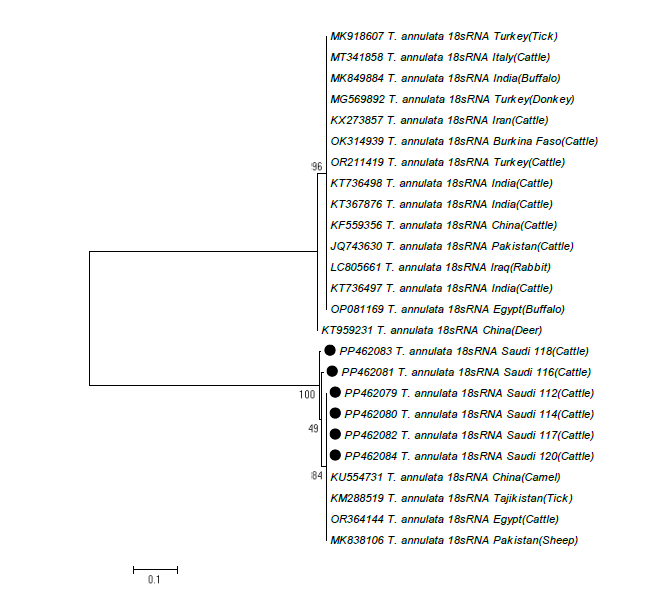
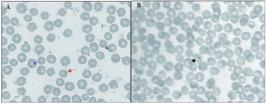
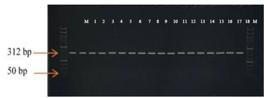
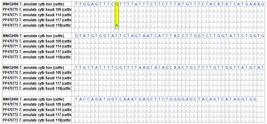
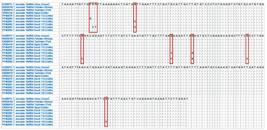
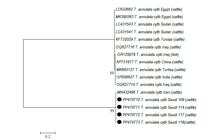
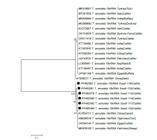
Theileria annulata is a tick-borne heamoprotozoan parasite responsible for tropical theileriosis in bovine populations, which causes substantial economic losses to the livestock sector. This study aimed to determine the prevalence of T. annulata infection in cattle in Jeddah, Saudi Arabia, and its associated risk factors using microscopic examination of Giemsa-stained blood smears (GSBS), PCR targeting the 18S rRNA and cytochrome b (cyt b) gene, and sequencing analysis. Material and Methods: A total of 200 blood samples were collected randomly from cattle between December 2022 and May 2023. Results: Results revealed that 53 samples (26.5%) were positive for Theileria piroplasms using GSBS and increased to 71 samples (35.5%) using PCR. The risk of T. annulata infection was reported to be non-significantly higher among young, female, and imported cattle. The study revealed that 53 samples (26.5%) were positive for Theileria piroplasms using GSBS, while the PCR technique showed 71 samples (35.5%). The level of kappa agreement between GSBS and PCR was slight (0.135). Further, GSBS showed 51% accuracy, 18.31% sensitivity, and 68.99% specificity when compared to PCR results. Analysis of the cyt b sequence of Saudi isolates of T. annulata showed 99.27-100% identity, and with 18S rRNA sequences the identity was > 98%. Conclusion: The high infection of T. annulata in slaughtered cattle in Jeddah requires the implementation of adopted programs to reduce the burden of theileriosis on the Saudi economy. PCR is considered a better test for conducting periodic examinations and control programs for bovine theileriosis.
Keywords:
Cattle; Polymerase chain reaction; T. annulata; Theileriosis
 Thumbnail
 Thumbnail
 Thumbnail
 Thumbnail
 Thumbnail
 Thumbnail