Effect of fibrillated nanocellulose addition on the fresh-state properties of cementitious pastes
Abstract
Portland cement is a staple in civil construction due to its high compressive strength, durability, and ease of production. However, it faces criticism for its lack of sustainability. Nanocellulose, offers a sustainable alternative that can both improve the properties of cement-based composites. This study investigated the fresh-state behavior of cement pastes containing varying concentrations of fibrillated nanocellulose (CNF): 0.01%, 0.015%, 0.02%, and 0.025%. We assessed the consistency index, along with bulk density, entrained air content, and rheological behavior. Results from the flow table test showed that CNF addition influenced the pastes' fluidity, leading to a greater spread, particularly at higher concentrations. For the 0.01% and 0.015% formulations, the addition of CNF reduced the bulk density and increased the entrained air content compared to the control group (pastes without CNF). However, these changes were not statistically significant at a 95% confidence level. The squeeze-flow test demonstrated that fibrillated nanocellulose enhanced the plasticity of the cement pastes.
Keywords
Namomaterials; Rheological behavior; Cement composite
Resumo
O Cimento Portland é amplamente utilizado na construção civil devido à sua alta resistência à compressão, durabilidade e facilidade de produção. No entanto, apresenta limitações em termos de sustentabilidade. A nanocelulose, surge como uma alternativa sustentável, com potencial para aprimorar as propriedades dos compósitos cimentícios. A presente pesquisa teve como objetivo investigar o comportamento das pastas cimentícias no estado fresco, produzidas com diferentes concentrações de nanocelulose fibrilada (NFC) (0,01%, 0,015%, 0,020% e 0,025%). Foram avaliados o índice de consistência, a densidade de massa, o teor de ar incorporado e o comportamento reológico. Os resultados obtidos no ensaio de flow table indicaram que a adição de NFC influenciou a fluidez das pastas cimentícias, promovendo maior espalhamento, especialmente nas concentrações mais elevadas. A adição de nanocelulose fibrilada nas formulações de 0,01% e 0,015% resultaram em uma redução na densidade de massa e um aumento no teor de ar incorporado, quando comparado às pastas cimentícias sem a adição de NFC. No entanto, essas mudanças não foram estatisticamente significativas no nível de confiança de 95%. O ensaio de squeeze-flow evidenciou que a nanocelulose fibrilada contribuiu para a melhoria da plasticidade das pastas cimentícias.
Palavras-chave
Namomateriais; Comportamento reológico; Compósito cimentício
Introduction
Cementitious materials are widely recognized as some of the most essential components in the global construction industry (Zhang et al., 2022). As the demand for new infrastructure continues to rise, so does the need to develop more advanced and efficient alternatives, such as cement-based composites enhanced with nanomaterials.
Within the scope of nanotechnology, advances in materials and manufacturing processes are transforming various sectors, including the construction industry. Incorporating nanotechnology into cementitious composites enables significant modifications to their microstructure, resulting in more durable materials with enhanced performance (Ferreira; Rangel, 2009). Due to their high specific surface area, micro- and nanomaterials offer substantial improvements in the mechanical properties and durability of cement-based composites. In this context, cellulose-based nanomaterials have emerged as promising options for improving the performance of cementitious products.
Although widely used as reinforcement in the paper, pharmaceutical, and cosmetics industries (Sain et al., 2014), nanocelluloses also possess characteristics that make them highly suitable for the construction sector. Even at low concentrations, such as 0.01%, these nanoparticles can induce significant changes in the rheological properties of cementitious materials (Santos et al., 2021). Through its techniques for manipulating structures at the nanoscale, nanoengineering has enabled the development of a new generation of multifunctional composites with superior mechanical performance (Balea et al., 2019).
Nanocellulose has a low carbon footprint and is environmentally friendly. It is increasingly used in cement-based materials due to its excellent physical and mechanical properties, which can enhance toughness, shrinkage performance, and thermal conductivity. Additionally, the presence of micro- and nanocellulose influences the microstructure of the matrices, even affecting the characteristics of calcium silicate hydrate (CSH). The mechanical improvement observed with the incorporation of micro- and nanocellulose is often associated with an increased degree of hydration, which results from nucleation and internal curing effects (Souza et al., 2023a). This demonstrates its potential for developing more durable and high-performance cementitious materials.
Despite the growing interest in nanocellulose, most research has focused on the properties of hardened cementitious materials, while its effects on the fresh state and early behavior remain underexplored. This knowledge gap is particularly relevant given the increasing demand for specialized properties of fresh concrete in modern construction techniques (Safanelli et al., 2025).
The incorporation of other nanomaterials, such as nano-silica, carbon nanotubes, and graphene, can enhance the properties of cementitious materials. However, these materials often face challenges related to high costs and significant energy consumption. In the search for more sustainable alternatives, nanocellulose, derived from biomass, has emerged as a promising option (Zhang et al., 2024).
Sustainability is a central theme in global development policies, with an emphasis on reducing carbon emissions and adopting more sustainable construction practices. The construction industry, responsible for a significant share of greenhouse gas emissions and the consumption of natural resources, has been the focus of regulations and technological innovations aimed at mitigating its environmental impact (Chen, L. et al., 2024).
In this context, the search for alternative and renewable materials, such as nanocellulose, becomes even more relevant. In addition to improving the mechanical properties and durability of cementitious composites, the use of nanocellulose can directly contribute to reducing the construction industry's carbon footprint, as it is a renewable, biodegradable material with a low environmental impact. Thus, studying its incorporation into cementitious systems addresses not only technical demands but also the urgent need for a more sustainable and environmentally responsible sector.
Despite the advantages, plant-derived nanomaterials can present significant dispersion challenges. Mendes, Vandereli and Basso (2023) highlight that mixture homogeneity provides excellent workability properties for cementitious materials. A lack of uniformity in cementitious composites can reduce plasticity, leading to the formation of weak zones within the system's microstructure. Therefore, it is important to study and standardize the mixing process of these particles to ensure effective material dispersion (Sanchez; Sobolev, 2010).
Research in the field of cementitious composites with the addition of cellulosic materials, as exemplified by the studies of Martins et al. (2019), Savastano Junior (2000), and Garcia (2021), has primarily focused on properties in the hardened state, with limited evaluation of their fresh-state characteristics. To achieve a high-quality cementitious composite, it is crucial to perform fresh-state tests, given their significant influence on the hardened properties, durability, and impermeability. The evaluation of the rheological behavior of cementitious composites is considered essential for developing formulations with properties suitable for fresh-state application without compromising the material’s performance in the hardened state (Cardoso; Pileggi; John, 2005). As a result, there is a growing number of studies focused on improving and analyzing the rheological properties of cementitious materials to expand the potential use of new products within the construction industry (Araruna et al., 2021).
The study of a new type of cementitious paste composed of cellulose nanoparticles shows great potential, as nanocellulose not only comes from renewable sources but also possesses properties capable of enhancing the characteristics of cementitious components used in the construction industry. Based on the above, this research aims to analyze the effect of adding fibrillated nanocellulose on the rheological behavior of cementitious pastes, considering their fresh-state properties.
Literature review
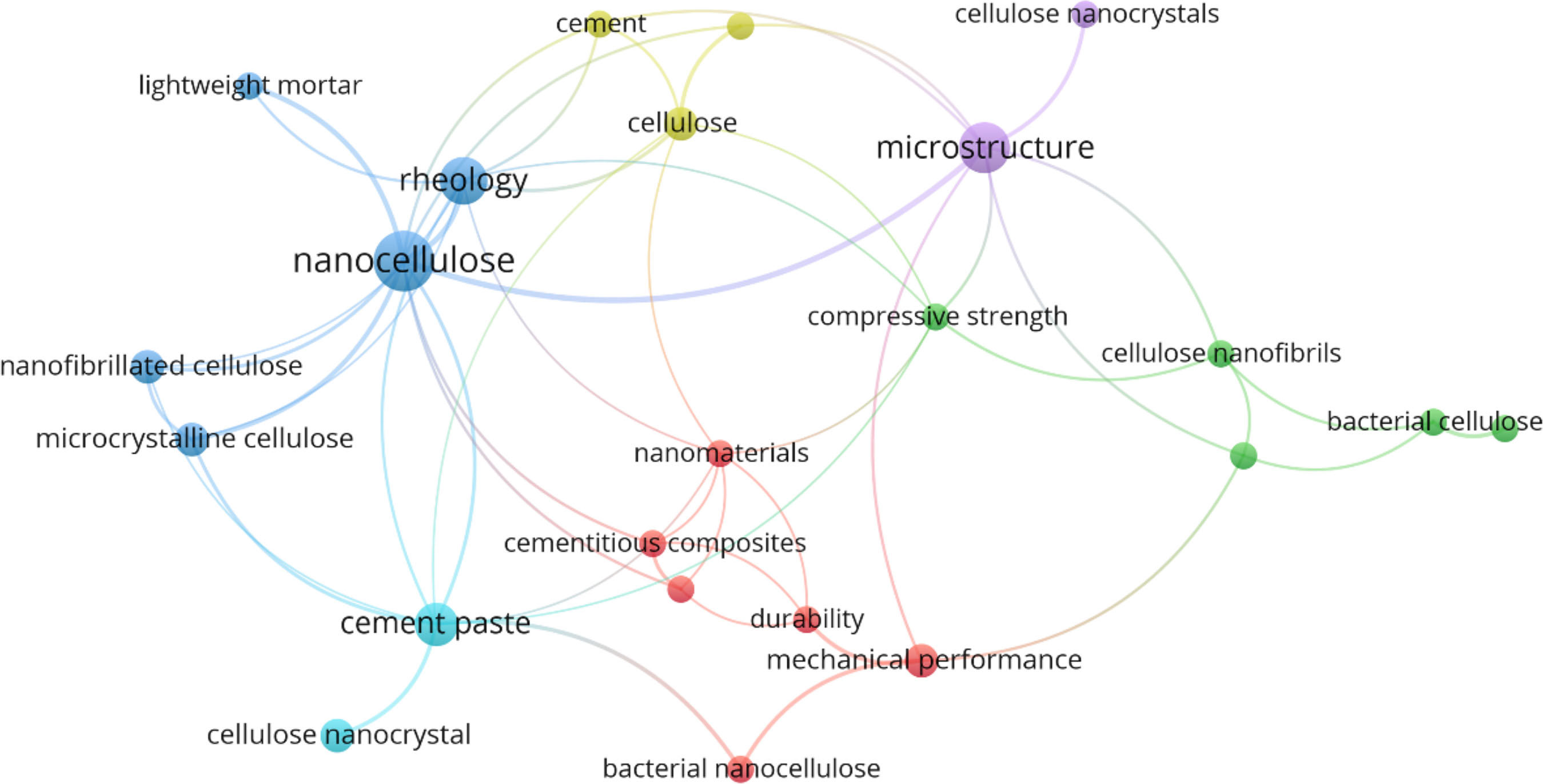
Based on a literature review concerning the incorporation of fibrillated nanocellulose into cement pastes, a structured survey was conducted using the ScienceDirect and Scopus databases. These databases were selected for their relevance and extensive coverage of the subject. No temporal restrictions were applied to the search. Using the keywords "Nanocellulose" and "Cement Paste", a total of 54 scientific articles were identified.
Analyzing the recurrence of keywords in the published literature can be highly effective for identifying research trends and focus areas related to nanocellulose addition to cement paste. For this purpose, a database was generated in text file (.txt) format for subsequent analysis with VOSviewer, a software tool for constructing and visualizing bibliometric networks.
Figure 1 presents the keyword diagram from the Scopus and ScienceDirect databases, plotted based on word frequency.
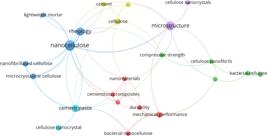
The VOSviewer keyword co-occurrence map shows that “nanocellulose” is the central theme, with strong correlations to “rheology” and “cement paste.” This highlights the importance of studying fibrillated nanocellulose's effect on the rheological properties of cementitious systems. The association with terms like “microstructure,” “compressive strength,” and “cellulose nanofibrils” indicates the relevance of microstructural modifications and their impact on mechanical performance. Additionally, the presence of clusters related to “cementitious composites,” “durability,” and “mechanical performance” reinforces the literature's focus on nanocellulose’s role in the sustainability of cementitious matrices.
Of the 54 articles analyzed on the application of nanocellulose in cement pastes, only 15 specifically addressed the use of nanofibrillated cellulose (CNF). The remaining studies were excluded from our analysis because they focused on other types of nanocellulose – such as bacterial and crystalline nanocellulose – whose properties and behaviors can differ from CNF within cementitious matrices.
Souza et al. (2022) compared the effects of microcrystalline cellulose (MCC) and nanofibrillated cellulose (CNF) in cement pastes. Their work addressed rheological, microstructural, and mechanical aspects. These studies revealed that adding these materials significantly affects the mixture's workability due to interactions with mixing water and the gel structure. They also observed improvements in tensile and flexural strengths, even with a reduction in the formation of hydration products. Finally, the authors noted that optimizing dispersion methods is crucial for composite performance, emphasizing the technical potential of CNF and MCC as reinforcements when incorporated correctly and at optimized dosages.
Chen, Y. et al. (2024), Barnat-Hunek et al. (2019a), Zaoui et al. (2025), and Deze et al. (2022) explored the use of nanofibrillated cellulose in enhancing the performance of advanced concretes. According to Chen, L. et al. (2024), combining nanofibrillated cellulose with magnesium oxide in 3D-printed geopolymer concrete significantly reduced plastic and drying shrinkage while improving water retention. Similarly, Barnat-Hunek et al. (2019a) and Zaoui et al. (2025) found that applying nanofibrillated and crystalline nanocellulose positively impacted the microstructure and durability of concrete, including increased resistance to freeze-thaw cycles. However, a recurring challenge is the poor dispersion of nanocellulose due to its tendency to agglomerate. To overcome this, Deze et al. (2022) proposed surface modification of nanofibrillated cellulose with polyethylene glycol, which improved dispersion, significantly increased mechanical strength, and reduced porosity, leading to a denser and more homogeneous microstructure. Together, these studies highlight the technical potential of nanofibrillated cellulose for developing high-performance concretes.
The studies by Huang et al. (2024), Zhang and Scherer (2020), and Souza et al. (2023b) reinforce the strategic role of nanofibrillated celluloses in improving the performance of cementitious materials, with an emphasis on shrinkage control and optimizing rheological properties. Nanofibrillated cellulose has proven effective at reducing total and autogenous shrinkage, especially in pastes with lower water-to-cement ratios, which also helps to reduce bleeding.
Nassiri et al. (2021), Claramunt et al. (2019), and Reis, Efting and Schackow (2023) highlight the technical potential of nanofibrillated cellulose in modifying and enhancing the properties of cementitious materials. According to Reis, Efting and Schackow (2023), incorporating nanofibrillated cellulose into lightweight mortars resulted in more compact microstructures with significant improvements in compressive strength (up to 52.36%), dimensional stability, and acoustic performance. Nassiri et al. (2021) reported similar gains in compressive strength with both nanofibrillated and crystalline nanocellulose, though with different optimal dosages. In calcium aluminate cement-based systems, as developed by Claramunt et al. (2019), adding low concentrations of nanofibrillated cellulose (0.1–0.2%) increased flexural strength and the modulus of elasticity. These results reinforce that the effects of nanofibrillated cellulose in cementitious systems are highly dependent on its morphology, concentration, and the type of cement used.
Santos et al. (2021) conducted a review on nanofibrillated cellulose and its applications in cementitious composites, highlighting its potential as a promising additive. Nanofibrillated cellulose is gaining relevance because it is a renewable, biodegradable, non-petroleum-based resource that also has a high surface area, the presence of hydroxyl groups, and high mechanical strength. The literature indicates that incorporating nanofibrillated cellulose into cement pastes and mortars can provide significant improvements in mechanical properties, with reported increases of up to 43% in compressive strength, 106% in flexural strength, and nearly 200% in toughness. It also offers notable durability benefits, such as enhanced resistance to sulfate attack, high temperatures, and aging cycles.
Kamasamudram, Ashraf and Landis (2021) studied the application of nanofibrillated cellulose combined with nanosilica. The results showed the greatest influence on cement hydration kinetics, especially in systems with a lower water-to-cement (w/c) ratio (w/c = 0.35). While gains in compressive strength were limited, the increases in flexural strength were substantial, reaching up to 75%.
Materials e methods
Materials
The binder used in the formulation of the cementitious pastes was CP V ARI cement. Table 1 presents the characterization of the cement used.
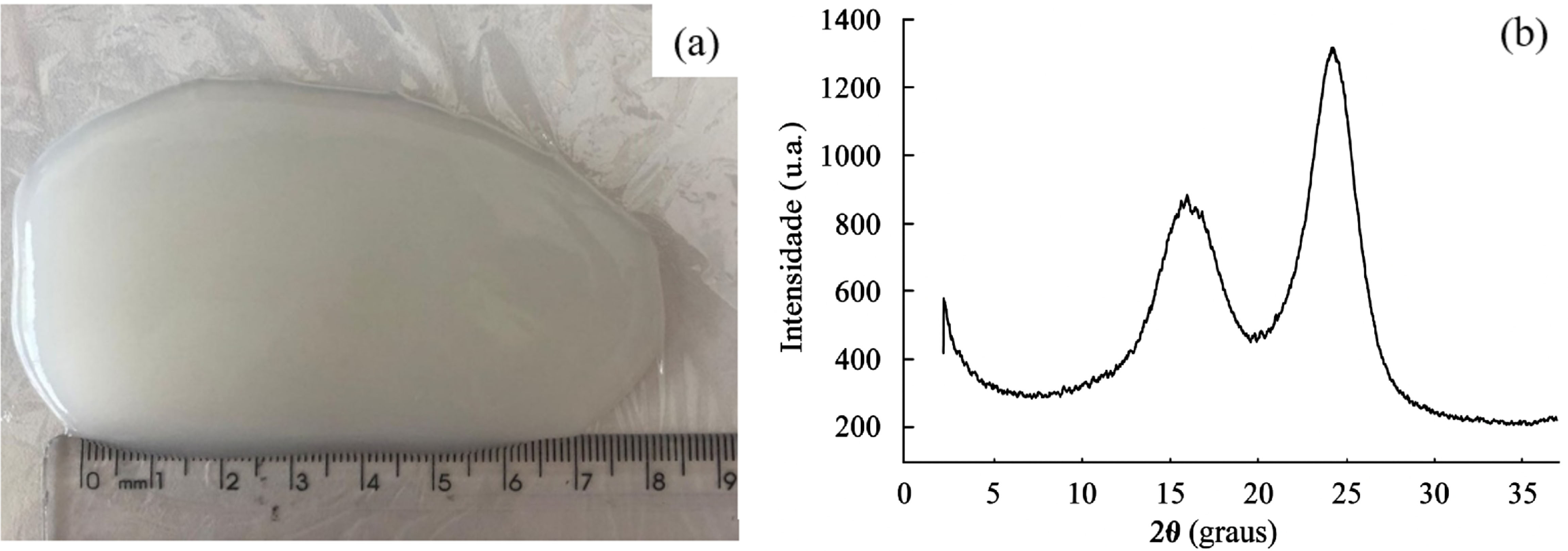
To carry out this study, fibrillated nanocellulose was also used. The fibrillated nanocellulose was produced from bleached kraft of Eucalyptus sp., disintegrated in a blender with 450W of power for 30 seconds. It was then processed using a Super Masscolloider Microprocessor (Masuko Sangyo). The parameters for obtaining the fibrillated nanocellulose were a rotation speed of 1500 rpm, 10 passes through the grinder, and a consistency of 1%, as shown in Figure 2a. The method is based on the thesis by Lengowski (2016). The chemical characterization of the fibrillated nanocellulose by XRD is shown in Figure 2b.
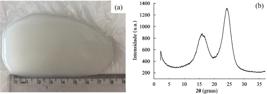
The graph of the fibrillated nanocellulose is characteristic of type I cellulose, with the crystalline peak located between angles 25º ≤ 2θ ≤ 27º.
Mix design and sample preparation of cement pastes
To experimentally investigate the effects of fibrillated nanocellulose (CNF) on the fresh-state properties of cementitious pastes, we tested four CNF formulations relative to the mass of cement. We kept the water-to-cement ratio constant at 0.45. The specific CNF concentrations were selected based on previous studies by Lacerda et al. (2023) and Czovny et al. (2024). For each formulation, we prepared four samples per test to determine the average values. Table 2 shows the adjusted formulations, and the CNF contents studied.
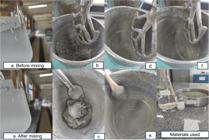
The mixing procedure for the cementitious pastes was based on NBR 16541 (ABNT, 2016a). Initially, the fibrillated nanocellulose were manually mixed with water for 2 minutes (Figure 3a). Then, 75% of the liquid components and the cement were added to a vertical shaft mixer with a 5-liter capacity and mixed at low speed for 1 minute (Figure 3b). After this step, the mixing bowl was scraped with a spatula (Figure 3c), and the remaining 15% of the liquids were added, followed by an additional 30 seconds of homogenization (Figure 3d). The bowl was scraped again (Figure 3e), finishing the process with another 30 seconds of mixing in the mixer at low speed (Figure 3f).
Cement paste characterization
In the absence of a standardized procedure for the preparation of cement pastes intended for rheological characterization, the present study adopted a methodology based on the consistency index determined by the flow table method, bulk density and entrained air content, and the squeeze-flow test. The cementitious pastes developed in the research were analyzed in their fresh state, initially regarding the consistency index (CI) through the flow table test with 30 drops, as established by NBR 13276 (ABNT, 2016b). The mixtures were prepared using a digital electronic balance with a precision of 0.01 g. In this test, the fresh cement paste was placed in a truncated conical metallic mold (125 mm and 80 mm diameters, 65 mm height), filled in three successive layers. Each layer was compacted with 15, 10, and 5 blows, respectively, using a tamper with a diameter of 25 mm. After filling, the surface was leveled with a trowel and the mold was carefully removed. Subsequently, the table on which the paste was molded was dropped 30 times from a height of 12.5 mm within a period of 30 s. Upon completion of the procedure, three diameters of the spread material were measured, and their average value was considered as the consistency index of the cement paste.
Additionally, the cementitious pastes were analyzed to determine bulk density and entrained air content, according to the standard NBR 13278 (ABNT, 2005). The sample was leveled and weighed, and the fresh-state mass density was obtained by the ratio between the sample mass (g) and the volume of the container (cm³). The entrained air content is calculated by comparing the measured density with the theoretical density of the cementitious paste without air, determined from the density of the dry materials and the water used in the mixture. An experimental error of 10% was assumed between different measurements. Additional repetitions were conducted whenever the deviation among the results exceeded 10%.
To complement the analysis, analysis of variance (ANOVA), using OriginPRO software, was used with a 95% confidence interval, along with Tukey multiple comparison test to verify if there were statistically significant differences between treatments and to identify which treatments differed significantly from each other.
The rheological behavior was examined through the squeeze-flow test. An axisymmetric compression flow configuration was employed, with a constant contact area between the specimen and the plates. The compression flow tests were conducted using the Emic universal testing machine (Figure 4), with a 1 kN load cell. The setup used a 50.8 mm punch, a 101.6 mm mold, and an initial height of 10 mm, applying a displacement rate of 1 mm/s and 3 mm/s, with compression up to a maximum of 9 mm, allowing for controlled displacement rate. The test was based on the methodology established by standard NBR 15839 (ABNT, 2010). The squeeze-flow test was performed 15 minutes after the start of mixing. All measurements related to the characterization tests were carried out at a temperature of 25 °C. The normalization of the squeeze-flow test data was carried out to enable direct comparison between different mixtures and to reduce the effect of experimental variations.

Results and discussion
Consistency index (flow table)
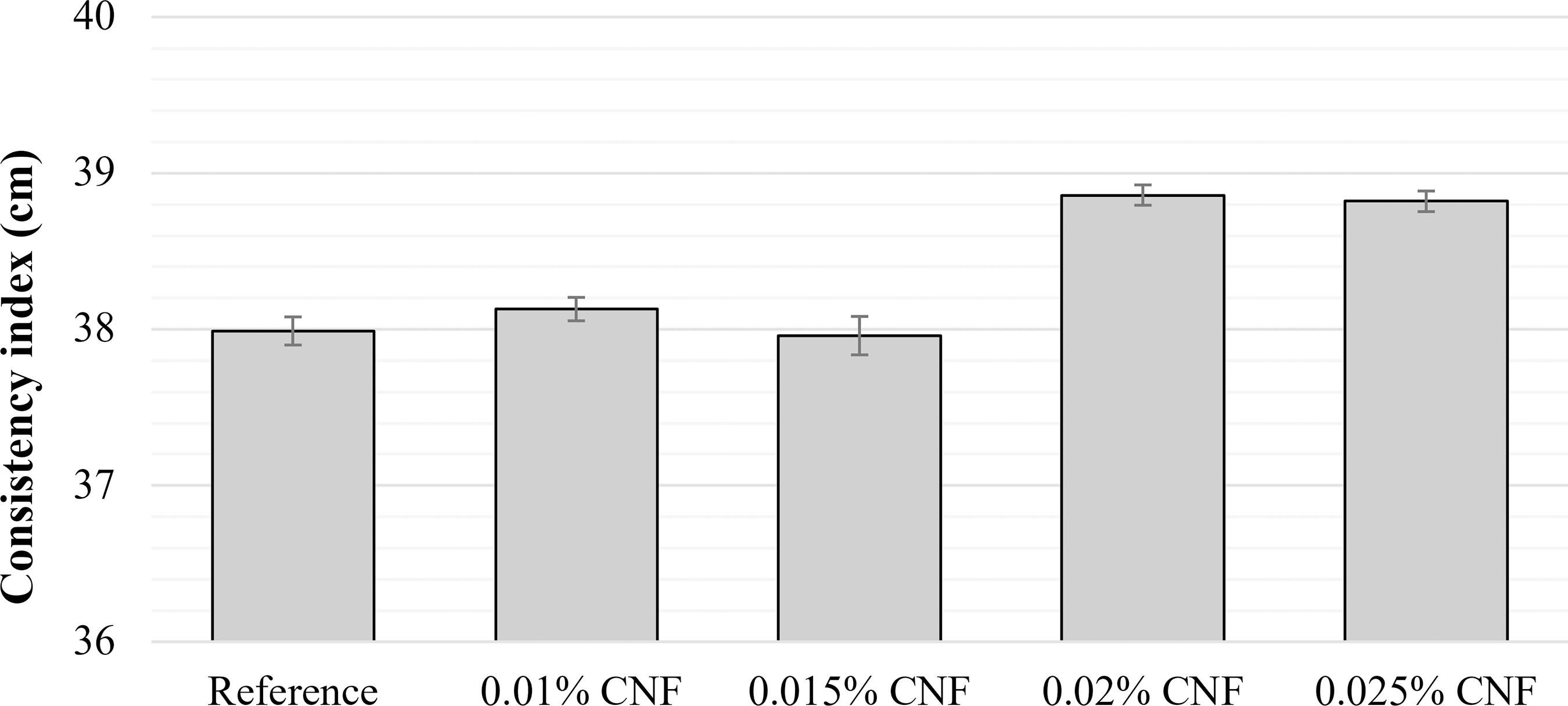
The results of the consistency index (IC), determined by the average diameter of each sample, are shown in Figure 5, along with the standard deviation and the coefficient of variation.
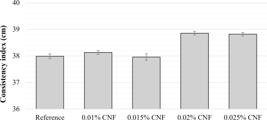
The spread results for the cement pastes ranged from 379.6 mm for the 0.015% CNF paste to 388.6 mm for the 0.02% CNF paste. The samples with CNF showed distinct variations compared to the reference paste. The sample with 0.01% fibrillated nanocellulose sample had an increase of approximately 0.37% over the reference, while the 0.015% CNF formulation was virtually unchanged, with a -0.08% difference. Conversely, the 0.02% and 0.025% CNF samples showed higher mean flow values, corresponding to increases of 2.29% and 2.18%, respectively, compared to the reference. A higher consistency index indicates a more fluid mortar and, consequently, greater plasticity (França et al., 2016). Therefore, these results demonstrate that adding CNF influenced the fluidity of the cement pastes, promoting a greater spread, especially at higher concentrations. Studies conducted by Lacerda et al. (2023) corroborate these findings, as they also identified the highest consistency index in mortars with 0.035% CNF, highlighting the ability of fibrillated nanocellulose to positively influence the material's workability. This is likely because the fibrillar structure of CNFs promotes better dispersion of cementitious particles, which reduces segregation and improves the cohesion of the paste (Mendes; Vanereli; Basso, 2023).With higher CNF additions (1.0%–2.0%), Rahat et al. (2025) observed a reduction in the flowability of cement pastes, indicating that CNF suspensions rapidly polymerize into hydrogels through ionic crosslinking with metal ions (e.g., Na⁺, Ca²⁺) present in the solution from the dissolution of cement minerals. Nassiri et al. (2021) evaluated the effect of different CNF contents (0.02%, 0.035%, 0.045%, 0.05%, and 0.1% by cement mass) on the consistency of cement pastes. The results showed a progressive reduction in flowability with increasing CNF content, an effect attributed to the presence of amorphous regions that promote fiber entanglement and increase internal resistance to flow, restricting the mobility of cement particles and consequently altering the rheological properties of the system in the fresh state. The flow table test is a single-point method, based on a single shear rate, which limits its ability to fully characterize cementitious pastes, as it does not distinguish rheological parameters such as viscosity and yield stress (Albuquerque et al., 2019). Therefore, squeeze flow tests were performed for a more comprehensive analysis of the rheological behavior of pastes with the addition of CNF.
Fresh density and Theoretical entrained air
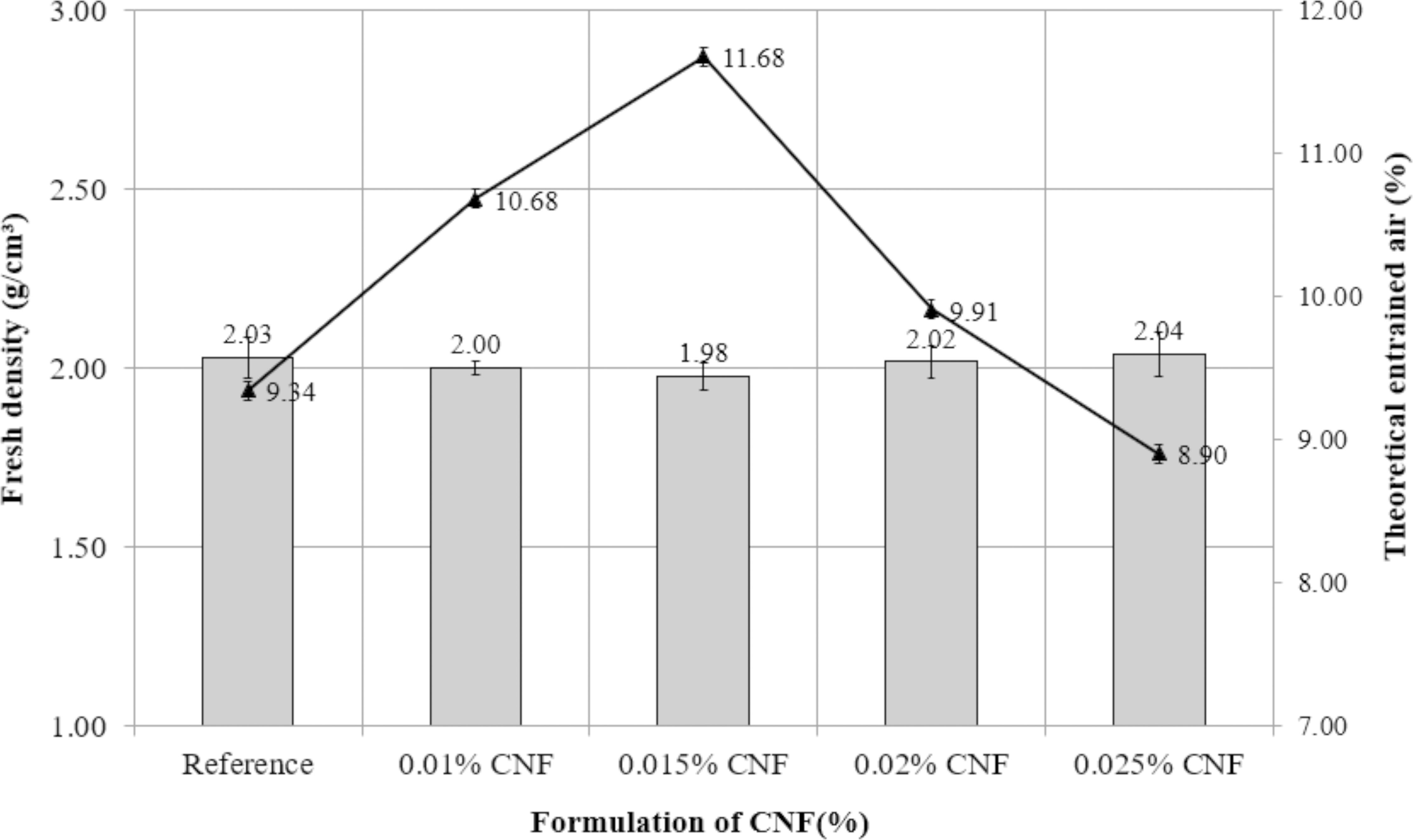
Figure 6 shows the results of fresh density and theoretical entrained air content for the cementitious pastes analyzed.
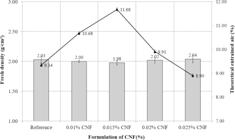
Based on standard NBR 13281-1 (ABNT, 2023), all the cement pastes produced fall within the fresh-state fresh density class DF4 (DF ≥ 2.0 g/cm³), indicating that the average values found are within the acceptable range for use in mortars for rendering and masonry laying.
Bulk density exerts a direct influence on the rheological properties and workability of cementitious materials. Mixtures with lower density tend to exhibit reduced initial shear stress, which facilitates application, decreases the effort required during placement and finishing, and enhances overall productivity (Cintra; Paiva; Baldo, 2014). Regarding the impact of additive content on the cement pastes, a reduction of 1.48% and 2.46% in fresh density was observed with the addition of 0.01% and 0.015% of fibrillated nanocellulose (CNF), respectively, compared to the reference mix. However, as the proportion of CNFs increases, there is a tendency for the fresh density of the cement pastes to increase. The 0.025% CNF content resulted in a 0.49% increase compared to the reference, a result like those found by Lacerda et al. (2023) and Barnat-Hunek et al. (2019b). Zhang et al. (2025) reported that, when the CNF content exceeds 0.1%, a tendency for material agglomeration may occur, reducing the density of the cementitious matrix and compromising its strength performance. Therefore, it is necessary to assess the reduction in density in relation to the compromise in mechanical strength, especially for use in structural concrete.
Regarding the results of the theoretical entrained air content, an increase of 14.35% and 25.05% was observed with 0.01% and 0.015% fibrillated nanocellulose content, respectively, compared to the cement paste without addition. This suggests that fibrillated nanocellulose has the potential to promote air incorporation in cement pastes, resulting in increased fluidity. Additions of 0.02% and 0.025% showed results like the reference.
This fact was observed by Farias (2022), who explains that the content of fibrillated nanocellulose can lead to a consequent decrease in the density of the pastes, being directly related to the porosity and pore interconnection of the material, since lower density indicates higher porosity. In his study, the author identified that the most pronounced statistical difference was observed for the paste with 0.15% CNF, which showed a 2.4% reduction in density with a high CNF content used.
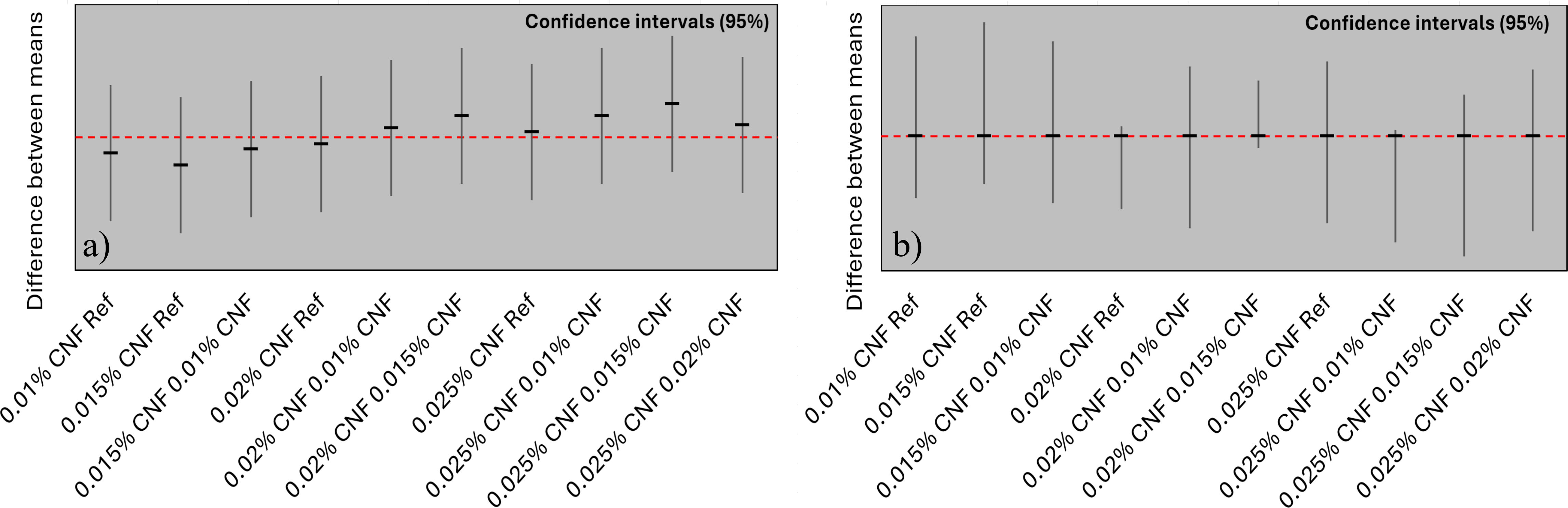
The greatest difference observed in this study was for the 0.015% CNF, which showed a 2.46% reduction in density and a 25.05% increase in theoretical entrained air. For the analysis of fresh density and theoretical entrained air, statistical treatment was performed using One-way ANOVA, complemented by the Tukey test. The results are shown from Figure 7 onward, considering differences as not significant for p < 0.05.
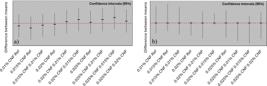
Analysis of variance (ANOVA) and Tukey test for fresh density (a) and theoretical entrained air (b)
In Figures 7a and 7b, it is possible to evaluate that the formulations produced with fibrillated nanocellulose (0.01%, 0.015%, 0.02%, and 0.025%) did not show significant differences compared to the reference in the tests of fresh density and theoretical entrained air. Thus, it is observed that although the addition of fibrillated nanocellulose at 0.01% and 0.015% caused a reduction in bulk density and an increase in incorporated air content, these effects were not statistically significant at the 95% confidence level.
Rheological behavior (Squeeze-Flow)
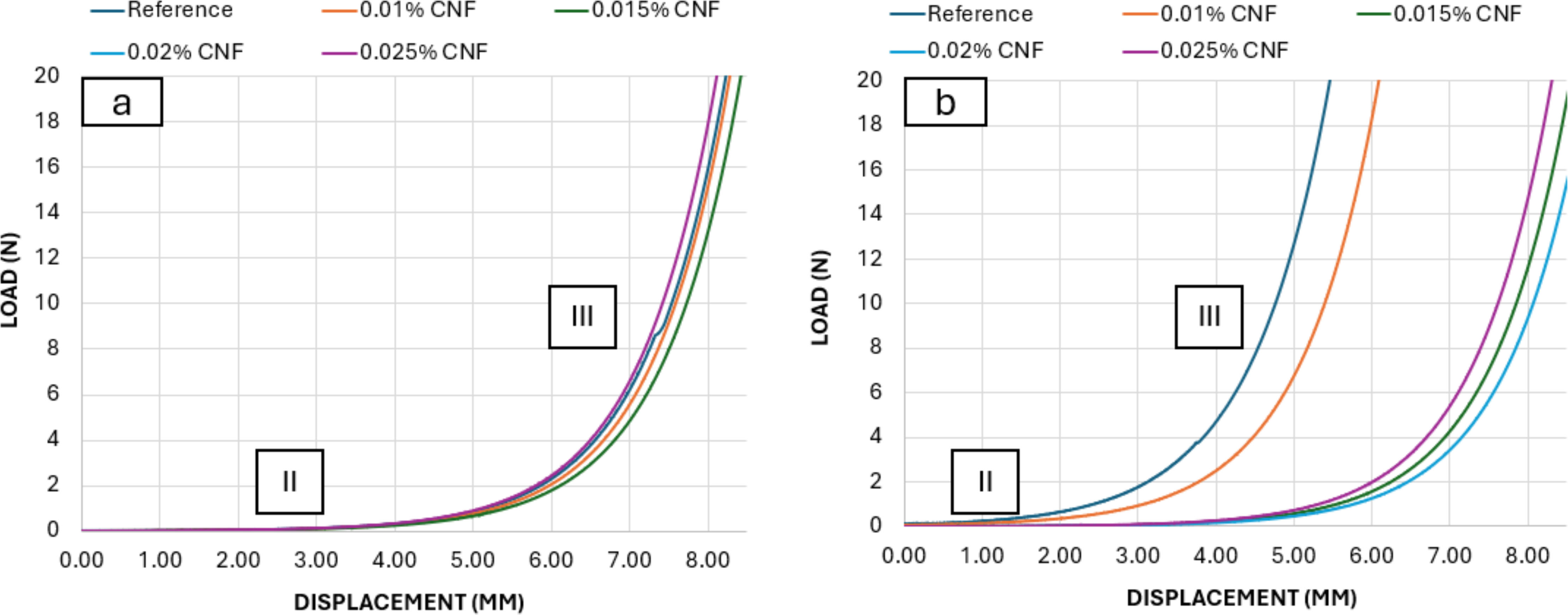
Figure 8 presents the results of the squeeze-flow test performed on cementitious pastes containing fibrillated nanocellulose at varying contents (0.01%, 0.015%, 0.02%, and 0.025%).

Results of the average values from the squeeze-flow test for different formulations of fibrillated nanocellulose in cementitious pastes at a displacement speed of 1 mm/s (a) and 3 mm/s (b)
The load-displacement curves from the compression flow test, depicted in Figure 8, reveal two distinct behavioral stages, as defined by Cardoso, John and Pillegi (2009). The first is a phase of plastic deformation (II), characterized by significant displacement with minimal increase in applied force, as the material flows. This is followed by a stage of strain hardening (III), where the material's resistance to deformation increases sharply. The initial hydration of dry cement particles can form a film or membrane around particle clusters, but these early bonds are susceptible to disruption by applied shear energy (Senff et al., 2014). In the cementitious pastes studied, this tendency for agglomeration was minimized, resulting in enhanced fluidity and the maintenance of high deformation values under a lower applied force.
At a displacement rate of 1 mm/s, all formulations exhibited similar rheological behavior, with strain hardening initiating at approximately 6 mm. In contrast, at a displacement rate of 3 mm/s, both the reference samples and the 0.01% CNF paste transitioned to strain hardening earlier, at around 3 mm and 4 mm, respectively. The other formulations showed similar behavior across both displacement rates.
The phenomenon of strain hardening is attributed to an increase in the solid concentration within the central region of the sample. This observation is supported by phase separation analysis, which indicated a significantly drier central zone at the conclusion of the test (Grandes et al., 2018). This behavior is associated with increased interparticle friction, stemming from geometric confinement imposed by the testing plates or from the accumulation of solids in the central region, and is directly linked to solid–liquid segregation (Cardoso et al., 2014).
Based on these results, we observed that cement pastes containing 0.015%, 0.02%, and 0.025% fibrillated nanocellulose exhibited a superior spreading capacity across all tested displacement rates. This behavior is attributed to the interaction between the nanocellulose and cement particles, which promotes particle dispersion and enhances mixture flowability. These findings align with previous studies (Santos et al., 2021), which have demonstrated that fibrillated nanocellulose acts as a lubricating agent in cementitious materials, reducing interparticle friction and consequently delaying the onset of the hardening phase.
Safanelli et al. (2025) and Nassiri et al. (2021) highlighted that at low CNF concentrations (0.02%), steric stabilization predominates, in which cellulose particles adsorb onto cement grains, reducing the attraction between them and improving the workability of the pastes. This effect is significant only up to approximately 0.1% nanocellulose, as higher concentrations hinder complete adsorption due to the reduced cement surface area available per particle. At higher contents, friction between cellulose particles and nanocellulose agglomeration prevail, leading to the entrapment of free water within the aggregates and a consequent reduction in paste workability.
In contrast to the present study, Souza et al. (2023c) observed that the addition of CNF at 0.010%, 0.025%, and 0.040% significantly increased the yield stress, making the paste more rigid, with a water-to-cement ratio of 0.35. This effect is associated with the hydrophilicity of CNF, which retains part of the mixing water, reducing the availability of free water and increasing the solid content, thereby intensifying cement–cement and fibril–cement interactions. The rheological behavior is strongly dependent on the water-to-cement ratio, since the suspension characteristics are related to the liquid phase.
The results of the compression–flow tests demonstrated rheological behavior consistent with the plastic deformation stage. It was also evident that large deformations occurred under low loads (N), suggesting that the pastes exhibited greater ease of spreading.
Thus, through rheological analyses using squeeze-flow and flow table tests, it was possible to assess that the increase in fibrillated nanocellulose content influenced the spreading capacity of the pastes. With higher nanocellulose contents used in this study (0.02%–0.025%), the cement pastes produced showed greater spreading ability, improving the dispersion of cement particles (Pescarolo et al., 2022). In their study, Martins et al. (2019) classified materials with large displacements as those providing adequate workability for application, allowing the material to spread more easily and, consequently, reducing the physical effort required by construction workers during placement.
Conclusions
This study aimed to analyze the effect of adding different contents of fibrillated nanocellulose on the fresh-state properties of cementitious pastes. Based on the presented experimental results, it is possible to conclude that:
-
cement pastes showed a progressive increase in the consistency index, confirming that the addition of fibrillated nanocellulose resulted in greater spread ability, except for the formulation containing 1.5% CNF, which maintained average values close to the reference. Similarly, the formulations with 1.0% and 1.5% CNF exhibited a reduction in bulk density and an increase in the air content. However, these variations were not statistically significant at the 95% confidence level; and
-
through the compression and flow tests, it was possible to conclude that the increase in fibrillated nanocellulose content influenced the plasticity of the cement pastes. Even with the highest CNF content, the samples exhibited greater displacements, indicating better dispersion of the cement particles.
The results of this research demonstrated that the addition of fibrillated nanocellulose to cementitious pastes improves the fluidity and plasticity of the material in the fresh state, indicating potential to enhance efficiency and sustainability in civil construction by using a natural and renewable additive. This also contributes to the understanding of the rheological behavior of cementitious composites modified with CNF. For future work, it is recommended to expand the investigation beyond the fresh state behavior to include the evaluation of mechanical performance and durability of the pastes in the hardened state. Additionally, it is important to explore the effect of adding fibrillated nanocellulose to different types of cement, as well as its application in concrete and mortars, to better understand its impact on more complex cementitious systems and real-world conditions.
-
BILCATI, G. K.; LIMA, B. R. de, HOLZMANN, H. A.; LENGOWSKI, E. C.; LANGARO, E. A. Effect of fibrillated nanocellulose addition on the fresh-state properties of cementitious pastes. Ambiente Construído, Porto Alegre, v. 25, e149577, jan./dez. 2025. ISSN 1678-8621 Associação Nacional de Tecnologia do Ambiente Construído. http://dx.doi.org/10.1590/s1678-86212025000100940
Declaração de Disponibilidade de Dados
Os dados de pesquisa estão disponíveis no corpo do artigo.
References
- ALBUQUERQUE, D. D. M. et al. Properties of coating mortars with waste from TiO2 production – UOW. Cerâmica, v. 65, n. 375, 2019.
- ARARUNA, J. C. M. et al. Reaproveitamento de fibra de coco como alternativa de adição ecológica para o melhoramento de propriedades mecânicas em argamassas. In: CONGRESSO INTERNACIONAL SOBRE PATOLOGIA E REABILITAÇÃO DAS CONSTRUÇÕES, 17., Fortaleza, 2021. Anais [...] Fortaleza, 2021.
- ASSOCIAÇÃO BRASILEIRA DE NORMAS TÉCNICAS. NBR 13276: argamassa para assentamento e revestimento de paredes e tetos: determinação do índice de consistência. Rio de Janeiro, 2016b.
- ASSOCIAÇÃO BRASILEIRA DE NORMAS TÉCNICAS. NBR 13278: argamassa para assentamento e revestimento de paredes e tetos: determinação da densidade de massa e do teor de ar incorporado. Rio de Janeiro, 2005.
- ASSOCIAÇÃO BRASILEIRA DE NORMAS TÉCNICAS. NBR 15839: argamassa de assentamento e revestimento de paredes e tetos: caracterização reológica pelo método squeeze-flow Rio de Janeiro, 2010.
- ASSOCIAÇÃO BRASILEIRA DE NORMAS TÉCNICAS. NBR 16541: argamassa para assentamento e revestimento de paredes e tetos: preparo da mistura para a realização de ensaios. Rio de Janeiro, 2016a.
- ASSOCIAÇÃO BRASILEIRA DE NORMAS TÉCNICAS. NBR 13281-1: argamassas inorgânicas: requisitos e métodos de ensaios: parte 1: argamassa para revestimento de paredes e tetos. Rio de Janeiro, 2023.
- BALEA, A. et al. Nanocelluloses: natural-based materials for fiber-reinforced cement composites: a critical review. Polymers, v.11, 2019.
- BARNAT-HUNEK, D. et al. Effect of cellulose nanofibrils and nanocrystals on physical properties of concrete. Construction and Building Materials, v. 223, p. 1-11, 2019a.
- BARNAT-HUNEK, D. et al. Effect of eco-friendly cellulose nanocrystals on physical properties of cement mortars. Polymers, v. 11, n. 12, p. 2088, 2019b.
- CARDOSO, F. A. et al. Characterisation of rendering mortars by squeeze-flow and rotational rheometry. Cement and Concrete Research, v. 57, p. 79–87, 2014.
- CARDOSO, F. A.; JOHN, V. M.; PILLEGI, R. G. Rheological behaviour of mortars under diferente squeezing rates. Cement and Concrete Research, v. 39, p. 748-753, 2009.
- CARDOSO, F. A.; PILEGGI, R. G.; JOHN, V. M. Caracterização reológica de argamassas pelo método de Squeeze-Flow In: SIMPÓSIO BRASILEIRO DE TECNOLOGIA DE ARGAMASSAS, 6.; INTERNATIONAL SYMPOSIUM ON MORTARS TECHNOLOGY, 1., Florianópolis, 2005. Anais [...] Florianópolis: ANTAC, 2005.
- CINTRA, C. L. D.; PAIVA, A. E. M.; BALDO, J. B. Argamassas de revestimento para alvenaria contendo vermiculita expandida e agregados de borracha reciclada de pneus: propriedades relevantes. Cerâmica, v. 60, n. 353, p. 69–76, 2014.
- CLARAMUNT, J. et al. Effect of nanocelluloses on the microstructure and mechanical performance of CAC cementitious matrices. Cement and Concrete Research, v. 119, p. 64-76, 2019.
- CZOVNY, C. K. et al. Fresh and hardened properties of cementitious composites with the addition of nanofibrillated cellulose. Revista IBRACON de Estruturas e Materiais, v. 17, n. 2, 2024.
- CHEN, L. et al. Conversion of waste into sustainable construction materials: A review of recent developments and prospects. Materials Today Sustainability, v. 27, p. 100930, 2024a.
- CHEN, Y. et al. Rheology control and shrinkage mitigation of 3D printed geopolymer concrete using nanocellulose and magnesium oxide. Construction and Building Materials, v. 429, p. 136421, 2024b.
- DEZE, E.G. et al. Nanocellulose enriched mortars: Evaluation of nanocellulose properties affecting microstructure, strength and development of mixing protocols. Materials Today: Proceedings, v. 54, p. 50-56, 2022.
- FARIAS, M. M. Celulose nanofibrilada em compósito de cimento Portland: transformações físico-químicas, microestruturais e análise do potencial de mitigação de reação álcali-agregado. Ponta Grossa, 2022. Dissertação (Mestrado em Engenharia e Ciência dos Materiais) - Universidade Estadual de Ponta Grossa, Ponta Grossa, 2022.
- FERREIRA, H. S.; RANGEL, M. C. Nanotecnologia: aspectos gerais e potencial de aplicação em Catálise. Química Nova, v. 32, n. 7, 2009.
- FRANÇA, D. F. S. et al. Avaliação da reologia, da RAA e das propriedades de argamassas no estado fresco utilizando cinza de eucalipto como substituição parcial ao cimento Portland. Ambiente Construído, Porto Alegre, v. 16, n. 3, p. 153-166, jul./set. 2016.
- GARCIA, H. B. Influência da adição de celulose nanofibrilada sobre as propriedades físicas e mecânicas de um concreto permeável São Paulo, 2021. Dissertação (Mestrado em Engenharia Civil) – Universidade São Judas Tadeu, São Paulo, 2021.
- GRANDES, F. A. et al. Squeeze flow coupled with dynamic pressure mapping for the rheological evaluation of cement-based mortars. Cement and Concrete Composites, v. 92, p. 18–35, 2018.
- HUANG, B. et al Rheological properties and dry-cracking resistance of cementitious materials modified by CNFs doping. Desalination and Water Treatment, v. 319, p. 100494, 2024.
- KAMASAMUDRAM, K. S.; ASHRAF, W.; LANDIS, E. Cellulose nanofibrils with and without nanosilica for the performance enhancement of Portland cement systems. Construction and Building Materials, v. 285, 2021.
- LACERDA, M. P. et al. Efeito da adição de polpa de celulose nanofibrilada nas propriedades de argamassas de revestimento. Revista Matéria, Rio de Janeiro, v. 28, p. e20230063, 2023.
- LENGOWSKI, E. C. Formação e Caracterização de filmes produzidos com nanocelulose. Curitiba, 2016. Tese (Doutorado em Engenharia Florestal) - Universidade Federal do Paraná, Curitiba, 2016.
- MARTINS, S. K. et al. Influência da celulose nanofibrilada sobre as propriedades mecânicas de matrizes cimentícias. In: Workshop de Tecnologia de Processos e Sistemas Construtivos, 2019.
- MENDES, A. R.; VANDERELI, R. D.; BASSO, M. A. Análise do processo de dispersão da nanocelulose cristalina para a produção de compósitos cimentícios. Ambiente Construído, Porto Alegre, v. 23, n. 1, p. 183-196, 2023.
- NASSIRI, S. et al. Comparison of unique effects of two contrasting types of cellulose nanomaterials on setting time, rheology, and compressive strength of cement paste. Cement and Concrete Composites, v. 123, p. 104201, 2021.
- PESCAROLO, A. et al. A influência de microfibras de celulose no estado fresco de argamassas. Ambiente Construído, Porto Alegre, v. 22, n. 1, p. 179-190, jan./mar. 2022.
- RAHAT, M. H. et al. Effects of cellulose nanofiber gels on chloride ingress and freeze–thaw properties of cement paste. Construction and Building Materials, v. 472, p. 140997, 2025.
- REIS, R. R.; EFTING, C.; SCHACKOW, A. Cellulose nanofibrils on lightweight mortars for improvement of the performance of cement systems. Carbohydrate Polymer Technologies and Applications, v. 5, 2023.
- SAFANELLI, N. et al Effect of crystalline nanocellulose on the rheology, hydration of cement pastes, and buildability of 3D printed concrete. Journal of Building Engineering, v. 113, p. 114000, 2025.
- SAIN, S. et al. Effect of modified cellulose fibres on the biodegradation behaviour of in-situ formed PMMA/cellulose composites in soil environment: Isolation and identification of the composite degrading fungus. Polymer Degradation and Stability, v. 99, p. 156-165, 2014.
- SANCHEZ, F.; SOBOLEV, K. Nanotechnology in concrete: a review. Construction and Building Materials, v. 24, n. 11, p. 2060-2071, 2010.
- SANTOS, R. F. et al. Nanofibrillated cellulose and its applications in cement-based composites: a review. Construction and Building Materials, v. 288, 123122, 2021.
- SAVASTANO JUNIOR, H. Materiais à base de cimento reforçado com fibra vegetal: reciclagem de resíduos para a construção de baixo custo. São Paulo, 2000. Tese (Doutorado em Engenharia de Construção Civil) - Universidade de São Paulo, São Paulo, 2000.
- SENFF, L. et al. The influence of TiO₂ and ZnO powder mixtures on photocatalytic activity and rheological behavior of cement pastes. Construction and Building Materials, v. 65, p. 191–200, 2014.
- SOUZA, L. O. et al. Effect of microcrystalline and nano-fibrillated cellulose on the mechanical behavior and microstructure of cement pastes. Construction and Building Materials, v. 408, p. 133812, 2023a.
- SOUZA, L. O. et al Effect of nanobrillated cellulose on shrinkage of cement pastes. Materials and Structures, v. 57, 2023b.
- SOUZA, L. O. et al. Investigation of dispersion methodologies of microcrystalline and nano-fibrillated cellulose on cement pastes. Cement and Concrete Composites, v. 126, p. 104351, 2022.
- SOUZA, L. O. et al. Rheological characterization of cement pastes with microcrystalline and nano-fibrillated cellulose under static and dynamic regimes. Cement and Concrete Composites, v. 142, p. 105219, 2023c.
- ZAOUI, A. et al. Fine-tuning the microstructure of concrete composite: Impact of surface-coated nanocellulose on the increase of strength and decrease of strength variation in concrete. Construction and Building Materials, v. 484, p. 141620, 2025.
- ZHANG, L. et al. Molecular dynamics simulation of nanocellulose and cement matrix composites. Construction and Building Materials, v. 449, 2024.
- ZHANG, Y. et al. Comparison of the tensile behaviour enhancement of cement paste incorporated with μm and mm-scale 148 cellulose fibres at the early curing age. Construction and Building Materials, v. 322, 2022.
- ZHANG, Z.; SCHERER, G. W. Measuring chemical shrinkage of ordinary Portland cement pastes with high water-to-cement ratios by adding cellulose nanofibrils. Cement and Concrete Composites, v. 111, p. 103625, 2020.
- ZHANG, J.; YOUNGBLOOD, J. P. Cellulose nanofibril-based hybrid coatings with enhanced moisture barrier properties. Materials Advances, v. 12, n. 9, p. 1234–1245, 2025.
Edited by
-
Editor:
Enedir Ghisi
-
Editors convidada:
Juliana Machado Casali Peruch

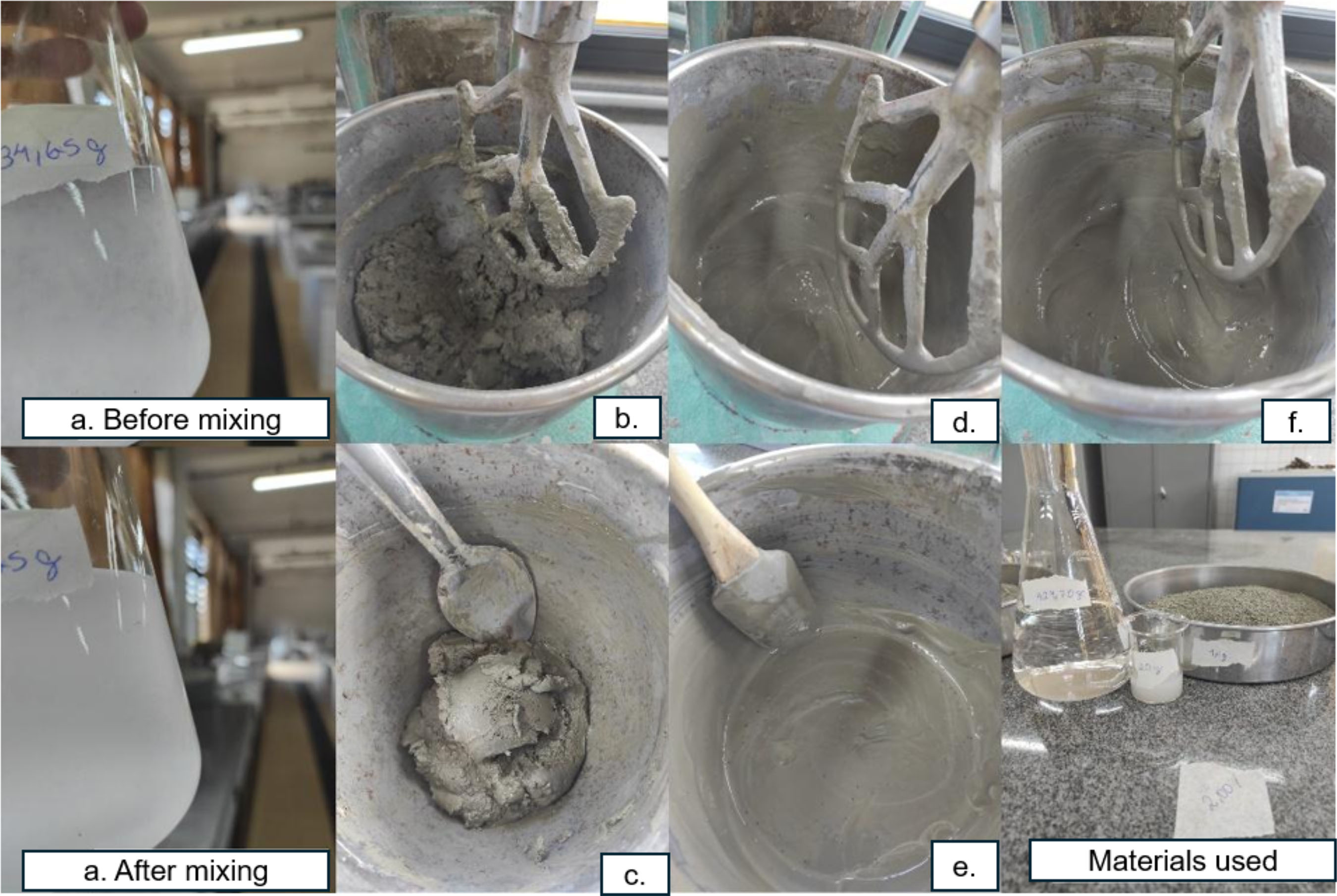 Legend: (a) Fibrillated nanocellulose before and after mixing; (b) Production of cementitious pastes with 75% of the liquids and cement added; (c) Scraping of the mixing bowl; (d) Addition of the remaining 15% of the liquids and homogenization for an additional 30 seconds; (e) Second scraping of the mixing bowl; (f) Final step with an additional 30 seconds of mixing.