Optimization of cementitious mixtures with dregs waste: application of the particle packing method
Abstract
The use of industrial residues as supplementary materials in cementitious systems has been investigated as a strategy to reduce the environmental impact associated with cement production. In this context, this study evaluated the use of dregs waste from the pulp industry in ternary cementitious mixtures optimized using particle packing methods. The mixtures were designed using the wet packing method proposed by Wong and Kwan and the analytical model of De Larrard, with 25% partial replacement of cement by combinations of ground granulated blast furnace slag (GGBFS) and dregs at 5%, 10%, and 15%. The pastes were evaluated through fresh-state tests, compressive strength, thermogravimetric analysis (TG/DTG), and environmental indicators. The results indicated a reduction in workability with increasing dregs content, associated with the morphology of the residue particles. Nevertheless, the optimized particle packing helped maintain the mechanical performance of the mixtures. Thermogravimetric analysis indicated a reduction in portlandite content and an increase in carbonate fractions in the mixtures containing the residue. CO2 emissions decreased with increasing cement replacement levels. Therefore, the results indicate that the combined use of dregs and GGBFS may help reduce cement consumption while maintaining mechanical performance and promoting environmental benefits.
Keywords
Dregs waste; Particle packing; Cement pastes
Resumo
O uso de resíduos industriais como materiais suplementares em sistemas cimentícios tem sido investigado como estratégia para reduzir o impacto ambiental associado à produção de cimento. Nesse contexto, este estudo avaliou o uso de resíduo dregs da indústria de celulose em misturas cimentícias ternárias otimizadas por métodos de empacotamento de partículas. As misturas foram projetadas utilizando o método de empacotamento úmido proposto por Wong e Kwan e o modelo analítico de De Larrard, com 25% de substituição parcial do cimento por combinações de escória granulada de alto-forno moída (GGBFS) e dregs, nos teores de 5%, 10% e 15%. As pastas foram avaliadas por meio de ensaios no estado fresco, resistência à compressão, análise termogravimétrica (TG/DTG) e indicadores ambientais. Os resultados indicaram redução da trabalhabilidade com o aumento do teor de dregs, associada à morfologia das partículas do resíduo. Ainda assim, o empacotamento otimizado das partículas contribuiu para manter o desempenho mecânico das misturas. A análise termogravimétrica indicou redução no teor de portlandita e aumento das frações carbonatadas nas misturas contendo o resíduo. As emissões de CO₂ diminuíram com o aumento da substituição do cimento. Dessa forma, os resultados indicam que o uso combinado de dregs e GGBFS pode contribuir para reduzir o consumo de cimento, mantendo o desempenho mecânico e promovendo benefícios ambientais.
Palavras-chave
Resíduo dregs; Empacotamento de partículas; Pastas de cimento
1 Introduction
The construction industry, due to its high consumption of Portland cement and extensive use of natural resources, stands out as one of the leading sectors demanding the adoption of sustainable solutions. This sector is responsible for approximately 40% of the resources extracted from the planet (Omer; Noguchi, 2020), resources that, in Brazil, in 2025, reached exhaustion in the month of August (GFN, 2025). In addition, the pollutant gas emissions generated by the cement industry correspond to about 8% of global CO₂ emissions (Miller et al., 2018).
Based on this, several public initiatives have encouraged the adoption of technological solutions to reduce the environmental impact of the construction sector. Among these initiatives, the United Nations Sustainable Development Goals stand out, as they include targets related to action against global climate change, responsible consumption and production, sustainable cities and communities, and the strengthening of industry, innovation, and infrastructure.
One of the main sustainable alternatives is the use of supplementary cementitious materials, especially through partial replacement of Portland cement with industrial by-products (Hassan et al., 2013; Oyejobi et al., 2024; Siddique, 2014). This strategy significantly reduces clinker consumption, the primary contributor to CO₂ emissions in cement production, while also adding value to materials that would otherwise be disposed of in landfills (Lothenbach, 2015; Maroszek; Rudziewicz; Hebda, 2025; Teh; Wiedmann; Moore, 2018; Václavík et al., 2020).
To align with global sustainability goals, this study proposes using pulp industry waste as a partial substitute for cement. The pulp industry generates approximately 11.34 to 54.32 kilograms of dregs waste per ton of cellulose produced (Falcão et al., 2024). In Brazil, in 2023, pulp production reached 24.3 million tons (IBÁ, 2025). Given this high level of pulp production, the generation of this residue represents a significant environmental impact, since it is usually sent to landfills due to the lack of a defined destination. Dregs waste is generated during the green liquor clarification stage of the kraft process, which involves removing suspended solids by decantation, followed by washing to remove residual soda (Martins, 2006). Its chemical composition is predominantly composed of calcium oxide (32.6–58.68%), with a substantial presence of sodium oxide (3.4–11.7%) (Martínez-Lage et al., 2016; Mymrin et al., 2020; Oliveira; Costa; Motta, 2024; Rodrigues et al., 2019; Santos et al., 2019).
Studies that analyzed the properties of mortars with partial replacement of cement by dregs found that, at low replacement levels, the residue can contribute satisfactorily to mechanical strength; however, at higher contents, its incorporation tends to affect this property negatively (Martínez-Lage et al., 2016; Oliveira; Costa; Motta, 2024; Santos et al., 2018). This reduction may occur because the residue, lacking pozzolanic properties, acts predominantly as a filler. It improves particle packing and reduces porosity; however, without chemical reactivity, its excessive use increases water demand, thereby compromising strength. In addition, it should be noted that in most studies, the residue is not subjected to mechanical treatment to reduce particle size; thus, it has a particle size greater than 75 µm, the limit established by Oliveira et al. (2024) for classification as a filler, which may further reduce its effectiveness as a filling material.
Falcão et al. (2024) found that one of the main challenges in dregs processing is the high alkali content in its chemical composition. The alkali–silica reaction (ASR) generated by these alkalis was mitigated through the use of cements containing ground granulated blast furnace slag and fly ash in appropriate proportions. Therefore, the authors suggest the combined use of dregs residue with chemically active additions. As one of the main characteristics of the dregs waste is its role as a filler, the potential for a packing study is highlighted.
Although several studies have investigated the incorporation of dregs waste in cementitious systems, most research has focused on simple cement replacement without considering particle packing optimization. Consequently, the influence of dregs on packing density and its relationship with mechanical, microstructural, and environmental performance remains insufficiently explored.
Particle packing concepts have been widely used as a theoretical basis for optimizing cementitious systems, as a better arrangement of solid particles can reduce voids, decrease water demand, and improve the material's mechanical and durability properties (Campos et al., 2019; Ng; Chen; Kwan, 2016; Oliveira et al., 2024; Yang et al., 2021; Yang; Dong; Zhang, 2024). Among the available approaches, the particle packing model proposed by De Larrard (1999) provides an analytical framework for estimating the packing density of granular materials based on particle size distribution. Complementarily, the wet packing method proposed by Wong and Kwan (2008) allows the experimental determination of packing density under conditions closer to those found in cementitious suspensions, considering the presence of water and the interaction between particles. The combined application of these methods has been increasingly used in studies aiming to optimize the composition of cement-based materials, as it integrates theoretical prediction with experimental validation of particle packing behavior (Campos et al., 2019; Oliveira et al., 2024).
Accordingly, this study investigates the feasibility of incorporating pulp mill dregs waste as a filler material in ternary cementitious systems optimized through particle packing methods, evaluating their influence on packing density, mechanical performance, hydration products, and environmental impact. To achieve this objective, 25% of Portland cement was replaced by combinations of dregs waste and ground granulated blast furnace slag in cement pastes. The mixture proportions were defined using the wet packing method proposed by Wong and Kwan (2008) and the analytical compressible packing model of De Larrard (1999). The resulting compositions were evaluated through fresh-state tests, compressive strength measurements, thermogravimetric analysis, and environmental performance indicators.
2 Materials and methods
2.1 Materials
For the preparation of the pastes, the fine materials used were dregs residue, high early strength Portland cement (CP V-ARI), similar to C150/C150M (ASTM, 2021) Type III cement, and GGBFS. Dregs residue was selected due to its high annual generation in the pulp industry and the need for proper disposal. The cement type was chosen because it contains no chemically active additions, while blast furnace slag was employed for its potential to mitigate the alkali–silica reaction (ASR), according to Falcão et al. (2024).
The residue used in this research was collected from an industry in southern Brazil and has shown chemical composition homogeneity over time, as reported by Falcão et al. (2024). To reduce particle size, the residue was ground in a ball mill for 2 hours. The chemical composition of the materials was analyzed using X-ray fluorescence (XRF), and the results are detailed in Table 1. The physical characteristics of the fines are presented in Table 2.
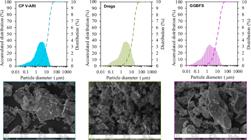
The particle size distribution of the materials, as well as the micrographs obtained by scanning electron microscopy, are presented in Figure 1.
The additive used, a Type 2 water-reducing agent, has a specific gravity of 1.074 g/cm³, a pH of 4.35, and a solids content of 38.37%. The water used was supplied by the local utility.
2.2 Methods
2.2.1 Preparation of the pastes
The preparation of the pastes, both for determining the individual material parameters and for analyzing the composite mixtures, was standardized. The procedure followed the recommendations of Scrivener, Senellings, and Lothenbach (2016). Initially, the materials were mixed manually for 1 minute. Subsequently, the mixture was stirred mechanically for an additional 2 minutes at 1600 rpm.
2.2.2 Particle packing
The methodology adopted in this research is based on the recommendations of Campos et al. (2019) and Oliveira et al. (2024), which use the individual experimental packing density of the materials as an input parameter for the analytical method. Based on the results obtained in the analytical stage, an experimental evaluation of the mixtures was conducted to correlate them with the theoretical analyses performed.
Before applying the particle packing method, the water-to-fine (w/f) ratio and the saturation point of the Type II water-reducing admixture (ABNT, 2019) in the fine materials were determined separately. To determine these parameters, the mini-slump test was used, which consists of pouring the paste into a Kantro mold positioned at the center of a glass plate. After filling, the mold is carefully lifted, allowing the paste to spread freely. After the stabilization period, the spread diameter is measured and used as a parameter for analyzing the system's flowability.
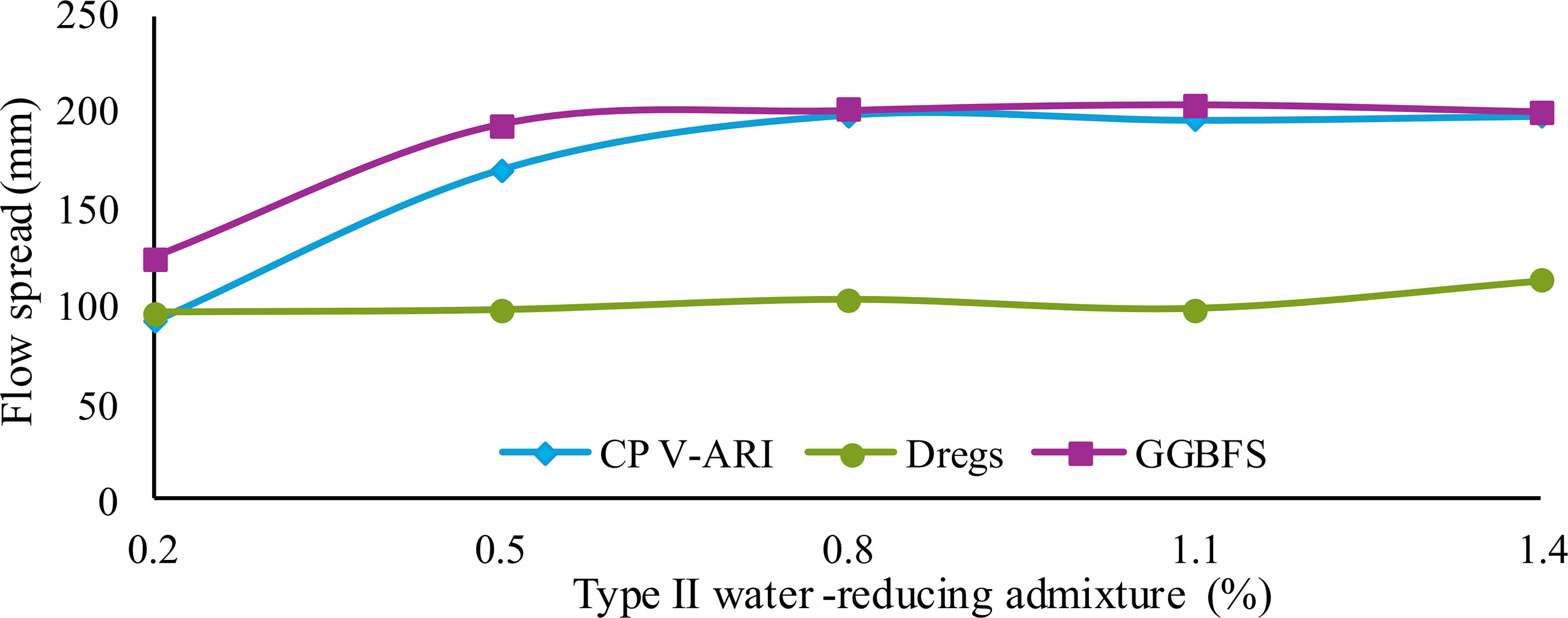
After evaluating different w/f ratios, the following values were defined: cement (0.4), slag (0.4), and dregs (0.8). Subsequently, to determine the optimal admixture dosage, the flowability of pastes containing 0.2% to 1.4% was analyzed, within the limits recommended by the manufacturer. The increments adopted were 0.3% between dosages, which allowed the identification of the saturation point based on the spreading behavior. Figure 2 shows the variation of spread as a function of the Type II water-reducing admixture content for CP V-ARI, GGBFS, and dregs residue.

Effect of type II water-reducing admixture content on the flow spread of CP V-ARI, GGBFS, and dregs pastes
It can be observed that the dregs residue exhibited an almost constant behavior across the evaluated dosages, with only minor variations in flow spread. For CP V-ARI and GGBFS, a significant increase in flow spread is observed at admixtures between 0.2% and 0.5%. Beyond this range, the values tend to stabilize, remaining almost constant up to 1.4%.
2.2.2.1 Application of Wong and Kwan’s (2008) wet method
To determine the maximum solids concentration, the method of Wong and Kwan (2008) was used. After determining the individual material parameters, the method involves preparing pastes with different water-to-fines (w/f) ratios to identify the condition that yields the highest bulk density of the mixture in the wet state. To determine the pastes’ bulk density, a container of known volume was used. After filling it with the material, the mass of the assembly was measured, allowing the density to be calculated as the ratio of the measured mass to the container volume. The bulk density test identified the highest solids concentration and the lowest void ratio.
Thus, using Equations 1 to 5, it is possible to obtain the solids volume, water volume, void ratio, air content, and solids concentration.
Where:
is the volume of solids of the fines present in the paste (cm³);
is the mass of paste that fills the container of known volume (g);
is the density of water (g/cm³);
is the water-to-fines ratio by volume (-);
is the specific mass of material ‘i’(g/cm³);
is the volume of material ‘i’ relative to the total solids volume (cm³);
is the void ratio (cm³);
is the void ratio (-);
is the solids volume (cm³);
is the known volume of the container (cm³);
is the air content (-); and
is the solids concentration (-).
2.2.2.2 Application of De Larrand’s (1999) compressible packing model analytical method
The analytical method proposed by De Larrard (1999), called the Compressible Packing Model (CPM), was used to determine the virtual and real densities of the studied mixtures. This model was developed to better describe the behavior of granular systems, especially those composed of particles of different sizes. The CPM is based on the principle that particle packing is not ideal. In practice, the granular arrangement is influenced both by the particle size distribution and the compaction energy applied. Moreover, the model assumes that particles of different sizes interact, modifying the spatial arrangement and, consequently, the final density of the mixture.
The virtual packing density corresponds to the maximum theoretically achievable density of a mixture, assuming that particles are individually positioned to occupy the smallest possible volume, resulting in an idealized, highly optimized arrangement. In this approach, the simulation considers only geometric and particle-size aspects, disregarding particle morphological characteristics such as shape and surface texture.
In real packing, particles are not organized individually but are subjected to mixing and compaction. In this context, the granular arrangement is influenced not only by the size distribution but also by particle shape, roughness, and grain interactions.
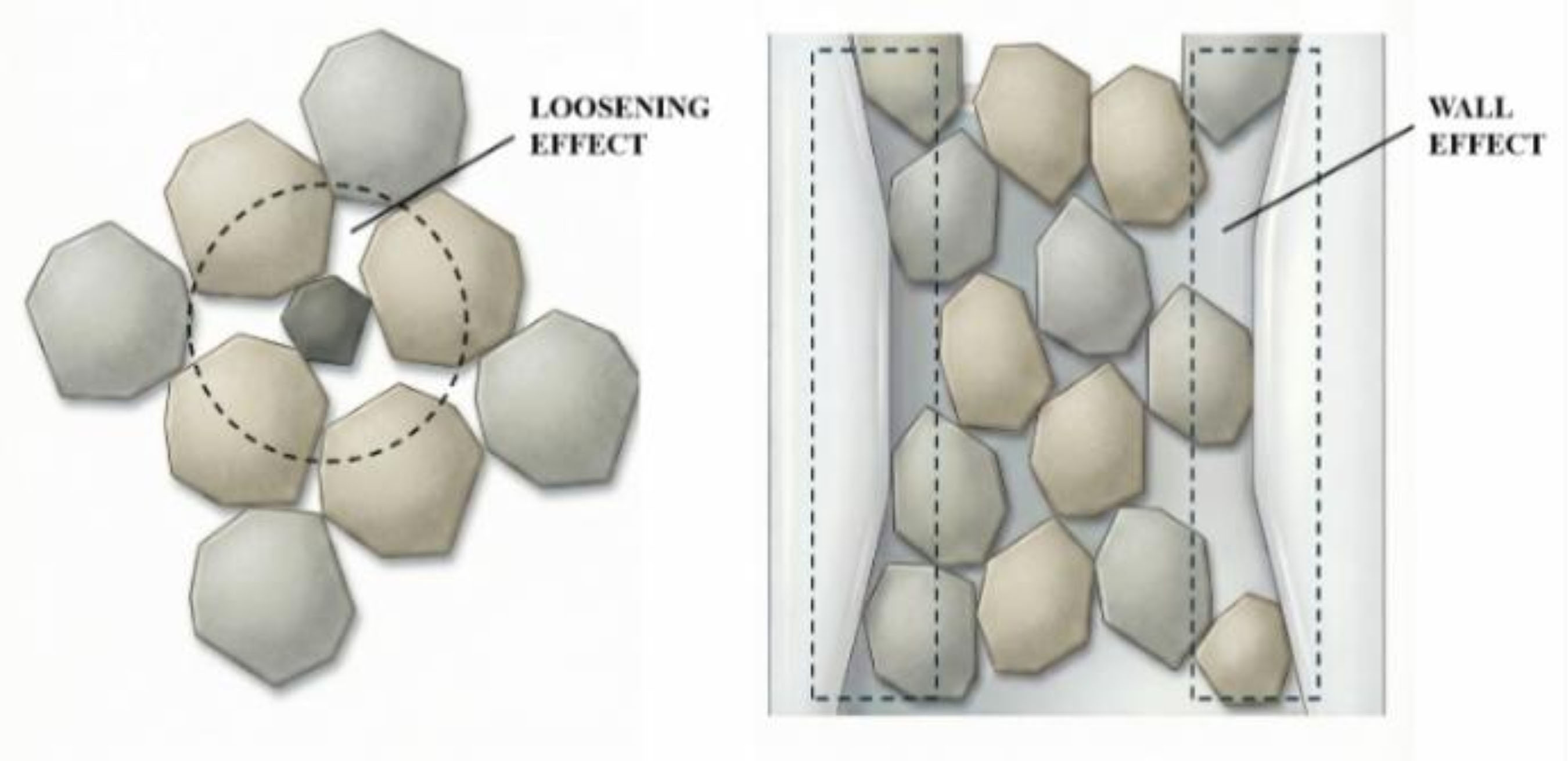
Among the main mechanisms considered by the model are the loosening effect and the wall effect (Figure 3). The loosening effect occurs when particles of a certain size class cannot fit into the voids left by the immediately coarser class. In this case, the larger particles are displaced, increasing the mixture's void volume. The wall effect occurs when there is a large difference between particle diameters. In this situation, the surface of the coarser grain acts as a barrier to the finer particles, hindering their packing near the contact region and locally increasing porosity.
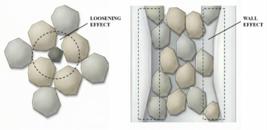
For the method, the particle size classes are organized in descending order by dominant diameter. The virtual packing density was calculated based on the dominant class, defined as the class with the largest diameter among the classes in the mixture, and on the volumetric proportions of each material, calculated according to Equation 6. The loosening and wall effects were considered using Equations 7 and 8. Finally, the real packing is obtained using the compaction criterion , as described in Equation 9.
Where:
is the virtual packing density (-);
is the maximum solids concentration (-);
is the exclusion effect (-);
is the wall effect (-);
is the dominant mean diameter (µm);
is the compaction index (-);
is the volumetric proportion of each material (-); and
is the real density (-).
For the calculation of the real density, a value of 12 was adopted, as proposed by Fennis (2011) for pastes produced with water and admixtures.
A replacement level of 25% of the cement was applied in all evaluated samples. This percentage was defined based on previous studies investigating the incorporation of fine materials with low or no chemical reactivity into cementitious pastes, indicating that this level of replacement allows for a consistent assessment of the physical effects of the material, particularly those related to packing, without significantly compromising the system’s performance (Campos et al., 2019; Oliveira et al., 2024). The mixtures were labeled as REF (reference), 5D (5% dregs, 20% GGBFS), 10D (10% dregs, 15% GGBFS), and 15D (15% dregs, 10% GGBFS), with the additions expressed on a mass basis and used as partial replacements for Portland cement.
2.2.3 Assessment of mechanical performance and thermogravimetric analysis
Cylindrical specimens with dimensions of 4 × 8 cm were molded. The procedure consisted of filling the mold in three layers, applying 15 strokes with a tamper per layer.
The specimens were tested for compressive strength at 28 days in accordance with NBR 7215 (ABNT, 2019). Four specimens were prepared for each mixture. Until the time of testing, the samples were cured in a saturated lime water bath. The results were analyzed using analysis of variance (ANOVA) with a 95% confidence level.
Fragments collected from the compressive strength test were used to investigate the hydration products by thermogravimetric analysis. The samples were prepared as recommended by Scrivener; Snellings; Lautenbach (2016). Thus, the samples were initially immersed in isopropyl alcohol for 24 hours to halt hydration. They were then ground and stored in hermetically sealed containers to prevent interaction with ambient moisture until the analyses were performed. The thermogravimetric analysis (TG/DTG) was performed in a temperature range from room temperature to 1000 °C, using a heating rate of 20 °C/min under a nitrogen atmosphere.
2.2.4 Environmental performance
Environmental performance was analyzed through the calculation of the carbon index (CI) and the binder index (BI), as presented by Oliveira et al. (2024). The binder index (Equation 10), expressed in kg·C/m³/MPa, represents the amount of cement (including clinker, calcium sulfate, and limestone filler) required to obtain 1 MPa of compressive strength.
The carbon index (Equation 11), expressed in kg CO₂/MPa, represents how many kilograms of CO₂ are emitted to achieve 1 MPa of compressive strength.
For the CO₂ emissions analysis, Equations 12, 13, 14 and 15 were used.
Where:
is the clinker consumption (kg/m³);
is the Portland cement consumption (kg/m³);
is the emissions generated by the dregs (kg. CO2/t);
is the emissions due to the 2-hour mechanical treatment in a ball mill (kg.CO2/t);
is the emissions from composite cement (kg.CO2/t);
is the clinquer emissions (kg.CO2/t);
is the emissions from the limestone filler used in cement production (kg.CO2/t);
is the limestone filler consumption (kg/m³);
is the paste emissions (kg.CO2/t);
is the admixture emissions (kg.CO2/t); and
is the admixture consumption (kg/m³).
The composition limits of Portland cement (CP V-ARI) established by NBR 16697 (ABNT, 2018) were adopted, which allow up to 10% addition of carbonate material. In addition, a calcium sulfate content of 2.75% was assumed based on the cement's chemical composition. For the dregs residue, only the emissions from the 2-hour mechanical treatment in a ball mill were considered. It is worth noting that, in the present analysis, upstream emissions associated with the generation of dregs waste were not considered, i.e., the CO2 released during its production before incorporation into the paste. This choice is due to the fact that dregs is considered a by-product with low environmental impact, with the main allocation of emissions attributed to cement. The data used for the environmental performance calculations are presented in Table 3.
3 Results and discussions
3.1 Particle packing
The packing density results of the studied fines, obtained using the method of Wong and Kwan (2008), are presented in Figure 4.
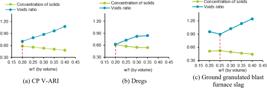
For cement, a solids concentration of 0.586 corresponds to a void ratio of 0.706, obtained with a w/f ratio of 0.2. For values above 0.2, excess water between the particles is observed, reducing the solids concentration and increasing the void ratio as the w/f value rises. A similar behavior is observed when dregs waste is analyzed in isolation: the maximum solids concentration was 0.615, while the void ratio was 0.626 for a w/f ratio of 0.2. For GGBFS, the ideal values are a w/f ratio of 0.25, solids concentration of 0.526, and void ratio of 0.899. In this case, a water amount below 0.25 (w/f) was insufficient to wet all the grains. Comparing the results, it can be observed that the highest solids concentration and, consequently, the lowest void ratio were obtained for the dregs residue.
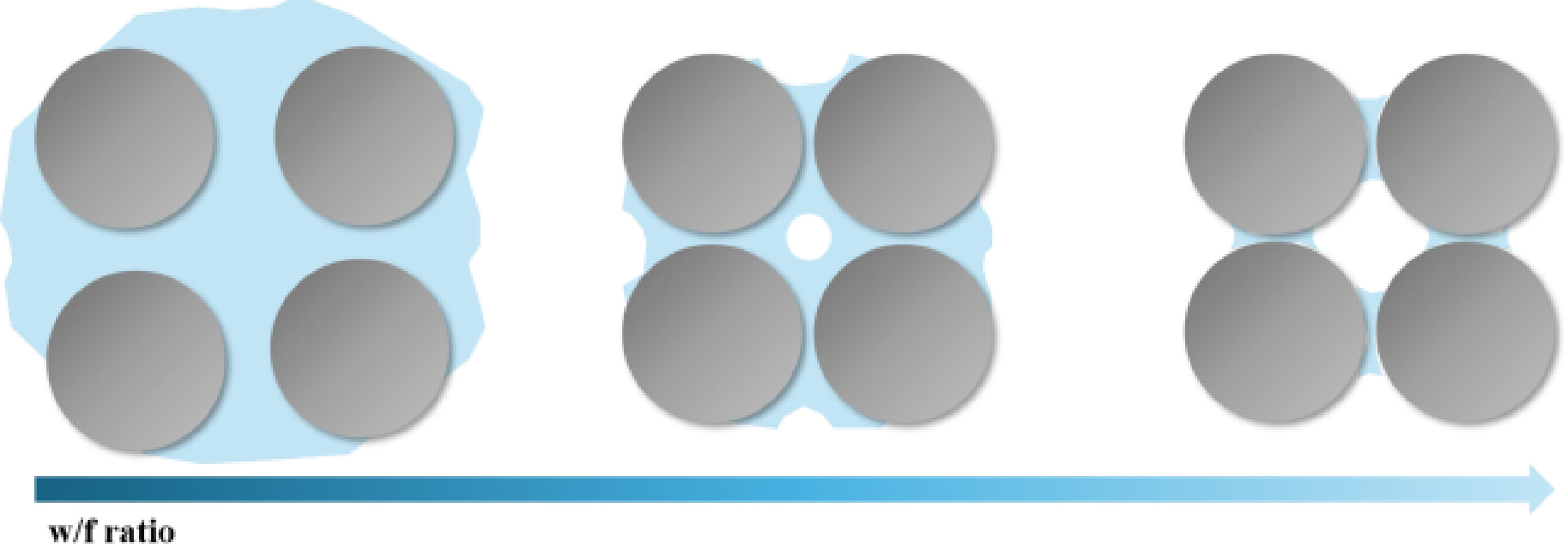
In summary, according to Fennis (2011), when the water-to-fines ratio (w/f) is high, the particles are more widely spaced, resulting in an increased void volume and a reduced solids concentration in the mixture. As water content is gradually reduced, particles approach each other, reducing the voids until the optimal packing condition is reached. In this condition, the amount of water present is sufficient only to coat and lubricate all the particles, allowing the maximum paste density to be achieved. When the water content is reduced below this point, the available water becomes insufficient to fill the voids between particles, acting only to form liquid bridges between grains, leaving voids within the mixture structure. The different conditions of particle dispersion in water are illustrated in Figure 5.
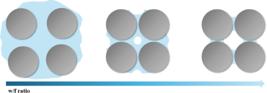
Based on the results obtained, the analytical method of De Larrard (1999) was applied. The data regarding the real and virtual packing, as well as the quantities of materials used, are presented in Table 4.
The results indicate that the incorporation of dregs and GGBFS influences the packing behavior of the pastes. As the proportion of dregs increases from 5% to 15%, the virtual packing density rises from 0.577 to 0.595, and the real packing density from 0.544 to 0.557, indicating a more efficient particle arrangement. This improvement can be attributed to the filler effect provided by the finer particles, which helps fill the voids between larger particles and optimizes the particle size distribution of the system. The analysis of the solids concentration and void ratio curves also supports this interpretation, as materials with lower void ratios tend to promote higher packing densities. Thus, the combined use of cement, dregs, and GGBFS promotes a more compact granular structure, which can contribute to reducing the void volume of the paste and, potentially, to improving the overall performance of the cementitious matrix.
3.2 Fresh state
The mini-slump test results show that only the reference mixture presented measurable spread (193.33 mm), whereas the mixtures containing dregs (5D, 10D, and 15D) did not exhibit flow and remained approximately at the cone diameter. A reduction in the workability of mortars with the introduction of dregs was also observed by Menezes (2022), Novais et al. (2018) and Oliveira (2022). According to Falcão et al. (2025), the reduction in workability caused by the residue is directly related to the morphology of the dregs particles, which are characterized by agglomerates, irregular structures, and small particle size. He et al. (2021) and Khaleel and Abdul Razak (2012) also emphasize that microstructural irregularities and particle shape can generate frictional forces between them, reducing the flowability of the mixtures. In practical terms, this low workability may limit the direct application of these formulations, without adjustments to the composition, in mortars and concretes. However, within the scope of this study, the pastes proved sufficiently workable to allow for bulk density measurement and subsequent molding of the specimens. The measured bulk densities were 3.50, 3.34, 3.24, and 3.28 g/cm³ for REF, 5D, 10D, and 15D, respectively, indicating a general tendency of decreasing density with increasing dregs incorporation. The slightly higher bulk density observed for the 15D mixture compared with 10D may be related to local variations in particle packing and dispersion, which can influence the packing efficiency of the paste.
3.3 Hardened-state properties
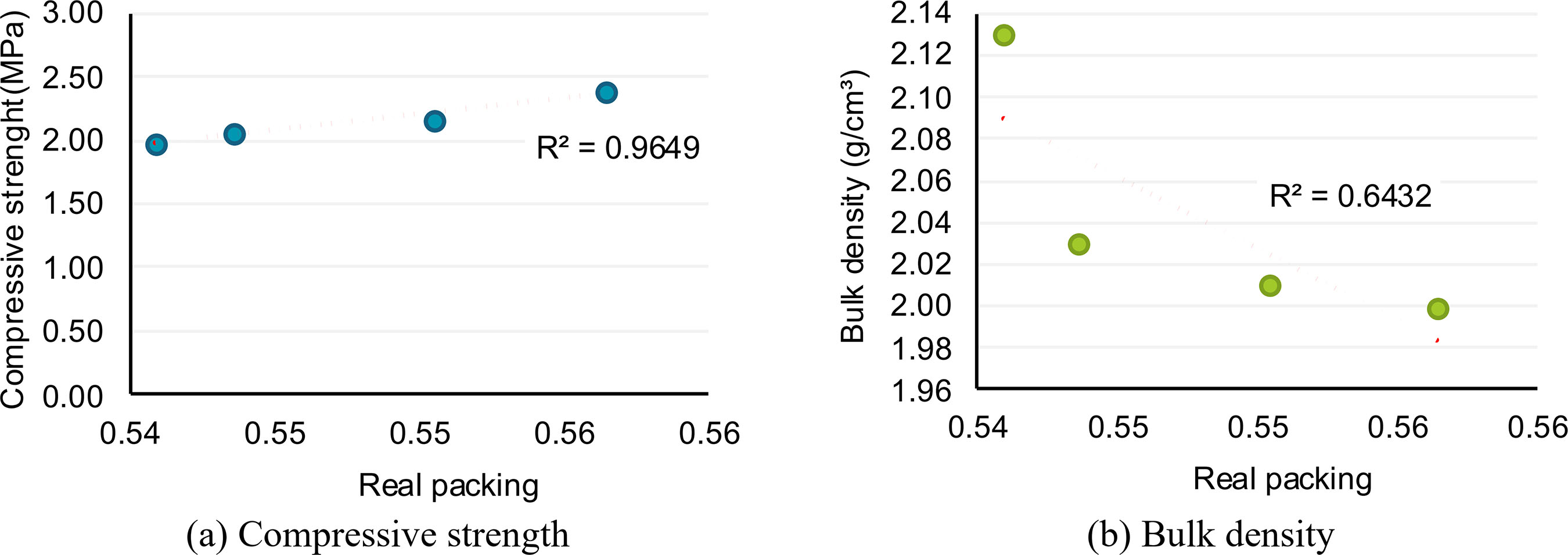
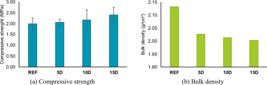
The results of the compressive strength and bulk density tests at 28 days are presented in Figure 6. Regarding compressive strength, a slight increase is observed as the percentage of dregs addition rises. However, due to the standard deviation, the results do not show statistically significant differences, as indicated by ANOVA at the 95% confidence interval (Table 5). Concerning bulk density, the reference mixture shows a considerable difference compared to the others, which are considered equivalent. As the amount of dregs added increases, the density tends to decrease.
The hydration kinetics and particle packing are strongly influenced by the particle size distribution of the materials (Bentz et al., 1999). According to Oliveira et al. (2024), to maximize packing effect, the additions must consist of particles smaller than 75 µm. However, replacing part of the cement with non-pozzolanic materials with larger particles generally reduces mechanical strength. This occurs because the physical effects of particle packing may not be sufficient to compensate for the loss of chemical activity provided by the replaced cement (Rojo-López et al., 2022).
Despite this, in this study, employing packing methods, a mechanical strength increase of approximately 21.9% was observed for the partial replacement of 15% of cement with dregs residue compared to the samples without any addition. This behavior can be explained by the filler effect of the waste, which tends to occupy the voids between cement particles that would otherwise be filled by water, improving particle packing and density in the paste (Chu et al., 2022; Tang et al., 2020). Nevertheless, despite the modest change, the results demonstrate a positive impact, especially considering the reduction in cement consumption.
In the study by Oliveira et al. (2024), the authors investigated the use of mixed recycled powder (RMP), obtained from finely ground and thermally activated construction and demolition waste (CDW), as a partial substitute for Portland cement in cementitious pastes. Compressive strength tests were conducted at 28, 63, and 91 days for mixtures with RMP contents ranging from 0% to 65% by volume, all formulated with water-to-fines ratios optimized using particle-packing methods. The results showed that, when 45% of the cement was replaced with RMP, the compressive strength at 28 days reached approximately 37 MPa, a value higher than that of the reference paste without replacement, indicating that the recycled powder can act not only as a physical filler but also contribute to a more efficient microstructure in terms of density and structural continuity.
In this context, research investigating blended cement pastes with recycled concrete powder and waste perlite, using the wet packing method, indicated that incorporating these waste materials improved packing density, leading to enhanced mechanical performance in many ternary mixtures (Dacić; Fenyvesi, 2023). Rocha, Cordeiro, Toledo Filho (2013) reported that stone-cutting waste and ground clay brick waste influence hydration and packing density in cement pastes, with ternary mixtures maintaining compressive strength at significant levels of cement replacement.
The linear regression (Figure 7) between real packing and compressive strength shows a high coefficient of determination (R²) of 0.96, indicating a strong correlation between the evaluated variables. However, this relationship should be interpreted with caution, since the regression is based on a limited number of mixtures (n = 4). Therefore, although the results suggest a positive association between packing density and compressive strength, the observed correlation should be considered indicative rather than evidence of a direct causal relationship.

Linear regression of real packing in relation to (a) Compressive strength and (b) Bulk density
3.4 Thermogravimetric analysis (TG/DTG)
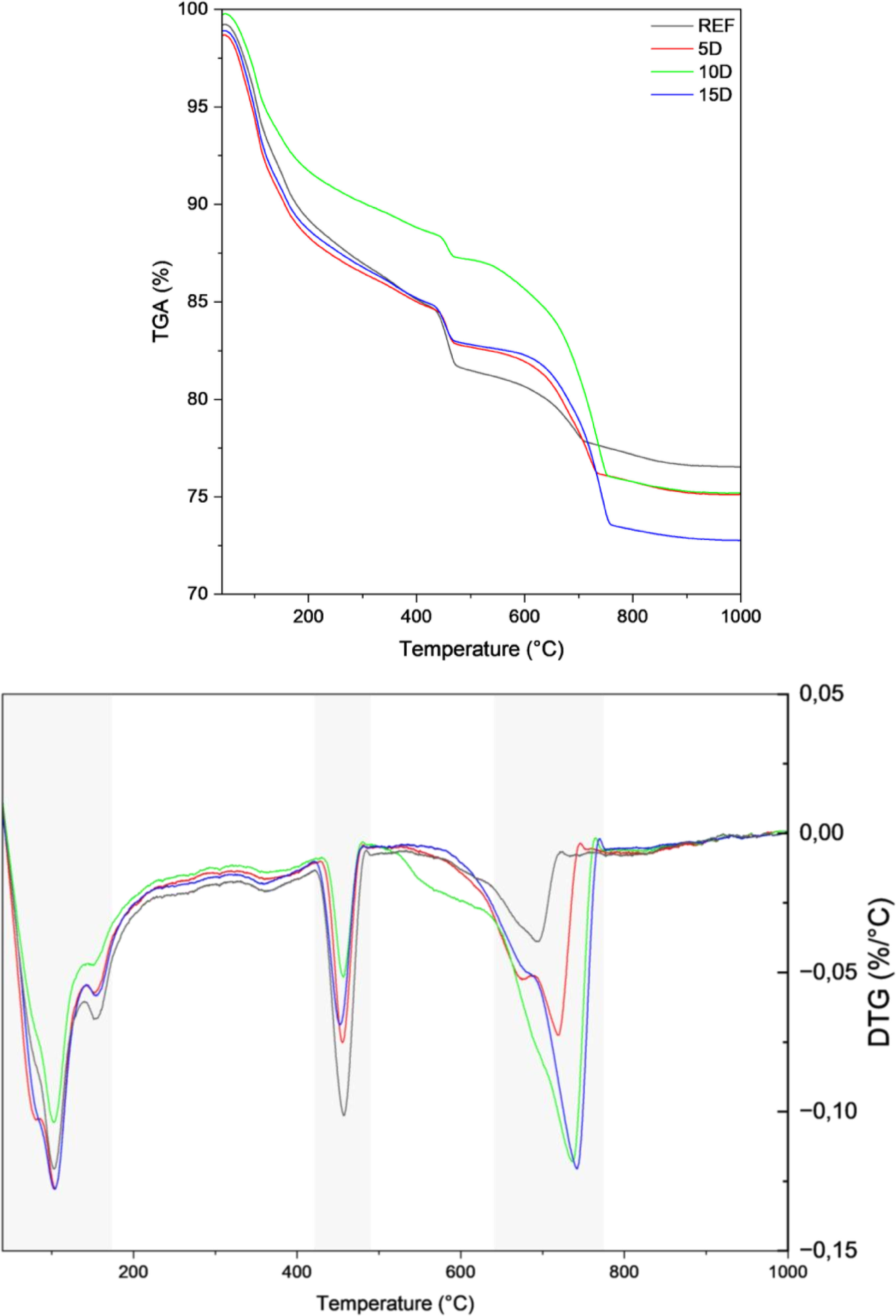
Figure 8 presents the results obtained from the thermogravimetric analysis conducted at 28 days samples.
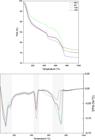
The TG/DTG curves identify three main thermal decomposition ranges. The first region, up to approximately 200 °C, corresponds to the loss of physically adsorbed water and to the dehydration of hydration products such as ettringite and calcium silicate hydrate (C–S–H). The second region, centered around 400–500 °C, is associated with the dehydroxylation of portlandite (Ca(OH)₂). The third region, between approximately 600 and 800 °C, corresponds to the thermal decomposition of carbonates, mainly calcium carbonate (CaCO₃). These thermal events are widely reported in thermogravimetric studies of hydrated cementitious systems (Hallet et al., 2022; Walling et al., 2023).
Quantification of the decomposition products revealed clear differences between the reference paste and the mixtures containing dregs and GGBFS. The REF mixture presented a portlandite content of 13.27%, while the mixtures containing dregs exhibited lower values of 7.60%, 4.66%, and 8.03% for the 5D, 10D, and 15D mixtures, respectively. The reduction in Ca(OH)₂ content in the blended pastes can be associated with the partial replacement of cement and with modifications in the hydration assemblage caused by the presence of supplementary materials. Similar reductions in portlandite content have been reported in blended cement systems incorporating slag and other mineral additions (Boualleg et al., 2017; Provis; van Deventer, 2014).
The presence of alkalis in the dregs, especially Na₂O (5.41%), significantly influences the thermal behavior of the cementitious mixtures. According to the literature, the presence of alkalis increases the rate at which silica and alumina react with Ca(OH)₂, promoting greater consumption of portlandite and additional formation of C–S–H/C–(A)–S–H (Bui et al., 2015; Ibrahim et al., 2017; Kulasuriya et al., 2014; Snellings et al., 2010).
Thus, although the residue is not pozzolanic, it may exert a chemical influence through the alkaline ions, which can modify the pore solution pH and potentially influence the hydration behavior of the slag phases. As a result, a greater formation of secondary hydration products, such as C–S–H and C–A–S–H, is observed, evidenced by the intensified dehydration peaks between 100 and 200 °C. Alkaline activation may also contribute to increased consumption of portlandite, as indicated by the peak associated with Ca(OH)₂ dehydroxylation between 400 and 500 °C.
In contrast, the carbonate content increased significantly in the mixtures containing dregs. While the REF mixture presented 5.48% of CaCO₃, the values increased to 13.96%, 20.30%, and 21.39% for the 5D, 10D, and 15D mixtures, respectively. This increase is consistent with the decomposition peaks observed in the DTG curves between 600 and 800 °C, which correspond to the thermal decomposition of calcium carbonates. The higher carbonate contents may be associated with the presence of calcium-rich phases and pre-carbonated fractions in the residue, as well as with the greater susceptibility of systems with reduced cement content to carbonation reactions. In addition, the alkali compounds present in the dregs may modify the pore solution chemistry and influence carbonate formation and stability in the hydrated system, a behavior reported in blended cementitious materials containing industrial residues (Yoon et al., 2020; Hallet et al., 2022; Walling et al., 2023).
Overall, the thermogravimetric analysis indicates that the incorporation of dregs and GGBFS significantly modified the phase composition of the hydrated pastes, leading to lower portlandite contents and substantially higher carbonate contents when compared with the reference mixture.
3.5 Environmental assessment
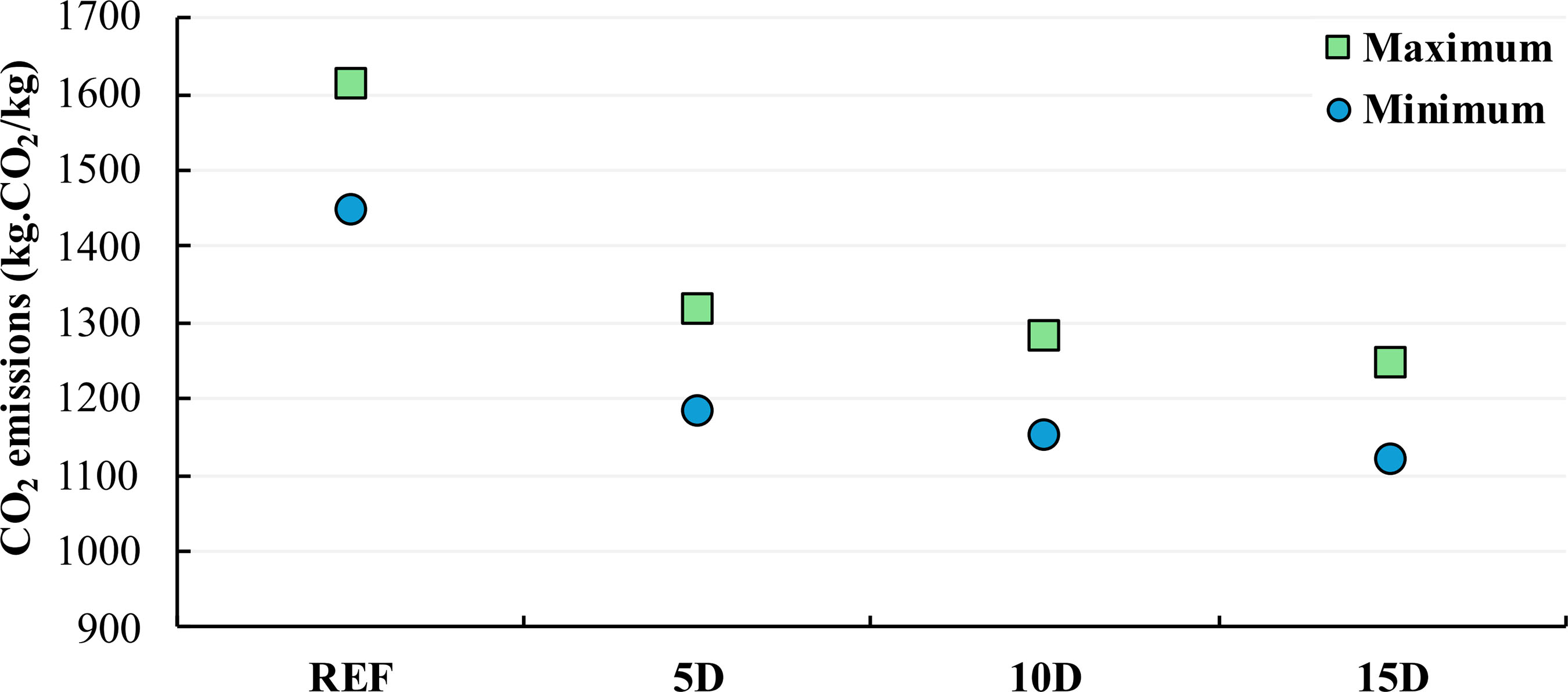
The results obtained for the CO₂ emissions of the studied pastes are presented in Figure 9.
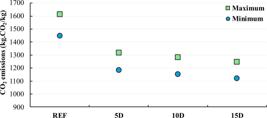
The analysis of CO₂ emissions from the pastes shows that the higher the cement replacement with dregs residue, the lower the emissions. A significant decrease is observed, especially between the REF and 5D compositions, with a reduction of approximately 22.4% for the maximum emission values. For the other compositions, reductions of about 25.9% and 29.4% are observed for the 10D and 15D mixtures, respectively, compared to REF.
Regarding the binder and carbon indices (Figure 10), the same trend observed for the pastes' CO₂ emissions is evident. Thus, considerable reductions are achieved when partially replacing cement with dregs residue and blast furnace slag at a total replacement of 25%. This reduction is even more pronounced in the 15D combination, which contains 15% dregs residue and 10% GGBFS.
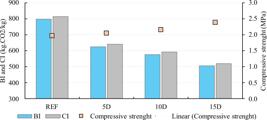
The reduction in emissions is directly linked to the partial replacement of cement, whose production is one of the main sources of CO₂ in the construction materials sector, with two supplementary cementitious materials with a low carbon footprint: dregs residue and blast furnace slag. As shown in Table 3, clinker emissions are approximately 13 times higher than those of blast furnace slag and 21 times higher than those of dregs residue. Thus, the incorporation of these materials in place of clinker significantly reduces the environmental impact of the pastes, while maintaining mechanical performance and substantially reducing the system’s carbon footprint.
Several studies support the importance of using supplementary cementitious materials to reduce the carbon footprint of cement. Orozco et al. (2024) investigated the effect of ground granulated blast furnace slag and fly ash in concretes. The results indicate that using fly ash reduces CO₂ emissions by 54%, while blast furnace slag reduces them by 61% compared to conventional concrete. Studies conducted by Yang et al. (2015) and Zahid et al. (2023), which employed the same supplementary cementitious materials, also reported reductions in emissions. Oliveira et al. (2024) analyzed cementitious materials in which cement was partially replaced by thermally activated construction waste powder ground for varying durations. This study found a reduction of up to 53% in the carbon footprint compared to the reference material.
4 Conclusions
Based on the experimental program developed in this study, the following conclusions can be drawn:
-
the dregs waste presents physical characteristics that make it suitable as a filler material in cementitious compositions, improving particle packing and contributing to porosity reduction through a physical filling effect;
-
mixtures containing dregs showed reduced workability, possibly due to the particle morphology, which increases the water demand required to achieve the desired fluidity;
-
compositions with partial replacement of cement by ground granulated blast furnace slag and dregs waste exhibited higher real packing values, indicating that the incorporation of dregs primarily contributes to particle packing optimization rather than chemical reactivity;
-
compressive strength showed a slight increase with the addition of dregs, although no statistically significant differences were observed between the mixtures. This result is relevant, considering that dregs replace cement and act predominantly as a filler material in the paste;
-
thermogravimetric analysis suggests that the alkalis present in dregs may contribute to the partial activation of GGBFS. In this context, dregs act mainly as a secondary alkali source rather than as a reactive pozzolanic material;
-
environmental assessment demonstrates satisfactory performance in terms of CO₂ emissions of the pastes, as well as in the binder and carbon indices, confirming the potential of ternary mixtures to reduce environmental impact; and
-
the use of dregs can reduce the need for landfill disposal while promoting the reuse of industrial residues in cementitious matrices, contributing to more sustainable practices in the construction sector.
-
FALCÃO, J.; MELO, R.; MASUERO, A. G.; DAL MOLIN, D. C. C. Optimization of cementitious mixtures with dregs waste: application of the particle packing method. Ambiente Construído, Porto Alegre, v. 26, e152364, jan./dez. 2026. ISSN 1678-8621 Associação Nacional de Tecnologia do Ambiente Construído. http://dx.doi.org/10.1590/s1678-86212026000100980
-
Declaration of Generative AI and AI-Assisted Technologies in the Writing Process
No generative AI or AI-assisted tools were used.
-
Financial Support
This work was supported by a scholarship from Coordenação de Aperfeiçoamento de Pessoal de Nível Superior (CAPES).
Data Availability Statement
Research data is available only upon request from the corresponding author.
References
- AMERICAN SOCIETY FOR TESTING AND MATERIALS. C150: standard specification for portland cement. West Conshohocken, 2021.
- ASSOCIAÇÃO BRASILEIRA DE NORMAS TÉCNICAS. NBR 16605: cimento Portland e outros materiais em pó: determinação da massa específica. Rio de Janeiro, 2017.
- ASSOCIAÇÃO BRASILEIRA DE NORMAS TÉCNICAS. NBR 16697: cimento Portland: requisitos. Rio de Janeiro, 2018.
- ASSOCIAÇÃO BRASILEIRA DE NORMAS TÉCNICAS. NBR 7215: cimento Portland: determinação da resistência à compressão de corpos de prova cilíndricos. Rio de Janeiro, 2019.
- BELIZARIO-SILVA, F.; OLIVEIRA, L. A.; JOHN, V. M. Relatório de coleta de dados para o Sistema de Informação do Desempenho Ambiental da Construção: cimento. São Paulo: SIDAC, 2022.
- BENTZ, D. P. et al. Effects of cement particle size distribution on performance properties of Portland cement-based materials. Cement and Concrete Research, v. 29, p. 1663–1671, 1999.
- BOUALLEG, S. et al. The combined effect of the initial cure and the type of cement on the natural carbonation, the portlandite content, and nonevaporable water in blended cement. Advances in Materials Science and Engineering, v. 2017, 5634713, p. 1–17, 2017.
- BUI, P. T. et al A study on pozzolanic reaction of fly ash cement paste activated by an injection of alkali solution. Construction and Building Materials, v. 94, p. 28–34, 2015.
- CAMPOS, H. F. et al. Determination of the optimal replacement content of Portland cement by stone powder using particle packing methods and analysis of the influence of excess water on paste consistency. Revista IBRACON de Estruturas e Materiais, v. 12, n. 2, p. 210–232, 2019.
- CHU, S. H. et al. Packing density of ternary cementitious particles based on wet packing method. Powder Technology, v. 405, 117493, 2022.
-
CZIGLER, T. et al Laying the foundation for zero-carbon cement. McKinsey & Company, May, 2020. Available: https://www.mckinsey.com/industries/chemicals/our-insights/laying-the-foundation-for-zero-carbon-cement. Access: Fev. 16, 2026.
» https://www.mckinsey.com/industries/chemicals/our-insights/laying-the-foundation-for-zero-carbon-cement - DACIĆ, A.; FENYVESI, O. Packing density investigation of blended cement pastes incorporating waste perlite and recycled concrete powder. Materials Today: Proceedings, 2023.
- DE LARRARD, F. Concrete mixture proportioning: a scientific approach. London: E&FN Spon, 1999.
- FALCÃO, J. et al. Influence of dregs waste on the alkali–silica reaction: a comparative analysis among different types of cement. Sustainability, v. 16, n. 19, 2024.
- FALCÃO, J. R. et al Incorporation of dregs and grits wastes in mortars: evaluation of mechanical performance and durability. Ambiente Construído, Porto Alegre, v. 25, e139047, jan./dez. 2025.
- FENNIS, S. M. Design of ecological concrete by particle packing optimization Delft, 2011. PhD Thesis – Delft University of Technology, Delft, 2011.
- GLOBAL CEMENT AND CONCRETE ASSOCIATION. Getting the numbers right (GNR): CO₂ reporting project. London, 2019.
-
GLOBAL FOOTPRINT NETWORK. Country overshoot days Available: https://overshoot.footprintnetwork.org/newsroom/country-overshoot-days/. Access: 14 fev. 2025.
» https://overshoot.footprintnetwork.org/newsroom/country-overshoot-days/ - HALLET, V. et al Hydration of blended cement with high volume iron-rich slag from non-ferrous metallurgy. Cement and Concrete Research, v. 151, 106624, 2022.
- HASSAN, I. O. et al. Characterization of some key industrial waste products for sustainable concrete production. Advanced Materials Research, v. 626, p. 1091–1094, 2013.
- HE, G. et al Influence of fly ash or slag on nucleation and growth of early hydration of cement. Thermochimica Acta, v. 701, 178964, jul. 2021.
- IBRAHIM, M. et al. Effect of alkaline activators and binder content on the properties of natural pozzolan-based alkali-activated concrete. Construction and Building Materials, v. 147, p. 648–660, 2017.
-
INDÚSTRIA BRASILEIRA DE ÁRVORES. IBÁ Annual Report 2024 Available: https://www.iba.org/publicacoes. Access: 30 jan. 2025.
» https://www.iba.org/publicacoes - KHALEEL, O. R.; ABDUL RAZAK, H. The effect of powder type on the setting time and self-compactability of mortar. Construction and Building Materials, v. 36, p. 20–26, 2012.
- KULASURIYA, C. et al. Design and development of alkali pozzolan cement (APC). Construction and Building Materials, v. 68, p. 426–433, 2014.
- LOTHENBACH, B. Editorial. Cement and Concrete Research, v. 27, n. 5, p. 247, 2015.
- MA, F. et al. The greenhouse gas emission from Portland cement concrete pavement construction in China. International Journal of Environmental Research and Public Health, v. 13, n. 7, 632, 2016.
- MAROSZEK, M.; RUDZIEWICZ, M.; HEBDA, M. Recycled components in 3D concrete printing mixes: a review. Materials, v. 18, n. 19, 4517, 2025.
- MARTÍNEZ-LAGE, I. et al. Concretes and mortars with waste paper industry: biomass ash and dregs. Journal of Environmental Management, v. 181, p. 863–873, 2016.
- MARTINS, F. M. Chemical and mineralogical characterization of industrial mineral solid wastes from the state of Paraná Curitiba, 2006. Master’s Dissertation – Federal University of Paraná, Curitiba, 2006.
- MENEZES, M. F. Replacement of hydrated lime with dregs, a pulp industry residue, in the production of multi-purpose mortars 2022. Master’s Dissertation – Universidade Estadual do Norte Fluminense Darcy Ribeiro, Campos dos Goytacazes, 2022.
- MILLER, S. A. et al. Carbon dioxide reduction potential in the global cement industry by 2050. Cement and Concrete Research, v. 114, p. 115–124, 2018.
- MYMRIN, V. et al Efficient application of cellulose pulp and paper production wastes to produce sustainable construction materials. Construction and Building Materials, v. 263, 120604, 2020.
- NG, P. L.; CHEN, J. J.; KWAN, A. improving particle size distribution in cement paste by blending with superfine cement. Journal Of Sustainable Architecture and Civil Engineering, v. 16, n. 3, p. 108-120, nov. 2016.
- NOVAIS, R. M. et al. Upcycling unexplored dregs and biomass fly ash from the paper and pulp industry in the production of eco-friendly geopolymer mortars. Construction and Building Materials, v. 184, p. 464–472, 2018.
- OLIVEIRA et al Mixed construction and demolition powder as a filler to Portland cement: study on packaged pastes. Ambiente Construído, Porto Alegre, v. 24, e131882, jan./dez. 2024.
- OLIVEIRA, D. R. B. Aproveitamento da fração fina de resíduo de construção e demolição como alternativa para redução das emissões de CO2 associadas ao cimento portland Curitiba, 2022. 282 f. Tese (Doutorado) - Curso de Engenharia Civil, Universidade Federal do Paraná, Curitiba, 2022.
- OLIVEIRA, Y. S. de; COSTA, E. B. C.; MOTTA, L. A. de C. Uso de dregs e grits em substituição parcial ao cimento: caracterização e resistência mecânica. Ambiente Construído, Porto Alegre, v. 24, e126044, jan./dez. 2024.
- OLIVEIRA, Y. S. Use of residues from the kraft pulp process – dregs and grits – as mineral addition in cementitious matrices Uberlândia, 2022. Master’s Dissertation – Federal University of Uberlândia, Uberlândia, 2022.
- OMER, M. A. B.; NOGUCHI, T. A conceptual framework for understanding the contribution of building materials in the achievement of Sustainable Development Goals (SDGs). Sustainable Cities and Society, v. 52, 101869, jan. 2020.
- OROZCO, C. et al Comparison of environmental impacts of fly ash and slag as cement replacement materials for mass concrete and the impact of transportation. Sustainable Materials and Technologies, v. 39, n. 1, p. 1-12, abr. 2024.
- OYEJOBI, D. O. et al Integrating circular economy principles into concrete technology: enhancing sustainability through industrial waste utilization. Results In Engineering, v. 24, 102846, dez. 2024.
- PROVIS, J. L.; VAN DEVENTER, J. S. J. Alkali activated materials: state-of-the-art report, RILEM TC 224-AAM. Dordrecht: Springer, 2014. Corrigir conforme abnt
- ROCHA, C. A. A.; CORDEIRO, G. C.; TOLEDO FILHO, R. D. Influence of stone cutting waste and ground waste clay brick on the hydration and packing density of cement pastes. Revista Ibracon de Estruturas e Materiais, v. 6, n. 4, p. 661-680, ago. 2013.
- RODRIGUES, L. R. et al Resíduo do processo Kraft (dregs) como matéria-prima alternativa para cerâmica vermelha. Cerâmica, v. 65, n. 373, p. 162-169, jan. 2019.
- ROJO-LÓPEZ, G. et al Rheology, durability, and mechanical performance of sustainable self-compacting concrete with metakaolin and limestone filler. Case Studies in Construction Materials, v. 17, n. 1, p. 1-18, dez. 2022.
- SANTOS, R. et al. Addition of Dregs in Mixed Mortar: evaluation of physical and mechanical properties. The Minerals, Metals & Materials Series, p. 419-427, jan. 2018.
- SANTOS, V. R. et al. Green liquor dregs and slaker grits residues characterization of a pulp and paper mill for future application on ceramic products. Journal Of Cleaner Production, v. 240, 118220, dez. 2019.
- SCRIVENER, K.; SNELLINGS, R.; LOTHENBACH, B. (ed.). A practical guide to microstructural analysis of cementitious materials Boca Raton: CRC Press, 2016.
- SIDDIQUE, R. Utilization of industrial by-products in concrete. Procedia Engineering, v. 95 p. 335–347, 2014.
- SNELLINGS, R. et al. Early age hydration and pozzolanic reaction in natural zeolite blended cements. Cement and Concrete Research, v. 40, n. 12, p. 1704–1713, 2010.
- TANG, Q. et al The utilization of eco-friendly recycled powder from concrete and brick waste in new concrete: a critical review. Cement and Concrete Composites, v. 114, 103807, nov. 2020.
- TEH, S. H.; WIEDMANN, T.; MOORE, S. Mixed-unit hybrid life cycle assessment applied to the recycling of construction materials. Journal of Economic Structures, v. 7, n. 1, 2018.
- VÁCLAVÍK, V. et al. Sustainability potential evaluation of concrete with steel slag aggregates by the LCA method. Sustainability, v. 12, n. 23, 2020.
- WALLING, S. A. et al Stability of SrCO₃ within composite Portland-slag cement blends. Cement and Concrete Composites, v. 135, 104823, 2023.
- WONG, H. H. C.; KWAN, A. K. H. Packing density of cementitious materials: part 2: packing and flow of OPC + PFA + CSF. Materials and Structures, v. 41, n. 4, p. 773–784, 2008.
- YANG, K. H. et al. Effect of supplementary cementitious materials on reduction of CO₂ emissions from concrete. Journal of Cleaner Production, v. 103, p. 774–783, 2015.
- YANG, Z. et al Comparative Study on the Macroscopic and Microscopic Properties of UHPC Mixed with Limestone Powder and Slag Powder. Geofluids, v. 2021, p. 1-11, abr. 2021.
- YANG, Z.; DONG, S.; ZHANG, Y. Particle packing optimization and pore structure assessment of ternary cementitious system based on X-ray computed tomography and mercury intrusion porosimetry. Construction and Building Materials, v. 413, 134913, jan. 2024.
- YOON, H. N. et al Characterization of blast furnace slag-blended Portland cement for immobilization of Co. Cement and Concrete Research, v. 134, 106089, 2020.
- ZAHID, B. et al Service life optimization and life cycle assessment of concrete using SCMs as partial replacement of cement. Journal of Physics: Conference Series, v. 2521, n. 1, 012008, jun. 2023.
Edited by
-
Editor-in-chief:
Enedir Ghisi
-
Guest Editor:
Lourdes Souza


 Source: adapted from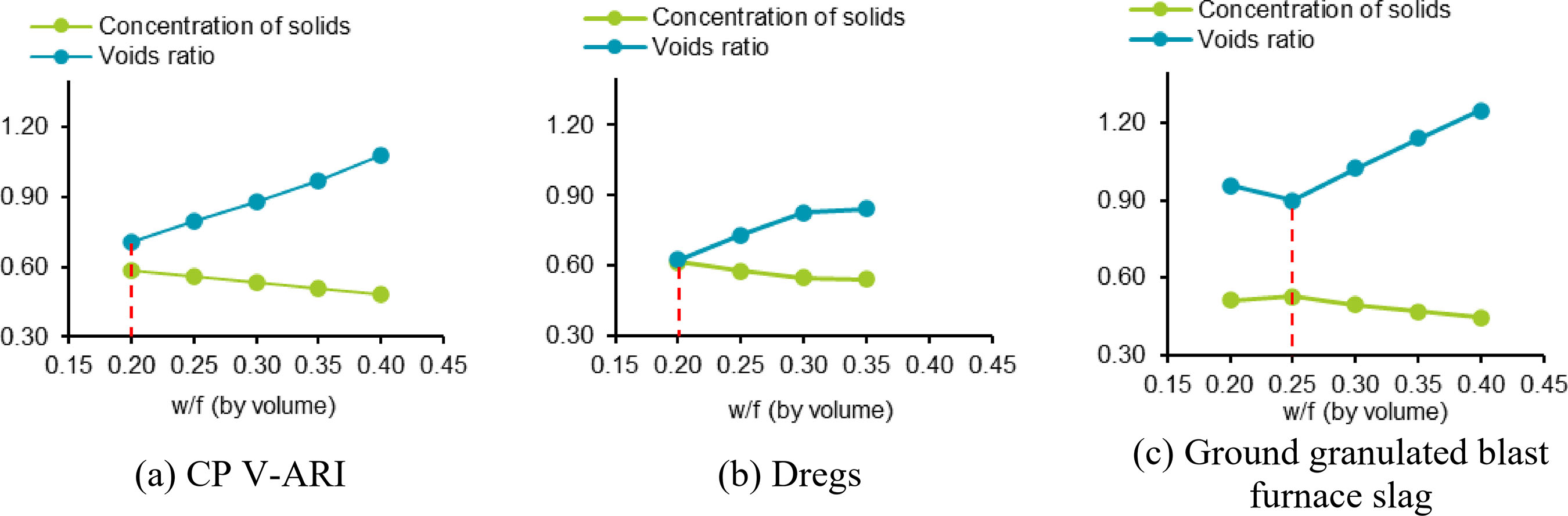
 Source: adapted from