|
Study
|
Country
|
Type of study
|
Participants
|
Study design
|
Result
|
Mikó
et al.11
|
Hungary |
Descriptive methodological study |
Medical students, researchers, doctors and specialists |
Furka microsurgery course, with 20 hours distributed across five 4-hour classes |
15 years of experience demonstrated that the method allows for progressive and structured learning of microsurgery, highlighting the effectiveness of personalized follow-up |
Müller
et al.12
|
Germany |
Cross-sectional observational study |
64 medical students |
Evaluation of a practical (wet lab) course in microsurgical suturing in ophthalmology with subsequent assessment by questionnaire |
There were an increased interest in ophthalmology after the course and strong agreement regarding the desire for more microscopic training |
Onoda
et al.13
|
Japan |
Descriptive observational study |
29 medical students |
Review of the results of the microsurgery training program |
There was a negative correlation between the number of trials in non-animal stages and the number of rats used afterward, suggesting that training first in non-living models reduces the use of animals and allows for effective learning of microsurgery |
| Liu et al.14
|
Canada |
Descriptive methodological study |
Six medical students, eight residents, and 10 experienced doctors |
Multilevel course in ophthalmic microsurgery in a wet lab, with participant feedback collection |
The organization, course structure, and positive participant feedback are described, highlighting the viability of multilevel and collaborative programs for surgical training |
Deuchler
et al.15
|
Germany |
Prospective observational study |
79 medical students |
Students underwent training in an ophthalmic microsurgery simulator and were evaluated using objective simulator scores and subjective questionnaires before and after training |
The training significantly increased the students' self-perception of microsurgical skills, although there was no association between simulator performance and interest in the specialty |
| Cole et al.16
|
United States of America |
Uncontrolled trial |
20 medical students |
Students participated in a class and performed a wet lab on corneal suturing. Pre- and post-intervention questionnaires |
There was a significant increase in comfort with various microsurgical skills, interest in ophthalmology increased, and intrinsic motivation was high |
| Bastos and Silva17
|
Brazil |
Descriptive methodological study |
Medical students |
Development of a synthetic model for basic surgical training made of ethylene-vinyl-acetate plates |
The synthetic model has been described as a simple, reproducible, and low-cost alternative for the initial teaching of basic surgical skills to medical students before clinical practice |
Kinshoku
et al.18
|
Brazil |
Descriptive methodological study |
Medical students |
Basic microsurgery training model using Wistar rat cadavers from discarded specimens from other experiments, allowing for microanastomoses |
The experimental model enabled safe, low-cost, and ethical microsurgical training |
| Lin et al.19
|
United Kingdom |
Descriptive observational study |
42 medical students |
Practical microsurgical course with specialized supervision. Evaluation conducted through qualitative questionnaires before and after the workshop |
There has been progress and increased confidence in microsutures. In total 67٪ considered it important for their future career. Feedback indicated a need for more time and better equipment |
Jensen
et al.20
|
United States of America |
Longitudinal observational study |
12 medical students |
Development of low-cost, reusable microsurgery kits using surplus surgical materials. Students performed suturing/anastomosis, evaluated using a performance scale at two time points with a six-week interval |
There was an improvement in performance scores and a reduction in time spent on suturing and anastomosis tasks after six weeks, suggesting that the kits are useful educational tools for early introduction to microsurgery |
Scholz
et al.21
|
Germany |
Descriptive observational study |
36 medical students |
Implementation and evaluation of a microsurgery training program without the use of animal models |
The training produced good to excellent results among the students. The animal-free program proved viable for initial microsurgery training and for comparative skill assessment |
Pavlidis
et al.22
|
United States of America |
Longitudinal observational study |
15 medical students |
Informal microsurgical training was conducted weekly for five weeks, with performance analysis by two independent reviewers, including anxiety, workload and sympathetic activation |
Sympathetic activation and anxiety levels did not correlate with performance or speed. Training in an informal setting may facilitate skill acquisition by reducing high stress levels |
| Maluf Junior et al.23
|
Brazil |
Descriptive methodological study |
Medical students |
Microsurgical training using pig spleens discarded after splenectomy |
The model proved effective for initial learning of vascular microsurgery, at low cost and without the need to sacrifice new animals |
| Sakamoto et al.24
|
Japan |
Randomized controlled trial |
86 medical students |
Students were randomized to either hands-on training on a benchtop simulator or video-based learning, followed by 40 minutes of microsuturing practice and subsequent evaluation |
The simulator group completed the task in less time than the video group. The final suture quality was higher in the simulator group, but without a significant difference. Practical training on a simulator proved more effective for learning microsuture |
| Froschauer et al.25
|
Austria |
Randomized experimental study |
15 medical students and 15 experienced microsurgeons |
Each participant performed two end-to-end anastomoses on a chicken thigh model, one with and one without music |
Music had no significant overall effect on run time or performance. However, among experienced surgeons, preferring to work with music was associated with better scores on the Stanford Microsurgery and Resident Training (SMaRT) scale |
| Al Omran et al.26
|
United Kingdom |
Analytical observational study |
40 medical students and six residents |
Participants performed consecutive end-to-end microvascular anastomoses; performance was assessed by hand movement analysis and correlated with habitual levels of physical activity |
Higher levels of physical activity correlated with worse microsurgical performance among beginners |
| Sudario-Lumague et al.27
|
Taiwan |
Analytical observational study |
578 medical students |
Students underwent basic microsurgery training and were evaluated by a senior consultant. Scores between men and women were statistically compared |
There was no significant difference in performance between male and female students, indicating similar microsurgical skills between the groups |
| Hanrahan et al.28
|
United Kingdom |
Analytical observational study |
40 medical students |
Students performed dural suturing on an ex-vivo porcine model during a neurosurgery course, with evaluations of performance, dexterity, anxiety, and tremor |
Physiological tremor was not significantly associated with microsurgical dexterity. Higher subjective perception of anxiety correlated with worse performance |
| Mücke et al.29
|
Germany |
Prospective comparative study |
59 medical students and 19 surgeons |
Intensive 14-day microsurgery course, with practical and theoretical evaluation by two independent and blinded examiners for comparison between students and surgeons |
Students obtained significantly higher scores than surgeons in practical (13.71 versus 11.73; p < 0.0001) and theoretical (15.27 versus 13.50; p = 0.009) exams and greater course attendance |
| Teo et al.30
|
Singapore |
Randomized controlled trial |
42 medical students (24 in the mass-learning group; 18 in the spaced-learning group) |
Students were randomized to either single 8-hour session microsuture training (mass-learning) or weekly 2-hour sessions for four weeks (spaced-learning), with an assessment conducted one month after training |
The spaced learning group showed significantly higher scores in suture accuracy after one month, indicating better skill retention |
Almeland
et al.31
|
Norway |
Randomized controlled trial |
46 medical students randomized into two groups |
The intervention group received training in macro and microsurgery; the control group received only microsurgery training. After training, all participants performed macrosurgical suturing tasks and were evaluated |
The intervention group showed worse macrosurgical performance |
Jensen
et al.32
|
United States of America |
Randomized controlled trial |
24 medical students (12 in the LazyBox simulator group; 12 in the control group) |
Students undergo longitudinal practice on a low-fidelity microsurgery simulator (LazyBox) (group 1) or no additional practice (group 2). Assessments are performed before and six weeks after the intervention |
Both groups showed improvement in the tasks, with no statistically significant differences. The use of the LazyBox simulator did not demonstrate any significant additional benefit |
Nemeth
et al.33
|
Hungary |
Descriptive study |
470 residents e medical students |
Summary of 50 years of experience in microsurgical education, with emphasis on individualized training, standardization, skills assessment, and structured feedback |
Experience showed that early and progressive exposure improves performance in subsequent residencies. The importance of adequate duration, individualized training and objective assessment is highlighted |
Galvão
et al.34
|
Brazil |
Prospective observational study |
38 medical students |
Description of a microsurgical training course in rat intestinal transplantation |
Low completion rate attributed to lack of time, patience, frustration, or technical difficulty. Medical students showed a low completion rate in complex microsurgical models |
Zhang
et al.35
|
United States of America |
Descriptive observational study |
Medical students |
Review of institutional experience in creating microsurgery research programs for medical students |
Microsurgery research programs for students provided high-quality technical training, contributed to scientific output and influenced career choices in surgical fields |
Climov
et al.36
|
Romania |
Comparative experimental study |
One medical student and one microsurgeon |
Comparison of the performance between a student and an experienced microsurgeon in performing hemifacial transplantation in rats, analyzing the learning curve |
The student showed a progressive reduction in operating time and ischemia, approaching the performance of a specialist after nine transplants |
| Beier et al.37
|
Germany |
Descriptive observational study |
44 medical students |
Implementation of an extracurricular microsurgery course for medical students with training in end-to-end arterial anastomosis in chicken thigh, with evaluation conducted through questionnaires before and after the course |
The course led to a significant improvement in self-assessment of microsurgical skills, a high level of participant satisfaction, and 82٪ reported a positive influence on their future choice of specialty |
Couceiro
et al.38
|
United States of America |
Experience report |
Medical students |
Description of a continuous microsurgery training regimen using non-living animal models (chicken thighs and wings) |
The training regimen using non-living tissues has proven to be accessible, economical, useful for developing microsurgical skills, and avoids the use of live animals in training |
| Bhandarkar et al.39
|
United States of America |
Pilot feasibility study |
Medical students |
Reproduction and implementation of a low-cost microsurgical training system (smartphone for magnification + "Lazy Glasses") for performing tasks |
The simulation system was easy to assemble, low cost (< $ 50) and viable for microsurgical training in medical students, with the potential to expand access to microsurgical training |
Haran
et al.40
|
New Zealand |
Prospective observational study |
Nine medical students and 11 residents |
Four-hour dry lab course for training in basic microsurgical skills. Subjective assessment of skills before and after the course using a Likert scale |
There was a significant improvement in self-assessment of microsurgical skills. Early exposure increases confidence and perceived ability |
| Zyluk et al.41
|
Poland |
Experimental study |
10 medical students |
Students performed a microsuture test (“six-stitches test”) on a latex glove before and after exposure to three conditions: caffeine consumption, ingestion of a small dose of alcohol, and physical exercise |
Caffeine had a significant positive effect on performance. Physical exercise performed immediately before the task had a negative effect. A small dose of alcohol had a minimal effect on performance |
Micko
et al.42
|
Austria |
Experimental study |
10 medical students and 10 neurosurgery residents |
Each participant performed a microsurgical task in the NeuroTouch virtual reality simulator under two conditions: well-rested (baseline) and after a sleep interruption at night (stress test) |
After sleep interruption, the total score improved significantly (45.1 → 48.7; p = 0.048), the execution time remained stable, and excessive force varied by hand, but self-assessment worsened |
Fulton
et al.43
|
United States of America |
Case study |
One medical student |
Individual microsurgical training with knot tying and anastomosis practice on synthetic vessels, under the supervision of an experienced instructor |
The participant achieved a technical level equivalent to a third-year surgical resident. Early exposure can develop adequate microsurgical skills |
Kaplan
et al.44
|
United States of America |
Randomized trial |
10 medical students and 10 residents |
Randomization into two groups: control (endoscopic dissection on a silicone anatomical specimen) and intervention (prior training in microvascular dissection on a chicken wing model). Single-blind assessment of time to complete the task and dissection quality |
Prior microsurgical training significantly improved the time and quality of dissection in all groups, with the greatest benefit observed in medical students |
Neudert
et al.45
|
Germany |
Randomized trial |
30 medical students and six otosurgeons |
Group 2 underwent ossicular and tympanic membrane reconstruction on days 1, 7, 14, and 21; group 1 underwent reconstruction on days 1 and 21 and only observed on days 7 and 14. The results were evaluated in comparison with otolaryngologists |
The group with more frequent training showed significant improvement, but it did not reach the specialists' level. The training increased the students' interest in the surgical specialty |
| Ilgner et al.46
|
Germany |
Descriptive observational study |
Medical students |
Implementation of training in ontological microsurgery using a plastic ear model and a high-definition stereoscopic video system coupled to a surgical microscope |
Students improved their visuomotor coordination and gained greater confidence in their manual skills. The system facilitated group feedback and sparked interest in microsurgical specialties |
| Furka et al.47
|
Hungary |
Retrospective observational study |
263 medical students |
Training courses in suturing/microsurgery, with initial and final evaluation of time, safety, knot stability, and suture thread integrity |
There was a significant reduction in knot tying time after training. Individualized training is more suitable than mass training for teaching microsurgery |
| von Reibnitz et al.48
|
Switzerland |
Preclinical prospective trial |
13 participants: medical students, residents, and attending physicians |
In three training sessions, each participant performed nine microvascular anastomoses using a robotic system. Videos of the anastomoses were blindly evaluated by a specialist |
There were a significant reduction in anastomosis time and an improvement in scores throughout the sessions. Prior surgical experience initially correlated with better performance, but this difference disappeared in the last session |
Sakamoto
et al.49
|
Japan |
Non-randomized controlled experimental study |
25 medical students and nine neurosurgeons |
Students trained in microanastomosis for eight weeks. One group received weekly feedback from a specialist via video call, and the other group practiced self-study using DVDs, with a final practical exam blindly evaluated by two specialists; performance was also compared with neurosurgeons |
The group that received expert feedback achieved significantly higher scores in anastomosis than the self-learning group. This group also scored higher than the neurosurgeons |

 Microsurgical education for medical students: systematic review
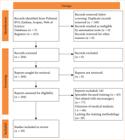 Thumbnail
 Thumbnail
 Thumbnail
 Thumbnail
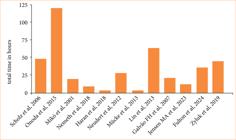 Thumbnail
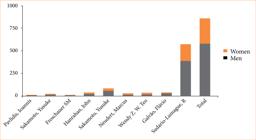 Thumbnail
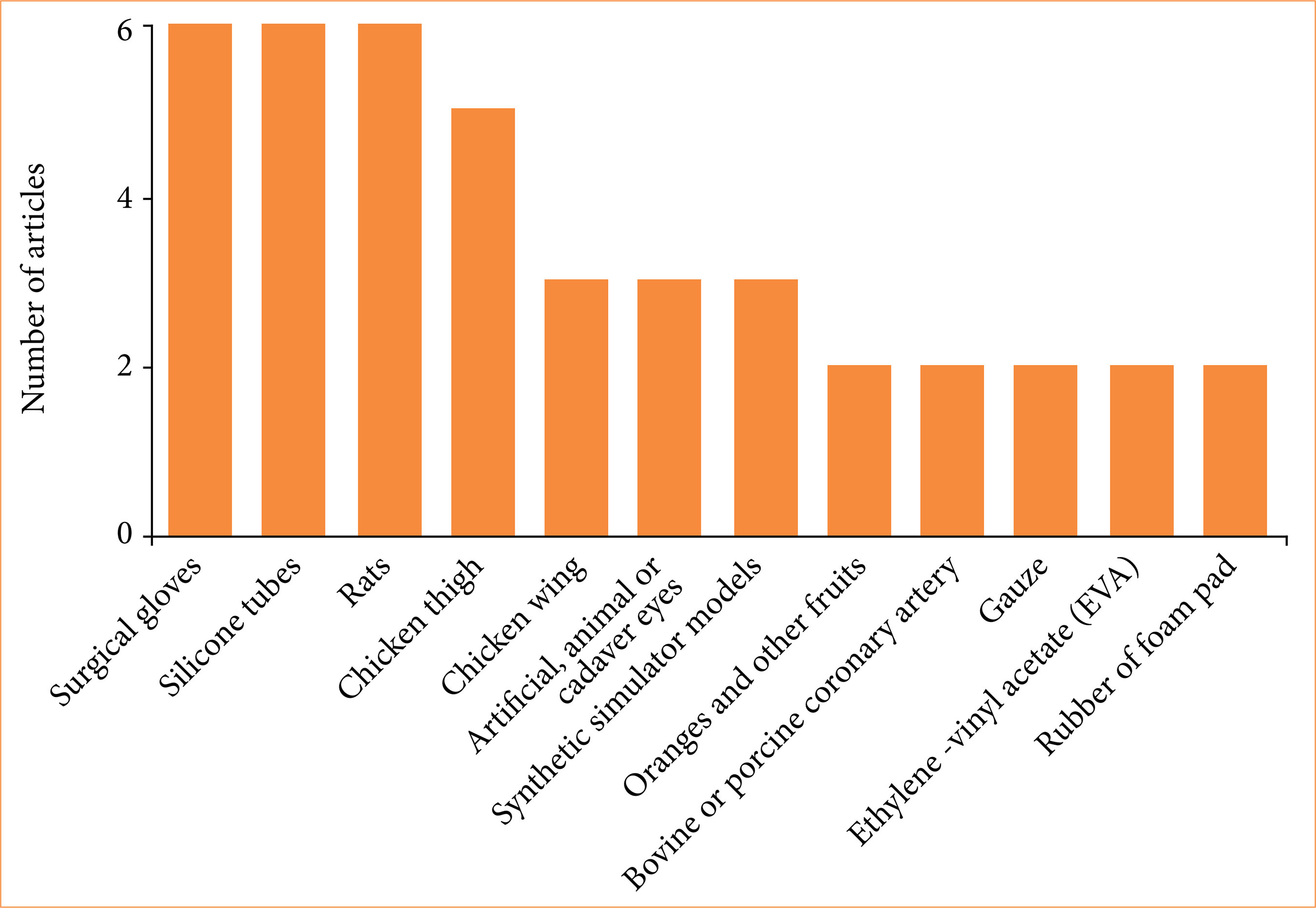
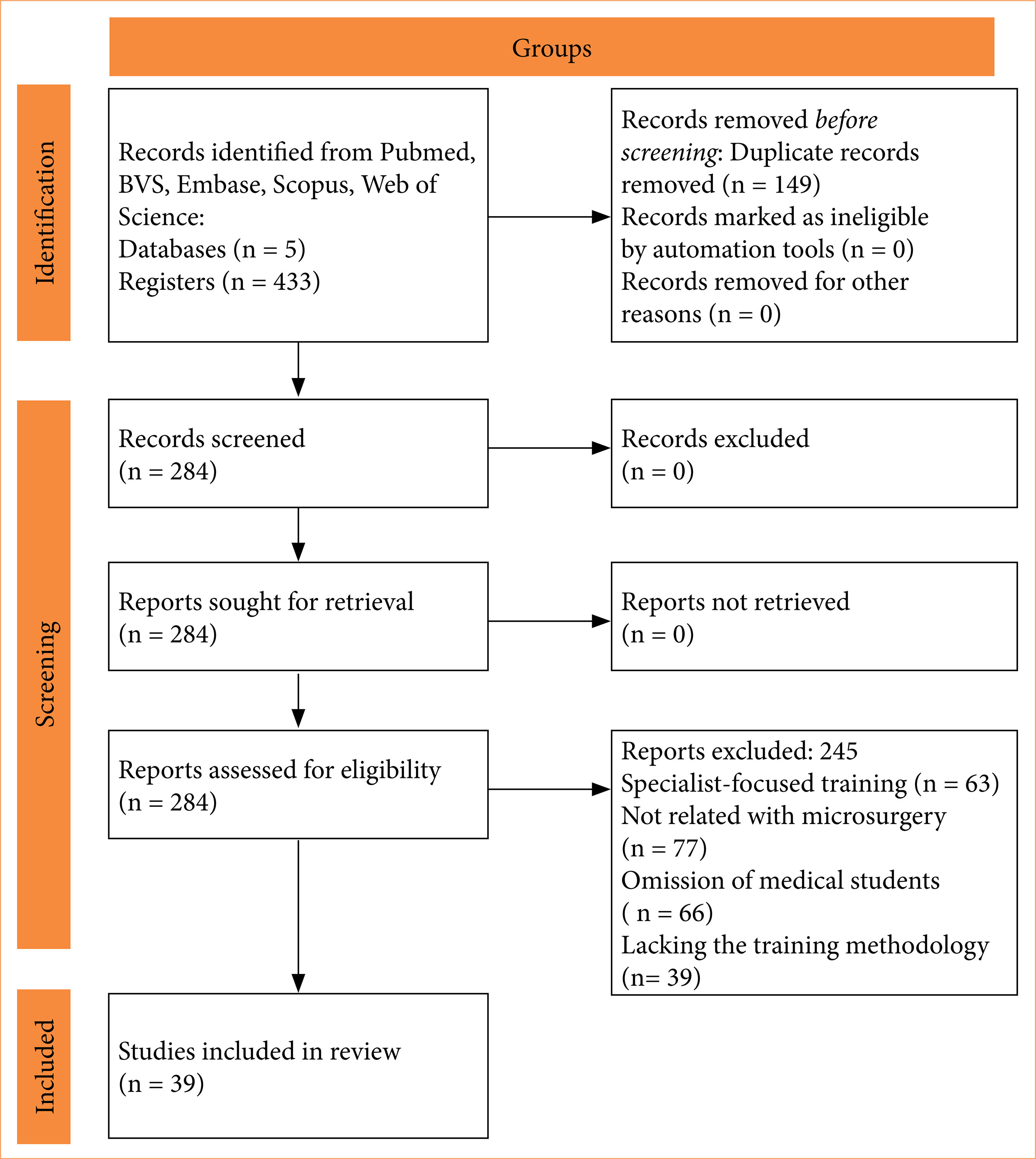 Source: Elaborated by the authors.
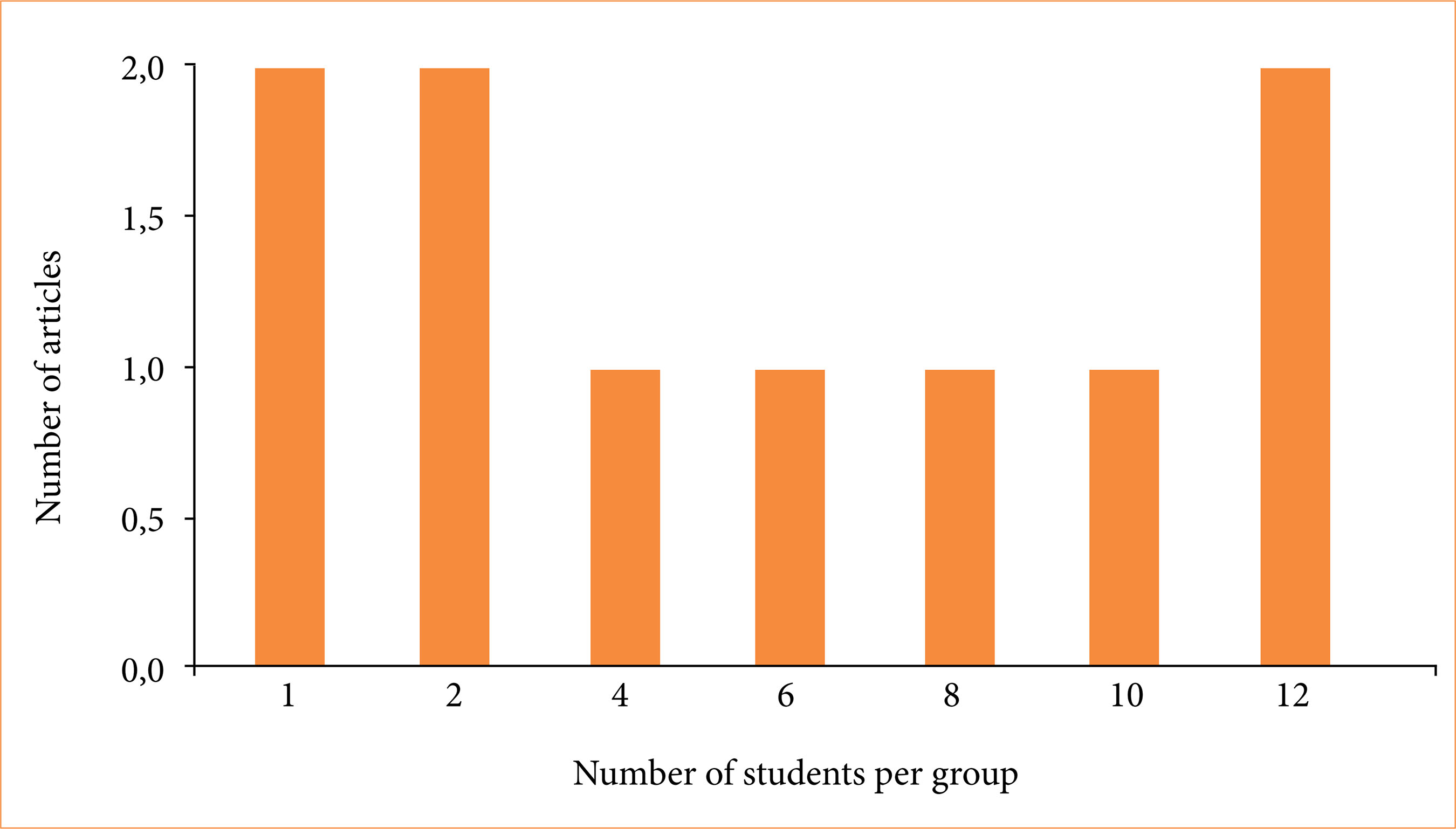
 Source: Elaborated by the authors.
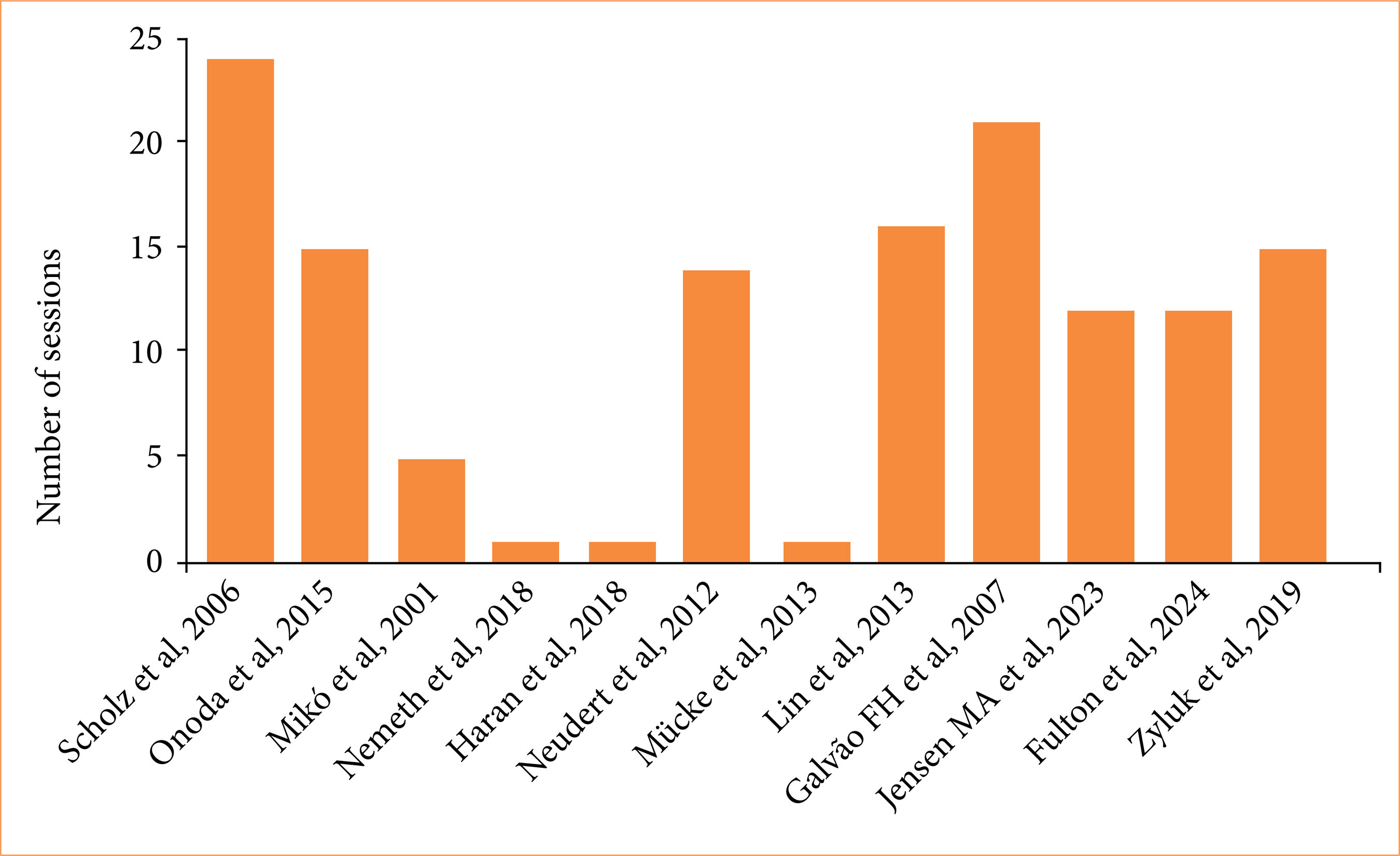
 Source: Elaborated by the authors.
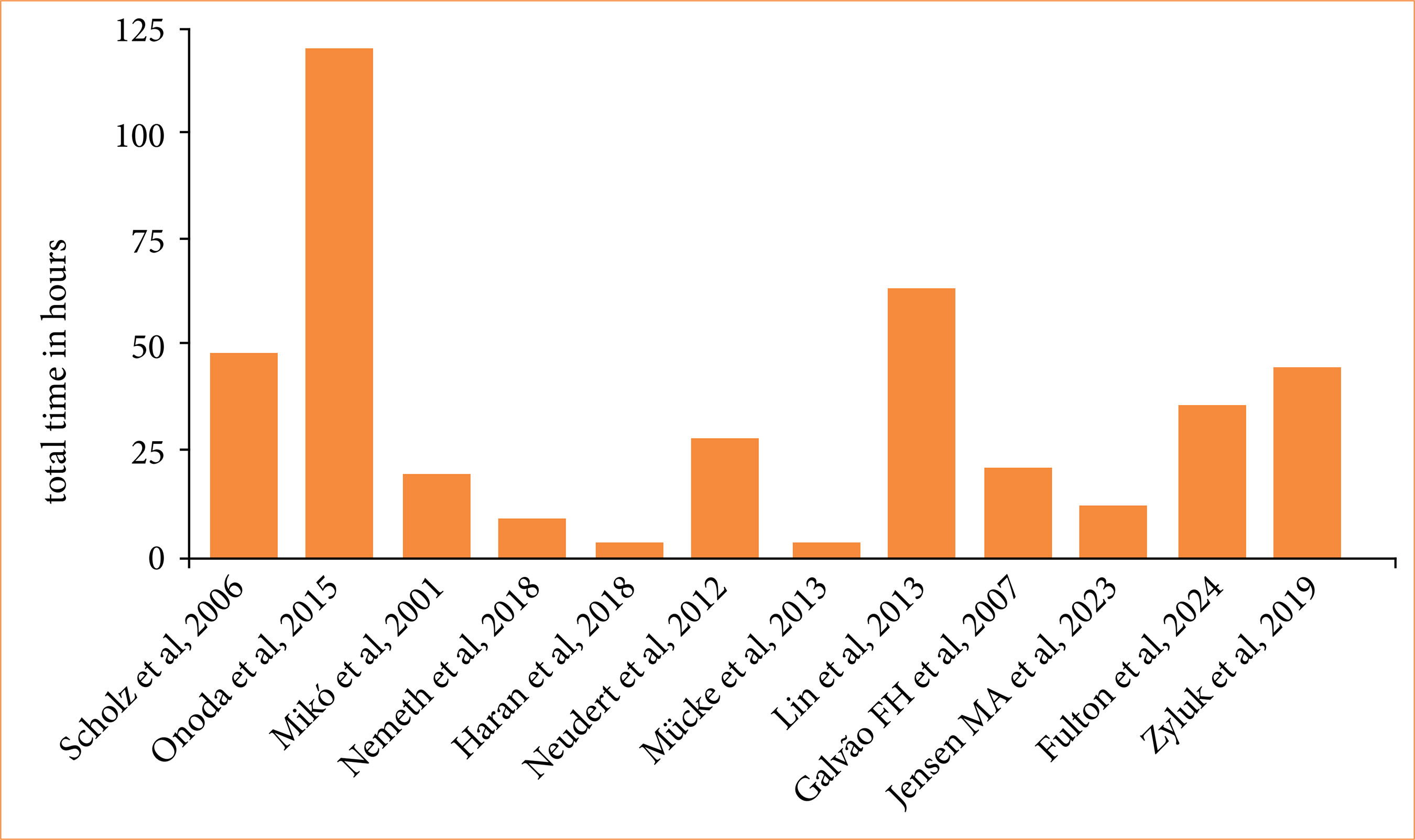
 Source: Elaborated by the authors.
 Source: Elaborated by the authors.
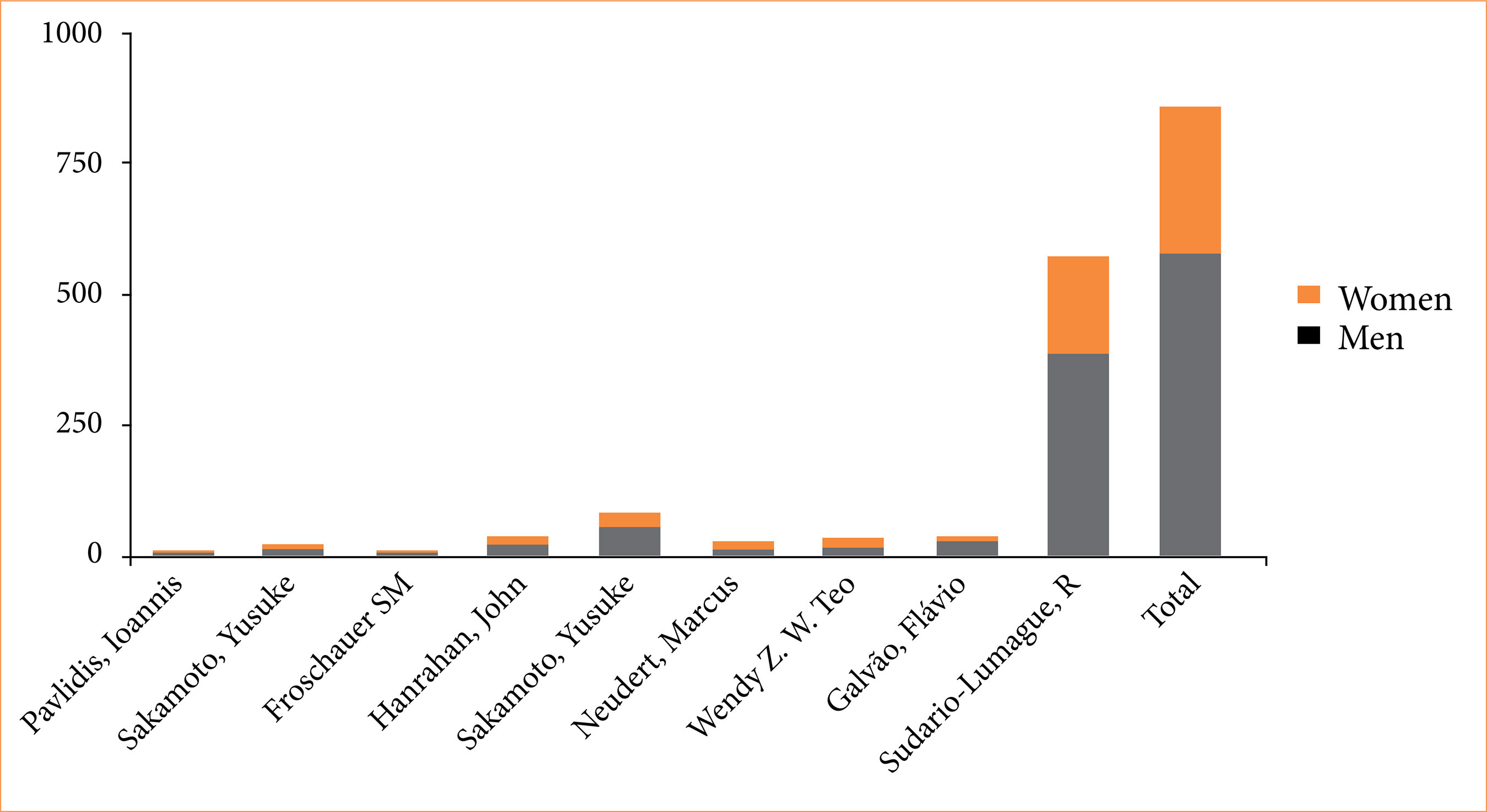 Source: Elaborated by the authors.