 Environmental characterization and phytoplankton community structure in a shallow mesotrophic tropical reservoir in southeastern Brazil
Abstract
Abstract
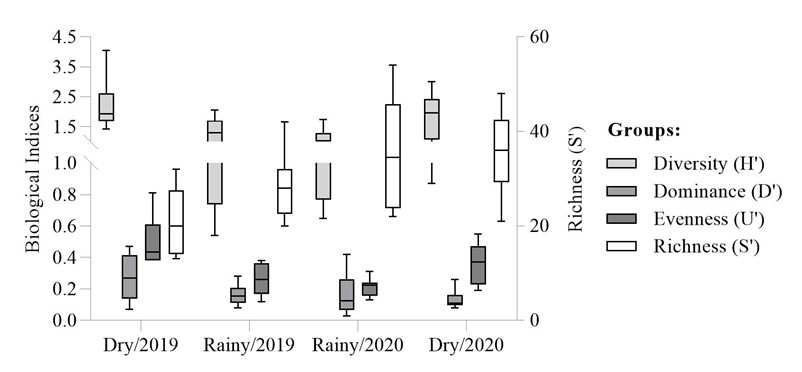
Aim The aim of the study was to characterize the temporal and spatial dynamics of the phytoplankton community structure using biomass (biovolume) data and biological indices.
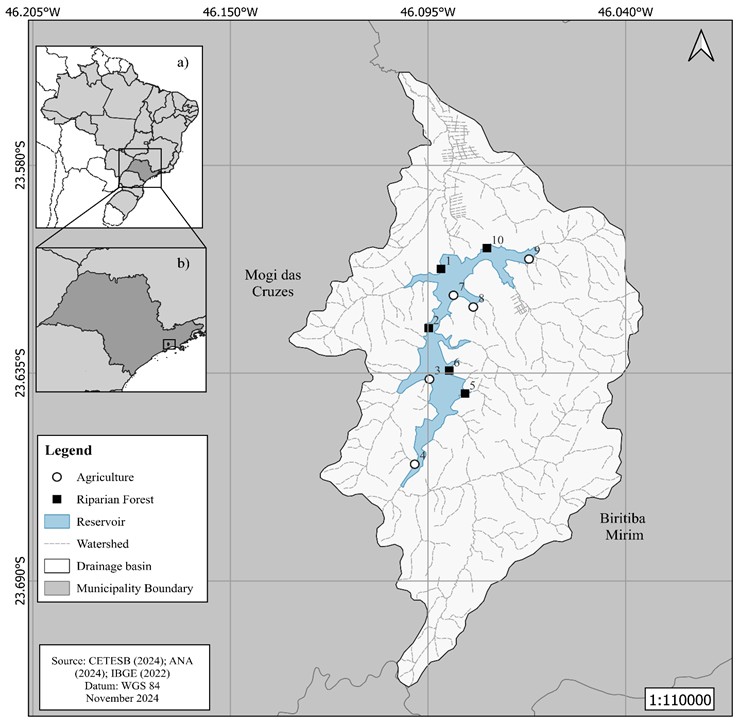
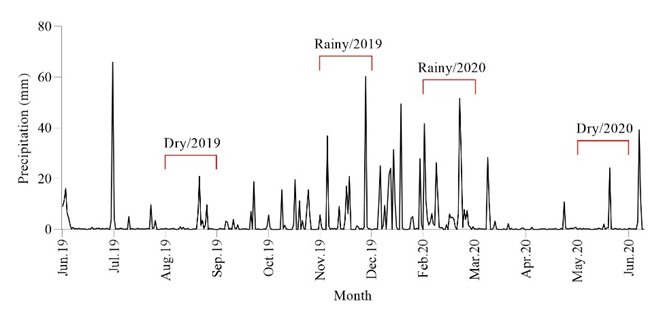
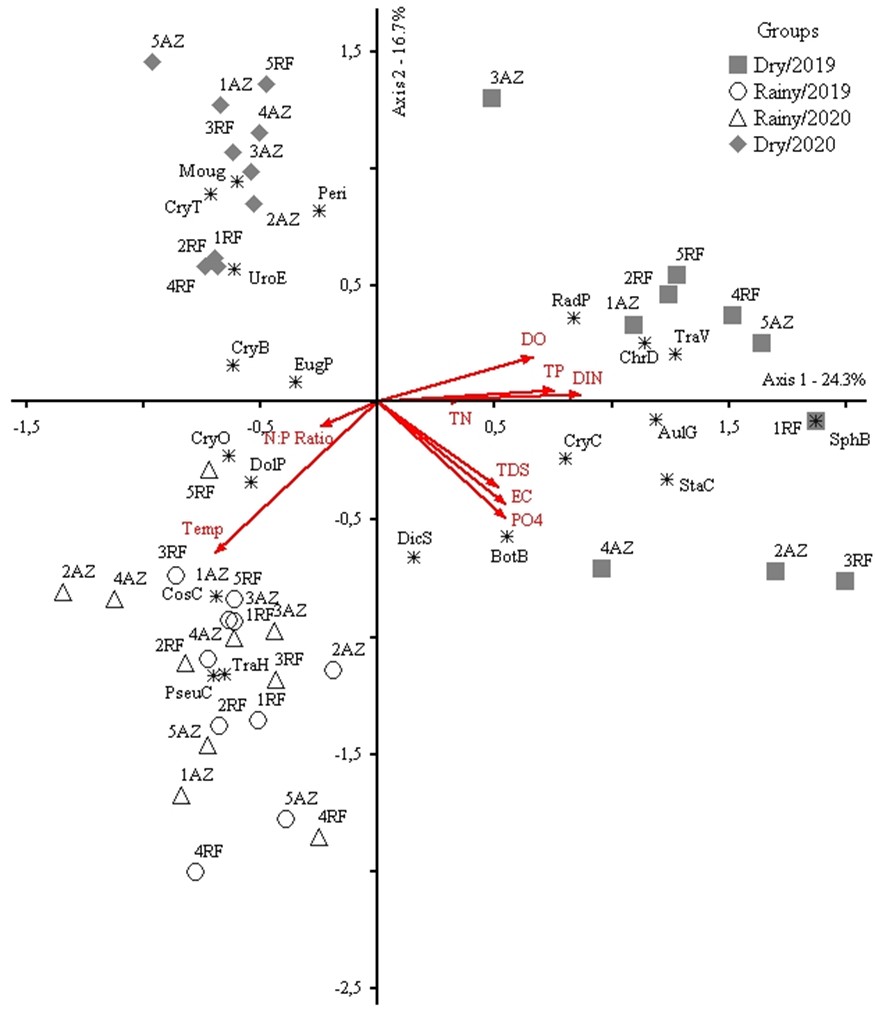
Methods This study was conducted in the Biritiba Mirim Reservoir, São Paulo State, Brazil. The reservoir is used to supply water to the São Paulo Metropolitan Region. Four sampling campaigns were carried out during two distinct seasons (rainy and dry) over one year, across ten sampling stations along the reservoir. In situ parameters were measured using a multiparameter probe. Water samples were collected from the subsurface of the water column for physicochemical variable determination and phytoplankton laboratory analysis. The phytoplankton community was characterized based on biovolume and diversity indices. Exploratory and correlation analyses were performed to identify patterns and potential relationships between environmental variables and changes in community structure.
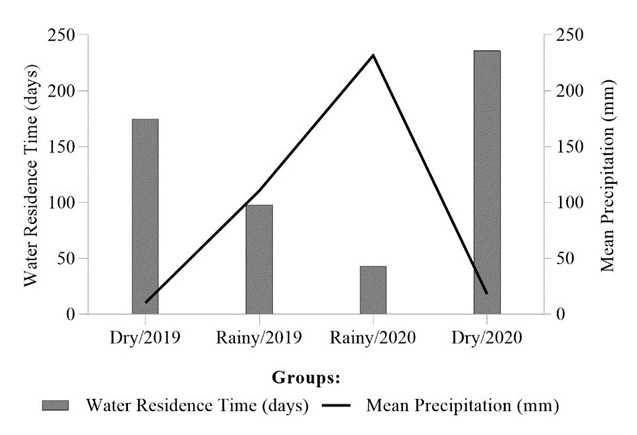
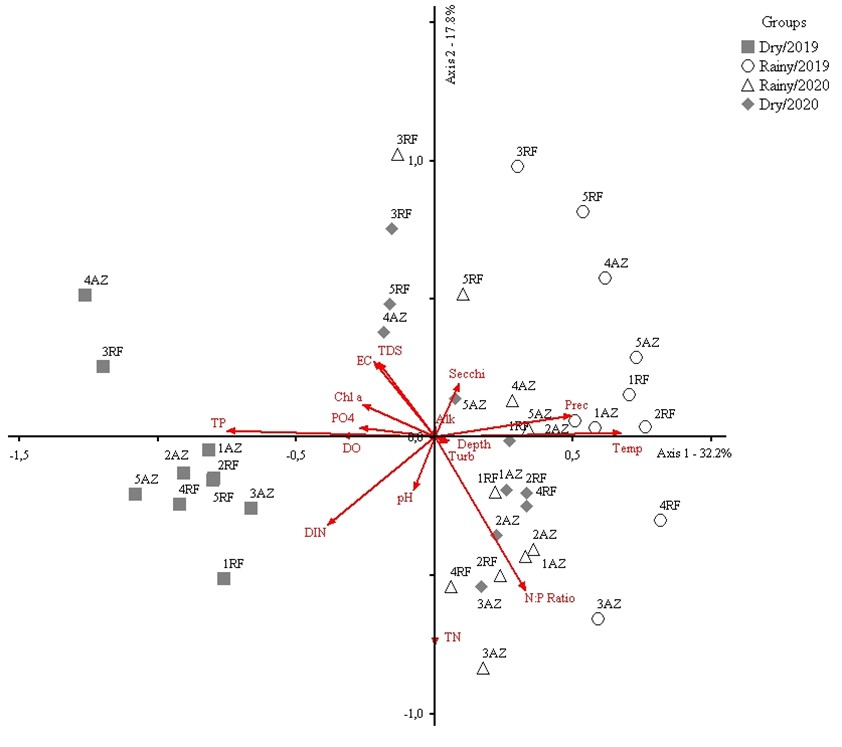
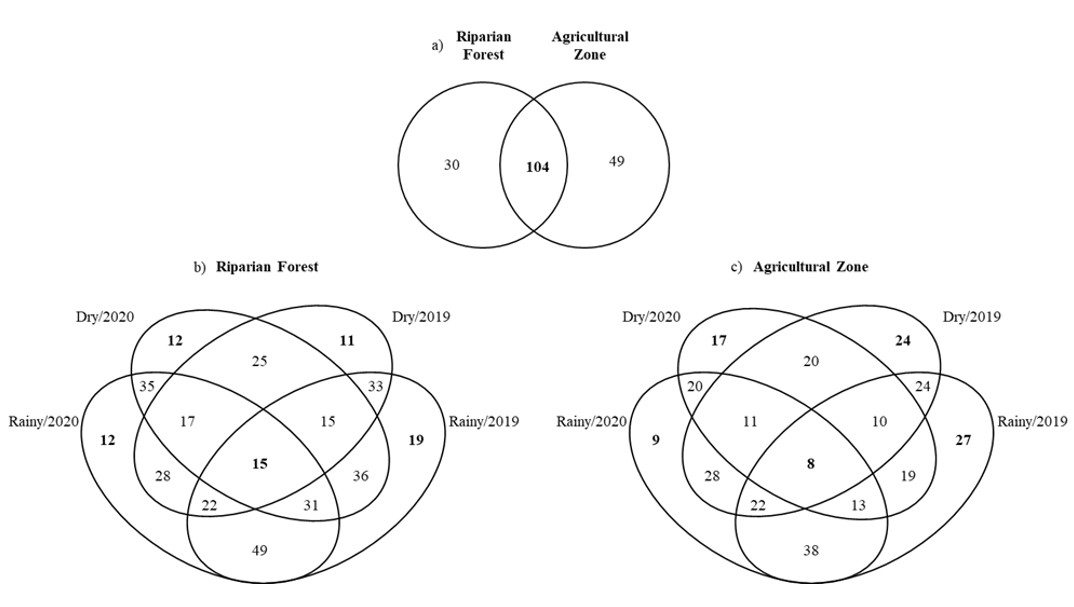
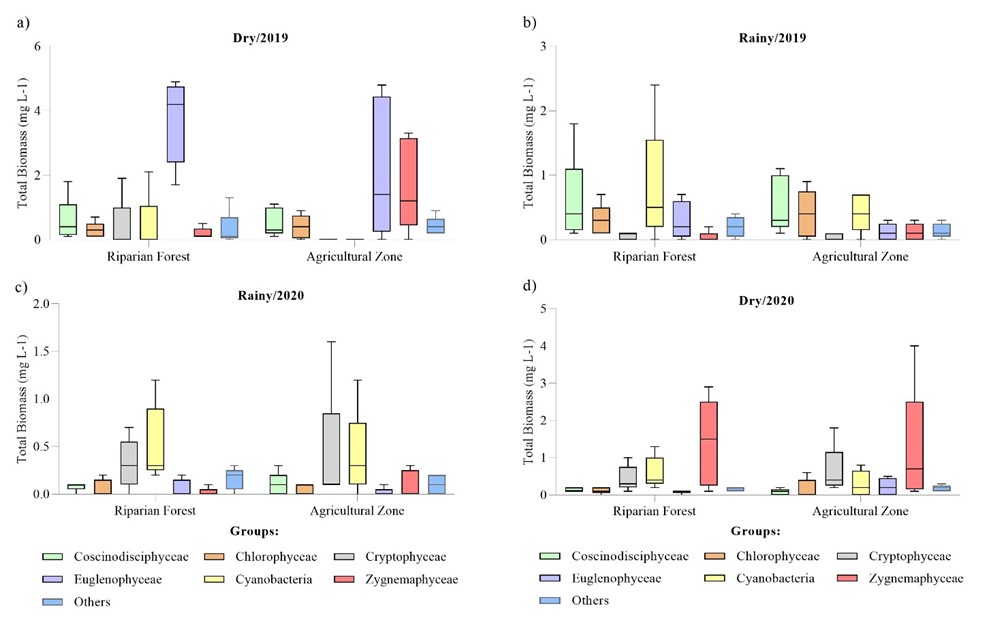
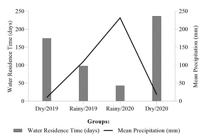
Results The reservoir was classified as mesotrophic in terms of trophic status. A total of 184 taxa were identified, distributed across 15 classes, with Chlorophyceae and Cyanobacteria being the most species-rich (42 and 29 taxa, respectively). During the dry season, longer water residence times and higher phytoplankton biomass were observed, correlating with increased nutrient concentrations. In the rainy season, shorter water residence times were recorded, with limnological variables significantly influencing phytoplankton community composition and distribution.
Conclusions These results highlight the importance of considering both seasonality and hydrological dynamics in the management and conservation of aquatic ecosystems such as the Biritiba Mirim Reservoir.
Keywords:
phytoplankton; water quality; reservoir; mesotrophic; seasonality
 Thumbnail
 Thumbnail
 Thumbnail
 Thumbnail
 Thumbnail
 Thumbnail
 Thumbnail
 Thumbnail
 Thumbnail