 Evaluation of the status of ecological quality of tropical estuaries using meiofauna as biological indicators on the Northeast coast of Brazil (7°S)
Aim The status of ecological quality (EcoQ) has been used as a tool of ecological evaluation of water bodies based on benthic communities. It has been extensively used in temperate estuaries, but its usage for tropical environments has not been tested yet. To evaluate if EcoQ can be used as a reliable anthropic disturbance indicator in tropical estuaries, we sampled meiofaunal assemblages on two Brazilian tropical estuaries with extensive mangrove areas submitted to different levels of anthropic impact.
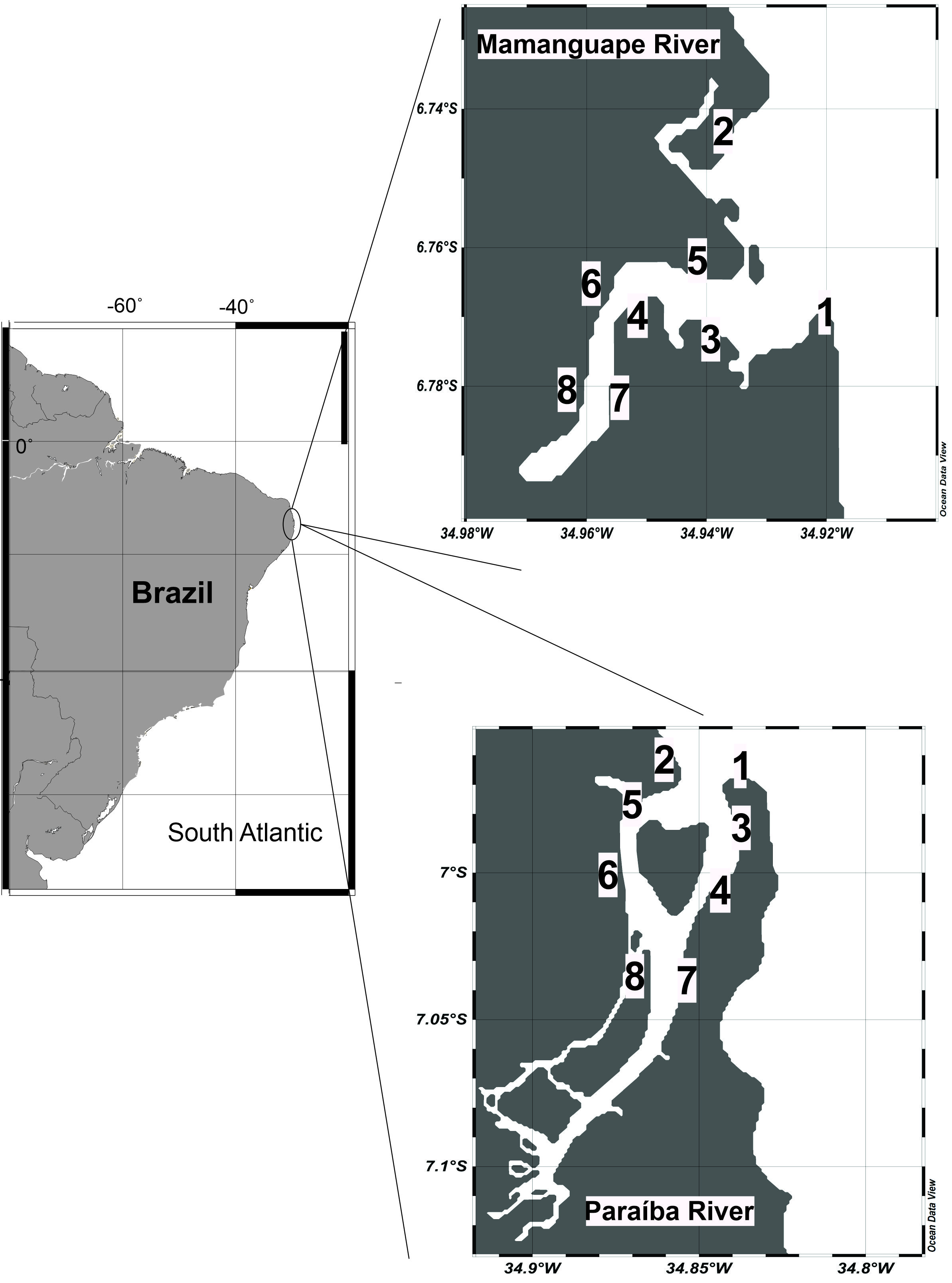
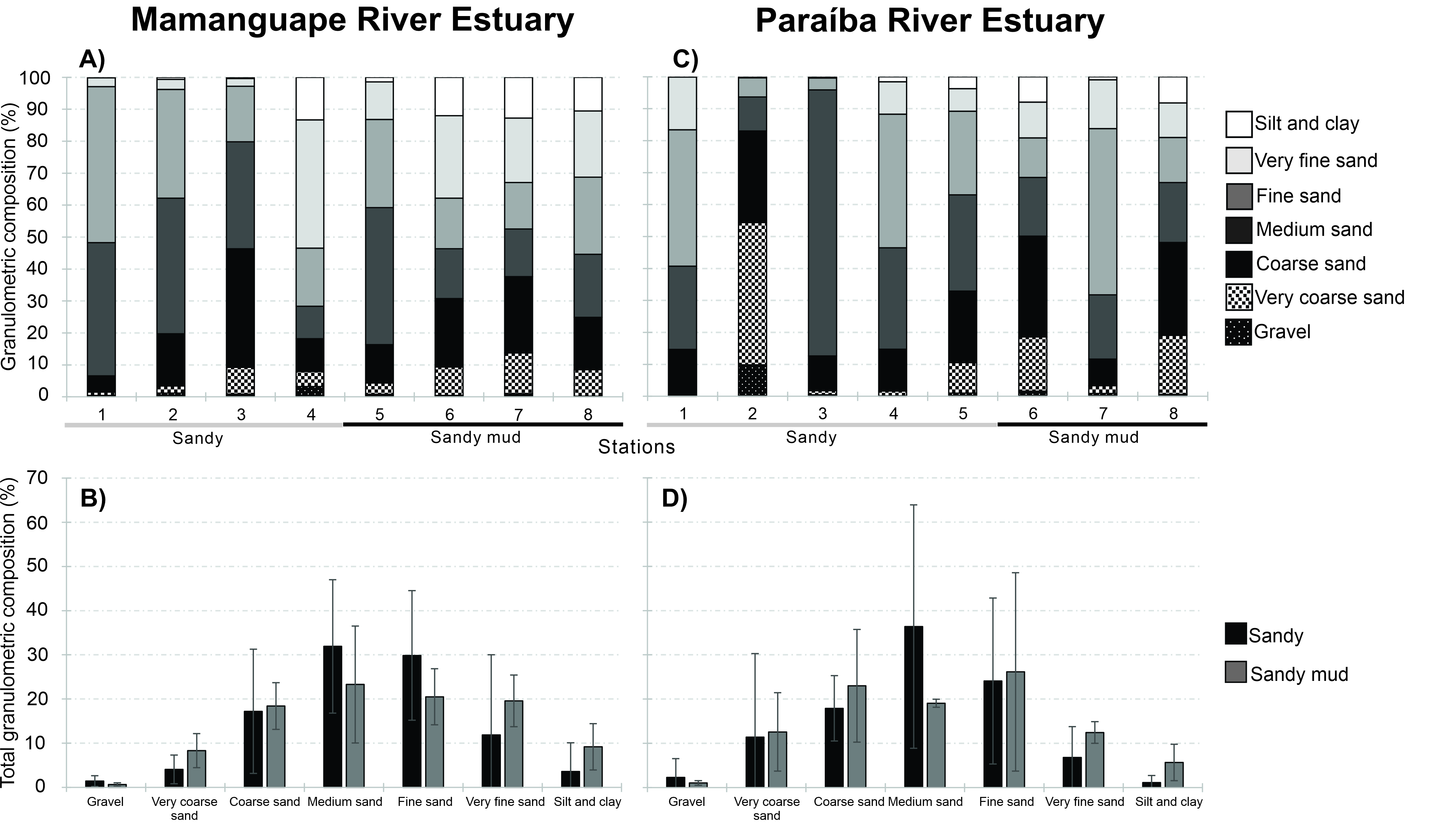
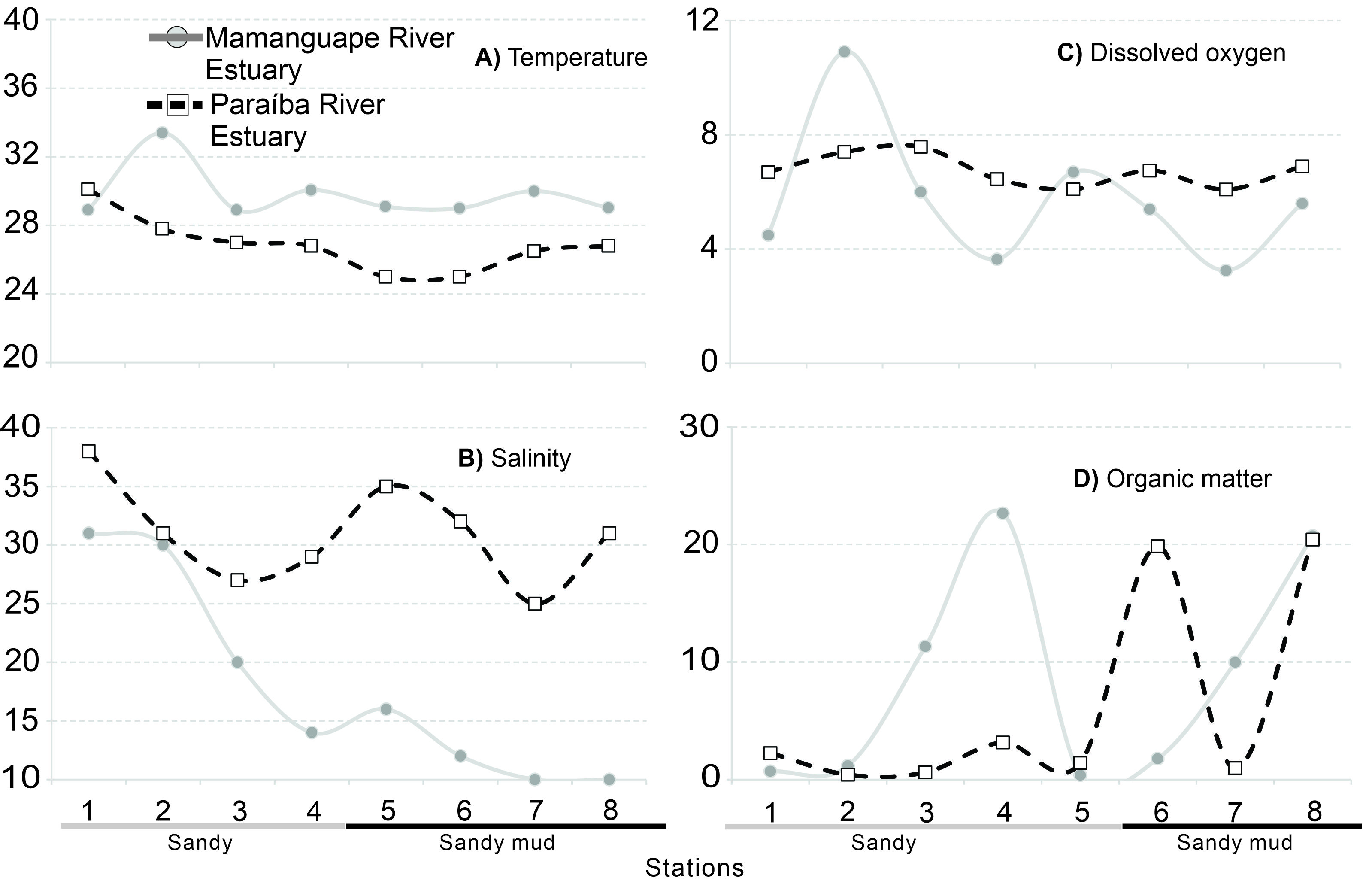
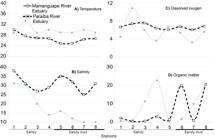
Methods This study was conducted in the Mamanguape River estuary, a Protected Landscape (IUCN, category V), and Paraíba River estuary, adjacent to an urban center with 1,380,923 citizens, both at tropical Northeastern Brazilian coast (~7°S). Sampling campaigns were performed on 17 and 24, April 2016, in the Mamanguape and Paraíba estuaries, respectively. During the low tide eight sites on each estuary were sampled on triplicates, totaling 48 samples. Samples were taken using a corer with 11 cm2 introduced 10 cm deep in the sediment. Additionally, sediment samples were taken at each site to analyze the amount of organic matter and granulometric characteristics.
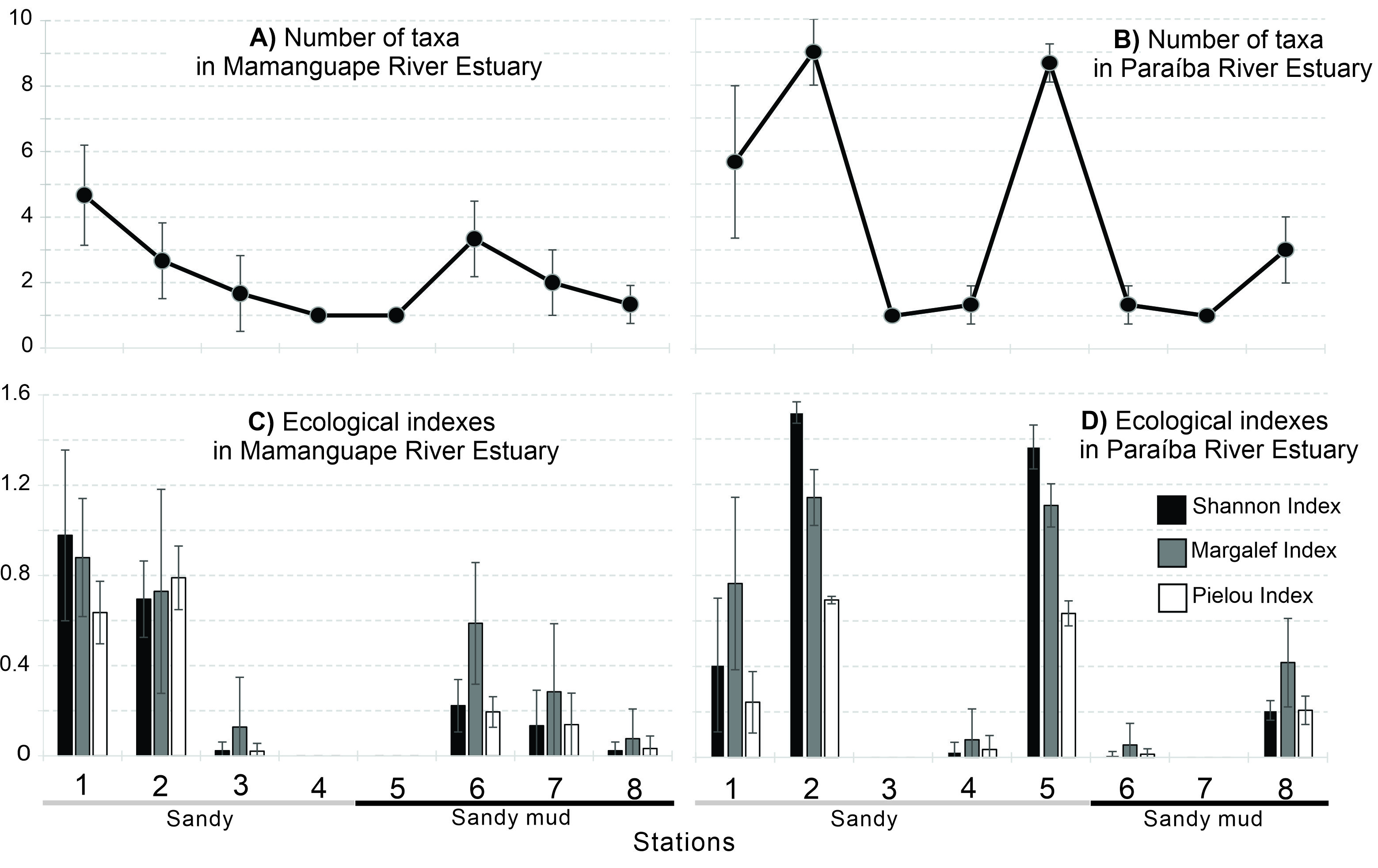
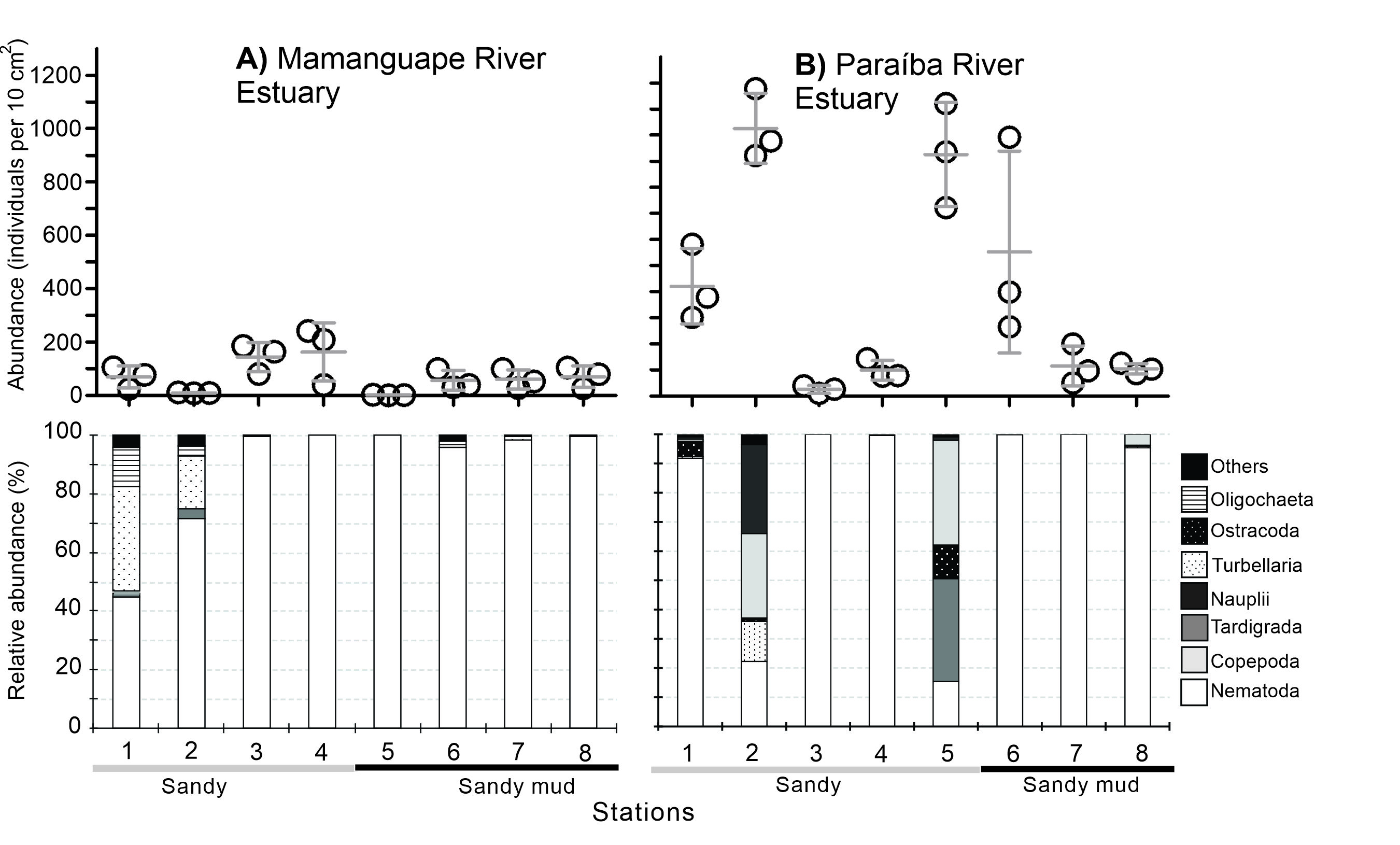
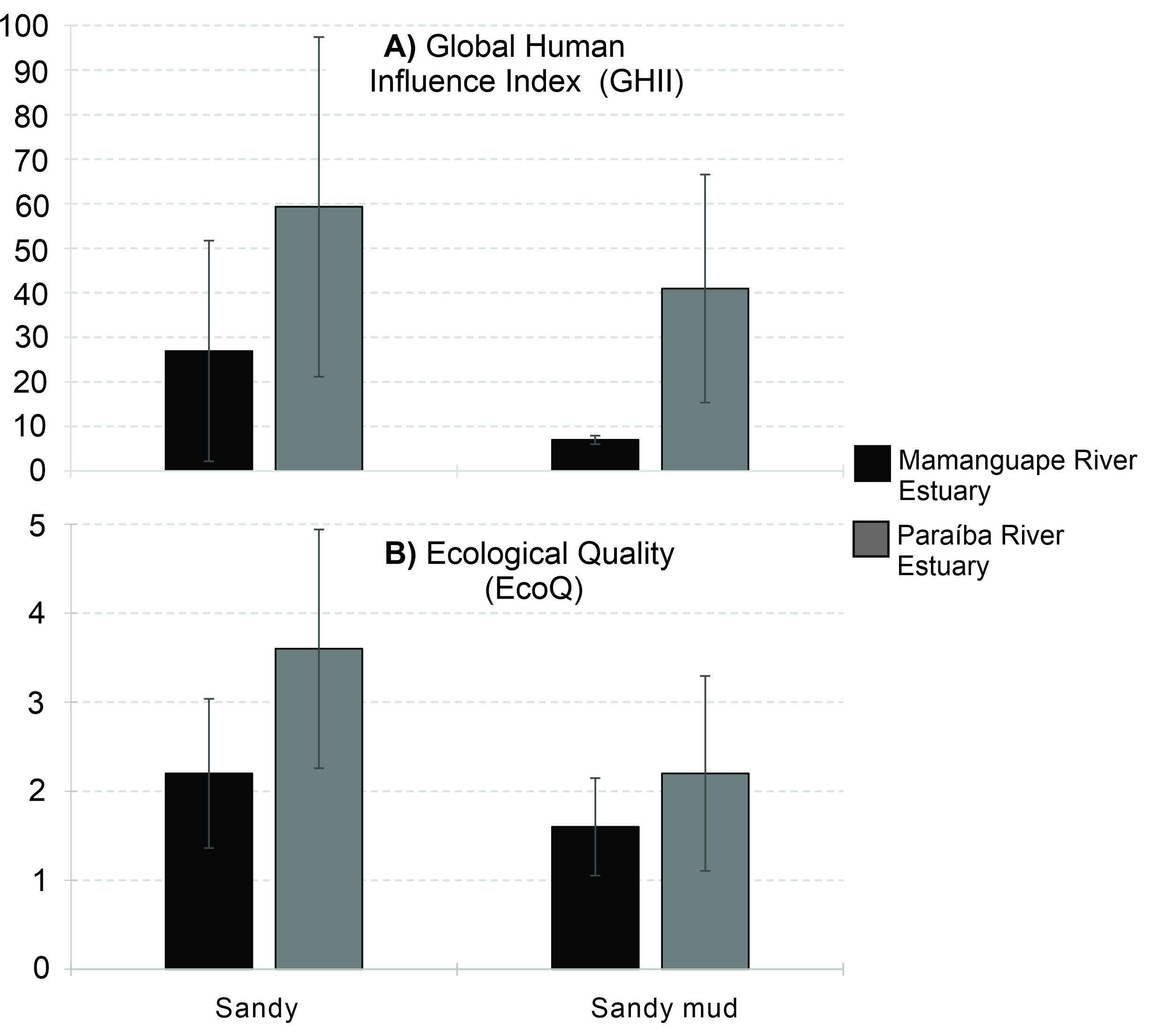
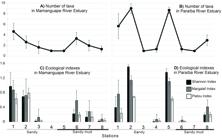
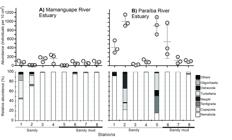
Results Sites were grouped as sandy and sandy mud regions. As expected, the Global Human Influence Index was considerably higher in the more impacted estuary, in both granulometric regions. However, the EcoQ values were roughly similar comparing both estuaries and were significantly different (ANOVA, p<0.05) comparing the granulometric profiles.
Conclusions These results suggest that meiofaunal-based EcoQ was more sensitive to the granulometric gradient than to the anthropogenic impact. This is likely to be associated with environmental particularities of tropical estuaries and consequent biological adaptations of meiofaunal assemblages, which may result in distortions in the EcoQ as currently used. Thus, it is important to calibrate the index to tropical estuaries with fine sediments and, therefore, a more robust baseline data is necessary, including a higher spatial and temporal coverage, and lower taxonomic resolution.
Keywords:
Benthic meiofauna; mangrove; sediments; soft bottom; human footprint
 Thumbnail
 Thumbnail
 Thumbnail
 Thumbnail
 Thumbnail
 Thumbnail