 USE OF AN ABDUCTION ORTHOSIS AFTER FEMORAL OSTEOTOMY IN CHILDREN WITH CEREBRAL PALSY
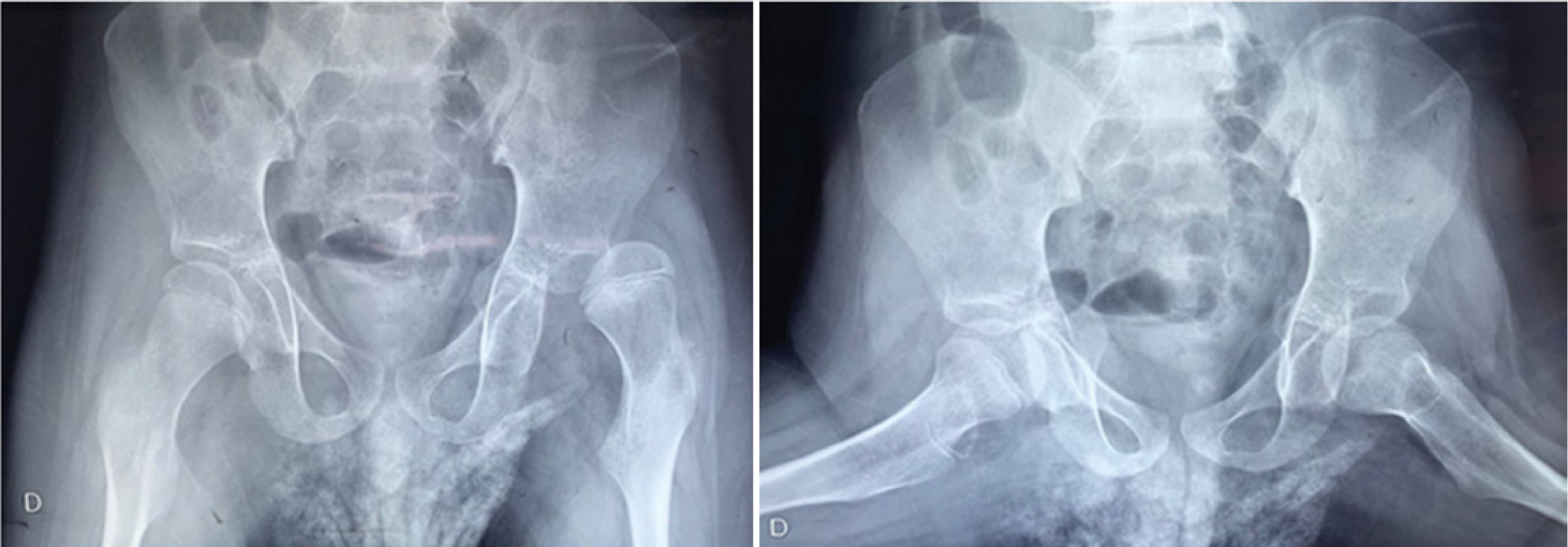
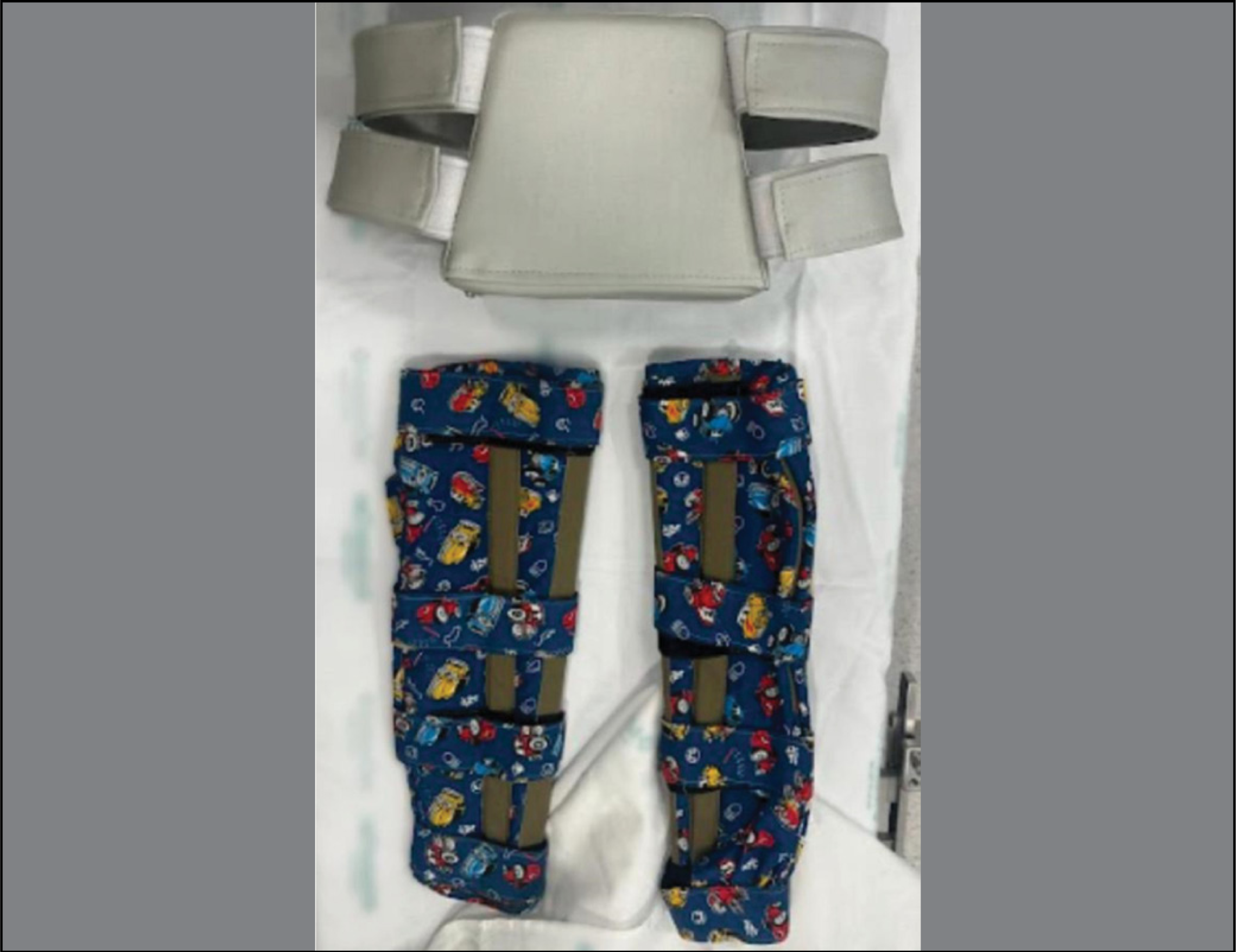
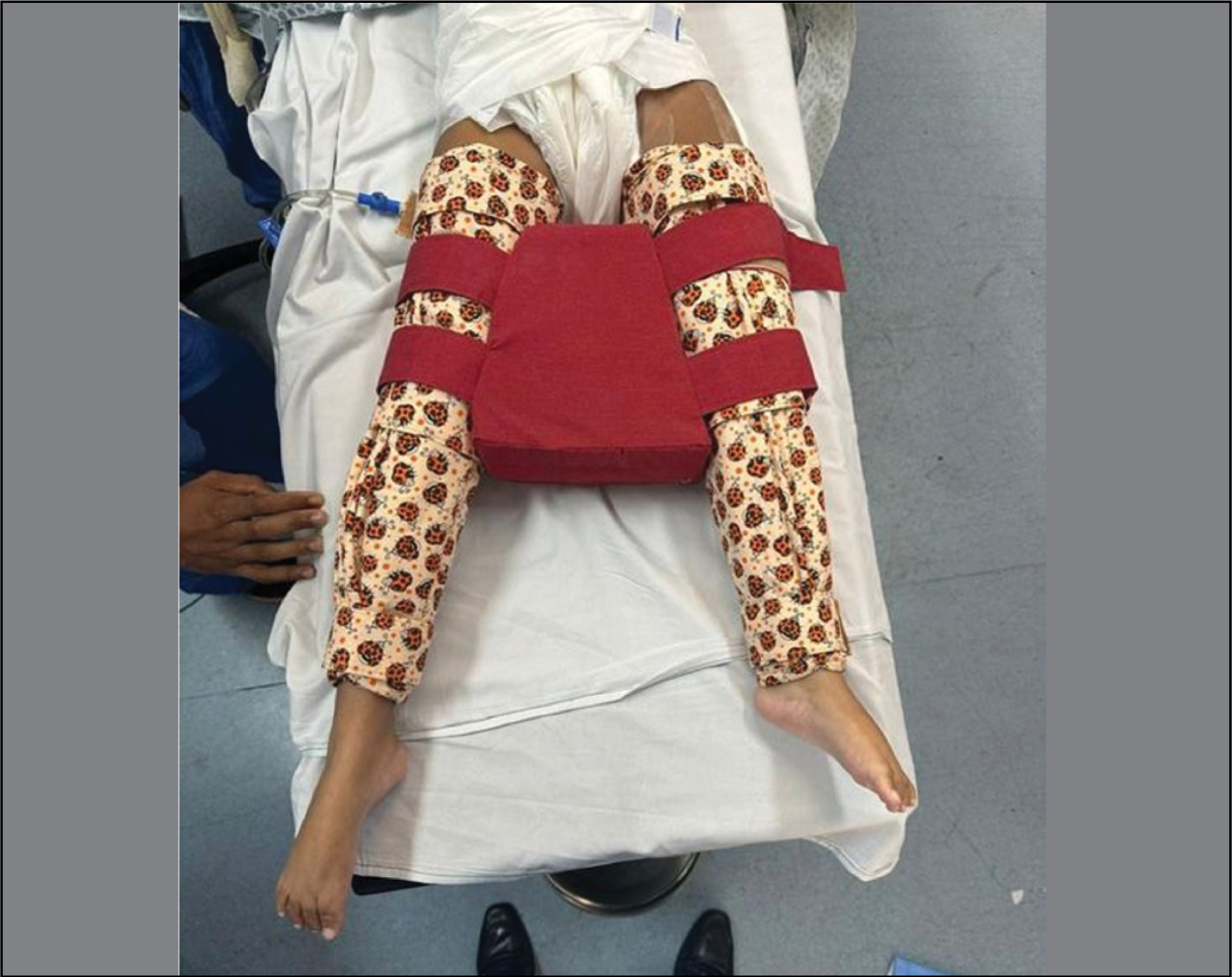
Objective: To evaluate the effectiveness and potential benefits of using customized abduction orthoses in the postoperative management of patients with cerebral palsy undergoing derotational osteotomy of the hip.
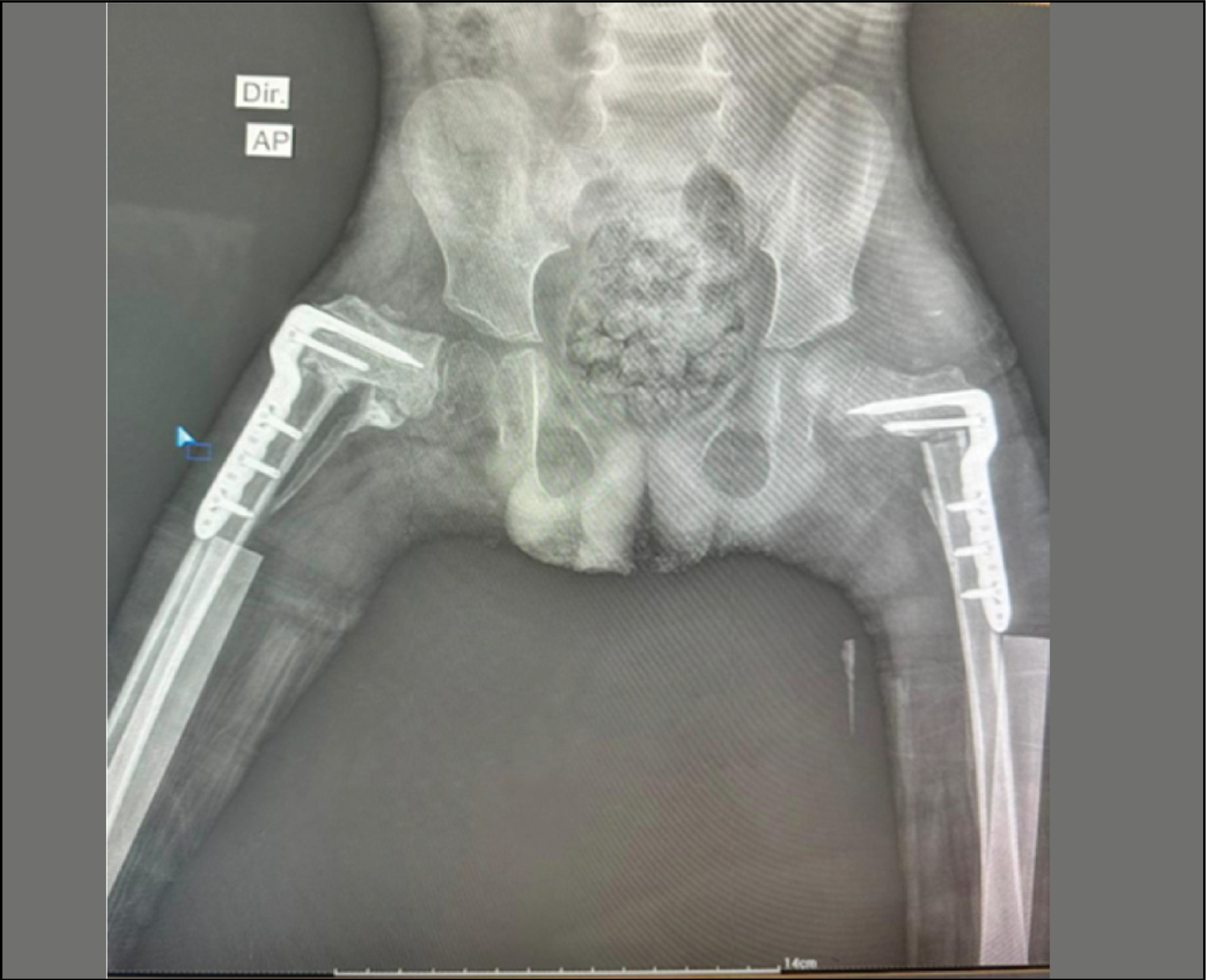
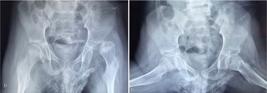
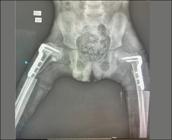
Methods: A retrospective study was conducted with 14 patients (26 hips) with cerebral palsy and hip (sub)luxation, operated between 2021 and 2025 in private hospitals using the varus derotational femoral osteotomy technique. The analysis considered synthesis material positioning, achieved angle (Reimers’ Index), joint congruence on postoperative radiographs, and clinical outcomes recorded in medical charts after the use of the customized abduction orthosis.
Results: Postoperative outcomes were satisfactory, with only 3.8% of hips presenting a new dislocation episode, requiring reoperation, and 7.6% showing superficial wound complications. All medical records reported comfort and practicality with orthosis use for both patients and caregivers.
Conclusion: The use of customized abduction orthoses in the postoperative period of varus derotational femoral osteotomy in patients with cerebral palsy showed comparable effectiveness to traditional spica cast immobilization, while providing greater ease of home care and reducing the physical and emotional burden on caregivers. Level of Evidence II; Retrospective cohort study.
Keywords:
Cerebral Palsy; Osteotomy; Postoperative Period; Quality of Life
 Thumbnail
 Thumbnail
 Thumbnail
 Thumbnail