Effects of the modified “Yijing Fang” on semen quality and reproductive hormones in male yaks with kidney yang deficiency: a focus on mitochondrial apoptosis pathways
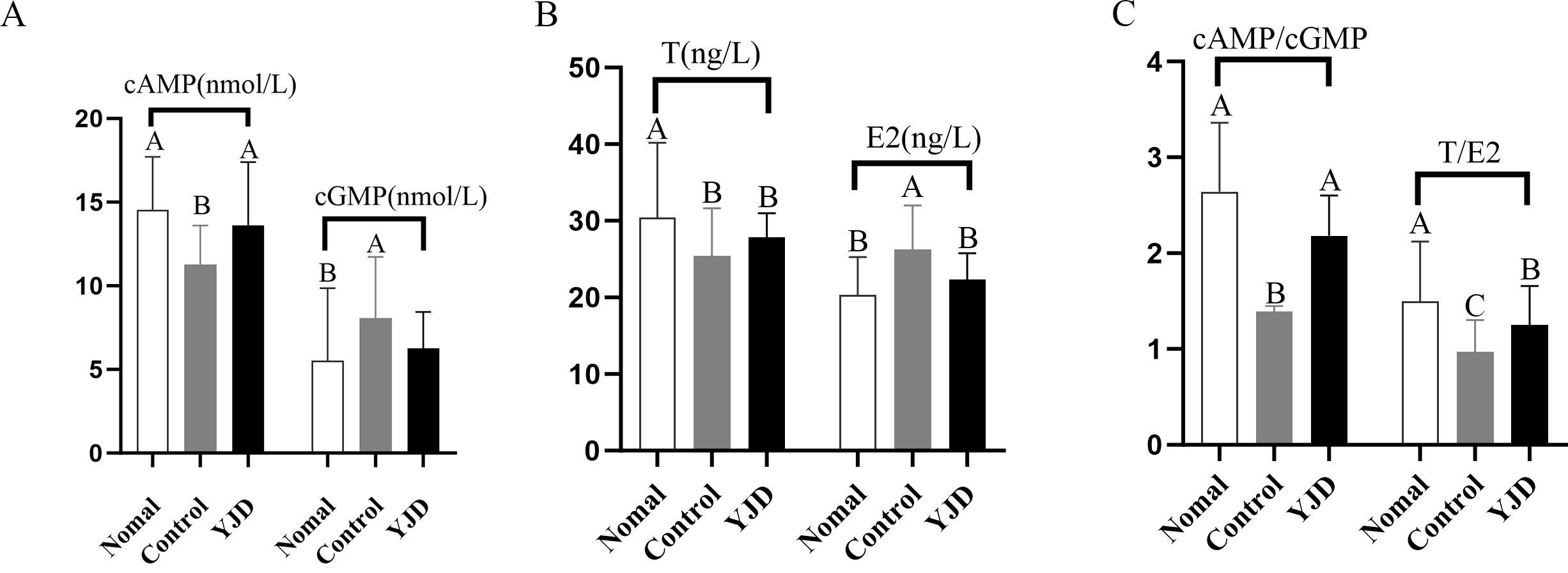
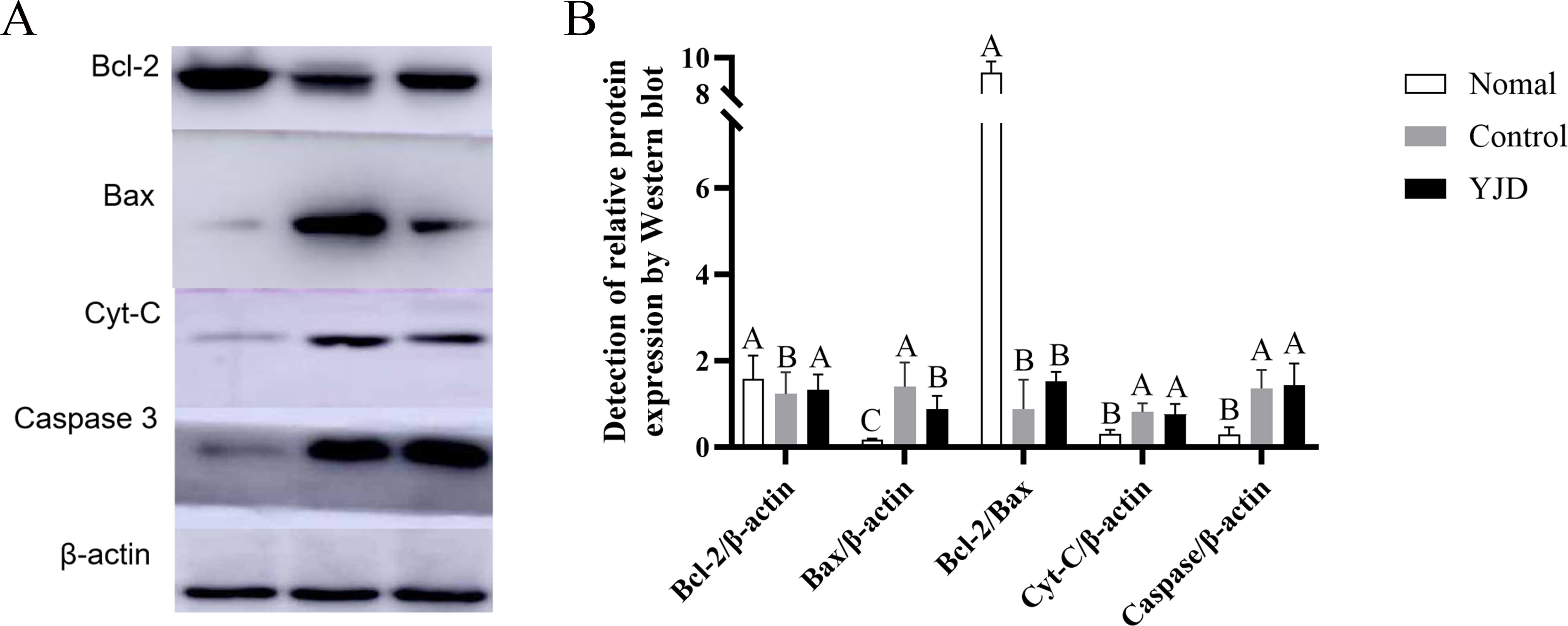
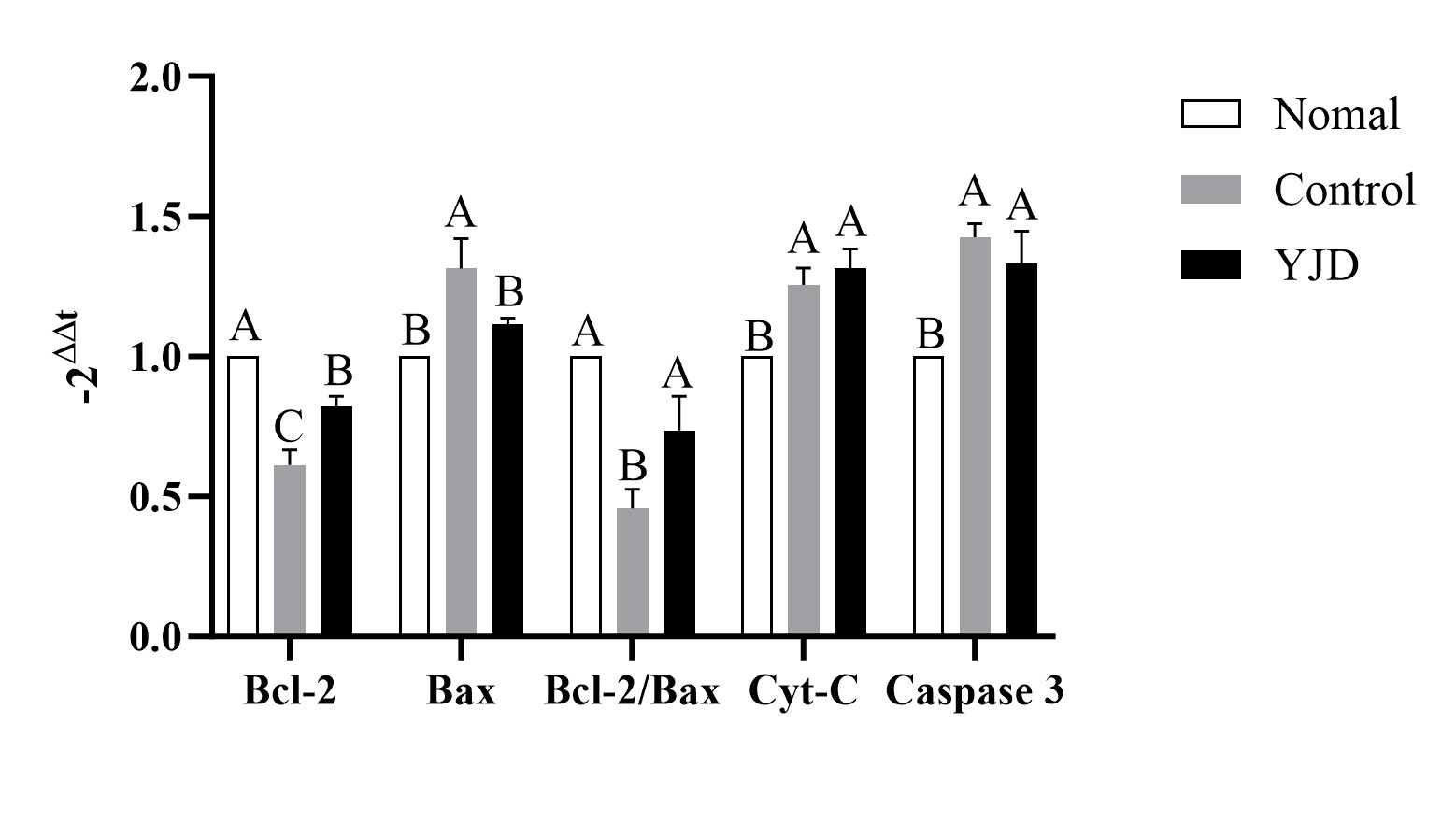
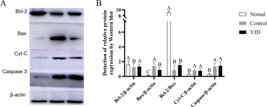
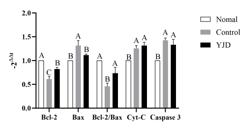
Intensive semen collection often leads to “kidney yang deficiency” in male yaks, with symptoms like lethargy and poor semen quality. Our modified “Yijing Fang” was tested. Eight 3 - 6-year-old male yaks with this condition were split into treatment and negative control groups; four healthy yaks were a blank control. The treated yaks got the formula in feed for 5 days, then a 20-day break, repeating 3 times over 65 days. Semen was collected, and cAMP, cGMP, T/E2 levels, and mitochondrial apoptosis factors were analyzed. Results showed the formula boosted semen quality. cAMP and testosterone rose (p < 0.01), cGMP and estradiol fell (p < 0.01), cAMP/cGMP and T/E2 ratios climbed (p < 0.01). Bcl-2 upregulated, Bax, Cyt-C, and Caspase-3 downregulated (p < 0.01). In conclusion, the modified “Yijing Fang” is effective for yak reproduction, enhancing hormone secretion and reducing sperm apoptosis. Long-term studies are needed.
Keywords:
yaks; modified “Yijing Fang”; mitochondrial apoptosis pathways; oligoasthenozoospermia; kidney yang deficiency
 Thumbnail
 Thumbnail
 Thumbnail