 Systematization of 100 years of studies on native horses (Equus ferus caballus): contributions from research, authors and countries
ABSTRACT.
The objective of this scientometric study was to evaluate the global trends and characteristics of research published with native horses from 1920 to July 24, 2024. On the whole, after screening, 274 articles were considered for scientometric analyses. Data was collected in Scopus and analyzed in the RStudio software, ‘Bibliometrix’ was used to calculate the basic bibliometric characteristics, present the collaboration conditions of countries and authors, and generate a three-field graph to show the relationships between authors, affiliations, and most cited articles based on total global and local citations and keywords. The VOSviewer was used for country and institution co-authorship analysis, bibliometric coupling, and keyword co-occurrence analysis. During this time period, the annual growth rate of articles was 2.02%, with an average of 9.57 citations. The articles presented an average age of 10.80 years and contained 7795 references. A total of 839 additional keywords. The documents were written by 1333 authors, with an average of 6.07 co-authors per document and 26.28% international co-authorship. The scientific community has shown a great interest in understanding the origin, genetic variability and conservation needs of native horses, using advanced molecular tools and promoting international collaboration.
Keywords:
bibliometrics; equine; meta-research; scientometrics; vosviewer
Introduction
The preservation of local breeds is a matter of scientific relevance, with profound implications for biodiversity, food security, global health and sociocultural identification (Leroy et al., 2018; Sponenberg et al., 2019). The short-term prioritization of commercial traits is sacrificing genetic diversity and placing the survival of native domestic horses at risk.
Equine DNA analyses have revealed a drastic reduction in genetic diversity over the last 250 years (Fages et al., 2019). Contrary to the last 3000 years, where diversity remained constant, modern breeding practices, such as breeding in closed bloodlines, have led to a substantial loss of genetic variability, compromising the genetic potential of today's horses (Orlando, 2020).
Native horses play an important role in maintaining biodiversity, sociocultural preservation, and local economic development. Its versatility transcends human nutrition. Their endurance and speed revolutionized warfare and transportation, setting them apart from other ungulates (Librado et al., 2016). This also contributed to cultural exchange in different regions. Adapted to specific environmental conditions, these horses represent a valuable genetic heritage that contributes to the resilience of ecosystems and the sustainability of equine production (Silva et al., 2005). The appreciation and preservation of these breeds are, therefore, essential not only from an ecological point of view but also from a cultural and socioeconomic point of view (Ribeiro et al., 2024).
From an economic perspective, native horse breeds have the potential to boost the economy through tourism (Pickel-Chevalier, 2020), horse riding, equestrian sports, and use in traditional agricultural practices (Mariz et al., 2014). In many regions, native horses are a vital source of livelihood for rural communities, promoting sustainable development and helping to mitigate the impacts of urbanization and industrialization. Studies focused on horses of native origins can contribute to overcoming the challenges faced by these populations. These challenges include habitat loss, inbreeding, competition with introduced breeds, and economic and environmental pressures. Assessing local animal populations is not easy and simple, but it is worrying that in the past some genetic resources were lost before their characterization and their genetic potential was not studied (Scherf & Pilling, 2019).
A detailed scientometric analysis can identify knowledge gaps and guide future research on native horses. A review of existing literature reveals a significant disparity in the number of studies dedicated to different races and regions, indicating an urgent need for more balanced and comprehensive research. This analysis can highlight overlooked areas, facilitating more effective allocation of resources and conservation efforts.
General objective: A comprehensive scientometric analysis of scientific production on native horses over the last 100 years.
Specific objectives:
- Identify the main thematic areas of research related to native horse breeds.
- Analyze the geographical distribution of scientific production and the influence of different regions.
- Evaluate temporal trends in the production of scientific articles on the topic.
- Investigate collaborations between institutions and authors.
- Analyze the impact and visibility of scientific publications.
Materials and methods
Data collection
The data abstraction process was carried out following the Preferred Reporting Items for Systematic Reviews and Meta-Analyses (PRISMA-2020) guidelines, as recommended by Page et al. (2021).
A systematic search for articles was carried out in the Scopus platform database (www.elsevier.com/online-tools/scopus) on studies with native horses worldwide, from 1920 to July 24, 2024. In the search the following terms were used: title-abs-key (‘local horse*’ or ‘native horse*’ or ‘indigenous horse*’ or ‘criollo horse*’ or ‘autochthonous horse*’) and (limit-to (doctype, 'ar)) and (exclude (subjarea, ‘arts’) or exclude (subjarea, ‘dent’) or exclude (subjarea, ‘math’) or exclude (subjarea, ‘ener’) or exclude (subjarea, ‘econ’) or exclude (subjarea, ‘phys’) or exclude (subjarea, ‘chem’)) and (exclude (pubstage, ‘aip’)).
The initial search in the Scopus database resulted in 498 records. From then on, a documentary analysis of these records was carried out, in which only scientific articles were included. Thus, 384 scientific articles were retained for further evaluation.
Evaluation of articles
We implemented a screen to remove duplicates, meta-analyses, systematic reviews, and articles that did not align with the research objectives. Finally, 274 scientific articles were included in the scientometric evaluation. In each article, the following details were recorded: Year of publication of the article, country, and scientific establishment (university or other institution) of origin of the article (the country(ies) and establishment(s) of only the first/last author were considered. If multiple authors were listed as first or last authors on articles, all were considered.
Data analysis
For data analysis and visualization, we used Bibliometrix in R version 4.3.3 (R Core Team, 2023) and VOSviewer version 1.6.20 (van Eck & Waltman, 2017). In this research, Bibliometrix was used to (1) present the number of publications and citations from the bibliometric analysis; (2) determine the frequency of keywords and terms; (3) analyze the frequency of collaboration between countries and authors; and (4) establish a three-field graph to visualize keyword analysis.
We mainly use VOSviewer to perform: (1) co-authorship analysis to explore the cooperative relationships between authors and their institutions and (2) co-occurrence analysis to explore the relationships between keywords. VOSviewer limits were defined as follows - co-authorship analysis: frequency of at least 1; co-occurrence of keywords: frequency of at least 10; country co-authorship analysis: frequency of at least 1. The remaining VOSviewer functionalities were analyzed using the default parameters.
Results
Data description
The analyses were carried out in academic publications referring to studies with native horses from 1920 to 2024. In this time period, 274 complete articles were used. These studies were represented in 9 languages: English (252), Spanish (8), Turkish (4), Italian (2), Persian (2), Portuguese (2), Russian (2), French (1) and Chinese (1). The annual growth rate of articles is 2.02%, with an average document age of 10.8 years. Each document received, on average, 9.57 citations, and the total number of accumulated references was 7,795. A total of 839 keywords. The documents were written by 1333 authors, with an average of 6.07 co-authors per document and 26.28% international co-authorship.
Year of publication of articles
Based on the search strategy we used regarding native horses, Figure 1 shows the number of articles published per year, from 1920 until July 24, 2024. The number of publications increased continuously from 1994. Before that period the publications on the topic were occasional (1920, 1930, 1957, 1971, and 1982). From 2010 onwards, the production of articles has shown significant fluctuations. Although still high, the number of publications varies greatly from one year to another. Peak production occurred in 2020, reflecting a period of great activity and academic interest in the area.
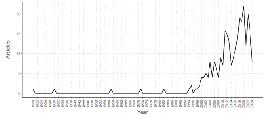
Annual Scientific Production from 1920 to 2024 (24 July), in the Scopus indexing database, on native horses.
Countries and collaborations
The 274 published articles came from a total of 64 countries. The areas with the greatest representation of documents are: Biochemistry, Genetics, and Molecular Biology; Veterinary; and Agricultural and Biological Sciences, with 75% of the documents. The other areas such as Medicine, Immunology and Microbiology, Multidisciplinary, and others, although important, have a smaller representation.
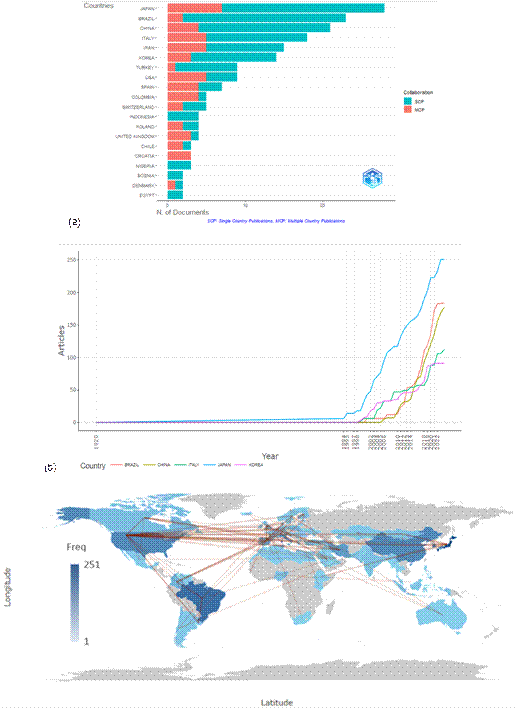
Asia is the continent with the greatest scientific production on the topic in question, Japan leads the ranking, China and South Korea showing substantial scientific production from Asian countries (Figure 2a). European countries such as Italy, Spain, and the United Kingdom also have a relevant participation, contributing significantly to global scientific production. Brazil, the main representative of South America, ranks second in the world in terms of number of productions. North America has a moderate participation, while Africa, Oceania, and the Middle East have a smaller numerical representation.
The analysis of publications reveals the importance of international collaboration, evidenced by the pink bar with the frequency of publications with multiple authors from different countries (MCP) and the blue bar shows national publications (SCP) (Figure 2a). We observed that among the top 20 countries, there is a big difference in collaborations. Japan, Brazil and China, although productive in terms of total number of publications, have different rates of international collaboration, 25, 8.69 and 19.04% of their publications, respectively. The USA, Spain, Colombia, Poland, and Chile present more than half of the articles in collaborations, indicating strong engagement in global research networks. Croatia, in turn, stands out with an international collaboration rate of 100%. This variation between countries may be related to several factors, such as research promotion policies, scientific infrastructure and the nature of the scientific challenges addressed in each country.
There is exponential growth in scientific production in all countries after 2001, with a sharp increase in recent decades (Figure 2b). This reflects technological advances in molecular techniques and the growing importance of research with native animals globally. Some countries, such as Japan, have a faster and more consistent growth curve over time, while others, such as Korea, Italy, Brazil, and China, started their trajectory later and with more gradual growth.
The world map (Figure 2c) shows the collaboration connection between countries. The intensity of the colors and the density of the lines indicate the frequency and strength of connections between different countries. The United States, Europe, and Japan have a greater number of collaborations with other countries.
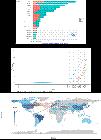
Corresponding Author's Countries (a), Countries' Production over Time (b) and Country Collaboration Map (c).
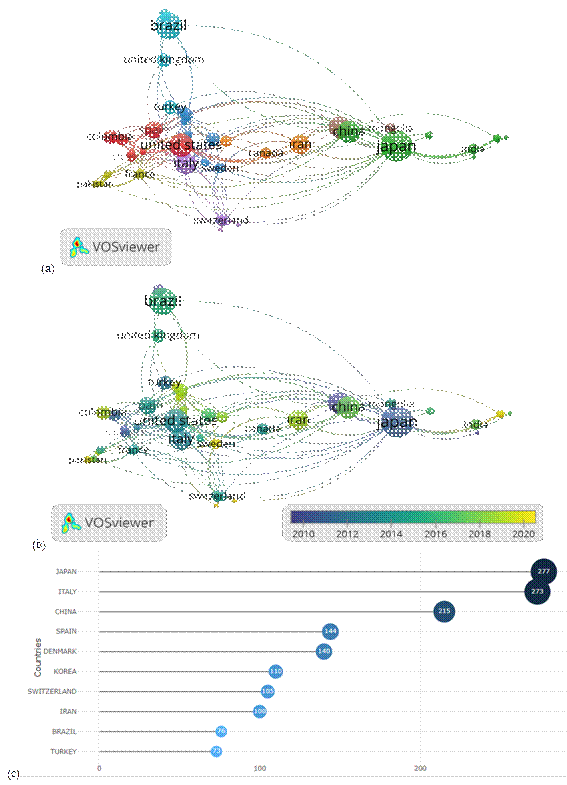
The co-authorship network between countries (Figure 3a) was analyzed by the number of publications and their collaborations. Japan, China, and the United States stand out as the main centers of scientific production and collaboration. These countries have a large number of links with other countries, indicating intense co-authorship activity. Although Brazil has a high number of publications, it is not central compared to other countries, that is, it does not exert the same influence and visibility as other countries. It is possible to identify some regional clusters, such as Europe (with emphasis on Italy, Spain and the United Kingdom) and Asia (with Japan, China and South Korea).
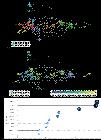
Citation - country relationship (a), Citation - country relationship over time (b) and Ranking of most mentioned countries (c).
The analysis of the distribution by colors reveals an interesting dynamic in scientific production (Figure 3b). The blue tone indicates that countries such as Japan, Slovenia, and Chile were more prominent in publications published around 2010. The yellow tone highlights the growth of countries such as Sweden, Pakistan, and Bangladesh in recent years, up to 2020. The citation graph shows clearly the distribution of citations between different countries. Japan, Italy and China stand out as the most cited (Figure 3c).
Institutions
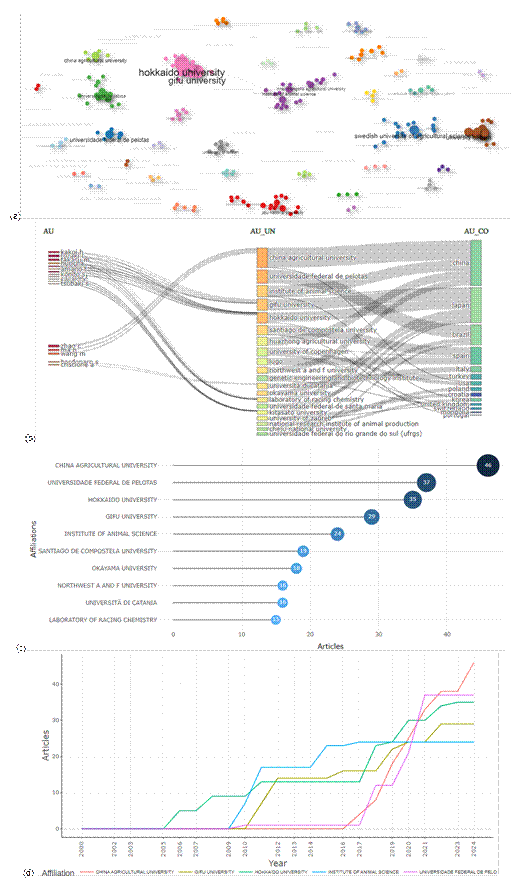
We identified 371 different affiliation institutions, most of them located in Asia and Europe. The network of collaboration between these institutions reveals several collaborative groups in different countries, highlighting the global nature of scientific research on native horses (Figure 4a). Some of these groups are highly collaborative, presenting more connections and occupying central positions in terms of visibility, such as Hokkaido University and the Institute of Animal Science. The Sankey diagram (Figure 4b) visualizes these connections, using rectangles to represent author categories (scaled by frequency) and lines to show collaboration flows.
China (7) and Japan (4) concentrate the largest number of institutions in the top 20, leading in terms of authors and collaborations (Figure 4b). These institutions not only have a large number of authors, but also establish robust partnerships with researchers from other countries, such as the United States, South Korea, and Mongolia.
As expected, Asia dominates the picture, with author flows occurring for 19 out of the top 20 contributors. Brazil follows soon after, appearing in 3 streams of the top 20, which are the Federal University of Pelotas, Federal University of Santa Maria and Federal University of Rio Grande do Sul.
The top 10 institutions for the period 1920-2024 can be seen in Figure 4c. The most productive institution is China Agricultural University, especially since 2010, attaining 46 published articles followed by the Federal University of Pelotas with 37 articles, which stands out for its rapid and substantial growth in recent years. Hokkaido University (Japan) appears with growth in publications since 2010, and slight stabilization after 2020 (Figure 4c). Gifu University (Japan), shows a more stable growth trajectory, with an acceleration in the number of publications from 2015 onwards. The Institute of Animal Science (China) shows a gradual increase in publications, with a more pronounced growth after 2015.
Authors and publications
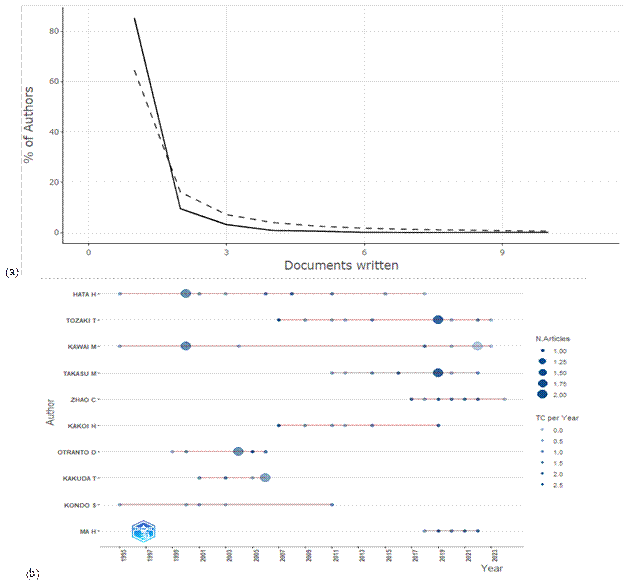
Of the 1333 authors, more than 85% published only one document (Figure 5a), while a small group concentrated most of the publications, a common pattern in several academic areas.
Of the top 10 authors, the most productive were Hata, H. from the Field Science Center for Northern Biosphere, Hokkaido University of Japan, with greater consistency in publications over time, focusing on studies in animal nutrition and with an impact factor of 7 (Figue 5b). Another prominent author is Tozaki, T., from the Genetic Analysis Department, Laboratory of Racing Chemistry, Tochigi, Japan and Department of Veterinary Medicine, College of Applied Biological Sciences, Gifu University, Gifu, Japan, with an impact factor of 5 and research focused on genetics. Both authors published 10 articles on the topic of native horses.
Intermediate authors in terms of placement began research around 2010. The seventh-, eighth-, and ninth-placed authors published for a specific period and then did not continue in the line of research. The tenth-place winner, Ma, H. from the College of Animal Science and Technology, China Agricultural University, began publishing more recently, starting in 2018, with a focus on breeding and genetics.
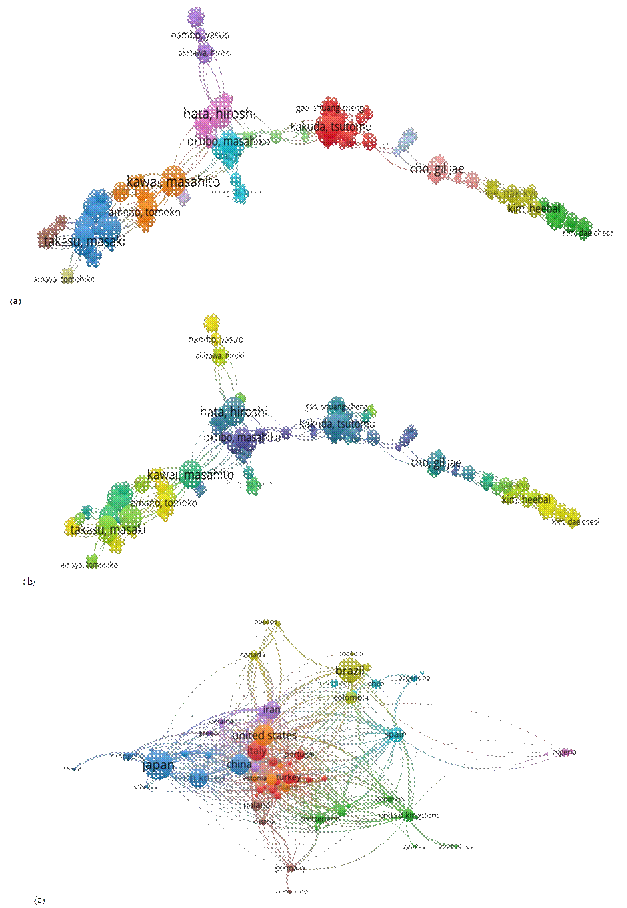
Analysis of the collaboration network between authors reveals a scientific community interconnected in groups (Figure 6a). Core authors such as Tozaki, Hata, Takasu and Zhao play important roles in disseminating knowledge and establishing collaborations with native horses.
From the authors' interactions, 14 different clusters were formed. The cluster in red, the largest in the network, with 24 authors, highlights the importance of interdisciplinary collaborations. This cluster exemplifies collaboration between different institutions in Korea, Japan, Ethiopia, United States, and others, showing how interaction between researchers from diverse backgrounds can enrich and strengthen scientific research. The isolated clusters indicate more specific research areas such as Animal Diseases by authors Masatani, T Amaya, T, both groups from Japan. When observed over time, we see that the central authors in blue began their collaborations around the year 2000 (Figure 6b).
When analyzing the bibliographic coupling in terms of countries (Figure 6c), there is a proximity in the most central bibliographic references in the USA, China and Italy. We look at groups like Taiwan, who work on similar themes and with Japan.
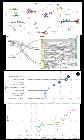
Collaboration Network (a), Sankey diagram for the top 20 authors (left), top 20 institutions (center), and top 20 countries (right), linked to articles published in the indexing database Scopus (b), the 10 most productive first author institutions and their relative contribution in number of articles (c) and Affiliations' Production over Time (d).
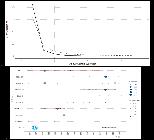
The frequency distribution of scientific production by authors and the expected by Lotka's Law (dashed line) (a) Temporal trend in authorship for the 10 most productive authors of publications in native horses (b).
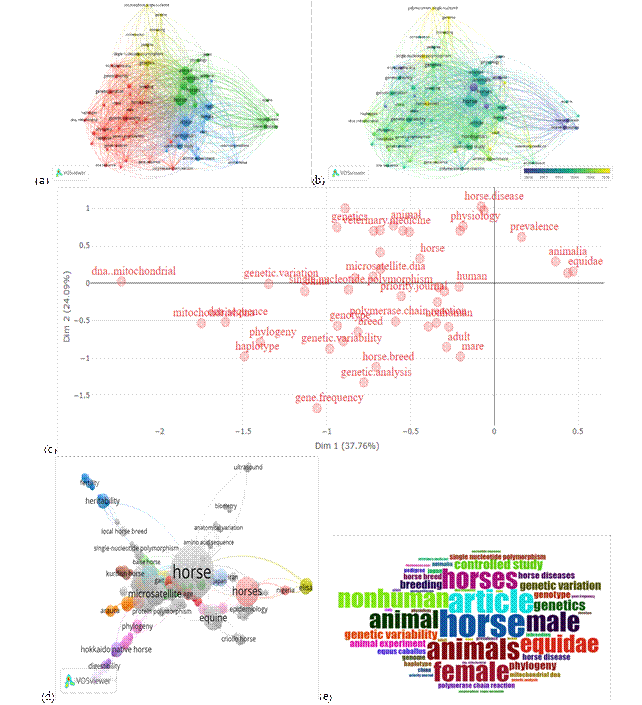
The term co-occurrence analysis shows which words tend to appear together indicating the possible areas and subareas of research (Figure 7a). The red and yellow clusters are linked to genetics and conservation. While the green and blue clusters are seen in studies on physiology, diseases, and veterinary medicine (Figure 7a). Figure 7b displays a visual representation (yellow) of the increasing importance of breeds and SNPs (Single Nucleotide Polymorphisms) in equine research, showing a steady increase in the use of this term in current scientific literature.
The Multiple Correspondence Map (MCM) graph (Figure 7c) shows dominance of studies with genetics (red) and dimension 1 (37.76%) capturing variation related to equine genetics, breeds and phylogeny (Figure 7a). Dimension 2 with 24.09% shows the relationship between genetics and equine diseases. When analyzing the authors-keywords relationship, it is possible to identify the focus of some authors on equine breeds such as Hokkaido native horse, Criollo horse, and Kurdish horse in the network (Figure 7d). The word cloud across studies provides insight into the focus on equine genetics (Figure 7e). The directions aim to characterize genetic diversity within and between breeds, which is useful in conservation and genetic improvement programs.
Table 1 reports the 10 most relevant articles about native horses. The most influential article in the literature, published in 2015 and entitled ‘Tracking the origins of Yakutian horses and the genetic basis for their rapid adaptation to subarctic environments’, holds the largest TC. The study brings together a diverse team of experts focused on uncovering information about the origins of Yakutian horses. The second most cited article inquires the genetic diversity within and between four horse breeds native to Southern Europe.
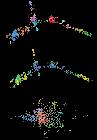
Main groups of authors (a), groups of authors over time (b) and bibliographic coupling of countries (c).
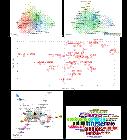
Co-occurrence (minimum of 10 words) of keywords used in native horse periodicals and over time (a and b), factor analysis graph of studies (c), list of authors and keywords (d) and WordCloud (e).
Among the 10 impact articles, 5 discuss genetics, 4 address parasitology, and 1 reproduction (Table 1). This trend suggests that research with a broader genetic scope obtains more citations. From the 2000s onwards, an even greater acceleration in the number of citations was observed, indicating a period of intense reseach activity.
Discussion
Here, we retrieve the temporal trends and scientific structure of publications on native and local horses over 100 years. We apply a scientometric approach revealing the main characteristics of this subject field, such as authorship, productivity, journal and impact factors, and partnership structure.
The 274 published articles originated from a total of 64 countries, demonstrating the wide geographic distribution and global interest in the area. The oldest periodical was ‘Native horses and cattle in the orient: Future of the livestock industries of China outlined-possibilities for development of great meat and dairy resources if modern methods of care and breeding are introduced’ from 1920, author Lenive, C. O, where explores the future of livestock industries in China, highlighting the potential to develop substantial meat and dairy resources through modern care and husbandry methods. It delves into the unique characteristics of the Chinese pony and Mongolian horse, showing their adaptability, beauty, and suitability to the region. In 1930, Emilio Solanet published ‘The criollo horse’, in the Journal of Heredity, characterizing and valuing the breed, a symbol of Gaucho culture. The following years, 1957, 1971 and 1982, continued with specific publications in the area of veterinary medicine (Figure 1).
Interest in studying native horses showed exponential growth from 1994 onwards. The publication ‘Population differentiation of japanese native horses by DNA fingerprinting’ by Yamashita et al. (1994) marked the beginning of a new era of research, focusing on molecular markers. Research into nutrition and pathologies is being developed in an attempt to meet the demands of native populations around the world, even if modest.
Studies on protein polymorphism (1999), PCR (1999) and microsatellites (2000) have begun to gain space in the academic focus. The peak of this production occurred between 2010 and 2020, a period in which research in this area was consolidated (Figures 1 and 2). The analysis showed the dominance in genetics. This finding is consistent with the increasing use of molecular tools to understand the genetic diversity, evolution and phenotypic characteristics of these breeds and ecotypes. The relevance of genetics is not only in phylogenetic studies but also in the diagnosis, treatment, and prevention of diseases in horses. Understanding the genetic mechanisms underlying diseases is essential for the development of new therapies and control strategies.
The fluctuations observed after 2020 can be attributed to several factors, including the COVID-19 pandemic, which, according to a study by McManus et al. (2024), significantly impacted scientific production in several areas in Brazil, which may have occurred in the global context. The interruption of laboratory activities, the difficulty in obtaining inputs and the reallocation of resources to combat the pandemic are some of the possible causes of the drop in some countries and the increase in others.
The data in Figure 3 suggests the existence of centers of excellence in research (Japan, China, United States) that act as hubs, connecting with several other countries. These countries have numerous connections, indicating intense co-authorship activity. Regional clusters are identified, such as Europe, with emphasis on Italy, Spain and the United Kingdom, and Asia, with Japan, China and South Korea. On the other hand, countries such as Sweden and Pakistan, although they have grown in production, can be considered peripheral, participating more actively in already established networks (Figure 2). Switzerland and the United Kingdom show a high proportion of international collaborations (MCP), which indicates a strong involvement in global research networks. Although Brazil is the second most productive country in terms of number of articles, it has a relatively small number of international partnerships, proportionally to the number of publications.
The Asian predominance at the top of the ranking indicates the importance of native horses for the formation of culture, society, and traditional societies in this region, in addition to highlighting research and the relevance of international collaborations for the advancement of knowledge (Figure 4). The results of the authorship analysis reveal an uneven distribution of publications, with a significant concentration in a small group of researchers (Figure 5). More than 85% of the 1333 authors analyzed have only one publication, highlighting a common pattern in different areas of knowledge. Among the most prominent authors, Hata and Tozaki stand out, with consistent scientific production over time and high impact. While Hata focuses on animal nutrition, Tozaki focuses on genetics.
It is interesting to note that, some authors, after a period of intense production, interrupted their publications in the area (Figure 5), suggesting that participation in research can be influenced by several factors, such as changing the area of interest or resource limitations. The concentration of publications by a few authors may indicate the existence of well-established research groups with adequate resources to maintain continuous, high-quality scientific production.
The distribution of research institutions and most cited authors is shown in Figure 5. In the ranking of institutions, China Agricultural University; Hokkaido University, Gifu University, Kitasato University in Japan and the University of Bari in Italy have a high number of publications. These institutions have nine of the ten main authors in the field, with the exception of author Kokai, from the Laboratory of Racing Chemistry, Japan.
The analysis of institutions and authors revealed a diverse and dynamic scientific collaboration network in the area of equine studies. The China Agricultural University and the Federal University of Pelotas stand out as the most productive institutions, with significant growth in recent decades. The co-authorship network, made up of 14 clusters, demonstrates the importance of interdisciplinary and international collaborations, with emphasis on interaction between researchers from Asia, Europe and Africa (Figure 6). The analysis of bibliographic coupling indicates a strong proximity between countries with greater scientific production, such as Japan, Italy, USA, China and Brazil, suggesting an intense exchange of information and knowledge in these countries.
Temporal analysis reveals an increasing trend in the use of SNPs (single nucleotide polymorphisms) in recent studies, which reflects the advancement of sequencing technologies and the use of high-density genetic markers for genetic association studies, genomic selection and conservation of genetic resources.
The network of authors and keywords highlights the existence of research groups with specific interests, such as the Hokkaido native horse, Criollo horse and Kurdish horse breeds (Figure 7). This specialization indicates the importance of studies focused on specific breeds for the conservation of genetic diversity and the development of genetic improvement programs (Table 1). Furthermore, the existence of well-defined research groups suggests an active and collaborative scientific community, focused on resolving particular issues and contributing to the preservation and advancement of knowledge about different equine populations.
On the Food and Agriculture Organization website in the Domestic Animal Diversity Information System (DAD-IS) it is possible to observe the number of records over the years (2000 to 2024). As of 2015, a general growth trend has been observed in the number of records updated in the collection and maintenance of this data over the years. The year 2022 stands out for the largest number of updated records, with more than 250 breeds/populations documented. This indicates a spike in activity in collecting and updating data on equine breeds during this period, confirming a growing interest in monitoring horse populations around the world (Food and Agriculture Organization, 2024).
The scarcity of research on locally adapted horses is multifactorial. The main barrier lies in the lack of financial resources and adequate infrastructure to carry out studies in remote areas where these breeds and biotypes are present. Furthermore, the lower visibility and prestige associated with these groups of animals, compared to high-performance breeds, discourage researchers and institutions from investing in this area. In addition, underestimation of the cultural and biological-ecological importance of these animals (Fraser et al., 2019), together with the lack of public policies that encourage research and conservation, which further aggravates the situation, limiting the advancement of knowledge about native and local horses.
The integration of knowledge in genetics, veterinary medicine and advanced technologies allows for a deeper understanding of the characteristics and needs of different breeds of horses, promoting both animal health and biodiversity conservation. However, most studies focus on a limited number of phenotypic traits such as morphology, neglecting other important traits such as behavior and disease resistance. Scientometric work, such as ours, plays an important role in offering insights into previously employed methods, including their characteristics and areas of application. This avoids duplication of efforts and speeds up the scientific process by providing consolidated and reliable references.
Limitations and future perspectives
Although this study provides a comprehensive mapping of one century of research on native and local horses, several structural limitations inherent to scientometric analyses must be acknowledged. First, the results depend on the coverage, accuracy, and indexing policies of the selected databases, which may omit regional journals, grey literature, and historically relevant documents not systematically archived. Data inconsistencies such as incomplete metadata, ambiguous author affiliations, and shifts in nomenclature over time can affect the retrieval and classification of publications, a challenge consistently reported in scientometric research (Mingers & Leydesdorff, 2015). Moreover, metric-based assessments cannot account for methodological rigor, scientific relevance, or the real-world conservation impact of the studies analyzed.
Future research should broaden data sources by integrating open and hybrid platforms, improving representativeness, and reducing database bias (Herzog et al., 2020). Methodological advances, including text mining, topic modeling, and high-resolution network analyses, may refine thematic detection and reveal latent structures within the field (Chen & Song, 2019; Li et al., 2021). Integrating bibliometric indicators with biological, socioeconomic, and policy-oriented datasets could also provide a more contextualized understanding of how scientific production aligns with conservation priorities for native horse populations. Ultimately, comparative analyses across livestock species may help identify structural research gaps and inform strategic investments in the sustainable management of local genetic resources.
Conclusion
The present research represents the first scientometric assessment of the scientific literature on native horses. The results indicate a growing interest in elucidating the phylogeny and genetic diversity of these populations, with emphasis on the use of molecular markers, such as SNPs. Research, although multidisciplinary, has been concentrated in journals specializing in animal genetics and conservation. There has been a significant increase in studies on the conservation of genetic resources and the use of SNPs, in addition to growing international collaboration, which has expanded the reach and impact of publications.
Data availability
Not applicable. This study is based on secondary data obtained from the Scopus database.
Acknowledgments
Thanks to CNPq (National Council for Scientific and Technological Development ) for granting the scholarship/PCI.
References
-
Chen, C. & Song, M.. (2019). Visualizing a field of research: a methodology of systematic scientometric reviews. PLoS ONE, 14(10), e0223994. https://doi.org/10.1371/journal.pone.0223994
» https://doi.org/https://doi.org/10.1371/journal.pone.0223994 - Silva, L. A. C., Santos, S, McMannus, C. & Petzold, H.. (2005). Adaptação do cavalo pantaneiro ao estresse da lida diária de gado no Pantanal, Brasil. Arquivos de Zootecnia, 54(206-207), 509-513.
-
Fages, A., Hanghøj, K., Khan, N., Gaunitz, C., Seguin-Orlando, A., Leonardi, M., Constantz, C. M., Gamba, C., Albizuri, S., Alfarhan, A. H., Allentoft, M., Alquraishi, S., Anthony, D., Baimukhanov, B., Barrett, J. H., Bayarsaikhan, J., Benecke, N. & Orlando, L.. (2019). Tracking five millennia of horse management with extensive ancient genome time series. Cell, 177(6), 1419-1435. https://doi.org/10.1016/j.cell.2019.03.049
» https://doi.org/https://doi.org/10.1016/j.cell.2019.03.049 -
Food and Agriculture Organization of the United Nations. (2024). Domestic Animal Diversity Information System (DAD-IS). https://www.fao.org/dad-is/data/en
» https://www.fao.org/dad-is/data/en -
Fraser, M. D., Stanley, C. R. & Hegarty, M. J.. (2019). Recognizing the potential role of native ponies in conservation management. Biological Conservation, 235(1), 112-118. https://doi.org/10.1016/j.biocon.2019.04.014
» https://doi.org/https://doi.org/10.1016/j.biocon.2019.04.014 -
Herzog, C., Hook, D. & Konkiel, S.. (2020). Dimensions: bringing down barriers between scientometricians and data. Quantitative Science Studies, 1(1), 387-395. https://doi.org/10.1162/qss_a_00020
» https://doi.org/https://doi.org/10.1162/qss_a_00020 -
Leroy, G., Baumung, R., Boettcher, P., Besbes, B., From, T. & Hoffmann, I.. (2018). Animal genetic resources diversity and ecosystem services. Global Food Security, 17(1), 84-91. https://doi.org/10.1016/j.gfs.2018.04.003
» https://doi.org/https://doi.org/10.1016/j.gfs.2018.04.003 -
Li, J., Goerlandt, F. & Reniers, G.. (2021). An overview of scientometric mapping for the safety science community: Methods, tools, and framework. Safety Science, 134(1), 105093. https://doi.org/10.1016/j.ssci.2020.105093
» https://doi.org/https://doi.org/10.1016/j.ssci.2020.105093 -
Librado, P., Fages, A., Gaunitz, C., Leonardi, M., Wagner, S., Khan, N., Hanghøj, K., Alquraishi, S. A., Alfarhan, A. H., Al-Rasheid, K. A, Sarkissian, C. D. & Orlando, L.. (2016). The evolutionary origin and genetic makeup of domestic horses. Genetics, 204(2), 423-434. https://doi.org/10.1534/genetics.116.194860
» https://doi.org/https://doi.org/10.1534/genetics.116.194860 -
Mingers, J. & Leydesdorff, L.. (2015). A review of theory and practice in scientometrics. European Journal of Operational Research, 246(1), 1-19. https://doi.org/10.1016/j.ejor.2015.04.002
» https://doi.org/https://doi.org/10.1016/j.ejor.2015.04.002 -
Mariz, T. M. A., Santos, J. E. S., Escodro, P. B., Lima, C. B., Almeida, A. C. A., Rodrigues, M. J. S. T., Lima Júnior, D. M. & Santos, W. K.. (2014). Variáveis fisiológicas de equinos remanescentes do cavalo nordestino durante a pega de boi. Revista de Comportamento Animal e Biometeorologia, 2(4), 139-141. https://doi.org/10.14269/2318-1265/jabb.v2n4p139-141
» https://doi.org/https://doi.org/10.14269/2318-1265/jabb.v2n4p139-141 -
McManus, C., Albuquerque, L. G., Dias, L. T., Paiva, S. R., Pimentel, D. & Pimentel, F.. (2024). Livestock breeding, conservation and genomics in Brazil: who, when, where, and what. Livestok Science, 218(1), 105429. https://doi.org/10.1016/j.livsci.2024.105429
» https://doi.org/https://doi.org/10.1016/j.livsci.2024.105429 -
Orlando, L.. (2020). Ancient genomes reveal unexpected horse domestication and management dynamics. BioEssays, 42(1), 1900164. https://doi.org/10.1002/bies.201900164
» https://doi.org/https://doi.org/10.1002/bies.201900164 -
Page, M. J., McKenzie, J. E., Bossuyt, P. M., Boutron, I., Hoffmann, T. C., Mulrow, C. D., Shamseer, L., Tetzlaff, J. M., Akl, E. A., Brennan, S. E., Chou, R., Glanville, J., Grimshaw, J. M., Hróbjartsson, A., Lalu, M. M., Li, T., Loder, E. W., Mayo-Wilson, E., McDonald, S. & Moher, D.. (2021). The PRISMA 2020 statement: an updated guideline for reporting systematic reviews. The BMJ, 372(71), 1-9. https://doi.org/10.1136/bmj.n71
» https://doi.org/https://doi.org/10.1136/bmj.n71 -
Pickel-Chevalier, S.. (2020). Tourism and the intangible heritage of the horse. Mondes du Tourisme, 18(1), 1-9. https://doi.org/10.4000/tourisme.3016
» https://doi.org/https://doi.org/10.4000/tourisme.3016 - R Core Team (2023). R: a language and environment for statistical computing. R Foundation for Statistical Computing.
-
Ribeiro, N. L., Medeiros, G. R., Silva, N. M. V., Soares, K. O., Arandas, J. K. G., Nascimento, G. V. & Ribeiro, M. N.. (2024). Phenotypic characterization and production system of the Nordestino horse from a multivariate perspective. Scientific Report, 14(1), 1173. https://doi.org/10.1038/s41598-023-51018-y
» https://doi.org/https://doi.org/10.1038/s41598-023-51018-y - Scherf, B. & Pilling, D. (2019). The second report on the state of the world’s animal genetic resources for food and agriculture. FAO.
-
Sponenberg, D. P., Martin, A., Couch, C. & Beranger, J.. (2019). Conservation strategies for local breed biodiversity. Diversity, 11(10), 1-14. https://doi.org/10.3390/d11100177
» https://doi.org/https://doi.org/10.3390/d11100177 -
Eck, N. J. & Waltman, L.. (2017). Citation-based clustering of publications using CitNetExplorer and VOSviewer. Scientometrics, 111(1), 1053-1070. https://doi.org/10.1007/s11192-017-2300-7
» https://doi.org/https://doi.org/10.1007/s11192-017-2300-7 -
Yamashita, H., Murata, S., Komura, K., Okamoto, S., Maeda, Y. & Hashiguchi, T.. (1994). Population differentiation of japanese native horses by DNA fingerprinting. Journal Equine Science, 5(4), 115-120. https://doi.org/10.1294/jes.5.115
» https://doi.org/https://doi.org/10.1294/jes.5.115
Edited by
-
Associate Editor in charge:
Leandro Dalcin Castilha

 Source: Elaborated by the authors using Bibliometrix (R pakage) based on Scopus data.
 Source: Elaborated by the authors using Bibliometrix (R pakage) based on Scopus data.
 Source: (a-b) Authors, using VOSviewer (Scopus data); Authors, using Bibliometrix (Scopus data).
 Source: (a) Authors, using Vosviewer (Scopus data); (b-d) using Bibliometrix (Scopus data).
 Source: (a-b) Elaborated by the authors using Bibliometrix (R pakage) based on Scopus data.
 Source: Elaborated by the authors using VOSviewer based on Scopus data.
 Source: (a-b, d) Authors, using VOSviewer (Scopus data); (c, e) Authors, using Bibliometrix (Scopus data).