 Nanocosmetics: Regulatory Frameworks and Safety Assessment from a One Health Perspective
Abstract
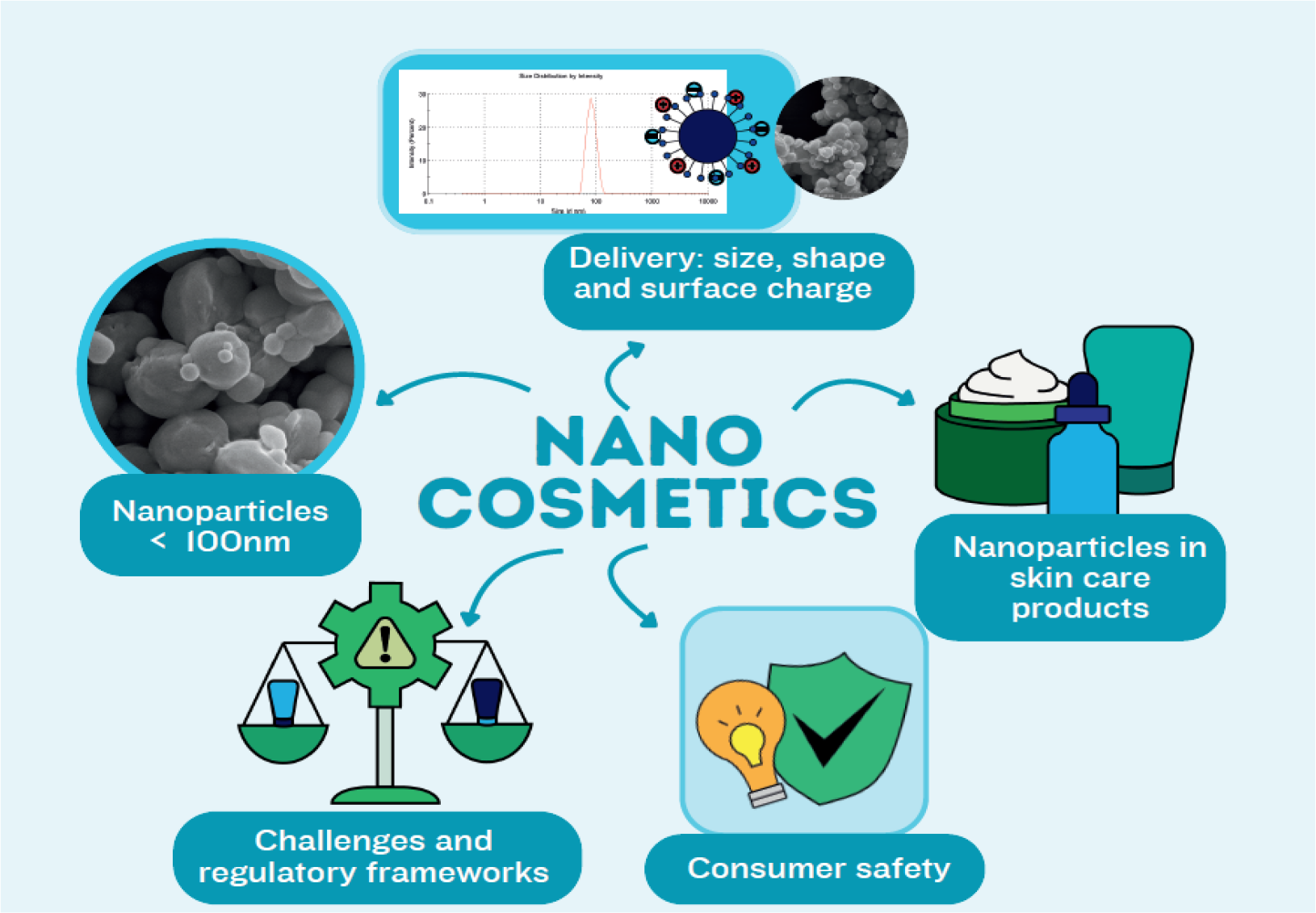
Nanoparticles, defined as materials with at least one dimension smaller than 100 nanometers, have increasingly been incorporated into cosmetic formulations, giving rise to the field of nanocosmetics. This narrative review examines regulatory frameworks and safety assessment strategies for nanocosmetics from a One Health perspective, considering their implications for human health, animal welfare, and environmental integrity. An overview of major classes of nanocarriers used in cosmetic products is presented, together with key physicochemical properties relevant to risk assessment. Current international regulatory approaches governing nanocosmetics are discussed, highlighting existing challenges, regulatory gaps, and the lack of global harmonization. Consumer safety and methodological evaluation strategies, including alternative testing methods, are critically addressed in the context of One Health principles. Overall, this review underscores the need for integrated, life-cycle-based regulatory and safety frameworks to support the responsible and sustainable development of nanocosmetics.
Keywords:
Skincare nanomaterials; Delivery systems; Environmental health; Consumer safety; Regulatory science.
HIGHLIGHTS
• Regulatory frameworks are necessary on ensuring the safety and efficacy of nanocosmetics.
• Adoption of alternatives tests, and ecological risks assessment are more responsible practices.
• Global harmonization, sustainability and one health are gaining relevance.
INTRODUCTION
Nanotechnology represents the differentiation of the physical-chemical properties of materials that are not presented by the same in bulk form. The reduction to the nanometric scale results in an increase in the quantity of surface atoms, surface area, reactivity, and functionality [1,2]. Nanoparticles, defined as particles with at least one dimension less than 100 nanometers, have garnered significant attention in the field of nanocosmetics because it offers great commercial and investment opportunities for the cosmetic industry. Plus, growing interest in nanotechnological-based products is focused on antiaging, sunscreens, hair and skin care [2,3].
In general, the low solubility, limited dissolution, and adequate number of substances at the skin layers are the main obstacles for the application of topical products. One way to circumvent these issues is the nanotechnology added to the stability and permeability amelioration to the cosmetics [4]. Specifically, molecules may be encapsulated at high rates, released in a controlled manner and through transportation, they can reach located sites with or without occlusion to promote increased efficacy of the topical treatment [2,5]. Examples are liposome, niosome, nanoemulsion, lipid nanoparticles, polymeric nanoparticles, metal nanoparticles, nanocrystals, among others [6,7].
Nanoparticle size, surface charge, and composition are the main determinants of skin interaction and penetration. Smaller particles may access deeper layers of the stratum corneum, while surface charge influences cellular interaction and uptake. Penetration may occur through intercellular, transcellular, or transappendageal pathways, depending on nanocarrier type and formulation characteristics [8-13].
The understanding of the safety and usefulness of nanoparticles can be marked out by the solubility, format, and surface charge. Related to insoluble nanoparticles, it was found that the spherical PEG-coated particles located at viable epidermis and dermis, the positively charged elliptic quantum dots remained at epidermis and carboxylic-coated ones failed into the skin penetration [14].
Nanoparticles in sizes bigger than 100 nm of titanium dioxide and zinc oxide nanoparticles, often used in sunscreen formulations to protect against ultraviolet radiation, possess skin transparency in a function of their size and agglomerate, staying on the skin surface regardless of their covering, neither into the stratum corneum [15]. On the other hand, soluble nanoparticles (flexible and non-flexible liposomes, polymeric and lipid nanoparticles) can somehow increase the substance entrance into the skin; they may create increased diffusion by film formation on the skin or transpose the corneum stratum by the flexibility or accumulate on the apertures [15]. So, how these factors affect penetration is essential for the development of safe and effective nanocosmetic products, reinforcing the need for comprehensive regulatory guidelines to address potential safety concerns.
The commercial landscape for nanocosmetics has expanded rapidly as technological advancements enabling the development of innovative products with enhanced efficacy and targeted delivery. Nanocarriers are now integral to a diverse range of cosmetic formulations, reflecting their ability to improve the performance and stability of active ingredients. The growing use of nanocarriers in these products reflects their ability to enhance performance and consumer satisfaction. However, it is crucial for manufacturers to adhere to regulatory guidelines and ensure comprehensive safety evaluations to maintain consumer trust and product efficacy. As nanotechnology continues to advance, the development of new nanocosmetic products is expected to offer even more innovative solutions for skin and hair care [16-20].
Here, we reviewed some of the prominent classes of commercial nanocosmetic products currently available in the market (Table 1).
Overview of Nanoparticles in Skin Care. This table provides a concise overview of how different types of nanoparticles are used in skin care, highlighting their applications, the active ingredients they deliver, the potential benefits they offer, and some representative brands that incorporate these technologies.
Despite the growing technological and commercial appeal of nanocosmetics, their evaluation still lacks a truly integrated One Health perspective. The widespread and routine use of these products results in continuous exposure not only to consumers but also for the environment, particularly through the release of nanomaterials into wastewater systems during rinsing and disposal. These materials may reach aquatic ecosystems and interact with microorganisms, plants, and animals, raising significant concerns related to skin penetration, long-term toxic or adverse effects, bioaccumulation, and ecosystem impacts. However, such issues remain insufficiently addressed in current risk assessment frameworks, which often prioritize short-term human safety while overlooking the complex and interconnected effects on environmental and animal health [21,22].
In this context, a clear gap emerges between the rapid advancement of nanotechnology in cosmetic products and the capacity of existing regulatory frameworks to adequately assess and manage their potential risks. Although innovation in nanocosmetics offers promising benefits for skin and hair care, development is not always aligned with sustainability principles, responsible production, and proper disposal practices. The lack of harmonized regulatory criteria, combined with limitations in physicochemical characterization and safety assessment methodologies, undermines the accurate evaluation of nanocosmetics throughout their life cycle. Therefore, strengthening regulatory oversight and adopting One Health-based approaches are essential to ensure that innovation does not progress at the expense of human, animal, and environmental health [21,22].
Literature search strategy and scope
This manuscript is a narrative review aimed at critically discussing regulatory frameworks, safety assessment strategies, and One Health implications related to nanocosmetics. Publications were retrieved from major electronic databases, including PubMed, Scopus, Web of Science, ScienceDirect, and Google Scholar covering the period from 2000 to 2025. The search strategy combined the following keywords: “nanocosmetics”, “nanomaterials”, “cosmetic regulation”, “nanomaterial safety”, “toxicology”, “environmental impact”, and “One Health”.
Articles written in English, Portuguese, and Spanish were considered. Priority was given to peer-reviewed journal articles, books, book chapters, and official regulatory documents from international agencies such as the U.S. Food and Drug Administration (FDA), European Commission (EC), Organisation for Economic Co-operation and Development (OECD), Scientific Committee on Consumer Safety (SCCS), and the Brazilian Health Regulatory Agency (ANVISA).
A total of approximately 82 references were included, of which about 60% were peer-reviewed journal articles, about 25% of the regulatory and institutional documents (FDA, EC, OECD, ANVISA, SCCS), and about 15% books or book chapters. Selection was based on scientific quality, citation frequency, regulatory relevance, and contribution to the understanding of nanotechnology in cosmetics. In addition, grey literature (e.g., guidelines, technical reports, regulatory notes) was incorporated to ensure coverage of evolving regulatory frameworks. Studies focusing exclusively on pharmaceutical nanotechnology without application to cosmetic science were excluded.
The references used in this review reflect the most cited and updated sources on nanocosmetics, safety, efficacy and regulatory frameworks, thus ensuring a comprehensive and balanced overview of the topic.
Challenges and current legal framework
The integration of nanotechnology into cosmetics presents both significant opportunities and complex challenges, particularly concerning regulatory oversight and consumer and environmental safety. Due to unique inherited properties, they cannot be analyzed isolated, considerations must be made for the vehicle and other formulation components that integrate the nano systems since they contribute to the final product performance and may modify the permeability, therefore, creating a bigger risk for action in areas they were not supposed to reach and systemic effects [23,24].
Variability in definitions and testing protocols across regions worldwide can lead to inconsistent regulatory approaches and complicated international trade. For example, while the FDA and Europe, the Middle East and Africa (EMEA) have established guidelines for nanomaterial safety, the specific requirements and interpretations of these guidelines can differ, leading to potential confusion and regulatory hurdles for manufacturers. Another challenge is ensuring comprehensive and enough safety assessments for nanocosmetics. The unique physicochemical properties of nanoparticles, such as their size, shape, surface charge, and aggregation behavior, necessitate specialized testing to evaluate their potential toxicity and interactions with biological systems.
The lack of harmonized international regulations not only complicates market authorization but also limits the implementation of integrated risk assessment strategies aligned with the One Health approach. Current regulatory frameworks primarily emphasize consumer safety, while environmental and ecological risks are often addressed in a fragmented or secondary manner. Incorporating One Health principles into regulatory guidelines could foster more comprehensive safety assessments, encouraging the inclusion of environmental fate, ecotoxicity, and long-term exposure data alongside traditional toxicological evaluations.
From a One Health perspective, a major limitation of current regulatory frameworks is their predominant focus on consumer safety, while environmental fate, ecological toxicity, and indirect exposure of animals are rarely incorporated as core decision-making elements. Most regulations do not require systematic evaluation of nanomaterial persistence in aquatic or terrestrial environments, nor long-term ecosystem effects. Consequently, existing frameworks only partially address the One Health dimensions of nanocosmetics, reinforcing the need for regulatory evolution toward integrated human-animal-environment risk assessment.
In the European Union (EU), the responsible person for the product (i.e. manufacturers, importers, or third persons) must register cosmetic products containing nanomaterials on the cosmetic products notification portal (CPNP) and follow the European Commission's Cosmetic Products Regulation (Regulation (EC) No 1223/2009)[24] that provides safety rules for cosmetics products to be available on the internal market, including the label description of nanomaterial containing. Article 16 requires the draft of an annual report on the use of nanomaterials in cosmetics, in which their first report was in 2021 and addressed three main points: the nanomaterials regulatory framework in the EU, the market status for cosmetics containing nanomaterials, and proposals for review of the provisions concerning nanomaterials in the EU Cosmetics Regulation [25,26].
The FDA is responsible for regulating cosmetics in the United States. The Guidance for Industry Safety of Nanomaterials in Cosmetic Products [1] provides all information and protocols regarding the use of nanomaterials in cosmetics. The FDA has a product-based regulatory policy which means that different classes of products must follow specific regulations that also apply to nanomaterials, while a premarket review is required for drugs, biologics, food additives, color additives, and certain human devices and dietary ingredients to answer questions related to the safety and effectiveness, if applicable, that is not mandatory to cosmetics, except color additives. However, post-market monitoring is continuously done by the FDA to all classes of products, including cosmetics, to ensure consumer safety, and acts when necessary [27,28].
Japan is the third-largest cosmetic market in the world and is constantly launching new and innovative products. The Ministry of Health, Labour, and Welfare (MHLW) regulates cosmetics and quasi-drugs in the country, while it recognizes the use of nanomaterials in their products, and it, currently, does not have specific legislation targeting nanomaterials. In 2009, they release a report with safety measures for nanomaterials bringing what was known about nanomaterials and the main nanomaterials on the market, where they were being used, as well as safety issues. For cosmetic products, the main safety mechanism related to the use of nanomaterial is a guideline with a list of substances that can be used as ingredients and those prohibited or restricted for use [29]. Like the FDA, the MHLW encourages manufacturers to conduct safety assessments and provide notification for nanomaterials.
The China National Medical Products Administration (NMPA) also does not have specific regulations for nanomaterials in cosmetic products. However, for medical devices they are well established on the Technical Guidelines for the Evaluation of Safety and Effectiveness of Nanomaterials in Medical Devices: System Framework (2021)[30]. The definition of nanomaterials according to the national standard GB/T30544.1 is very similar to the International Standard Organization (ISO), with nanomaterials being materials with any external dimension, internal or surface structure at the nanoscale with the size range between 1 nm and 100 nm [30]. Recently, the NMPA updated the regulation for cosmetic products with Cosmetic Ingredient Quality and Safety Information Code, which is now mandatory for the cosmetic industry to provide the quality and safety data for all cosmetic raw ingredients in cosmetic product formulas, soon, it is expected that the NMPA will adress the nanomaterials use in cosmetics [31].
Existing safety frameworks, such as those from the FDA and the Scientific Committee on Consumer Safety (SCCS)[32], emphasize the need for rigorous characterization and risk assessment, but the evolving nature of nanotechnology often outpaces the development of regulatory guidelines. Furthermore, the environmental impact of nanomaterials is an emerging concern. The persistence and potential bioaccumulation of nanoparticles pose risks that are not fully understood, raising questions about their long-term effects on ecosystems and human health. The current legal framework aims to address these challenges by providing guidelines for nanomaterial characterization, risk assessment, and labeling. Nonetheless, ongoing updates and harmonization of regulations are crucial to keep pace with technological advancements. International collaborations, such as those facilitated by the International Cooperation on Cosmetics Regulation (ICCR)[33], are working towards establishing unified standards to enhance regulatory clarity and consumer protection. As the field of nanocosmetics continues to evolve, it is imperative for regulatory bodies, industry stakeholders, and researchers to work together to address these challenges and ensure the safe and effective use of nanocarriers in cosmetic products.
In addition, there are constraints in the development and application of nanotechnology with bottlenecks starting in: i) types of raw materials used; ii) equipment and differentiated production processes with specific steps and controls; iii) education, training and technical knowledge on the part of the employees involved; iv) safety and efficacy assessment; v) environmental impacts; vi) regulatory issues. Reinforcing that, there is no specific legislation or guidance that deals with products that contain nanotechnology in a hegemonic way, what is true for cosmetic products, in which guidelines for physic-chemical characterization and safety and efficacy assessments orientate for conduction on a case-by-case basis [34].
Collectively, these regulatory frameworks remain predominantly human safety centered, with limited mandatory integration of environmental fate, ecotoxicity, and indirect animal exposure data. This fragmented structure restricts the operationalization of One Health principles and highlights the need for regulatory evolution toward integrated, life-cycle-based risk assessment and globally harmonized governance strategies.
Beyond, amendments should standardize assessment protocols to reduce differences for regulatory approvals and to increase mutual recognition agreements. European Union adopted precautionary approach and, recently, banned silver, gold, copper and platinum nanoparticles as well as styrene/ acrylates copolymer nanoparticles from cosmetics. Plus, the concentration of hydroxyapatite in toothpaste and mouthwashes was limited. FDA and United States Environmental Protection Agency (EPA) pursue requirements for nanoscale materials extrapolating the toxic substances control act. Other countries worldwide strength forces and initiatives toward alignment with international standards to export and prevent environmental and occupational hazards. In this evolving landscape, Brazil has emerged as a paramount actor in Latin America, led by agencies such as Brazilian Health Regulatory Agency (ANVISA) and Brazilian Institute of Environment and Renewable Natural Resources (IBAMA). It has been advancing discussions on the governance of nanomaterials, promoting risk assessment frameworks, and participating in international forums such as the OECD Working Party on Manufactured Nanomaterials. Besides, due to proper communication for public and lifecycles of nanomaterials, regulatory systems must bridge transparency and international collaboration among governments, organizations and industry.
Nanocosmetics consumer safety
Within a One Health framework, consumer safety assessment must be interpreted as part of a broader safety paradigm that also encompasses animal welfare and environmental protection.
Over the past decades, governmental organizations such as the FDA, EMEA, ANVISA, the Organization for Economic Cooperation and Development (OECD), and the World Health Organization (WHO) have expressed increasing concern regarding the safety of nanotechnology-based products, focusing both on consumer health and environmental protection. The primary safety concerns associated with nanocosmetics revolve around the potential local or systemic harmful effects resulting from consumer exposure to nanomaterials. This concern has been reflected in the development of more specific regulatory guidelines for assessing nanoparticle toxicity using appropriate methodologies and tools. Regulatory guidance is crucial for the development and commercialization of nanomaterials. Without it, manufacturers, healthcare providers, the public, and policymakers lack the necessary clarity and legal certainty [35].
One of the primary regulatory challenges is the lack of global standardization in nomenclature, testing methods, and characterization techniques. Both FDA and SCCS guidance documents emphasize physicochemical characterization, exposure assessment, and toxicity testing as central elements of safety evaluation [1,36].
Similarly, the European Union released specific guidance on the safety evaluation of nanocosmetics in 2019, supplementing the Cosmetic Regulation (EC) No 1223/2009 [24]. This guide, issued by the Scientific Committee on Consumer Safety (SCCS), is structured into sections that cover safety assessment requirements akin to those described by the FDA, including the physicochemical characterization of nanocosmetics, exposure assessment, hazard identification, dose-response characterization, and risk assessment of nanomaterials in cosmetics [32]. Additionally, an international group of regulatory authorities from Brazil, Canada, Chinese Taipei, the European Union, Japan, the Republic of Korea, and the United States (ICCR, 2021) [33] has been meeting annually since 2007 to establish unified criteria and guidelines aimed at maintaining the highest levels of global consumer and environmental protection [37]. Brazil, in compliance with different publications, technical standards, legislation and technical documents worldwide, presented regulatory guidance related to the risk of products containing nanomaterials with guidance for safety assessments for nanomaterials used in health devices [38].
Consumer safety in nanocosmetics should include not only direct exposure, especially through the skin, but also indirect and long-term exposure throughout the product’s life cycle, as proposed by the One Health approach. However, this perspective is rarely applied in current regulatory practice, as agencies mainly focus on short-term assessments and direct exposure to the final user. This limited approach creates important gaps in risk assessment by ignoring the environmental release of nanomaterials, their ecotoxicological effects, impacts on environmental microbiota, and the resulting re-exposure of humans and animals. The lack of regulatory requirements addressing cumulative exposure and cross-sector effects reduces the ability to predict long-term risks and weakens the protection of human, animal, and environmental health. This integrated perspective highlights that safety assessment strategies for nanocosmetics inherently contribute to One Health by reducing human health risks, minimizing animal testing, and limiting environmental contamination.
Regulatory agencies worldwide are increasingly requiring comprehensive data on the toxicological profiles of nanomaterials, reflecting a shift from historically permissive frameworks toward more stringent, mandatory reporting regimes. Mainly, this evolution is driven by growing scientific evidence highlighting the potential risks associated with nanoscale substances and concerns are implicated to enhance public trust in emerging technologies. Considering these international efforts, the subsequent sections of this manuscript will address these regulatory and safety concerns in greater detail.
Physicochemical-Related Aspects
The toxicity of nanoparticles has been linked to their physicochemical properties, including structural shape, particle size, composition, surface charge, and aggregation capacity. These factors contribute to toxic effects such as inflammation, protein and cell membrane damage, inhibition of cell growth, and necrosis [5,39,40]. Due to these concerns, it is essential to evaluate a broad spectrum of physicochemical properties to determine whether a substance produced with nanotechnology is safe for its intended use [1]. The unique characteristics resulting from the nanoscale size of materials can lead to distinct interactions with biological systems, creating new physicochemical interactions that are significant. Generally, smaller nanoparticles have a higher surface-area-to-volume ratio, which enhances their chemical and biological reactivity [5].
Additionally, nanoparticles with biocompatible and biodegradable compositions, such as lipid-based nanocarriers or those derived from biodegradable polymers, typically present low or negligible toxicity risks. However, literature lacks conclusive reports on the long-term use of biopersistent and bioaccumulative nanoparticles, such as titanium dioxide nanoparticles and carbon nanotubes, which may pose toxicity concerns. It is important to recognize that the unique properties of nanoparticles are intrinsically linked to their physical nanostructure. If a nanoparticle loses its nanostructure-due to solubilization, degradation, or interaction with other substances-it may no longer behave differently from its non-nano equivalent [32].
Both the FDA and EMEA recommend comprehensive characterization of nanomaterials as they exist in raw materials, formulations, test media, and relevant biological environments for toxicological testing. This is crucial for in vitro studies to assess potential biological interactions and effects [1]. Nanomaterial characterization data, presented in a safety dossier, must provide an unequivocal identification of the tested nanocosmetic. Industry should determine the following: (i) particle size and distribution, (ii) aggregation and agglomeration characteristics, (iii) surface chemistry including zeta potential/surface charge, surface coating, functionalization, redox potential, and catalytic activity, (iv) morphology such as shape, surface area, surface topology, and crystallinity, (v) solubility, (vi) density, (vii) stability, and (viii) porosity [28,32].
Measurements should be conducted using validated methods and techniques, with the use of multiple techniques strongly encouraged. Common techniques for evaluating the physicochemical properties of nanomaterials intended for cosmetic use include Dynamic Light Scattering, Atomic Force Microscopy, Transmission Electron Microscopy, Nuclear Magnetic Resonance, X-ray Diffraction, Laser Doppler Electrophoresis, Scanning Probe Microscopy, Fourier Transform Infrared Spectroscopy, Analytical Ultracentrifugation, Positron Annihilation Lifetime Spectroscopy, among others [41]. Regulatory agencies may accept results from methods that have not been specifically validated for nanomaterials, but provided that appropriate nanoscale controls are applied.
Nanomaterials Safety Based on Exposure Assessment and Hazard Identification/Dose-Response Characterization
Guidance addressing nonclinical safety studies, supported by the International Council for Harmonization (ICH) and adopted by EMEA and FDA, is generally applicable to nanomaterials intended for cosmetic use. The biological fate of nanomaterials and their potential safety impacts should be determined through risk assessment studies, which include evaluating potential routes of exposure, dermal penetration, cytotoxicity, and biodistribution parameters (absorption, distribution, metabolism, and excretion, or ADME). This is crucial because, once in the body, the distribution of nanomaterials is strongly influenced by particle size and surface characteristics, can sometimes cross biological barriers, leading to increased penetration of the blood-brain barrier or placenta. Nanoparticles may pose health risks by accessing biological tissues at varying degrees depending on the route of exposure, such as inhalation, or dermal application [5, 39, 40].
Consumers may be exposed to nanoparticles through inhalation when using products such as perfumes, powders, and aerosols. Oral exposure occurs unintentionally through the application of nanotechnology-containing cosmetics on the lips, such as lipsticks and balms. For dermal applications, the rate of nanomaterial penetration through the skin may vary based on skin condition, such as damaged or diseased skin. Additionally, increased nanoparticle penetration through hair follicles and their distribution to local lymph nodes should be considered [1,5]. Thus, hazard identification and dose-response characterization of nanomaterials should be evaluated based on the behavior of insoluble or partially soluble forms, aggregation and agglomeration tendencies, potential skin penetration, and interactions with biological entities at local and systemic levels [42].
For dermal absorption or local effect assessments, the OECD TG 428 provides technical guidelines for in vitro studies using vertical diffusion cells and intact human skin. Human skin from surgeries remains the gold standard for testing dermal absorption, although reconstructed human epidermis or 3D bioprinted skin models can also be used if adequately justified [43]. It is important to note that animal testing for cosmetics is banned in most countries due to the international recognition of alternative methods that reduce, refine, or replace animal use in cosmetics testing [44, 45]. Consequently, the toxicological profile assessment of nanomaterials in cosmetics and their exposure routes (as required by SCCS Notes of Guidance and in line with FDA) should be determined through various tests endorsed by the Cosmetic, Toiletry and Fragrance Association (CTFA) and OECD. These tests include skin irritation (OECD, 439)[46], skin corrosion (OECD 431)[47], phototoxicity (OECD 432)[48], opacity (OECD, 434)[49], ocular irritation (OECD, 437)[50], and, especially, genotoxicity and mutagenicity assessments, such as bacterial reverse mutation (OECD, 471)[51], in vitro mammalian chromosome aberration (OECD, 473)[52], in vitro mammalian cell micronucleus (OECD, 487)[53], in vitro mammalian cell gene mutation (OECD 476)[54], micronuclei, and comet assays [42,56,57]
If systemic absorption is anticipated, further investigation through ADME studies is necessary to confirm the behavior of nanomaterials within the body and their targeted organs [28,41]. To date, no validated alternative methods fully cover the scope of ADME studies, but in vitro models, such as Caco-2 cell cultures for gastrointestinal absorption or isolated hepatocytes, HepaRG™ cells, and their cultures for biotransformation studies, may contribute to the assessment [57]. Furthermore, the acceptable dose metric prediction should adhere to the criteria outlined in the World Health Organization (WHO) guidance (IPCS, 2010), where the ratio between simulated and observed data should generally be within a factor of 2. If this ratio (for parent compounds and/or metabolites) exceeds a factor of 2, the model must be refined and updated with additional ADME data [57].
Alternatives to animal testing in cosmetics
Alternative testing methods are strongly aligned with One Health principles, as they simultaneously promote human safety, reduce or replace animal use, and may decrease environmental burden by minimizing in vivo experimentation and chemical waste.
Over the past three decades, animal testing has been the standard method for evaluating the safety and toxicity of cosmetics. However, ethical, efficiency, and economic concerns have led to significant changes. In recent years, animal testing has been largely phased out, guided by the 3Rs policy, which includes: (i) Refinement: techniques that minimize animal suffering and enhance welfare; (ii) Reduction: strategies that decrease the number of animals used in experiments; and (iii) Replacement: methods that prevent or substitute the use of animals. These principles are enshrined in the European Directive (EC Regulation 1223/2009) and are widely incorporated into guidelines for cosmetic product development globally (OECD 203, 210, 212, 229, 236). Additionally, in 2019, the EPA committed to reducing mammal studies by 30% by 2025 and eliminating them by 2035 [58,59].
This shift has elevated the welfare of experimental animals and spurred the development of alternative technological models, which can be broadly categorized into silico, in chemical, in vitro, and ex vivo approaches. These methods utilize human cell models, alternative organisms, computer simulations, and more [60-63]. Alternative methods are often more efficient and cost-effective compared to animal testing, providing results in a shorter timeframe and reducing expenses related to breeding, feeding, housing, and testing.
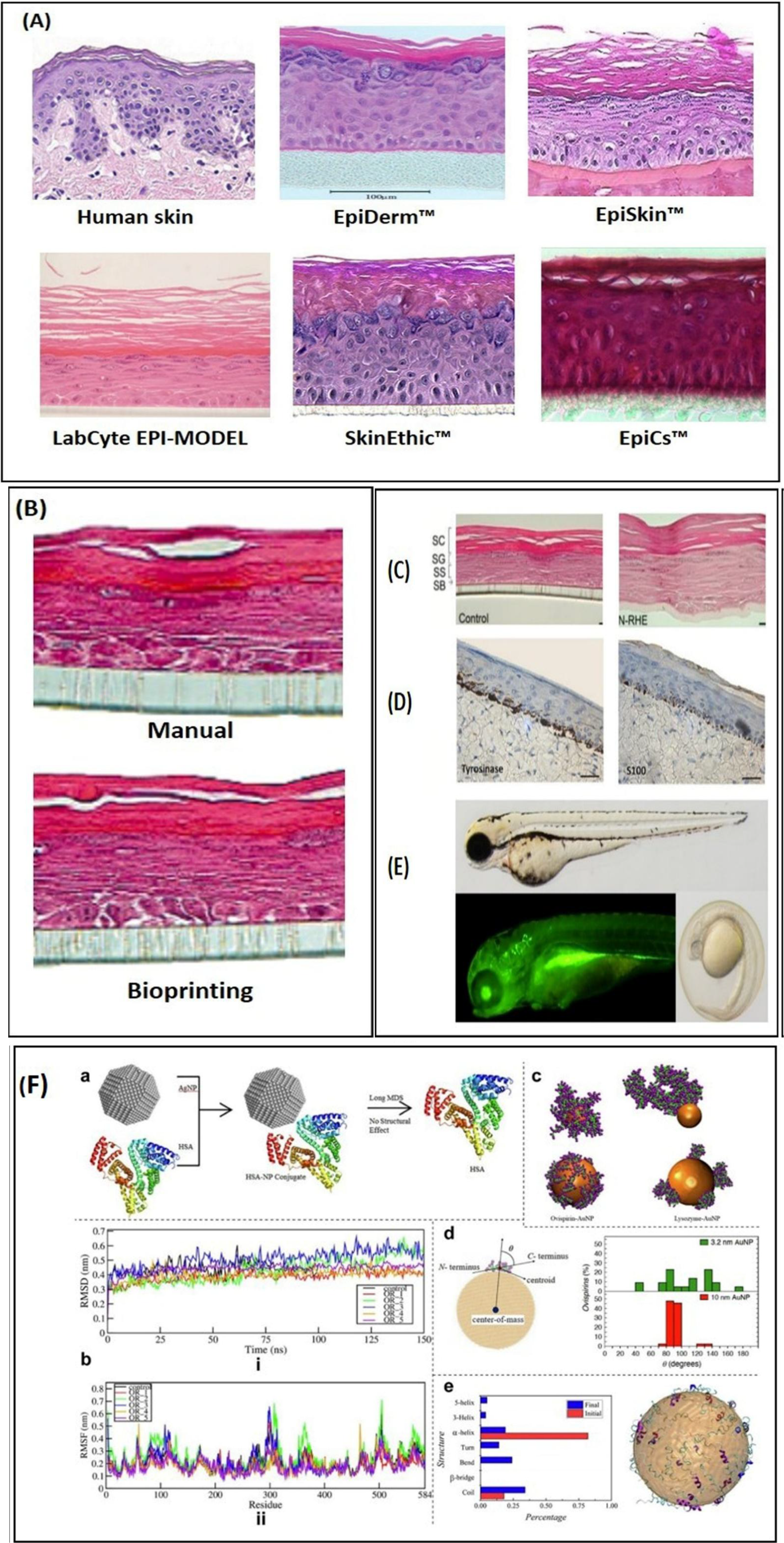
In vitro models using human cells can reconstruct the epidermis from cells obtained from volunteers who have undergone cosmetic procedures, transplants, or biopsies. Notable three-dimensional human skin models used for regulatory purposes include EpiSkin™ (L’Oréal, Lyon, France), EpiDerm™ (MatTek Corporation, Ashland, MA, USA), reconstructed human epidermis (SkinEthic™, Lyon, France), and EpiCS® (CellSystems, Troisdorf, Germany) and others Figure 1-A. These commercial skin models mimic human skin in terms of morphological, histological, physiological, and biochemical features. Furthermore, the methodological comparison of bioprinting with the traditional manual dispersion system for in vitro reconstructed human epidermis models preparations showed that both models exhibited a well-stratified epidermis with multiple layers (Figure 1-B). Reconstructed human skin models have emerged as a key tool in the safety assessment of cosmetic ingredients and formulations. These systems reproduce native human skin, enabling reliable evaluation of endpoints including skin irritation, corrosion, and permeation. Their use has been formally integrated into international regulatory frameworks, particularly within the European Union, where animal testing for cosmetics has been banned and validated alternative methods are required.
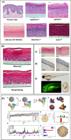
Alternative technological models to animal testing in cosmetics. Comparison between in vivo native human skin and in vitro reconstructed human skin models (A) and manual/bioprint reconstructed skin (B). Histological cross section (hematoxylin/eosin staining, magnification 20×). Note that, reconstructed human skin shown similar epidermal layers when compared to native human skin and it was confirmed from different obtained process as manual or bioprint. Morphology of reconstructed human epidermis (RhEs) where N-RHE is the model with a nylon N6/6 scaffold and the control model is the USP-RHE model. (C) Comparison between the control (USP-RhE) model and N-RhE model by H&E staining: Stratum corneum (SC), stratum granulosum (SG), stratum spinosum (SS), stratum basal (SB). Immunohistochemical analysis of epidermal melanocytes in RhE Pigmented skin (D). Melamocytes in the basal layer were identified by staining for tyrosinase or S-100 proteins. Scale bars, 50 µm. Zebrafish at nanotec such as have been used as an alternative model to study toxicity and efficacy of chemicals, natural products, bioactive compounds and nanomaterials (E). Molecular dynamic simulation of nanoparticle and protein interaction (F). (F-a) Silver nanoparticle and human serum albumin interaction and (F-b) Root-mean-square deviations and root-mean-square fluctuations plots on silver nanoparticle and human serum albumin interaction. (F-c) Ovispirin and lysozyme corona formation on gold nanoparticles with size 3.2 nm (upper, small sized particles) and 10 nm (lower, bigger size). Ovispirin protein orientation distribution profile with regard to the surface of gold nanoparticle, (F-d) adsorption of protein at orientation angle θ, and (F-e) distribution of θ for proteins on 3.2 and 10 nm gold nanoparticle surfaces. Adapted from:(IIVS, 2024; Bagatin et al., 2023 and Reijnders et al., 2015; Hall et al., 2022; Camarena et al., 2020; Suresh K. et al., 2023; Katoh M, et al., 2009.) [64-70]
Recent advancements in tissue engineering have led to the development of novel three-dimensional human skin models given that the OECD outlines in document ENV/JM/MONO(2015)27 comprehensive guidelines for quality control (cell viability, barrier function, morphology) and performance (reproducibility). These guidelines include performance standards (PS) for the validation of similar or modified RhE models used in skin irritation testing, as specified in TG 439. For example, the USP-RHE comprises a well-differentiated epidermis with a morphology that includes fully differentiated and multilayered structures such as the stratum basale, stratum spinosum, stratum granulosum, and stratum corneum (Figure 1-C). Additionally, it exhibits growth characteristics and the expression of epidermal differentiation markers, such as CK10 in the suprabasal layers and CK14 in the basal layers, which are comparable to those found in native human skin [65,71], and dimensional scaffold for human skin models such as collagen-free reconstructed skin using nylon scaffolds, which has shown promise for evaluating dermal irritation and corrosion of cosmetic products [68]. Addition to pigmented reconstructed skin models achieve epidermal pigmentation through melanocore transfer (Figure 1-D), this model could be valuable tools for the academic, industrial, pharmaceutical and cosmetic industries for studies of skin pigmentation control mechanisms [67]. They are constructed layer-by-layer according to epidermis or skin models, initiating by keratinocytes seeded onto a porous membrane or scaffold that supports growth submerged in nutrient medium to allow the cells to proliferate and form a continuous layer, followed by surface exposure to air while the bottom remains embedded with growth medium, in which stratify on multiple epidermal layers and maturate to structure corneum stratus. The epidermis model is mainly used for irritation and barrier function. Meanwhile, full-thickness skin models contain epidermis and dermis starting with fibroblast mixed into collagen matrix to represent the mechanical and structural properties of the skin, proceeding with epidermal layer. Because it is a complete model, it may be used for complex studies such as wound healing, long-term toxicity, and interactions between different skin layers. Recently, advanced skin models included immune cells and hair follicle-derived cells, what may detect skin sensitizers by addressing the main events in skin sensitization and further used for regulatory applications.
On the other hand, the in vivo alternatives include the use of zebrafish (Figure 1-E), which offer higher biological relevance than cell or invertebrate models and are a cost-effective option for cosmetic testing, particularly for assessing nanotoxicity. Zebrafish are valuable for their ability to analyze multiple endpoints and serve as a bridge between in vivo and in vitro testing, primarily due to the transparency of their embryos, allowing observation of organ development, tissue damage, and physiological changes without the need for invasive techniques. This model detects toxic effects easily and economically, making it suitable for high-throughput screening where many substances can be tested simultaneously using multi-well plates. It is useful for studies of skin irritation, phototoxicity, oxidative stress, inflammation, and developmental toxicity. Despite structural differences from human skin, such as the absence of the stratum corneum and the fact that it is an aquatic organism, zebrafish show great potential. They are not classified as animals until five days post-fertilization, allowing researchers to conduct studies with living organisms using in vitro techniques while adhering to 3R regulations [58]. However, sensitivity tests are still often performed on human volunteers due to differences between animals and human skin.
Advanced computational models, or in silico techniques, predict the distribution, efficacy, and potential toxicity of nanomaterials in cosmetic products through algorithms and software (Figure 1-F). Predictive toxicology models and high-throughput data analysis help estimate the potential toxic effects of nanoparticles based on their physicochemical properties, reducing reliance on animal testing, which is time-consuming and ethically complex. Software workflows are used to correlate the structural characteristics of nanoparticles with observed biological responses, which is fundamental for preparing safety dossiers required by regulatory bodies. Computational frameworks can integrate exposure scenarios, hazard identification, and dose-response relationships to support risk assessment decisions, allowing for a more comprehensive evaluation of the safety profiles of nanomaterials in cosmetic applications [57, 61,62, 63,72]. These tools, while freely available and user-friendly, face challenges in gaining regulatory acceptance. Key questions include the model's adequacy for prediction, the relevance of the forecast for the intended purpose, and whether the cosmetic ingredient falls within the model's applicability domain [73].
Thus, the adoption of in vitro, ex vivo, in silico, and zebrafish-based models represents not only a technological advance, but also a practical operationalization of One Health in nanocosmetic safety assessment.
International recommendations for nanocosmetics registration
Global agencies are investing significantly in research and certification efforts to ensure the proper development and commercialization of nanotechnology-based products. It is recommended that registration dossiers for nanocosmetic products be enhanced to address nanotechnology's specific characteristics. Alongside mandatory cosmetic product requirements, there should be a broader assessment of physical-chemical properties to determine nanomaterial safety for intended uses. Regulatory actions for nanocosmetics are not standardized internationally, resulting in varied requirements during the premarket review phase.
In the European Union, updated guidance aims to assist applicants in preparing safety dossiers for nanocosmetics and support risk assessors and managers in implementing the Cosmetics Regulation (EC) No 1223/2009 [32]. This guidance covers essential elements for safety dossiers, including physicochemical characterization, exposure assessment, toxicological evaluation, and risk assessment, with stringent conditions for pre-market notification, safety evaluation, and labeling. Notifications must be submitted electronically through the Cosmetic Products Notification Portal and include detailed information on nanomaterials, ensuring online availability to competent authorities (Regulation (EC) No 1223/2009 [40,41]. Notifications are required at least six months before market entry, and a comprehensive review of scientific literature is necessary for safety dossier submissions. During electronic notification, details on nanomaterials must be submitted, including physicochemical characteristics, agglomeration, size distribution, impurities, potential exposure routes, and toxicological data [28]. If nanomaterial is to be used in an existing product, discussions with the FDA are recommended to substantiate safety, including short-term and long-term toxicity data [43].
In the United States, the FDA does not mandate registration of cosmetic establishments but encourages participation in the Voluntary Cosmetic Registration Program (VCPR) for voluntary nanomaterial notification [74]. During electronic notification, details on nanomaterials must be submitted, including physicochemical characteristics, agglomeration, size distribution, impurities, potential exposure routes, and toxicological data [28]. If nanomaterial is to be used in an existing product, discussions with the FDA are recommended to substantiate safety, including short-term and long-term toxicity data [42].
Brazil, a major player in the global personal hygiene and beauty market, shows substantial innovative potential. In 2021, approximately 7,368 new personal hygiene, perfumery, and cosmetic products were launched, surpassing China [75]. While in 2023, the cosmetics sector in Brazil, according to ABIHPEC, reached a figure of USD 1.74 billion. This value represents a 14.5% increase over 2022. The highlight in 2023 was exports, which reached the highest mark in the historical series that began in 1997, with an increase of 17.4% and a record value of USD 911.2 million [75]. Additionally, the Beautycare Brazil project, promoted by ABIHPEC in collaboration with ApexBrasil, helped support 161 companies, an increase of 30% compared to the previous year. The project focused on actions that generated business opportunities, including participation in international fairs and qualification events for Brazilian companies [76]. These data highlight not only the growth of the domestic sector, but also the growing relevance of Brazilian companies in the global cosmetics market.
The ANVISA oversees the inspection, approval, and regulation of products under Law No. 9,782/1999 [76]. Brazilian legislative initiatives began with Law No. 5.076/2005, aiming to regulate nanotechnology use and research by establishing a National Technical Commission on Nanosecurity (CTNano). This commission was tasked with defining safety standards for human and environmental protection and mandating specific labeling for nanotechnology products [77, 78, 79]. The National System of Laboratories in Nanotechnology (SisNANO) was created to support nanotechnology governance, research, and international collaborations [78]. SisNano’s initiatives include funding research projects and promoting technological transfer, which directly impacts the nanocosmetic market. The system helps companies navigate the complexities of regulations while encouraging the development of novel formulations that utilize nanotechnology for improved skin penetration, targeted delivery, and enhanced performance. Furthermore, SisNANO’s focus on training and education ensures a skilled workforce capable of driving advancements in nanocosmetics. By bridging the gap between research and industry, SisNano significantly contributes to the growth of the nanocosmetic sector in Brazil, ultimately positioning the country as a competitive player in the global market [80].
Cosmetic products are classified by risk level under RDC No. 907/2024 [81]. Level 1 products, such as simple shampoos and conditioners, require basic notification. Level 2 products, including those with nanotechnology, require detailed safety and efficacy data and must be registered with ANVISA, with a registration deadline of 60 to 90 days. Registration dossiers must include safety and efficacy data, including toxicological profiles and physical-chemical assessments (RDC No. 288/2019) [82]. Post-approval, registration is valid for ten years, with renewal required 21 months before expiration. The deadline for responding to release requirements is up to 150 days.
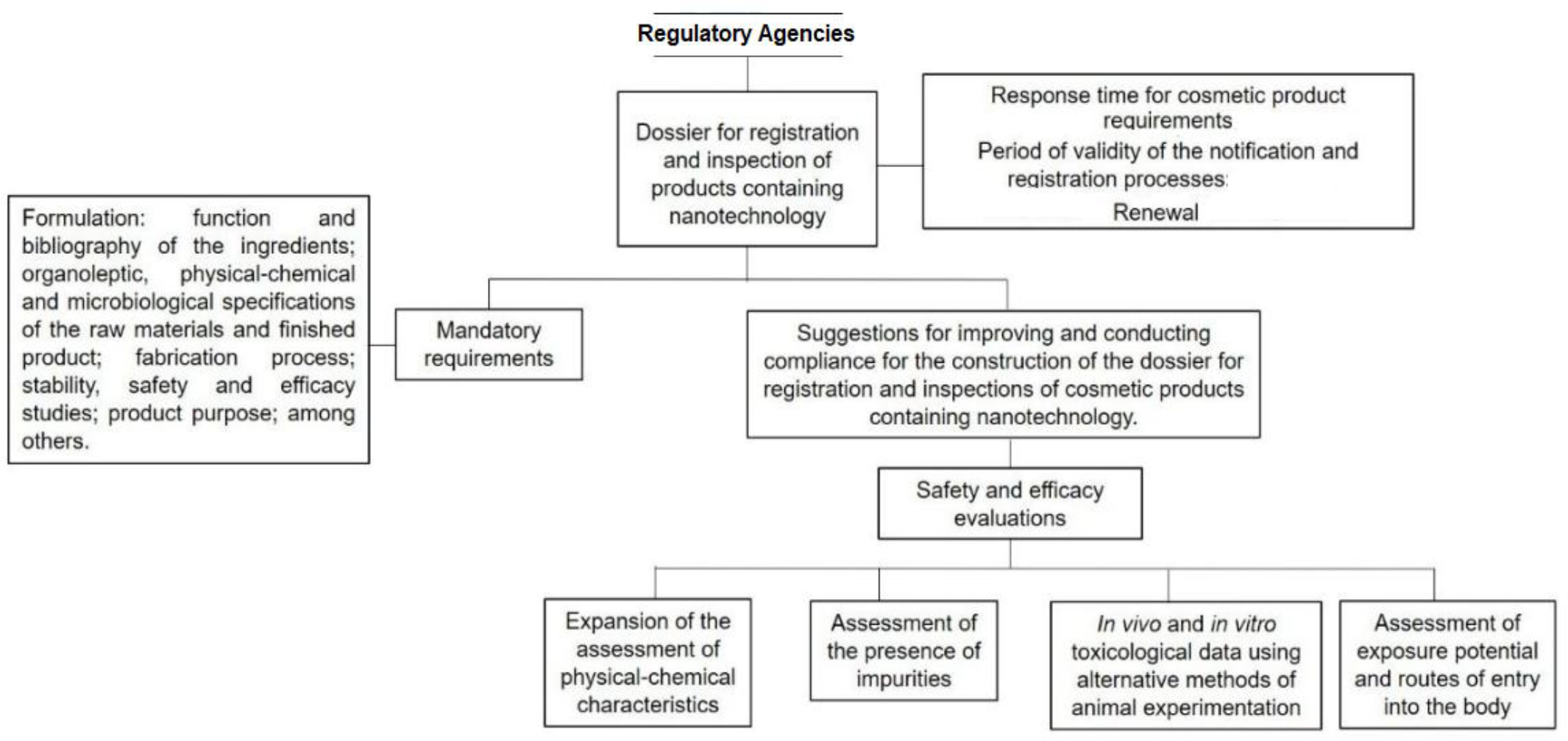
Figure 2 shows a flowchart of nanocosmetic product registration requirements. Cosmetics using nanotechnology face stricter regulations than conventional products and detailed information on their size, shape, surface features, and aggregation tendencies are demanded. Nanomaterials must be labeled with “(nano)” on ingredient lists. A comprehensive safety assessment is required, covering toxicological risks, skin penetration, irritation, sensitization, and phototoxicity, especially for products exposed to sunlight. Companies must also provide characterization and stability data showing how nanomaterials behave over time and interact with other ingredients, including their potential release during use. Product Information File must contain detailed formulation, manufacturing, safety, efficacy and nanomaterial data. Manufacturers must adhere to Good Manufacturing Practices for quality and safe handling. Increasingly, companies must assess environmental impacts of nanoparticles. Post-market surveillance of companies may monitor and report adverse effects, reassess products if new safety concerns arise, and ensure ongoing compliance.
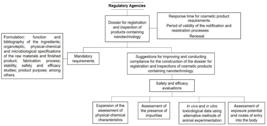
Flowchart containing the mandatory requirements and suggestions for improvement and compliance for the construction of the dossier for registration of cosmetic products containing nanotechnology.
CONCLUSION
The field of nanocosmetics represents a dynamic intersection of advanced technology, regulatory frameworks, and consumer safety. As explored in this article, the current regulatory landscape reflects a growing emphasis on safety and efficacy, guided by frameworks designed to protect consumer health while fostering technological advancement. The integration of alternatives to animal testing and the evaluation of ecological hazards are pivotal in shaping responsible industry practices. As regulatory bodies worldwide work to adapt and refine their guidelines, international recommendations play a crucial role in harmonizing standards and ensuring the safe use of nanotechnology in cosmetics.
From a One Health perspective, future progress in nanocosmetics must be guided by integrated regulatory strategies that simultaneously address human health, animal welfare, and environmental protection. This includes the incorporation of environmental fate studies, ecotoxicological data, alternative testing approaches, and life-cycle-based risk assessment into regulatory decision-making. Strengthening global harmonization and adopting One Health-driven governance models will be essential to ensure that innovation in nanocosmetics advances responsibly and sustainably.
-
Funding:
This research received no external funding.
-
Institutional Review Board Statement:
Not applicable.
-
Informed Consent Statement:
Not applicable.
Acknowledgments:
“The authors have no acknowledgments to declare”.
Use of Generative Artificial Intelligence
The authors declare that large language models and other generative artificial intelligence (AI) or AI-assisted technologies cannot be credited as authors and have not been listed as authors of this paper.
The author declared that did not use the artificial intelligence.
Data Availability Statement:
Research data are available in the body of the manuscript.
REFERENCES
-
1 U.S. Food and Drug Administration (FDA). Guidance for industry: safety of nanomaterials in cosmetic products [Internet]. Silver Spring (MD): FDA; 2024 [cited 2026 Jun 15]. Available from: https://www.fda.gov/regulatory-information/search-fda-guidance-documents/guidance-industry-safety-nanomaterials-cosmetic-products
» https://www.fda.gov/regulatory-information/search-fda-guidance-documents/guidance-industry-safety-nanomaterials-cosmetic-products -
2 Abu Hajleh MN, Abu-Huwaij R, AL-Samydai A, Al-Halaseh LK, Al-Dujaili EA. The revolution of cosmeceuticals delivery by using nanotechnology: A narrative review of advantages and side effects. Journal of Cosmetic Dermatology. 2021;20(12):3818-28. doi:10.1111/jocd.14441
» https://doi.org/10.1111/jocd.14441 -
3 Ahmad U, Ahmad Z, Khan A, Akhtar J, Singh S, Ahmad F. Strategies in Development and Delivery of Nanotechnology Based Cosmetic Products. Drug Res (Stuttg). 2018 Oct;68(10):545-52. doi:10.1055/a-0582-9372
» https://doi.org/10.1055/a-0582-9372 -
4 Alshamrani M, Khan MK, Khan BA, Salawi A, Almoshari Y. Technologies for Solubility, Dissolution and Permeation Enhancement of Natural Compounds. Pharmaceuticals. 2022 Jun;15(6):653. doi:10.3390/ph15060653
» https://doi.org/10.3390/ph15060653 -
5 Kaul S, Gulati N, Verma D, Mukherjee S, Nagaich U. Role of Nanotechnology in Cosmeceuticals: A Review of Recent Advances. J Pharm (Cairo). 2018 Mar 27;2018:3420204. doi:10.1155/2018/3420204 PubMed PMID: 29785318; PubMed Central PMCID: PMC5892223.
» https://doi.org/10.1155/2018/3420204 -
6 Chaudhary M, Khan A, Gupta M. Skin Ageing: Pathophysiology and Current Market Treatment Approaches. Curr Aging Sci. 2020;13(1):22-30. doi:10.2174/1567205016666190809161115 PubMed PMID: 31530270; PubMed Central PMCID: PMC7403684.
» https://doi.org/10.2174/1567205016666190809161115 -
7 Ghasemiyeh P, Mohammadi-Samani S. Potential of Nanoparticles as Permeation Enhancers and Targeted Delivery Options for Skin: Advantages and Disadvantages. Drug Des Devel Ther. 2020 Aug 12;14:3271-89. doi:10.2147/DDDT.S264648 PubMed PMID: 32848366; PubMed Central PMCID: PMC7429187.
» https://doi.org/10.2147/DDDT.S264648 -
8 Schneider M, Stracke F, Hansen S, Schaefer UF. Nanoparticles and their interactions with the dermal barrier. Dermatoendocrinol. 2009;1(4):197-206. doi:10.4161/derm.1.4.9501 PubMed PMID: 20592791; PubMed Central PMCID: PMC2835875.
» https://doi.org/10.4161/derm.1.4.9501 -
9 Agarwal R, Jurney P, Raythatha M, Singh V, Sreenivasan SV, Shi L, et al. Effect of shape, size, and aspect ratio on nanoparticle penetration and distribution inside solid tissues using 3D spheroid models. Adv Healthc Mater. 2015 Oct 28;4(15):2269-80. doi:10.1002/adhm.201500441 PubMed PMID: 26376024; PubMed Central PMCID: PMC9346573.
» https://doi.org/10.1002/adhm.201500441 -
10 Lotfipour F, Shahi S, Farjami A, Salatin S, Mahmoudian M, Dizaj SM. Safety and Toxicity Issues of Therapeutically Used Nanoparticles from the Oral Route. Biomed Res Int. 2021 Oct 28;2021:9322282. doi:10.1155/2021/9322282 PubMed PMID: 34746313; PubMed Central PMCID: PMC8570876.
» https://doi.org/10.1155/2021/9322282 -
11 Chehelgerdi M, Chehelgerdi M, Allela OQB, Pecho RDC, Jayasankar N, Rao DP, et al. Progressing nanotechnology to improve targeted cancer treatment: overcoming hurdles in its clinical implementation. Mol Cancer. 2023 Oct 9;22:169. doi:10.1186/s12943-023-01865-0 PubMed PMID: 37814270; PubMed Central PMCID: PMC10561438.
» https://doi.org/10.1186/s12943-023-01865-0 -
12 Campos PM, Praça FG, Mussi SV, Figueiredo SA, Fantini MC de A, Fonseca MJV, et al. Liquid crystalline nanodispersion functionalized with cell-penetrating peptides improves skin penetration and anti-inflammatory effect of lipoic acid after in vivo skin exposure to UVB radiation. Drug Deliv Transl Res. 2020 Dec;10(6):1810-28. doi:10.1007/s13346-020-00840-2 PubMed PMID: 32803561.
» https://doi.org/10.1007/s13346-020-00840-2 -
13 Dąbrowska A k., Spano F, Derler S, Adlhart C, Spencer N d., Rossi R m. The relationship between skin function, barrier properties, and body-dependent factors. Skin Research and Technology. 2018;24(2):165-74. doi:10.1111/srt.12424
» https://doi.org/10.1111/srt.12424 -
14 Ryman-Rasmussen JP, Riviere JE, Monteiro-Riviere NA. Penetration of Intact Skin by Quantum Dots with Diverse Physicochemical Properties. Toxicol Sci. 2006 May 1;91(1):159-65. doi:10.1093/toxsci/kfj122
» https://doi.org/10.1093/toxsci/kfj122 -
15 Katz LM, Dewan K, Bronaugh RL. Nanotechnology in cosmetics. Food and Chemical Toxicology. 2015 Nov 1;Nanotoxicology and Nanomedicine. 85:127-37. doi:10.1016/j.fct.2015.06.020
» https://doi.org/10.1016/j.fct.2015.06.020 -
16 Ajazzuddin M, Jeswani G, Jha AK. Nanocosmetics: Past, Present and Future Trends. http://www.eurekaselect.com [Internet]. [cited 2026 Jun 13]. Available from: https://www.eurekaselect.com/article/66647
» http://www.eurekaselect.com» https://www.eurekaselect.com/article/66647 -
17 Cardoza C, Nagtode V, Pratap A, Mali S, Pratap A. Emerging Applications of Nanotechnology in Cosmeceutical Health Science: Latest Updates. Health Sciences Review. 2022 Aug 12;4. doi:10.1016/j.hsr.2022.100051
» https://doi.org/10.1016/j.hsr.2022.100051 -
18 Dubey SK, Dey A, Singhvi G, Pandey MM, Singh V, Kesharwani P. Emerging trends of nanotechnology in advanced cosmetics. Colloids and Surfaces B: Biointerfaces. 2022 Jun 1;214:112440. doi:10.1016/j.colsurfb.2022.112440
» https://doi.org/10.1016/j.colsurfb.2022.112440 -
19 Ong WTJ, Nyam KL. Evaluation of silver nanoparticles in cosmeceutical and potential biosafety complications. Saudi J Biol Sci. 2022 Apr 1;29(4):2085-94. doi:10.1016/j.sjbs.2022.01.035
» https://doi.org/10.1016/j.sjbs.2022.01.035 -
20 Sharma A, Kuhad A, Bhandari R. Novel nanotechnological approaches for treatment of skin-aging. J Tissue Viability. 2022 Aug;31(3):374-86. doi:10.1016/j.jtv.2022.04.010 PubMed PMID: 35550314.
» https://doi.org/10.1016/j.jtv.2022.04.010 -
21 Helal M, Hartmann NB, Khan FR, Xu EG. Time to integrate “One Health Approach” into nanoplastic research. Eco-Environment & Health. 2023 Mar;2(1):18-20. doi:10.1016/j.eehl.2023.01.001
» https://doi.org/10.1016/j.eehl.2023.01.001 -
22 Himanshu null, Mukherjee R, Vidic J, Leal E, da Costa AC, Prudencio CR, et al. Nanobiotics and the One Health Approach: Boosting the Fight against Antimicrobial Resistance at the Nanoscale. Biomolecules. 2023 Jul 28;13(8):1182. doi:10.3390/biom13081182 PubMed PMID: 37627247; PubMed Central PMCID: PMC10452580.
» https://doi.org/10.3390/biom13081182 -
23 Ferraris C, Rimicci C, Garelli S, Ugazio E, Battaglia L. Nanosystems in Cosmetic Products: A Brief Overview of Functional, Market, Regulatory and Safety Concerns. Pharmaceutics. 2021 Sep 5;13(9):1408. doi:10.3390/pharmaceutics13091408 PubMed PMID: 34575484; PubMed Central PMCID: PMC8470546.
» https://doi.org/10.3390/pharmaceutics13091408 -
24 European Union. Regulation (EC) No 1223/2009 of the European Parliament and of the Council of 30 November 2009 on cosmetic products [Internet]. Luxembourg: Publications Office of the European Union; 2009 [cited 2026 Jun 15]. Available from: https://eur-lex.europa.eu/eli/reg/2009/1223/oj/eng
» https://eur-lex.europa.eu/eli/reg/2009/1223/oj/eng -
25 Cosmetic, Toiletry and Perfumery Association (CTPA). EU Cosmetic Products Regulation and amendments [Internet]. London: CTPA; [cited 2026 Jun 15]. Available from: https://www.ctpa.org.uk/eu-cosmetics-regulations-amendments
» https://www.ctpa.org.uk/eu-cosmetics-regulations-amendments -
26 European Commission. Report from the Commission to the European Parliament and the Council on the use of nanomaterials in cosmetics and on the review of Regulation (EC) No 1223/2009 on cosmetic products as regards nanomaterials [Internet]. Brussels: European Commission; 2021 [cited 2026 Jun 15]. Available from: https://eur-lex.europa.eu/legal-content/EN/TXT/?uri=celex:52021DC0403
» https://eur-lex.europa.eu/legal-content/EN/TXT/?uri=celex:52021DC0403 -
27 U.S. Food and Drug Administration (FDA). FDA's approach to regulation of nanotechnology products [Internet]. Silver Spring (MD): FDA; 2019 Mar 21 [cited 2026 Jun 15]. Available from: https://www.fda.gov/science-research/nanotechnology-programs-fda/fdas-approach-regulation-nanotechnology-products
» https://www.fda.gov/science-research/nanotechnology-programs-fda/fdas-approach-regulation-nanotechnology-products -
28 U.S. Food and Drug Administration (FDA). Drug products, including biological products, that contain nanomaterials: guidance for industry [Internet]. Silver Spring (MD): FDA; 2022 Apr [cited 2026 Jun 15]. Available from: https://www.fda.gov/regulatory-information/search-fda-guidance-documents/drug-products-including-biological-products-contain-nanomaterials-guidance-industry
» https://www.fda.gov/regulatory-information/search-fda-guidance-documents/drug-products-including-biological-products-contain-nanomaterials-guidance-industry -
29 Ministry of Economy, Trade and Industry (METI). The expert meeting on safety measures for nanomaterial manufactures etc.: report [Internet]. Tokyo: METI; 2009 Mar [cited 2026 Jun 15]. Available from:https://www.meti.go.jp/policy/chemical_management/files/090331houkokusho_eigo.pdf
» https://www.meti.go.jp/policy/chemical_management/files/090331houkokusho_eigo.pdf -
30 National Medical Products Administration (NMPA). NMPA announcement on issuing the Guidance for Evaluation of the Safety and Efficacy of Medical Devices Using Nano Materials-Part 1: System Framework [Internet]. Beijing: NMPA; 2021 Aug 26 [cited 2026 Jun 14]. Available from: https://cisema.com/news/nmpa-initiates-regulation-of-nanomaterials-in-medical-devices
» https://cisema.com/news/nmpa-initiates-regulation-of-nanomaterials-in-medical-devices -
31 CISEMA. China's cosmetic ingredient safety information requirements have been updated [Internet]. 2023 Apr 14 [updated 2023 May 16; cited 2026 Jun 14]. Available from: https://cisema.com/news/china-cosmetic-ingredient-safety-information-update
» https://cisema.com/news/china-cosmetic-ingredient-safety-information-update -
32 Scientific Committee on Consumer Safety (SCCS). SCCS guidance on the safety assessment of nanomaterials in cosmetics - 2nd revision [Internet]. Brussels: European Commission; 2023 [cited 2026 Jun 15]. Available from: https://health.ec.europa.eu/publications/sccs-guidance-safety-assessment-nanomaterials-cosmetics-2nd-revision_en
» https://health.ec.europa.eu/publications/sccs-guidance-safety-assessment-nanomaterials-cosmetics-2nd-revision_en -
33 Miernicki M, Hofmann T, Eisenberger I, Von Der Kammer F, Praetorius A. Legal and practical challenges in classifying nanomaterials according to regulatory definitions. Nat Nanotechnology. 2019 Mar;14(3):208-16. doi:10.1038/s41565-019-0396-z
» https://doi.org/10.1038/s41565-019-0396-z -
34 Alves OL. Nanotechnology handbook [Internet]. Campinas (BR): Brazilian Agency for Industrial Development (ABDI); 2010 [cited 2026 Jun 15]. Available from: https://livroaberto.ibict.br/handle/123456789/572
» https://livroaberto.ibict.br/handle/123456789/572 -
35 Foulkes R, Man E, Thind J, Yeung S, Joy A, Hoskins C. The regulation of nanomaterials and nanomedicines for clinical application : current and future perspectives. Biomaterials Science [Internet]. 2020 Sep 7 [cited 2026 Jun 15];8(17):4653-64. doi: https://doi.org/10.1039/D0BM00558D
» https://doi.org/10.1039/D0BM00558D -
36 Allan J, Belz S, Hoeveler A, Hugas M, Okuda H, Patri A, et al. Regulatory landscape of nanotechnology and nanoplastics from a global perspective. Regulatory Toxicology and Pharmacology. 2021 Jun 1;122:104885. doi:10.1016/j.yrtph.2021.104885
» https://doi.org/10.1016/j.yrtph.2021.104885 -
37 European Commission. Directorate General for Health and Food Safety. Safety assessment of nanomaterials in cosmetics: 2nd revision. [Internet]. LU: Publications Office; 2024 [cited 2026 Jun 14]. Available from: https://data.europa.eu/doi/10.2875/5491doi:10.2875/5491
» https://doi.org/10.2875/5491» https://data.europa.eu/doi/10.2875/5491 -
38 European Union. Directive 2010/63/EU of the European Parliament and of the Council of 22 September 2010 on the protection of animals used for scientific purposes [Internet]. Luxembourg: Publications Office of the European Union; 2010 [cited 2026 Jun 15]. Available from: https://eur-lex.europa.eu/eli/dir/2010/63/oj/eng
» https://eur-lex.europa.eu/eli/dir/2010/63/oj/eng -
39 Santos AC, Morais F, Simões A, Pereira I, Sequeira JAD, Pereira-Silva M, et al. Nanotechnology for the development of new cosmetic formulations. Expert Opin Drug Deliv. 2019 Apr;16(4):313-30. doi:10.1080/17425247.2019.1585426 PubMed PMID: 30793641.
» https://doi.org/10.1080/17425247.2019.1585426 -
40 Rigano L, Lionetti N. Chapter 6 - Nanobiomaterials in galenic formulations and cosmetics. In: Grumezescu AM, editor. Nanobiomaterials in Galenic Formulations and Cosmetics [Internet]. William Andrew Publishing; 2016 [cited 2026 Jun 14]. p. 121-48. Available from: https://www.sciencedirect.com/science/article/pii/B9780323428682000061doi:10.1016/B978-0-323-42868-2.00006-1
» https://doi.org/10.1016/B978-0-323-42868-2.00006-1» https://www.sciencedirect.com/science/article/pii/B9780323428682000061 -
41 European Commission. Directorate General for Health and Food Safety. Guidance on the safety assessment of nanomaterials in cosmetics. [Internet]. LU: Publications Office; 2019 [cited 2026 Jun 15]. Available from: https://data.europa.eu/doi/10.2875/40446doi:10.2875/40446
» https://doi.org/10.2875/40446» https://data.europa.eu/doi/10.2875/40446 -
42 Karamanidou T, Bourganis V, Gatzogianni G, Tsouknidas A. A Review of the EU’s Regulatory Framework for the Production of Nano-Enhanced Cosmetics. Metals. 2021 Mar;11(3):455. doi:10.3390/met11030455
» https://doi.org/10.3390/met11030455 -
43 Gupta V, Mohapatra S, Mishra H, Farooq U, Kumar K, Ansari MJ, et al. Nanotechnology in Cosmetics and Cosmeceuticals-A Review of Latest Advancements. Gels. 2022 Mar 10;8(3):173. doi:10.3390/gels8030173 PubMed PMID: 35323286; PubMed Central PMCID: PMC8951203.
» https://doi.org/10.3390/gels8030173 -
44 Roger M, Fullard N, Costello L, Bradbury S, Markiewicz E, O’Reilly S, et al. Bioengineering the microanatomy of human skin. J Anat. 2019 Apr;234(4):438-55. doi:10.1111/joa.12942 PubMed PMID: 30740672; PubMed Central PMCID: PMC6422806.
» https://doi.org/10.1111/joa.12942 -
45 Reduce, Refine, Replace. Nat Immunol. 2010 Nov;11(11):971-971. doi:10.1038/ni1110-971
» https://doi.org/10.1038/ni1110-971 -
46 Robinson NB, Krieger K, Khan FM, Huffman W, Chang M, Naik A, et al. The current state of animal models in research: A review. International Journal of Surgery. 2019 Dec;72:9-13. doi:10.1016/j.ijsu.2019.10.015
» https://doi.org/10.1016/j.ijsu.2019.10.015 -
47 OECD. Test No. 439: In Vitro Skin Irritation: Reconstructed Human Epidermis Test Method [Internet]. OECD Publishing; 2025 [cited 2026 Jun 14]. (OECD Guidelines for the Testing of Chemicals, Section 4). Available from: https://www.oecd.org/en/publications/test-no-439-in-vitro-skin-irritation-reconstructed-human-epidermis-test-method_9789264242845-en.htmldoi:10.1787/9789264242845-en
» https://doi.org/10.1787/9789264242845-en» https://www.oecd.org/en/publications/test-no-439-in-vitro-skin-irritation-reconstructed-human-epidermis-test-method_9789264242845-en.html -
48 OECD. Test No. 431: In vitro skin corrosion: reconstructed human epidermis (RHE) test method [Internet]. OECD Publishing; 2025 [cited 2026 Jun 14]. (OECD Guidelines for the Testing of Chemicals, Section 4). Available from: https://www.oecd.org/en/publications/test-no-431-in-vitro-skin-corrosion-reconstructed-human-epidermis-rhe-test-method_9789264264618-en.htmldoi:10.1787/9789264264618-en
» https://doi.org/10.1787/9789264264618-en» https://www.oecd.org/en/publications/test-no-431-in-vitro-skin-corrosion-reconstructed-human-epidermis-rhe-test-method_9789264264618-en.html -
49 OECD. Test No. 432: In Vitro 3T3 NRU Phototoxicity Test [Internet]. OECD; 2019 [cited 2026 Jun 14]. (OECD Guidelines for the Testing of Chemicals, Section 4). Available from: https://www.oecd.org/en/publications/test-no-432-in-vitro-3t3-nru-phototoxicity-test_9789264071162-en.htmldoi:10.1787/9789264071162-en
» https://doi.org/10.1787/9789264071162-en» https://www.oecd.org/en/publications/test-no-432-in-vitro-3t3-nru-phototoxicity-test_9789264071162-en.html -
50 Rogiers V. Chapter 3.1 - Animal-Free Cosmetics in Europe. In: Balls M, Combes R, Worth A, editors. The History of Alternative Test Methods in Toxicology [Internet]. Academic Press; 2019 [cited 2026 Jun 15]. p. 157-66. (History of Toxicology and Environmental Health). Available from: https://www.sciencedirect.com/science/article/pii/B9780128136973000196doi:10.1016/B978-0-12-813697-3.00019-6
» https://doi.org/10.1016/B978-0-12-813697-3.00019-6» https://www.sciencedirect.com/science/article/pii/B9780128136973000196 -
51 OECD. Test No. 437: Bovine Corneal Opacity and Permeability Test Method for Identifying i) Chemicals Inducing Serious Eye Damage and ii) Chemicals Not Requiring Classification for Eye Irritation or Serious Eye Damage. OECD Guidelines for the Testing of Chemicals, Section 4. 2025 Jun 24. doi:10.1787/9789264203846-en
» https://doi.org/10.1787/9789264203846-en -
52 OECD. Test No. 471: Bacterial Reverse Mutation Test [Internet]. OECD; 2020 [cited 2026 Jun 14]. (OECD Guidelines for the Testing of Chemicals, Section 4). Available from: https://www.oecd.org/en/publications/test-no-471-bacterial-reverse-mutation-test_9789264071247-en.htmldoi:10.1787/9789264071247-en
» https://doi.org/10.1787/9789264071247-en» https://www.oecd.org/en/publications/test-no-471-bacterial-reverse-mutation-test_9789264071247-en.html -
53 OECD. Test No. 473: In Vitro Mammalian Chromosomal Aberration Test. OECD Guidelines for the Testing of Chemicals, Section 4. 2016 Jul 28. doi:10.1787/9789264264649-en
» https://doi.org/10.1787/9789264264649-en -
54 OECD. Test No. 487: In Vitro Mammalian Cell Micronucleus Test. OECD Guidelines for the Testing of Chemicals, Section 4. 2023 Jul 4. doi:10.1787/9789264264861-en
» https://doi.org/10.1787/9789264264861-en -
55 OECD. Test No. 476: In Vitro Mammalian Cell Gene Mutation Tests using the Hprt and xprt genes. OECD Guidelines for the Testing of Chemicals, Section 4. 2016 Jul 28. doi:10.1787/9789264264809-en
» https://doi.org/10.1787/9789264264809-en -
56 Gajbhiye S. Chapter 22 - In vitro standard methods for cellular toxicity of nanocosmetic. In: Nanda A, Nanda S, Nguyen TA, Rajendran S, Slimani Y, editors. Nanocosmetics [Internet]. Elsevier; 2020 [cited 2026 Jun 14]. p. 411-43. (Micro and Nano Technologies). Available from: https://www.sciencedirect.com/science/article/pii/B9780128222867000188doi:10.1016/B978-0-12-822286-7.00018-8
» https://doi.org/10.1016/B978-0-12-822286-7.00018-8» https://www.sciencedirect.com/science/article/pii/B9780128222867000188 -
57 Bernauer U, Bodin L, Chaudhry Q, Coenraads PJ, Dusinska M, Ezendam J, et al. The SCCS Notes of Guidance for the testing of cosmetic ingredients and their safety evaluation, 11th revision, 30-31 March 2021, SCCS/1628/21. Regulatory Toxicology and Pharmacology. 2021 Dec 1;127:105052. doi:10.1016/j.yrtph.2021.105052
» https://doi.org/10.1016/j.yrtph.2021.105052 -
58 Free Guide - The Use Of Alternative Animal Models [Internet]. [cited 2026 Jun 14]. Available from: https://pages.biobide.com/free-guide-alternative-models
» https://pages.biobide.com/free-guide-alternative-models -
59 Grimm D. EPA plan to end animal testing splits scientists. Science. 2019 Sep 20;365(6459):1231. doi:10.1126/science.365.6459.1231 PubMed PMID: 31604217.
» https://doi.org/10.1126/science.365.6459.1231 -
60 Brazil. National Health Surveillance Agency (Anvisa). Biological safety assessment of nanotechnology-based materials for health products: webinar presentation [Internet]. Brasília: Anvisa; 2023 Aug 10 [cited 2026 Jun 15]. Available from: https://www.gov.br/anvisa/pt-br/assuntos/educacaoepesquisa/webinar/produtos/arquivos/Apresentao_WEBINAR_10ago2023_PDF.pdf
» https://www.gov.br/anvisa/pt-br/assuntos/educacaoepesquisa/webinar/produtos/arquivos/Apresentao_WEBINAR_10ago2023_PDF.pdf -
61 Kumari M, Singla M, Sobti RC. Chapter 8 - Animal models and their substitutes in biomedical research. In: Sobti RC, editor. Advances in Animal Experimentation and Modeling [Internet]. Academic Press; 2022 [cited 2026 Jun 14]. p. 87-101. Available from: https://www.sciencedirect.com/science/article/pii/B9780323905831000143doi:10.1016/B978-0-323-90583-1.00014-3
» https://doi.org/10.1016/B978-0-323-90583-1.00014-3» https://www.sciencedirect.com/science/article/pii/B9780323905831000143 -
62 Athira RK, Kripamol R, Anju MS, Maya B, Pai RR, Ajit S, et al. 20 - Alternatives to animal testing: concepts, state of art, and regulations. In: Mohanan PV, editor. Biomedical Product and Materials Evaluation [Internet]. Woodhead Publishing; 2022 [cited 2026 Jun 14]. p. 501-29. (Woodhead Publishing Series in Biomaterials). Available from: https://www.sciencedirect.com/science/article/pii/B9780128239667000013doi:10.1016/B978-0-12-823966-7.00001-3
» https://doi.org/10.1016/B978-0-12-823966-7.00001-3» https://www.sciencedirect.com/science/article/pii/B9780128239667000013 -
63 Leite MN, Viegas JSR, Praça FSG, de Paula NA, Ramalho LNZ, Bentley MVLB, et al. [Ex vivo model of human skin (hOSEC) for assessing the dermatokinetics of the anti-melanoma drug Dacarbazine]. Eur J Pharm Sci. 2021 May 1;160:105769. doi:10.1016/j.ejps.2021.105769
» https://doi.org/10.1016/j.ejps.2021.105769 -
64 Bagatin J de T, Camarena DEM, Osaki LH, Freitas VM, da Silva RO, Nold JCL, et al. Bioprinted and manual human epidermis production: A compared performance for skin irritation tests. Bioprinting. 2023 Feb 1;29:e00251. doi:10.1016/j.bprint.2022.e00251
» https://doi.org/10.1016/j.bprint.2022.e00251 -
65 Reijnders CMA, van Lier A, Roffel S, Kramer D, Scheper RJ, Gibbs S. Development of a Full-Thickness Human Skin Equivalent In Vitro Model Derived from TERT-Immortalized Keratinocytes and Fibroblasts. Tissue Eng Part A. 2015 Sep;21(17-18):2448-59. doi:10.1089/ten.TEA.2015.0139 PubMed PMID: 26135533; PubMed Central PMCID: PMC4554934.
» https://doi.org/10.1089/ten.TEA.2015.0139 -
66 Hall MJ, Lopes-Ventura S, Neto MV, Charneca J, Zoio P, Seabra MC, et al. Reconstructed human pigmented skin/epidermis models achieve epidermal pigmentation through melanocore transfer. Pigment Cell Melanoma Res. 2022 Jul;35(4):425-35. doi:10.1111/pcmr.13039 PubMed PMID: 35325505; PubMed Central PMCID: PMC9543140.
» https://doi.org/10.1111/pcmr.13039 -
67 Camarena DEM, Matsuyama LSAS, Maria-Engler SS, Catalani LH. Development of Epidermal Equivalent from Electrospun Synthetic Polymers for In Vitro Irritation/Corrosion Testing. Nanomaterials. 2020 Dec;10(12):2528. doi:10.3390/nano10122528
» https://doi.org/10.3390/nano10122528 -
68 Verma SK, Nandi A, Simnani FZ, Singh D, Sinha A, Naser SS, et al. In silico nanotoxicology: The computational biology state of art for nanomaterial safety assessments. Materials & Design. 2023 Nov 1;235:112452. doi:10.1016/j.matdes.2023.112452
» https://doi.org/10.1016/j.matdes.2023.112452 -
69 Katoh M, Hamajima F, Ogasawara T, Hata K ichiro. Assessment of human epidermal model LabCyte EPI-MODEL for in vitro skin irritation testing according to European Centre for the Validation of Alternative Methods (ECVAM)-validated protocol. The Journal of Toxicological Sciences. 2009 Jun 1;34(3):327-34. doi:10.2131/jts.34.327
» https://doi.org/10.2131/jts.34.327 -
70 Pedrosa T do N, Catarino CM, Pennacchi PC, Assis SR de, Gimenes F, Consolaro MEL, et al. A new human epidermis reconstructed for in vitro skin irritation testing. Toxicology in Vitro. 2017 Aug 1;42:31-7. doi:10.1016/j.tiv.2017.03.010
» https://doi.org/10.1016/j.tiv.2017.03.010 -
71 Cronin MTD, Enoch SJ, Madden JC, Rathman JF, Richarz AN, Yang C. A review of in silico toxicology approaches to support the safety assessment of cosmetic-related materials. Computational Toxicology. 2022 Feb 1;21:100213. doi:10.1016/j.comtox.2022.100213
» https://doi.org/10.1016/j.comtox.2022.100213 -
72 Brazil. National Health Surveillance Agency (Anvisa). Biological safety assessment of nanotechnology-based materials for health products: PowerPoint presentation [Internet]. Brasília: Anvisa; 2023 Aug 10 [cited 2026 Jun 15]. Available from: Available from: https://www.gov.br/anvisa/pt-br/assuntos/educacaoepesquisa/webinar/produtos/arquivos/Apresentao_WEBINAR_10ago2023_PDF.pdf
» https://www.gov.br/anvisa/pt-br/assuntos/educacaoepesquisa/webinar/produtos/arquivos/Apresentao_WEBINAR_10ago2023_PDF.pdf -
73 van Berlo D, van de Steeg E, Amirabadi HE, Masereeuw R. The potential of multi-organ-on-chip models for assessment of drug disposition as alternative to animal testing. Current Opinion in Toxicology. 2021 Sep 1;27:8-17. doi:10.1016/j.cotox.2021.05.001
» https://doi.org/10.1016/j.cotox.2021.05.001 -
74 Department of Pharmaceutical Sciences, Maharshi Dayanand University, Rohtak India, K D, Tripathy S, IPCA Laboratories Limited, Kandivli (West) Mumbai, Maharashtra India, Dureja H, Chitkara College of Pharmacy, Chitkara University, Rajpura, Punjab-140401. Cosmetics: Regulatory Scenario in USA, EU and India. JPTRM. 2015 Nov 17;3(2):127-39. doi:10.15415/jptrm.2015.32010
» https://doi.org/10.15415/jptrm.2015.32010 -
75 Brazilian Association of the Personal Hygiene, Perfumery and Cosmetics Industry (ABIHPEC). The Personal Hygiene, Perfumery and Cosmetics sector closed 2023 with a record export value US$911,2 millions. ABIHPEC [Internet]. [cited 2026 Jun 14]. Available from: https://abihpec.org.br/release/setor-de-higiene-pessoal-perfumaria-e-cosmeticos-fecha-2023-com-valor-recorde-de-exportacoes-alcancando-us-9112-milhoes/
» https://abihpec.org.br/release/setor-de-higiene-pessoal-perfumaria-e-cosmeticos-fecha-2023-com-valor-recorde-de-exportacoes-alcancando-us-9112-milhoes/ -
76 Premium Beauty News. ABIHPEC's Beautycare Brazil announces record results in 2023 [Internet]. Available from: https://www.premiumbeautynews.com/en/abihpec-s-beautycare-brazil,23654
» https://www.premiumbeautynews.com/en/abihpec-s-beautycare-brazil,23654 -
77 Batista ADJS, Pepe VLE. The challenges of nanotechnology for drug health surveillance. Public health science. 2014 Jul;19(7):2105-14. doi:10.1590/1413-81232014197.02462013
» https://doi.org/10.1590/1413-81232014197.02462013 -
78 Hupffer HM, Lazzaretti LL. Nanotechnology and its regulation in Brazil. RGD. 2019 Sep 9;16(3):153. doi:10.25112/rgd.v16i3.1792
» https://doi.org/10.25112/rgd.v16i3.1792 -
79 Ferreira AP, Sant’Anna LS. Nanotechnology and the Question of its Regulation in Brazil: Impacts on Health and the Environment. Rev UNIANDRADE. 2015 Dec 30;16(3):119-28. doi:10.18024/1519-5694/revuniandrade.v16n3p119-128
» https://doi.org/10.18024/1519-5694/revuniandrade.v16n3p119-128 -
80 Ministry of Science, Technology and Innovation. Ordinance No. 7906 of February 19, 2024. Available from: https://antigo.mctic.gov.br/mctic/opencms/legislacao/portarias/Portaria_MCTI_n_7906_de_19_02_2024.html
» https://antigo.mctic.gov.br/mctic/opencms/legislacao/portarias/Portaria_MCTI_n_7906_de_19_02_2024.html -
81 Resolution of the Board of Directors - RDC no 907, de 19/09/2024 [Internet]. [cited 2026 Jun 15]. Available from: https://anvisalegis.datalegis.net/action/ActionDatalegis.php?acao=abrirTextoAto&tipo=RDC&numeroAto=00000907&seqAto=000&valorAno=2024&orgao=RDC/DC/ANVISA/MS&codTipo=&desItem=&desItemFim=&cod_menu=9434&cod_modulo=310&pesquisa=true
» https://anvisalegis.datalegis.net/action/ActionDatalegis.php?acao=abrirTextoAto&tipo=RDC&numeroAto=00000907&seqAto=000&valorAno=2024&orgao=RDC/DC/ANVISA/MS&codTipo=&desItem=&desItemFim=&cod_menu=9434&cod_modulo=310&pesquisa=true -
82 Brazilian Health Regulatory Agency (ANVISA). Resolution RDC No. 907 of September 19, 2024processo-25351923237202225 [Internet]. [cited 2026 Jun 15]. Available from: https://www.gov.br/anvisa/pt-br/setorregulado/regularizacao/cosmeticos/notas-tecnicas/nota-tecnica-n-9-2023-sei-ghcos-dire3-anvisa.pdf
» https://www.gov.br/anvisa/pt-br/setorregulado/regularizacao/cosmeticos/notas-tecnicas/nota-tecnica-n-9-2023-sei-ghcos-dire3-anvisa.pdf
-
Editor-in-Chief:
Paulo Vitor Farago
-
Associate Editor:
Paulo Vitor Farago