 Pathogenicity and control of infections caused by motile Aeromonas in freshwater fish: immunostimulation strategies
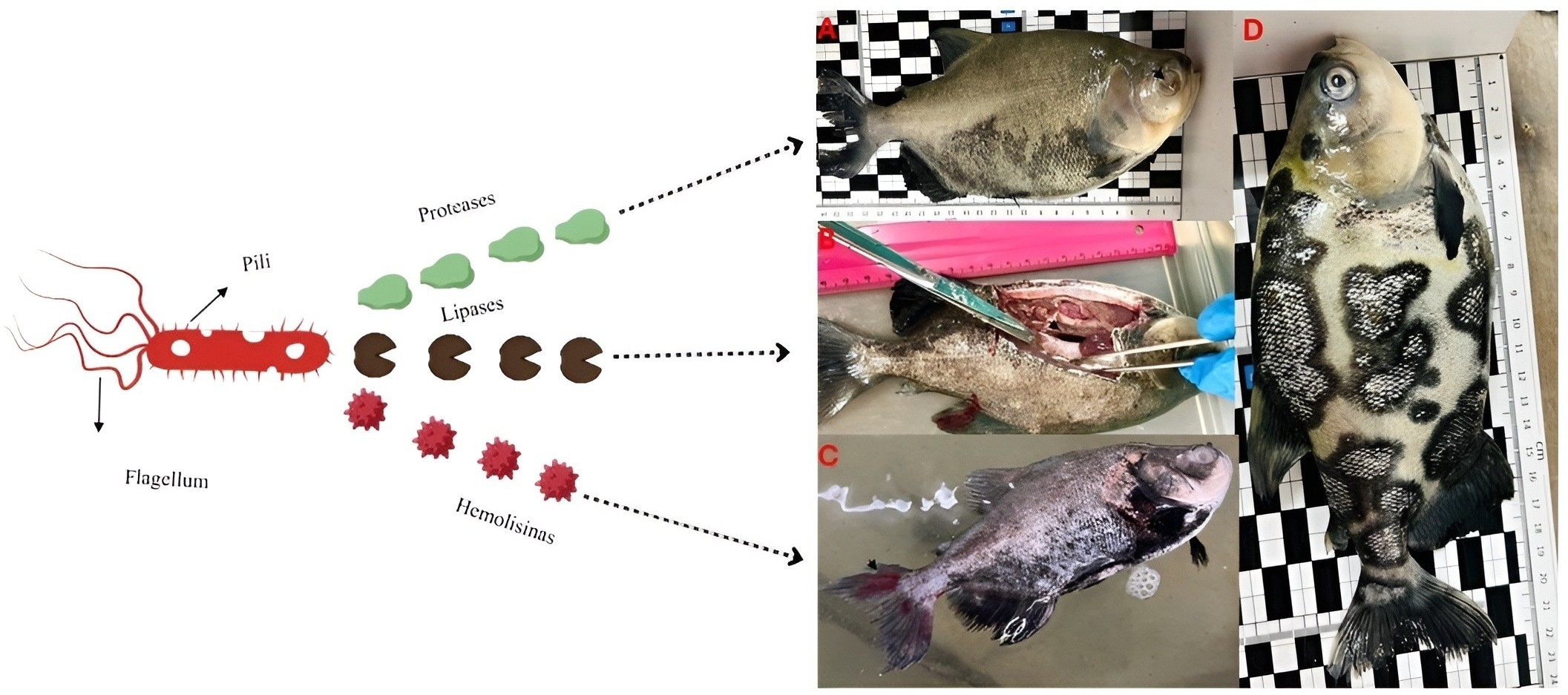
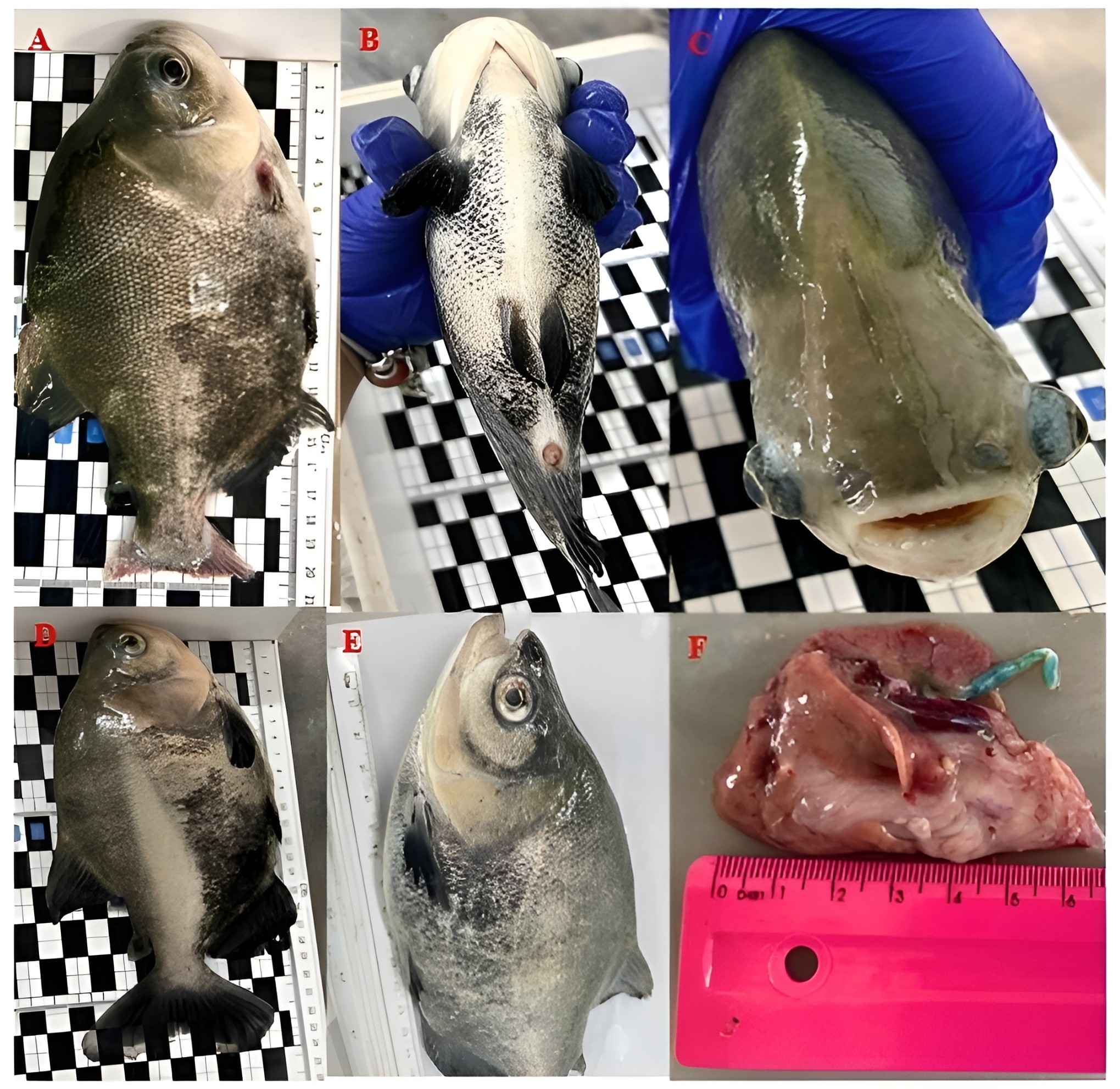
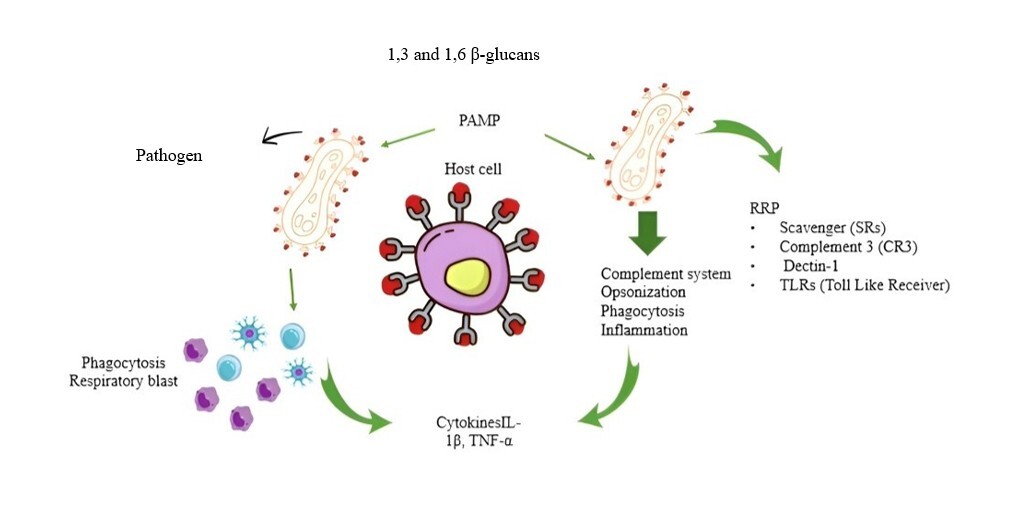
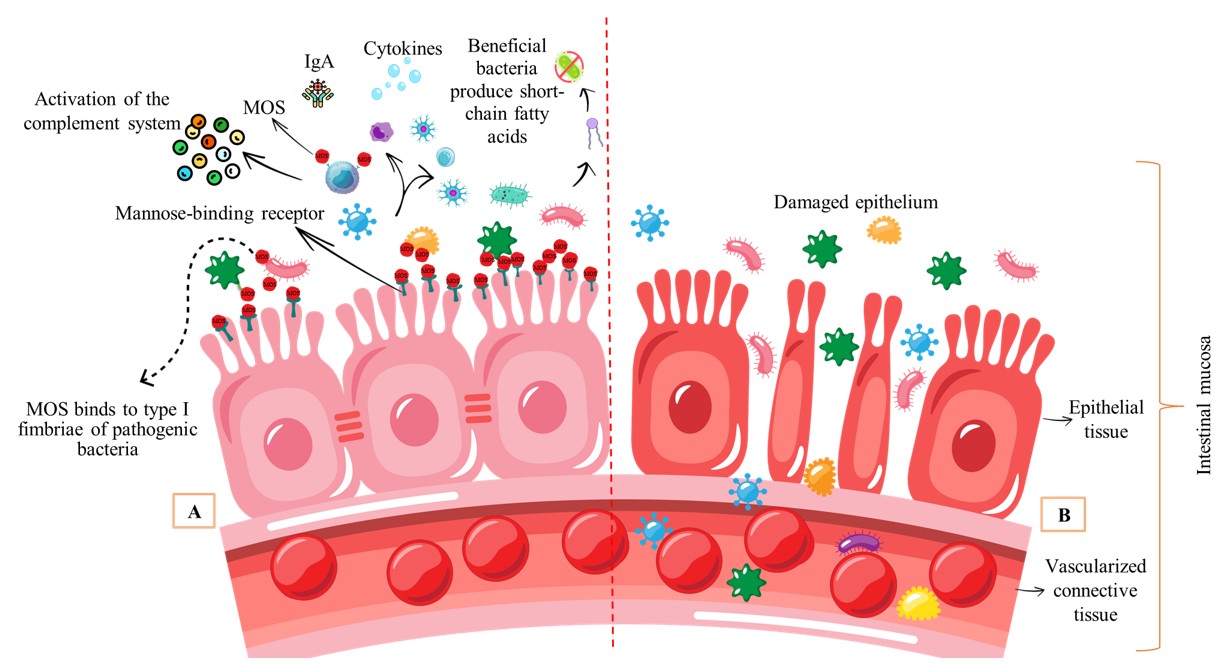
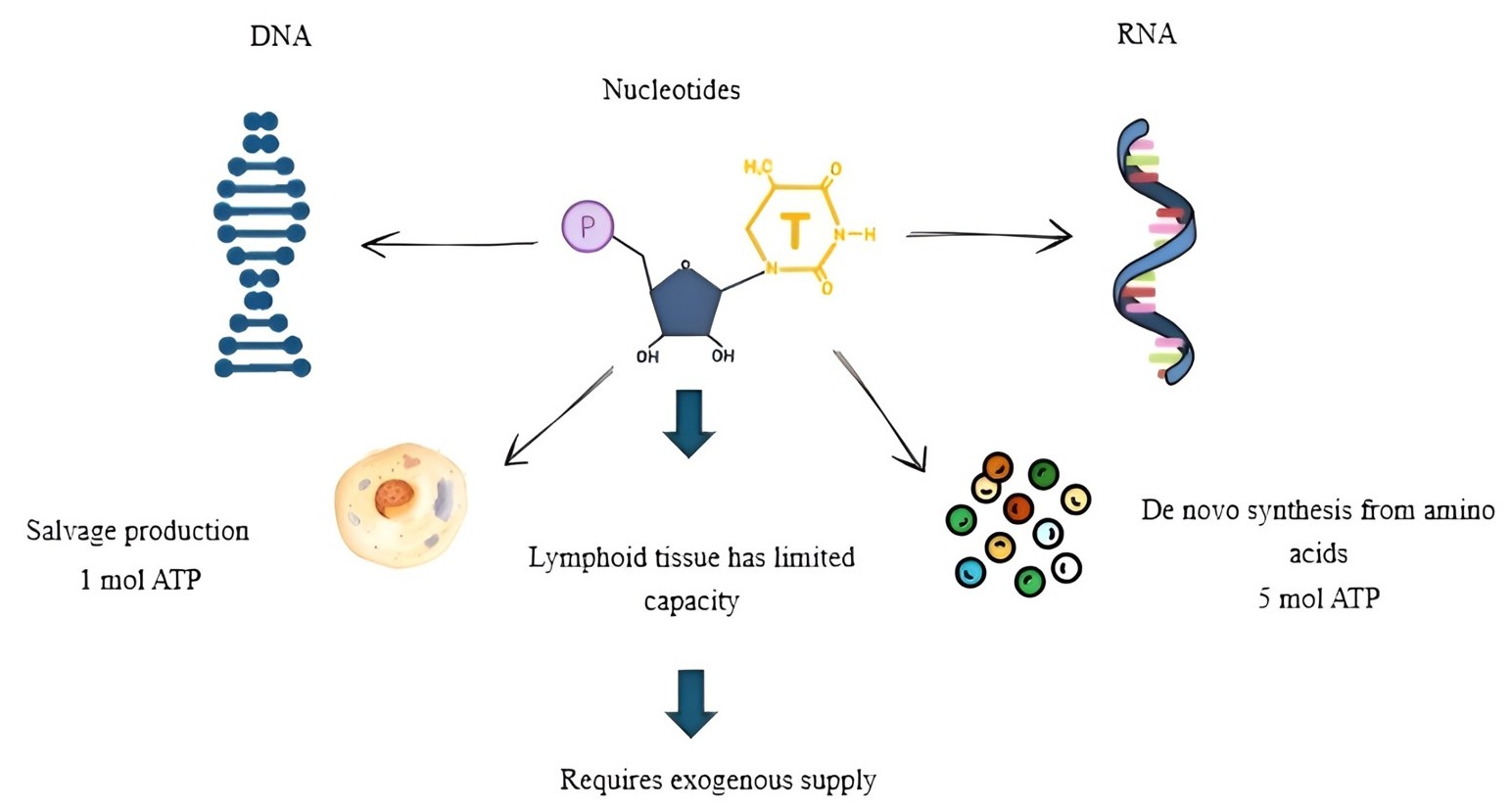
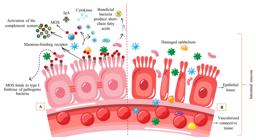
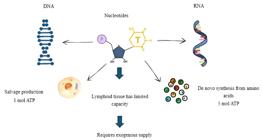
In Brazil, despite favorable edaphoclimatic and hydrobiological conditions, the consolidation of the aquaculture sector is constrained by significant sanitary challenges, particularly bacterial infections caused by Aeromonas spp., which adversely affect fish farming, especially native species. In response, the widespread and often indiscriminate use of antimicrobials has contributed to the emergence and spread of multidrug-resistant strains. This study presents a narrative review addressing the clinical aspects, sanitary challenges associated with Aeromonas infections, and prophylactic strategies, with an emphasis on immunostimulation in freshwater fish, focusing on products derived from Saccharomyces cerevisiae, such as nucleotides and mannan-oligosaccharides. Intrinsic and extrinsic factors, including the cultivated species, ontogenetic stage, environmental conditions, and supplementation protocols, modulate the immunophysiological responses to these bioactive compounds and require specific scientific validation for each species. Therefore, there is an urgent need to advance research focused on Neotropical ichthyofauna, with particular emphasis on economically critical native species such as Colossoma macropomum, Arapaima gigas, Brycon amazonicus, Piaractus mesopotamicus, Rhamdia quelen, among others.
Keywords:
immunostimulants; nucleotides; mannan oligosaccharides-MOS; fish farming; immune system
 Thumbnail
 Thumbnail
 Thumbnail
 Thumbnail
 Thumbnail