 Metagenomic analysis of Gatot, a cassava-based fermented food from Yogyakarta Indonesia: a potential source of Lactobacillaceae probiotic
Abstract
Gatot, a traditional Indonesian fermented food product made from cassava (Manihot utilissima), is valued for its potential health benefits and contribution towards local food security. As fermentation induces a rich microbial environment that could enhance nutritional properties and produce bioactive compounds, understanding the bacterial communities involved is fundamental for optimizing their health-promoting potential. However, the bacterial diversity of Gatot across different regions remains underexplored. This study aims to detect and identify the bacterial communities in Gatot samples, as well as to measure the differences in their abundance in Gatot from three different regions in Yogyakarta. Gatot samples were collected from Bantul, Gunungkidul, and Kulon Progo regions. Genomic DNA was extracted from the samples, and DNA concentration was measured using NanoDrop and Qubit. Libraries were then prepared with Oxford Nanopore Technology kits. For bacterial identification, the V1-V9 regions of the 16S ribosomal RNA gene were amplified using 27F and 1492R primers under specific polymerase chain reaction conditions. Sequencing was performed on a GridION platform using MinKNOW (version v24.02.16) and Dorado (version v7.3.11) for high-accuracy basecalling. Quality filtering and visualization of FASTQ files were performed using NanoPlot and NanoFilt, while taxonomic classification was referenced against the NCBI 16S RefSeq database. Data analysis was completed in Pavian and RStudio. The dominant bacterial family across all samples was the Lactobacillaceae family. However, each region exhibited unique microbial signatures at the genus level: Bantul samples were dominated by Weissella, Gunungkidul by Leuconostoc, and Kulon Progo by Lactiplantibacillus. Specific species were also predominant in each location, with Weissella confusa in Bantul, Liquorilactobacillus hordei in Gunungkidul, and Lactiplantibacillus plantarum in Kulon Progo. These regional variations highlight how location-specific bacterial communities influence the fermentation profile of Gatot, potentially affecting flavor, texture, and nutritional value. This study provides the first comprehensive metagenomic analysis of Gatot’s bacterial communities across different regions, offering new insights into the influence of geographical environment on microbial composition in fermented cassava products. The findings support the potential for controlled fermentation processes tailored to local microbial ecosystems, to enhance Gatot’s functionality as a health-promoting food and source of probiotic.
Keywords:
bacterial diversity; fermented food; Gatot; Lactobacillaceae; probiotic
Resumo
Gatot, um produto alimentar fermentado tradicional indonésio feito de mandioca (Manihot utilissima), é valorizado por seus potenciais benefícios à saúde e sua contribuição para a segurança alimentar local. Como a fermentação induz um ambiente microbiano rico que pode melhorar as propriedades nutricionais e produzir compostos bioativos, entender as comunidades bacterianas envolvidas é fundamental para otimizar seu potencial de promoção à saúde. No entanto, a diversidade bacteriana do Gatot em diferentes regiões ainda é pouco explorada. Este estudo tem como objetivo detectar e identificar as comunidades bacterianas em amostras de Gatot, além de medir as diferenças em sua abundância em Gatot de três regiões diferentes de Yogyakarta. Amostras de Gatot foram coletadas das regiões de Bantul, Gunungkidul e Kulon Progo. O DNA genômico foi extraído das amostras, e a concentração de DNA foi medida utilizando o NanoDrop e Qubit, enquanto as bibliotecas foram preparadas com kits da Oxford Nanopore Technology. Para a identificação bacteriana, as regiões V1-V9 do gene 16S do RNA ribossômico foram amplificadas usando os primers 27F e 1492R sob condições específicas de reação em cadeia da polimerase. A sequenciação foi realizada na plataforma GridION usando MinKNOW (v24.02.16) e Dorado (v7.3.11) para uma leitura de bases de alta precisão. A filtragem de qualidade e visualização dos arquivos FASTQ foram realizadas com NanoPlot e NanoFilt, enquanto a classificação taxonômica seguiu o banco de dados NCBI 16S RefSeq. A análise dos dados foi concluída no Pavian e no RStudio. A família bacteriana dominante em todas as amostras foi a Lactobacillaceae. No entanto, cada região exibiu assinaturas microbianas únicas no nível de gênero: as amostras de Bantul foram dominadas por Weissella, as de Gunungkidul por Leuconostoc, e as de Kulon Progo por Lactiplantibacillus. Espécies específicas também foram predominantes em cada local, com Weissella confusa em Bantul, Liquorilactobacillus hordei em Gunungkidul, e Lactiplantibacillus plantarum em Kulon Progo. Essas variações regionais destacam como as comunidades bacterianas específicas de cada local influenciam o perfil de fermentação do Gatot, podendo afetar o sabor, a textura e o valor nutricional. Este estudo fornece a primeira análise metagenômica abrangente das comunidades bacterianas do Gatot em diferentes regiões, oferecendo novas percepções sobre a influência do ambiente geográfico na composição microbiana de produtos fermentados de mandioca. Os achados apoiam o potencial para processos de fermentação controlada, adaptados aos ecossistemas microbianos locais, para melhorar a funcionalidade do Gatot como um alimento promotor de saúde e fonte de probióticos.
Palavras-chave:
diversidade bacteriana; alimento fermentado; Gatot; Lactobacillaceae; probiótico
1. Introduction
Fermented foods have been an integral part of culinary cultures worldwide, offering nutritional benefits and unique flavors. Lactic acid bacteria (LAB), which are widely found in fermented foods, are generally recognize as safe (GRAS). GRAS refers to a status granted by the U.S. Food and Drug Administration (FDA) for food ingredients or substances considered safe for consumption based on extensive usage experience or scientific evidence. LAB have been extensively studied for their health benefits (Jenkins et al., 2022; Oladipo, 2025). Previous studies highlight the potential of LAB as probiotics with antimicrobial properties and strong immune-modulating effects (Hussain et al., 2021; Liu and Wu, 2022; Harahap et al., 2023; Huang et al., 2025). Various studies have demonstrated that regular consumption of fermented foods can shape the gut microbiota over both short and long durations, underscoring their significance as an integral part of a balanced diet (Leeuwendaal et al., 2022; Thriene et al., 2022).
Probiotics are defined as living microorganisms that confer health benefits when administered in adequate amounts (Hill et al., 2014). Among them, LAB are widely recognized as ideal probiotic candidates due to their ability to survive harsh gastrointestinal conditions, adhere to intestinal walls, and produce antimicrobial and bioactive compounds. Their antimicrobial properties help inhibit pathogenic bacteria, while their bioactive metabolites contribute to gut health and immune modulation (Ibrahem et al., 2022). For LAB to qualify as probiotics, they must meet several criteria. These include (a) high viability, allowing them to survive and grow in the gastrointestinal tract, (b) being safe for consumption or categorized as GRAS, (c) resistance to stomach acid, bile salts, and anaerobic conditions, (d) rapid growth and colonization of the intestinal walls, (e) the ability to inhibit pathogenic microbes, (f) the capability to degrade lactose, (g) specific fermentation of prebiotics, (h) proven health benefits, and (i) genetically stable (Hill et al., 2014; Zam and Dawod, 2020; Liu and Wu, 2022; Keerthi, 2023). One of the natural sources of LAB is Gatot, a traditional fermented cassava-based dish from Yogyakarta, Indonesia, known for its unique microbial composition and potential for further development (Astriani et al., 2018; Febriana et al., 2021; Hallis et al., 2021; Nurhayati et al., 2023). LAB isolated from Gatot can potentially serve as robust probiotic candidates. Gatot, which is made from cassava tubers of the species Manihot utilissima, is a fermented cassava-based food product traditionally produced through a process that includes spontaneous fermentation, drying, soaking, steaming, and seasoning. Differences in fermentation environments and techniques influence the characteristics of Gatot, making each region’s production method unique. Understanding the bacterial diversity in Gatot is crucial for identifying potential probiotic candidates with health benefits. However, research on its microbial composition, particularly regarding geographical variations in Yogyakarta, remains limited. The Gatot-producing regions in Yogyakarta, namely Bantul, Gunungkidul, and Kulon Progo, despite being part of Indonesia’s tropical climate zone, exhibit distinct differences in topography, geology, rainfall patterns, and water availability. These environmental variations may influence the fermentation conditions and bacterial diversity involved in the production process.
Understanding bacterial diversity of Gatot using metagenomic technology is essential for identifying potential probiotic strains. The metagenomic analysis in fermented foods have commonly utilized 16S rRNA sequencing to characterize bacterial communities (Jani and Sharma, 2021; Kavitake et al., 2022). This metagenomic analysis applies long-read sequencing, which enables full-length sequencing of the 16S rRNA gene (V1-V9 regions) for more precise taxonomic classification down to the species level. Compared to traditional methods, long-read sequencing eliminates complex assembly processes, ensuring higher accuracy and a more comprehensive view of microbial ecosystems.
This study aims to detect and identify bacterial communities in Gatot samples, as well as to measure the differences in Gatot from three different regions in Yogyakarta: Gunungkidul, Bantul, and Kulon Progo. We hypothesize that the microbial diversity of Gatot will vary significantly between these regions, with each harboring unique probiotic candidates. The integration of long-read sequencing with advanced bioinformatics tools and metagenomic approaches enhance the ability to explore microbial diversity in Gatot, offering deeper insights into microbial community dynamics. Additionally, metagenomic studies of Gatot across regions could help identify probiotic strains with strong anti-infective properties, potentially serving as alternatives to combat antibiotic-resistant pathogenic bacteria.
2. Materials and Methods
2.1. Gatot collection and sample preparation
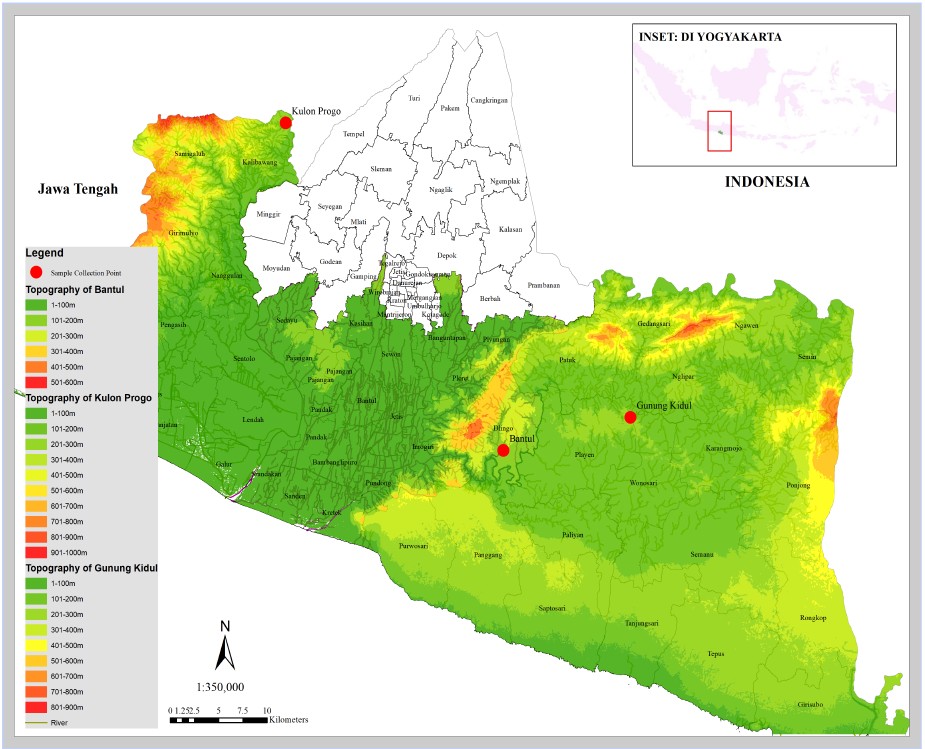
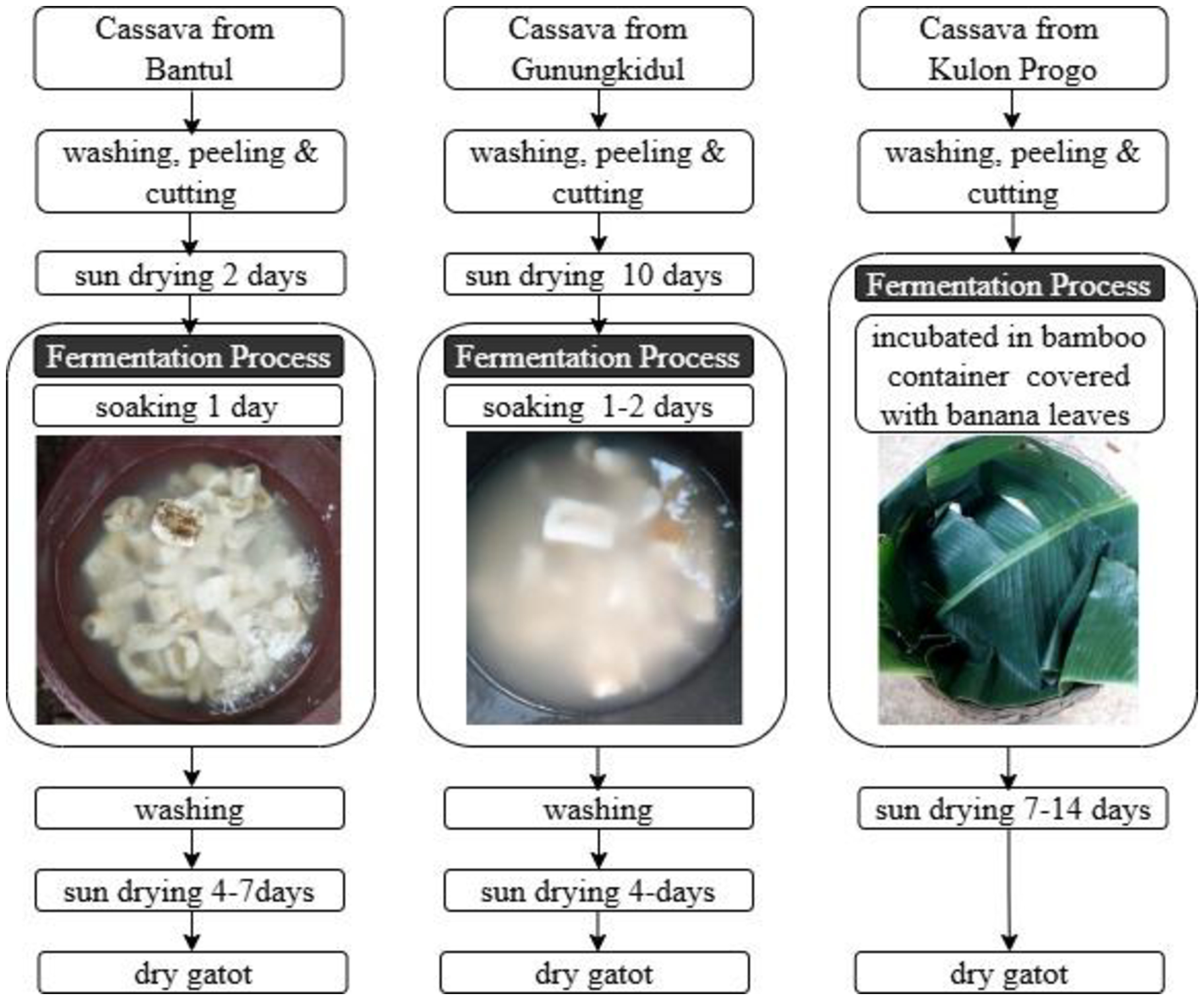
Dried Gatot samples were collected from traditional producers in three districts within Yogyakarta province, Indonesia: Bantul, Gunungkidul, and Kulon Progo (Figure 1). Each location provided two batches of samples, prepared by local communities using traditional methods passed down through generations, in accordance with the customary practices unique to each area. Every batch of Gatot within each district was produced by producers using the same raw material, method, and equipment, though the batches were prepared on different days. The raw material used was cassava (Manihot utilissima), processed in a manner reflective of the region's heritage. The process begins with peeling and cleaning cassava tubers, followed by natural fermentation which varies across regions in terms of tools and methods (Figure 2). A total of 100 g of Gatot was soaked in sterile distilled water at room temperature (approximately 25 °C) for 72 hours, with the soaking water renewed every 24 hours. After soaking, the solid Gatot samples were separated from the water for metagenomic analysis. This soaking method follows the traditional process practiced by local communities, who typically immerse Gatot in water before consumption. Additionally, this method has been applied in previous research (Astriani et al., 2018; Nurhayati et al., 2023), though modifications were made in this study to optimize the approach.
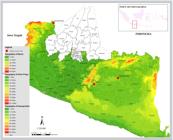
Sampling locations of Gatot in three regions of Yogyakarta (Bantul, Gunungkidul, Kulon Progo) based on topographic differences.
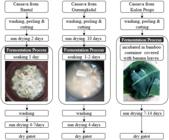
Gatot production processes from three different regions in Yogyakarta: Bantul, Gunungkidul, and Kulon Progo.
2.2. DNA extraction and amplification
The genomic DNA extraction was performed using the Quick-DNA Magbead Plus Kit (Zymo Research, D4082, California, USA). The concentrations and purity of the extracted DNA were measured using a Nanodrop 2000 spectrophotometer and Qubit fluorometer (Thermo Scientific, Delaware, USA). DNA quality was assessed via 1% agarose gel electrophoresis (100 V) followed by visualization using a Gel-Doc EZ imager (Bio-Rad, Hercules, California, USA) (Sine et al., 2024).
Upon passing quality control, the 16S rRNA gene, targeting the V1-V9 hypervariable regions, was amplified using universal primers 27F and 1492R. The PCR amplification was performed under the following conditions: an initial denaturation at 95 °C for 3 minutes; followed by 5 cycles consisting of denaturation at 95 °C for 15 seconds, annealing at 55 °C for 15 seconds, and extension at 72 °C for 30 seconds; then 30 additional cycles with annealing temperature increased to 62 °C for 15 seconds, while denaturation and extension steps remained at 95 °C for 15 seconds and 72 °C for 30 seconds, respectively; and concluding with a final extension step at 72 °C for 1 minute.
2.3. Library preparation and nanopore sequencing
Library preparations were conducted using Kits from Oxford Nanopore Technology, Ltd., Oxford, UK. This step involves several sub-steps, including end-prep DNA repair to prepare the ends of the DNA fragments for sequencing, ligation of barcoded adapters for multiplexing, and attachment of sequencing adapters to enable simultaneous sequencing of multiple samples in a single run. In this study, multiplexing was performed to optimize sequencing efficiency and data acquisition. Once the library is prepared, it is loaded into a nanopore sequencing device, where real-time sequencing occurs, providing data on the microbial composition of the Gatot sample. Nanopore sequencing was operated by MinKNOW software version 24.02.16 (Wick et al., 2019; Sine et al., 2024).
2.4. Bioinformatics data analysis
Base calling was performed using Dorado version 7.3.11 with a high-accuracy model (Wick et al., 2019). The quality of FASTQ files was assessed and visualized using NanoPlot, and quality filtering was conducted with NanoFilt (De Coster et al., 2018; Nygaard et al., 2020). Filtered reads were classified using the Centrifuge classifier (Kim et al., 2016) with an index for bacteria and archaea constructed using the NCBI 16S RefSeq database (NCBI, 2025). Downstream analyses and visualizations were performed using Pavian (GitHub, 2025) and RStudio with R version 4.3.3 (R Development Core Team, 2024).
3. Results and Discussion
3.1. Metagenomic data analysis
The bacterial diversity in the water-soaked Gatot samples was analyzed by sequencing the hypervariable regions (V1-V9) of the 16S rRNA gene after 72 hours of soaking. This gene is highly conserved and uniquely present in all bacteria and archaea, making it an ideal target for identifying these organisms in samples. By examining all informative regions of the 16S rRNA gene, full-length 16S rRNA sequencing provides a high level of taxonomic and phylogenetic resolution for bacterial identification (Bahram et al., 2019).
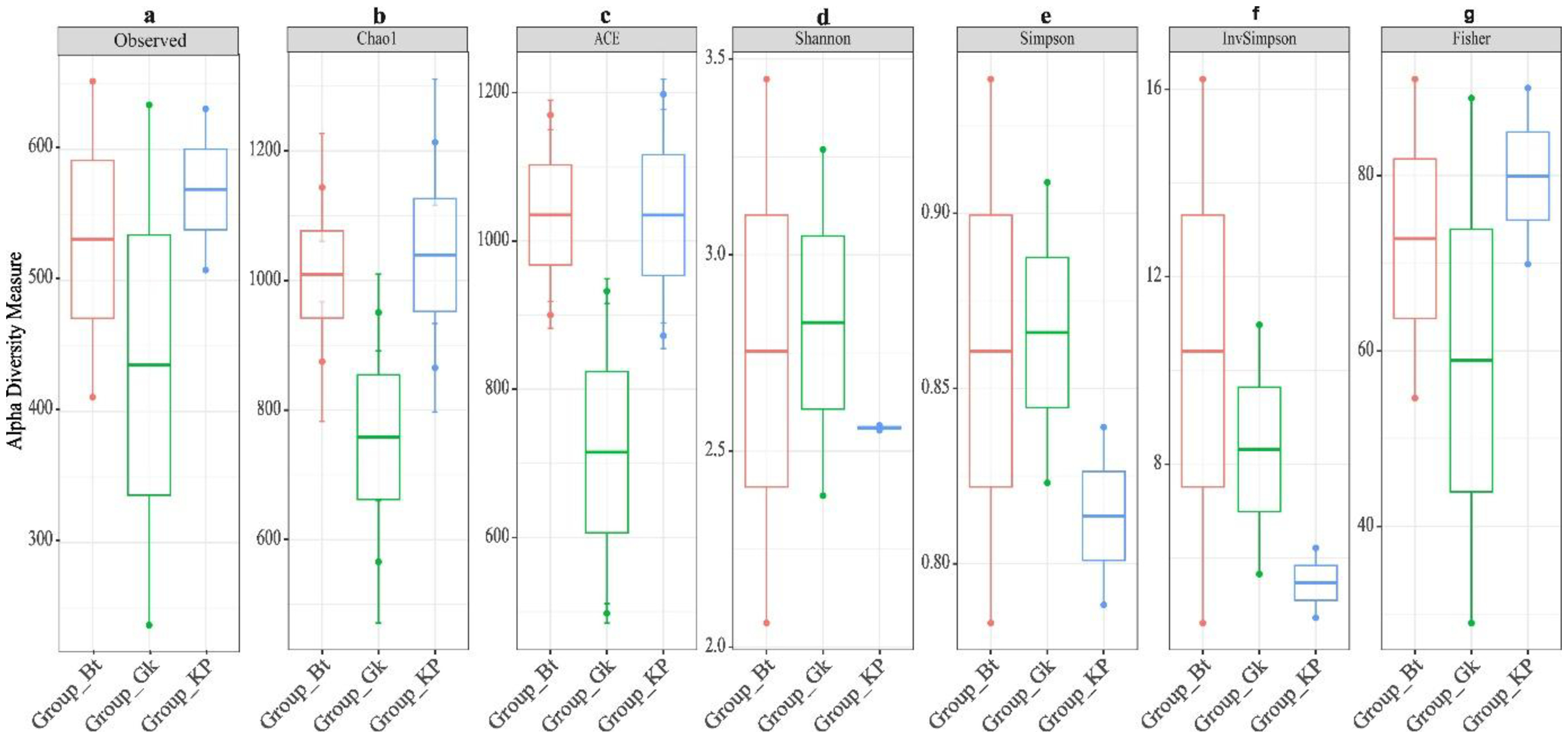
In this study, metagenomic analysis revealed bacterial diversity in Gatot produced from three different regions. Gatot sample from Bantul contained 80-89 bacterial families, 184-238 genera, and 391-626 species, while the sample from Gunungkidul exhibited a lower diversity with 34-73 bacterial families, 85-197 genera, and 225-613 species. Meanwhile, the Kulon Progo sample showed the presence of 65-100 bacterial families, 171-241 genera, and 489-595 species. These results highlight the variations in bacterial diversity among the Gatot samples, influenced by the region of origin, despite being soaked for the same duration.
The alpha diversity was evaluated using the observed, Chao1, ACE, Shannon, Simpson, invSimpson, and Fisher indices. The Shannon, Simpson, and invSimpson diversity indices were applied to measure bacterial diversity in the samples, all of which take into account the number of species present in a habitat and their relative abundance (Beram and Akyol, 2024). Meanwhile, the observed species, Chao1, abundance-based coverage estimators (ACE) and Fisher indices were used to reflect sample richness. The values of these diversity indices are presented in Figure 3.
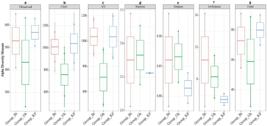
Diversity index box figure of bacteria in Gatot samples from Bantul (Group_Bt), Gunungkidul (Group_Gk), and Kulon Progo (Group_KP). (a) Observed index; (b) Chao1 index; (c) ACE index; (d) Shannon index; (e) Simpson index; (f) invSimpson index; (g) Fisher index.
The Gatot samples from Kulon Progo exhibited the highest richness and diversity compared to other groups. Bacterial richness as measured by the Observed species indices, Chao1, abundance-based coverage estimators (ACE), and Fisher’s Alpha index showed that Gatot samples from Kulon Progo had the highest bacterial richness indices, followed by Gatot from Bantul, and then Gatot from Gunungkidul with the lowest bacterial diversity. Bacterial diversity as assessed using the Shannon, Simpson, and Inverse Simpson indices also showed that Gatot from Kulon Progo samples harbored the highest bacterial diversity among all sample groups. Additionally, the samples from Kulon Progo displayed the lowest variability within the group, indicating a more consistent bacterial community structure. In contrast, Gatot from Gunungkidul samples demonstrated the highest variability among the groups, reflecting greater differences in bacterial richness and diversity between individual samples. These findings highlight significant regional differences, with the Kulon Progo region providing the most favorable conditions for bacterial richness and diversity, while the Gunungkidul region exhibited more heterogeneity.
Metagenomic analysis has previously been used to reveal the bacterial diversity in other cassava-based fermentation products, such as abacha, fufu, and garri from Nigeria. This previous metagenomic analysis was carried out using next-generation sequencing of the 16S rRNA gene, and was able to identify 9 bacterial phyla across all samples. Firmicutes dominated in abacha and fufu, while Proteobacteria were more abundant in garri, with key genera identified including Lactococcus, Lysinibacillus, Pseudomonas, Bacillus, and Clostridium among others (Dike et al., 2022). Another metagenomic study was conducted on microbial communities in traditional Arabian fermented foods including mish (fermented dairy), jibneh (cheese), zabadi (yogurt), and pickles (fermented vegetables), which either used 16S amplicon sequencing or shotgun metagenomics. The study revealed significant inter- and intra-variation in bacterial communities, with 21 genera differing significantly across foods. Dominant species included Lactococcus lactis, Lactobacillus helveticus, and Streptococcus thermophiles (Yasir et al., 2023). In a study by Vassileva, sourdough was analyzed for its bacterial DNA using the Illumina MiSeq platform. The analysis revealed a microbial profile dominated by Firmicutes, particularly the genera Lactobacillus (63.11-82.28%) and Weissella (3.67-36.31%). The dominant species identified were Lactiplantibacillus plantarum (16.15-31.24%) and Levilactobacillus brevis (6.21-16.29%) (Vassileva et al., 2023).
3.2. Bacterial diversity
The bacterial 16S rRNA gene sequences were analyzed using ONT sequencing and classified from the phylum to species levels. This analysis was conducted to explore the bacterial composition in Gatot samples from Bantul, Gunungkidul, and Kulon Progo. This study showed that all Gatot samples exhibited similar dominant bacterial profiles at higher taxonomic levels, including the phylum Bacillota, class Bacilli, order Lactobacillales, and family Lactobacillaceae (Figure 4a). At the genus level, Weissella was dominant in Gatot samples from Bantul, Leuconostoc was dominant in Gatot samples from Gunungkidul, and Lactiplantibacillus was dominant in Gatot samples from Kulon Progo (Figure 4b).
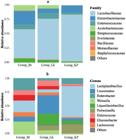
Relative abundance of bacterial families (a) and genus (b) in Gatot samples from Bantul (Group_Bt), Gunungkidul (Group_Gk), and Kulon Progo (Group_KP).
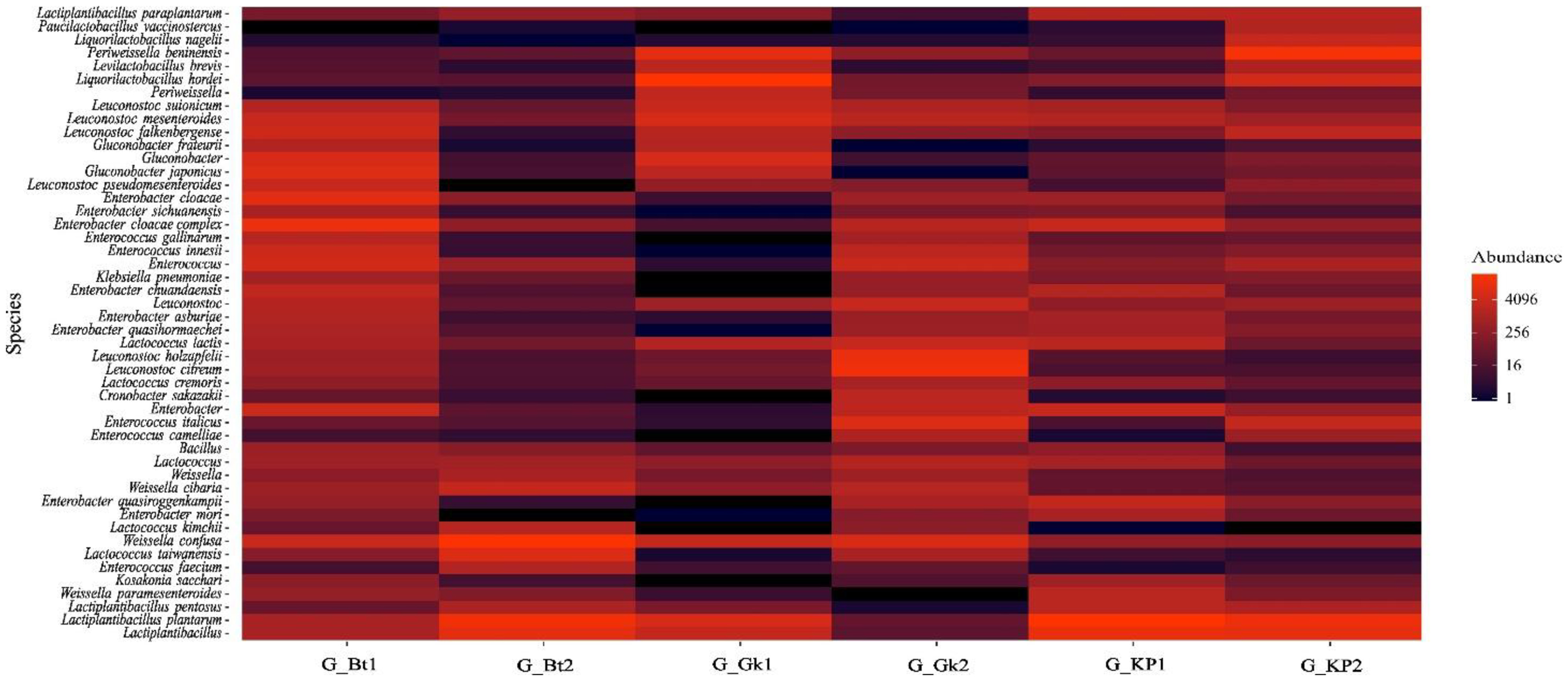
At the species level, the bacterial composition of Gatot samples varied across the three regions, indicating that the dominant species within each regional group was determined by the total abundance from the two samples (Figure 5) Gatot samples from the Bantul region, G_Bt1 and G_Bt2, had different dominant species. G_Bt1 was dominated by the Enterobacter cloacae complex (18.312 individuals), while G_Bt2 was dominated by Weissella confusa (36.656 individuals). Both samples contained the Weissella confusa species, which is regarded as the dominant bacterial species in the Bantul group. Gatot samples from Gunungkidul had Liquorilactobacillus hordei-dominated G_Gk1 (38.524 individuals), and Leuconostoc citreum-dominated G_Gk2 (23.438 individuals). Liquorilactobacillus hordei, present in both samples, had the highest total abundance and was therefore recognized as the dominant species for the Gunungkidul group. Gatot samples from Kulon Progo, G_KP1 and G_KP2, had also different dominant species. G_KP1 was dominated by Lactiplantibacillus plantarum (41.708 individuals), whereas G_KP2 was dominated by Periweissella beninensis (30.458 individuals). Despite the presence of Periweissella beninensis, Lactiplantibacillus plantarum is considered the dominant species in Gatot from the Kulon Progo group.
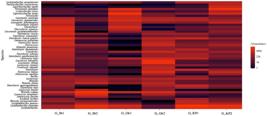
Heatmap of bacterial species abundance in Gatot samples from three different regions, each with two batches: Bantul (G_Bt1, G_Bt2), Gunungkidul (G_Gk1, G_Gk2), and Kulon Progo (G_KP1, G_KP2).
Previous studies have reported the isolation of LAB from Gatot produced in other regions, including research examining LAB isolates in fermentation water from Gatot at different fermentation times (24, 48, and 72 hours). In this study, several isolates were identified, including Lactobacillus manihotivorans, Bacillus licheniformis, Brevibacillus brevis, and Lactobacillus fermentum. Among these isolates, L. manihotivorans and L. fermentum exhibited potential as starter cultures for producing Gatot under controlled fermentation processes. Similarly, studies conducted in Yogyakarta identified LAB species including Lactobacillus plantarum-pentosus, L. plantarum, L. fermentum, and Pediococcus sp. Further research highlighted the potential of L. plantarum strains, such as Mut 7 and Mut 13, which demonstrated promising characteristics as probiotic candidates. These findings suggest that differences in geographical regions may result in variations in the dominant LAB species involved in Gatot fermentation (Astriani et al., 2018).
Weissella confusa, Liquorilactobacillus hordei, and Lactiplantibacillus plantarum are dominant Gram-positive bacteria found in Gatot samples from Bantul, Gunungkidul, and Kulon Progo, respectively, belonging to the family Lactobacillaceae. W. confusa is known for producing exopolysaccharides that enhance the flavor and texture of fermented foods, along with exhibiting antibacterial, antioxidant, hydrophobic, and self-aggregation properties, making it a promising probiotic candidate (Lakra et al., 2020; Nath et al., 2021; Teixeira et al., 2021; Thuy et al., 2024). L. hordei, isolated from water kefir, produces lactic acid and high-molecular-weight dextrans, which improve the texture and viscosity of fermented products, suggesting its potential as a starter culture and probiotic (Bechtner et al., 2020; Edis et al., 2025). L. plantarum, identified in Kulon Progo, produces bacteriocins with broad antimicrobial activity, including plantaricin, which disrupts bacterial cell membranes and inhibits biofilm formation by Acinetobacter baumannii, showing promise as a natural preservative and alternative to antibiotics for treating multidrug-resistant infections (Yilmaz et al., 2022; Javadi et al., 2025). These strains highlight the potential of local Gatot-derived bacteria for probiotic applications and functional food development.
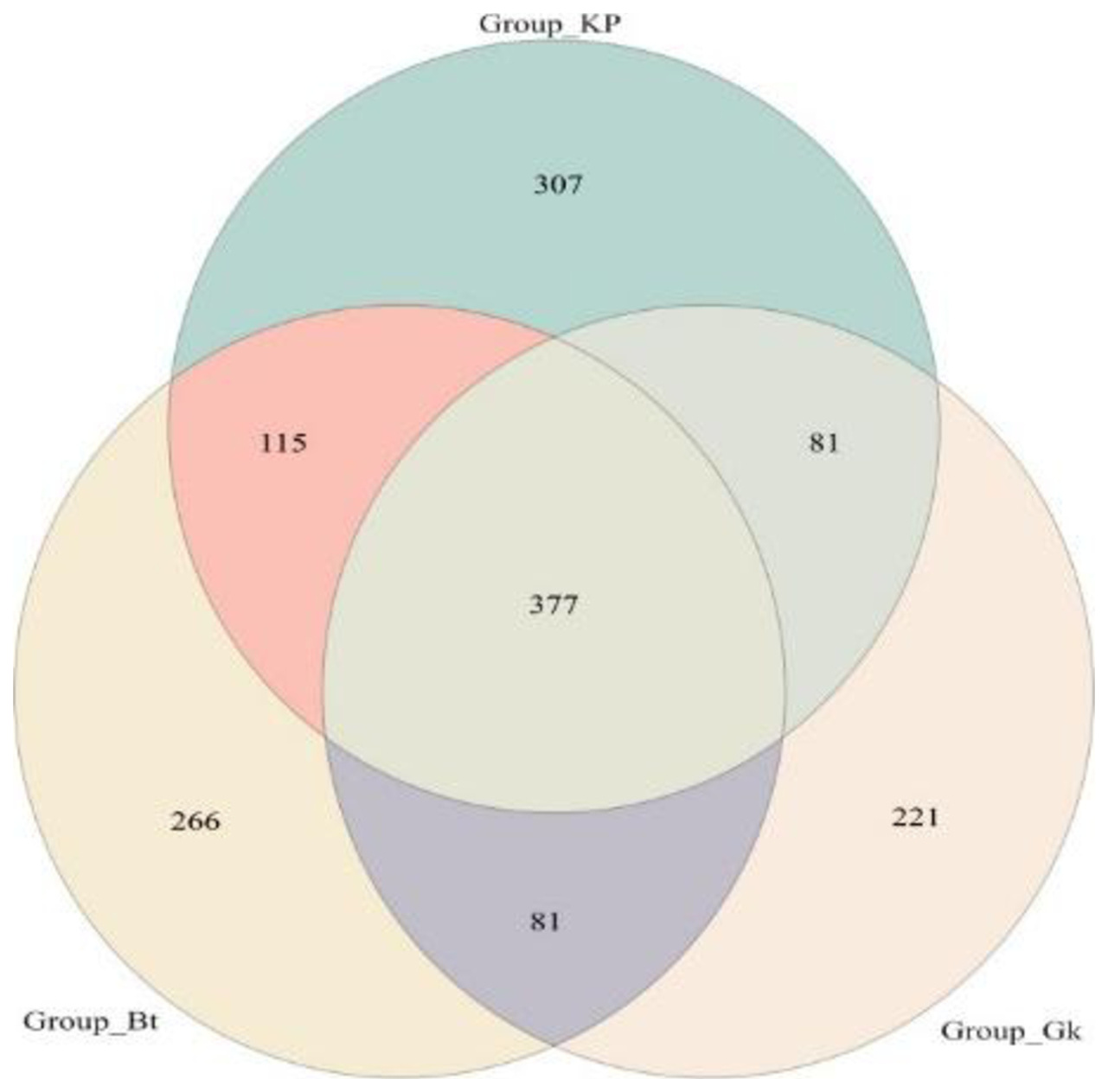
The Venn diagram (Figure 6) exhibits a significant core bacterial community, with 377 bacterial species shared across all three regions from where Gatot samples were obtained. However, each region also harbors a considerable number of unique bacterial species, with 307 species identified in the Kulon Progo samples, 266 species in the Bantul samples, and 221 species in the Gunungkidul samples, highlighting the geographical variation in bacterial composition. Additionally, a small overlap of bacterial species between any two regions is present (115, 81, and 81 species), indicating region-specific differences in the bacterial communities.
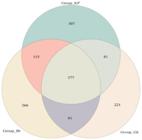
Venn diagram showing the distribution of bacterial species in Gatot samples from Bantul (Group_Bt), Gunungkidul (Group_Gk), and Kulon Progo (Group_KP).
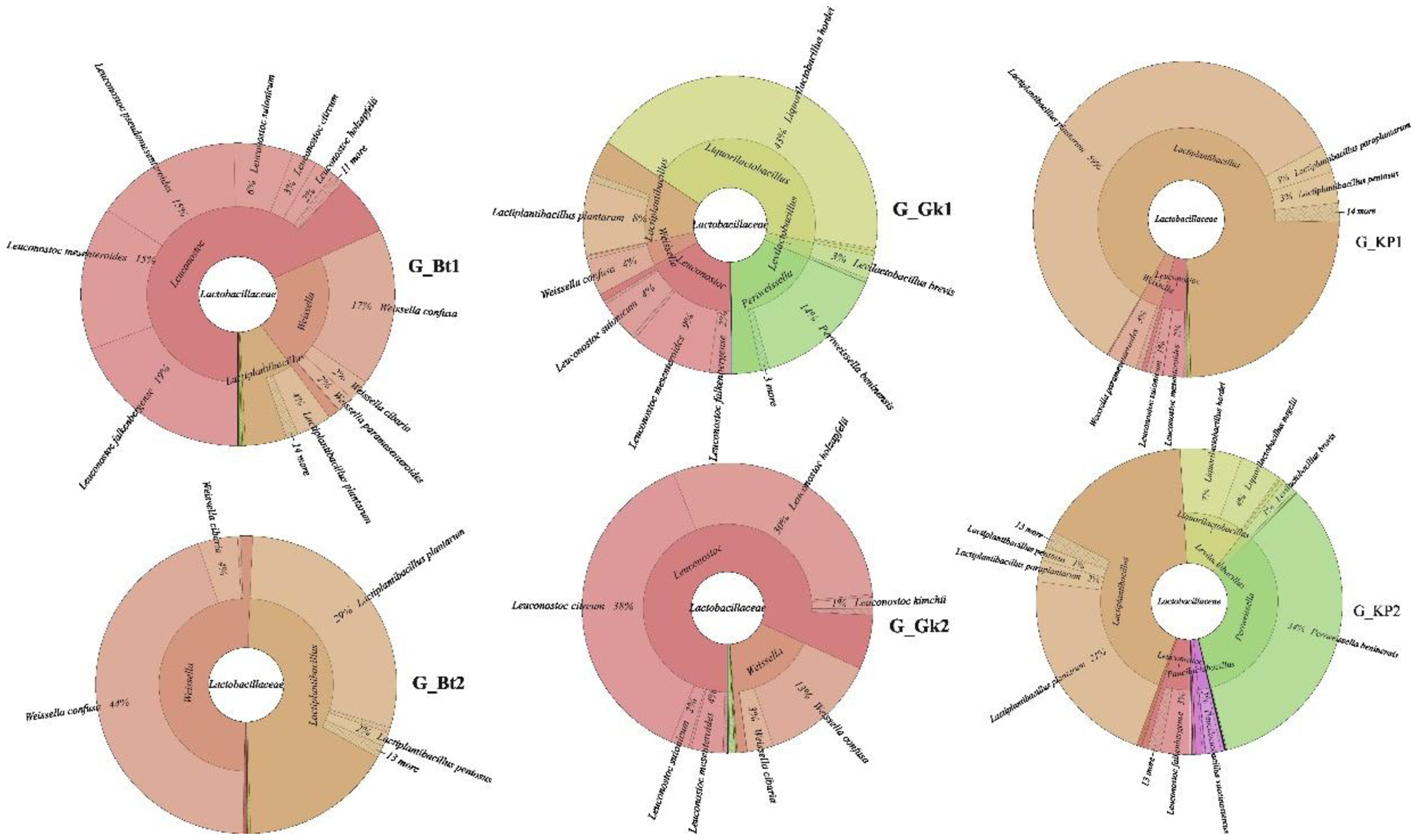
The family Lactobacillaceae was the most dominant bacterial group in Gatot across almost all regional groups, exhibiting variations in its genus and species composition. The Lactobacillaceae family comprises predominantly Gram-positive, non-pathogenic bacteria that thrive in nutrient-rich environments, especially fermented foods. These non-spore-forming, facultative or strict anaerobes are nutritionally fastidious, requiring complex media for growth. Their metabolism extends beyond simple fermentation, involving processing such as lipolysis, proteolysis, bile acid hydrolysis, secondary metabolite production, and vitamin synthesis. These activities enhance food flavor and function, while also influencing host physiology, immunity, and health. Due to their long-standing role in fermentation, Lactobacillaceae are considered among the most extensively domesticated bacterial groups (Walter and O’Toole, 2023). The distribution of Lactobacillaceae genera and species in the six Gatot samples from three regions is visualized in Figure 7.
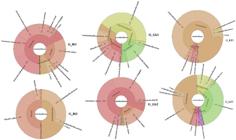
Krona diagram showing the bacterial composition of family Lactobacilaceae in Gatot samples from Bantul (G_Bt1 and G_Bt2), Gunungkidul (G_Gk1 and G_Gk2) and Kulon Progo (G_KP1 and G_KP2).
Lactobacillaceae dominated the bacterial communities in all regions, with significant variations in genus composition and dominance across different batches and regions. This phenomenon indicates that despite being produced using the same raw materials, tools, location, and personnel, bacterial composition can still vary between batches when production occurs on different days. Such variability is particularly pronounced in Gatot produced from different regions, where traditional fermentation techniques vary, including differences in soaking methods and the use of banana leaf coverings during fermentation (Figure 2). These variations in fermentation practices, combined with environmental factors such as local microbial exposure, water quality, and ambient conditions, contribute substantially to shaping the microbial diversity of Gatot.
The variability in bacterial profiles between batches highlights the influence of environmental conditions during fermentation on microbial diversity. The spontaneous fermentation process facilitates a highly diverse bacterial community, leading to considerable variation in the characteristics and quality of Gatot. The lack of a standardized starter culture presents challenges in achieving consistent product quality. Previous research has demonstrated that the Lactobacillaceae family exhibits safety characteristics that qualify it for use as a starter cultures in food production (Bassi et al., 2022). This highlights the need for further research on microbial succession and the potential development of a controlled starter culture to enhance the reproducibility and functional properties of Gatot.
The differences in bacterial communities in Gatot from different regions can be attributed to variations in environmental conditions during fermentation processes and the native microbial composition in cassava. Traditional fermentation techniques, such as the duration of soaking, tool cleanliness, and production environment, also play a role, along with local microbial contamination and regional nutrient differences. These factors create unique conditions that shape distinct bacterial communities in Gatot from each region.
In this study, metagenomic analysis revealed the presence of diverse bacterial families and genera in Gatot soaked in sterilized water for 72 hours. Several lactic acid bacteria identified in this study could be isolated for further evaluation on their potential as probiotic candidates and their role as antipathogenic agents beneficial for gut health.
4. Conclusions
This study provides a metagenomic analysis of Gatot, a traditional cassava-based fermented food from Yogyakarta, Indonesia, that reveals significant regional variations in bacterial composition. Using long-read 16S rRNA sequencing, we identified Lactobacillaceae as the dominant bacterial family, with Weissella confusa as the dominant species in Gatot from Bantul, Liquorilactobacillus hordei in Gatot from Gunungkidul, and Lactiplantibacillus plantarum in Gatot from Kulon Progo. These findings highlight the influence of geographical and environmental factors on fermentation dynamics and suggest that Gatot from each region may provide different bacterial species as a potential source of probiotics with specific functional health benefits. Further research should explore the functional properties and probiotic potential of these bacterial species to support the development of health-promoting fermented foods and the optimization of fermentation processes.
Acknowledgements
We gratefully acknowledge the Directorate of Research, Universitas Gadjah Mada, for funding this research through the 2025 Final Project Recognition Program (Program Rekognisi Tugas Akhir Tahun 2025). We also sincerely thank the local Gatot producers in Bantul, Gunungkidul, and Kulon Progo for providing fermented food samples and for sharing valuable insights into traditional fermentation practices.
-
Data Availability Statement
The authors declare that the data supporting the findings of this study are available upon request to the corresponding author via email at puji_astuti@ugm.ac.id subject to reasonable requests.
References
-
ASTRIANI, A., DINIYAH, N., JAYUS, J. and NURHAYATI, N., 2018. Phenotypic identification of indigenous fungi and lactic acid bacteria isolated from ‘gatot’ an Indonesian fermented food. Biodiversitas, vol. 19, no. 3, pp. 947-954. https://doi.org/10.13057/biodiv/d190325
» https://doi.org/10.13057/biodiv/d190325 -
BAHRAM, M., ANSLAN, S., HILDEBRAND, F., BORK, P. and TEDERSOO, L., 2019. Newly designed 16S rRNA metabarcoding primers amplify diverse and novel archaeal taxa from the environment. Environmental Microbiology Reports, vol. 11, no. 4, pp. 487-494. https://doi.org/10.1111/1758-2229.12684 PMid:30058291.
» https://doi.org/10.1111/1758-2229.12684 -
BASSI, D., MILANI, G., BELLOSO DAZA, M.V., BARBIERI, F., MONTANARI, C., LORENZINI, S., ŠIMAT, V., GARDINI, F. and TABANELLI, G., 2022. Taxonomical identification and safety characterization of Lactobacillaceae from mediterranean natural fermented sausages. Foods, vol. 11, no. 18, pp. 2776. https://doi.org/10.3390/foods11182776 PMid:36140904.
» https://doi.org/10.3390/foods11182776 -
BECHTNER, J., LUDWIG, C., KIENING, M., JAKOB, F. and VOGEL, R.F., 2020. Living the sweet life: how Liquorilactobacillus hordei TMW 1.1822 changes its behavior in the presence of sucrose in comparison to glucose. Foods, vol. 9, no. 9, pp. 1150. https://doi.org/10.3390/foods9091150 PMid:32825547.
» https://doi.org/10.3390/foods9091150 -
BERAM, R.C. and AKYOL, S., 2024. Fungal endophytes diversity and influencing factors in Liquidambar orientalis Mill. in Türkiye. BioResources, vol. 20, no. 1, pp. 1251-1272. https://doi.org/10.15376/biores.20.1.1251-1272
» https://doi.org/10.15376/biores.20.1.1251-1272 -
DE COSTER, W., D’HERT, S., SCHULTZ, D.T., CRUTS, M. and VAN BROECKHOVEN, C., 2018. NanoPack: visualizing and processing long-read sequencing data. Bioinformatics, vol. 34, no. 15, pp. 2666-2669. https://doi.org/10.1093/bioinformatics/bty149 PMid:29547981.
» https://doi.org/10.1093/bioinformatics/bty149 -
DIKE, K.S., OKAFOR, C.P., OHABUGHIRO, B.N., MADUWUBA, M.C., EZEOKOLI, O.T., AYENI, K.I., OKAFOR, C.M. and EZEKIEL, C.N., 2022. Analysis of bacterial communities of three cassava-based traditionally fermented Nigerian foods (abacha, fufu and garri). Letters in Applied Microbiology, vol. 74, no. 3, pp. 452-461. https://doi.org/10.1111/lam.13621 PMid:34850410.
» https://doi.org/10.1111/lam.13621 -
EDIS, K.K., İSPIRLI, H., YILMAZ, M.T. and DERTLI, E., 2025. Liquorilactobacillus hordei SK6 and Liquorilactobacillus mali SK26 from traditional water kefir produce dextrans with technological roles. Applied Biochemistry and Biotechnology, vol. 197, no. 3, pp. 1610-1629. https://doi.org/10.1007/s12010-024-05081-4 PMid:39601972.
» https://doi.org/10.1007/s12010-024-05081-4 -
FEBRIANA, M.H., PURWIJANTININGSIH, E. and YUDA, P., 2021. Identifikasi dan Uji Aktivitas Antimikrobia Bakteri Asam Laktat dari Fermentasi Singkong (Gatot) terhadap Bacillus cereus dan Aspergillus flavus. Biota : Jurnal Ilmiah Ilmu-Ilmu Hayati, vol. 6, no. 1, pp. 15-24. https://doi.org/10.24002/biota.v6i1.3312
» https://doi.org/10.24002/biota.v6i1.3312 -
GITHUB, 2025 [viewed 24 June 2025]. Pavian [online]. Available from: https://github.com/fbreitwieser/pavian
» https://github.com/fbreitwieser/pavian -
HALLIS, S.P., HARTANTI, A.T. and GUNAWAN, A.W., 2021. Molecular diversity of mold associated with gatotan. Microbiology Indonesia, vol. 15, no. 1, pp. 1-7. https://doi.org/10.5454/mi.15.1.1
» https://doi.org/10.5454/mi.15.1.1 - HARAHAP, N.I.P., MUNIR, E. and HUTAHAEAN, S., 2023. Immunomodulatory effects of probiotics isolated from traditional fermented foods and beverages of Sumatra (Indonesia) and synbiotics in mice. Biodiversitas, vol. 24, no. 2, pp. 1157-1162.
-
HILL, C., GUARNER, F., REID, G., GIBSON, G.R., MERENSTEIN, D.J., POT, B., MORELLI, L., CANANI, R.B., FLINT, H.J., SALMINEN, S., CALDER, P.C. and SANDERS, M.E., 2014. Expert consensus document: the international scientific association for probiotics and prebiotics consensus statement on the scope and appropriate use of the term probiotic. Nature Reviews. Gastroenterology & Hepatology, vol. 11, no. 8, pp. 506-514. https://doi.org/10.1038/nrgastro.2014.66 PMid:24912386.
» https://doi.org/10.1038/nrgastro.2014.66 -
HUANG, X., NZEKOUE, F.K., WANG, J., ATTILI, A.R., COMAN, M.M., VERDENELLI, M.C., FIORINI, D., ROSSI, G., MARCHINI, C., MICELI, C. and SILVI, S., 2025. A study of bioactivities and composition of a cocktail of supernatants derived from lactic acid bacteria for potential food applications. Probiotics and Antimicrobial Proteins, vol. 17, no. 6, pp. 5012-5029. https://doi.org/10.1007/s12602-024-10442-w PMid:39777721.
» https://doi.org/10.1007/s12602-024-10442-w -
HUSSAIN, N., TARIQ, M., SARIS, P.E.J. and ZAIDI, A., 2021. Evaluation of the probiotic and postbiotic potential of lactid acid bacterua from artisanal dairy products against pathogens. Journal of Infection in Developing Countries, vol. 15, no. 1, pp. 102-112. https://doi.org/10.3855/jidc.13404 PMid:33571152.
» https://doi.org/10.3855/jidc.13404 -
IBRAHEM, A.A., AL-SHAWI, S.G. and AL-TEMIMI, W.K.A., 2022. The antagonistic activity of the synbiotic containing Lactobacillus acidophilus and pineapple residue FOS against pathogenic bacteria. Brazilian Journal of Biology = Revista Brasileira de Biologia, vol. 84, e258277. https://doi.org/10.1590/1519-6984.258277 PMid:35239793.
» https://doi.org/10.1590/1519-6984.258277 -
JANI, K. and SHARMA, A., 2021. Targeted amplicon sequencing reveals the probiotic potentials of microbial communities associated with traditional fermented foods of northeast India. Lebensmittel-Wissenschaft + Technologie, vol. 147, pp. 111578. https://doi.org/10.1016/j.lwt.2021.111578
» https://doi.org/10.1016/j.lwt.2021.111578 -
JAVADI, K., EMADZADEH, M.R., MOHAMMADZADEH HOSSEINI MOGHRI, S.A.H., HALAJI, M., PARSIAN, H., RAJABNIA, M. and POURNAJAF, A., 2025. Anti-biofilm and antibacterial effect of bacteriocin derived from Lactobacillus plantarum on the multidrug-resistant Acinetobacter baumannii. Protein Expression and Purification, vol. 226, pp. 106610. https://doi.org/10.1016/j.pep.2024.106610 PMid:39306312.
» https://doi.org/10.1016/j.pep.2024.106610 -
JENKINS, G., MASON, P. and MASON, P., 2022. The role of prebiotics and probiotics in human health: a systematic review with a focus on gut and immune health. Food & Nutrition Journal, vol. 7, no. 1, pp. 1. https://doi.org/10.29011/2575-7091.100245 PMid:34986852.
» https://doi.org/10.29011/2575-7091.100245 -
KAVITAKE, D., SURYAVANSHI, M.V., KANDASAMY, S., DEVI, P.B., SHOUCHE, Y. and SHETTY, P.H., 2022. Bacterial diversity of traditional fermented food, Idli by high thorough-put sequencing. Journal of Food Science and Technology, vol. 59, no. 10, pp. 3918-3927. https://doi.org/10.1007/s13197-022-05421-4 PMid:36193360.
» https://doi.org/10.1007/s13197-022-05421-4 -
KEERTHI, R.S.S., 2023. Probiotics: production, characterization, types, and health benefits. Interantional Journal of Scientific Research in Engineering and Management, vol. 7, no. 5, pp. 6-11. https://doi.org/10.55041/IJSREM23683
» https://doi.org/10.55041/IJSREM23683 -
KIM, D., SONG, L., BREITWIESER, F.P. and SALZBERG, S.L., 2016. Centrifuge: rapid and sensitive classification of metagenomic sequences. Genome Research, vol. 26, no. 12, pp. 1721-1729. https://doi.org/10.1101/gr.210641.116 PMid:27852649.
» https://doi.org/10.1101/gr.210641.116 -
LAKRA, A.K., DOMDI, L., HANJON, G., TILWANI, Y.M. and ARUL, V., 2020. Some probiotic potential of Weissella confusa MD1 and Weissella cibaria MD2 isolated from fermented batter. Lebensmittel-Wissenschaft + Technologie, vol. 125, pp. 109261. https://doi.org/10.1016/j.lwt.2020.109261
» https://doi.org/10.1016/j.lwt.2020.109261 -
LEEUWENDAAL, N.K., STANTON, C., O’TOOLE, P.W. and BERESFORD, T.P., 2022. Fermented foods, health and the gut microbiome. Nutrients, vol. 14, no. 7, pp. 1527. https://doi.org/10.3390/nu14071527 PMid:35406140.
» https://doi.org/10.3390/nu14071527 -
LIU, Y. and WU, C., 2022. Modulation of gut microbiota and immune system by probiotics, pre-biotics, and post-biotics. Frontiers in Nutrition, vol. 8, pp. 634897. https://doi.org/10.3389/fnut.2021.634897 PMid:35047537.
» https://doi.org/10.3389/fnut.2021.634897 -
NATH, S., ROY, M., SIKIDAR, J., DEB, B., SHARMA, I. and GUHA, A., 2021. Characterization and in-vitro screening of probiotic potential of novel Weissella confusa strain GCC_19R1 isolated from fermented sour rice. Current Research in Biotechnology, vol. 3, pp. 99-108. https://doi.org/10.1016/j.crbiot.2021.04.001
» https://doi.org/10.1016/j.crbiot.2021.04.001 -
NATIONAL CENTER FOR BIOTECHNOLOGY INFORMATION – NCBI, 2025 [viewed 24 June 2025]. Index of /refseq/TargetedLoci [online]. Available from: https://ftp.ncbi.nlm.nih.gov/refseq/TargetedLoci/
» https://ftp.ncbi.nlm.nih.gov/refseq/TargetedLoci/ -
NURHAYATI, N., SUBAGIO, A., PURWANDARI, U. and ZAMZAMI, F.Y., 2023. The isolation and characterization of indigenous microbes with probiotic potential from gatotan. Food Research, vol. 7, suppl. 1, pp. 289-296. https://doi.org/10.26656/fr.2017.7(S1).9
» https://doi.org/10.26656/fr.2017.7(S1).9 -
NYGAARD, A.B., TUNSJØ, H.S., MEISAL, R. and CHARNOCK, C., 2020. A preliminary study on the potential of Nanopore MinION and Illumina MiSeq 16S rRNA gene sequencing to characterize building-dust microbiomes. Scientific Reports, vol. 10, no. 1, pp. 3209. https://doi.org/10.1038/s41598-020-59771-0 PMid:32081924.
» https://doi.org/10.1038/s41598-020-59771-0 -
OLADIPO, I.C., 2025. Safety of lactic acid bacteria in foods: a perspective. Food and Health, vol. 7, no. 1, pp. 2025001. https://doi.org/10.53388/FH2025001
» https://doi.org/10.53388/FH2025001 -
R DEVELOPMENT CORE TEAM, 2024 [viewed 24 June 2025]. R: a language and environment for statistical computing. Version 4.3.3 [online]. Vienna: R Foundation for Statistical Computing. Available from: https://www.R-project.org/
» https://www.R-project.org/ -
SINE, Y., WIDIANTO, D., PURWESTRI, Y.A., LEE, B.H. and WIDODO, W., 2024. Metagenomic analysis of bacterial diversity in pigeon pea after soaking in water. Indonesian Journal of Biotechnology, vol. 29, no. 3, pp. 149-159. https://doi.org/10.22146/ijbiotech.94293
» https://doi.org/10.22146/ijbiotech.94293 -
TEIXEIRA, C.G., FUSIEGER, A., MARTINS, E., FREITAS, R., VAKARELOVA, M., NERO, L.A. and CARVALHO, A.F., 2021. Biodiversity and technological features of Weissella isolates obtained from Brazilian artisanal cheese-producing regions. Lebensmittel-Wissenschaft + Technologie, vol. 147, pp. 111474. https://doi.org/10.1016/j.lwt.2021.111474
» https://doi.org/10.1016/j.lwt.2021.111474 -
THRIENE, K., HANSEN, S.S., BINDER, N. and MICHELS, K.B., 2022. Effects of fermented vegetable consumption on human gut microbiome diversity: a pilot study. Fermentation, vol. 8, no. 3, pp. 118. https://doi.org/10.3390/fermentation8030118
» https://doi.org/10.3390/fermentation8030118 -
THUY, T.T.D., LU, H.F., BREGENTE, C.J.B., HUANG, F.A., TU, P.C. and KAO, C.Y., 2024. Characterization of the broad-spectrum antibacterial activity of bacteriocin-like inhibitory substance-producing probiotics isolated from fermented foods. BMC Microbiology, vol. 24, no. 1, pp. 85. https://doi.org/10.1186/s12866-024-03245-0 PMid:38468236.
» https://doi.org/10.1186/s12866-024-03245-0 -
VASSILEVA, I., BAEV, V., YAHUBYAN, G., APOSTOLOVA-KUZOVA, E., ANGELOV, A. and KOPRINAROVA, M., 2023. Identification of Bulgarian sourdough microbiota by metagenomic approach using three commercially available DNA extraction protocols. Food Technology and Biotechnology, vol. 61, no. 1, pp. 138-147. https://doi.org/10.17113/ftb.61.01.23.7796 PMid:37200788.
» https://doi.org/10.17113/ftb.61.01.23.7796 -
WALTER, J. and O’TOOLE, P.W., 2023. Microbe profile: the lactobacillaceae. Microbiology, vol. 169, no. 12, pp. 1-5. https://doi.org/10.1099/mic.0.001414 PMid:38088348.
» https://doi.org/10.1099/mic.0.001414 -
WICK, R.R., JUDD, L.M. and HOLT, K.E., 2019. Performance of neural network basecalling tools for Oxford Nanopore sequencing. Genome Biology, vol. 20, no. 1, pp. 129. https://doi.org/10.1186/s13059-019-1727-y PMid:31234903.
» https://doi.org/10.1186/s13059-019-1727-y -
YASIR, M., ALKHALDY, A.A., SOLIMAN, S.A., TURKISTANI, S.A. and AZHAR, E.I., 2023. Metagenomic insights into the microbiome and resistance genes of traditional fermented foods in Arabia. Foods, vol. 12, no. 18, pp. 3342. https://doi.org/10.3390/foods12183342 PMid:37761051.
» https://doi.org/10.3390/foods12183342 -
YILMAZ, B., BANGAR, S.P., ECHEGARAY, N., SURI, S., TOMASEVIC, I., MANUEL LORENZO, J., MELEKOGLU, E., ROCHA, J.M. and OZOGUL, F., 2022. The impacts of Lactiplantibacillus plantarum on the functional properties of fermented foods: a review of current knowledge. Microorganisms, vol. 10, no. 4, pp. 826. https://doi.org/10.3390/microorganisms10040826 PMid:35456875.
» https://doi.org/10.3390/microorganisms10040826 - ZAM, W. and DAWOD, R., 2020. Overview of the probiotics’ role in gastrointestinal disorders. Research Journal of Pharmacy and Technology, vol. 13, no. 11, pp. 5557-5561.
Edited by
-
Editor:
Ana Paula Peron
The authors declare that the data supporting the findings of this study are available upon request to the corresponding author via email at puji_astuti@ugm.ac.id subject to reasonable requests.