 β-galactosidase innovation using patent data from the WIPO Patentscope database
Abstract
This study aimed to analyze patents published at the World Intellectual Property Organization (WIPO) database related to biotechnological applications of β-galactosidase. China stood out as the holder of the majority of patent deposits. 53% of the documents came from universities; 43% of the patents were classified as technological processes, 36% as products, 19% enzyme enhancement, and 2% as analytical determination. Most of the patents were related to improved production of β-galactosidase. Lactose-free dairy products have increased the number of β-galactosidase patents over the last five years, especially for the production of GOS and dairy-free final products.
Keywords:
Fermentation; Lactose intolerance; Probiotics; Processing
HIGHLIGHTS
Patent analysis revealed that 43% of applications were technological processes
China accounted for 63% of β-galactosidase patent filings, leading global innovation
Patents highlight growth in galactooligosaccharides (GOS) and lactose-free products
1 Introduction
A report published in 2020 by Markets and Markets (2020) estimated that the lactase enzyme market, also known as β-galactosidase, was valued at 217 million dollars and projected to reach 298 million dollars by 2025, showing an annual growth rate of 6.5%. This growth is due to an increase lactose intolerant cases and a higher demand for lactose-free dairy products, leading to the search for innovation and new product development (Téllez et al., 2024; Catanzaro et al., 2021). However, this market growth can be limited by several factors such as preferences for dairy-free alternatives, high processing costs and a lack of technological knowledge of enzyme extraction.
The biotechnology potential of lactase enzymes has been studied by several researchers around the world as one of the few enzymes with hydrolytic and transgalactosylation activity (Singh & Sambyal, 2022; Saqib et al., 2017; Lu et al., 2020; Movahedpour et al., 2022). β-galactosidase (EC 3.2.1.23; β-D-galactoside galacto hydrolase) catalyzes the hydrolysis of β-1,4-D-galactosidic bonds of lactose, a disaccharide found in milk and milk derivatives, producing galactose and glucose (Liu et al., 2023; Anisha, 2017; Raj et al., 2018).
Different organisms, such as bacteria, fungi, yeasts, and microalgae, can produce this enzyme (Saqib et al., 2017). By promoting lactose hydrolysis, the enzyme provides better digestion for people intolerant to this sugar; obtains products with reduced lactose content; decreases crystallization of ice cream and condensed milk, and conditions greater sweetening power and hydrolysis of cheese whey (Lu et al., 2020). The enzyme also promotes the transgalactosylation of lactose, leading to the formation of non-digestible prebiotics, galactooligosaccharides (GOS), which improve intestinal microbiota and induce the growth of microorganisms beneficial to human health (Lu & Xiao, 2017; Maity et al., 2023). In addition, when associated with probiotics, GOS contribute to the immune system and cancer prevention (Saqib et al., 2017; Xavier et al., 2018). Commercial GOS is one of the most popular prebiotics expected to generate around 10.55 billion dollars in global market profits by 2025 (Mano et al., 2019; Byfield et al., 2010).
Potential inventions often lead to patent applications to ensure the protection of industrial innovation (Murata et al., 2021). Therefore, to investigate recent innovations of β-galactosidase enzyme and its potential increase in the market, patent database analysis is a valuable approach for identifying the developments in a particular field. Prospecting studies, which require technological information, can be found in patent databases, a valuable and reliable resource (Santos et al., 2014). These studies provide a foundation for decision makers to create innovation strategies, as it indicates trends in new technologies based on technological and scientific developments that may significantly influence the industry, economy, or society (Kupfer & Tigre, 2004).
Patents are one of the richest sources of up-to-date information about the state of the art of a product or process. A patent is public, granted by governmental institutions that provides the inventors with exclusive rights to commercially explore their creation. This guarantees their legal and full right over the invention, preventing third parties from producing, exploring, offering for sale, selling, or importing the patented product or process (INPI, 2020). There are many advantages in the use of this source of technological information, among them, the ease of access to databases available free of charge on the internet (Amparo et al., 2012).
To date, no prospective studies on β-galactosidase have been done. Therefore, our article aimed to analyze patents published in the World Intellectual Property Organization (WIPO) database related to biotechnological applications of β-galactosidase in food processing and chart the innovation path of this enzyme.
2 Material and methods
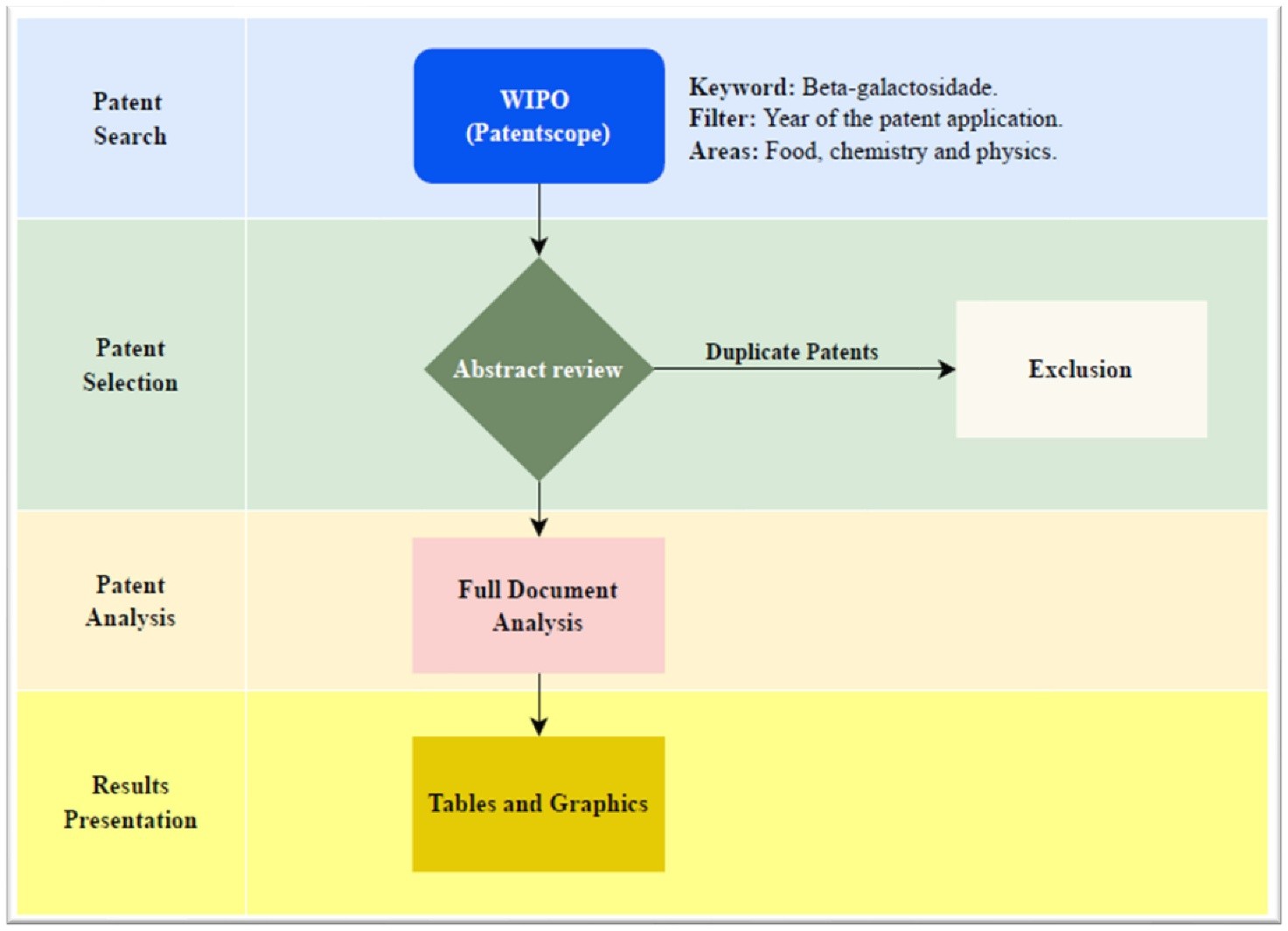
To start our analysis on β- galactosidase patents, a search was carried out using the Patentscope platform (https://patentscope.wipo.int/search/pt/search.jsf). Patentscope is a search tool of the World Intellectual Property Organization (WIPO) database that provides free access to documents from several countries, including deposits via the Patent Cooperation Treaty (PCT). For data collection, the keyword was “β-galactosidase”, and patents published from 2010 to 2020 were selected. After an abstract reading, only documents related to food processing were analyzed and distributed into the following categories: analytical determination, enzyme improvement, technological processes, and products. Exclusion criteria were documents that did not meet the study purpose and duplicate patent applications.
During the search, 533 patents were found, and only 108 patents were selected for full document analysis. The documents were examined in full and analyzed according to patent title, office, application number, publication number, publication date, Grant number, grant date, patent status, ICP code, country, applicants, inventors, abstract, patent purpose, and target audience.
After analyzing each patent individually, recurring patterns in the approaches adopted by the inventors were identified. Based on these patterns, the patents were grouped into classification categories. The defined categories were: analytical determination, which includes patents describing innovative methods for the identification of galacto-oligosaccharides in powdered food products; enzyme improvement or enhancement, referring to previously known enzymes that underwent modification processes to improve performance and/or adaptability, such as increased efficiency in galacto-oligosaccharide production and enhanced resistance to heat and cold; process, which encompasses the development of new β-galactosidases aimed at the efficient production of galacto-oligosaccharides and/or improved thermal stability; and product, which refers to β-galactosidases applied in product processing, such as in the production of food additives, control of diacetyl in yogurt, and degradation of N-glycolylneuraminic acid in yak meat.
All selected patents were used for different analysis such as patent application timeline, geographical distribution, research institutions involved, researchers, and companies’ applicants, number of patents published, patent application area, and technological trends in β-galactosidase.
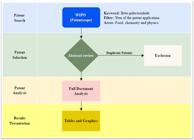
The results were realized using the Excel® program. Figure 1 shows all the steps in data collection and patent analysis found in this technological prospection study of β-galactosidase enzyme.
3 Results and discussion
Patent studies allow us to understand the direction of innovation. This innovation subject was discussed in detail in the 2022 WIPO report. The direction of innovation results from the dynamic interaction among various decisions made by individuals, universities, and governments in different fields. It is not just a matter of how economies invest in new ideas. The allocation of human and financial resources for different innovation activities can define the direction of innovation in communities, countries, and even the whole world in the coming decades. A clear example of innovation direction was the COVID-19 crisis that changed medical practice and accelerated the adoption of digital technologies. Many changes were already underway, but the pandemic highlighted the urgency of "going digital" and created opportunities to introduce operational improvements, such as virtual medical consultations. In addition, the successful public-private partnership that led to identifying and developing the COVID-19 vaccine demonstrated how policies can be useful in redirecting innovation efforts towards a common goal.
While technological and scientific opportunities may be plentiful, the financial and human resources to invest in innovation are limited. Research with innovation can end in spectacular success, while others can lead to a dead end. This uncertainty, according to the same report, is a crucial point to determine whether it is worth investing in research (WIPO, 2022).
We found 533 patent documents related to β-galactosidase enzymes at the WIPO database from 2010 to 2020. After a detailed analysis of these documents, only patents referring to food processing were selected. In addition, duplicate patents (documents deposited in more than one country) were excluded. At the end, 108 documents were selected for this study.
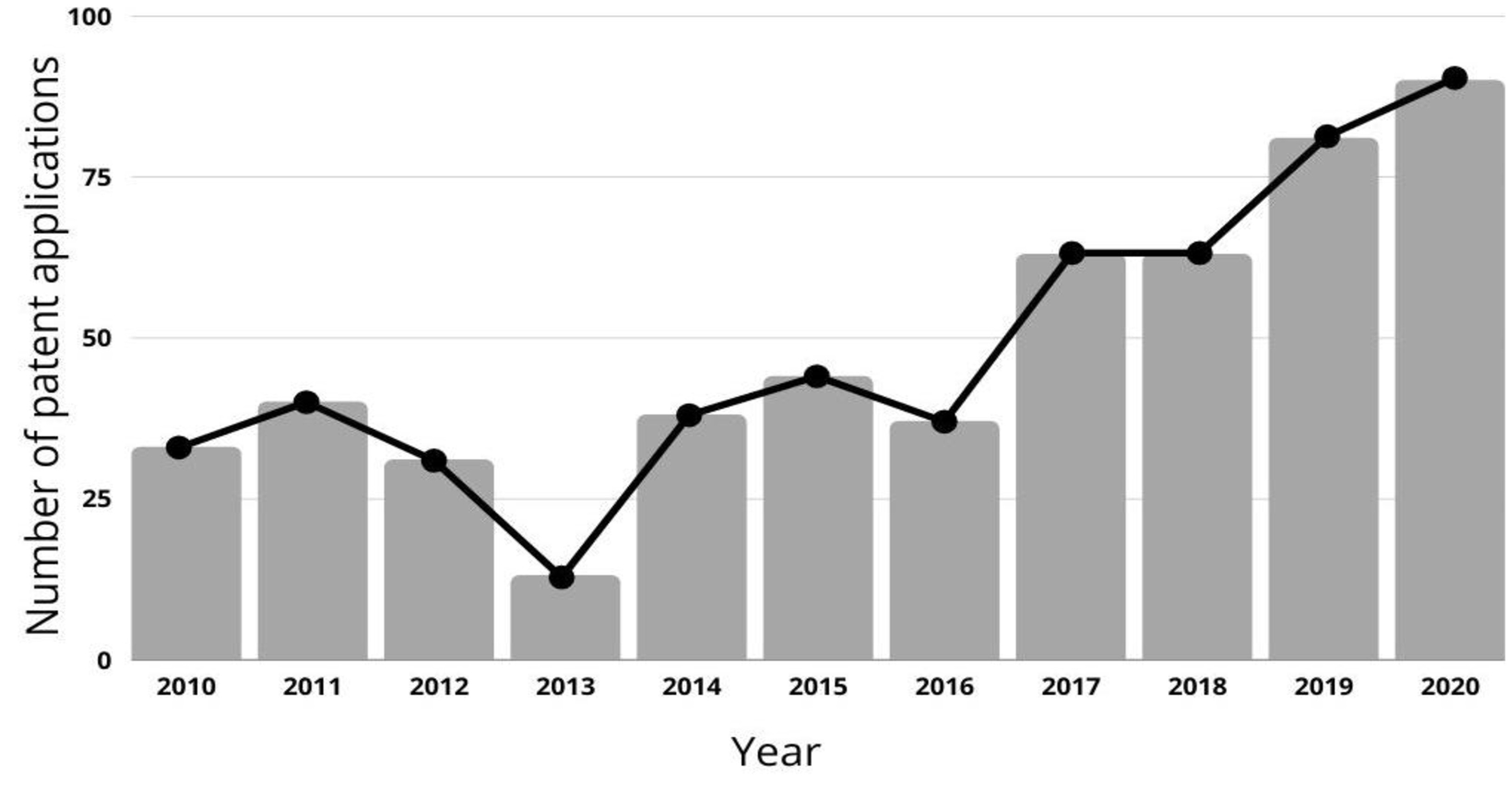
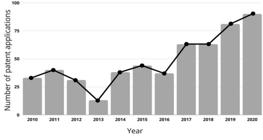
Considering these patents, we verified that from 2017 (Figure 2), there was a considerable increase in patent applications, suggesting a greater interest in this enzyme in several segments, and providing advances in scientific development and creation of new technological processes.
Factors that have provided an increase in the hydrolytic enzymes market in the dairy industry include the need to obtain more efficient enzymes and increased consumer market demand, as well as the lack of need to use extreme conditions of pH and temperature for the process, making it environmentally friendly (Kocabaş et al., 2022; Acharya et al., 2023). In addition, various research and development activities have further contributed to market growth.
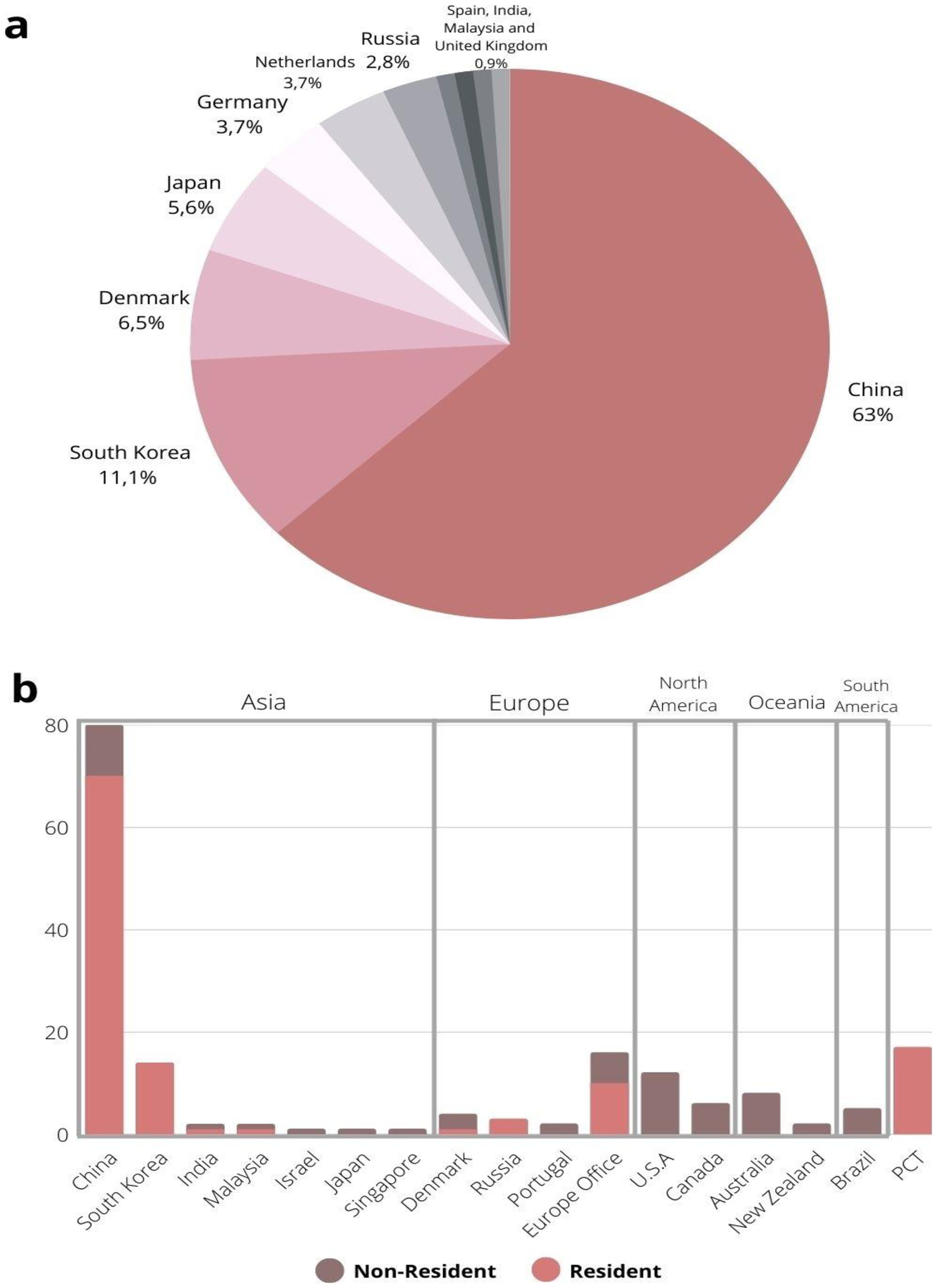
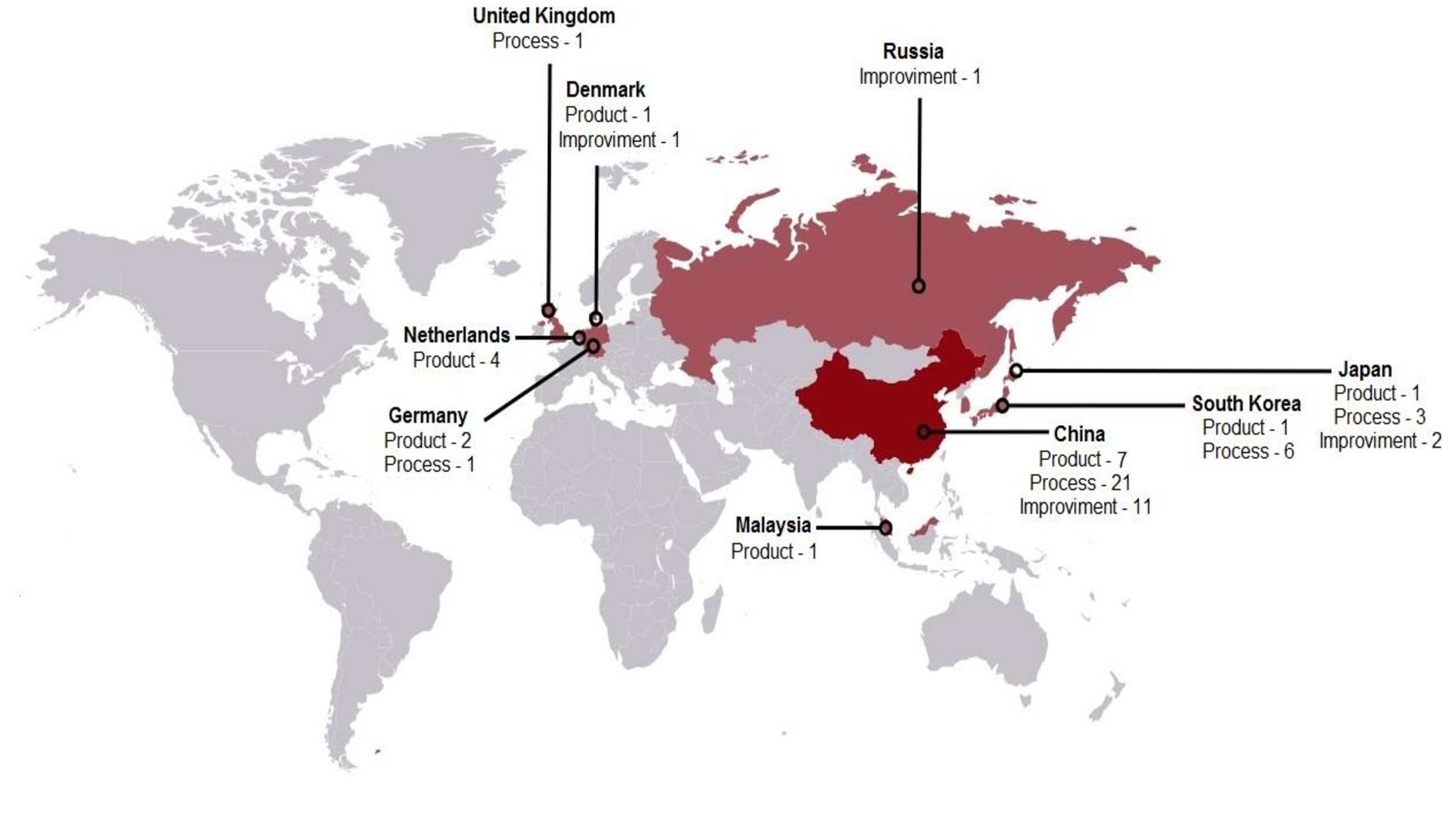
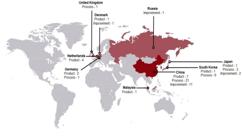
The distribution of patent applications referring to requesting countries indicated that China stood out as the holder of the majority of patent deposits, representing 63% (Figure 3a) in innovations related to the β-galactosidase enzyme.

In 2016, China received more patent applications than the United States, Japan, South Korea, and the European Patent Office combined. This phenomenon can be explained by the preparation of the first Chinese patent legislation in 1986, which went through some updates that facilitated and increased its annual patent deposits. These results are confirmed by the data published by Rainatto et al. (2020), which indicated China as the country with the highest number of patent applications. Investment in innovation is a policy in China and aims to encourage and disseminate new knowledge, as innovation translates into new medicines, new communication technologies, and new solutions to global challenges that benefit not only China but also the whole world. In addition to China, patent applications related to β-galactosidase were filed in another 14 patent offices around the world (Figure 3b). Patent applications from South Korean and Russian offices were resident, in other words, patents residing in the jurisdiction represented by the office, indicating the interest of these nations to keep the inventions in their country of origin. In contrast, the other countries that received patent applications were classified as non-residents (patent applicants outside their respective jurisdiction), except for Denmark, India, and Malaysia, which had patent applications filed as resident and non-resident. It is worth highlighting the predominance of non-resident patent applications in the United States, for being one of the largest economies in the world, ranked third in the classification of the global innovation index 2021 by WIPO, generating great interest on the part of the inventors of new technologies and products.
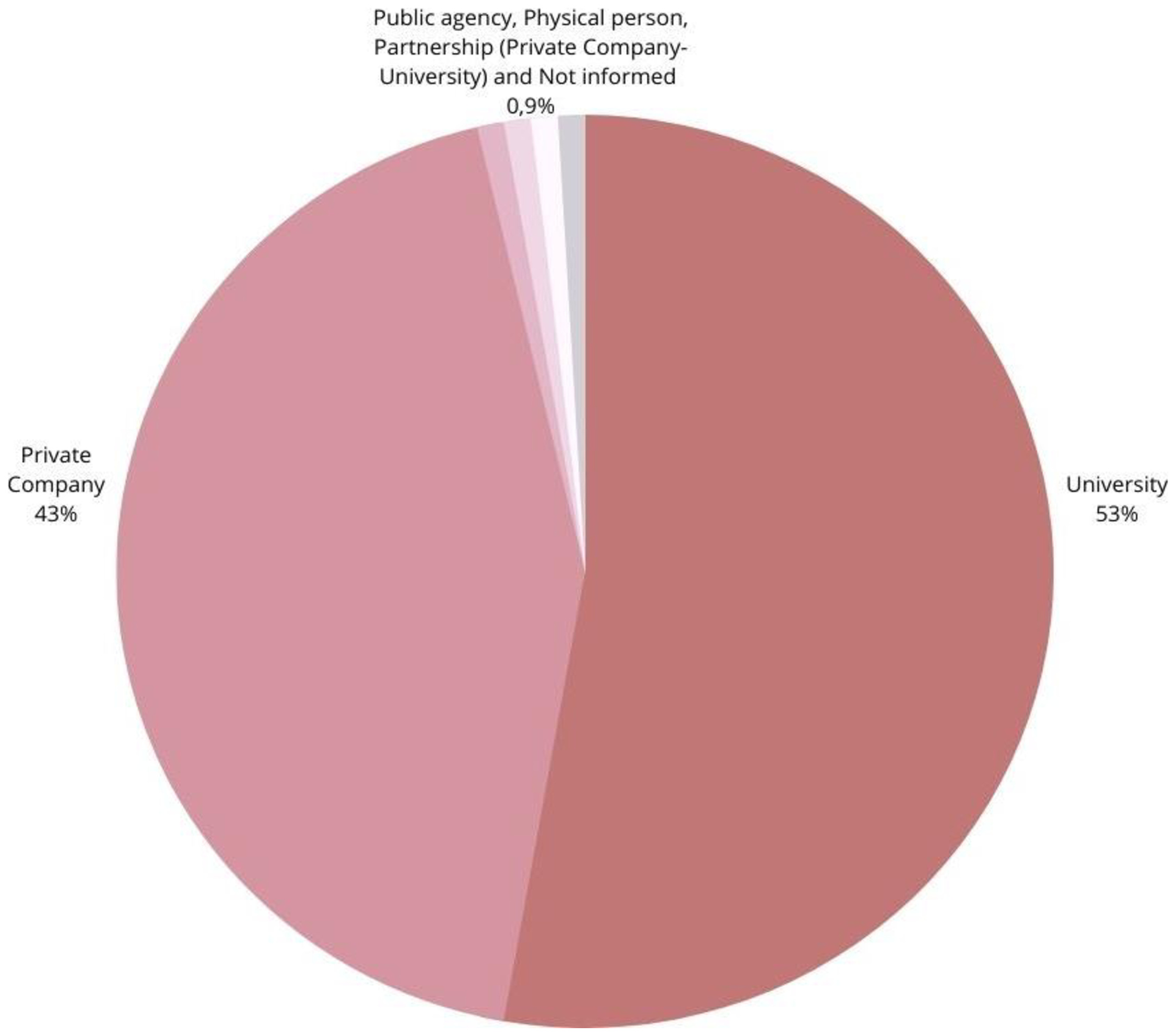
For patent applicants’ profiles (Figure 4), we observed that 53% of patent documents came from universities, 43% from private companies, and 3% from partnerships between universities and private companies. Both universities and private companies have mastery of technology for the development of innovations related to β-galactosidase; however, this knowledge has been applied separately, with few partnerships being established.
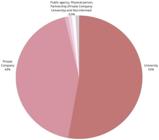
Patents from universities were predominant; this result indicated the potential for technological growth through the efforts of the academic area, and the gain in scientific knowledge was financed, in most cases, by public funds. This predominance can be explained by the fact that funding agencies have adopted, in recent decades, a more pragmatic and realistic view of science. It has been concluded that it is necessary for scientists to develop science and assume responsibility for the application and protection of knowledge through patents.
In the overall context, among the six leading applicant institutions, Jiangnan University ranked first, with a total of twelve patent applications related to β-galactosidase technologies. Of these, ten patents were granted, and two were rejected. FrieslandCampina Nederland B.V. and Amano Enzyme Inc. followed, each with five patent applications. Genofocus Co., Ltd. and Shandong University each submitted four applications, whereas Shanghai University accounted for three patent filings. This institutional distribution is consistent with the overall trend identified in the manuscript, in which universities and research-centered organizations play a predominant role in driving innovation in β-galactosidase–based processes and products.
Regarding the category of patent applications (Table 1), 43% of patents were classified as technological processes, 36% as products, 19% enzyme enhancement, and 2% as analytical determination. In the technological processes category, the patents are related to improved β-galactosidase enzyme in production processes, such as β-galactosidase used in the production of galactooligosaccharides (GOS) on a large scale (Youl et al., 2015). In this category, it was observed that 37% of the patents were related to the use of β-galactosidase in the production of GOS and 33% were related to β-galactosidase production by new strains of microorganisms (Table 1). The product category is related to patents that use β-galactosidase in the process of obtaining a final product, such as yogurt with a low lactose content (Kai et al., 2022).
Regarding the product category, a large number of patents (44%) related to β-galactosidase in GOS production were verified (Table 1). The enzyme improvement category is related to the enzyme adapted to cold or heat (Schöller et al., 2022), and in the analytical determination category, the enzyme is used in the determination of GOS in milk powder (Wei, 2020).
This result is related to the number of patents associated with β-galactosidase improvement for greater transgalactosylation activity to efficiently obtain GOS, which reaffirms the growing interest of researchers in the use of β-galactosidase for GOS production (Yin et al., 2017). Patents related to the analytical determination category had little representation in this study, both patent documents related to this category demonstrated their importance in mitigating the problems of inaccurate test results during GOS determination in powdered food products caused by the interference of many substances (Wei, 2020). The enzyme improvement category also presented a significant number of patents related to β-galactosidase for GOS production (33%), and enzyme improvement for heat resistance was more prominent (38%).
The innovation trend of β-galactosidase enzyme (Figure 5), according to geographical analysis, showed that China is the leading country for filing patents related to β-galactosidase with 39 patents, followed by South Korea with 7 patents and Japan with 6 patents. This profile of applicant countries is important and reveals the regions with the greatest interest in protecting new technologies through patents. This result is in agreement with Markets and Markets (2020) report, which describes that China is the dominant country in the enzyme market.
The use of β-galactosidase in GOS production is predominant, and it is increasing in the food area, indicating the innovation path for this enzyme. For GOS production, the enzyme catalyzes a transgalactosylation reaction in which lactose in a mixture serves as a galactosyl acceptor, producing the galactooligosaccharides (GOS) (Rodriguez-Colinas et al., 2014). The GOS are defined as non-digestible oligosaccharides and glycosides with prebiotic activity and other functionalities, increasingly used as ingredients in functional foods and some drugs (Yin et al., 2017).
Liburdi & Esti (2022) concluded that due to the fundamental role of galactooligosaccharides in the field of functional foods in recent years, the transgalactosylation activity of β-galactosidases has attracted the attention of many researchers. The authors also describe research that is underway to find newly identified microbial sources of β-galactosidase to remove lactose from milk with GOS production, making the process economically viable. Thermostable enzymes will have great potential in the lactose hydrolysis and will be of particular interest to researchers looking to lower the cost of producing GOS and increase the prebiotic value of lactose-free milk.
The global GOS market was estimated at USD 570 million in 2021 and is estimated to reach USD 850 million in 2027 with an annual growth rate of 6% (Market Data Forecast, 2022). Consumers' change towards healthier eating habits, the search for better quality foods and beverages, the possibility of adding GOS to processed and functional foods, and the presence of nutrients like those found in breast milk are the factors that explain the growth of the β-galactosidase enzyme market and thus indicate the direction for innovation regarding this enzyme.
4 Conclusion
Our study showed that patent analysis was a useful tool for gathering recent information related to β-galactosidase enzyme in food processing. The interest in lactose-free dairy products has increased the number of β-galactosidase patents in the food area in the last five years, especially in the production of galactooligosaccharides (GOS) and dairy-free final products. China emerged as the country with the highest number of β-galactosidase patents suggest that investment in innovation is a policy in China and aims to encourage and disseminate new knowledge, as innovation translates into new medicines, new communication technologies, and new solutions to global challenges that benefit not only China but also the whole world.
-
Cite as:
Silva, J. B., Veloso, N. F. S., Bosso, A., Murata, M. M., & Suguimoto, H. H. (2026). β-galactosidase innovation using patent data from the WIPO Patentscope database. Brazilian Journal of Food Technology, 29, e2025101. https://doi.org/10.1590/1981-6723.1012025
-
Funding:
None.
Data Availability Statement
All data generated or analyzed in this study are included in this published article.
References
-
Acharya, P., Fasim, A., More, V. S., Shivaram, A. K., & More, S. S. (2023). Enzyme technology in value addition of dairy and milk production. In M. Kuddus & M. Hossain (Eds.),Value-addition in beverages through enzyme technology(pp. 77-96). Academic Press. http://doi.org/10.1016/B978-0-323-85683-6.00010-7
» http://doi.org/10.1016/B978-0-323-85683-6.00010-7 - Anisha, G. S. (2017). β-galactosidases. In A. Pandey, S. Negi & C. R. Soccol (Eds.), Current developments in biotechnology and bioengineering: production, isolation and purification of industrial products (pp. 395-421). Amsterdam: Elsevier. http://doi.org/10.1016/B978-0-444-63662-1.00017-8.
-
Amparo, K. K. D. S., Ribeiro, M. D. C. O., & Guarieiro, L. L. N. (2012). Estudo de caso utilizando mapeamento de prospecção tecnológica como principal ferramenta de busca científica. Perspectivas em Ciência da Informação, 17(4), 195-209. http://doi.org/10.1590/S1413-99362012000400012
» http://doi.org/10.1590/S1413-99362012000400012 - Byfield, J., Cardenas, S., Alméciga-Diaz, C. J., & Sánchez, O. F. (2010). β-galactosidase and galactooligosaccharides production and applications. Recent Patents on Chemical Engineering, 3(1), 17-29.
-
Catanzaro, R., Sciuto, M., & Marotta, F. (2021). Lactose intolerance: an update on its pathogenesis, diagnosis, and treatment. Nutrition Research, 89, 23-34. PMid:33887513. http://doi.org/10.1016/j.nutres.2021.02.003
» http://doi.org/10.1016/j.nutres.2021.02.003 -
Instituto Nacional de Propriedade Intelectual – INPI. (2020) Guia Básico Retrieved in 2020, November 2, from https://www.gov.br/inpi/pt-br/servicos/patentes/guia-basico
» https://www.gov.br/inpi/pt-br/servicos/patentes/guia-basico -
Kai, N., Daotian, F., Zhaofang, G., Yuan, G., Cheng, W., & Fei, M. (2022). CN107279285 – Low-lactose yoghurt and preparation method thereof. Geneva: WIPO. Retrieved in 2022, September 25, from https://patentscope.wipo.int/search/en/detail.jsf?docId=CN205770547&_cid=P12-L8HW9G-67119-1
» https://patentscope.wipo.int/search/en/detail.jsf?docId=CN205770547&_cid=P12-L8HW9G-67119-1 -
Kocabaş, D. S., Lyne, J., & Ustunol, Z. (2022). Hydrolytic enzymes in the dairy industry: Applications, market and future perspectives. Trends in Food Science & Technology, 119, 467-475. http://doi.org/10.1016/j.tifs.2021.12.013
» http://doi.org/10.1016/j.tifs.2021.12.013 - Kupfer, D., & Tigre, P. (2004). Prospecção tecnológica. In: L. A. Caruso, P. B. Tigre (Eds.), Modelo SENAI de Prospecção: Documento Metodológico (Chap. 2, pp. 1-19). Montevideo: OIT/CINTERFOR.
-
Liburdi, K., & Esti, M. (2022). Galacto-oligosaccharide (GOS) synthesis during enzymatic lactose-free milk production: state of the art and emerging opportunities. Beverages, 8(2), 21. http://doi.org/10.3390/beverages8020021
» http://doi.org/10.3390/beverages8020021 -
Liu, P., Chen, Y., Ma, C., Ouyang, J., & Zheng, Z. (2023). β-Galactosidase: a traditional enzyme given multiple roles through protein engineering. Critical Reviews in Food Science and Nutrition, 65(7), 1306-1325. PMid:38108277. http://doi.org/10.1080/10408398.2023.2292282
» http://doi.org/10.1080/10408398.2023.2292282 -
Lu, L., & Xiao, M. (2017). Recent Progress on galactooligosaccharides synthesis by microbial β-galactosidase. In: J. Chen, Y. Zhu, S. Liu (Eds.), Functional carbohydrates (pp. 147-182). Boca Raton: CRC Press. http://doi.org/10.1201/9781315371061-5
» http://doi.org/10.1201/9781315371061-5 -
Lu, L., Guo, L., Wang, K., Liu, Y., & Xiao, M. (2020). β-Galactosidases: a great tool for synthesizing galactose-containing carbohydrates. Biotechnology Advances, 39, 107465. PMid:31689470. http://doi.org/10.1016/j.biotechadv.2019.107465
» http://doi.org/10.1016/j.biotechadv.2019.107465 -
Maity, M., Majumdar, S., Bhattacharyya, D. K., Bhowal, J., Das, A., & Barui, A. (2023). Evaluation of prebiotic properties of galactooligosaccharides produced by transgalactosylation using partially purified β-galactosidase fromEnterobacter aerogenesKCTC2190. Applied Biochemistry and Biotechnology, 195(4), 2294-2316. PMid:35841532. http://doi.org/10.1007/s12010-022-04073-6
» http://doi.org/10.1007/s12010-022-04073-6 -
Mano, M. C. R., Paulino, B. N., & Pastore, G. M. (2019). Whey permeate as the raw material in galacto-oligosaccharide synthesis using commercial enzymes. Food Research International, 124, 78-85. PMid:31466653. http://doi.org/10.1016/j.foodres.2018.09.019
» http://doi.org/10.1016/j.foodres.2018.09.019 -
Markets and Markets. 2020. Lactase Market Retrieved in 2022, September 12, from https://www.marketsandmarkets.com/Market-Reports/lactase-market-125332780.html
» https://www.marketsandmarkets.com/Market-Reports/lactase-market-125332780.html -
Market Data Forecast. 2022. Galacto-oligosaccharides (GOS) Market Retrieved in 2022, September 10, from https://www.marketdataforecast.com/market-reports/galacto-oligosaccharide-market
» https://www.marketdataforecast.com/market-reports/galacto-oligosaccharide-market -
Movahedpour, A., Ahmadi, N., Ghalamfarsa, F., Ghesmati, Z., Khalifeh, M., Maleksabet, A., Shabaninejad, Z., Taheri‐Anganeh, M., & Savardashtaki, A. (2022). β‐Galactosidase: from its source and applications to its recombinant form. Biotechnology and Applied Biochemistry, 69(2), 612-628. PMid:33656174. http://doi.org/10.1002/bab.2137
» http://doi.org/10.1002/bab.2137 -
Murata, M. M., Ito Morioka, L. R., Marques, J. B. S., Bosso, A., & Suguimoto, H. H. (2021). What do patents tell us about microalgae in agriculture? AMB Express, 11(1), 154. PMid:34816320. http://doi.org/10.1186/s13568-021-01315-4
» http://doi.org/10.1186/s13568-021-01315-4 -
Rainatto, G. C., Silva, O. R., Andrade, N. D., Almeida, E., Cipriani, P. D., Saboya, T., Conceição, R. T., & Bastos, W. F. (2020). A new proposal for innovation indicators: a study of the world’s largest patent producing countries. International Journal of Business and Management, 14(4), 201-209. http://doi.org/10.5539/ijbm.v15n4p201
» http://doi.org/10.5539/ijbm.v15n4p201 -
Raj, H., Smith, P., Eckhardt, T., Vojinovic, V., Scholler, C. E. G., & Van Den Brink, J. M. (2018). Canada Patent No. CA3059277 – Lactase enzymes with improved properties. Geneva: WIPO. Retrieved in 2022, September 25, from https://patentscope.wipo.int/search/en/detail.jsf?docId=CA275631269&_cid=P12-L8HWRV-70463-1
» https://patentscope.wipo.int/search/en/detail.jsf?docId=CA275631269&_cid=P12-L8HWRV-70463-1 -
Rodriguez-Colinas, B., Fernandez-Arrojo, L., Ballesteros, A. O., & Plou, F. J. (2014). Galactooligosaccharides formation during enzymatic hydrolysis of lactose: towards a prebiotic-enriched milk. Food Chemistry, 145, 388-394. PMid:24128493. http://doi.org/10.1016/j.foodchem.2013.08.060
» http://doi.org/10.1016/j.foodchem.2013.08.060 -
Santos, F. L., Ferreira, M. A., Pires, E. A., Oliveira, F. S. D., Silva, C. F. G. D., & Vieira, R. B. (2014). Análise das patentes de tecnologias relacionadas aos probióticos, prebióticos e simbióticos no Brasil. Brazilian Journal of Food Technology, 17(3), 252-258. http://doi.org/10.1590/1981-6723.2114
» http://doi.org/10.1590/1981-6723.2114 -
Saqib, S., Akram, A., Halim, S. A., & Tassaduq, R. (2017). Sources of β-galactosidase and its applications in food industry. 3 Biotech, 7(1), 79. PMid:28500401. http://doi.org/10.1007/s13205-017-0645-5
» http://doi.org/10.1007/s13205-017-0645-5 -
Schöller, C. E. G., Raj, H., Brink, J. M. V. D., Smith, P., Eckhardt, T., & Vojinovic, V. (2022). Brazil Patent No. BR112019021117 – Lactase enzymes enhanced activity at low temperatures. Geneva: WIPO. Retrieved in 2022, September 25, from https://patentscope.wipo.int/search/en/detail.jsf?docId=BR296226662&_cid=P12-L8HWLF-69180-1
» https://patentscope.wipo.int/search/en/detail.jsf?docId=BR296226662&_cid=P12-L8HWLF-69180-1 -
Singh, R. V., & Sambyal, K. (2022). β-galactosidase as an industrial enzyme: production and potential. Chemicke Zvesti, 77(1), 11-31. http://doi.org/10.1007/s11696-022-02507-3
» http://doi.org/10.1007/s11696-022-02507-3 -
Téllez, S., Amaya, Y., Castro, G., Noriega, M., & Serrato, J. C. (2024). Modeling and optimization of enzymatic and fermentation reactions in the production process of a symbiotic fermented milk beverage. Brazilian Journal of Food Technology, 27, e2023129. http://doi.org/10.1590/1981-6723.12923
» http://doi.org/10.1590/1981-6723.12923 -
Wei, S. (2020). China Patent No. CN104655771A – Method for testing content of galactooligosaccharide in formula milk powder. Beijing: PONY Testing Technology Co. Retrieved in 2020, November 22, from https://patents.google.com/patent/CN104655771A/zh?oq=CN104655771A
» https://patents.google.com/patent/CN104655771A/zh?oq=CN104655771A -
World Intellectual Property Organization – WIPO. 2022. World Intellectual Property Report 2022: The direction of innovation Geneva: WIPO. Retrieved in 2022, September 25, from https://www.wipo.int/edocs/pubdocs/en/wipo-pub-944-2022-en-world-intellectual-property-report-2022.pdf
» https://www.wipo.int/edocs/pubdocs/en/wipo-pub-944-2022-en-world-intellectual-property-report-2022.pdf -
Xavier, J. R., Ramana, K. V., & Sharma, R. K. (2018). β‐galactosidase: biotechnological applications in food processing. Journal of Food Biochemistry, 42(5), e12564. http://doi.org/10.1111/jfbc.12564
» http://doi.org/10.1111/jfbc.12564 -
Yin, H., Pijning, T., Meng, X., Dijkhuizen, L., & van Leeuwen, S. S. (2017). Engineering of the Bacillus circulans β-galactosidase product specificity. Biochemistry, 56(5), 704-711. PMid:28092444. http://doi.org/10.1021/acs.biochem.7b00032
» http://doi.org/10.1021/acs.biochem.7b00032 -
Youl, C. J., Gu, P. J., Hwan, P. S., & Joong, K. E. (2015). European Patent Office Patent No. EP3147357 – Novel Beta-galactosidase. Geneva: WIPO. Retrieved in 2022, September 25, from https://patentscope.wipo.int/search/en/detail.jsf?docId=EP193698361&_cid=P12-L8HVIZ-63059-1
» https://patentscope.wipo.int/search/en/detail.jsf?docId=EP193698361&_cid=P12-L8HVIZ-63059-1
Edited by
-
Associate Editor:
Juliano Lemos Bicas.