 Pharmacotherapy follow-up in hiv-positive patients: impact on mental health and quality of life
Abstract
Research on anxiety and its treatment among HIV-infected individuals is limited, despite its high prevalence. HIV-positive patients often consume many anxiolytic/hypnotic medications. Pharmacotherapeutic monitoring and multidisciplinary pharmaceutical intervention can improve treatment adequacy, health education, detection of inappropriate prescriptions, drug interactions, patient satisfaction, reduce morbidity and mortality and general health care costs. The objective of the study was to evaluate the impact of pharmacotherapeutic monitoring on the rational use of anxiolytics/hypnotics in HIV-positive patients on antiretroviral therapy. Three pharmaceutical consultations were carried out according to the Dáder method, using the STAI (State/Trait Anxiety Inventory) to assess anxiety levels, and pharmaceutical interventions were carried out. In the first pharmaceutical consultation, all patients presented severe anxiety. In the third consultation, the average was statistically lower in the two anxiety conditions evaluated. In the group of patients where health problems were resolved or partially resolved there was a lower level of anxiety, suggesting that the resolution of health problems through pharmaceutical interventions promoted a reduction in anxiety. It was concluded that pharmaceutical assistance provided through health education integrated with pharmacotherapeutic monitoring using the Dáder Method has a positive impact on the rational use of anxiolytics/hypnotics in HIV-positive patients on antiretroviral therapy.
Keywords:
HIV; Mental Health; Practice Patterns; Pharmacists; Drug Therapy
INTRODUCTION
The human immunodeficiency virus (HIV) was identified as the causative agent of the acquired immunodeficiency syndrome (AIDS) in 1983 (Tavares, Marinho, 2015). Nowadays, AIDS is considered a chronic disease that can be kept under control by the use of "highly active antiretroviral therapy" (HAART), considered to be revolutionary to this treatment (Ministério da Saúde, 2018). The United Nations programme on AIDS (UNAIDS), and likewise the World Health Organization (WHO) programme on the same theme, estimates that in 2021, around 38.4 million people were living with HIV globally. In contrast, approximately 1.5 million people were newly infected with HIV during this period, compared to 3.2 million in 1996 (UNAIDS, 2022).
At global scale, the morbidity and mortality profile of people living with HIV/AIDS (PLWHA) changed after the arrival of the combination antiretroviral therapy (cART), which contributed to a decrease in the incidence of events associated to AIDS and to an increase in survival of infected patients (Agência Brasil, 2021; Chaudhury, Bakhla, Saini R, 2021; Luz et al., 2014). It is highlighted that psychiatric disorders in people living with HIV/AIDS (PLWHA) may lead to losses in the adherence to antiretroviral treatment and increase the risk of disease transmission. Studies reveal that individuals with depression, generalized anxiety and panic disorder present nearly three times more susceptibility to not adhere to the treatment than those with other psychiatric disorders. A systematic review showed the prevalence of depression and anxiety in PLWHA ranges from 7.2% to 71.9% and 4.5% to 82.3%, respectively (Chaudhury, Bakhla, Saini R, 2021). Anxiety and depression are highly prevalent among patients with medical conditions and have been consistently associated with worse health outcomes and greater use of healthcare services. According to DiMatteo, Lepper & Croghan (2000), depressed patients are approximately three times more likely to be noncompliant with prescribed medical treatments compared to those without depression. This strong association highlights depression as a significant risk factor for nonadherence, which can, in turn, compromise the effectiveness of treatment and contribute to disease progression. Additionally, depression and anxiety may negatively influence immune function through physiological pathways involving increased inflammation and dysregulation of the hypothalamic-pituitary-adrenal axis, further exacerbating the course of chronic illnesses. Recognizing and managing these mental health conditions is therefore essential not only for psychological well-being but also for improving adherence and clinical outcomes in patients with chronic medical conditions.
When occurring alongside HIV, anxiety disorders can lead to serious consequences, including worse adherence to antiretroviral therapy, increased substance use, risky sexual behavior, suicidal thoughts and behaviors, cognitive impairment, and reduced quality of life (Brandt et al., 2017). Guidelines emphasize the importance of early detection of neuropsychiatric comorbidities and referring people with HIV with a suspected diagnosis to receive specialized care, according to European AIDS Clinical Society (EACS) Guidelines (2020). Overall, HIV-positive patients often face significant psychological burdens, including anxiety and depression, which can compromise treatment adherence and overall quality of life. Despite the frequent prescription of anxiolytics in this population, their use is not always aligned with clinical guidelines, leading to potential misuse and dependence. In this context, pharmacist-led interventions, particularly through pharmacotherapeutic follow-up in a multidisciplinary setting, may contribute significantly to improving the rational use of these medications, enhancing mental health outcomes, and promoting better quality of life.
Therefore, the present study aims to evaluate the impact of pharmacotherapeutic monitoring and pharmacist intervention, in collaboration with a multidisciplinary team, on the rational use of anxiolytics among HIV-positive patients.
MATERIAL AND METHODS
This is a quasi-experimental study, in which pharmaceutical interventions were conducted through pharmacotherapy follow-up. This research was conducted at the pharmacists’ offices at the Virgen de las Nieves University Hospital, Granada, Spain. The sample population consisted of patients who received care through the outpatient pharmaceutical care services and were taking antiretroviral therapy and anti-anxiety agents. This intervention was performed over a 12 months period, with each patient receiving at least 3 pharmacy consultations.
The study consisted of HIV-positive patients on antiretroviral therapy with an age over 18 years-old and that were also taking anxiolytics. For the purpose of the study, we selected a convenience sample: all patients who received care at the pharmaceutical service of the Hospital's Outpatient Unit were eligible, provided they met the established inclusion criteria for the study and that they were present at the pharmaceutical consultations during the study period.
Patients involved in other clinical trials, as well as those with speech impediments that would hinder their ability to participate in the study, were excluded. Participants were approached during outpatient clinic visits, during which time the study was presented and invitations to take part were made. The study was carried out from November 2014 to December 2015, with a 12-month follow-up period per patient. Upon agreement, they were required to sign the informed consent form. The study was developed in Spain, in the context of post-doctoral research, funded by Ciência sem Fronteiras-CNPq, Brazil, with authorization and opinion from the Ethics and Research Committee of the Granada Center (CEI-GRANADA). The intervention involved the pharmacotherapeutic follow-up done according to the Dáder method (Hernandez, Castro, Dáder, 2014). This method consists of face-to-face meetings between the patient and the pharmaceutical professional, which facilitates the execution of a primary assessment, identification of pharmacotherapeutic problems, implementation of interventions to solve and/or prevent the negative clinical outcomes originated from the use of medicines, followed by the patient´s evolution and new health status assessment. The interventions were referred directly to the patient in case of a lifestyle modification and in case of improvement in adherence to treatment, or even in the case of contacting the physician responsible for care, when it was about suggesting therapeutic modifications. Level of anxiety was used as the dependent variable.
It was measured by the State/Trait Anxiety Inventory (STAI). This is a validated test and consists of two parts with 20 questions each, marked on a four-point scale (0-3). The independent variables were sociodemographic (gender, age, education and occupation activity), clinical (route of transmission, time of diagnosis, lifestyle, clinical status, associated diseases, viral load, and CD4 count), pharmacological (antiretroviral therapy time and with anxiolytics, antiretrovirals utilized anxiolytics utilized, duration of treatment, other therapies, drug allergy, treatment adherence (Simplified Medication Adherence Questionnaire -SMAQ) and adverse reactions, type of drug-related issues, and negative drug-related results and their causes), as well as the intervention-related variables (type of intervention, number of interventions carried out, acceptability). Sociodemographic and clinical information and pharmacological characteristics were obtained from the patient´s interview at the moment of consultation and analysis of the electronic health record. Adherence to antiretroviral treatment was obtained through electronic dispensing records and SMAQ via interview. The Anxiety assessment was done through the State/Trait Anxiety Inventory (STAI) during patient consultation. A descriptive data analysis was carried out according to the levels of trait-state anxiety, considering the means of each as a cutoff point. To compare the possible differences among the different independent variables and anxiety levels, a bivariate analysis was carried out, using Student's t-test for independent samples after checking of normality, and the Mann-Whitney test in cases in which the hypothesis was unfulfilled. For qualitative variables, Pearson's or Fisher's chi-squared test was used in cases where the applicability conditions were not met. To check whether the change in anxiety levels is statistically significant, the ANOVA test of repeated measures was used, with Bonferroni's post hoc comparisons. The level of significance considered was p<0.05. The data was analyzed with IBM SPSS Statistics 19 software.
RESULTS
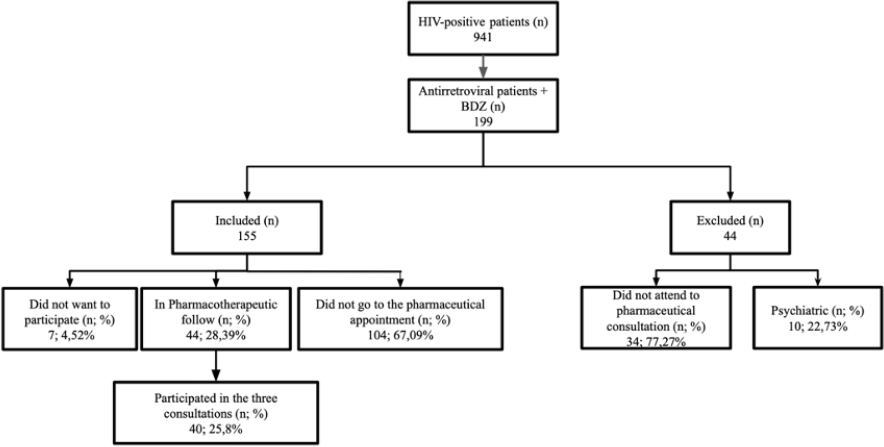
All electronic health records (n=941) of HIV-positive patients on an antiretroviral therapy who received care at the pharmacists’ offices at the Virgen las Nieves University Hospital were evaluated. The previously mentioned evaluation´s goal was knowing these patients’ clinical history and thereby improving the focus of the study. As demonstrated in Figure 1, from the 941 HIV positive patients, 199 used antiretroviral combined with anxiolytics and/or hypnotics. Out of these patients, 155 were included in the study and 44 were excluded. Among those included, 44 patients began the pharmacotherapeutic follow-up and 40 of them attended the three suggested consultations.
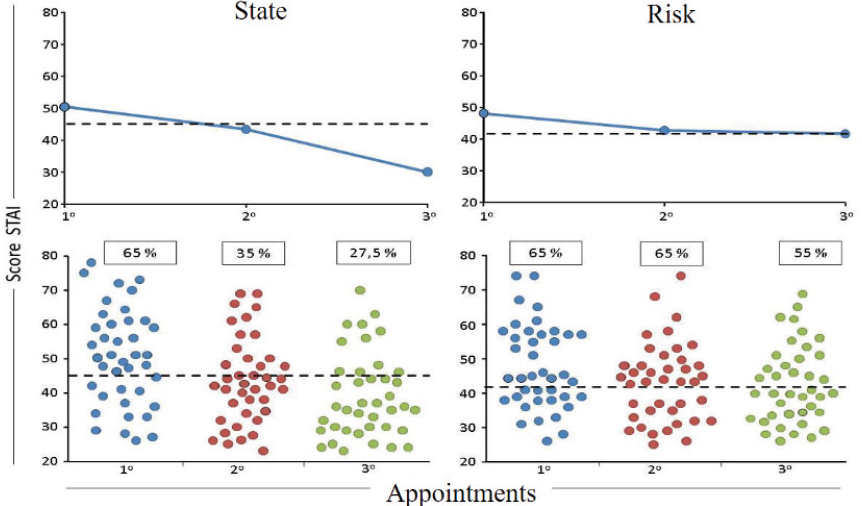
In order to better understand the patients' profile, they were separated according to the cutoff point proposed by STAI. As can be observed in Table I, there were no meaningful differences between sociodemographic characteristics among patients presenting mild/moderate or severe anxiety for both anxiety as a state and for risk. Figure 2 presents the mean for anxiety level as a state (top left chart) and risk (top right chart) according to STAI in the three pharmaceutical consultations, and distribution of patients in line with anxiety level as state (bottom left chart) and risk (bottom right chart). Table II presents the pharmacological profile of HIV positive patients on antiretroviral therapy and anxiolytic/hypnotics classified in anxiety (state and risk) mild/moderate or severe.
Sociodemographic profile of HIV-positive patients on antiretroviral therapy and anxiolytic/hypnotics classified in accordance with level of anxiety (state and risk) mild/moderate or severe, in line with STAI (n=40)
Pharmacological profile of HIV-positive patients on antiretroviral therapy and anxiolytic/hypnotics classified in mild/moderate or severe anxiety (state and risk) (n=40)
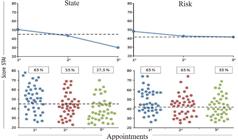
Figure 3 presents the mean of anxiety level as state and risk by means of STAI, in the three pharmaceutical consultations and patients’ distribution according to anxiety level as a state and risk.
Mean of anxiety level as state (top left chart) and risk (top right chart) by means of STAI, in the three pharmaceutical consultation and patients’ distribution according to anxiety level as a state (bottom left chart) and risk (bottom right chart).
DISCUSSION
As can be seen in Figure 1, a large number of patients (104) met the criteria for inclusion in the study, however, they did not attend the consultation on the scheduled date and also for subsequent inclusion in the project. A strong association was demonstrated between the pharmacist's assessment of non-adherence to antiretrovirals and a change of regimen and the role of the pharmacist as a member of the interdisciplinary team, as well as their contribution to health care, was described (Samuel et al., 2018). Therefore, this large number of patients absent from the appointment reinforces the need to expand the discussion around this topic with the multidisciplinary team, in order to invest in a care model that aims to understand the reasons why patients miss their pharmaceutical appointment and, therefore, remain without adequate treatment.
In recent years, new global initiatives in response to the AIDS crisis have dramatically affected - and often significantly improved - the way developing countries source, distribute and manage pharmaceutical products. Several developments related to treatment expansion, initially focused on AIDS-related products, advance frameworks to increase access to medicines for other diseases that disproportionately affect resource-limited countries and to strengthen health systems generally. A hospital in South Africa has developed new tools to decentralize the delivery of antiretroviral therapy to local clinics, bringing treatment closer to patients and shifting responsibility from scarce pharmacists to lower-level pharmaceutical staff. The system was successfully expanded to patients with other chronic conditions, such as mental illness (Embrey, Hoos, Quick, 2009).
To understand the profile of anxiolytic/hypnotic use by patients according to the STAI anxiety level classification (Table II), it should be noted that there were no significant differences in most of the variables evaluated. However, patients with mild/ moderate levels of anxiety had a greater number of unnecessary medications used compared to patients with severe anxiety, with anxiolytics/hypnotics forming a group of medications consumed by these patients (Chaudhury, Bakhla, Saini R, 2021). It should also be noted that when classifying anxiety as a state, patients in a more severe situation presented a greater amount of the “improve adherence” intervention compared to patients who had mild/ moderate levels of anxiety. The aforementioned data indicate that “non-adherence” to treatment on the part of the patient may be related to higher levels of anxiety, thus pointing to the need to work on this issue with the patient. Adherence to treatment is considered the main determinant of the therapeutic effect. As shown in Figure 2, in the assessment of anxiety, all patients obtained score values above the cutoff point for both state and risk in the first pharmaceutical consultation. In the third pharmaceutical consultation, it was observed that the median was statistically lower in the two anxiety conditions evaluated. The lower part of Figure 1 shows the reduction in the percentage of patients with score values above the cutoff point throughout pharmaceutical consultations, both for anxiety as a state and for risk.
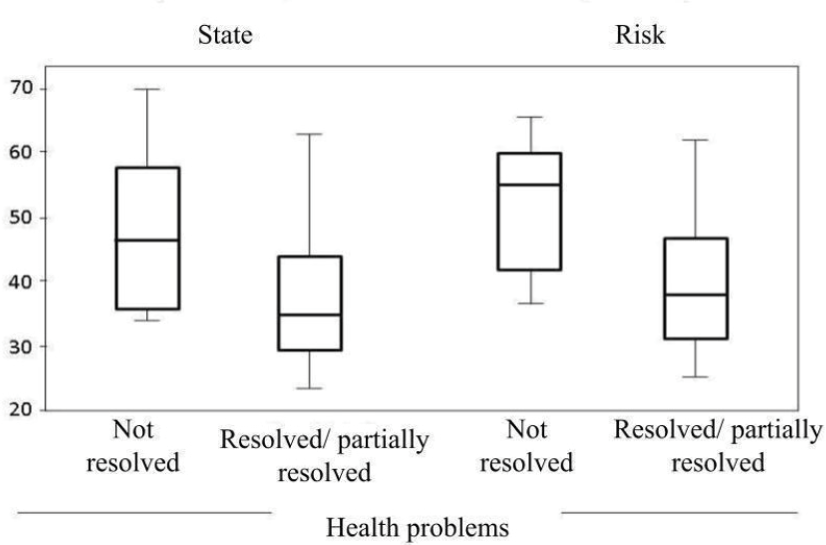
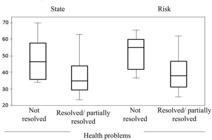
Another interesting finding was to observe that no group of patients in which health problems were resolved or partially resolved had a lower level of anxiety, noting that the resolution of health problems through pharmaceutical disciplines promoted a reduction in anxiety both as a state and as a risk. Several studies have demonstrated the significant contribution of medications in improving health outcomes for hospitalized and outpatients (Melo, 2020; Ahmed et al., 2022). A blinded, randomized, controlled efficacy trial at 3 Veterans Affairs HIV clinics (HIV Translating Initiatives for Depression Into Effective Solutions [HITIDES]) conducted a HITIDES intervention, which consisted of an external HIV depression care team (a registered nurse, depression care manager, pharmacist and psychiatrist) who provided up to 12 months of collaborative care supported by a decision support system that improved depression and HIV symptom outcomes (Pyne et al., 2011). In some of these studies, the pharmacist drew attention to drug-related problems and provided advice on various aspects, including duration of therapy, drug selection, maximum daily dose, and drug interactions (Wixson, Brouwer, 2014). Furthermore, the involvement of pharmacists in the treatment of HIV in a population of psychiatric patients has increased the appropriateness of antiretroviral therapy, laboratory tests and prophylaxis of opportunistic infections. (Margulis et al., 2021) The Patient-Centered HIV Care Model (PCHCM) integrated community pharmacists with medical service providers and required the sharing of patients' clinical information and collaborative planning of therapy-related actions. The proportions of participants with HIV and mental health problems who were retained in care and the proportion with viral suppression, pre- and post-implementation, were determined. A relative improvement of 13% was reported in both retention [60% to 68% (p = 0.009)] and viral suppression [79% to 90% (p < 0.001)]. Notable improvements were observed among people triple diagnosed with HIV, mental illness and substance use [+36% (50% to 68%, p = 0.036) and +32% (66% to 86%, p = 0.001) in retention and viral infection suppression, respectively], demonstrating that collaborations between community pharmacists and medical providers can improve ongoing HIV care outcomes among people with mental health problems (Byrd et al., 2020). Through the results obtained, it is possible to highlight the population's strong desire for information and guidance regarding the rational use of anxiolytics/ hypnotics and, that said, the important role of the pharmacist. A comprehensive, holistic approach helps to effectively identify and connect HIV-positive patients to care and reconnect patients who may have dropped out of care.Anintegratedmodelof HIVcareserviceshighlighted that adherence counseling is a high-impact pharmacist-led intervention for patients (Melvin, Gipson, 2019) Managing depression treatment using a multidisciplinary team (a psychiatrist, a depression treatment manager and a clinical pharmacist) generates a positive impact on patient adherence, however this measure generates expenses. Therefore, a study demonstrated that telehealth services are acceptable and useful for both HIV patients and their providers (Drummond et al., 2017).
Based on this, it is understood that the context of the use of anxiolytics and hypnotics is complex and multifactorial and that pharmaceutical care programs aimed at the use of psychotropic drugs are vital to gather information about the risks of using these medications. Considering the contribution of mental health disorders to poor outcomes in people with HIV (Pérez-Valero, Blanch, Martínez, 2022), results from this study provide valuable information for improvement in specific areas of care for people with HIV.
Pharmaceutical follow-up is widely recognized in the literature as playing a vital role in ensuring the rational use of medicines and enhancing clinical outcomes (Nascimento et al., 2024; Sánchez-Rubio Ferrándiz et al., 2022; Silva et al., 2021). Studies have shown that pharmacist interventions significantly contribute to treatment adherence, the reduction of adverse events, and optimization of pharmacotherapy (Lozano-Álvarez et al., 2023).
Interprofessionalcollaborationbetweenpharmacists and physicians has also been enhanced through culturally adapted tools, facilitating better clinical communication and shared decision-making (Chen et al., 2023). However, as far as we are aware, this is the first study aimed at improving clinical outcomes of anxiety among HIV patients through pharmacotherapeutic monitoring according to the Dáder method.
The study has some limitations, such as the lack of a control group once the quasi-experimental design was chosen for the ethical principles to be applied. Another limitation was the sample size. Initially, there was a plan to involve a larger number of patients (n=199), including 155 patients that were eligible, but only 40 patients participated in the three appointments. In this study, it was not possible to understand the reasons for non-participation; there is the need to develop another study to understand these patients’ behavior. Furthermore, patients included in the study also presented comorbidities, such as hypertension, diabetes, insomnia and other chronic non-communicable diseases that would not be target in the present study but were considered by the Domingues, Ferrit-Martín & Calleja-Hernández (2016) study. Future studies should also explore how this service model can be adapted or scaled to other settings, particularly in underserved or resource-limited areas. Evaluating its integration into primary health care systems, the use of telehealth strategies, and collaboration with community health workers may provide insights into its broader applicability and sustainability.
CONCLUSION
Pharmaceutical care carried out through health education integrated with pharmacotherapeutic follow-up using the Dáder Method has a positive impact on the rational use of anxiolytic/hypnotics. The results highlight the benefits of the pharmacotherapeutic follow up in supporting mental health through the rational use of medicine and leading to a consequent improvement on the overall quality of life in HIV-positive patients receiving antiretroviral therapy. It is believed that the effectiveness of the adopted strategies may encourage further research and broader implementation of this pharmaceutical service for HIV-positive patients.
DATA AVAILABILITY STATEMENT
All data is available within the article or its supplementary materials
REFERENCES
-
Agência Brasil. HIV: Brasil tem 694 mil pessoas em terapia antirretroviral. Brazil, 2021. Available from: <https://agenciabrasil.ebc.com.br/saude/ noticia/2021-12/hiv-brasil-tem-694-mil-pessoas-em-terapia-antirretroviral>.
» https://agenciabrasil.ebc.com.br/saude/noticia/2021-12/hiv-brasil-tem-694-mil-pessoas-em-terapia-antirretroviral -
Ahmed A, Dujaili JA, Rehman IU, Chuah LH, Hashmi FK, Awaisu A, et al. Effect of pharmacist care on clinical outcomes among people living with HIV/AIDS: A systematic review and meta-analysis. S.I. June, 2022. 18 (6), 2962-2980. Available from:<10.1016/j.sapharm.2021.07.020>
» 10.1016/j.sapharm.2021.07.020 -
Brandt C, Zvolensky MJ, Woods SP, Gonzalez A, Safren SA, O'Cleirigh CM. Anxiety symptoms and disorders among adults living with HIV and AIDS: a critical review and integrative synthesis of the empirical literature. Clin Psychol Rev. 2017 Jan;51:164–84. doi:10.1016/j.cpr.2016.11.005 PMID: 27939443.
» 10.1016/j.cpr.2016.11.005 -
Byrd KK, Hardnett F, Hou JG, Clay PG, Suzuki S, Camp NM, et al. Patient-Centered HIV Care Model Team. Improvements in Retention in Care and HIV Viral Suppression Among Persons with HIV and Comorbid Mental Health Conditions: Patient-Centered HIV Care Model. AIDS Behav. 2020 Dec;24(12):3522-3532. doi: 10.1007/s10461-020-02913-2 PMID: 32415615; PMCID: PMC7666642.
» 10.1007/s10461-020-02913-2 -
Chaudhury S, Bakhla AK, Saini R. Prevalence, impact, and management of depression and anxiety in patients with HIV: a review S.I, 2021. Available from: <https://www.tandfonline.com/doi/full/10.2147/NBHIV.S68956>.
» https://www.tandfonline.com/doi/full/10.2147/NBHIV.S68956 - Chen Y, Liu Y, Zhang X, Zhao Y, Wang L, Wang S. Cross-cultural adaptation and validation of the Physician–Pharmacist Collaboration Instrument (PPCI) in China. BMC Health Serv Res. 2023;23(1):607. PMID: 40058497.
-
DiMatteo MR, Lepper HS, Croghan TW. Depression is a risk factor for noncompliance with medical treatment: meta-analysis of the effects of anxiety and depression on patient adherence. Arch Intern Med. 2000 Jul 24;160(14):2101–7. doi:10.1001/archinte.160.14.2101 PMID: 10904452.
» 10.1001/archinte.160.14.2101 -
Domingues EAM, Ferrit-Martín M, Calleja-Hernández MA. Impact of pharmaceutical care on cardiovascular risk among older HIV patients on antiretroviral therapy. Int J Clin Pharm. 2017 Feb;39(1):52–60. doi:10.1007/s11096-016-0387-1 PMID: 27864732.
» 10.1007/s11096-016-0387-1 -
Drummond KL, Painter JT, Curran GM, Stanley R, Gifford AL, Rodriguez-Barradas M, et al. HIV patient and provider feedback on a telehealth collaborative care for depression intervention. AIDS Care. 2017 Mar;29(3):290-298. doi: 10.1080/09540121.2016.1255704 Epub 2016 Nov 22. PMID: 27871183.
» 10.1080/09540121.2016.1255704 -
Embrey M, Hoos D, Quick J. How AIDS funding strengthens health systems: progress in pharmaceutical management. J Acquir Immune Defic Syndr. 2009 Nov;52 Suppl 1:S34-7. doi: 10.1097/QAI.0b013e3181bbca06 PMID: 19858936.
» 10.1097/QAI.0b013e3181bbca06 -
European AIDS Clinical Society (EACS). EACS guidelines. Version 10.1, October 2020. Brussels: EACS; 2020 [cited 2025 May 8]. Available from: https://www.eacsociety.org/media/guidelines-10.1_finaljan2021_1.pdf
» https://www.eacsociety.org/media/guidelines-10.1_finaljan2021_1.pdf -
Hernandez DS, Castro MMS, Dáder MJF. Método dáder: manual de seguimento farmacoterapêutico. Alfenas, Brazil. 2014; 3. Available from: https://www.unifal-mg.edu.br/gpaf/wp-content/uploads/sites/74/2018/09/Guia-dader-interior-brasil-v4_.pdf
» https://www.unifal-mg.edu.br/gpaf/wp-content/uploads/sites/74/2018/09/Guia-dader-interior-brasil-v4_.pdf - Lozano-Álvarez E, Gastelurrutia MA, Benrimoj SI, García-Cárdenas V. Impact of medication review with follow-up in primary care: A systematic review. Res Social Adm Pharm. 2023 Sep;19(9):940–51. PMID: 37211427.
-
Luz PM, Bruyand M, Ribeiro S, Bonnet F, Moreira RI, Hessamfar M, et al. AIDS and non-AIDS severe morbidity associated with hospitalizations among HIV-infected patients in two regions with universal access to care and antiretroviral therapy, France and Brazil, 2000-2008: hospital-based cohort studies. BMC Infect Dis 2014; 14: 278. Available from: <https://doi.org/http://doi.org/10.1186/1471-2334-14-278>.
» https://doi.org/http://doi.org/10.1186/1471-2334-14-278 -
Margulis A, Uhlyar S, Chin-Beckford N, DeRonde K, Salazar V, Abbo L, et al. Clinical pharmacist input on HIV management may improve antiretroviral prescribing for psychiatric patients. Am J Health Syst Pharm. 2021 Feb 19;78(Suppl 1):S10-S15. doi: 10.1093/ajhp/zxaa310 PMID: 33037816.
» 10.1093/ajhp/zxaa310 -
Melo RC. Health education to provide the rational use of medications and the pharmacist’s contributions in this context. Paraná, Brazil. 2020. 6(5). Available from: <https://ojs.brazilianjournals.com.br/ojs/index.php/BRJD/article/view/10805>.
» https://ojs.brazilianjournals.com.br/ojs/index.php/BRJD/article/view/10805 -
Melvin SC, Gipson J. The Open Arms Healthcare Center's Integrated HIV Care Services Model. Prev Chronic Dis. 2019 Oct 3;16:E135. doi: 10.5888/pcd16.180633 PMID: 31580796; PMCID: PMC6795065.
» 10.5888/pcd16.180633 -
Ministério da Saúde. Secretaria de Vigilância em Saúde. Departamento de Vigilância, Prevenção e Controle das Infecções Sexualmente Transmissíveis, do HIV/Aids e das Hepatites Virais. Protocolo Clínico e Diretrizes Terapêuticas para Manejo da Infecção pelo HIV em Adultos. Brasília: Ministério da Saúde; 2018. Availabe from: https://www.gov.br/aids/pt-br/central-de-conteudo/pcdts/2013/hiv-aids/pcdt_manejo_ adulto_12_2018_web.pdf
» https://www.gov.br/aids/pt-br/central-de-conteudo/pcdts/2013/hiv-aids/pcdt_manejo_adulto_12_2018_web.pdf -
Nascimento JC, Santos RM, Cintra LP, Costa JM, de Andrade RA. Acompanhamento farmacoterapêutico de pessoas com hipertensão e usuários de polifarmácia em uma farmácia escola. HU Revista. 2024;50:1–11. [cited 2025 May 8]. Available from: https://periodicos.ufjf.br/index.php/hurevista/article/view/47819
» https://periodicos.ufjf.br/index.php/hurevista/article/view/47819 -
Pérez-Valero I, Blanch J, Martínez E. Perception of HIV physicians in Spain towards diagnosis and management of neuropsychiatric comorbidities in people with HIV. HIV Med. 2022 Mar 16;23(9):969–977. doi: 10.1111/hiv.13296
» 10.1111/hiv.13296 -
Pyne JM, Fortney JC, Curran GM, Tripathi S, Atkinson JH, Kilbourne AM, et al. Effectiveness of collaborative care for depression in human immunodeficiency virus clinics. Arch Intern Med. 2011 Jan 10;171(1):23-31. doi: 10.1001/archinternmed.2010.395 PMID: 21220657.
» 10.1001/archinternmed.2010.395 -
Samuel O, Unonu JM, Dotson K, Park S, Parker R, Wutoh AK, et al. Interdisciplinary Care Team with Pharmacist in a Community-based HIV Clinic. J Natl Med Assoc. 2018 Aug;110(4):378-383. doi: 10.1016/j.jnma.2017.07.005 Epub 2017 Aug 7. PMID: 30126564.
» 10.1016/j.jnma.2017.07.005 - Sánchez-Rubio Ferrándiz S, Gastelurrutia MA, Faus MJ, Martínez Martínez F. Effectiveness of pharmacotherapeutic follow-up in patients with chronic diseases in primary care. Farm Hosp. 2022 Mar-Apr;46(2):70–7. PMID: 35250599.
- Silva MAM, Tavares NU, Gonçalves MR, Mastroianni PC. Pharmaceutical care in hypertension management: Effectiveness of a patient monitoring service. Int J Clin Pharm. 2021 Feb;43(1):219–27. PMID: 33535695.
-
Tavares W, Marinho LA. Rotinas de Diagnóstico e Tratamento das Doenças Infecciosas e Parasitárias. 4th Edition. Atheneu Publisher. 2015. Available from: <https://pesquisa.bvsalud.org/portal/resource/pt/lil-442729>.
» https://pesquisa.bvsalud.org/portal/resource/pt/lil-442729 -
UNAIDS. Estatísticas Globais do HIV. In: Programa Conjunto das Nações Unidas sobre HIV/Aids.2022. Available from: <https://unaids.org.br/estatisticas>.
» https://unaids.org.br/estatisticas -
Wixson SE, Brouwer ES. The association between benzodiazepine use and greater risk of neurocognitive impairment is moderated by medical burden in people with HIV. 2014; 26:1218–1222. <https://www.ncbi.nlm.nih.gov/pmc/articles/PMC9470605/>.
» https://www.ncbi.nlm.nih.gov/pmc/articles/PMC9470605/
Edited by
-
Associated Editor:
Associate Editor: Carlota Rangel-Yagui