 WHO CAN BE A SPECIALIST? A critical approach
ABSTRACT
This article reflects on the role of experts in Brazilian journalism based on complementary movements. First, we observe, in an indicative manner, the presence of experts in journalistic narratives from different media, and especially in podcasts produced by large Brazilian news companies, to capture some of their nuances. Next, we focus on some cases that expose tensions surrounding the presence of this character in journalistic narratives, in order to then draw attention to their connection to relations of credibility and truth in journalism. In general terms, we consider that the constant presence of experts in Brazilian news seems to be a response, a strategy to assert competence and credibility, based on supposed specialized knowledge and the ability to access it. The vertical, transmissive chain of information is maintained, as is a self-referential dynamic in which the expert, while recognized and legitimized by the news media, also acts to give it credibility and authority. The recurring presence of journalists as experts reinforces and amplifies this self-referential game, which, however, has its limits.
Keywords
Specialist; Narrative; Journalism; Credibility
RESUMO
Este estudo analisa como a mídia brasileira cobre os impactos socioambientais das hidrelétricas. Utilizando análise crítica do discurso, examinamos 184 reportagens dos principais veículos de notícias do Brasil. Os resultados mostram uma cobertura focada na economia e na política, com pouca explicação sobre os impactos ambientais e sociais. Além disso, a mídia reforça discursos coloniais ao representar comunidades tradicionais. Concluímos que a cobertura limita o entendimento público dos efeitos das hidrelétricas, comprometendo o papel educativo do jornalismo ambiental.
Palavras-chave
Hidrelétricas; Jornalismo ambiental; Justiça ambiental; Análise crítica do discurso
RESUMEN
Este artículo reflexiona sobre el papel de los especialistas en el periodismo brasileño a partir de movimientos complementarios. En primer lugar, observamos, de manera indicativa, la presencia de especialistas en narrativas periodísticas de diferentes medios, y en especial en podcasts producidos por grandes empresas periodísticas brasileñas, en un esfuerzo por captar algunos de sus matices. A continuación, nos detenemos en algunos casos que exponen tensiones sobre la presencia de este personaje en las narrativas periodísticas para, luego, prestar atención a su vinculación con las relaciones de credibilidad y verdad en el periodismo. En términos generales, consideramos que la presencia constante de especialistas en las noticias brasileñas parece ser una respuesta, una estrategia de afirmación de competencia y credibilidad, que se basa en un supuesto conocimiento especializado y en la capacidad de acceder a él. La cadena vertical y transmisiva de la información se mantiene, al igual que una dinámica autorreferencial, en la que el especialista, al ser reconocido y legitimado por los medios informativos, también actúa para darles credibilidad y autoridad. La presencia recurrente de periodistas como especialistas refuerza y amplía este juego autorreferencial, que, sin embargo, tiene sus límites.
Palabras clave
Especialista; Narrativa; Periodismo; Credibilidad
1 Introduction
On April 24, 2023, actor Pedro Cardoso on CNN1 Arena provoked significant unease. When called on, Cardoso said, “I’m not a specialist on the subjects you’re dealing with, I’m an actor”. That day, CNN Arena was hosted by Felipe Moura Brasil, and the panel of specialists was made up of philosopher Joel Pinheiro, journalist Raquel Landim, constitutional law doctor Gabriela Cunha, and the founder of the Mises Brasil Institute, Hélio Beltrão. Cardoso’s discomfort and his presence on the program, inexplicable even to the actor himself, lead to the question: who exactly is considered a specialist? Who determines whether someone can be called upon to give an opinion or perspective on events and situations? Who or what backs up his/her point of view and knowledge? These interrogations become more relevant when you consider not only the omnipresence of specialists on channels such as GloboNews and CNN Brasil, but also that they appear in news podcasts and in the most varied journalistic narratives, being so recurrent in news as anchors and reporters.
The word “specialist”, in English, has a specific meaning that makes it distinct from synonyms such as “expert”. According to Oxford Dictionary, while “specialist” came from Latin “specialistus”, which means tried, proved, known by experience, “specialist” came from “special” and means a person who is an expert in a particular area of work or study. As we see, in English, both words refer to a special knowledge, but from different origins: an expert knows from experience, while a specialist also has an academic education. In Portuguese, Michaelis Dictionary informs us that “especialista” has the same meaning as “specialist”, while “expert” (and its variation “experto”) comprehends both academic knowledge and the one that comes from experience. The Latin word “special”, origin of “especialista” (and “specialist”) comes from specio2. While specio means to observe, its derivation refers to “type” and “appearance”. Both Latin expressions are used to form very different words in Portuguese and English, such as “espécie” (species), “especial” (special), “especialmente” (specially), and “especialidade” (specialty). In this way, the word “especialista” (specialist) denotes unusual knowledge, thus opposing those that what would be ordinary and banal.
The presence of Cardoso, an actor invited to give his opinion on politics and economics on a debate aired by a national network, in turn, indicates that this persona has its own peculiarities in journalism. In programs like CNN Arena and many others, the specialists are presented as someone who can report on something in a different way from presenters, reporters, and documentary sources. The characterization of g1’s news podcast O assunto is revealing, since it presents itself this way:
A major issue of the moment is discussed in depth. Natuza Nery will talk to journalists and analysts from TV Globo, g1, GloboNews, and others in order to contextualize, explain, and bring a different angle to the most relevant news in Brazil and the world, as well as telling stories and interviewing specialists and guests directly involved in the news.
(O Assunto, Spotify).
As O Assunto expressly says, it is up to the specialist to contribute to “contextualizing, explaining and bringing different angles” to what the journalistic agent considers to be the most relevant news and events of the moment. But is that really the case? Considering these attributions and the ambiguities seen so far, this article reflects on the role of specialists in Brazilian journalism based on complementary movements. Firstly, we look at the presence of specialists in journalistic narratives from different media to capture some of their features. This moment is based on the reflections elaborated by Braga (2008), who affirms the importance of the “indiciary paradigm”, as developed in history by researchers such as Carlo Ginzburg (1989), for the study of communication phenomena. Noting the scarcity of nomothetic research in Communication (i.e., research aimed at establishing general laws, from macro perspectives), due, in his view, to the difficulty of disregarding the unique features of interactional processes, Braga also points out that these are, among themselves, marked by diachronisms, dynamics, and diversities. The Brazilian researcher observes that, in terms of indiciary research, it is less a question of “‘applying’ theories and concepts to apprehend”, or “categorizing or ‘explaining’ an empirical object or situation completely”, and more of “‘interrogating’ the case under study based on the foundations adopted” (2008, p. 82). This questioning is the condition for the construction – always hypothetical, says Braga – of explanatory models and inferences about the phenomenon, its context, and a set of related cases. The potential theoretical-conceptual contribution of studies from this perspective, therefore, is strongly linked to the quality, relevance, and consistency of the inferences it produces and can support, in careful respect for the uniqueness of the phenomenon, and the effort to perceive it in articulation to broader relationships. In this sense, rather than seeking a totality or a macro view of phenomena and contexts, we opt to search for traces, signs, which, when articulated, indicate historically situated ways of being and doing.
The second movement also has two lines of investigation. The first led us to focus on the performances, in 2023 (the same year as Cardoso’s speech), of specialists on the podcasts Café da Manhã and O assunto, which are among the most popular in Brazil and whose narrative depends considerably on them. The episodes covered in this article were collected throughout 2023 in a systematic survey of the editions of the two shows, which were then organized and identified in terms of their main news, narrative structure, and the presence and role of specialists. This systematic survey was accompanied by contextual information about the conditions in which the podcasts were produced, the companies to which they are linked, and the journalists and participants in each episode. It was then possible to observe regular features of the podcasts and the presence of specialists, as well as to note unusual moments and situations. A second step was to broaden our gaze to other journalistic productions in which the specialist is present, in order to place the presence of the specialists in O Assunto and Café da Manhã in relation to them.
Once again, we sought to observe regularities and recurrences in news narratives in different media (print, internet, and TV), recording cases and/or situations that could be taken as exemplary and, in the opposite direction, as unexpected. The indicial perspective guides these movements and the approach to the information collected, since we sought to identify significant aspects of specialists in these journalistic podcasts and not to cast an exhaustive characterization of their presence in Brazilian journalism. Thus, methodologically, the effort was to, on the one hand, grasp, in an indicative way, the general characteristics that mark the role of specialists in the Brazilian news narratives, through data obtained from observing different narratives, focusing on the podcasts in question. On the other hand, the investigation also made it possible to identify “out of order situations”, also presented in this article, which expose, through failure, tensions and contradictions in these general characteristics, which perhaps would not be so explicit in the effective regularity of journalistic production.
In this sense, this work differs from studies on specialized journalism, as developed by Tavares (2007, 2011), Miranda (2017), and Pereira (2021), among others. While academic production on specialized journalism in Brazil and abroad is significantly diverse, studies that focus on the figure of the specialist are quite rare. In this sense, this article addresses this gap, opting to focus on the specialist and considering, on the one hand, that this figure is not specific to specialized journalism and is regularly found, as we will show, in journalistic products of a generalist nature and/or aimed at covering everyday events. On the other hand, it considers that this recurring figure in Brazilian journalistic narratives is not to be confused with specialized sources (which are not always explicit in the news), nor with the subfields and genres of journalism.
The specialist is inscribed in journalistic narratives as an “informer”, to use the expression adopted in Patrick Charaudeau’s seminal studies (2013). As the French researcher observes, the informer has no value in itself, since its credibility “depends on his social position” as well as on the “role he plays in the exchange situation, his representativeness to the group he is part of” and the “degree of engagement he shows in relation to the information transmitted” (2013, p. 52). The indications as to the position, role, social representativeness, and engagement of the informants are presented or presupposed in the news. In other words, they are characterizations made in the journalistic text. Although Charaudeau did not focus on the specialist in his study of the discourse of the media, particularly the French media, it is important to recognize that the specialist is presented in the news as a specific “informer”, that is to say, as a news agent closely linked to truth and credibility.
The path developed here allows us to observe some of the dimensions of this character, paying particular attention to its link to the relations of credibility and truth in journalism. However, in the following, we do not intend to develop an eminently theoretical reflection on journalism, truth, and credibility, but rather explain the links that the constant presence of specialists in Brazilian journalism has with these values and relationships. Generally speaking, we have noticed that the generic specialist denomination is used to describe different modes of knowledge and authority, and their presence in news narratives is part of efforts to ensure journalistic credibility, which is constantly challenged and whose current outlines are often seen as the one of a crisis (Leal et al., 2014; Leal et al., 2017; Leal, 2022; Nerone, 2013, 2015; Christofoletti, 2019, 2024; Anderson et al., 2016; Morais, 2022; Trasel et al., 2019, among others), in which disinformation is a decisive component (Aguiar & Rodrigues, 2021; Barsotti & Aguiar, 2021; Rego & Barbosa, 2020; Rego, 2021; Alzamora & Mendes, 2023, among many others). Although the specialist appears in news and journalistic media as an authorized speaker who ratifies and lends credibility to what is said, he/she is most often presented as a character established by journalism itself, but who holds, as will be seen, a very significant potential for tension.
2 Specialists in the spotlight
In the case of narratives that are not audiovisual, as in printed newspapers and much of what is published on news sites, the specialist does not appear with their body and voice. However, he/she is recurrently present. In June 2023, on the 25th, g1 carried, among others, the article “High blood pressure affects more than 30 million Brazilians and deaths increase 72% in 10 years”. Written by Mariana Pagno, the article approaches hypertension in Brazil and includes the following information:
-
[g1] - Specialists say, however, that the figures could be even higher: 600.000 deaths caused by hypertension over a decade.
-
[g1] - For doctors interviewed by g1, despite being very dangerous and responsible for a large proportion of premature deaths in the country (between the ages of 30 and 69), hypertension is not taken as seriously as it should be by most people.
-
[Luiz Bortolotto, cardiologist at the São Paulo Heart Institute (IncorSP)] – Chronic non-communicable diseases, such as hypertension, are often trivialized. Trivialized in the sense that: “Well, I have high blood pressure and that’s fine, it’s part of my life”. There is no concern as if we were to say “I have cancer” or other diseases with a visibly greater impact on health.
-
[g1] - According to Bortolotto, president of the Brazilian Society of Hypertension (SBH), patients with hypertension can only feel the disease when complications arrive. “Then they become more aware”, he says.
-
[g1] – “It’s a major public health problem worldwide. Prevention involves healthier and more appropriate lifestyle habits, as well as early identification”, says cardiologist Andréa Araujo Brandão, from the Brazilian Society of Cardiology (SBC).
-
[g1] - For cardiologist Luciano Drager, from the Sírio-Libanês Hospital, the current “epidemic of comorbidities” increases the possibility of a person becoming hypertensive.
-
[Luciano Drager, cardiologist] - These are inadequate lifestyle habits, a sedentary lifestyle, weight gain, and sleep disorders, which can arise and contribute to hypertension. So, this also explains why hypertension is on the rise and the death rate attributed to it.
-
[g1] – “The earlier a slight change in blood pressure is identified, the easier it is to carry out efficient treatment that protects against the complications of hypertension”, says cardiologist Andréa Araújo Brandão.
-
[g1] - Specialists on the subject also point out that people are measuring their blood pressure more, not only by their doctor, but also with devices that control it outside the doctor’s office.
-
[g1] – “By having more measurements, you end up with more diagnoses. People are starting to know more about their hypertension status, even though it’s a long way off”, explains Drager.
-
[g1] – “If your father or mother has hypertension, you have a high chance of developing it from the age of 40 or 50. Now, if you have this family history and don’t eat properly, eat a lot of salt, stop exercising, you’ll have hypertension in your 20s or 30s”, says SBH president and cardiologist Luiz Bortolotto.
-
[g1] – “Hypertension has a strong relationship with our lifestyle, especially in large urban centers, where you don’t have much time to eat properly, and then you have a greater chance of having excess fat, carbohydrates, and salt in the products you consume”, says cardiologist Andréa Brandão.
-
[g1] – “If we are not proactive in this context, hypertension will continue to be one of the major mortality leaders everywhere, including in our country”, says cardiologist Luciano Drager.
The g1 report invokes the figure of a specialist on 13 occasions. In this case, it’s not possible to see their faces, what clothes they’re wearing, or what expression they’re showing when they comment on the news being produced. All those specialists are presented in the text as a factor of credibility and authority based on the name of the institution to which the professional belongs, the position he/she holds, or his/her specialty (cardiology). In sequences 1, 2, 4, 6, and 9, we can see the direct speech of the newspaper using specialized knowledge as a way of circumventing (or fulfilling) the need for a body of scientific knowledge for the report. In this narrative, the specialist not only ratifies the agenda, but also contributes with new information, as well as with contextualization.
In radio news and journalistic podcasts, the participation of specialized agents also seems to be a constant. Just as on the internet and in printed newspaper narratives, the specialist here has no face, although it is possible to hear his/her voice, whose presence is also marked by statements that invest their speech with authority. In mainstream journalistic podcasts, such as the ones discussed in this article, one of the elements that helps presume a specialist’s ability is the show’s introductory entry.
[Podcast O Café da Manhã – 01/04/23] - (...) In this Wednesday’s episode (4), O Café da Manhã discusses the new government’s relationship with the Supreme Court. Folha reporter Matheus Teixeira talks about the balance between them, the judgments that should mark the year, and the profile of the candidates for the court.
[Podcast O Assunto – 01/04/23] - (...) To understand what to expect from the relationship between the Executive and Judiciary, Natuza Nery talks to Eloísa Machado, professor of constitutional law at FGV. In this episode, Eloísa assesses that the two appointments will be “the most important in the STF” and explains why; The STF researcher profiles Lewandowski and Weber; and assesses the size of Lula’s influence in the Supreme Court.
In both examples, the specialists summoned need to be introduced with information that affirms their authority and thus supports their right to speak. For this to happen, both the Folha reporter in Brasília and the FGV constitutional law professor and STF researcher, considering their differences, need to be communicated as specialists, since this identification will enable their information to be assimilated as something important and trustworthy. In the Valor Econômico edition of 10/03/2022, there is, among others, the article by reporter Marcos de Moura e Souza, entitled “Level of abstentions in the 2022 elections is the highest since 1998”3. The article offers interpretative possibilities for understanding abstentions, but one of them helps to fulfil the article’s purpose of contextualizing the phenomenon:
[Valor Econômico] – “Political theory has two analyses that relate the tightness of electoral disputes and the level of abstention”, recalls Bruno Wilhelm Speck, professor of Political Science at the University of São Paulo (USP). One of them, he says, is that the tighter the contest, the more voters turn up to vote. The other analysis is that in political environments marked by a lot of aggression, a larger proportion of voters end up giving up voting to avoid situations of confrontation and violence in the streets. “Yesterday’s abstention seems to be closer to the second explanation”, said Speck.
In this story, as in others we’ve seen so far, the specialist is also an interviewee, someone who is asked to speak by the journalist because of their supposed specific knowledge. This interview can be the basis of the show, of the journalistic narrative, as is the case with O assunto and Café da manhã; it can be an element of the story, as is seen on g1 and Valor Econômico; and it can also be something ritualized, in a more or less relaxed way, as happens on GloboNews and CNN Brasil. In all the cases seen so far, the specialists contribute to affirming the framework established in the agenda (Morais, 2022; Leal, 2022) and the understanding indicated in the news narrative, sometimes bringing nuances or complementary information, at other times just saying, in another way, what is affirmed in the journalistic text.
Many times, the specialist then becomes a kind of all-news analyst, similar to Vera Magalhães’ role in CBN’s Viva Voz podcast. Although she is a journalist who covers politics, her participation in the narrative is more diverse. Based on their contact and experience in each subject, Magalhães provides complementary information, as an extension of what was shown in a report. Vera Magalhães, in this sense, operates on a somewhat peculiar threshold, as a “specialist in almost everything”, given the range of topics she covers, and which are the subject of her judgments and comments. In this respect, Vera Magalhães’ work is like that of specialized journalists from CNN Brasil and GloboNews, who comment on the different topics and events that make up the agenda of the day and/or of the show in which they participate.
3 Who is a specialist?
To get a closer look at some of the specialists’ dimensions, we focused, as we said before, on the 2023 editions of two journalistic podcasts, all of them among the most consumed in the country: Café da Manhã, linked to UOL/Folha de S.Paulo, and O Assunto, linked to g1. Based on the broader survey, we considered podcasts broadcast between September 11 and October 13 of the same year, making up a total of 5 editions of both podcasts.
Café da Manhã, in its introductory entry, promises to bring you the basics on current affairs in Brazil and around the world in a simple, light-hearted way. With the premise of being “the most important podcast of the day”, an allusion to the importance of breakfast as the first meal of the day, it was launched on January 1, 2019. It is aired from Monday to Friday at 5 am and is a partnership between Folha de S.Paulo and Spotify, and can only be accessed on this platform. Journalists Bruno Bogossian, Maurício Meireles, Rodrigo Vizeu, and Renan Sukevicius have already presented the program. In 2023, it was presented by journalists Magê Flores, Gustavo Simon, and Gabriela Mayer.
Produced by g1, O Assunto was launched in August 2019 as the Globo group’s first podcast. It quickly gained prominence among the country’s news podcasts and was among the most listened to in its debut year. Present on different audio platforms, the program won the iBest award in the podcasts category in 2020 and 2022. From its launch until November 2022, O Assunto was presented by Renata Lo Prete, who was replaced since then by Natuza Nery, also a g1 journalist. Daily, the podcast aims to bring together specialists to discuss relevant topics in Brazilian news. Unlike Café da Manhã, O Assunto promises to dive right in and doesn’t worry about claiming to be a light and simple program, instead focusing on context, explanation, and a different angle on the chosen subjects, demonstrating its identity with GloboNews journalism.
In the table below, we have general indications of the topics, the specialists invited, and the duration of each podcast.
From what can be seen above, it is possible to say that a specialist can be an “external” or “internal” agent in journalism. In the first case, it can be characterized as professionals with technical or scientific knowledge about certain phenomena or topics. This is an agent with academic training, institutional validation, and/ or public prominence on the subject, such as a doctor, economist, environmentalist, etc. The role of this agent is to give a technical-scientific anchor to the narrative, as Heloísa Starling, Paulo Artaxo, Gabriela Lotta, Mayara Floss, Rafael Rodrigues, Jorge Folena, Francisco Carlos, Carlos Poggio, and Guilherme Casarões do in the editions monitored. All of them were presented by the news media as scholars with great expertise on the topics discussed. Both podcasts take care to give details that vouch for the competence of those being interviewed, such as their academic background, their field of work, their publications, and the institutions to which they are linked, among others. During the period in which we monitored the podcasts, there seems to be a preference for professors from nationally or internationally recognized universities. Their adherence to the narrative seems to respect the news agenda and limit their analysis to their research and academic training. This quality, of being someone “outside” the media system, however, may allow the specialist more freedom in relation to the journalistic agenda. In the episodes we followed, this autonomy generated a bit of tension, as happened with Professor Heloísa Starling, who at different times politely disagreed with the interviewers.
In addition to this “external agent”, we also noticed another way of inscribing specialists in the narrative: as journalists, as was the case of Cézar Feitosa, Alexa Salomão, and Igor Gielow. In those episodes, the podcast worked as an extension of UOL and Folha de S.Paulo. Feitosa and Alexa Salomão took part in the podcast soon after they published reports on the subjects that were debated in their respective episodes. It’s interesting to note that for Folha de S.Paulo’s story, they function as the professional reporters responsible for investigating and writing; for the podcast, their participation places them as specialists on the topic. At various points in the narratives, it was possible to notice mentions of their work as reporters, as well as elements of self-referentiality in relation to the media conglomerate to which they work. In this sense, it seems to us that the use of journalists is not just about a more practical and cheaper way of making news. It is also a discursive strategy to ratify Folha de S.Paulo and UOL with their aim to produce reliable narratives about social reality.
Even though they belong to the same media conglomerate and are presented by the newspaper as reporters, there is a difference between the expertise of the specialized journalists called in for the Café da Manhã narrative. Alexa Salomão’s participation is presented in the narrative as a professional who covers the environment, researches trends in that area, and is in contact with authorities on the subject. She is thus narrated as a classic reporter, who proposes a story, talks to sources, finds out the information, and writes the text. On the other hand, Cézar Feitosa specializes in politics, and since he lives in Brasilia and covers the Government, he may have access to behind-the-scenes information. His proximity to the event, his access to what is not revealed about the political game in Congress and the Planalto (federal government), reinforces the relationship of journalistic presence and intimacy with events and institutions. In this respect, his behind-the-scenes information appears almost like a kind of institutional gossip, in a communicative circuit into which the listener is integrated.
An interesting aspect that emerges from the podcasts is the testimonial aspect that backs up some specialists. In this case, she/ he plays the role of a qualified witness for the news media, since her/ his authority comes from “being there”, close to or in the midst of events and situations. Irene Vida Gala’s participation in the episode of O Assunto on 2023 September 11th, is significant in this sense. Although she has institutional functions that would legitimize her as a specialist, in the episode, Gala mentions her personal experiences about the inferiority of women in the diplomatic career. Because of her testimonial nature, these experiences reinforce her authority to address the subject. It is because he is there, in the midst of Congress, that Cezar Feitosa knows the behind-the- scenes and is called upon to speak, which means that his authority doesn’t come only from his journalistic know-how, but also from his presence on the political-institutional scene. There is a sense of belonging in the specialist witnessing, either because of her/his participation in the event or because of her/his proximity to it.
Observing the presence of specialists in journalistic podcasts allowed us to verify that the guests not only have some degree of expertise, but are also strategically trusted by the broadcaster, and may even be one of their employees. If he or she is called upon in journalism for their supposed specialized knowledge, the specialist thus becomes a narrative character, since it is the journalistic agent who chooses whom to call upon, who should be considered as such, and what his/her role in the news script should be. This can be seen in journalism’s need to present its specialists and then their technical and professional backgrounds. Although the public has no way of gauging the professional’s skills, they are implicitly authorized by the news media to participate in the construction of information.
This shows that, in addition to authority, the specialist has another feature, that of singularity in speaking. This is linked to the segmentation of knowledge, to the ability of a certain person to speak about a fact because he or she has, in some way, specific knowledge about what is going to be addressed, and is demarcated by the way specialists are presented in each program. One wonders, however, if this singularity of speech is real or an effect of the news narrative itself, since the formats of news narratives not only provide for the presence of specialists but also organize their discourse in a more or less closed way. In this sense, the authority of the specialist is, at least in part, derived from the journalistic institutions themselves. While this is a compliment to academic researchers, it is decisive when the specialists are journalists. It is the journalistic companies themselves that give them credibility and visibility, allowing them to be recognized as specialists. With this, the news media reinforce, not without gaps as we will see below, their own role as guardians of qualified and meritocratic information, as discussed by Miguel (1999, 2019, 2022), Aguiar and Rodrigues (2021), and Barsotti and Aguiar (2021).
4 Is there anything out of order?
Although it is relatively simple to locate specialists in journalistic narratives, either because of their constant participation or the prominence given to them, their presence is not without potential tension. On June 3, 2020, GloboNews’ Em Ponto featured Maju Coutinho, Aline Midlej, Flávia Oliveira, Heraldo Pereira, Zileide Silva, Lílian Ribeiro, as well as presenter Marcelo Cosme, who gave a brief presentation of the day’s edition. The program aired in the context of the Black Lives Matter demonstrations and is a response to criticism of the previous day’s edition, on June 2, 2020, when the panel of specialists featured only white people commenting on the same subject. Faced with the negative repercussions, the solution found by GloboNews was to invite some of its main black journalists to an entire edition that began with an apology addressed to the audience.
The situation involving GloboNews highlights the instability and internal difficulty of journalism in dealing with specialists. Although agreeing that it is at least odd for a panel monopolized by white people on a day when the topic was racism, this case caught our attention since it exposes the fact that specialists complement information by establishing new relationships of knowledge with the audience based on context and the logic of social belonging. Had it not been for the wave of criticism on social media, would the show’s producers have paid attention to the previous edition? It also shows that in the event of intense questioning from the audience, journalism can use the specialists as a shield not only of credibility, but also of representativeness.
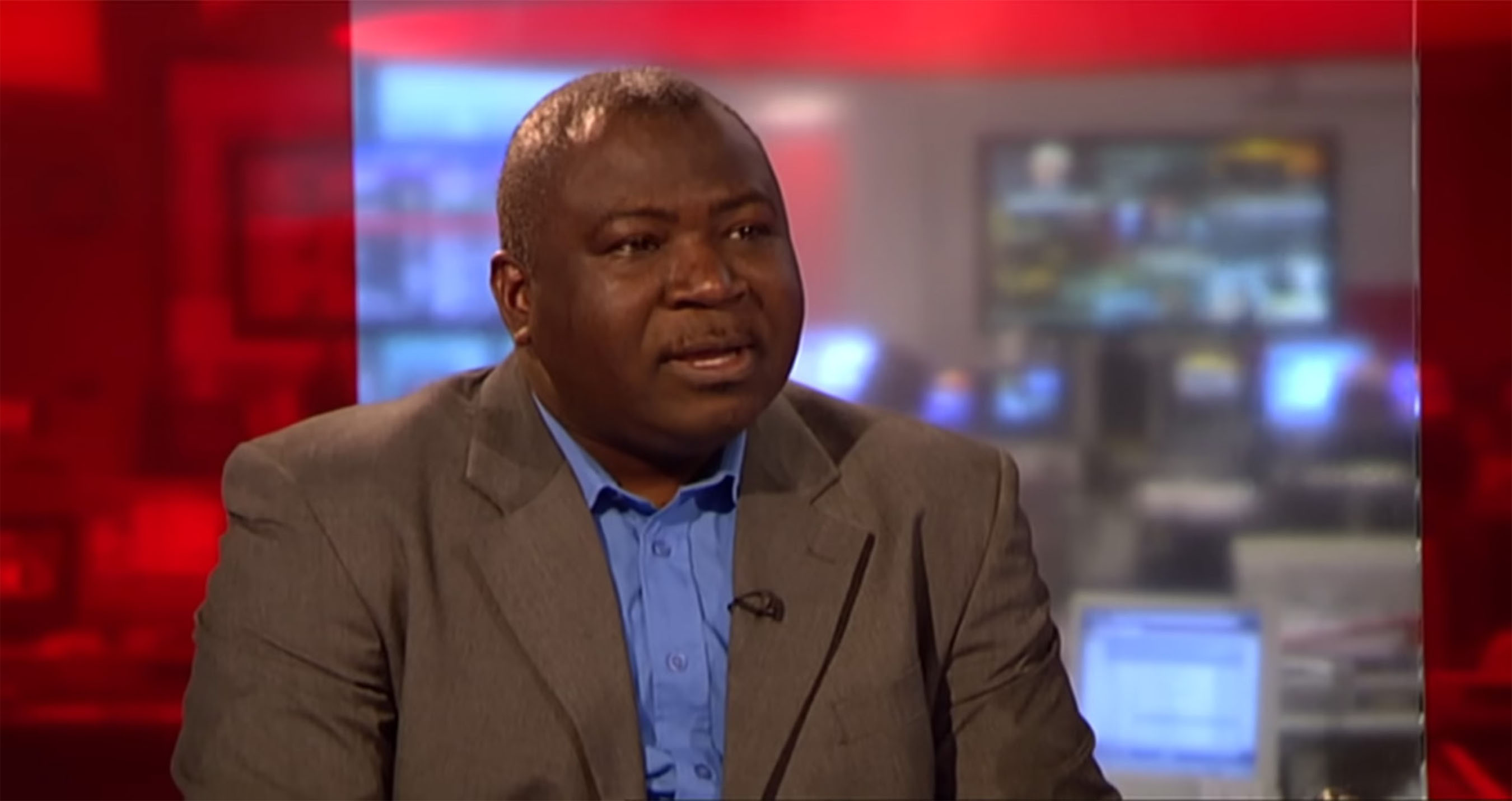
Two other well-known cases, which took place between 2000 and 2010, are particularly significant in exposing the tensions involving specialists in journalistic narratives. One of them took place on May 8, 2006, at the BBC in London and involved Mr. Guy Goma, who went to the British television office to apply for a job as a driver. However, Goma was mistaken for Guy Kweney, the editor of Wireless, a digital magazine dedicated to music, and interviewed live by presenter Karen Bowerman, who was unaware of the mistake. The article sought to reflect on the increase in online music consumption, and Goma/Kweney had the role of reflecting on the significance of this fact.
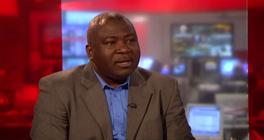
Bowerman, after introducing the guest, asks him four questions, which, visibly surprised, he answers the way he can. No one realizes that Goma doesn’t actually possess specialized knowledge, since he acts effectively in the interview according to the script imposed on him. The questions asked by the presenter are quite generic, which allows Goma to find a way of answering them in an unusual situation. The case has gone viral, is even on Wikipedia4, and is also available on YouTube5. As far as anyone knows, Goma didn’t get the job as a driver, but he became immeasurably more famous than he intended to be, to the point of appearing on other programs, including the BBC itself, to talk about his experience.
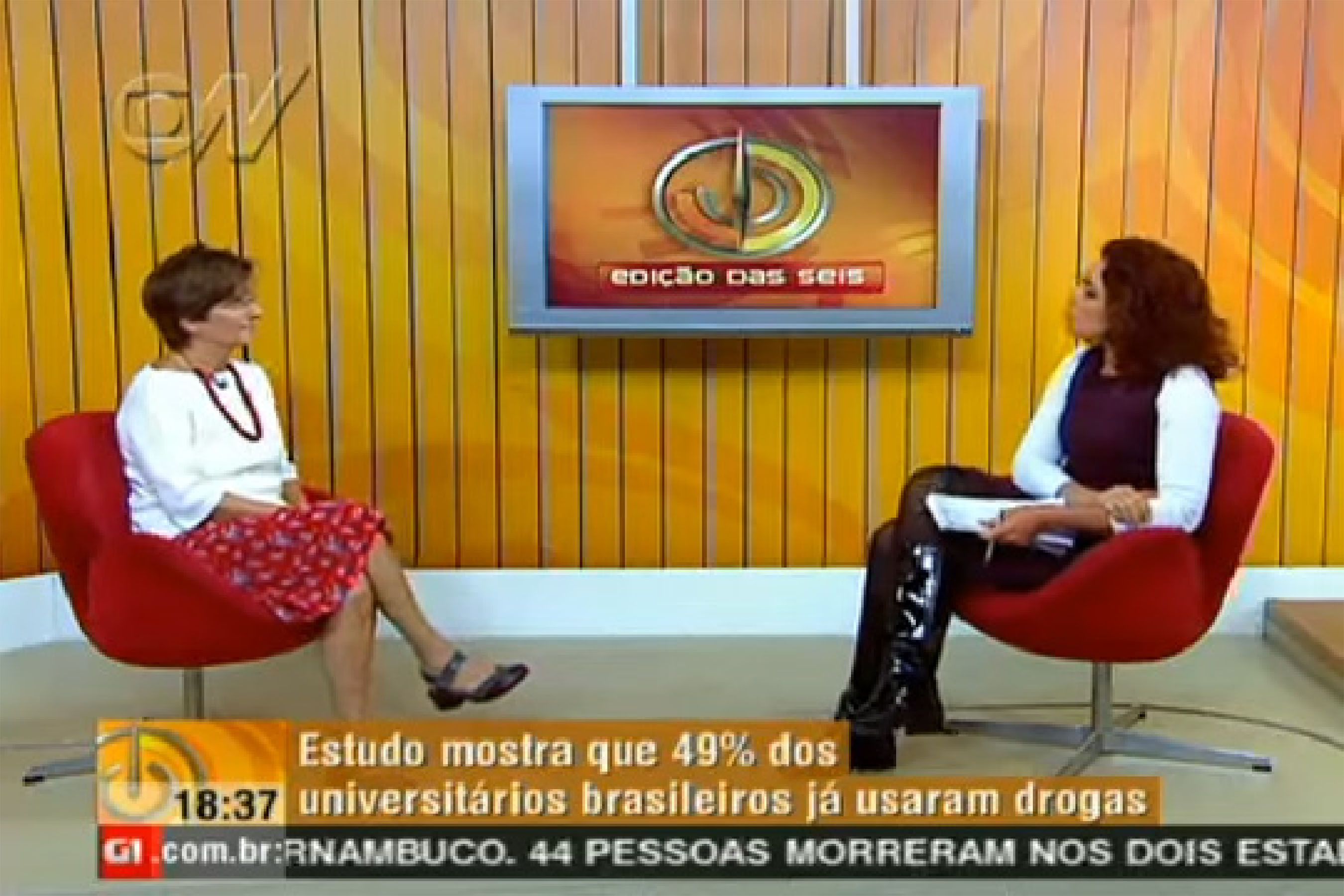
The “Goma case” contrasts with another one that took place in Brazil. On December 28, 2010, GloboNews’ Edição das Seis6, hosted by Leilane Neubarth, invited researcher Gilberta Acselrad, from UERJ, to comment on the news that 49% of Brazilian university students have used drugs. The tone of the article was one of alarm and concern. However, Professor Acselrad presented a point of view contrary to the agenda, firmly and carefully debating the presence of drugs in everyday life and the inadequacy of a policy to combat and eradicate their use. Acselrad, effectively a specialist on the subject, left the Neubarth visibly uncomfortable and without the resources to interview her more consistently, to the point of ending it by disagreeing with the guest, only with the argument that drugs worried her because she was a mother.
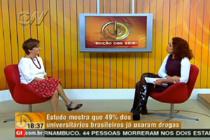
The cases of Guy Goma and Gilberta Acselrad are notorious for exposing controversial aspects of the presence of specialists in journalism. Although at first glance they are radically different (one knew nothing about the subject, the other knew a lot, perhaps “too much” for the Globo News’ sake), the interviews with Goma and Acselrad show the strength of the agenda as a key element in the presence of specialists in news, since they apparently serve to authenticate the point of view casted in the journalistic narrative. On one hand, news agendas are strong enough to the point that a driver, with no knowledge of computers beyond common sense, was able to respond efficiently to what the interview required. On the other hand, since she is actually a researcher on the subject, Acserald’s positions generated visible embarrassment. In a way, Goma anticipates Pedro Cardoso’s self-criticism by a few years, while Acserald seems to fully expose the relevance of the actor’s discomfort.
These contradictions were exposed in USP’s Jornal do Campus on May 3, 2016, in an article whose title asks the question: “After all, who is a specialist?” Signed by Luciana Coelho, the article questions the criteria for granting the title of specialist to someone who has to back up the information that makes up a journalistic story. The text takes up an article from issue 454 of Jornal do Campus, entitled “Macri Government modifies Media Law”. On that occasion, the journalist heard Eugênio Bucci and Pablo Giuliano. The former is presented as a professor at the School of Communication and Arts at the University of São Paulo (USP), a columnist for Folha de S.Paulo, and the author of several books. The second, as an Argentinian journalist. About Bucci, Coelho believes that “it is simplistic to identify only as a professor at ECA someone with a long curriculum who for years directed Radiobras/EBC, a public communications company – in fact, the best justification for listening to him on this subject” (Coelho, 2016).
Regarding the second interviewee, the question is even more important: to which media company does this journalist work for? How long has he been out of Argentina? What qualifies him to talk about the subject? The answers come later in Luciana Coelho’s research. About Pablo Giuliano, she writes:
(...) You had to look up his page on a professional network to find out that journalism is no longer his main activity; that he has lived in Brazil since 2004 (he didn’t follow the administrations of Néstor Kirchner, which began in 2003, Cristina, or Macri); that he has worked for Ansa and Efe, foreign agencies, not Argentinian ones. Is he worth listening to? Yes, if he were a scholar on the subject, but the text doesn’t tell us that. (Coelho, 2016).
The question that Coelho (2016) raises – like the “Goma case” years earlier – is that the journalistic endorsement of the specialist’s authority, when looked at more closely, can turn out to be something very fragile. The problem raised by Jornal do Campus involved why someone should be called a specialist. More importantly, it criticized not only a failure to adequately characterize this figure within the news narrative, but rather the pertinence of the choices about who can fulfil this role. In this sense, the tensions and contradictions surrounding the participation of specialists in the news are undoubtedly linked to the dynamics involving the news media and their efforts to gain credibility, authority, and competence in the production of information.
5 Regarding the credibility of the information
As Charaudeau (2013) observes, information, as traditional media usually think of it, is the transmission of knowledge from a “knowing” character to an “ignorant” one. The specialist, in this sense, reinforces the authority of the journalistic agent as capable of accessing knowledge far removed from the public. For Charaudeau (2013, p. 34), in his reflections on French news media in the 1990s, the media’s claim to monopolize information leads them to give consequent explanations and produce a certain discourse of justification that defends their position and their reason for existence. It’s as if the media were working not only to construct a discourse of information, but also to create monopolies over it. As well as saying “you need to know”, the media say all the time: “this is why we have the competence to inform” (Charaudeau, 2013, p. 34).
From the 1990s, when Charaudeau published his book in France, up to now, the scenario has changed considerably. If Charaudeau could speak of an effort by the media to monopolize information, what we see now is that they have competition from countless agents who have emerged with the popularization of the internet and digital networks. Reliable information also competes with the dynamics of disinformation, whose features and modes of existence constantly challenge it (D’Andrea & Henn, 2021; Alzamora & Mendes, 2023; Aguiar & Rodrigues, 2021; Rego & Barbosa, 2020; Rego, 2021; Barsotti & Aguiar, 2021; Christofoletti, 2019, 2024, among many others). In this scenario, the recurring participation of specialists is part of a movement to justify and claim values such as authority, credibility, and information competence. By incorporating these values, journalism reinforces its presumed power-knowledge relationship and expects the public to recognize its competence and authority, not only in its ability to verify reality, but also to access specialized knowledge that is inaccessible to ordinary people (Miguel, 1999, 2019).
However, these relationships of belief, credibility, and trust have a performative character, as they depend on particular communication processes, on the circumstances and conditions of each interaction with the news material. After all, as Christofoletti (2024) points out, credibility is dynamic, multifactorial, and a highly volatile “effect”. The same piece of news can be credible at one moment and not at another, seem credible to one person and not to another. Not surprisingly, these relationships of belief, trust, and credibility undergo constant crises. As US media historian John Nerone (2015, n.d.) observes,
Journalism in its modern sense is an “ism”, a kind of philosophy. It is the set of ideas and values that grew up around professionalizing news practices. News organizations sought to guarantee the public that they deserved credibility even as they struggled with government and their own owners for independence and autonomy. The struggles for autonomy and independence were intensified by the industrialization of the press, and the credibility problem became more severe as news organizations came to look more and more like other big businesses.
From this perspective, credibility is not a new challenge, but one that has been repeatedly redesigned according to different historical contexts. After all, Nerone reminds us, journalism, like history, produces narratives that want to be recognized as truthful. However, both journalists and historians recognize that their truths are perishable, because if they weren’t, both professions would no longer be necessary. Thus, the perishable nature of truth or the constant search for it are not a problem per se, because, for the American media historian, they are what sustain the relevance and pertinence of these professions and the knowledge linked to them.
If seen from this angle, the relationship between journalism and credibility is then revealed as part of the effort (shared, mutatis mutandis, with historians, according to Nerone), to maintain
… a reasonable arena of representation so that a fiction of public intelligence can be believed in and acted upon. If there is something to be alarmed about in the present situation, it is not the belief in the provisionality of truth or the partiality of truth or the importance of viewpoint to the representation of truth. It is the practical impossibility of maintaining reasonable boundaries on the representations of truth that respect the intelligence of the public (…) Public intelligence as a regulative fiction has been shown to be vulnerable to the current failure of journalism and history to police truth.
(Nerone, 2013, p. 27).
Although published more than 10 years ago, Nerone’s diagnosis seems to be increasingly pertinent nowadays, in a context where we are dealing with disinformation and fake news, which seek to shape what he calls “public intelligence”, almost always in competition with journalism. As can be seen from Alzamora and Bicalho (2019), the dynamics of disinformation play with the performative, discursive character of journalistic truth and credibility. Distinguishing between the credibility of the enunciator and the one perceived by the audience, Lisboa and Bennetti (2017) accurately point out that
...the evaluation of the enunciator’s credibility is not just individual. It is also collective and conditioned by cultural, social and economic factors. Despite the rational focus given to assessing the credibility of testimony, judging the credibility of a written or spoken account also occurs at levels that are not rational or not entirely covered by reason (Foley, 2004) (...) Credibility, then, as Marsh (2011) notes, is a type of social power.
(Lisboa & Bennetti, 2017, pp. 56 – 57).
Since journalism promotes knowledge that demands a justified true belief, as the authors note, it is always dependent on the historical-social conditions that underpin its credibility and the circumstantial, localized – and therefore performative – fluctuations in which the interaction between journalistic narrative and the public takes place. In this sense, this foundation for credibility can range from the breadth of followers a journalist has on social networks (Vasconcellos, 2020), a set of principles and parameters agreed upon by the journalists themselves (Trasel et al., 2019), affective adherence to the anchor, the euphony of the voice of the announcer, the personal relationship with a particular news outlet, among many other factors.
The constant presence of specialists in Brazilian news seems to be a response, a strategy to affirm competence and credibility, based on supposed specialized knowledge and the ability to access it. The vertical, transmissive chain of information is maintained, as well as a self-referential dynamic in which the specialist, while being recognized and legitimized by the news media, also acts to give it credibility and authorize it. The recurring presence of journalists as specialists reinforces and expands this self-referential play, which nevertheless has its limits. In dialogue with Miguel (2019), Barsotti and Aguiar consider that, with the presence of digital information and communication technologies, “the discourse of self-referentiality, reinforced to consolidate the social legitimacy of journalism, is no longer able to operate as a differentiating marker and as an argument available to consolidate its authority” (2021, p. 127). Whether or not you agree with these authors’ diagnosis, it’s important to consider that the presence of specialists in journalistic narratives exposes, here and there, its fractures and contradictions, as Pedro Cardoso, Guy Goma and Gilberta Acselrad, among others, make clear, explaining to us that specialized knowledge is more than a media and textual strategy, remaining a daily challenge to journalistic knowledge and practice.
NOTES
-
1
CNN Arena, 23/03/2023. Retrieved from www.youtube.com/ watch?v=AKmy-hJl3EA&t=1572s. Accessed April 9, 2023.
- 2
-
3
Nível de abstenções nas eleições 2022 é o maior desde 1998. Jornal Valor Econômico, 10/03/2022. Retrieved from <https:// valor.globo.com/politica/eleicoes-2022/noticia/2022/10/03/ nivel-de-abstencao-e-o-maiordesde-1998.ghtml>. Accessed on June 26, 2023. Although the story is available on the website, it is also featured in the daily print edition of the newspaper.
- 4
- 5
- 6
-
How to cite this article:
Leal, B. S., & Souza, P. V. (2026). WHO CAN BE A SPECIALIST? A critical approach. Brazilian Journalism Research, 22(1), e1810. DOI: 10.25200/BJR.v22n1.2026.1810
DATA AVAILABILITY
The data supporting the findings of this study are available within the article.
REFERENCES
-
Aguiar, L., & Rodrigues, C. (2021). Expertise no jornalismo: considerações sobre a autoridade profissional no contexto da desinformação impulsionada por algoritmos. Chasqui, (147), 240257. DOI: 10.16921/chasqui.v1i147.4371
» https://doi.org/10.16921/chasqui.v1i147.4371 -
Alzamora, G., & Bicalho, L. (2019). A dinâmica transmídia de fake news conforme a concepção pragmática de verdade. Matrizes, 13(1), 109-131. DOI: 10.11606/issn.1982-8160.v13i1p109-131
» https://doi.org/10.11606/issn.1982-8160.v13i1p109-131 -
Alzamora, G., & Mendes, C. (2023). Lógicas da propagação da informação e da desinformação no contexto da pandemia de covid-19: abordagem semiótica. Matrizes, 17(1), 193–222. DOI: 10.11606/issn.1982-8160.v17i1p193-222
» https://doi.org/10.11606/issn.1982-8160.v17i1p193-222 - Anderson, C. W., Downie, L., & Schudson, M. (2016). The News Media: What Everyone Needs to Know Oxford University Press.
-
Barsotti, A., & Aguiar, L. (2021). Nomear a mentira: a estratégia do jornalismo para resgatar seu locus de verdade em meio ao cenário de desinformação e plataformização. Revista Líbero, (49), 123-140. Retrieved from https://seer.casperlibero.edu.br/index.php/libero/ article/view/1633
» https://seer.casperlibero.edu.br/index.php/libero/ article/view/1633 -
Braga, J. L. (2008). Comunicação, disciplina indiciária. Matrizes, 1(2), 73-88. DOI: 10.11606/issn.1982-8160.v1i2p73-88
» https://doi.org/10.11606/issn.1982-8160.v1i2p73-88 - Charaudeau, P. (2013). Discurso das mídias Contexto.
- Christofoletti, R. (2019). A crise do jornalismo tem solução? Estação de Letras e Cores.
-
Christofoletti, R. (2024). Trust in Media and Journalism Credibility in the Sea of Misinformation. The International Review of Information Ethics, 33(1), 1–6. DOI: 10.29173/irie500
» https://doi.org/10.29173/irie500 -
Coelho, L. (2016, May 3). Afinal, quem é o “especialista”? Jornal do Campus. Retrieved from www.jornaldocampus.usp.br/index php/2016/05/afinal-quem-e-o-especialista/
» www.jornaldocampus.usp.br/index -
D’Andrea, C., & Henn, R. (2021). Desinformação, plataformas, pandemia: um panorama e novos desafios de pesquisa. Revista Fronteiras, 23(2), 2 – 13. DOI: 10.4013/fem.2021.232.01
» https://doi.org/10.4013/fem.2021.232.01 - Ginzburg, C. (1989). A micro-história e outros ensaios Bertrand Brasil.
- Leal, B.S. (2022). Introdução às narrativas jornalísticas Insular.
-
Leal, B. S., Manna, N., & Jácome, P. (2014). A “crise” do jornalismo: o que ela afirma e o que ela esquece. Líbero, (34), 145 –154. Retrieved from https://seer.casperlibero.edu.br/index.php/libero/article/ view/113
» https://seer.casperlibero.edu.br/index.php/libero/article/ view/113 -
Leal, B. S, Manna, N., & Jácome, P. (2017). Mudar para permanecer o mesmo: marcas de um discurso de autolegitimação jornalística na história. Galaxia, (34), 149-162. DOI: 10.1590/19822554201729674
» https://doi.org/10.1590/19822554201729674 -
Lisboa, S., & Benetti, M. (2017). Credibilidade no jornalismo: uma nova abordagem. Estudos em Jornalismo e Mídia, 14(1), 51 – 62. DOI: 10.5007/1984-6924.2017v14n1p51
» https://doi.org/10.5007/1984-6924.2017v14n1p51 -
Miguel, L. F. (2019). Jornalismo, polarização política e a querela das fake news. Estudos em Jornalismo e Mídia, 16(2), 46–58. DOI: 10.5007/1984-6924.2019v16n2p46
» https://doi.org/10.5007/1984-6924.2019v16n2p46 -
Miguel, L. F. (2022). O jornalismo no novo ambiente comunicacional: uma reavaliação da noção do “jornalismo como sistema perito”. Tempo Social, 34(2), 195-216. DOI: 10.11606/0103-2070.ts.2022.195368
» https://doi.org/10.11606/0103-2070.ts.2022.195368 -
Miguel, L. F. (1999). “O jornalismo como ‘sistema perito’”. Tempo Social, 11(1), 197–208. DOI: 10.1590/S0103-20701999000100011
» https://doi.org/10.1590/S0103-20701999000100011 - Miranda, N. S. (1979). Agentivos deverbais e denominais: um estudo da produtividade lexical no português. Dissertação de Mestrado em Lingüística apresentada à UFRJ.
-
Miranda, A. S. (2017). O saber médico e o jornalismo especializado em saúde: como uma epidemia se torna notícia. RECIIS, 11(2), 1–13. DOI: 10.29397/reciis.v11i2.1291
» https://doi.org/10.29397/reciis.v11i2.1291 - Morais, F. (2022). A pauta é uma arma de combate Arquipélago.
- Nerone, J. (2013). History, Journalism, and the Problem of Truth. In B. Bonnie (Ed.), Assessing evidence in a postmodern world: Diederich Studies in Communication and Media (pp. 11–30). Milwaukee University Press.
- Nerone, J. (2015). The Media and the Public Life. Polity Press.
-
Pereira, M. A. L. (2021). Jornalismo especializado em economia: news to use e os “novos” formatos jornalísticos em tempos de crise económica e financeira em Portugal. Media & Jornalismo, 21(38), 143–160. DOI: 10.14195/2183-5462_38_7
» https://doi.org/10.14195/2183-5462_38_7 -
Rego, A. R. (2021). A construção intencional da ignorância na contemporaneidade e o trabalho em rede para combater a desinformação. Reciis, 15(1), 221–232. DOI: 10.29397/reciis.v15i1.2293
» https://doi.org/10.29397/reciis.v15i1.2293 - Rego, A. R., & Barbosa, M. (2020). A construção intencional da ignorância: o mercado das informações falsas MauadX.
-
Tavares, F. M. B. (2011). Uma especialização que vem da especialidade: aproximações entre revista e jornalismo especializado em Vida Simples. Brazilian Journalism Research, 7(2), 153–169. DOI: 10.25200/BJR.v7n2.2011.344
» https://doi.org/10.25200/BJR.v7n2.2011.344 -
Tavares, F. M. B. (2007). O jornalismo especializado e a mediação de um ethos na sociedade contemporânea. Em Questão, 13(1), 41–56. Retrieved from https://seer.ufrgs.br/index.php/EmQuestao/article/view/1990
» https://seer.ufrgs.br/index.php/EmQuestao/article/view/1990 -
Trasel, M., Lisboa, S., & Vinciprova, G. R. (2019). Pós-verdade e confiança no jornalismo: uma análise de indicadores de credibilidade em veículos brasileiros. Brazilian Journalism Research, 15(3), 476–497. DOI: 10.25200/BJR.v15n3.2019.1211
» https://doi.org/10.25200/BJR.v15n3.2019.1211 - Vasconcelos, F. (2020). A construção do imaginário de influenciador como estratégia de aumento da credibilidade do jornalismo no ambiente digital. In I. Amaral & P. Jerónimo (Ed.), Estudos de Jornalismo (pp. 56–72). SOPCOM.
-
Desk review editor:
Fred Tavares

 Source: YouTube
 Source: YouTube