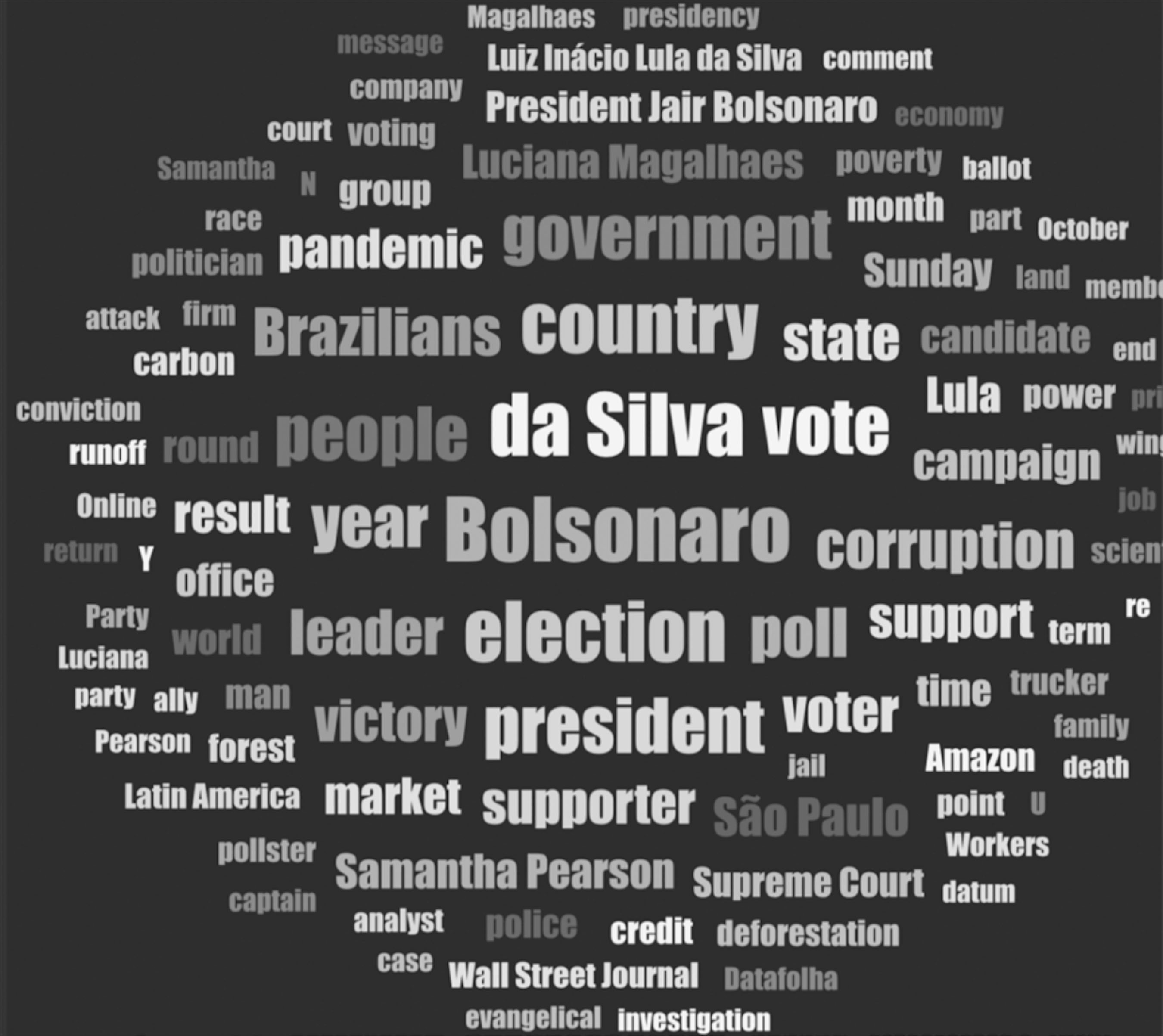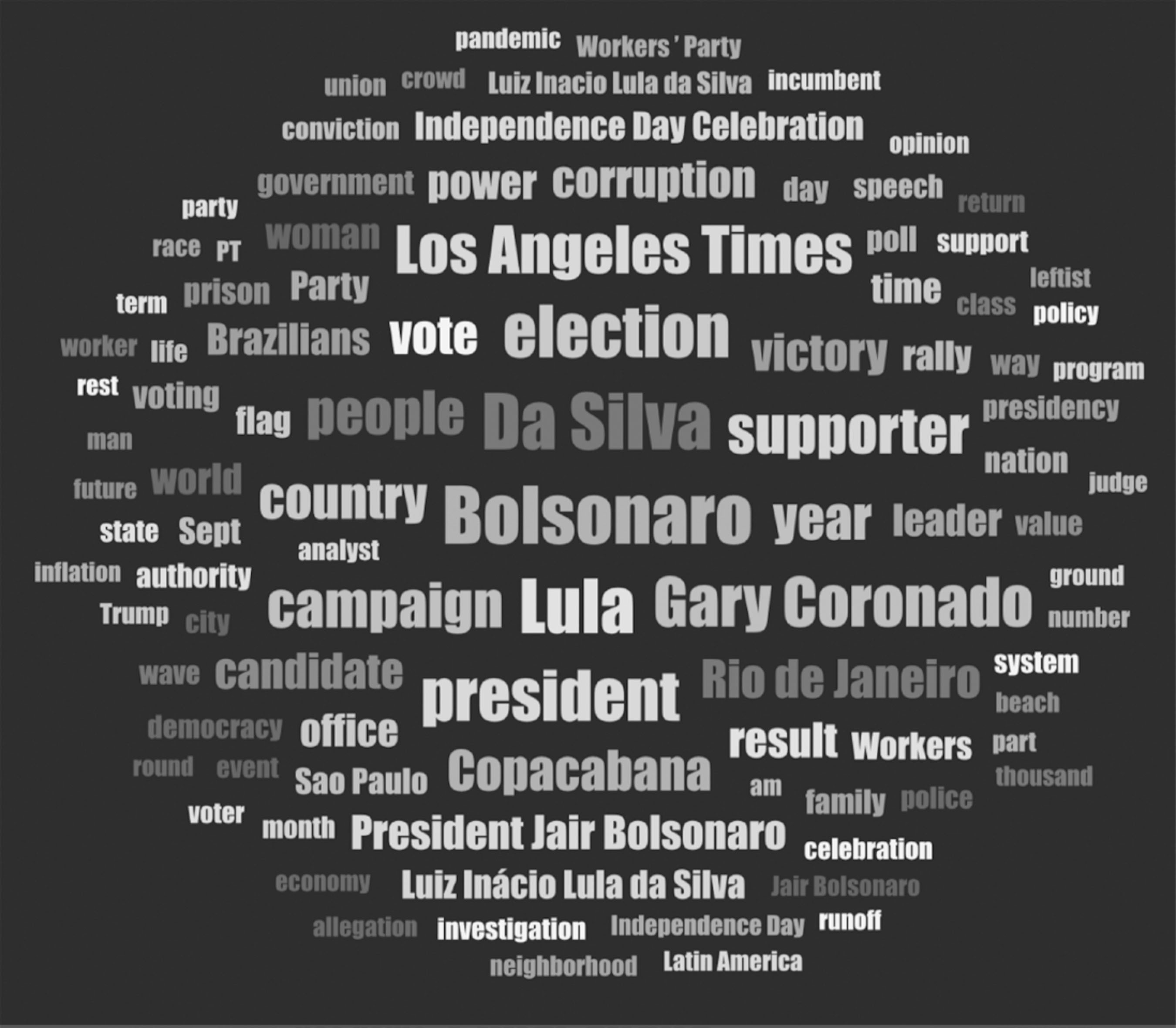
 FRAMING OF BRAZIL’S 2022 PRESIDENTIAL ELECTIONS IN U.S. NEWSPAPERS COVERAGE
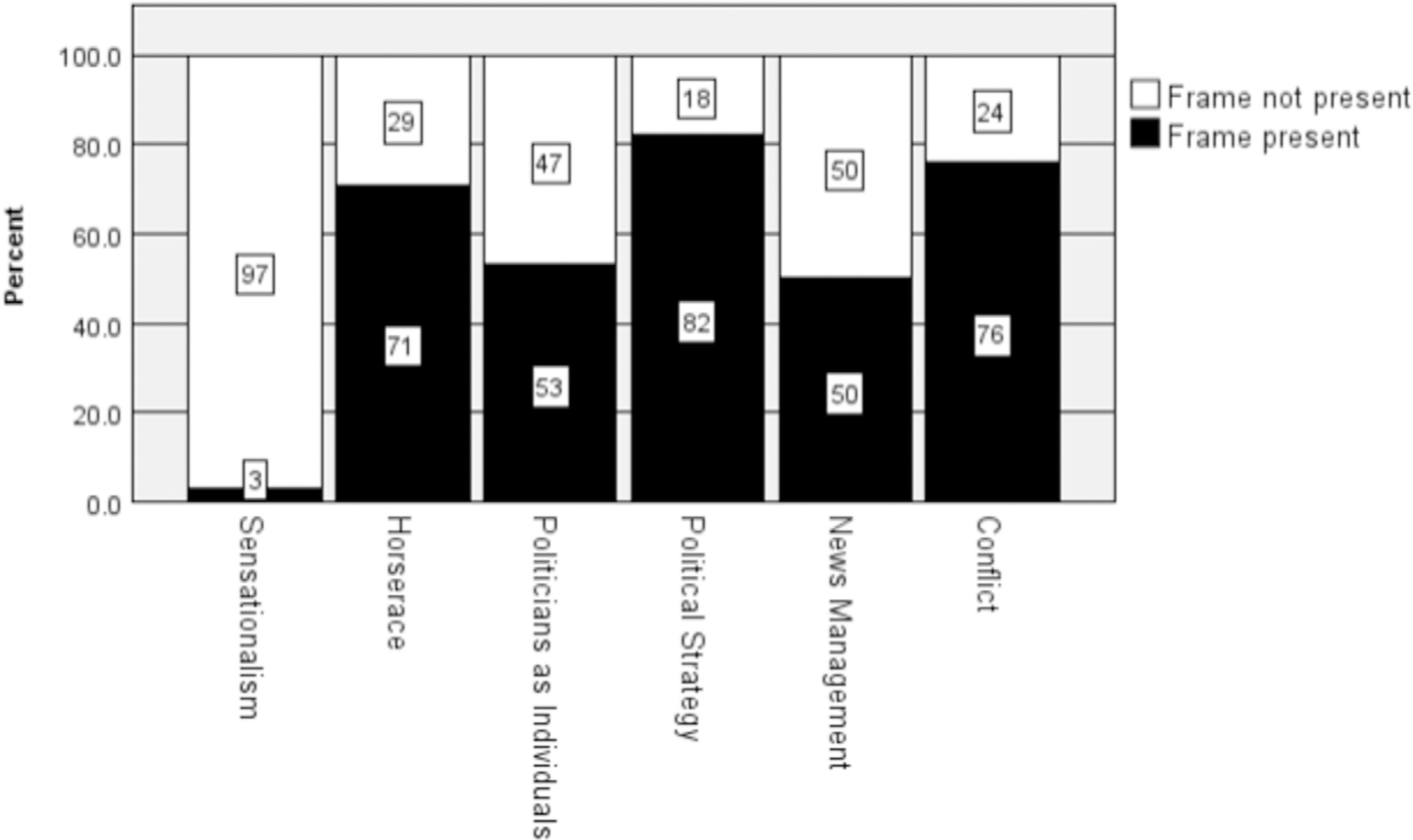
This paper presents the results of a quantitative framing analysis and a concise concept via ATLAS.ti, a qualitative data analysis tool, of news stories about Brazil’s 2022 presidential election published by The New York Times, The Washington Post, Los Angeles Times, USA Today, and The Wall Street Journal. The goal was to determine how major U.S. newspapers framed a foreign election that was significant for two reasons. First, it involved an incumbent dubbed the “Tropical Trump”, referencing U.S. President Donald Trump. Second, its outcome was of international significance due to the potential for the continued destruction of the Amazon rainforest. The results showed that the political “game” metaframe dominated 60% of the coverage. Conflict, political strategy, and “horserace” were the most common election-specific frames. The results suggested that competition between political figures continues to generate more election stories than important but abstract topics, even in a context distant from most U.S. news consumers.
Key words
Frames; Metaframes; Political news; International news; Content analysis
 Thumbnail
 Thumbnail
 Thumbnail
 Thumbnail
 Thumbnail
 Thumbnail