
 Increasing Corneal Donations in a Private Hospital: The Impact of Improvement Strategies on Hospital Organ Procurement Teams
ABSTRACT
Objectives: In recent years, there has been a notable increase in cornea donations in the state of Bahia, Brazil. However, this has been accompanied by an exponential rise in the number of individuals on the waiting list for corneal transplants, resulting in a growing deviation from the goal of achieving a “zero waitlist.” To improve the organ and tissue procurement process, the hospital organ donation teams for transplantation (equipes hospitalares de doação para transplantes [E-DOTs]) have been established. Despite their critical role in expediting this process, significant unfamiliarity with their operation and impact persists. This study aimed to evaluate cornea procurements at Hospital São Rafael (HSR) from 2019 to 2025 and assess the impact of a bundle of improvement actions implemented in December 2019, including the management of quality indicators in 2022, by comparing outcomes before and after these measures.
Methods: This descriptive, retrospective, ecological study analyzed HSR’s cornea procurement data from 2019 to 2025 to evaluate the impact of a bundle of improvement measures. Key outcomes and process indicators were compared before and after implementation. The bundle, developed by a multidisciplinary team, included expanding committee membership, providing early psychological support to families, training healthcare staff to identify potential donors, enhancing E-DOT members’ communication skills, and actively managing key indicators such as donor identification, family consent, and effective donations.
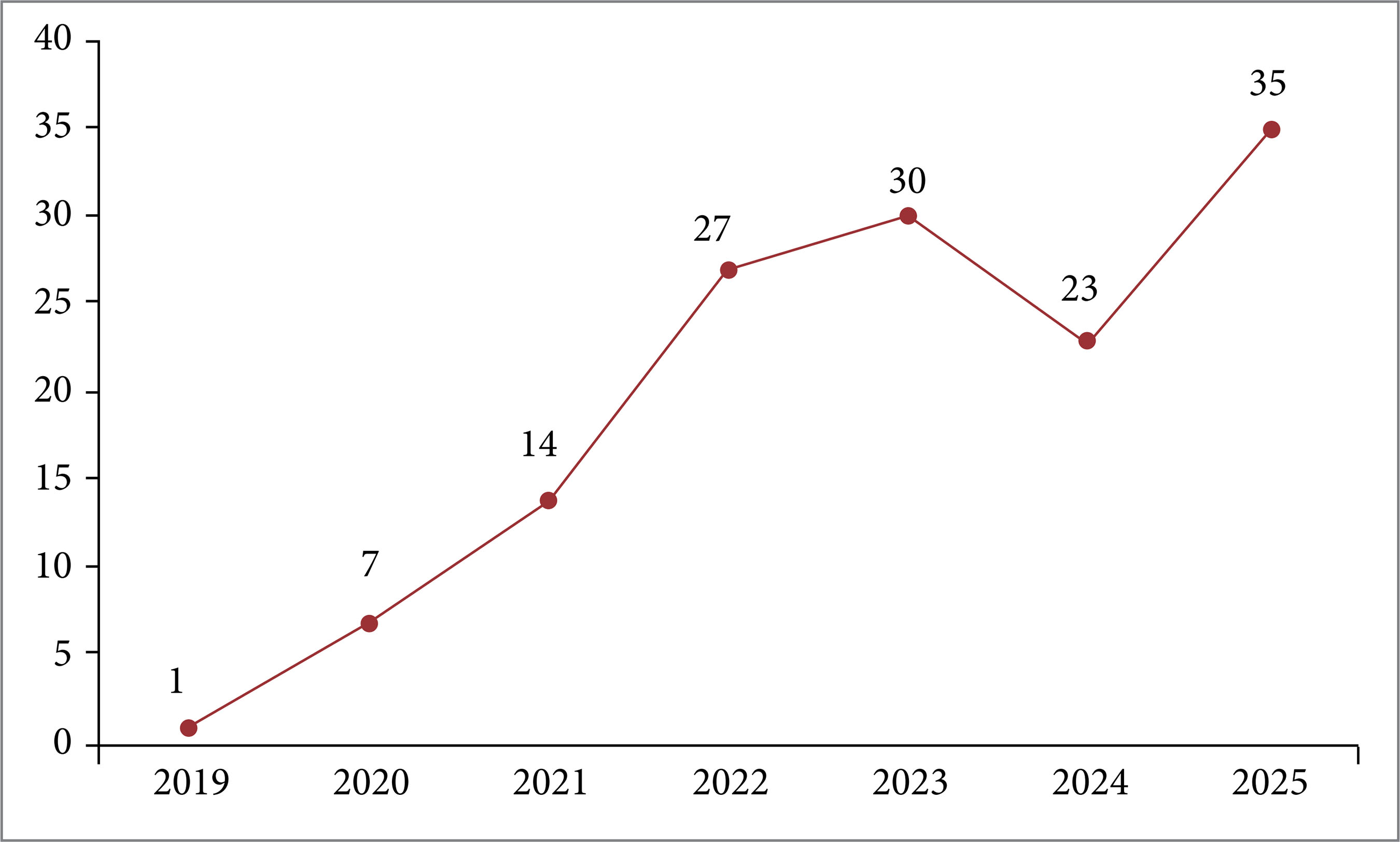
Results: Analysis of E-DOT indicators demonstrated that, in absolute numbers, cornea donations increased from one cornea in 2019 (team reorganization) to 14 donors in 2021 (before the implementation of the bundle) and to 35 in 2025. The identification rate was 33% in 2021, 66% in 2022, and 88% in 2025.
Conclusion: The implementation of measures to improve the identification and procurement of corneas, along with effective management of the quality indicators of the E-DOT, resulted in a significant increase in cornea donation rates at a private hospital. It is concluded that it is crucial to strengthen local E-DOTs with dedicated hours, continuous presence of members, and ongoing training. These improvements will enable an increase in the number of cornea donors and, consequently, an increase in the number of corneal transplants performed.
Descriptors
CIHDOTT; E-DOT; Cornea Donation; Tissue Donation
RESUMO
Objetivos: Nos últimos anos, as doações de córneas aumentaram no estado da Bahia, mas a fila de espera também cresceu de forma exponencial, afastando ainda mais a meta da “fila zero”. As equipes hospitalares de doação para transplantes (E-DOTs) foram regulamentadas para otimizar a captação de órgãos e tecidos, mas seu funcionamento e impacto ainda são pouco conhecidos. Este estudo teve como objetivo avaliar o cenário de captação de córneas de 2019 a 2025, bem como analisar os impactos de um pacote de ações de melhoria implementado no Hospital São Rafael (HSR) em dezembro de 2019 e após o gerenciamento de indicadores em 2022.
Métodos: Estudo descritivo, retrospectivo e ecológico que analisa dados existentes para avaliar o impacto do pacote de medidas. Foi realizada análise secundária do banco de dados de captação do HSR (2019-2025). Um pacote de medidas, desenvolvido por equipe multiprofissional, incluiu: aumento do número de participantes da comissão, garantindo assistência da comissão de forma contínua; apoio psicológico precoce às famílias de potenciais doadores; treinamento da equipe assistencial para identificação de potenciais doadores; capacitação da E-DOT em comunicação e entrevistas; e, por fim, gerenciamento dos principais indicadores do processo (identificação do potencial doador de córnea, taxa de aceitação familiar e doação efetiva). Os dados foram coletados por meio do gerenciamento dos indicadores de qualidade e a eficácia das medidas foi avaliada por meio da comparação dos indicadores antes e após a implementação do bundle, de forma retrospectiva.
Resultados: Após análise dos indicadores foi visto que, em números absolutos, a doação de córnea aumentou de uma córnea em 2019 (reformulação do time), para 14 doadores no ano de 2021 (antes da implementação do pacote) e para 35 em 2025. A taxa de identificação era de 33% em 2021, 67% em 2022 e 88% em 2025.
Conclusão: A implementação de medidas associadas à gestão eficaz dos indicadores da E-DOT aumentou significativamente as doações de córneas em um hospital privado. Fortalecer as E-DOTs locais com horas dedicadas, presença contínua e capacitação permanente é essencial para ampliar o número de doadores e transplantes de córnea.
Descritores
E-DOT; CIHDOTT; Doação de Córnea; Doação de Tecidos
INTRODUCTION
The current state of corneal transplant waiting lists in the state of Bahia (BA) has emerged as a critical issue within the field of organ and tissue donation.1 The exponential growth of corneal waiting lists is accompanied by a concomitant increase in the number of successful donations.1,2 However, this increase is not occurring at a pace sufficient to meet the needs arising within the state, which, in turn, promotes a growing disparity.1
Investments in transplant infrastructure, enhancements in organ notification and donation protocols, and public awareness initiatives have contributed to the increased availability of viable corneas for transplantation across various states in Brazil.3-6 One of the key factors contributing to this improvement is the establishment of the Intra-hospital commissions for organ and tissue donation for transplantation (comissões intra-hospitalares de doação de órgãos e tecidos para transplantes [CIHDOTTs]) in 2000.7 More recently, this terminology has been updated to hospital organ donation teams for transplantation (equipes hospitalares de doação para transplantes [E-DOTs]). Since then, CIHDOTTs have become a mandatory institutional structures formally linked to the medical director of each hospital. These teams operate within their respective hospitals, facilitating integration with departments and units that possess the diagnostic resources required to manage potential donor cases.7,8
Furthermore, another important function of E-DOTs is to establish routines and protocols within the institution that streamline the process of organ and tissue donation and procurement.7-9 Despite their critical role in expediting this process, there remains widespread unfamiliarity with their operations and impact across many hospitals.
Although there has been a significant increase in corneal donations in BA, a substantial disparity remains when compared to the total number of notifications. Over the past 5 years, the percentage of completed donations relative to the total number of notifications was 4.7%, 10%, and 7.5%, respectively, from 2019 to 2023.1 This suggests that there is considerable room for improvement in the realization of donations, given the large number of unutilized notifications.
Additionally, the increase in the number of donations has been insufficient to meet the growing demand for corneal transplants in BA. This shortfall has contributed to the persistence and expansion of the waiting list, which reached 1,623 people by October 2025,1 while only 737 corneal transplants were performed in the period.1 This discrepancy highlights the ongoing challenge of achieving the goal of a “zero waiting list.” Therefore, it is clear that there is a strong connection between the success of donations and the ability to meet demand, highlighting the need for additional measures to improve the corneal donation and transplantation process in the region. The contribution of E-DOTs could make a significant difference in this scenario.2,8,9
To address the challenges in corneal donor recruitment, at the end of 2019, a reformulation and implementation of a set of improvements in the corneal donation process was carried out by the E-DOT at a tertiary hospital in the city of Salvador, BA. It was implemented as a bundle of improvement actions.
Therefore, the primary aim of this study is to analyze the impact of an improvement bundle implemented by the E-DOT at a tertiary hospital in Salvador. Additionally, it aims to describe all actions and steps of this bundle over time and assess their impact on the absolute numbers of corneal donations after implementation, compared to previous years.
METHODS
This is a descriptive, retrospective, ecological study aimed at analyzing existing data to provide an overview of the impacts of the improvement bundle. It involves secondary analysis of the data from the Hospital São Rafael (HSR) procurement database from 2019 to 2023. The study evaluated and compared the results of outcome and process indicators before and after the implementation of the improvement bundle.
The study employed a qualitative and quantitative approach, assessing both measurable and non-measurable criteria, describing all steps and approaches implemented in the bundle.
Data collection
Data were collected, verified, analyzed, and presented with visual aids (figures) to demonstrate the results. Comparisons were made between values before and after the committee’s reformulation regarding quality indicators.
Bundle
The study describes the timeline for implementing each measure, its individual characteristics, and the impact on the corneal procurement process at HSR.
Quality indicators
The analysis of quality indicators related to the corneal donation process was incorporated into the E-DOT’s routine at the end of 2021. The indicators evaluated were (i) eligibility for cornea donation, (ii) identification of potential donors, (iii) family refusal rate, and (iv) number of effective donations.
For the year 2021, all indicators were collected and analyzed retrospectively. Beginning in January 2022, indicator collection and analysis were conducted prospectively, with monthly monitoring and real-time management implemented as part of the quality improvement strategy.
Statistical analysis
The statistical analysis involved evaluating process and outcome indicators, including the number of notifications (patients identified by the committee), eligibility rate, family consent rate, and successful donations. Data on successful donations were obtained from public domain information provided by the State of Bahia Health Secretariat (Secretaria da Saúde do Estado da Bahia [SESAB]) and secondary data from the E-DOT at HSR.
Data were collected using Microsoft Excel® 2019, and figures were created using absolute numbers, percentages, means, modes, and medians from 2019 to 2025. To assess the impact of the improvement bundle, comparisons of proportions were performed for key indicators (potential donor identification rate, family consent rate, and effective donations) before (2019-2020) and after (2021-2025) the intervention. Additionally, a trend analysis was conducted to describe changes in these indicators over time.
Given the small annual sample size, all analyses focused on descriptive measures and trends, without formal inferential tests for continuous variables. Figures were used to visually illustrate the evolution of the process and outcome indicators over the study period.
Ethics committee
The study complies with the norms of Resolution 466/October 12, 2012, and complementary resolutions of the National Health Council (Conselho Nacional de Saúde) (Resolution CNS 510/2016). It is an ecological study with no intervention involved. Data were securely stored by the responsible researchers and accessed via a password. All data were used solely for academic purposes and were disclosed exclusively in scientific journals and events.
RESULTS
Bundle characteristics
E-DOT team
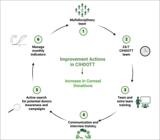
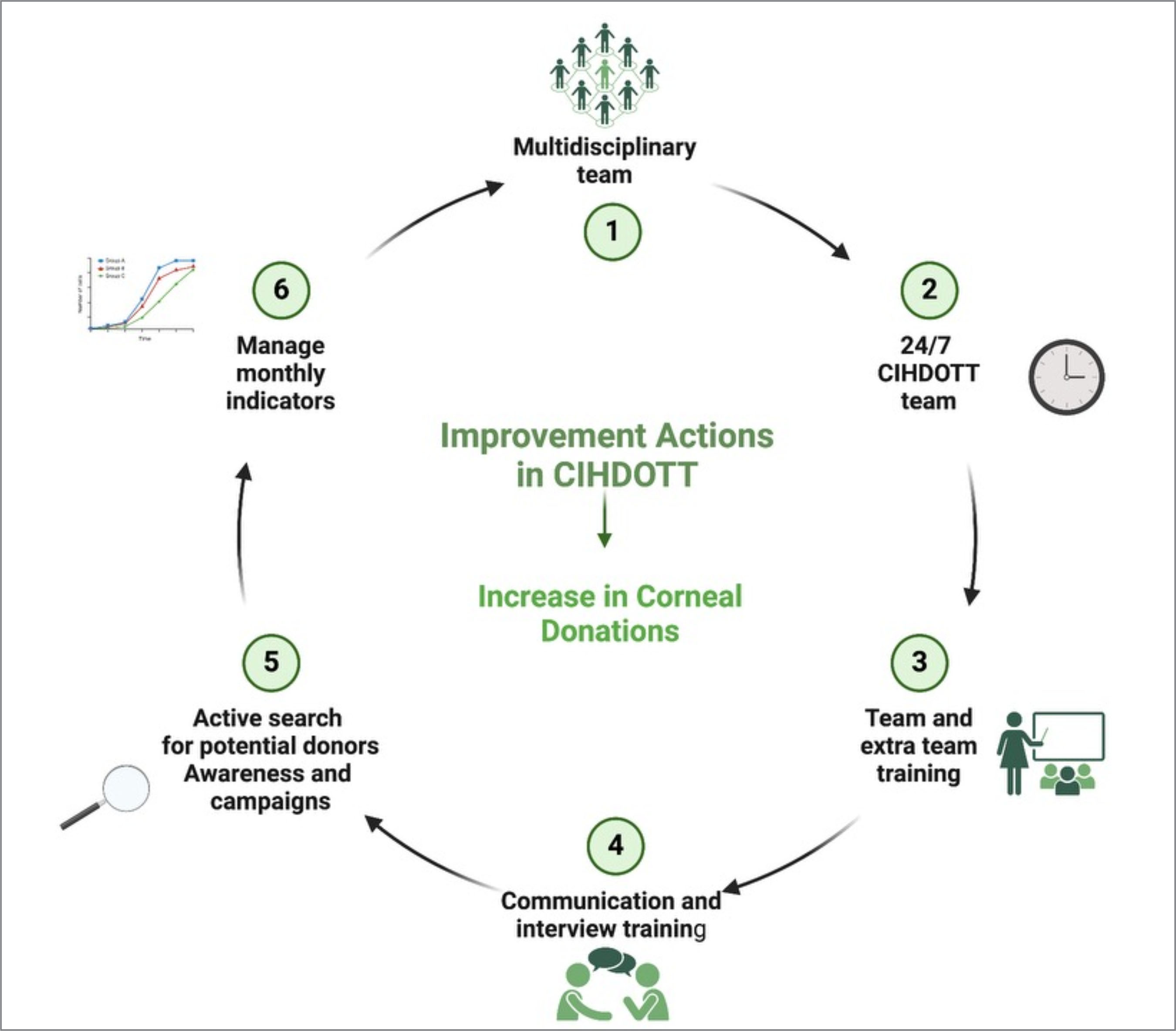
The first action was to reformulate the commission team. It was ensured that the commission was multidisciplinary, including a physician, nurse, social worker, psychologist, and respiratory therapist. Additionally, key members of the nursing team in leadership positions were included. Finally, it was guaranteed that a permanent E-DOT member would be available 24 hours a day, 7 days a week, to address any questions, verify eligibility, and assess potential donors (Fig. 1).
E-DOT training
With the reformulation of the entire E-DOT, it became necessary to train the entire team.
To address this, monthly workshops were conducted, and the SESAB accreditation was organized. This accreditation program included an 8-hour theoretical course and was conducted in both 2000 and 2025. Upon completion, the E-DOT received a binaural accreditation certificate.
Training, awareness, and campaigns
After the team was trained, the E-DOT has provided semiannual courses since 2021, following the easing of COVID-19 restrictions. These courses focused on recognition of potential organ and tissue donors, brain death determination, and communication skills for hospital medical teams. The courses were conducted using realistic simulations and interactive formats. Additionally, they provided an opportunity to introduce E-DOT members and explain the functions of the commission. Additionally, all new nursing staff and nursing assistants received training on the E-DOT’s role and functions within the hospital during their first week as part of their onboarding process.
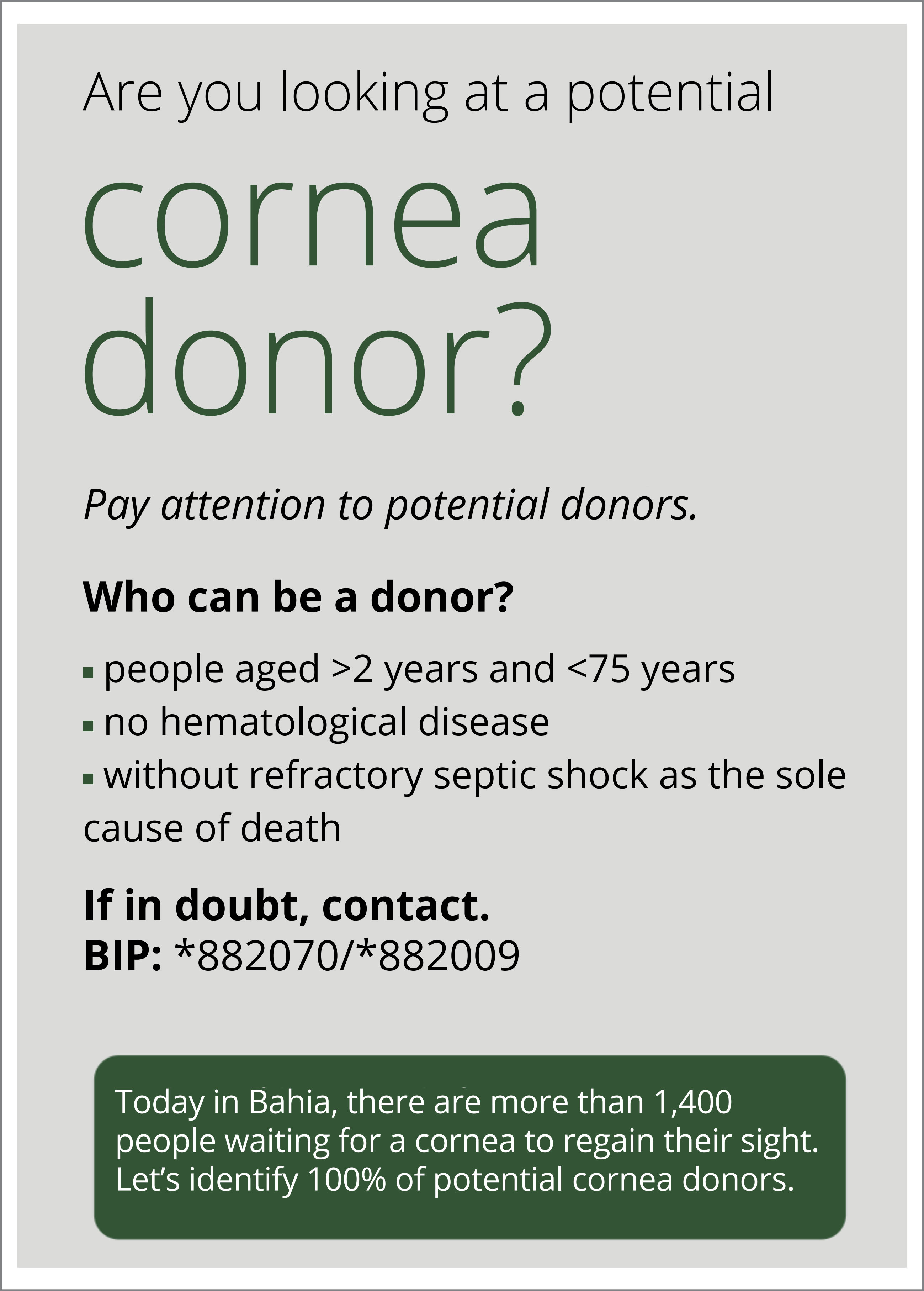
To aid in identifying potential corneal donors, a card was created to accompany death declarations. This card serves as a reminder of the corneal donation inclusion criteria (Fig. 2) when a patient has died. Lastly, a campaign was conducted every September, during organ donation month, which included information booths and educational activities for the public.
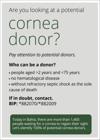
Card attached to death certificates serving as a reminder to the staff about the inclusion criteria for cornea donation.
Impact on cornea donation
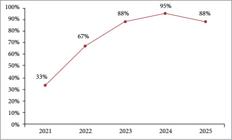
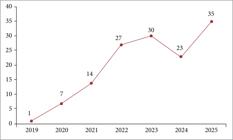
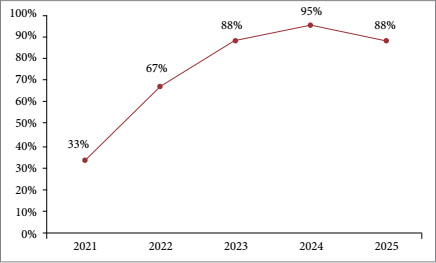
At the end of 2021, the quality of indicators was analyzed retrospectively. In that year, only 33% of potential cornea donors were identified by the E-DOT, and the families were interviewed about cornea donation (Fig. 3). Despite this, there was a significant increase in the number of donations over the years. In 2019, only one cornea was donated at the hospital; in 2020, seven corneas were donated; and, in 2021, 14 corneas were collected (Fig. 4).
Since 2022, the quality indicators have been analyzed monthly and reported to the hospital’s medical director and SESAB. Each month’s deaths are reviewed to evaluate the identification rate of potential cornea donors and the eligibility rate.
There was a significant increase in the identification rate: 33% in 2021, 67% in 2022, 88% in 2023, 95% in 2024, and 88% in 2025 (Fig. 3). This improvement allowed more families to be interviewed regarding corneal donation. Similarly, the number of corneas donated showed a consistent increase over time, with 21 corneas donated in 2022 and 35 in 2023.
When comparing HSR with other hospitals in the state of BA, it is evident that HSR was the private hospital that contributed the most to reducing the corneal transplant waiting list, ranking seventh among all types of hospitals according to SESAB statistical data.1
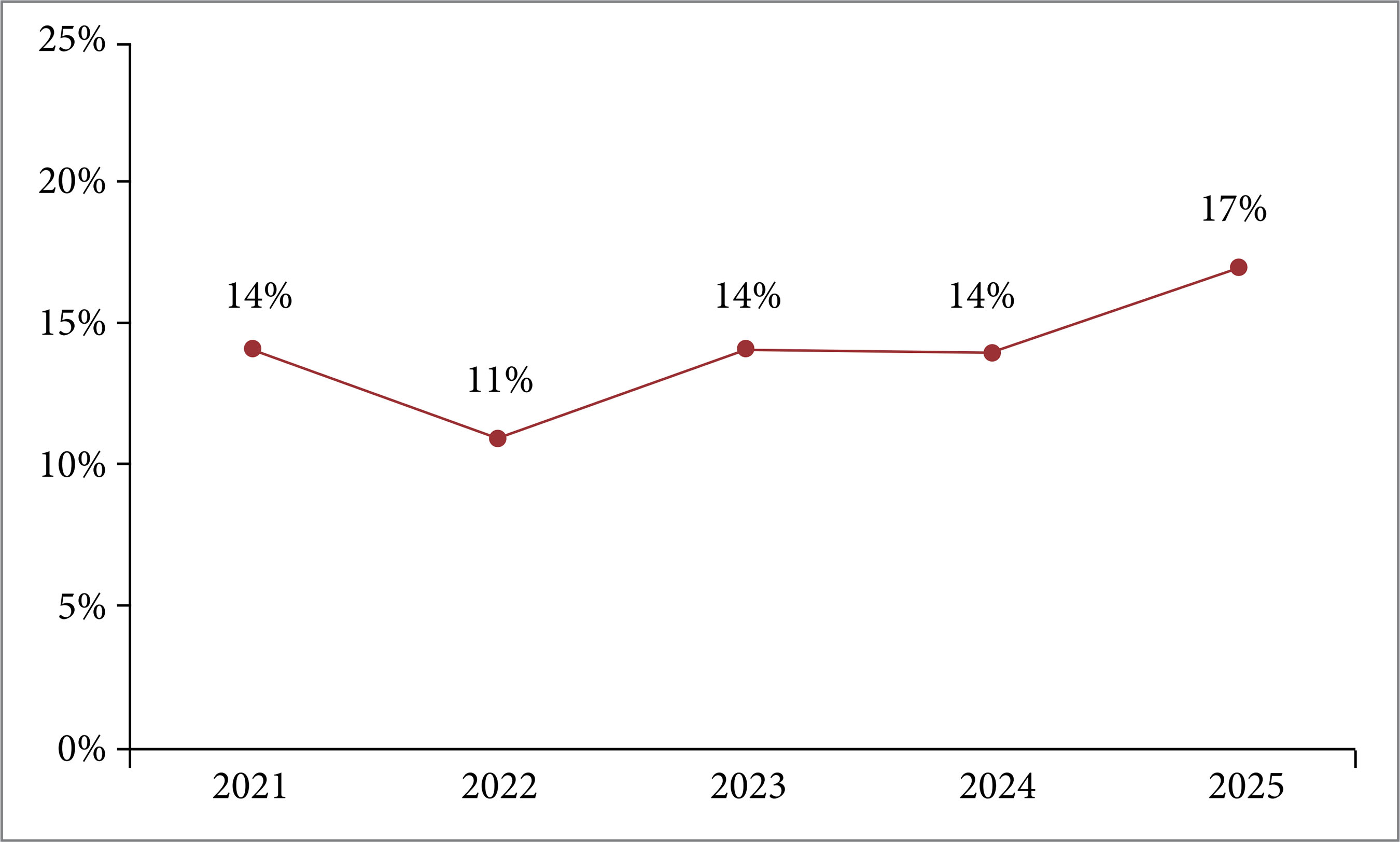
Regarding the eligibility rate, it remained consistent over time: it was 14% in 2021, 11% in 2022, 14% in 2023, 15% in 2024, and 17% in 2025 (Fig 5). However, when analyzing the hospital profile and death rates, HSR ranked among the top five hospitals that achieved the cornea donation target in 2023 in BA.1

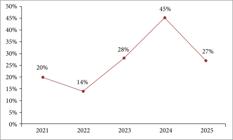
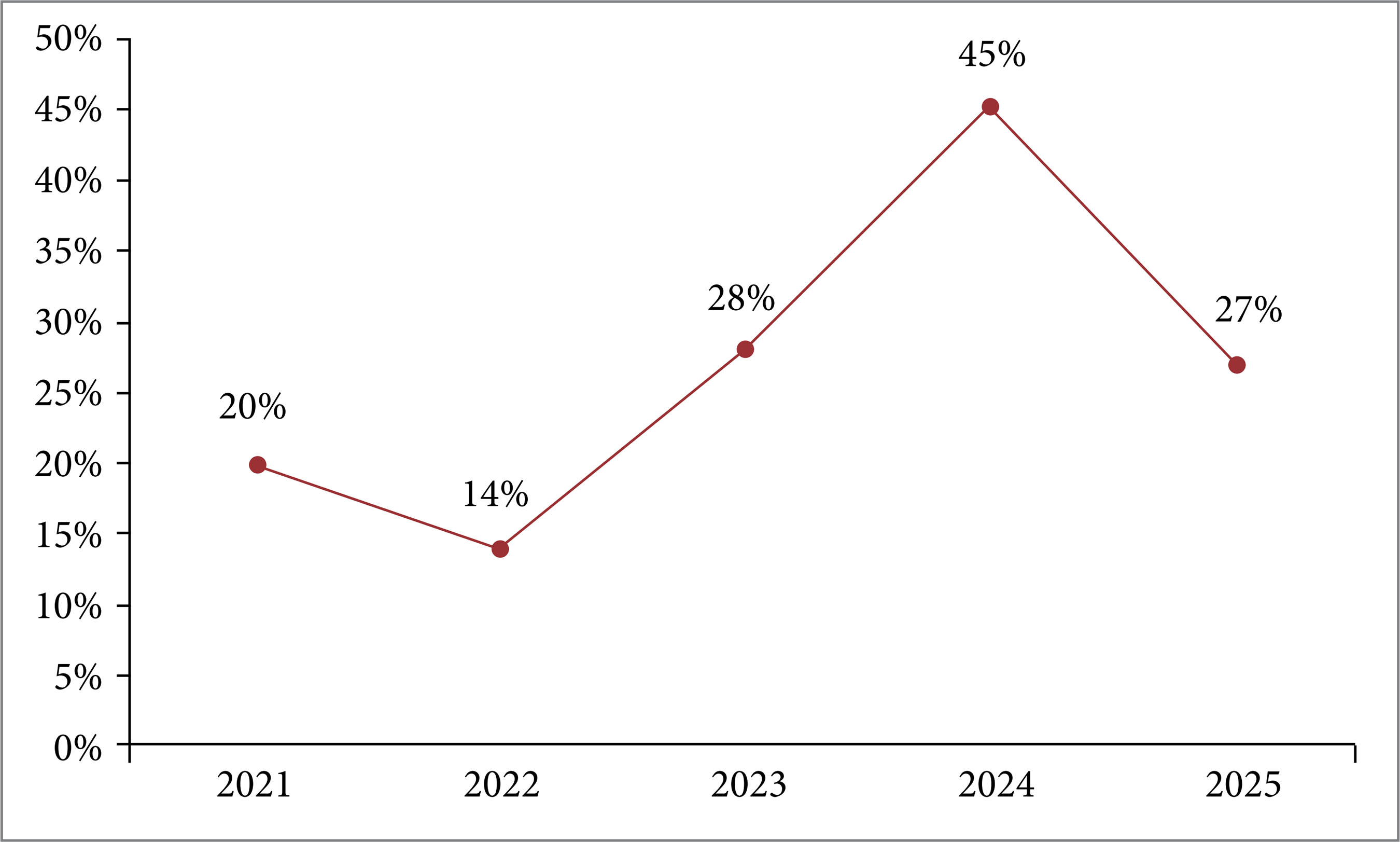
The final quality indicator analyzed was the refusal rate. Although the refusal rate fluctuated over time, it showed a significant decrease in 2025 compared with 2024 (Fig. 6).
DISCUSSION
This descriptive study is one of the first in Brazil to investigate how a set of measures adopted by an E-DOT can influence the corneal donation process. Our findings indicate that implementing a bundle of actions focused on a multidisciplinary team, full-time staff presence, and regular training is effective in increasing corneal donations. However, it is important to highlight that the management of quality indicators following the implementation of these measures played an even more critical role in driving this improvement.
Our findings align with previously published international data, demonstrating that the implementation of a corneal procurement protocol had a significant impact on both the number of corneal donations and the rate of identifying potential donors.10,11 Among the key actions adopted in the bundle, the training of both internal and external teams stands out.
Internal training provided the commission with greater confidence in carrying out its duties and also facilitated the standardization of screening for potential donors.11,12 On the other hand, external training, conducted semiannually, not only increased the knowledge of physicians and the healthcare team on the subject but also enhanced the visibility of the commission and its role in the corneal and tissue donation process throughout the hospital.12
It is crucial to promote internal awareness of processes within the hospital, and each training session has served as an opportunity for this dissemination. Additionally, with each milestone achieved by the commission, we have utilized the hospital’s marketing team to publicize the donation results. In Spain, the transplant system enjoys deep public trust: “People are very proud of the Spanish model and are aware of the advantages and benefits of transplantation.”13
Previous studies have shown that even among university students, knowledge about organ donation is limited. Organizing campaigns and events, as well as incorporating discussions on organ donation and transplantation, are essential to increasing knowledge and improving attitudes.14 Every September, during the national organ and tissue donation awareness month in Brazil, we organize the “Setembro Verde” campaigns. These campaigns have proven to be an excellent opportunity to further promote the cause, engage staff, and raise awareness about this critical issue.
Another crucial aspect is the continuous presence of an E-DOT member in the hospital 24 hours a day, 7 days a week, with designated hours. A recent study on optimizing organ donation, involving experts from Spain, the United Kingdom, and Austria, highlighted the significant role of the procurement team.13 Their involvement greatly alleviates the workload of intensive care physicians by managing donor evaluations, logistics, and coordination. This further underscores the importance of the local committee (E-DOT), which is more familiar with the bottlenecks and challenges within the unit. As one interviewee noted, “You can ask anybody in Germany. Organ donation heavily depends on the commitment of individuals in hospitals. We see a clear change in the donation rate when someone, who encouraged his or her colleagues and kept organ donation running in the hospital, leaves the hospital.”13
Additionally, another crucial component of our bundle is training and investment in communication skills. In the United States, requests for organ donation result in family authorization rates of approximately 65%. This rate is similar to the general rate in our country, around 60%, but significantly differs in BA, where the authorization rate was approximately only 40% in 2025.1 Therefore, improving communication skills is paramount. Successful requests for organ donation involve communicating with families about the option to donate in a way that provides sufficient information for making an informed decision. Obtaining authorization requires more than just asking families if they wish to donate. Effective requests necessitate adequate time for assessors to understand each family’s unique situation and to approach them in a manner that acknowledges and supports their grief while still aiming to secure authorization. Families also need to be prepared for such requests. To address this, our team provides annual training on communication skills, with most team members trained to interview families. The training includes realistic simulation practices to make it more engaging and realistic.
Finally, a monthly management system for indicators was established to identify existing bottlenecks and implement improvement strategies based on the obtained data. Through this management, it was observed that until 2021, the E-DOT was identifying only 33% of potential corneal donors, meaning that the majority of families were not being allowed to decide on donation. By managing quality indicators on a monthly basis, we were able to address issues in near real-time with the units and teams that were not identifying potential donors, implementing corrective and preventive actions.15 This approach resulted in an increase to 88% in the identification rate by the end of 2025. Additionally, this improvement led to an increase in the absolute number of corneas donated.
An important limitation is the refusal rate. It was observed that there was an increase in the refusal rate in 2024. Although the refusal rate fluctuated throughout the months, it was generally higher in 2024 compared to 2022. However, through the management of indicators, it was possible to discuss each case during internal meetings with the aim of identifying the profile of families who refused. Despite the increase in the refusal rate to 45% in 2024, this figure is still considerably lower compared to the refusal rate in BA.1 Furthermore, with the increase in the identification rate to nearly 90%, more families were approached and interviewed, which had not occurred previously. This may also contribute to a higher likelihood of family refusals. On the other hand, in 2025, the refusal rate showed a sharp decrease, reflecting the E-DOT team’s sustained commitment to continuous improvement.
Still related to family refusals, there is a significant discrepancy in family refusal rates in the Northwest of Brazil compared with other regions. Regional differences remain unresolved. The concentration of a large number of transplants in only a few states, compared with other populous states of the federation, is noteworthy.16 This disparity constitutes a significant social inequity that demands attention.
Through the management of quality indicators, improvements are implemented continuously, and decisions are based on objective data, allowing for adjustments and enhancements grounded in concrete evidence.15,17 Based on the refusal rate, it was possible to develop a questionnaire to better understand the profile of families who refuse and the reasons behind their refusals. We believe that with these data, we can more effectively address family refusals and sustain the increase in cornea donations in our service.
In conclusion, the improvement actions implemented at the E-DOT of HSR led to a significant increase in cornea donations at this private hospital. This bundle of actions demonstrated that a multidisciplinary, comprehensive, and systematic approach to optimizing the processes of cornea procurement and donation can be effective. Managing the indicators allowed the committee to ensure continuous improvement through evidence-based decision-making and also facilitated monitoring progress over time.
ACKNOWLEDGEMENT
We would like to express our sincere gratitude to the entire E-DOT team at HSR. We also extend my deepest appreciation to the donor families who, through their generous contributions, have helped reduce the waitlist for corneal transplants, giving more patients the precious gift of sight.
-
DECLARATION OF USE OF ARTIFICIAL INTELLIGENCE TOOLS
The authors declare that no artificial intelligence tools were used in the preparation, writing, data analysis, or review of this manuscript.
-
FUNDING
Not applicable.
DATA AVAILABILITY STATEMENT
The data will be available upon request.
References
-
1 Brasil. Governo do Estado da Bahia. Secretaria de Saúde. Estatísticas de transplantes na Bahia. Salvador (BA): Secretaria de Saúde; no date. Disponível em: https://www.saude.ba.gov.br/transplantes/estatisticas-de-transplantes-na-bahia/
» https://www.saude.ba.gov.br/transplantes/estatisticas-de-transplantes-na-bahia/ -
2 Almeida HG, Hida RY, Kara NJ. Review of developments in corneal transplantation in the regions of Brazil – Evaluation of corneal transplants in Brazil. Clinics (Sao Paulo), 2016; 71(9): 537-43. https://doi.org/10.6061/clinics/2016(09)09
» https://doi.org/10.6061/clinics/2016(09)09 -
3 Moriyama AS, dos Santos Forseto A, Pereira NC, Ribeiro AC, de Almeida MC, Figueras-Roca M, et al. Trends in corneal transplantation in a tertiary hospital in Brazil. Cornea, 2022; 41(7): 857-66. https://doi.org/10.1097/ICO.0000000000002801
» https://doi.org/10.1097/ICO.0000000000002801 -
4 Sarlo RA, Vargas ER. Project of cornea donation in Rio de Janeiro: analysis of the implementation of an organization innovation practice. Transplant Proc, 2019; 51(6): 1661-6. https://doi.org/10.1016/j.transproceed.2019.03.044
» https://doi.org/10.1016/j.transproceed.2019.03.044 -
5 Pereira Cruz GK, Ferreira Júnior MA, Pereira Frota O, Ferraz Teston E, Pereira Santos VE, Fortes Vitor A, et al. Cornea donation process and tissue quality for transplantation. PLoS One, 2021; 16(4): e0249927. https://doi.org/10.1371/journal.pone.0249927
» https://doi.org/10.1371/journal.pone.0249927 -
6 Rocon PC, Ribeiro LP, Scárdua RF, de Almeida AV, Gomes LM, Azeredo HC, et al. Main causes of nonfulfillment of corneal donation in five hospitals of a Brazilian state. Transplant Proc, 2013; 45(3): 1038-42. https://doi.org/10.1016/j.transproceed.2013.02.008
» https://doi.org/10.1016/j.transproceed.2013.02.008 -
7 Brasil. Ministério da Saúde. Portaria nº 905/GM Em 16 de agosto de 2000. Brasília (DF): MS; 2000. Disponível em: http://www1.saude.rs.gov.br/dados/1329478247845Legislacao%20sobre%20a%20obrigatoriedade%20da%20existencia%20da%20CIHDOTT.pdf
» http://www1.saude.rs.gov.br/dados/1329478247845Legislacao%20sobre%20a%20obrigatoriedade%20da%20existencia%20da%20CIHDOTT.pdf -
8 Alves Arcanjo R, de Oliveira LC, Dias da Silva D. Reflexões sobre a comissão intra-hospitalar de doação de órgãos e tecidos para transplantes. Rev Bioét, 2013. 21(1): 119-25. Disponível em: https://www.scielo.br/j/bioet/a/zTj4dKfCN9Kd88ytWyZPKQR/?lang=pt
» https://www.scielo.br/j/bioet/a/zTj4dKfCN9Kd88ytWyZPKQR/?lang=pt -
9 Fernandes ME, Soares MA, Boin IF, Zambelli HJ. Efficacy of social worker role in corneal donation in two different periods. Transplant Proc, 2010; 42(10): 3927-8. https://doi.org/10.1016/j.transproceed.2010.09.130
» https://doi.org/10.1016/j.transproceed.2010.09.130 -
10 Witjes M, Kotsopoulos AMM, Otterspoor L, Herold IHF, Simons KS, Woittiez K, et al. The implementation of a multidisciplinary approach for potential organ donors in the emergency department. Transplantation, 2019; 103(11). https://doi.org/10.1097/TP.0000000000002701
» https://doi.org/10.1097/TP.0000000000002701 -
11 Kim K, Lee SH, Kim DH, Lim D, Kang C, Jeong JH, et al. Effect of a multidisciplinary program to improve organ donation in the emergency department. Eur J Emerg Med, 2021; 28(1): 58-63. https://doi.org/10.1097/MEJ.0000000000000752
» https://doi.org/10.1097/MEJ.0000000000000752 -
12 de Oliveira Restier RB, Knihs NDS, Salum NC, Pontes DO, Magalhães ALP, dos Santos EG, et al. Interventions to improve the quality in the organ and tissue donation process. Transplant Proc, 2023; 55(6): 1346-51. https://doi.org/10.1016/j.transproceed.2023.06.004
» https://doi.org/10.1016/j.transproceed.2023.06.004 -
13 Becker F, Roberts KJ, Nadal M, Zink M, Stiegler P, Pemberger S, et al. Optimizing organ donation: expert opinion from Austria, Germany, Spain and the U.K. Ann Transplant, 2020; 25: e921727. https://doi.org/10.12659/AOT.921727
» https://doi.org/10.12659/AOT.921727 -
14 Alwahaibi N, Al Wahaibi A, Al Abri M. Knowledge and attitude about organ donation and transplantation among Omani university students. Front Public Health, 2023; 11: 1115531. https://doi.org/10.3389/fpubh.2023.1115531
» https://doi.org/10.3389/fpubh.2023.1115531 -
15 Silva A, Arora S, Dhanani S, Rochon A, Giorno LP, Jackson E, et al. Quality improvement tools to manage deceased organ donation processes: a scoping review. BMJ Open, 2023; 13(2): e070333. https://doi.org/10.1136/bmjopen-2022-070333
» https://doi.org/10.1136/bmjopen-2022-070333 -
16 Bonfadini G, Roisman V, Prinz R, Sarlo R, Rocha E, Campos M. Donation and waiting list for corneal transplantation in the state of Rio de Janeiro. Rev Bras Oftalmol, 2014; 73(4): 237-42. https://doi.org/10.5935/0034-7280.20140051
» https://doi.org/10.5935/0034-7280.20140051 -
17 Picarillo AP. Introduction to quality improvement tools for the clinician. J Perinatol, 2018; 38(7): 929-35. https://doi.org/10.1038/s41372-018-0100-4
» https://doi.org/10.1038/s41372-018-0100-4 -
18 Kaplan HC, Brady PW, Dritz MC, Hooper DK, Linam WM, Froehle CM, et al. The influence of context on quality improvement success in health care: a systematic review of the literature. Milbank Q, 2010; 88(4): 500-59. https://doi.org/10.1111/j.1468-0009.2010.00611.x
» https://doi.org/10.1111/j.1468-0009.2010.00611.x
Edited by
-
Seccion editor:
Ilka de Fátima Santana F. Boin https://orcid.org/0000-0002-1165-2149

 Source: Elaborated by the authors.
 Source: Elaborated by the authors.
 Source: Elaborated by the authors.
 Source: Elaborated by the authors.
 Source: Elaborated by the authors.
 Source: Elaborated by the authors.