 Effect of antimicrobial oral rinse use on prognostic scores in critically ill patients
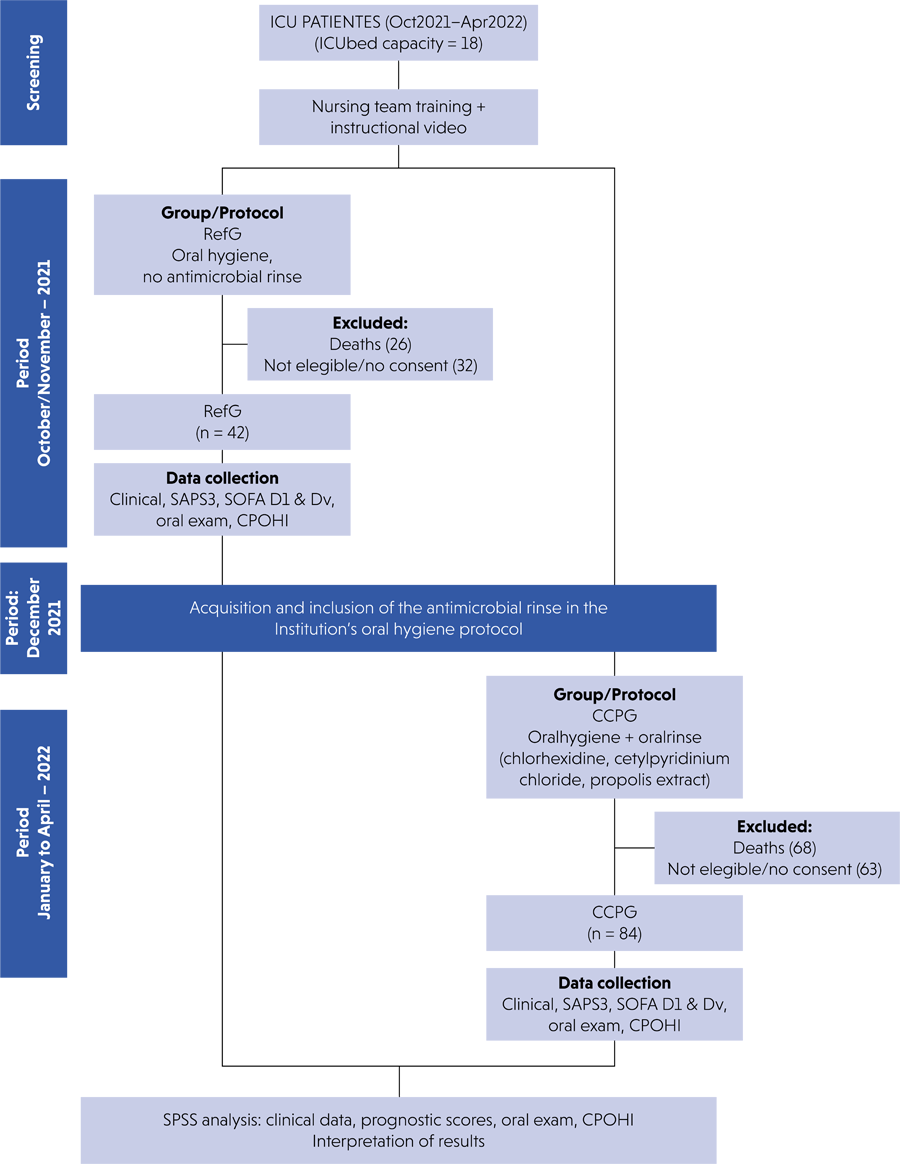
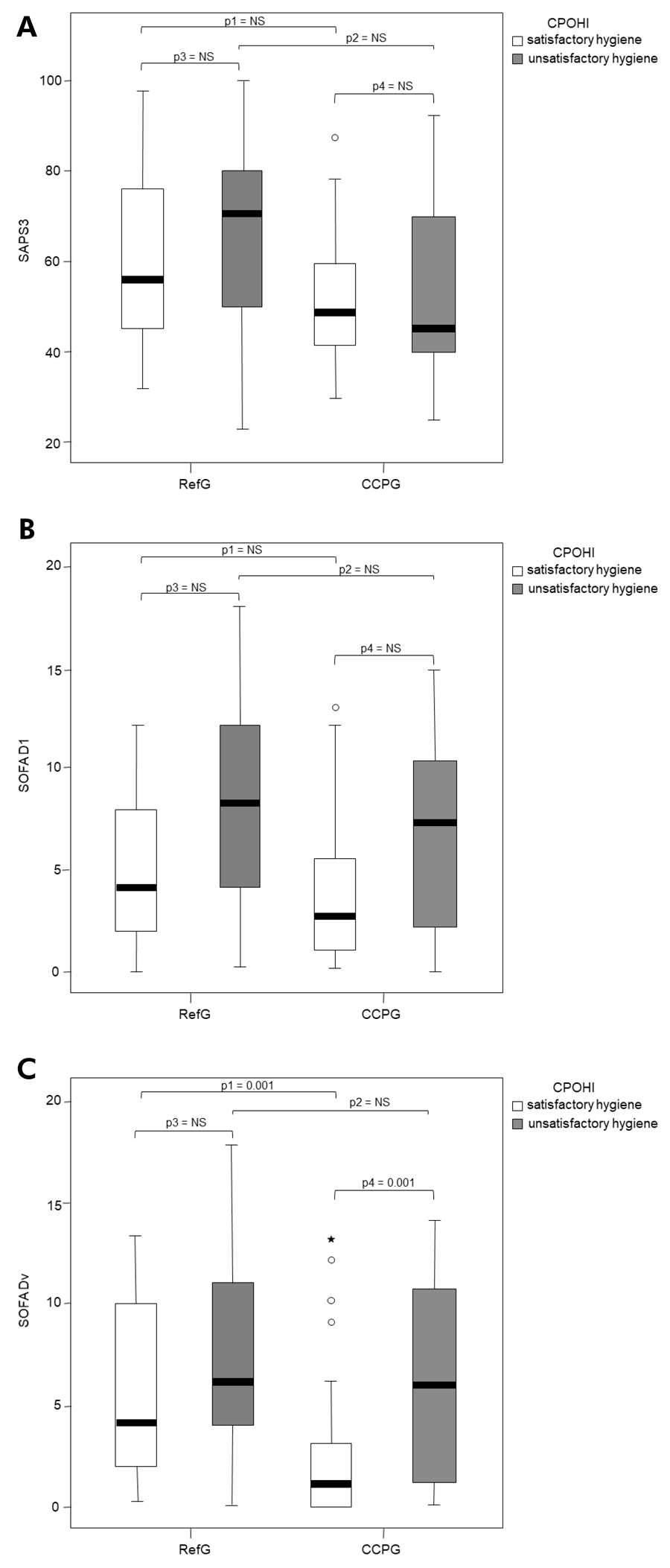
This study compared oral hygiene and prognostic scores in intensive care unit patients who were either exposed or not exposed to an antimicrobial oral rinse. Both the Simplified Acute Physiology Score (SAPS 3), and Sequential Organ Failure Assessment (SOFA) score - recorded on the day of admission (D1) and on the day of the oral examination (Dv) - were retrieved from electronic medical records. Oral data obtained through intraoral examination were used to calculate the Critical Patient Oral Hygiene Index (CPOHI). Eighty-four patients were included in the group exposed to the oral rinse containing chlorhexidine, cetylpyridinium chloride, and propolis extract (CCPG), whereas 42 patients were assigned to the reference group (RefG). Gingival inflammation (47.6% vs. 16.7%; p < 0.001) and spontaneous bleeding (9.5% vs. 0%; p = 0.004) were more frequent in the RefG than in the CCPG, respectively. Oral hygiene was satisfactory in 53.2% of patients, with no difference between groups. Median SAPS3 and SOFA Dv were worse in the RefG. Patients in CCPG with poor oral hygiene (6.0 (0-14)) showed worse SOFA Dv scores than those with good oral hygiene (1.0 (0-13), p=0.001). Intubation was the only variable negatively associated with all prognostic scores in the multivariate analysis. Critically ill patients exposed to the antimicrobial oral rinse showed better prognostic scores and a lower frequency of gingival inflammation and spontaneous bleeding, supporting the indication of the antimicrobial rinse in oral hygiene protocols for critically ill patients.
Descriptors:
Intensive Care Units; Chlorhexidine; Oral Hygiene Index; Simplified Acute Physiology Score; Organ Dysfunction Scores
 Thumbnail
 Thumbnail