 Raising dairy calves for beef production fed high-energy diets: a review
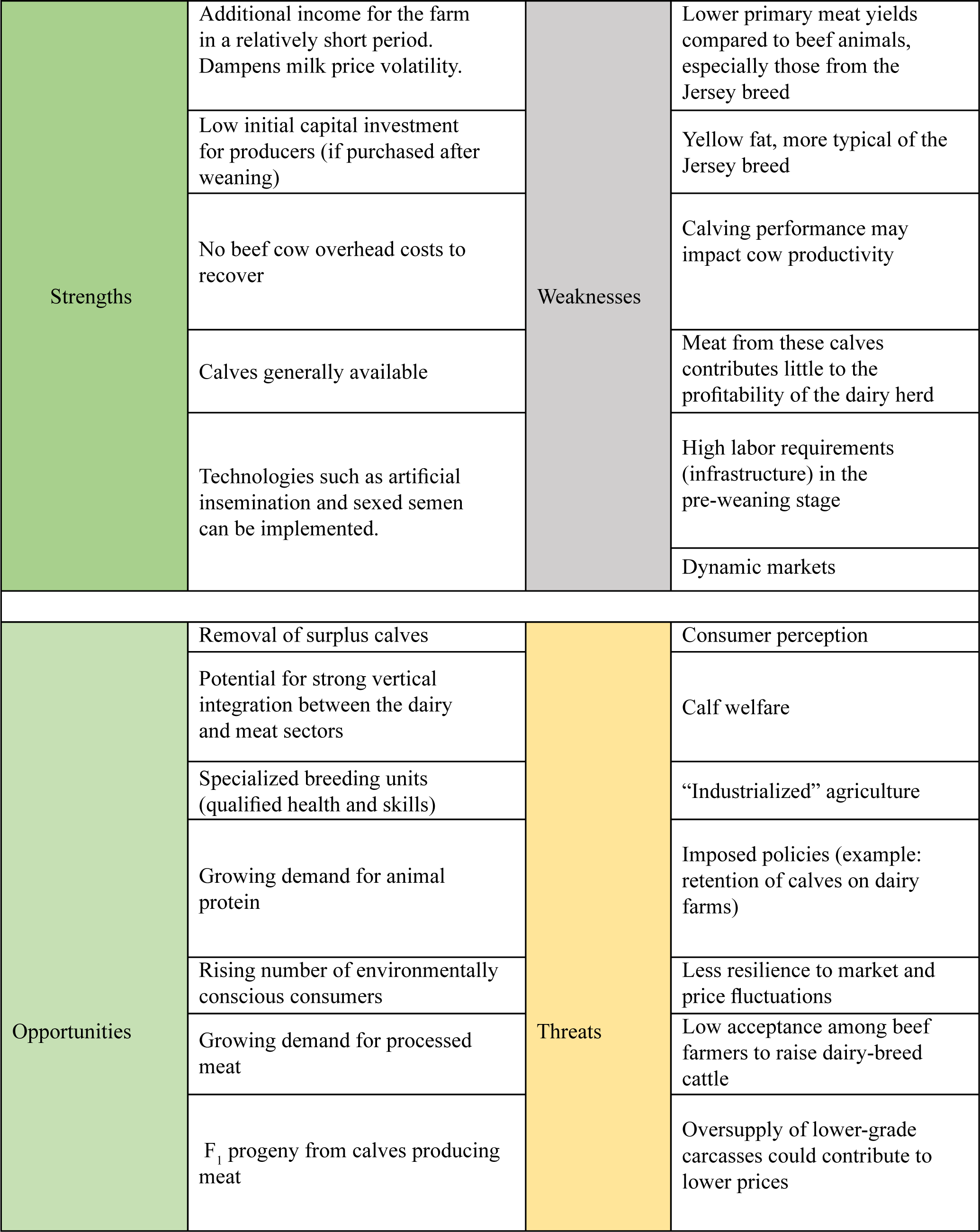
This manuscript aims to provide comprehensive information on the production of dairy calves for beef in feedlot systems, addressing aspects such as breed, age, weight, intake, digestibility, ruminal parameters, performance, and carcass characteristics, among other relevant factors, based on a systematic review of scientific articles and theses containing current and pertinent data. Increases in global milk production and the use of new technologies, such as the selection of breeds with aptitude for milk production, along with significant advances in herd performance, have increased the supply of male dairy calves. Except for using these animals for reproductive purposes, the maintenence of dairy bulls on dairy farms would be justified if they were intended for meat production. According to the literature consulted, feedlot rearing and early production using high-energy diets are the main strategies for raising these animals, since it is well known that dairy calves cannot adapt to extensive systems as well as breeds specialized in meat production. Aspects such as nutritional requirements, ruminal parameters, and performance have also been studied during the pre-weaning, weaning, post-weaning, and finishing phases of dairy calves. In this context, several studies demonstrate the relevance of raising dairy calves as a source of animal protein and report positive results regarding their economic viability, thereby proposing their use as a means for producers to generate additional farm income.
Keywords
dairy calves; beef production; ruminal parameters; performance; carcass characteristics
 Thumbnail