The clinical significance of intracranial pressure waveform analysis in brain-injured patients
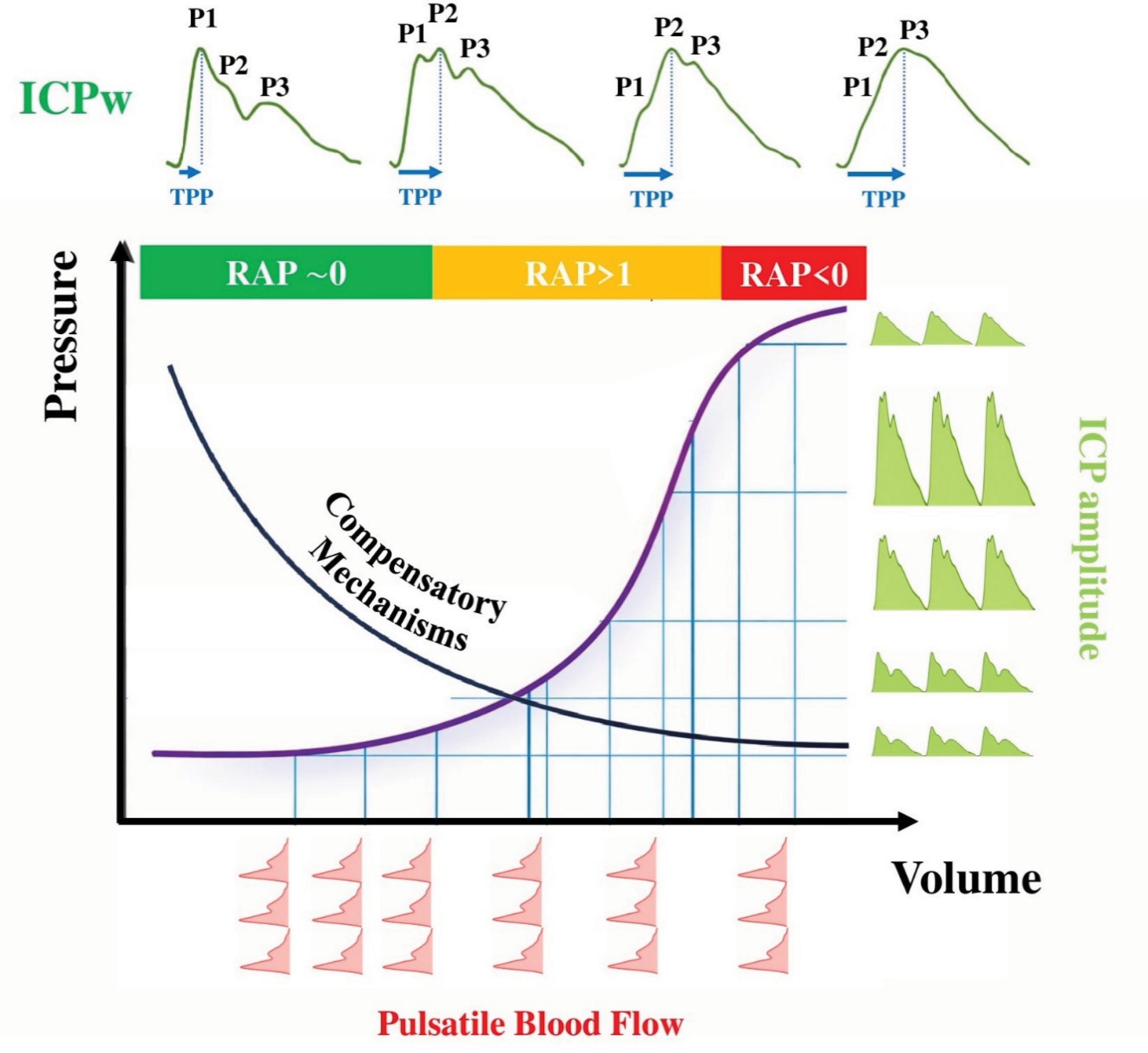
Intracranial pressure monitoring is a cornerstone in neurocritical care, particularly for patients with acute brain injury. Historically, management has focused on absolute intracranial pressure thresholds, but a paradigm shift is underway towards dynamic assessment of intracranial compliance through intracranial pressure waveform analysis. This short review synthesizes recent advancements in understanding intracranial compliance pathophysiology, explores sophisticated invasive and non-invasive monitoring techniques, and discusses their evolving clinical implications. We highlighted how parameters derived from intracranial pressure waveforms, such as the P2/P1 ratio, pulse shape index, and mean pulse amplitude, provide granular insights into the brain compensatory reserve and cerebrovascular autoregulation. Integrating these new pathophysiological insights with advanced monitoring tools holds immense potential to refine clinical decision-making, enabling more proactive, personalized interventions to improve outcomes for patients with acute brain injury.
Keywords:
Neurophysiological monitoring; Intracranial pressure; Intracranial hypertension; Brain injuries; Homeostasis
 Thumbnail