Clinical outcomes associated with dynamic changes in serum sodium amongst adult patients with spontaneous subarachnoid hemorrhage and other critical illnesses: an exploratory scoping review
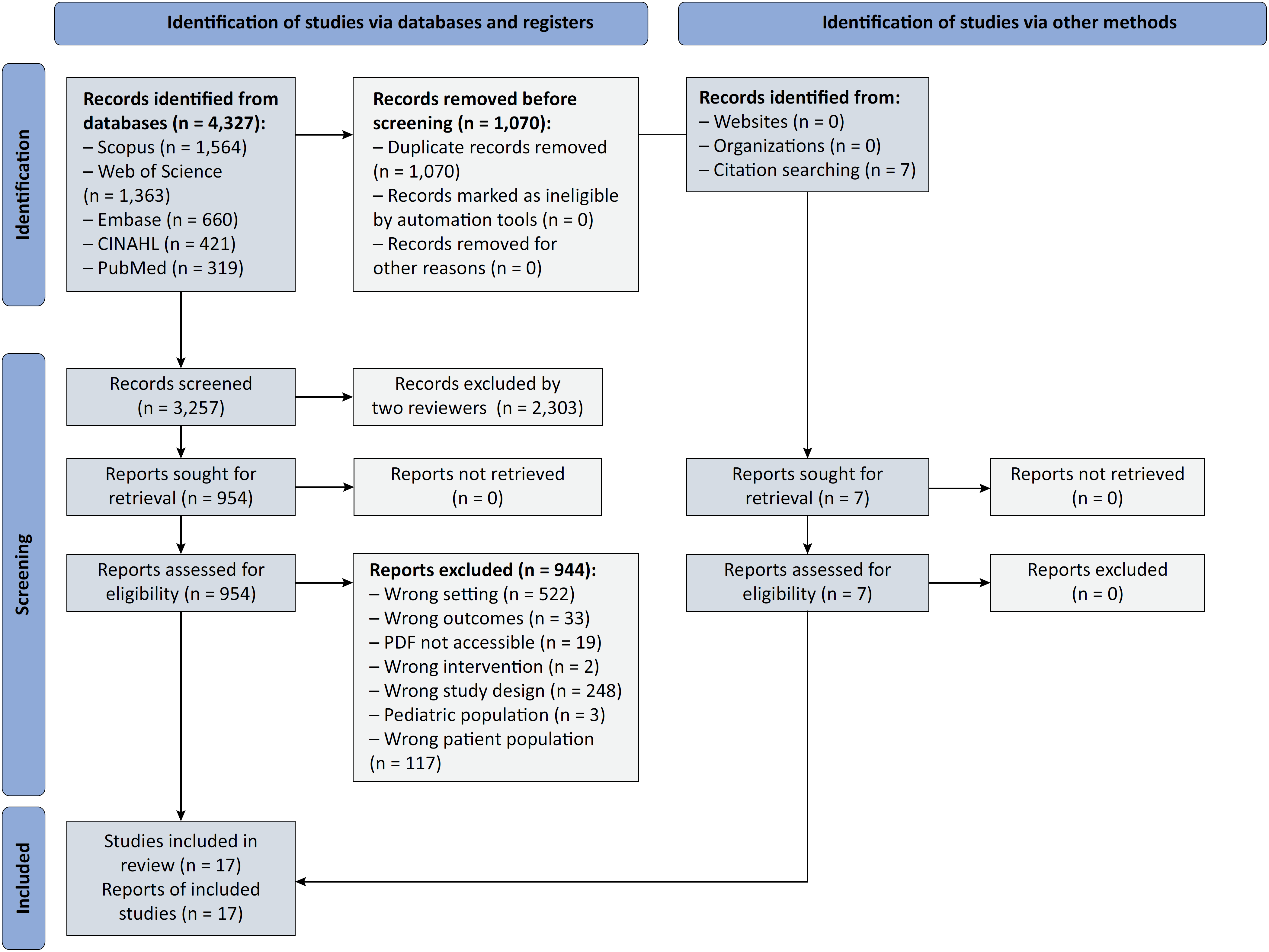
Incident dysnatremia has been reported amongst varied intensive care unit disease populations and is associated with worse clinical outcomes, but less is known about the impacts of dynamic changes in serum sodium during intensive care unit admission. The primary objective of this study was to conduct a scoping review of the published literature on patient outcomes associated with dynamic changes in serum sodium in critically ill adults, to inform future research priorities. A scoping review was conducted according to the Joanna Briggs Institute method. PubMed®, Embase, CINAHL, Scopus, and Web of Science databases were searched for relevant articles on sodium "change", "trajectory", "fluctuation", or "variability" in adult patients managed in the intensive care unit. Seventeen articles were extracted; seven involved patients with subarachnoid hemorrhage in the intensive care unit, and ten involved mixed or other specific primary diagnoses requiring intensive care unit admission. In subarachnoid hemorrhage, higher magnitudes of serum sodium change, independent of incident dysnatremia, are associated with greater mortality and delayed cerebral ischemia. A similar association between the magnitude of serum sodium change and mortality is observed in other intensive care unit disease populations. There is limited literature on dynamic changes in serum sodium in intensive care unit populations, but current evidence suggests that greater magnitude is associated with higher mortality and morbidity across multiple intensive care unit disease populations. Current observational literature is insufficient to establish causal links between dysnatremia and worse patient outcomes.
Keywords:
Subarachnoid hemorrhage; Traumatic brain injury; Critical illness; Dysnatremia; Serum sodium; Intensive care units
 Thumbnail