 The evaluations of manufacturing pencil from waste of thermally-modified lumber
This study evaluated the feasibility of using thermally modified wood waste in pencil production, highlighting benefits such as dimensional stability, natural darkening, and environmental sustainability. In this context, thermally-modified wood production wastes which was especially from the cut-to-length process and bigger dimensions from pencil slats were used. Production and pencil performance of four species were investigated: Scots pine (Pinus sylvestris), ash (Fraxinus spp.), ayous (Triplochiton scleroxylon) and iroko (Chlorophora excelsa). Initially, pencil production was tried with thermally modified slats on the commercial production line. Results showed that pencils could be produced from modified ash and iroko species with actual machining adjustments. Then the quality of produced pencils were tested according to national, international and company (market) standards. The pencils successfully passed the conditioning and especially the mechanical (lead break and free fall) tests, although thermal modification process generally decreases the mechanical strengths. Only insufficient results were observed on the ash pencils during the sharpening tests due its strict structure, however better results could be obtained with sharpening machines. The results generally indicated that the woods studied meet the quality requirements, with the potential to reduce costs and attract consumers interested in natural products. Because paraffin impregnation for gaining stability and darkening with chemicals will be removed in the pencil production from thermally modified woods.
Keywords:
Ash; Ayous; Iroko; Modification; Waste utilization
 Thumbnail
 Thumbnail
 Thumbnail
 Thumbnail
 Thumbnail
 Thumbnail
 Thumbnail
 Thumbnail
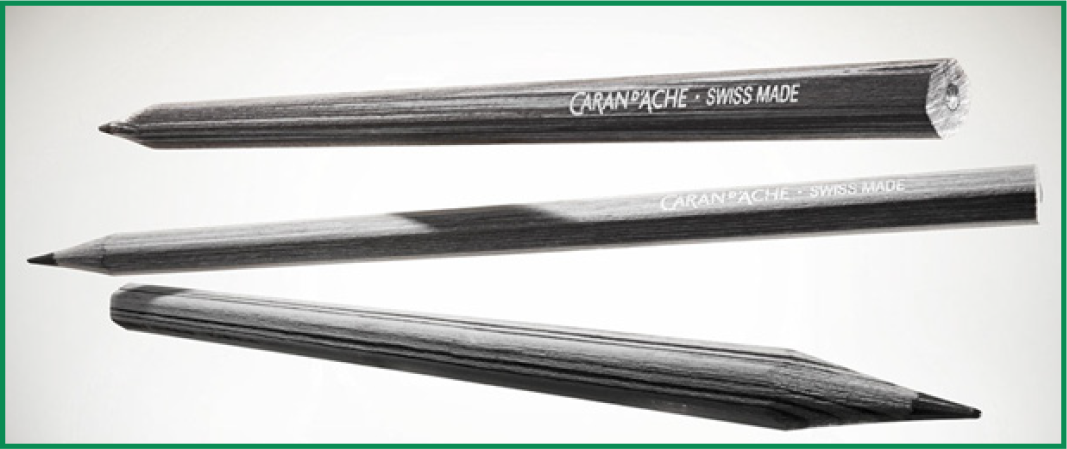 Source:
 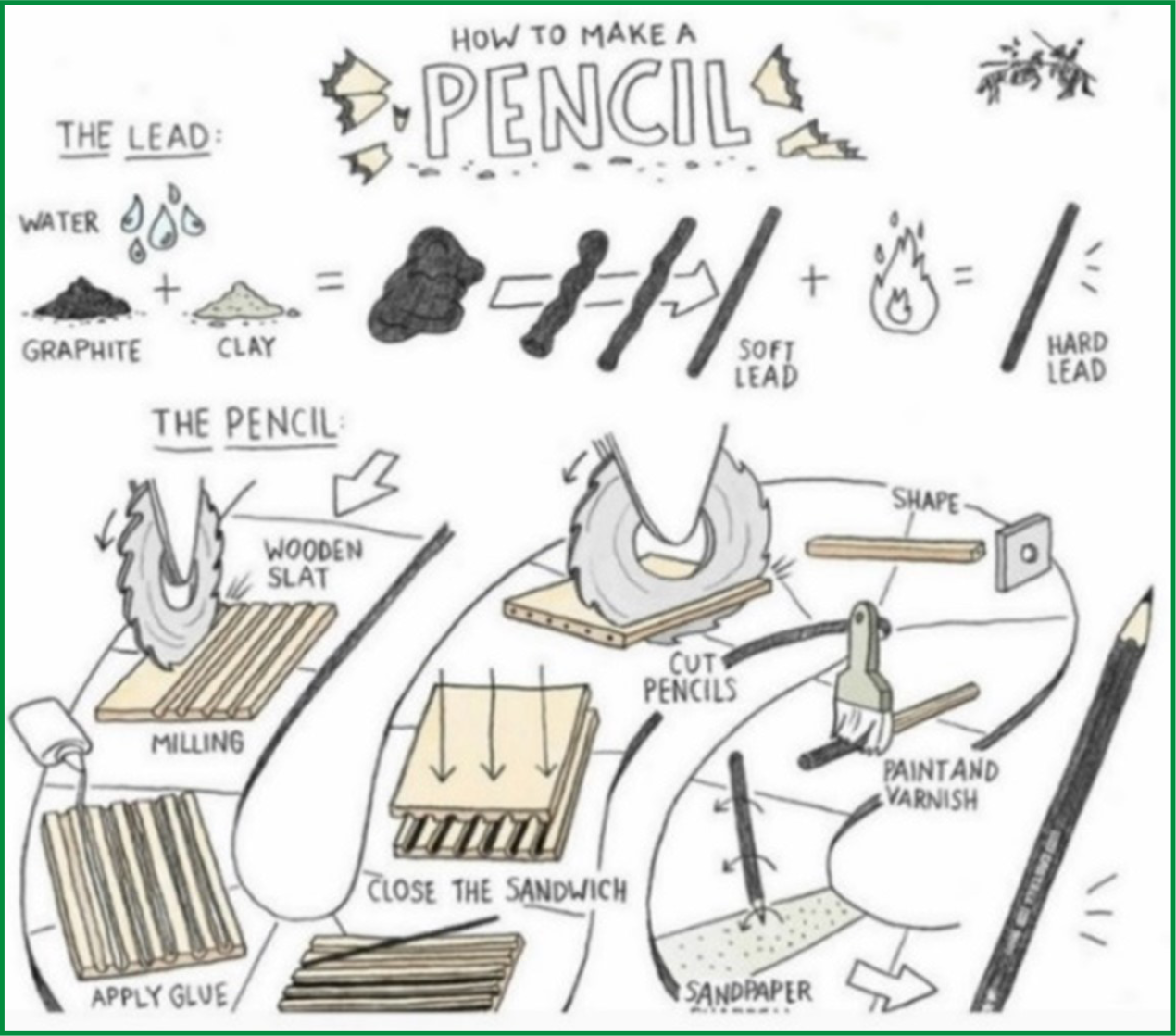 Source:
 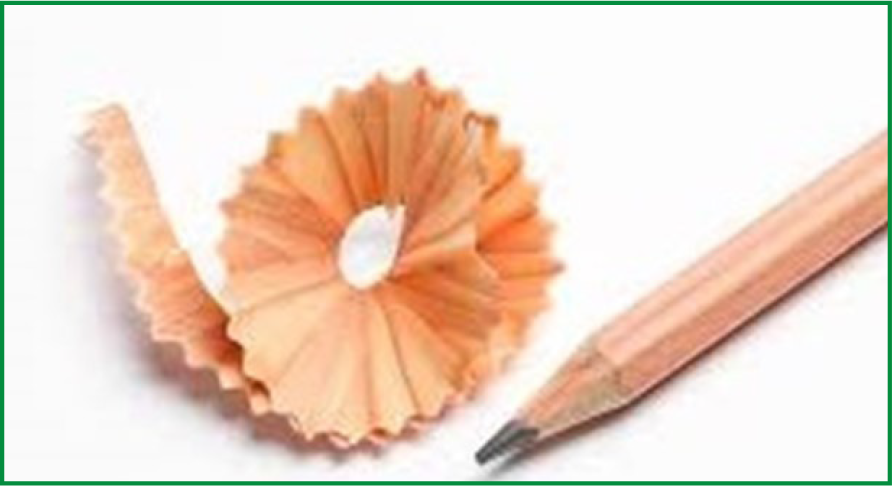 Source: Authors (2026)
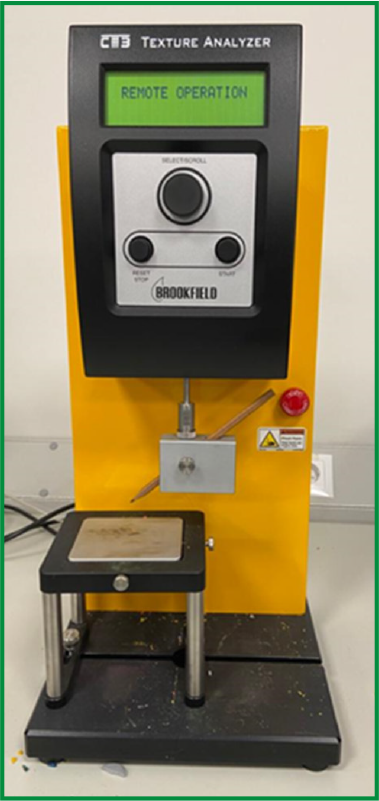 Source: Authors (2026)
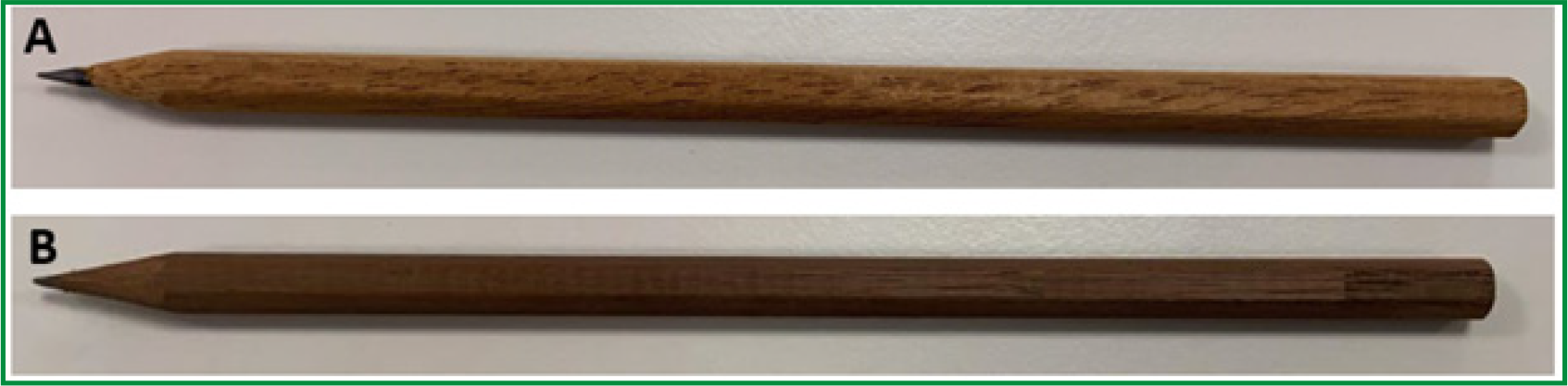 Source: Authors (2026)
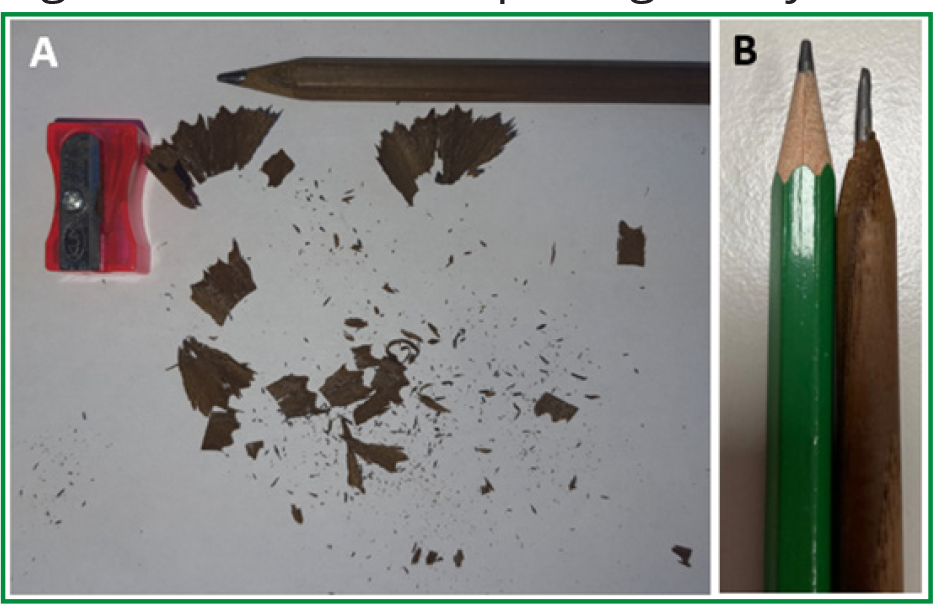 Source: Authors (2026)
 Source: Authors (2026)
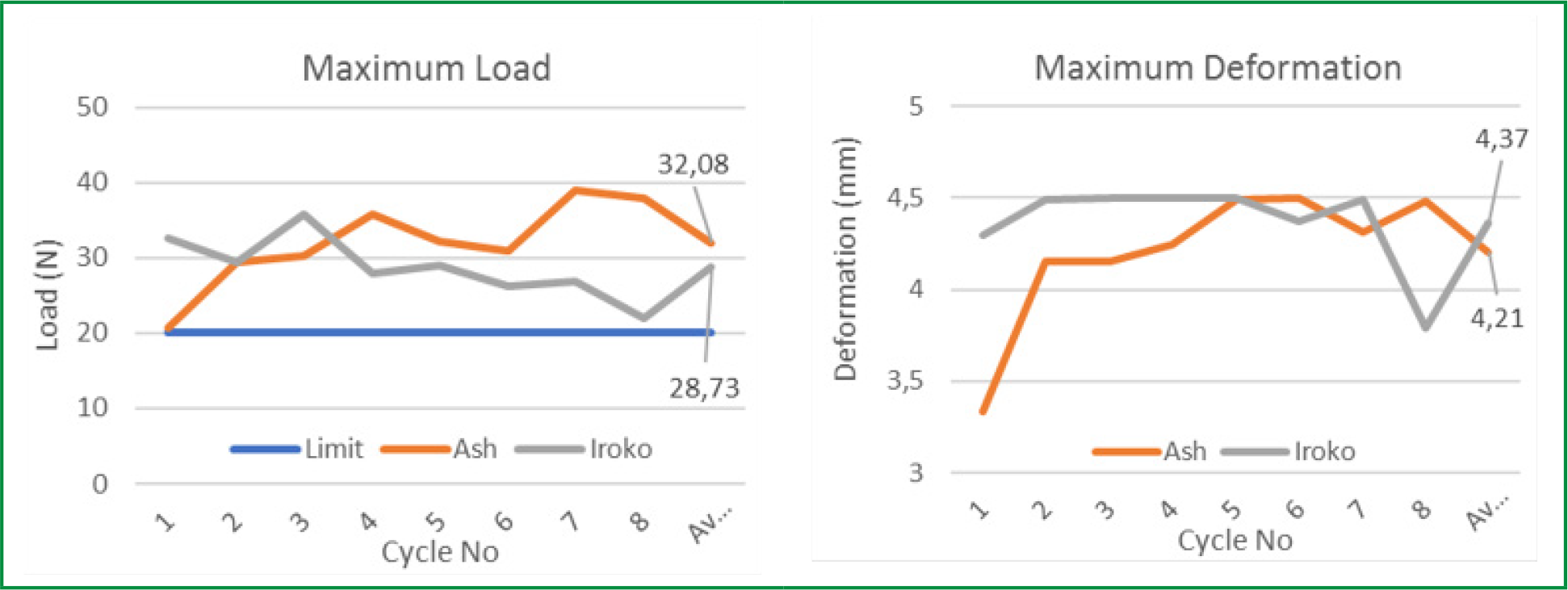 Source: Authors (2026)