Street-level managers: Unveiling a central concept for analyzing public policy implementation
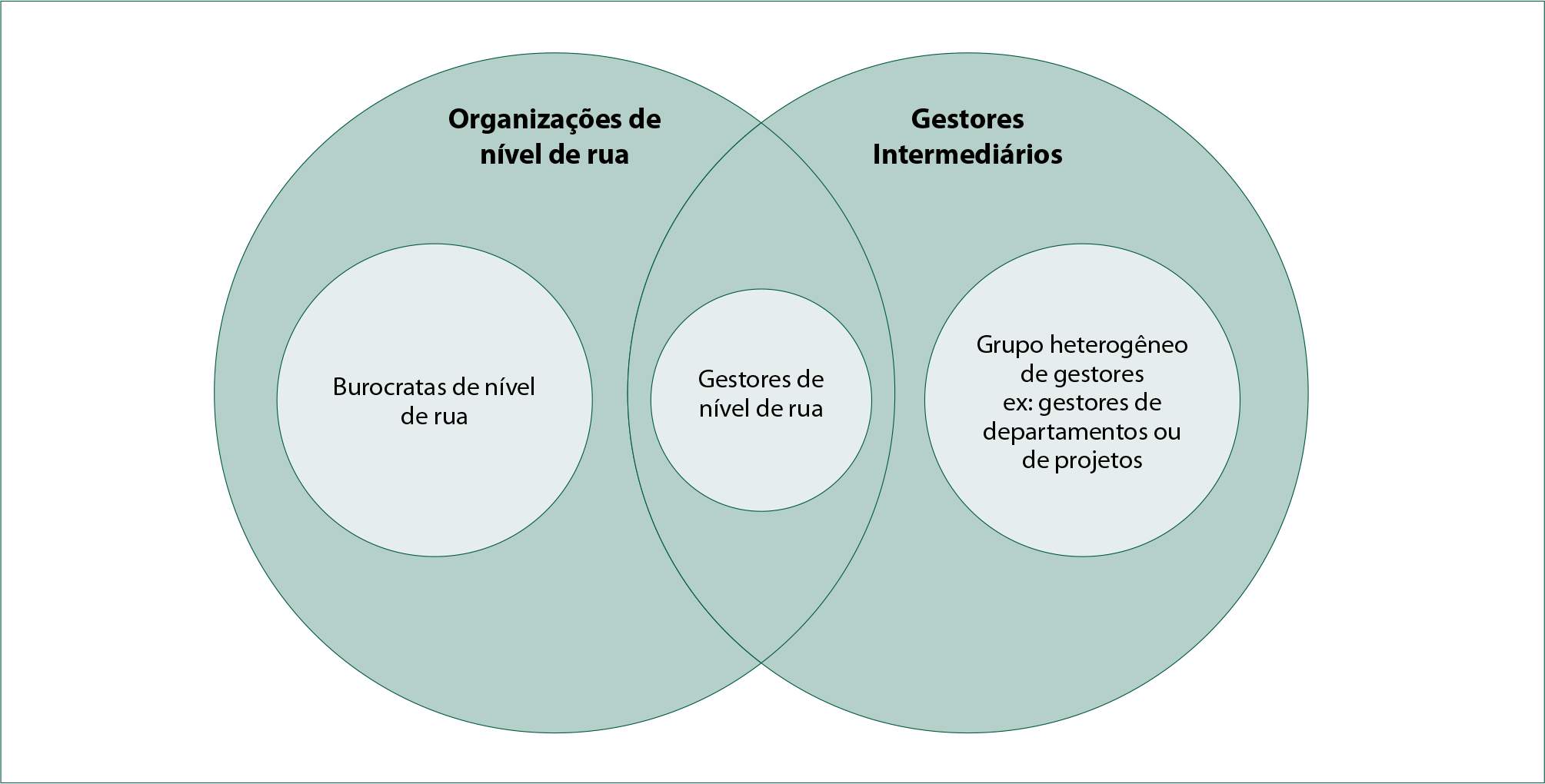
Although numerous studies have explored policy implementation in street-level work within frontline organizations, the management of policy implementation has often been overlooked. To explore the managerial aspects of implementation, this study focuses on heads of street-level organizations as a distinctive tier of public management, termed here “street-level management.” The analysis used interviews with Israeli street-level managers from the education, social welfare, and policing sectors and Brazilian research about school directors and health center managers. The findings encompass a discussion of the particular dynamics and how four management functions are exercised in the relationships with subordinates and the policy clientele. The functions are translation, synchronization, mobilization, and gap resolution. The findings contribute to understanding the specificities and challenges of street-level managers.
Keywords:
street-level managers; policy implementation; frontline organizations; street-level bureaucracy; middle managers.
 Thumbnail