
 Tertiary spaces. Urban restructuring trends in the deindustrialization context?
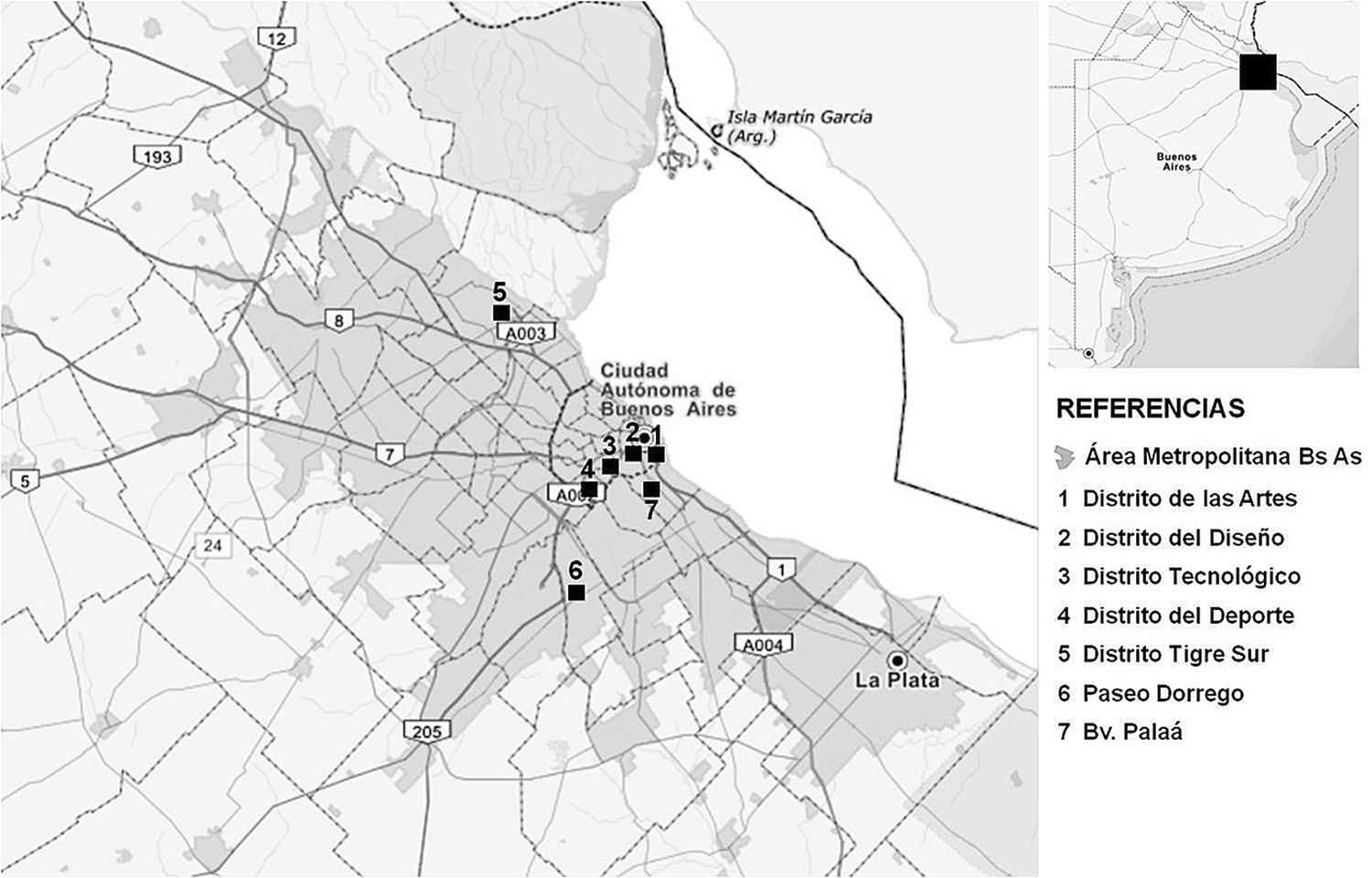
This paper aims to understand and characterize the emergence of tertiary spaces in the post-industrial city, focusing on the spatial and production transformations they promote. We understand tertiary spaces as novel urban forms targeted at the spatial and production repurposing of consolidated areas that stimulate the growth of the tertiary sector, commercial vitality, and urban dynamism. The study focuses on the Metropolitan Region of Buenos Aires. The methodological strategy is qualitative, and data were produced through a morpho-typological survey and interviews with municipal authorities and entrepreneurs in the sector. The results show the role played by those forms in the urban and production repurposing of previously industrial areas.
economic geography; production restructuring; urban renewal; metropolitan areas; socio-territorial transformations
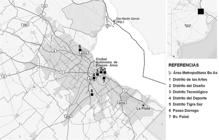 Thumbnail
 Thumbnail
 Thumbnail
 Thumbnail
 Thumbnail
 Thumbnail
 Source: developed by the authors.
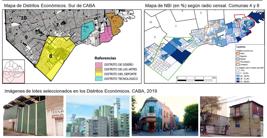
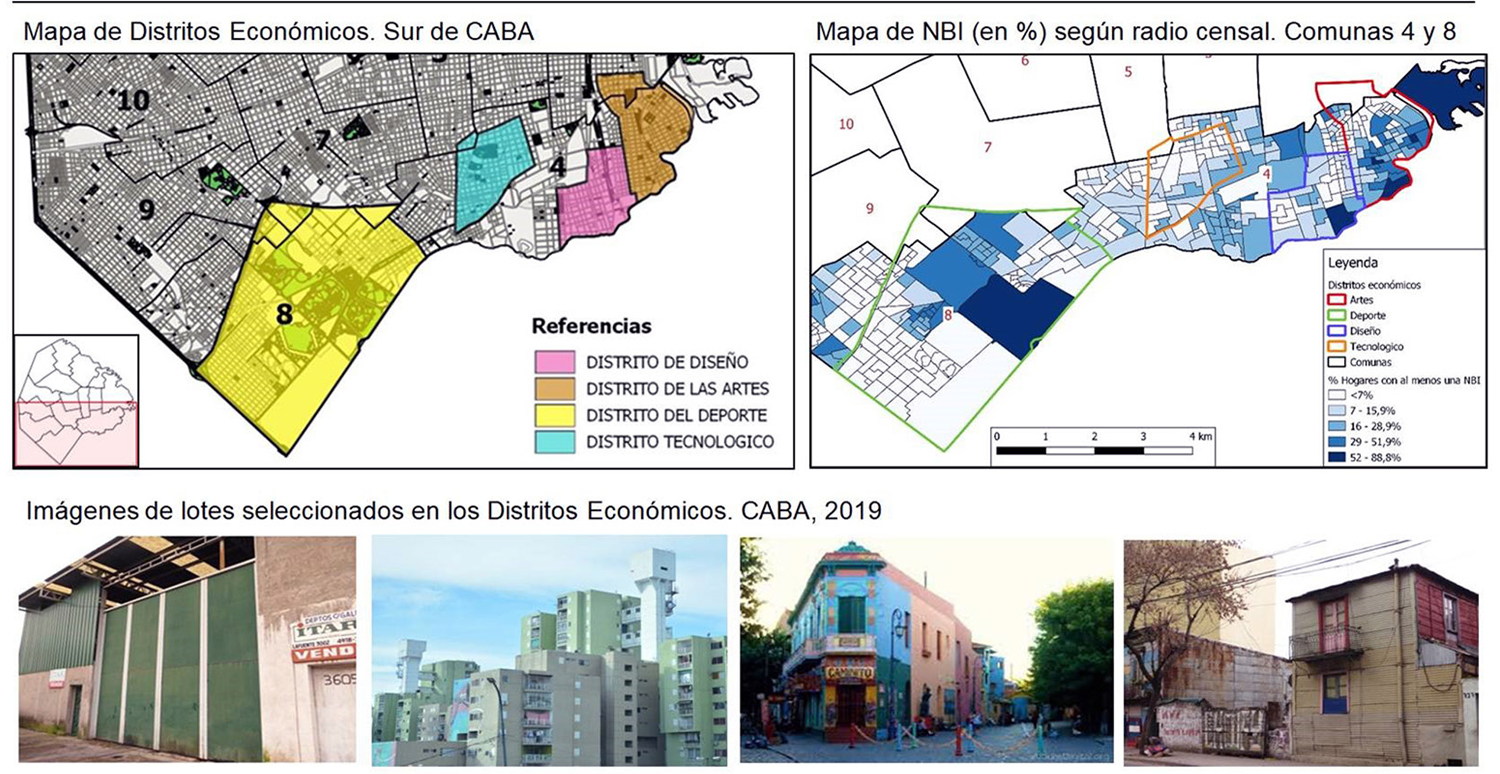 Source: developed by the authors.Comments: We depart from recognizing the heterogeneities that exist between intra and inter-districts, acknowledging that the south of Buenos Aires is home to many places with different purposes, types of buildings and social levels. We identify these characteristics as well as the type of activity promoted in each district as key features to understand how makeover initiatives impact.
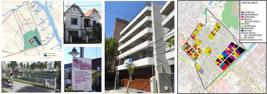
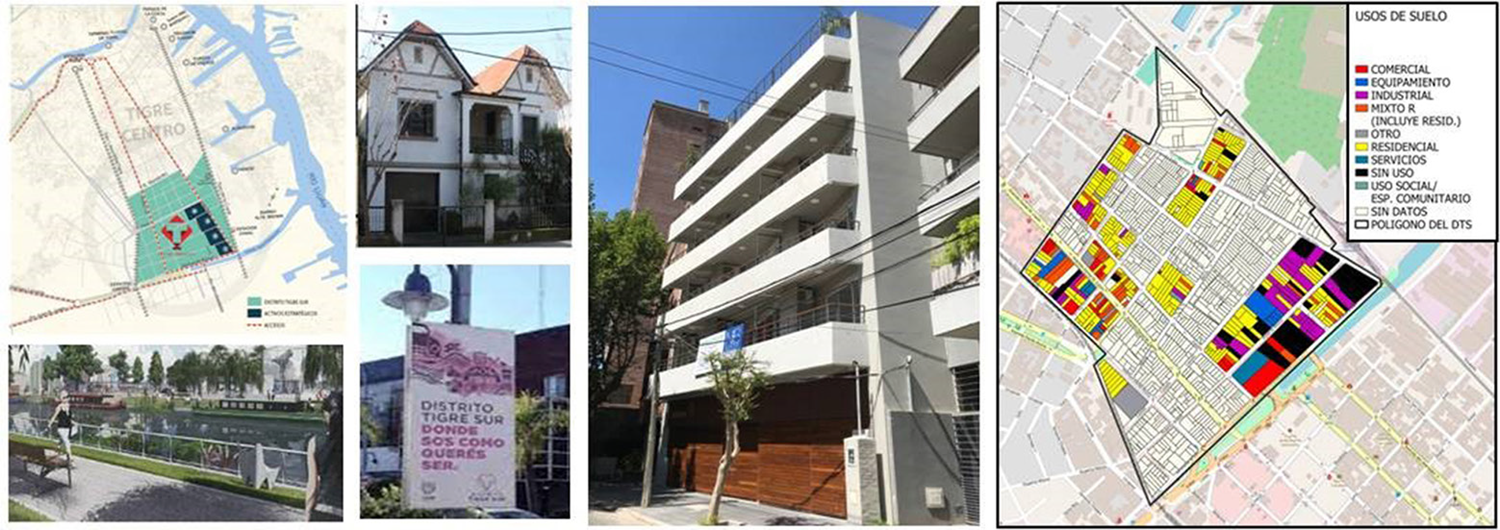 Source: developed by the authors.Comments: Tigre has historically been a privileged area characterized by countries, private neighbourhoods, gated communities and linked to tourism, mostly the Delta area and Puerto de Frutos, which is one the most well-known places for local and international tourists. 381 plots were analyzed. 63,68% fulfil residential purposes whereas 18,5% exhibit commercial or services purposes.
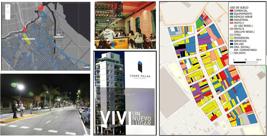
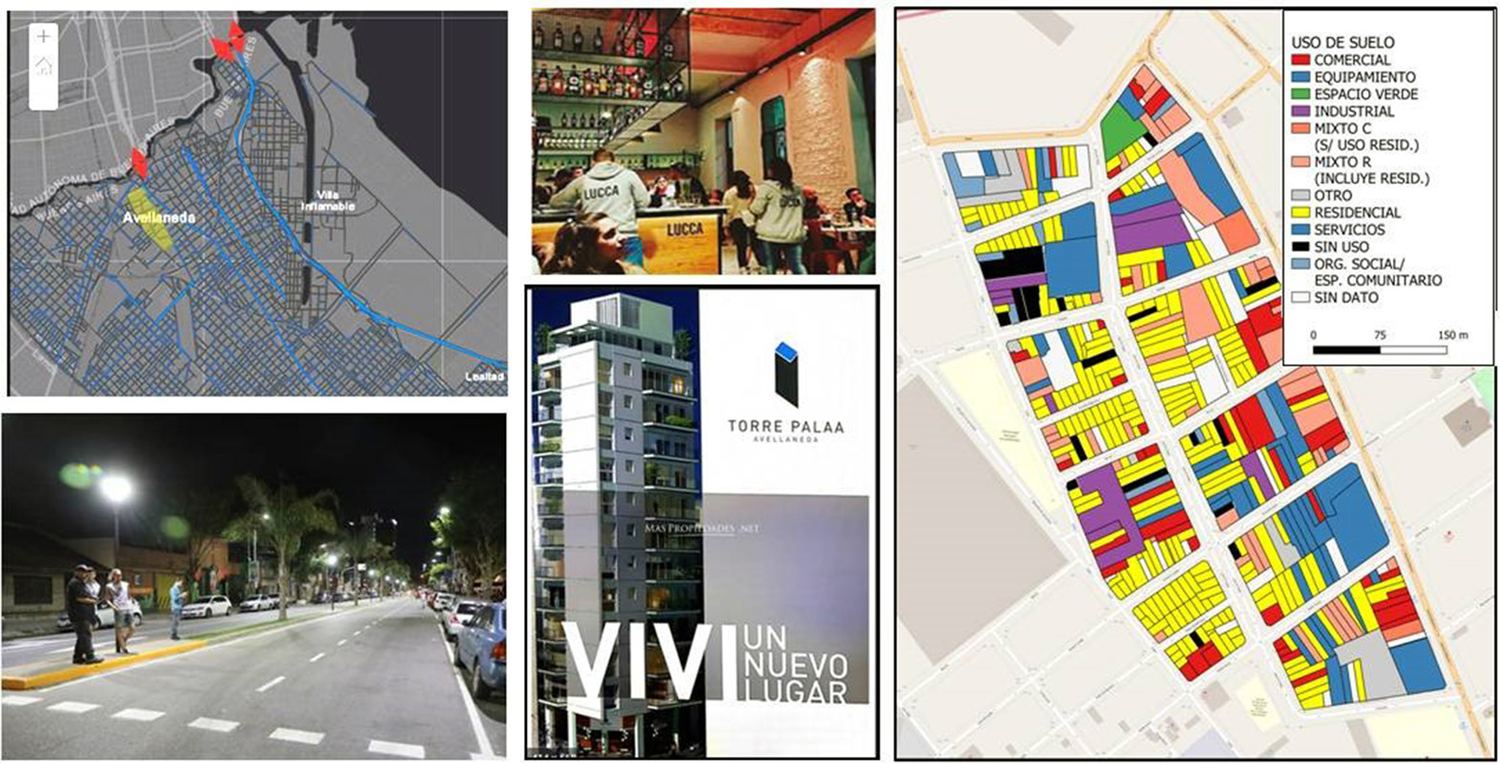 Source: developed by the authors.Comments: Avenalleda is a traditionally industrial and port Municipality, connected to CABA and other main commercial areas in Quilmes and Lanus. 418 plot lands along Palaá Boulevard were studied. 38,6% fulfil residential purposes and 23,95% exhibit commercial or services purposes.
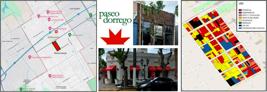
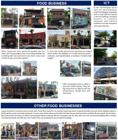
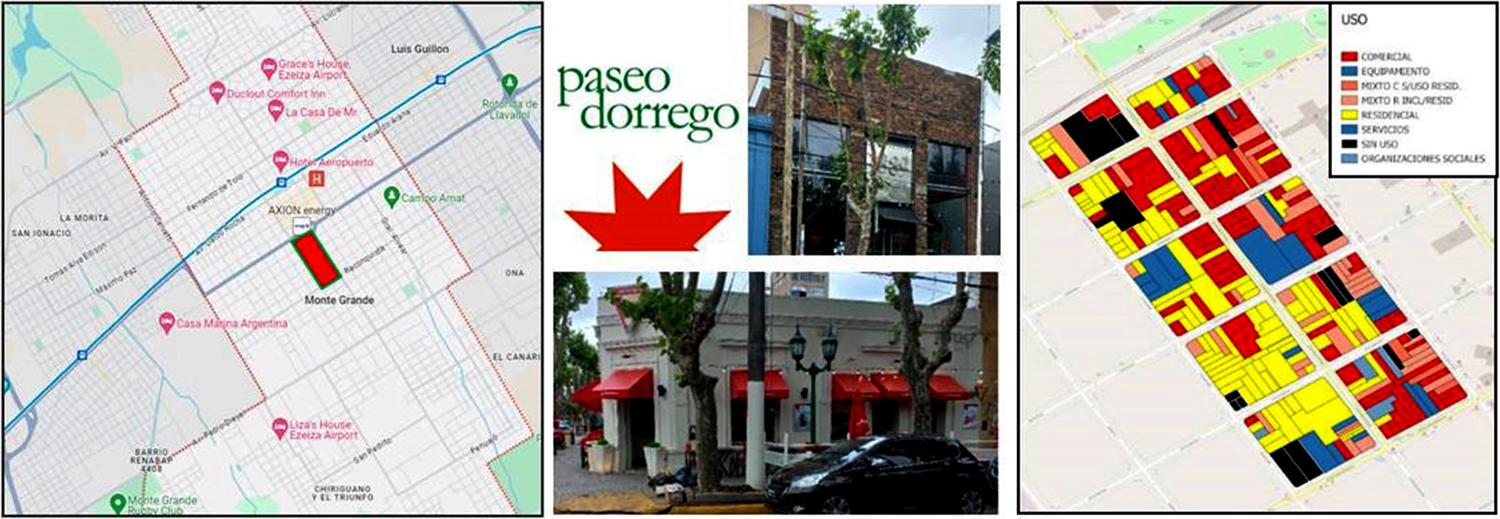 Source: Developed by the authorsComments: Paseo Dorrego develops as a new food business place adjacent to the main traditional area of Monte Grande, Municipaity of Esteban Echeverría. 277 plot lands were analysed. 35% fulfil residential purposes and 55,2% exhibit commercial or services purposes. Among the latter, 10% are food businesses. Within the polygon made up of 10 squares in Paseo Dorrego, there are 4 night clubs and 1 theatre.
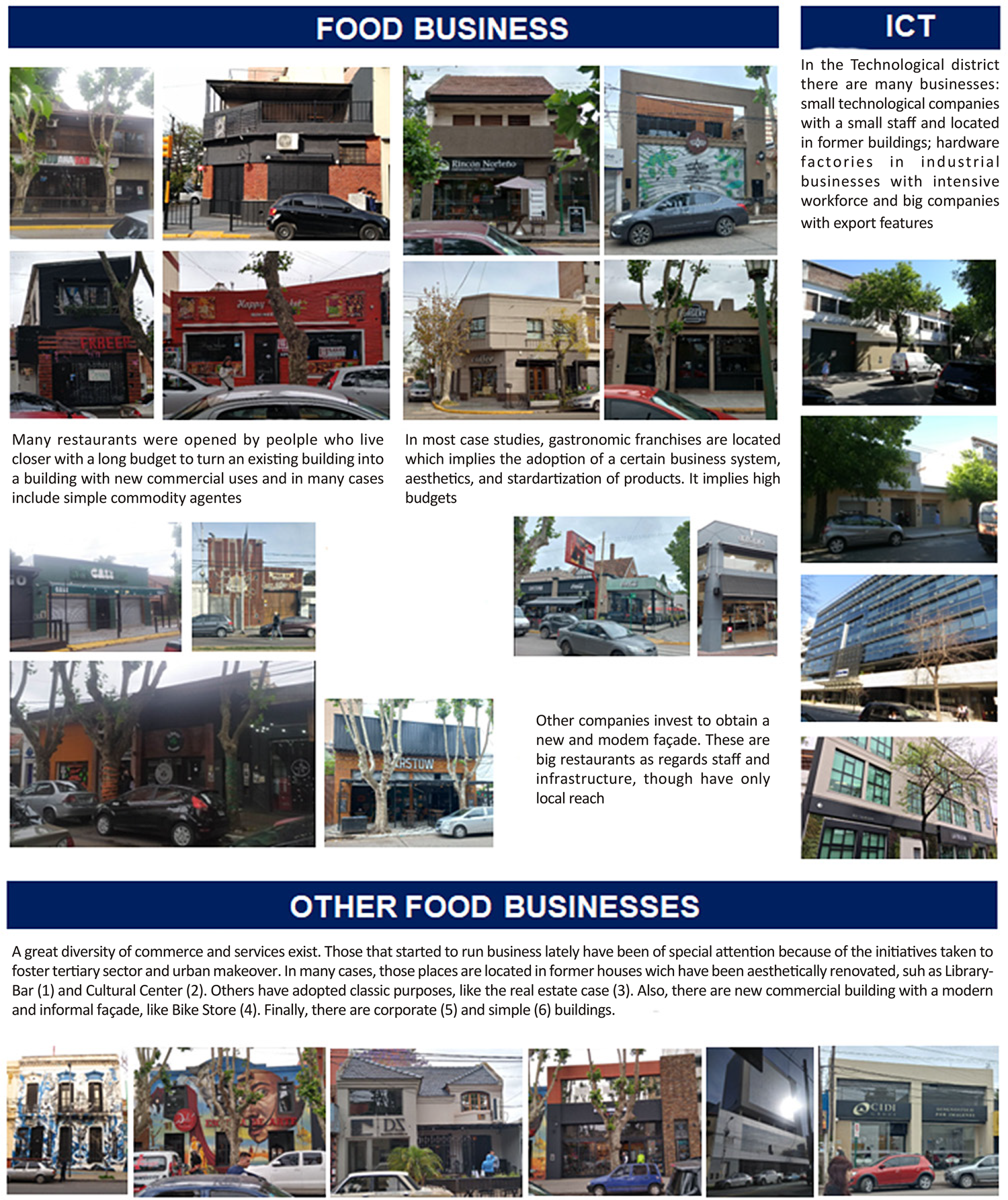 Source: developed by the authors.