
 Central auditory processing skill self-perception scale (CAPSSPS) and behavioral tests: a study in young adults with and without central auditory processing disorder
Purpose To analyze the results of the Central Auditory Processing Disorder. Central Auditory Processing Skill Self-Perception Scale (CAPSSPS) and compare different auditory skills in young adults with and without Central Auditory Processing Disorder (CAPD).
Methods Cross-sectional and prospective study. Thirty-two individuals participated in the study, who were native Brazilian Portuguese speakers, non-bilingual, non-musicians, and not exposed to noise, with normal results in basic audiological assessments, no cognitive or otological complaints, with or without difficulties related to Central Auditory Processing, divided into two groups: participants without CAPD (G1) and participants with CAPD (G2). All participants underwent Anamnesis, Visual Inspection of the External Auditory Canal, Pure Tone Audiometry, Speech Audiometry, Acoustic Immittance Measures, Behavioral Tests of Central Auditory Processing, and the CAPSSPS questionnaire.
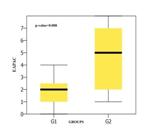
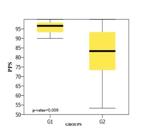
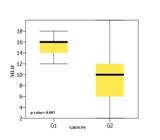
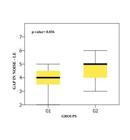
Results There was a significant difference between the groups with and without CAPD when comparing the CAPSSPS questionnaire and the Test of Frequency Pattern (TPF) - Auditec, Masking Level Difference (MLD), and the Gaps in Noise (GIN) tests for the left ear.
Conclusions The CAPSSPS questionnaire demonstrated the possibility of screening for other altered auditory skills, in addition to auditory closure and temporal resolution in young adult populations, including temporal ordering for frequency and binaural interaction. Furthermore, young adult individuals showed greater alterations in auditory skills of temporal resolution, temporal ordering for frequency, and poorer performance in binaural interaction skill.
Keywords:
Surveys and Questionnaires; Auditory Processing; Young Adult; Hearing Tests; Hearing
 Thumbnail
 Thumbnail
 Thumbnail
 Thumbnail
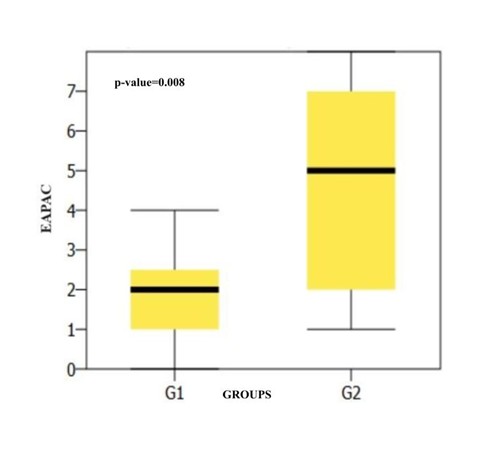 Caption: G1= Group without CAPD; G2= Group with CAPD
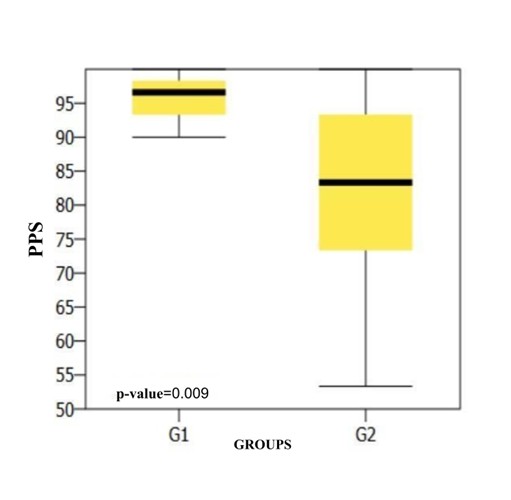 Caption: G1= Group without CAPD; G2= Group with CAPD
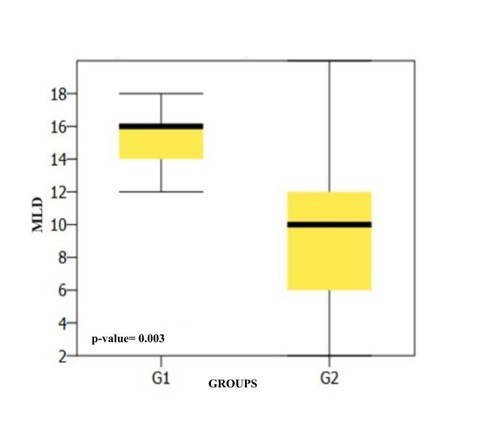 Caption: G1= Group without CAPD; G2= Group with CAPD
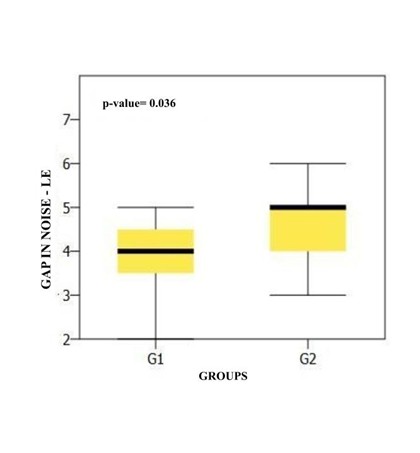 Caption: G1= Group without CAPD; G2= Group with CAPD