
 what educational psychology theories do not tell us: cartagraphies of teaching paths and experiences
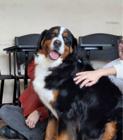
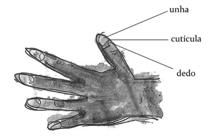
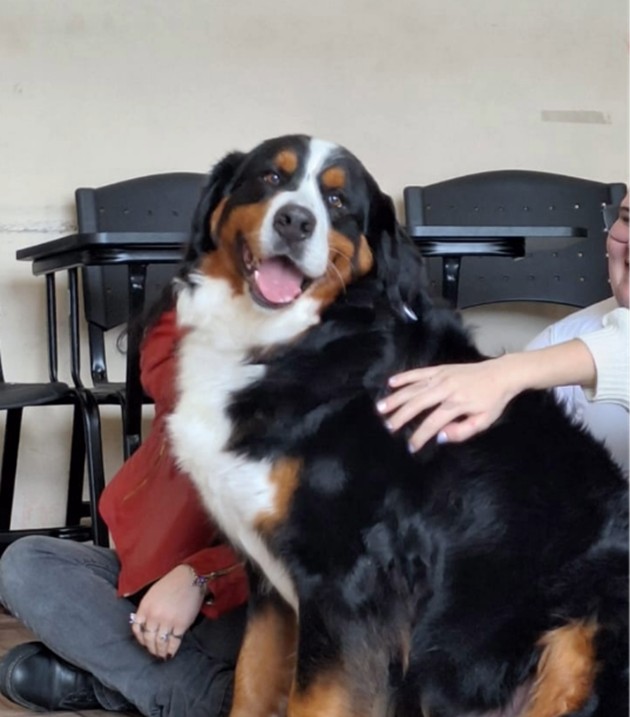
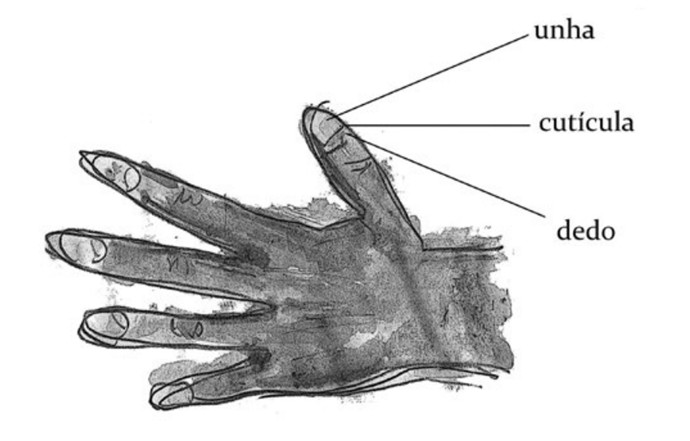
This article, written in an essayistic tone, stems from the experiences of the authors as professors of Educational Psychology at a Federal University of Rio Grande do Sul (UFRGS). Written in the form of correspondence, the text is sustained by the methodology of cartagraphy, a hybrid of epistolary and cartagraphic writing. Through these letters, the authors feel more at ease to recount and summon their experiences in the field of Educational Psychology, problematizing certain obstacles and challenges of the field, namely: the excess of historicization, the hegemony of certain authors (understood as fathers or owners of specific theories), the rigidity of teaching plans, the speed with which content is processed, and the lack of openness to other epistemologies, as well as to poetry, literature, and other artistic expressions. Alongside authors such as Freud, Piaget, Vygotsky, Skinner, Pavlov, and Wallon-though not necessarily converging with them-authors such as bell hooks, Milan Kundera, Deleuze, Guattari, Júlio Cortázar, Guadalupe Tomazolli, Sandra Corazza, Lenine, Mia Couto, Grada Kilomba, and Ailton Krenak are presented. This represents a wager on the collective, on what can occur when we accept the potency of the “in-between” (potência do entre), when we collectively “window” (janelamos) our classes, when we allow ourselves to experiment with cuticular thoughts, when we call into question our suffering/teaching bodies (corpos do(c)entes), when we ask a dog's permission to inhabit a classroom, and when, instead of settling for the frigid and solitary image of an Iceberg, we decide to sit in the shade of a solidary, leafy tree.
keywords:
cartography; intercessors; teacher education; psychology; education.
 Thumbnail
 Thumbnail
 Thumbnail
 Thumbnail
 Thumbnail
 Thumbnail
 Fonte: Claudia Bechara Fröhlich - arquivo docente pessoal (2025).
 Fonte: Claudia Bechara Fröhlich - arquivo docente pessoal (2025).
 Fonte:
 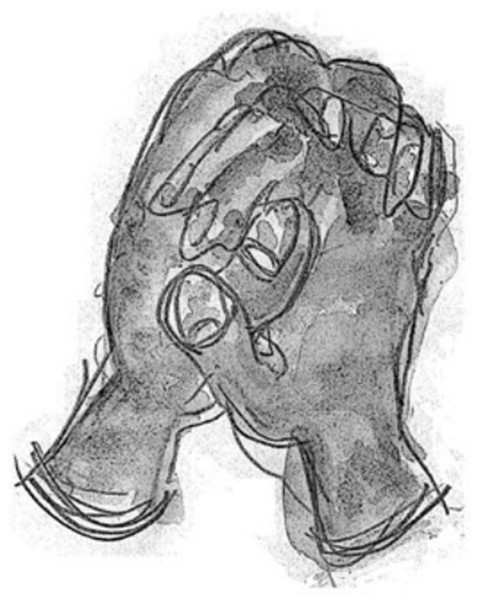 Fonte:
 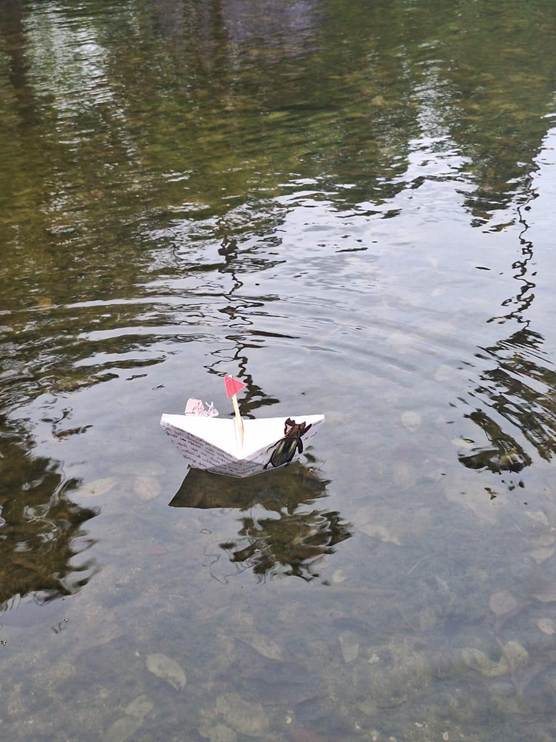 Fonte: Claudia Bechara Fröhlich - arquivo docente pessoal (2025).
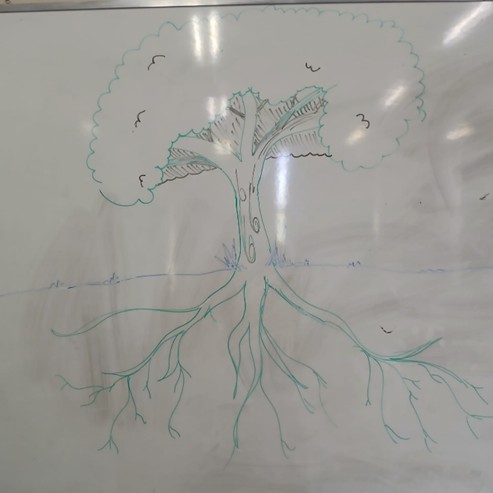 Fonte: Luciano Bedin da Costa - arquivo docente pessoal (2024).