 Phytochemical, ethnopharmacological and pharmacological properties of Alibertia edulis (Rich.) A. Rich. ex DC.: a review
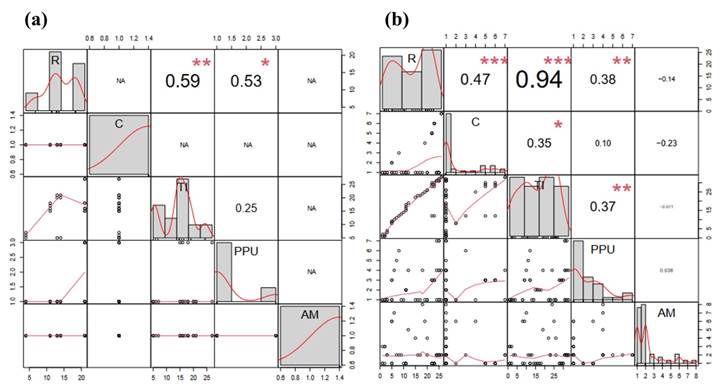
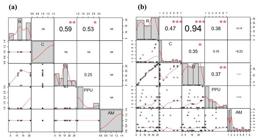
Alibertia edulis (Rich.) A. Rich. ex DC (Rubiaceae) is known in the Brazilian Cerrado usually as cerrado quince, marmalade or marmelada. This species has wide popular use, associated with anti-inflammatory, antiseptic, antiviral, astringent, diuretic and antihypertensive action, among others, due to the presence of bioactive compounds with these biological activities. This study investigated documents using the Scientific Procedures and Rotationales for Systematic Literature Reviews (SPAR-4-SLR) protocol in academic databases (CAPES Journals Portal, Dimensions, Scopus, PubMed, Scientific Electronic Library Online (SciELO), Web of Science ISI and Google Scholar). The 79 publications were grouped according to specificity: morphology, phytotherapy, phytotherapic, phytochemical activity, ethnopharmacological and pharmacological potential that explored bioactive compounds, biological activities and their medicinal applications. Six descriptors were used and categorized into classes of variables used in a Pearson correlation analysis. Pearson’s correlation showed a high positive correlation between reference and therapeutic indication (0.94, P < 0.001), with Brazil being the country where A. edulis is most studied. There was also a negative correlation between the method of administration and the country (-0.23), reference (-0.14) and therapeutic indication (-0.071), indicating that the methods of preparation most used in the six countries and the degree to which the seven parts of the plant are used influence the medicinal and food properties of A. edulis. In general, the data obtained confirmed the various drugs present in the leaves with antioxidant, antifungal and cytotoxic activities, while the diversity of new niches as raw material for different industrial segments was evident in the fruit.
Key words:
Rubiaceae; Cerrado;
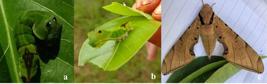
Hemeroplanes triptolemus
; associated traditional knowledge
 Thumbnail
 Thumbnail
 Thumbnail
 Thumbnail
 Thumbnail
 Thumbnail
 Thumbnail
 Thumbnail