 Influence of spiritual interventions on the most lethal chronic non-communicable diseases: a scoping review
Abstract
The aim is to identify and map studies on spiritual interventions in individuals with, or undergoing prevention of, more lethal chronic non-communicable diseases. A scoping review following the recommendations of the Joanna Briggs Institute and the PRISMA extension for scoping reviews was conducted in search of studies published from 2000 onwards on the influence of spiritual interventions on chronic cardiovascular and respiratory diseases, diabetes mellitus and cancer. Of the 1,564 studies identified, 26 experimental or quasi-experimental studies published between 2000 and 2022 were eligible, covering eight modalities of spiritual intervention and a total population of 3,103 participants. The influence of spirituality on cardiovascular diseases was addressed in 16.0% of those studies; on diabetes mellitus, in 11.5%; and on cancer, in 73.0%. No results were found relating to respiratory diseases. Spiritual care was found to have positive effects on the physical, mental, and spiritual health of individuals with chronic illnesses. It is suggested that specific modalities of intervention be studied for associations with participants’ spirituality; this important object of investigation may afford the possibility of enhancing gains by these interventions.
Key words:
Chronic disease; Spirituality; Religion; Prevention; Health
Resumo
O objetivo é identificar e mapear estudos sobre intervenções espirituais em indivíduos com ou em prevenção de doenças crônicas não transmissíveis de maior letalidade. Realizada revisão de escopo sob recomendações do Instituto Joanna Briggs e extensão PRISMA para scoping review, em busca de estudos publicados a partir do ano 2000 sobre a influência de intervenções espirituais nas doenças crônicas cardiovasculares, respiratórias, diabetes Mellitus e câncer. Foram identificados 1.564 estudos e elegíveis 26, do tipo experimentais ou quase-experimentais, publicados entre os anos de 2000 a 2022, com uma população de 3.103 participantes, distribuída entre oito modalidades de intervenção espiritual. A influência da espiritualidade nas doenças cardiovasculares foi apresentada em 16,0% dos estudos, no Diabetes Mellitus em 11,5% e no câncer em 73,0%, sem resultados relativos às doenças respiratórias. Identificados efeitos positivos da assistência espiritual na saúde física, mental e espiritual de indivíduos com doenças crônicas. Sugere-se a realização de estudos com modalidades específicas de intervenção, associando-as à avaliação da espiritualidade de seus participantes; importante objeto de investigação, pela possibilidade de interferir ou não nos ganhos das referidas intervenções.
Palavras-chave:
Doença crônica; Espiritualidade; Religião; Prevenção; Saúde
Resumen
El objetivo es identificar y mapear estudios sobre intervenciones espirituales en individuos con o en prevención de enfermedades crónicas no transmisibles de mayor letalidad. Se realizó una revisión de alcance bajo las recomendaciones del Instituto Joanna Briggs y la extensión PRISMA para scoping review, buscando estudios publicados a partir del año 2000 sobre la influencia de intervenciones espirituales en enfermedades crónicas cardiovasculares, respiratorias, diabetes mellitus y cáncer. Se identificaron 1.564 estudios y fueron elegibles 26 estudios experimentales o cuasiexperimentales, publicados entre 2000 y 2022, con una población de 3.103 participantes, distribuidos en ocho modalidades de intervención espiritual. La influencia de la espiritualidad en las enfermedades cardiovasculares se presentó en el 16,0% de los estudios, en la diabetes mellitus en el 11,5% y en el cáncer en el 73,0%, sin resultados relativos a enfermedades respiratorias. Fueron identificados efectos positivos de la atención espiritual en la salud física, mental y espiritual de los individuos con enfermedades crónicas. Se sugiere la realización de estudios con modalidades específicas de intervención, asociándolas a una evaluación de la espiritualidad de sus participantes; importante objeto de investigación, debido a la posibilidad de interferir o no en las ganancias de esas intervenciones.
Palabras clave:
Enfermedad crónica; Espiritualidad; Religión; Prevención; Salud
Introduction
In science, spirituality has been presented as an active aspect intrinsic to individuals, that can enable them to seek meaning and purpose in life by looking inward in search of something that transcends matter. It is thus important as an instrument for giving direction and balance1,2.
For research purposes, it is important to distinguish between religiosity and spirituality: the literature acknowledges that, although related and largely overlapping, the terms are not synonymous3,4. Religiosity comprises a system of beliefs and practices, that is, the manner in which the individual believes in and follows a religion and worships, communicates with and approaches the holy, the divine, God, by organised participation in religious prayer, readings and programmes at a religious temple or even individually5. Spirituality, meanwhile, is presented as a set of inner experiences and feelings, where each individual seeks meaning and purpose and which is reflected in how they relate to themselves, their family and general surroundings (friends, society, nature) and is also bound up with what is transcendent or sacred6.
In sickness, spirituality plays an important part in coping and strengthening: it can affect perceptions of wellbeing and quality of life on the part of patients and their families, especially when faced by severe and terminal illnesses, by helping them deal with pain and suffering while trying to make sense of the moment they are living through7,8.
The most lethal chronic noncommunicable diseases - represented here by the acronym MLCNCDs, which although not standard usage in the current scientific literature is intended to make this article more readable - are considered the leading cause of death, incapacity and lost quality of life. They fall into four main groups - cardiovascular disease (CD), cancer (CA), chronic respiratory disease (CRD) and diabetes mellitus (DM) - and, because of their severity, are responsible for important impacts on global public health9-11.
It is estimated that, of total deaths worldwide, 41 million (71%) are caused by chronic noncommunicable diseases (CNCDs). Of these, 15 million premature deaths (of individuals from 30 to 69 years of age) occur especially in low- and middle-income countries (Africa, East Mediterranean, Southeast Asia, Europe, West Pacific and the Americas)11-13.
Given that scenario, studies connecting spirituality with MLCNCDs have emerged to address the issue by reporting on strategies that can contribute to preventing and managing MLCNCDs and treating patients suffering from them14. These include spiritual interventions, which use religious and/or spiritual instruments in care for patients or their families so as to bring the spiritual dimension to health care and thus contribute to comprehensive individual care15,16. Accordingly, the aim of this study was to identify and map existing studies on spiritual interventions in individuals with MLCNCDs or undergoing prevention of related risk factors.
Materials and methods
A scoping review was conducted following the recommendations of the Joanna Briggs Institute17 and the PRISMA extension for scoping reviews (PRISMA-ScR)18, with a view to answering the following research question: What studies are there on spiritual interventions in individuals with, or undergoing prevention of, MLCNCDs? Formulation of the inclusion and exclusion criteria was framed by that question and the PCC (population, concept and context) mnemonic strategy. “Population” was specified to be individuals of either sex and any age with, or undergoing prevention of, MLCNCDs; “concept”, to be spiritual interventions in health care; and “context”, MLCNCDs.
The studies included were all original, with experimental and quasi-experimental designs, addressing the use of spiritual interventions in prevention of risk factors for MLCNCDs or in treatment for individuals with such diseases, published since 2000 in indexed journals in the health field and available in full and free of charge in Portuguese, English, Spanish, French or Italian. The information search of primary sources excluded review articles and grey literature.
The research strategy comprised two stages: 1) initial search of selected electronic data bases (PubMed, Scielo and the VHL Regional Portal) to identify keywords given in the articles that could be used in combination with the index terms of those bases; and 2) development of a strategy for searching the three above databases with a broader range of keywords and official descriptors so as to assure a more thorough search. Medical Subject Headings (MeSH) and entry terms were used in the PubMed database, while DeCs and synonyms were used in the other bases.
The searches obeyed the inclusion and exclusion criteria specified above and were performed in May 2023. The research terms, with some variations from base to base, included: “spirituality” OR “religiosity” OR “religion” AND “non_communicable chronic diseases” OR “neoplasms” OR “diabetes mellitus” OR “respiratory tract diseases” OR “cardiovascular diseases”, as shown in Chart 1.
After the searches, the data were compiled and organised in Microsoft Excel spreadsheets. The articles were examined independently and blind by two reviewers (RCD and ACP) in 4 stages: 1. Eliminate duplicates; 2. Read titles and abstracts; 3. Read the studies in full; and 4. Search the studies’ references for complementary studies. Any incongruities or doubts were resolved by consensus among the authors.
After completing the fourth stage, an instrument was prepared for analysis and synthesis of the studies reviewed, which were grouped by similarities in the studies’ characteristics (authors, year of publication, country, objectives, study type, population, collection instruments), populations and spiritual interventions. The extracted data were then analysed using tables and figures reflecting both the attributes of the study selection and screening stages and the interventions performed and their repercussions on individual health. Before making definitive use of this instrument, a pilot test was conducted to verify that its items were appropriate. The search strategies and initial findings are available in the Scielo Data collection at: https://demo.dataverse.org/dataset.xhtml?persistentId=doi%3A10.70122%2FFK2%2FCOHZJQ&version=DRAFT.
Results
A total of 1564 studies were identified, 138 of them eligible for reading in full, after which 112 studies were excluded as at variance with the concept (42), context (2) or design (68) addressed by this review. Accordingly, the synthesis was produced from 26 studies, as shown in Figure 1.

The publications, which spanned the period from 2001 to 2022, were concentrated mostly (69.2%) between 2013 and 2021. By geographical distribution, most of the studies were concentrated in four countries: the USA (13; 50%), Iran (7; 26.9%); Brazil (4; 15.3%) and Japan (2; 7.6%).
All 26 studies included were of the experimental or quasi-experimental type, demonstrating the researchers’ concern to find scientific evidence of the effects of spiritual interventions on individual health. Of these, 4 (16.0%) addressed the influence of spirituality on individuals with, or undergoing prevention against, cardiovascular diseases; 3 (11.5%), diabetes mellitus; and 19 (73.0%), cancer, with one of these latter directed to caregivers of children with cancer. After applying the exclusion criteria, no studies were found on the influence of spirituality on chronic respiratory diseases.
In all, the 26 studies, with numbers of participants ranging from 10 to 443, involved a total population of 3,103 participants with, or undergoing prevention of, MLCNCDs. Of the total population, 172 (5.4%) participants had a cardiovascular disease; 619 (19.9%) were undergoing prevention for cardiovascular disease risk factors; 90 (2.9%) were diabetics; 604 (19.46%) were undergoing prevention for diabetes risk factors; 658 (21.2%) had cancer; and 960 (30.9%) were undergoing prevention for cancer risk factors.
The spiritual interventions used in the studies are shown in Table 2. One study (3.8%) used the Spiritist laying on of hands 19; eight (30.7%) used intercessory, centring, group or recitation prayer20-27; four (15.3%), used readings of holy scriptures and religious texts20,27-29; one (3.8%) used writing on religious topics associated with deep-seated feelings30; one (3.8%) used musicalisation (gospel, dance of praise and worship)27; two (7.6%) used booklets on spiritual care (Healthy Heart model of spiritual care, religious topics and Bible scriptures)31,32; thirteen (46.15%) used spiritual reflection (on elements of faith and spirituality, counselling, informed decision making, integration with educational materials)24,29,33-42; three (11.5%) used transcendental or concentration method meditation20,24,26; and two studies (7.6%) used spiritual assessment itself, as a method of intervention26,30,43.
From the main findings described in Chart 2, it can be seen that spiritual interventions had influence on physical and physiological factors: reducing physical, disease-related symptoms19,21,23,30,33,38, such as levels of fatigue, pain and muscular tension19,33; improving the efficiency of myocardial mechanisms and cardiovascular health21,27; lowering body weight; reducing fasting plasma glucose38; improving systemic arterial pressure and respiratory rate23; and increasing natural killer cell activity41. Spirituality also had an influence on illness-related awareness, that is, on patients’ commitment to their own treatment, as regards self-care and coping25,29,32,39,42.
Chart 2 also shows the main findings with regard to the influence of spirituality on aspects of participants’ mental and spiritual health. Ten studies mentioned participants’ improved quality of life, hopefulness or wellbeing after the spiritual intervention19,20,24,26,30,33,34,37,40,41; while four found reductions in depression19,30,36,40; five, in anxiety19,23,30,36,40; and eight, in pain and spiritual anguish19,22,26,31,33,35,41,43.
Discussion
After application of the search strategy and eligibility criteria, this study of the influence of spiritual interventions on the most lethal chronic noncommunicable diseases identified 26 studies, mostly of them experimental.
The eight modalities of spiritual intervention found were offered in primary, secondary and tertiary health care. Most of the studies in this review pointed to a need to offer spiritual care as an important tool for raising awareness on illness, which has repercussions on disease prevention, treatment adherence, motivation to self-care and improved quality of life, wellbeing and physical, mental and spiritual health, corroborating the findings of studies by Moreira et al.44.
Although the benefits of the spiritual dimension have been indicated in a large number of Brazilian and international studies, drawing practitioners’ and researchers’ interest to the topic45, studies of advances in such care for MLCNCDs are still scarce, as shown by this review, which also found that the literature searched lacks evidence of the influence of spirituality on chronic noncommunicable diseases of the respiratory tract.
Management of pain and spiritual suffering - pace the studies by Conceição et al.46 - was not limited to spiritual assessment. This review found that, in addition to the various modalities of interventions addressed, the spiritual diagnosis itself is one possible means of alleviating this kind of distress in that it provides a moment for listening to and expressing thoughts and feelings relating to the spiritual dimension.
As shown in the findings of this study, spiritual health is a complement towards total domination of individual health, and its influence can affect both spiritual and physical and mental health. Accordingly, as argued by Saad and Medeiros47, models of health care should contemplate spiritual health, especially because it favours improvements in multivariate aspects of health, harmonises religious and spiritual misunderstandings that can interfere in treatment progress and meets the implicit demand already identified by science, with a view to reducing the costs of conventional treatment.
Spiritual suffering is a clinical symptom and thus deserves to be alleviated, diagnosed and treated, because the quality of life of individuals who experience severe spiritual anguish tends to worsen, while they progress to depression and anxiety48. The results of this review both attest to psychological symptoms, such as depression and anxiety, and broaden the range of benefits of spiritual care beyond the symptoms of this kind.
Nonetheless, as indicated by Santos et al.49, there are blockages that need to be cleared in implementing this modality of care in health services: added to the need for health care personnel specifically trained for the purpose, staffs have limited time to reconcile their routines with this modality of care; the knowledge and training needed for an appropriate approach is lacking and, thus staffs need to train and assimilate the tools involved; and, lastly, there is a lack of awareness building and service structuring for spiritual care.
The main limitation of this review was the difficulty in generalising from the studies, especially in view of their heterogeneity in measurement instruments, modalities of intervention and length of time the care was provided.
Conclusion
This scoping review indicated possible manners in which different forms of spiritual care can have beneficial effects on the physical, mental and spiritual health of individuals with more lethal chronic noncommunicable diseases.
The spiritual interventions identified were the Spiritist laying on of hands, prayers, reading of holy scriptures or religious texts, writing on religious topics associated with deep feelings, musicalisation (gospel, dance of praise and worship), a booklet on spiritual care, spiritual reflection, meditation and spiritual assessment itself.
The findings of this review corroborate the existing scientific findings on the health benefits of spiritual care and, at the same time, indicate a scarcity of studies on the subject. This highlighted opportunities for future research: (1) to explore modalities of spiritual care separately, so as to identify the efficacy of each of them and associate them with investigation into the spirituality of the individuals targeted. That spirituality may itself be an important object of investigation in that it can affect the gains produced by the interventions; and (2) to explore their repercussions on specific sets of symptoms.
References
- 1 Mendes BV, Donato SCT, Silva TL, Penha RM, Jaman-Mewes P, Salvetti MG. Bem-estar espiritual, sintomas e funcionalidade de pacientes em cuidados paliativos. Rev Bras Enferm 2023; 76(2):e20220007.
- 2 Novaes FS, Peixoto PS, Santos Júnior CLA, Santos GLJL, Moura TM, Rodrigues GRS. Adoecimento e religiosidade/espiritualidade uma possível reflexão. Rev Enferm Contempor 2019; 8(2):190-104.
- 3 Bridi AML. Relação entre espiritualidade, neuroticismo, autoestima e satisfação com a vida. Porto Alegre: Universidade Federal do Rio Grande do Sul; 2022.
- 4 Palmeira AFA, Lopes CT, Neves VR. A formação de profissionais de enfermagem frente à dimensão espiritual do paciente crítico. Rev Gaucha Enferm 2023; 44:e20220069.
- 5 Forti S, Serbena CA, Scaduto AA. Spirituality/religiousity measurement and health in brazil: A systematic review. Cien Saude Colet 2020; 25(4):1463-1474.
- 6 Austin P, Macdonald J, Macleod R. Measuring spirituality and religiosity in clinical settings: A scoping review of available instruments. Religions 2018; 9(3):70.
-
7 Agnelli JCM, Ouchi JD, Almeida CG. O significado da espiritualidade para enfrentamento da dor e sofrimento na terminalidade [Internet]. 2022 [acessado 2025 jun 10]. Disponível em: http://www.who.int/cancer/palliative/definition/en/.
» http://www.who.int/cancer/palliative/definition/en - 8 Casaletti C, Sena MAB, Peres MFP, Stubing K, Barros MC, Leão FC. Espiritualidade, saúde e suas aplicações práticas: desenvolvimento do Programa de Saúde, Espiritualidade e Religiosidade. HU Rev 2020; 44(4):507-514.
- 9 Silva AG, Andrade FMD, Ribeiro EG, Malta DC. Tendências temporais de morbidades e fatores de risco e de proteção para doenças crônicas não transmissíveis em pessoas idosas residentes nas capitais brasileiras. Rev Bras Epidemiol 2023; 26(Supl. 1):e230009.supl.1.
- 10 Wehrmeister FC, Wendt AT, Sardinha LMV. Inequalities and Chronic Non-Communicable Diseases in Brazil. Epidemiol Serv Saude 2022; 31(n. esp. 1):e20211065.
- 11 Malta DC, Silva AG, Teixeira RA, Machado IE, Roberta M, Coelho MRS, Hartz ZMA. Avaliação do alcance das metas do plano de enfrentamento das doenças crónicas não transmissíveis no Brasil, 2011-2022. Anais IHM 2019; (Supl. 1):9-16.
- 12 Malta DC, Silva AG, Gomes CS, Stopa SR, Oliveira MM, Sardinha LMV, Caixeta RB, Pereira CA, Rios-Neto ELG. Monitoring the goals of the plans for coping with Chronic Non-Communicable Diseases: results of the National Health Survey, Brazil, 2013 and 2019. Epidemiol Serv Saude 2022; 31(n. esp. 1):e2021364.
- 13 Nunes AAGC, Borges DDLC, Pimenta PRS, Souza VG, Fecury AA, Pureza DY, Andrade RF. Avaliação do plano de estratégias de enfrentamento das doenças crônicas não transmissíveis no Amapá, 2018-2022. Rev Eletr Acervo Saude 2023; 23(3):e11790.
- 14 Nascimento FAB, Silva GPF, Prudente GFG, Mesquita R, Pereira EDB. Assessment of religious coping in patients with COPD. J Bras Pneumol 2019; 46(1):e20180150.
- 15 Meira GG, Biondo CS, Cunha JXP, Nunes ECDA. A importância atribuída à espiritualidade como estratégia de enfrentamento do tratamento oncológico. Rev Baiana Enferm 2023; 37:e43848.
- 16 Adamcheski L, Tureck F. O impacto da religiosidade e da espiritualidade no cuidado do paciente oncológico: uma revisão integrativa da literatura. Rev Med UNC 2023; 2:24-41.
- 17 The Joanna Briggs Institute. Joanna Briggs Institute Reviewers' Manual: 2015 edition / Supplemen. 1st ed. Vol. 1. Australia: The Joanna Briggs Institute; 2015. 1-24 p.
- 18 Tricco AC, Lillie E, Zarin W, O'Brien KK, Colquhoun H, Levac D, Moher D, Peters MDJ, Horsley T, Weeks L, Hempel S, Akl EA, Chang C, McGowan J, Stewart L, Hartling L, Aldcroft A, Wilson MG, Garritty C, Lewin S, Godfrey CM, Macdonald MT, Langlois EV, Soares-Weiser K, Moriarty J, Clifford T, Tunçalp Ö, Straus SE. PRISMA extension for scoping reviews (PRISMA-ScR): Checklist and explanation. Ann Intern Med 2018; 169(7):467-473.
- 19 Carneiro ÉM, Barbosa LP, Marson JM, Terra JA, Martins CJP, Modesto D, Resende LA, Borges MF. Effectiveness of Spiritist "passe" (Spiritual healing) for anxiety levels, depression, pain, muscle tension, well-being, and physiological parameters in cardiovascular inpatients: A randomized controlled trial. Complement Ther Med 2017; 30:73-78.
- 20 Sabouhi F, Mohtashami MJ, Mohammadpourhodki R, Mahdavi S, Khalili M, Imeni M. The effect of spiritual care on quality of life of patients with amputation caused by diabetes type 2: A clinical trial. J Complement Integr Med 2021; 18(4):827-833.
- 21 May RW, Cooper AN, Fincham FD. Prayer in Marriage to Improve Wellness: Relationship Quality and Cardiovascular Functioning. J Relig Health 2020; 59(6):2990-3003.
- 22 Miranda TPS, Caldeira S, Oliveira HF, Iunes DH, Nogueira DA, Chaves ECL, Carvalho EC. Intercessory Prayer on Spiritual Distress, Spiritual Coping, Anxiety, Depression and Salivary Amylase in Breast Cancer Patients During Radiotherapy: Randomized Clinical Trial. J Relig Health 2020; 59(1):365-380.
- 23 Carvalho CC, Chaves ECL, Iunes DH, Simão TP, Grasselli CSM, Braga CG. Effectiveness of prayer in reducing anxiety in cancer patients. Rev Esc Enferm 2014; 48(4):684-690.
- 24 Jafari N, Zamani A, Farajzadegan Z, Bahrami F, Emami H, Loghmani A. The effect of spiritual therapy for improving the quality of life of women with breast cancer: A randomized controlled trial. Psychol Health Med 2013; 18(1):56-69.
- 25 Sacco LM, Griffin MTQ, McNulty SR, Fitzpatrick JJ. Use of the serenity prayer among adults with type 2 diabetes: A pilot study. Holistic Nurs Practice 2011; 25:192-198.
- 26 Johnson M, Dose A, Pipe T, Peterson W, Huschk M, Gallenberg M, Peethambaram P, Sloan J, Frost MH. Centering Prayer for Women Receiving Chemotherapy for Recurrent Ovarian Cancer: A Pilot Study. Oncol Nurs Forum 2009; 36(4):421-428..
- 27 Yanek LR, Becker DM, Moy TF, Gittelsohn J, Koffman DM. Project Joy: Faith Based Cardiovascular Health Promotion for African American Women. Public Health Rep 2001; 116(Supl. 1):68-81.
- 28 Holt CL, Scarinci IC, Debnam K, McDavid C, Litaker M, McNeal SF, Southward V, Lee C, Eloubeidi M, Crowther M, Bolland J, Martin MY. Spiritually based intervention to increase colorectal cancer awareness among african americans: Intermediate outcomes from a randomized trial. J Health Commun 2012; 17(9):1028-1049.
- 29 Holt CL, Wynn TA, Litaker MS, Jeames SE, Schulz EK. A Comparison of a Spiritually Based And Non-Spiritually Based Educational Intervention for Informed Decision Making for Prostate Cancer Screening Among Church-Attending African-American Men. Urol Nurs 2009; 29(4):249-258.
- 30 Narayanan S, Milbury K, Wagner R, Cohen L. Religious Coping in Cancer: A Quantitative Analysis of Expressive Writing Samples From Patients With Renal Cell Carcinoma. J Pain Symptom Manage 2020; 60(4):737-745.
- 31 Babamohamadi H, Kadkhodaei-Elyaderani H, Ebrahimian A, Ghorbani R. The Effect of Spiritual Care Based on the Sound Heart Model on the Spiritual Health of Patients with Acute Myocardial Infarction. J Relig Health 2020; 59(5):2638-2653.
- 32 Holt CL, Klem PR. As you go, spread the word: Spiritually based breast cancer education for African American women. Gynecol Oncol 2005; 99(3 Supl. 1):S141-S142.
- 33 Afrasiabifar A, Mosavi A, Jahromi AT, Hosseini N. A Randomized Controlled Trial Study of the Impact of a Spiritual Intervention on Hope and Spiritual Well-Being of Persons with Cancer. Invest Educ Enferm 2021; 39(3):e08.
- 34 Khezri E, Bagheri-Saveh MI, Kalhor MM, Rahnama M, Roshani D, Salehi K. Nursing care based on the Support-Based Spiritual Care Model increases hope among women with breast cancer in Iran. Supportive Care Cancer 2022; 30(1):423-429.
- 35 Sajadi M, Niazi N, Khosravi S, Yaghobi A, Rezaei M, Koenig HG. Effect of spiritual counseling on spiritual well-being in Iranian women with cancer: A randomized clinical trial. Complement Ther Clin Pract 2018; 30:79-84.
- 36 Borjalilu S, Shahidi S, Mazaheri MA, Emami AH. Spiritual care training for mothers of children with cancer: Effects on quality of care and mental health of caregivers. Asian Pacific J Cancer Prevent 2016; 17(2):545-552.
- 37 Elias ACA, Ricci MD, Rodriguez LHD, Pinto SD, Giglio JS, Baracat EC. The biopsychosocial spiritual model applied to the treatment ofwomen with breast cancer, through RIME intervention (relaxation,mental images, spirituality). Complement Ther Clin Pract 2015; 21(1):1-6.
- 38 Sattin RW, Williams LB, Dias J, Garvin JT, Marion L, Joshua TV, Kriska A, Kramer MK, Narayan KM. Community Trial of a Faith-Based Lifestyle Intervention to Prevent Diabetes Among African-Americans. J Community Health 2016; 41(1):87-96.
- 39 Holt CL, Lee C, Wright K. A spiritually based approach to breast cancer awareness: Cognitive response analysis of communication effectiveness. Health Commun 2008; 23(1):13-22.
- 40 Lyon ME, Jacobs S, Briggs L, Cheng YI, Wang J. A longitudinal, randomized, controlled trial of advance care planning for teens with cancer: Anxiety, depression, quality of life, advance directives, spirituality. J Adolescent Health 2014; 54(6):710-717.
- 41 Nakau M, Imanishi J, Imanishi J, Watanabe S, Imanishi A, Baba T, Hirai K, Ito T, Chiba W, Morimoto Y. Spiritual care of cancer patients by integrated medicine in urban green space: A pilot study. Explore (NY) 2013; 9(2):87-90.
- 42 Djuric Z, Mirasolo J, Kimbrough LV, Brown DR, Heilbrun LK, Canar L, Venkatranamamoorthy R, Simon MS. A pilot trial of spirituality counseling for weight loss maintenance in African American breast cancer survivors. J Natl Med Assoc 2009; 101(6):552-564.
- 43 Ichihara K, Ouchi S, Okayama S, Kinoshita F, Miyashita M, Morita T, Tamura K. Effectiveness of spiritual care using spiritual pain assessment sheet for advanced cancer patients: A pilot non-randomized controlled trial. Palliat Support Care 2019; 17(1):46-53.
- 44 Moreira RS, Santana Junior RNA, Posso MBS. Spirituality, nursing and pain: an indissociable triad. Braz J Pain 2021; 4(4):344-352.
- 45 Vieira AA, Maciel PH, Gomes RON, Mendonça AVPM. Espiritualidade e religiosidade: desafios e possibilidades para prática médica. Res Soc Develop 2023; 12(5):e1612541396.
- 46 Conceição FH, Fraga VA, Chaves RL, Freire BSM, Silveira CA, Chaves ECL, Chini LT, Costa ICP. Espiritualidade nos cuidados paliativos pediátricos: scoping review. Contribuciones Cien Soc 2023; 16(8):9950-9972.
- 47 Saad M, Medeiros R. Programs of religious/spiritual support in hospitals - five "Whies" and five "Hows". Philos Ethics Humanit Med 2016; 11(1):5.
- 48 Puchalski C. Spiritual Care in Health Care: Guideline, Models, Spiritual Assessment and the Use of the(c)FICA Spiritual History Tool. In: Büssing A, editor. Spiritual Needs in Research and Practice. Cham: Springer International Publishing; 2021. p. 27-45.
- 49 Santos S, Feiteira B, Marques A. Dificuldades dos enfermeiros no cuidar espiritual da pessoa em situação paliativa: uma scoping review. Nursing (São Paulo) 2023; 26(300):9661-9678.

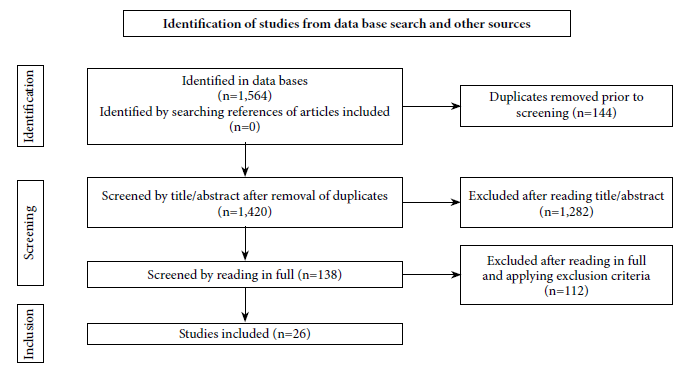 Source: Authors, from the findings of the studies.