person Camila Alves Bahia
contribuiu com a concepção do estudo · análise e interpretação dos dados · redação e revisão · aprovou a versão final
school Instituto René Rachou, Fundação Oswaldo Cruz, Belo Horizonte, Brasil.Fundação Oswaldo CruzBrazilBelo Horizonte, Brazil Instituto René Rachou, Fundação Oswaldo Cruz, Belo Horizonte, Brasil.
person Isabella Vitral Pinto
contribuiu com a concepção do estudo · análise e interpretação dos dados · redação e revisão · aprovou a versão final
school Instituto René Rachou, Fundação Oswaldo Cruz, Belo Horizonte, Brasil.Fundação Oswaldo CruzBrazilBelo Horizonte, Brazil Instituto René Rachou, Fundação Oswaldo Cruz, Belo Horizonte, Brasil.
person Carla Machado da Trindade
contribuiu com a análise e interpretação dos dados e revisão · aprovou a versão final
school Instituto René Rachou, Fundação Oswaldo Cruz, Belo Horizonte, Brasil.Fundação Oswaldo CruzBrazilBelo Horizonte, Brazil Instituto René Rachou, Fundação Oswaldo Cruz, Belo Horizonte, Brasil.
person Camila Mattarelli de Abreu e Silva
contribuiu com a interpretação dos dados · redação e revisão · aprovou a versão final
school Centro Operacional das Promotorias de Justiça de Combate à Violência Doméstica e Familiar Contra a Mulher, Ministério Público de Minas Gerais, Belo Horizonte, Brasil.Ministério Público de Minas GeraisBrasilBelo Horizonte, Brasil Centro Operacional das Promotorias de Justiça de Combate à Violência Doméstica e Familiar Contra a Mulher, Ministério Público de Minas Gerais, Belo Horizonte, Brasil.
person Patricia Habkouk
contribuiu com a interpretação dos dados · redação e revisão · aprovou a versão final
school Centro Operacional das Promotorias de Justiça de Combate à Violência Doméstica e Familiar Contra a Mulher, Ministério Público de Minas Gerais, Belo Horizonte, Brasil.Ministério Público de Minas GeraisBrasilBelo Horizonte, Brasil Centro Operacional das Promotorias de Justiça de Combate à Violência Doméstica e Familiar Contra a Mulher, Ministério Público de Minas Gerais, Belo Horizonte, Brasil.
person Taynãna César Simões
contribuiu com a análise e interpretação dos dados · redação e revisão · aprovou a versão final
school Instituto René Rachou, Fundação Oswaldo Cruz, Belo Horizonte, Brasil.Fundação Oswaldo CruzBrazilBelo Horizonte, Brazil Instituto René Rachou, Fundação Oswaldo Cruz, Belo Horizonte, Brasil.
person Daniel Cardoso Portela Câmara
contribuiu com a análise e interpretação dos dados · redação e revisão · aprovou a versão final
school Instituto René Rachou, Fundação Oswaldo Cruz, Belo Horizonte, Brasil.Fundação Oswaldo CruzBrazilBelo Horizonte, Brazil Instituto René Rachou, Fundação Oswaldo Cruz, Belo Horizonte, Brasil.
person Paula Dias Bevilacqua
contribuiu com a concepção do estudo · análise e interpretação dos dados · redação e revisão · aprovou a versão final
school Instituto René Rachou, Fundação Oswaldo Cruz, Belo Horizonte, Brasil.Fundação Oswaldo CruzBrazilBelo Horizonte, Brazil Instituto René Rachou, Fundação Oswaldo Cruz, Belo Horizonte, Brasil.
personCorrespondência I. V. Pinto Instituto René Rachou, Fundação Oswaldo Cruz. Av. Augusto de Lima 1520, Belo Horizonte, MG 30190-009, Brasil. emailisabella.pinto@fiocruz.br
Informações adicionais
ORCID: Camila Alves Bahia (0000-0002-5013-9049); Isabella Vitral Pinto (0000-0002-3535-7208); Carla Machado da Trindade (0009-0002-0323-6177); Camila Mattarelli de Abreu e Silva (0000-0002-5312-7836); Patricia Habkouk (0000-0001-5035-098X); Taynãna César Simões (0000-0002-5849-343X); Daniel Cardoso Portela Câmara (0000-0002-5439-4477); Paula Dias Bevilacqua (0000-0003-0015-2154).

 Feminicide in Minas Gerais, Brazil: from characterization of events to spatiotemporal analysis
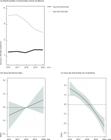 Thumbnail
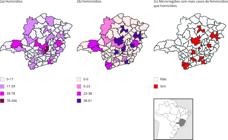 Thumbnail
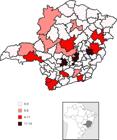 Thumbnail
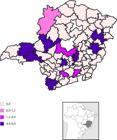 Thumbnail
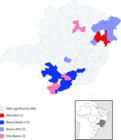 Thumbnail
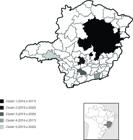 Thumbnail
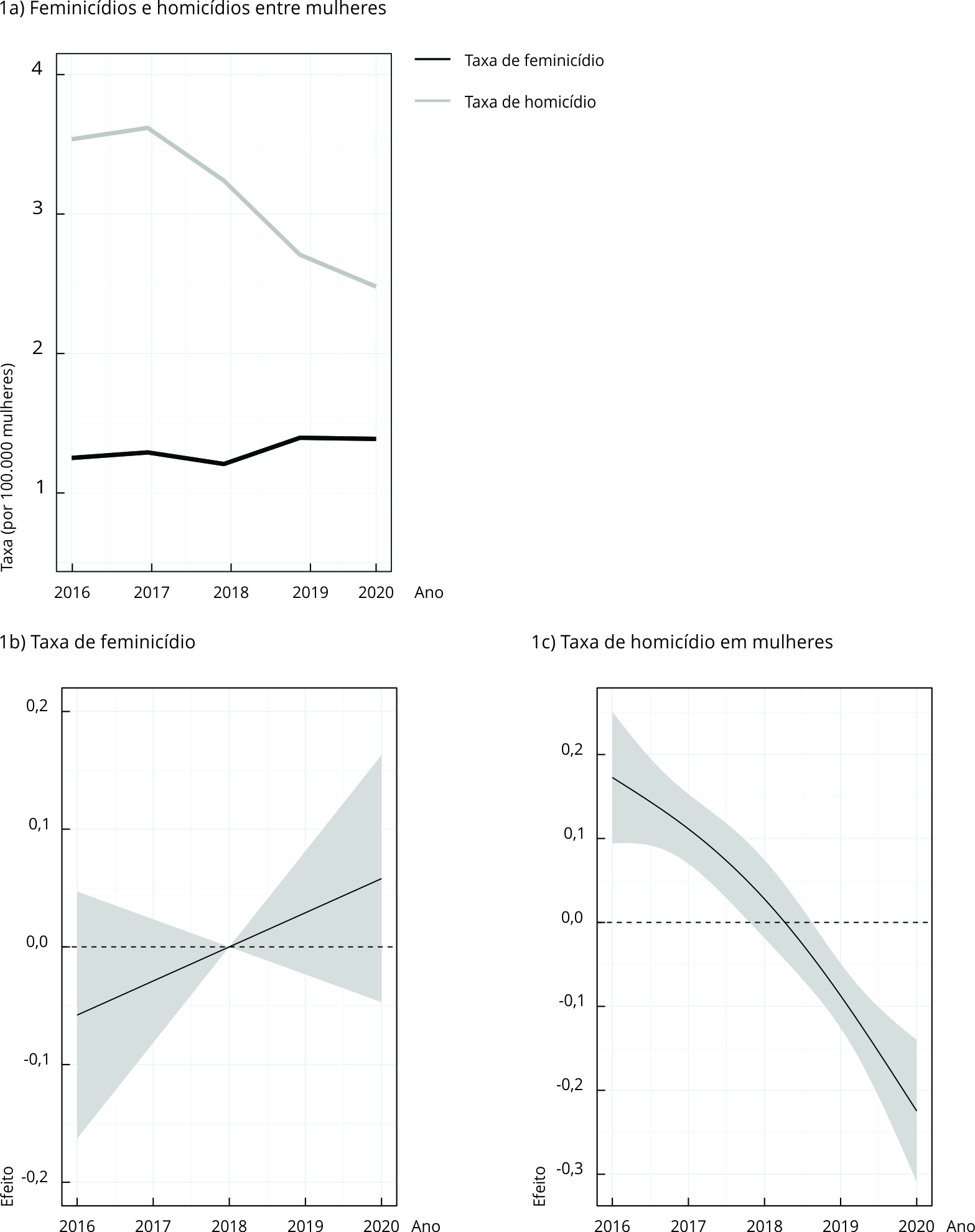
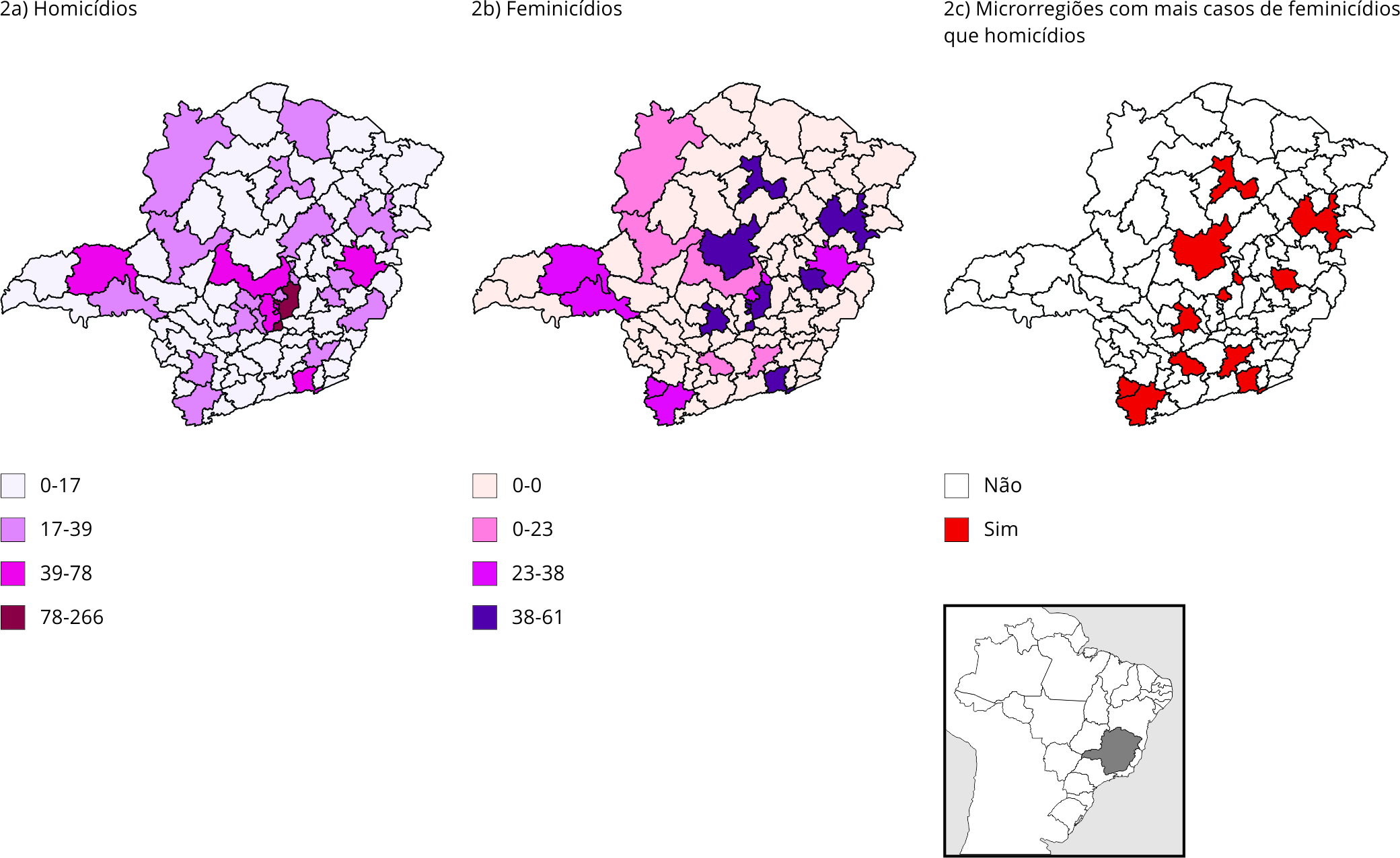 Fonte: Centro de Apoio Operacional das Promotorias de Justiça de Combate à Violência contra a Mulher (CAO-VD)/Ministério Público de Minas Gerais e Sistema de Informações sobre Mortalidade (SIM)
 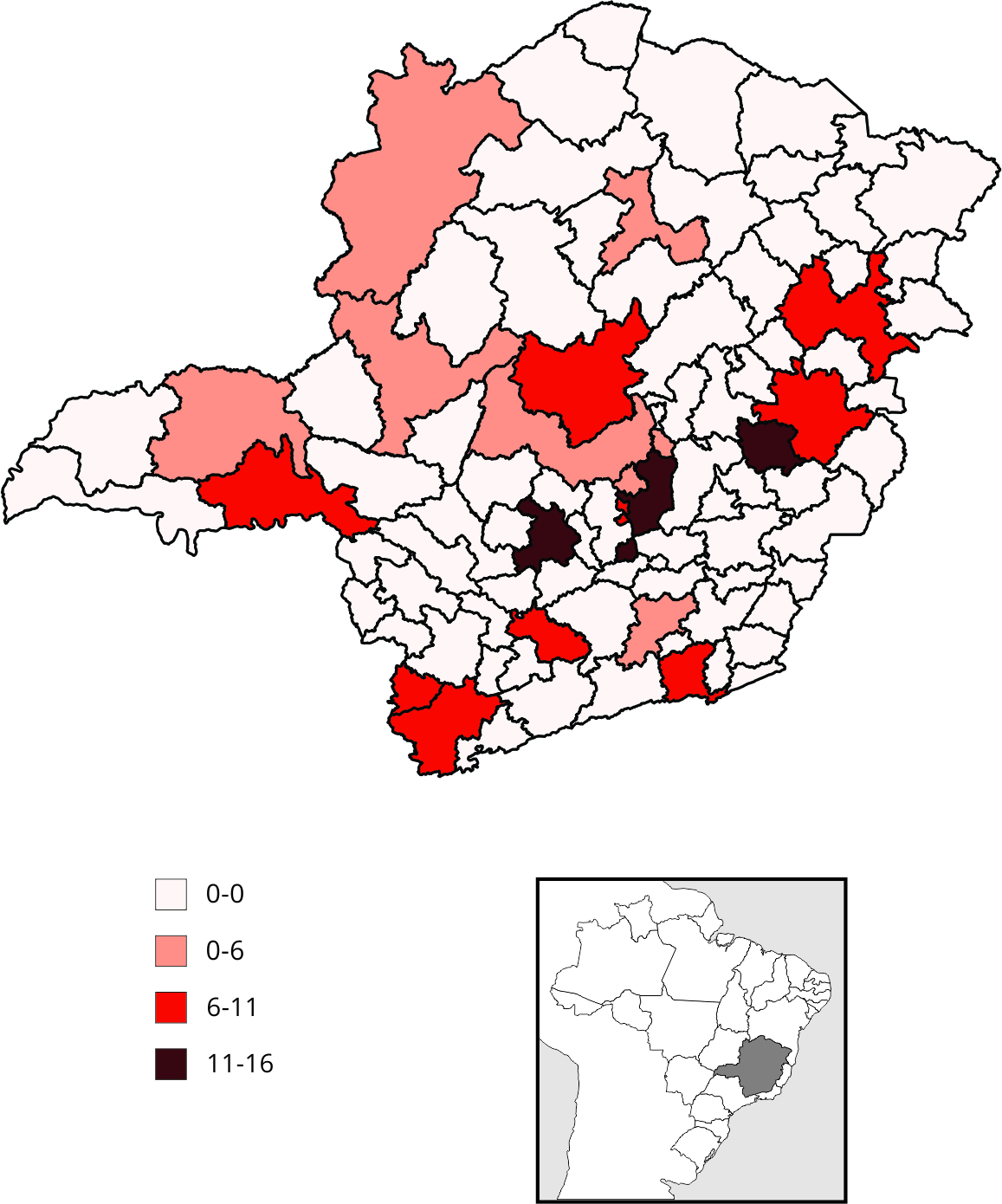 Fonte: Sistema de Informações sobre Mortalidade (SIM)
 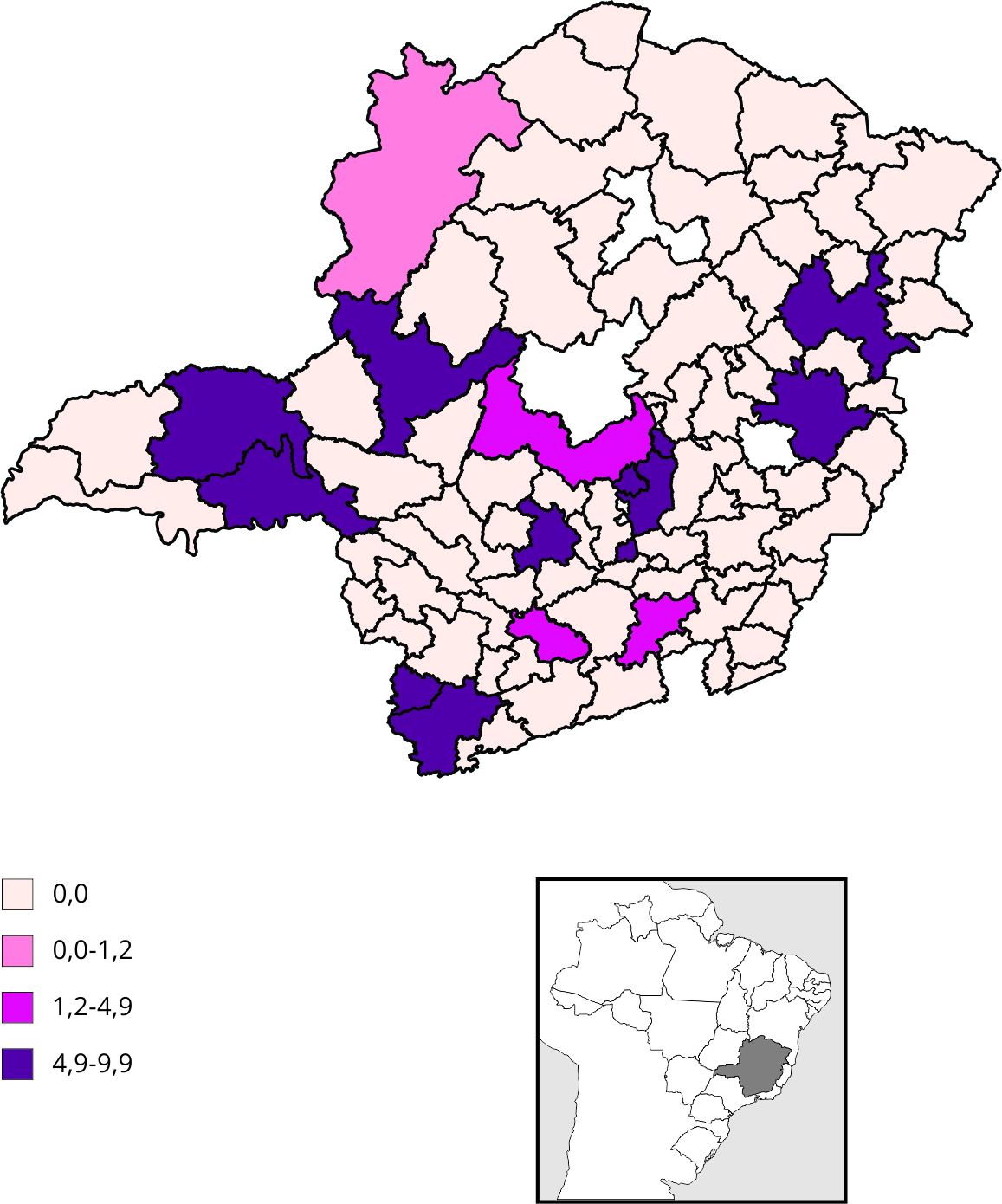 Fonte: Centro de Apoio Operacional das Promotorias de Justiça de Combate à Violência contra a Mulher (CAO-VD)/Ministério Público de Minas Gerais.
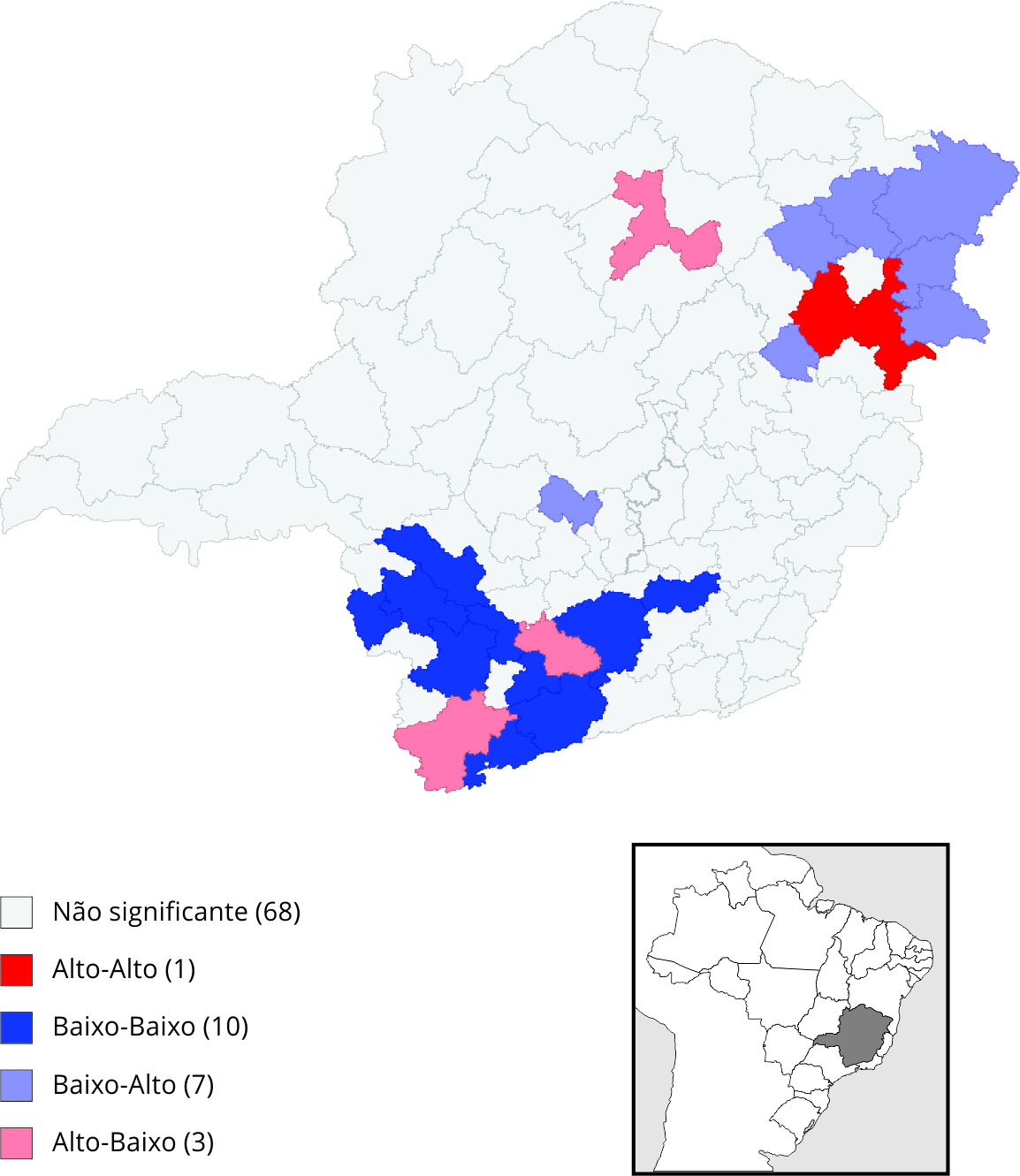 Fonte: Centro de Apoio Operacional das Promotorias de Justiça de Combate à Violência contra a Mulher (CAO-VD)/Ministério Público de Minas Gerais e Sistema de Informações sobre Mortalidade (SIM)