
 Ascensão urbana e recuo metropolitano: a geografia eleitoral de Jair Bolsonaro em 2018 e 2022
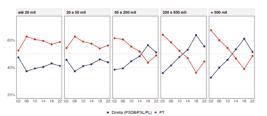
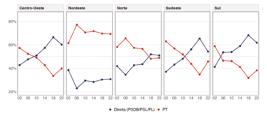
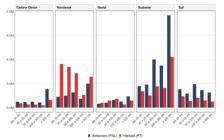
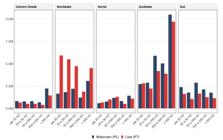
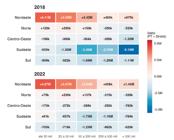
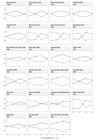
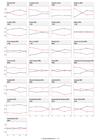
This article examines the electoral geography of the 2018 and 2022 Brazilian presidential elections, focusing on the role of metropolises and on the relationship between municipality size, regional distribution, and aggregate vote outcomes. The data reveal a relatively stable geographic logic across both contests: the PT dominated the Northeast and smaller cities, while the right won in the Southeast, South, and metropolitan areas. What distinguished the results was not a reconfiguration of the electoral map but rather a shift in vote margins. In 2018, Bolsonaro accumulated sufficient advantages in large Southeastern cities to offset the PT’s lead in small Northeastern municipalities; in 2022, those margins contracted, reversing the outcome. The article argues that Brazilian presidential elections are now decided in major urban centers, especially in the metropolises of the Southeast.
KEYWORDS:
Presidential elections; Electoral geography; Bolsonarism; PT; Metropolises; Southeast
 Thumbnail
 Thumbnail
 Thumbnail
 Thumbnail
 Thumbnail
 Thumbnail
 Thumbnail
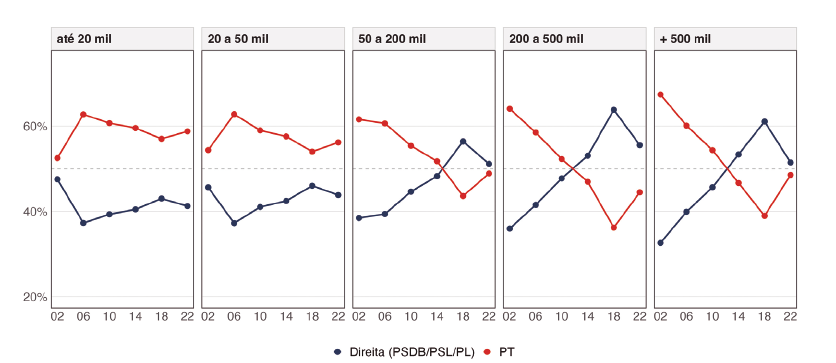 Fonte: TSE. Elaboração própria.
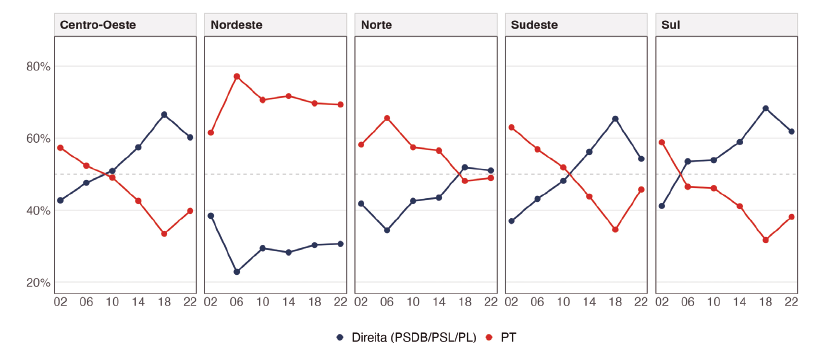 Fonte: TSE. Elaboração própria.
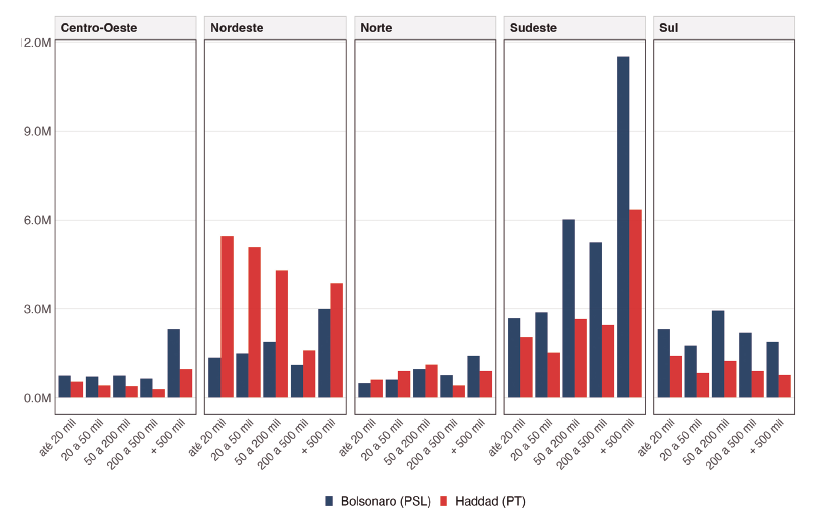 Fonte: TSE. Elaboração própria.
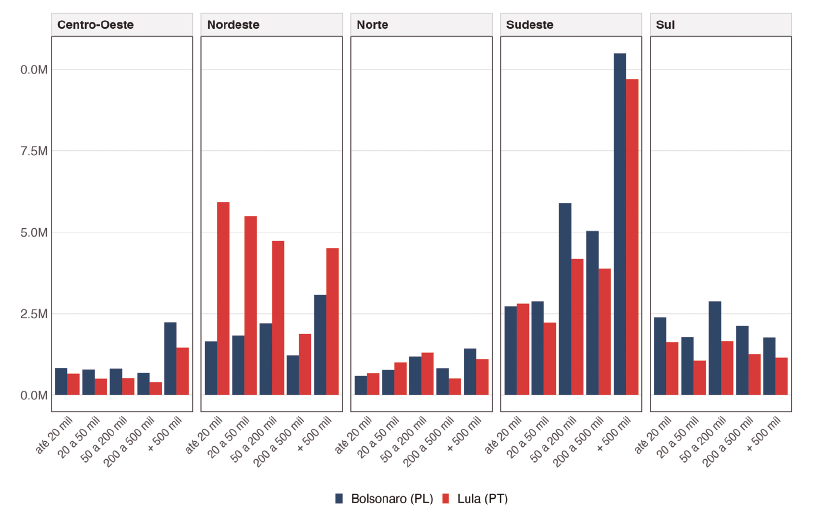 Fonte: TSE. Elaboração própria.
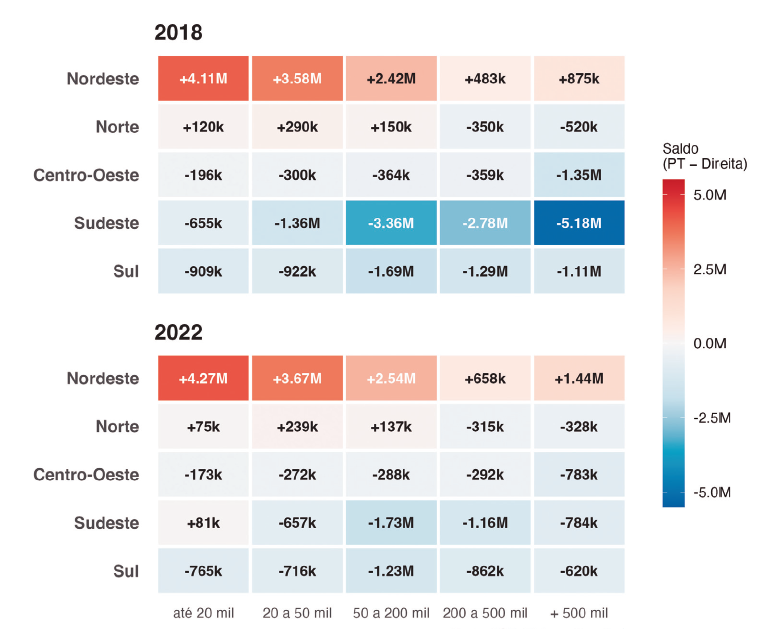 Fonte: TSE. Elaboração própria.
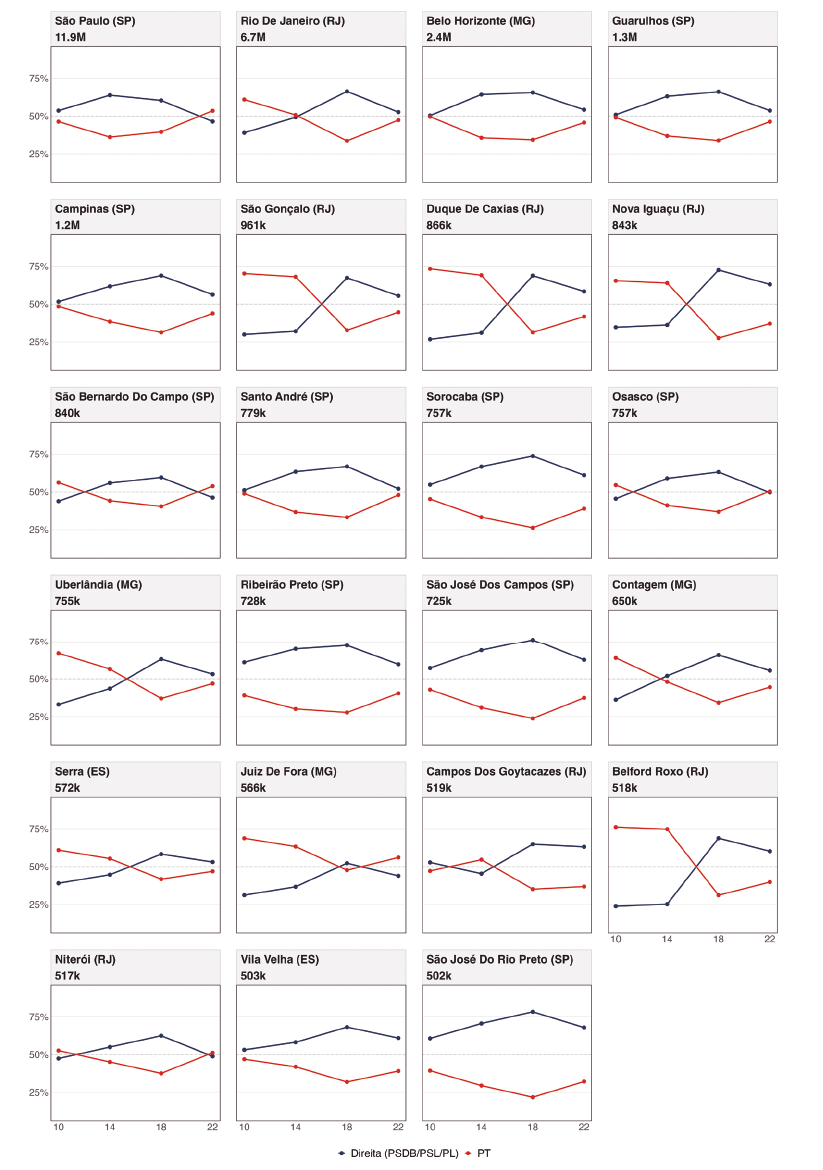 Fonte: TSE. Elaboração própria.
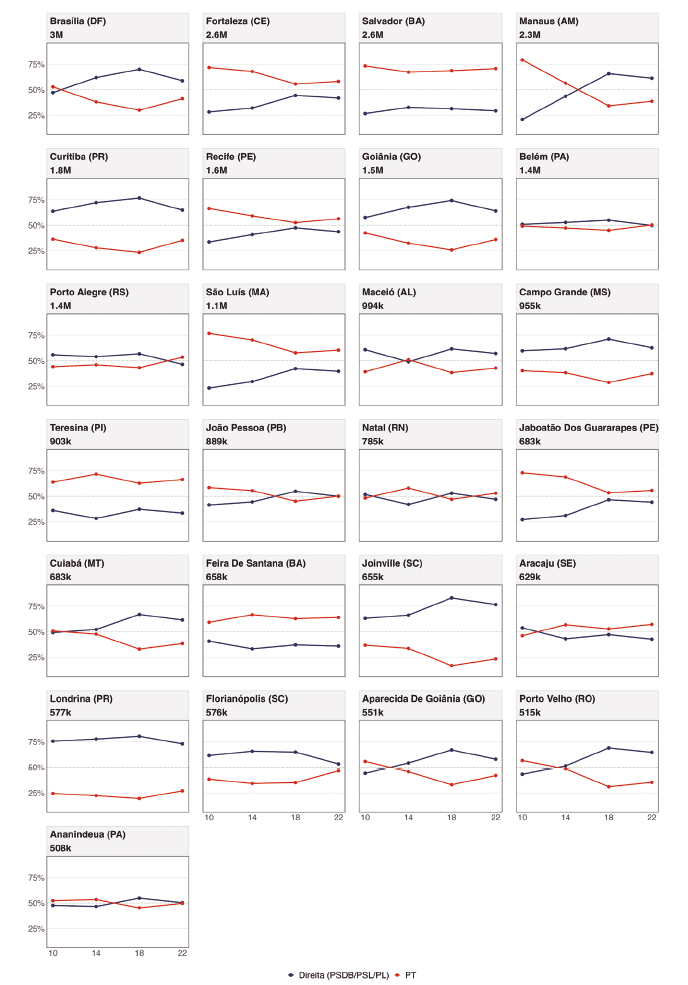 Fonte: TSE. Elaboração própria.