Effects of symmetrical spiral anti-blocking and row-sorting device parameters on wheat no-tillage sowing quality
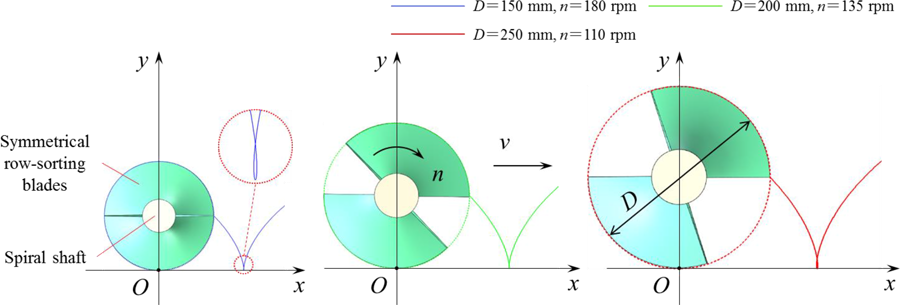
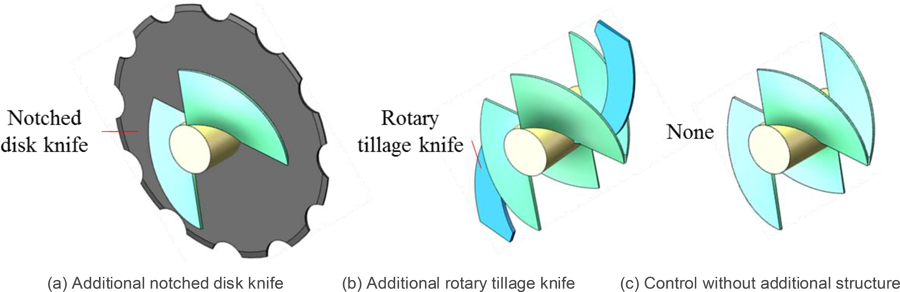
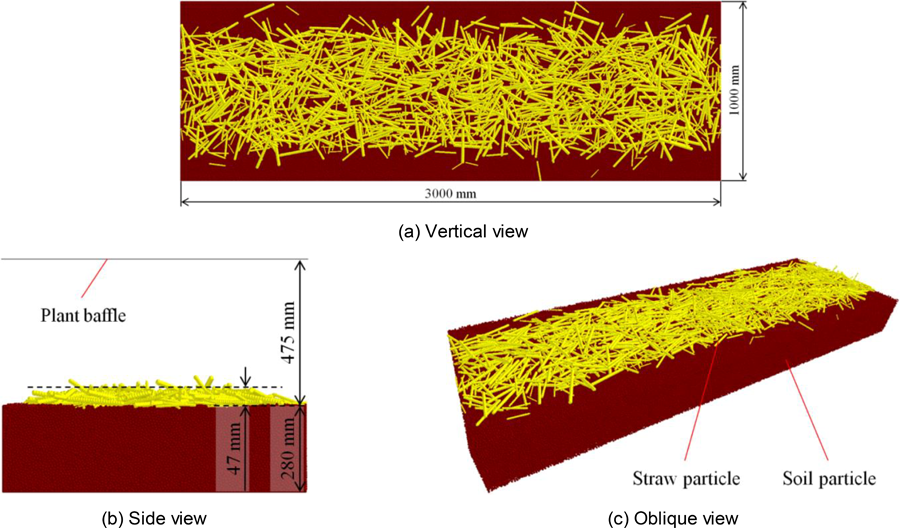
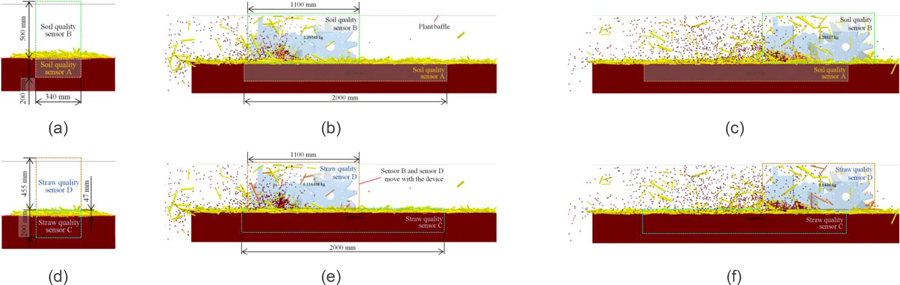
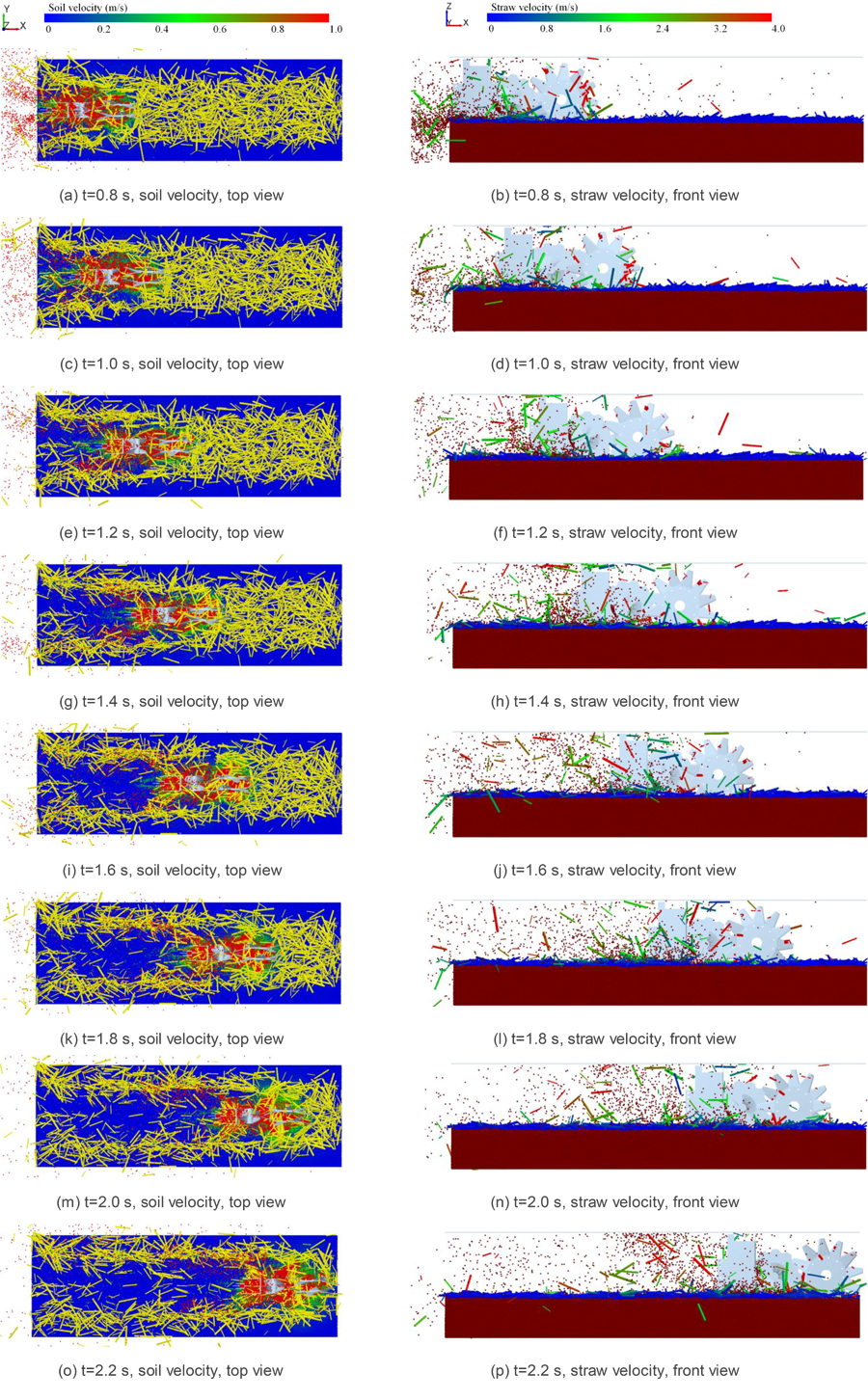
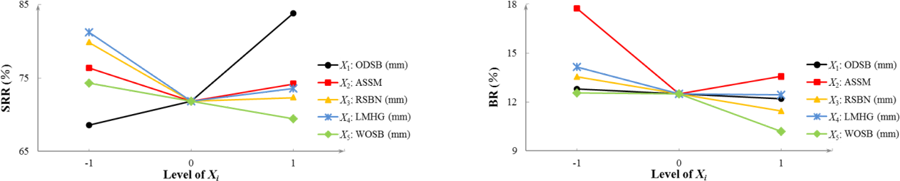
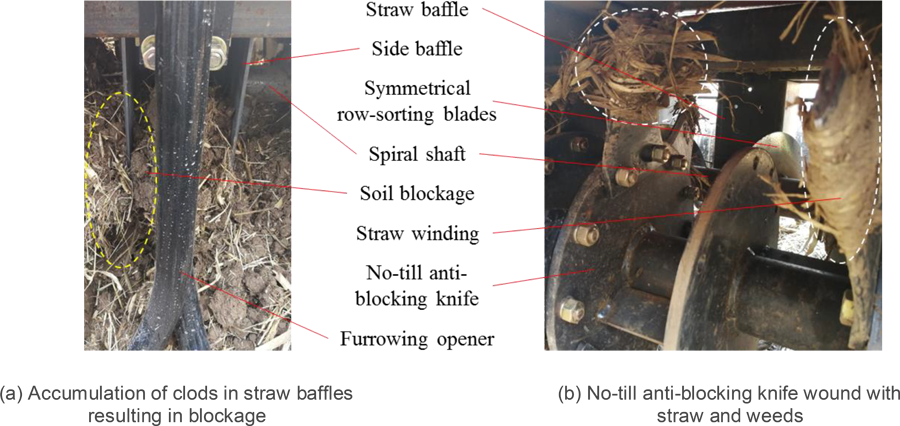
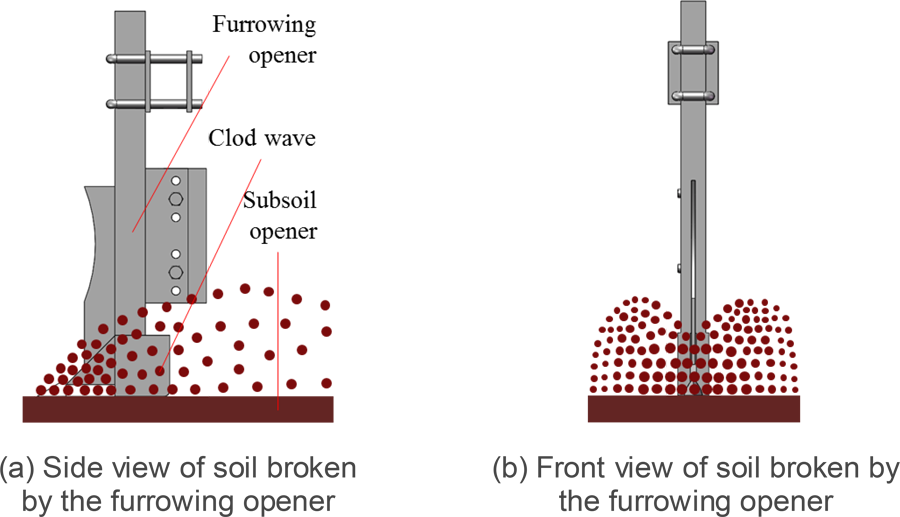
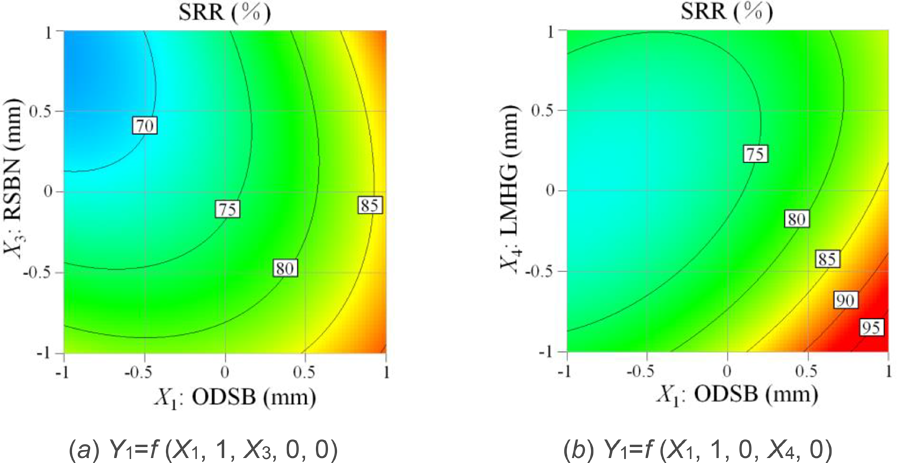
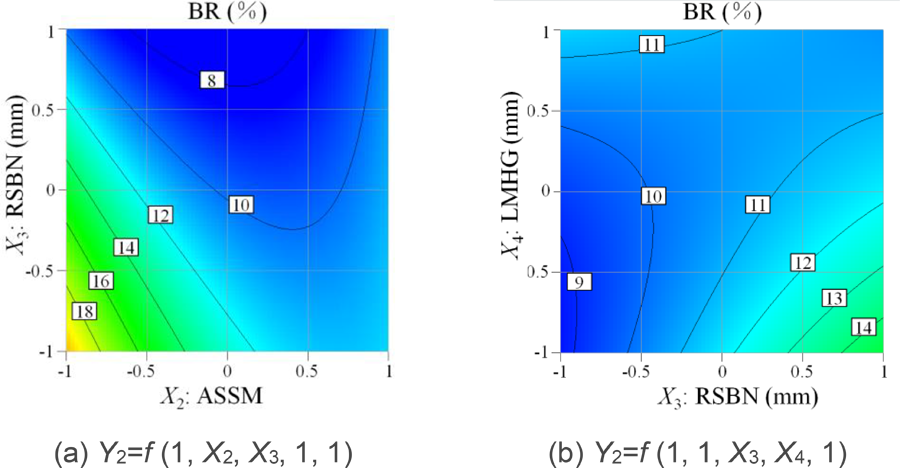
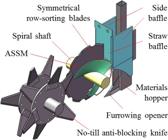
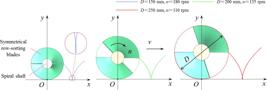
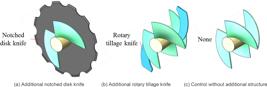
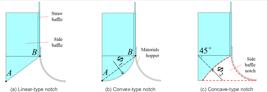
This paper analyzes the effects of the parameters of a symmetrical spiral anti-blocking and row-sorting device (SSARD) on the quality of no-tillage wheat sowing. The discrete element method was used to simulate the operating process of the SSARD in the soil bin. The effects of the outer diameter of the symmetrical row-sorting blade, the type of additional stubble-cutting and soil-breaking mechanism (ASSM), the radius of the side baffle notch, the length between the material hopper and the ground, and the width between the opener and the straw baffle on the straw removal rate and the blockage rate were studied. The analysis showed that the straw removal rate of the SSARD improved after optimization, and that the ASSM could cut and chop straw alternately at different rotary velocities. The ASSM could also cut the clods that accumulated on the straw baffle inside with support. The blockage rate was reduced. The response surface method was then used to determine the optimal combination of parameters for the SSARD. The results of a field verification test showed that the straw removal rate of the SSARD could reach 93.35% after optimization, representing an increase of 27.7% compared with a no-till planter without SSARD.
Keywords:
no-till sowing; anti-blocking; row-sorting of straw; seed belt cleaning; symmetrical spiral
 Thumbnail
 Thumbnail
 Thumbnail
 Thumbnail
 Thumbnail
 Thumbnail
 Thumbnail
 Thumbnail
 Thumbnail
 Thumbnail
 Thumbnail
 Thumbnail
 Thumbnail
 Thumbnail
 Thumbnail
 Thumbnail
 Thumbnail