DIGITAL DEVICES FOR GRAIN CLASSIFICATION: EFFICIENCY AND ACCURACY IN THE FOOD INDUSTRY
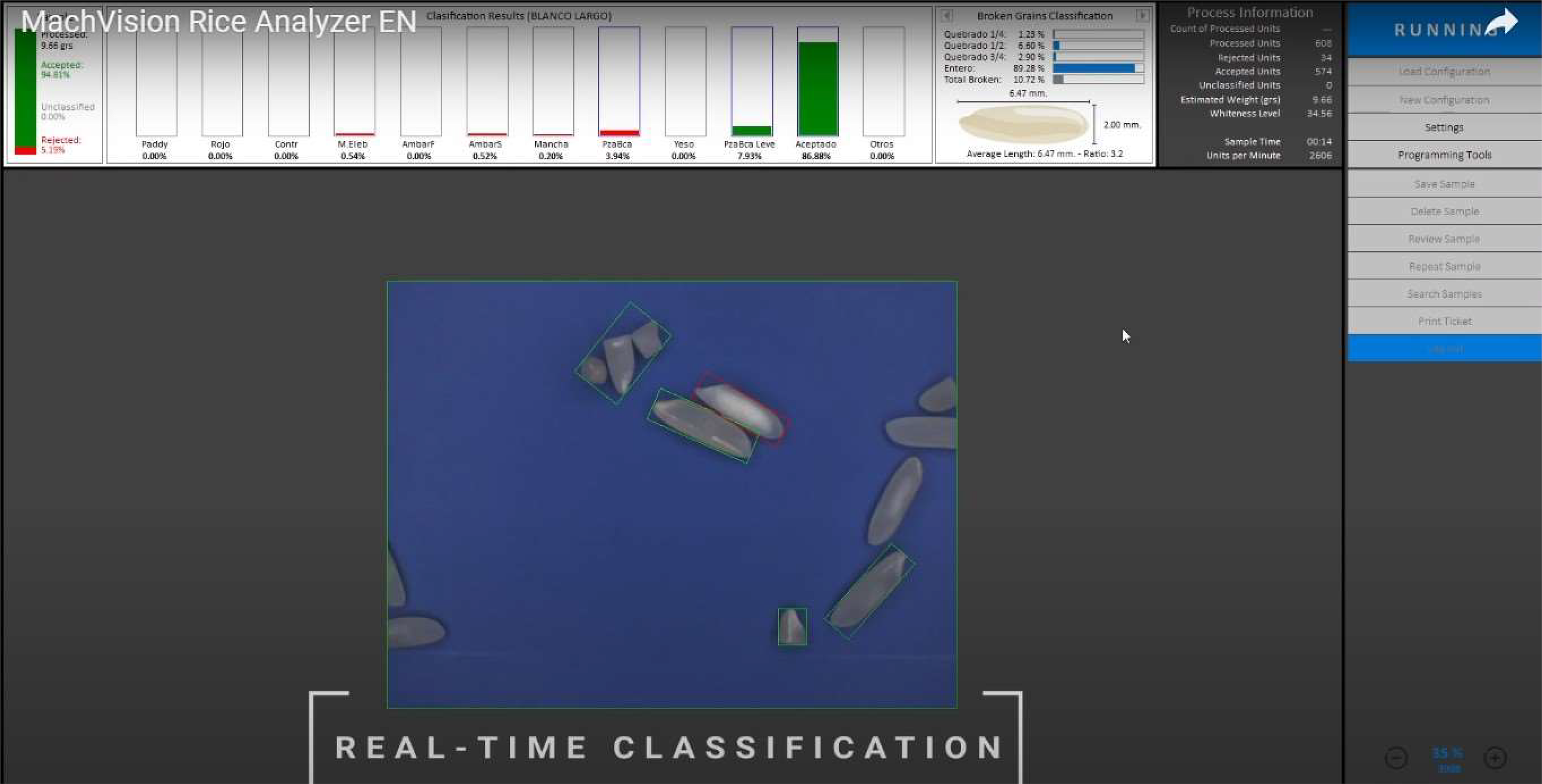
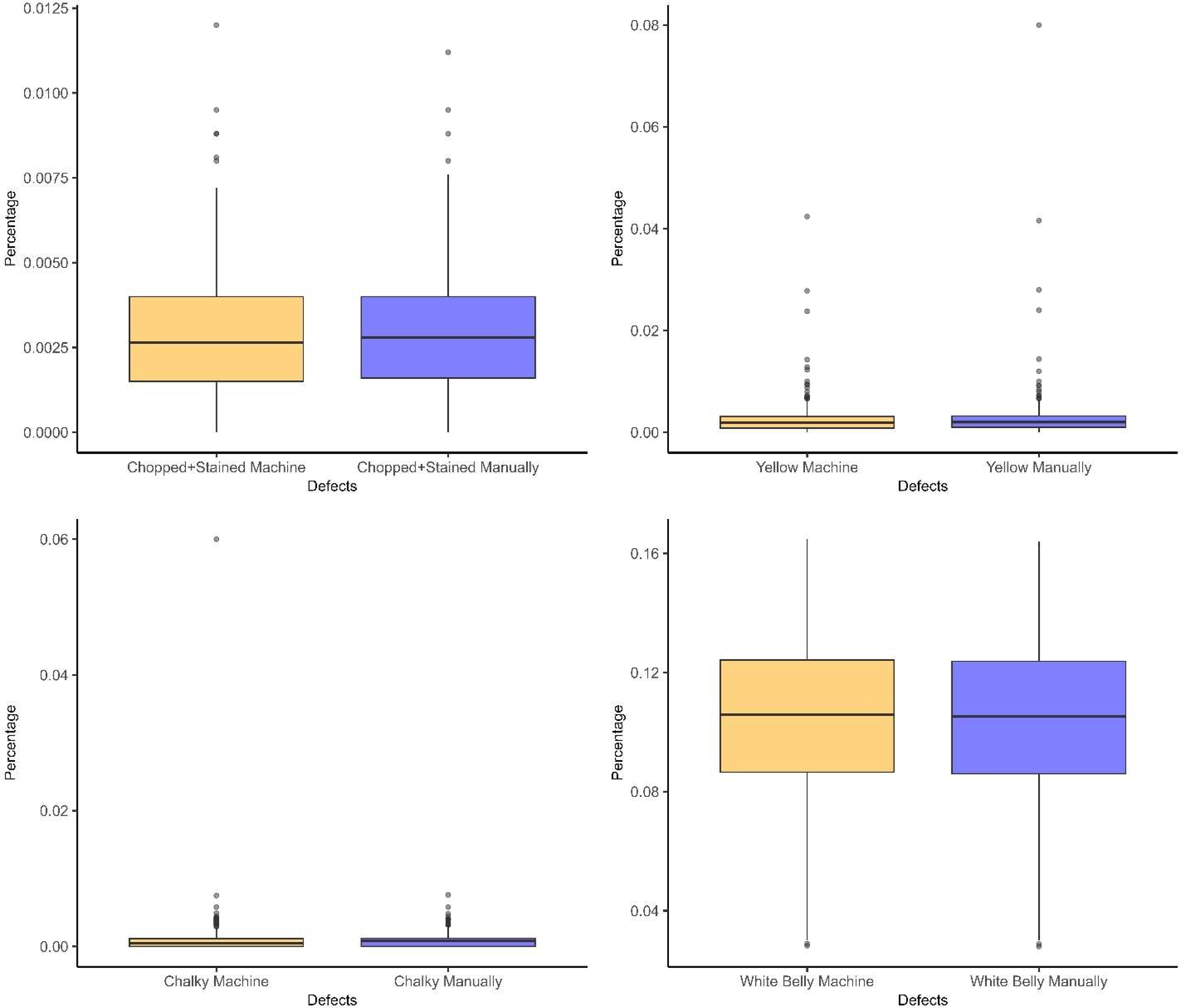
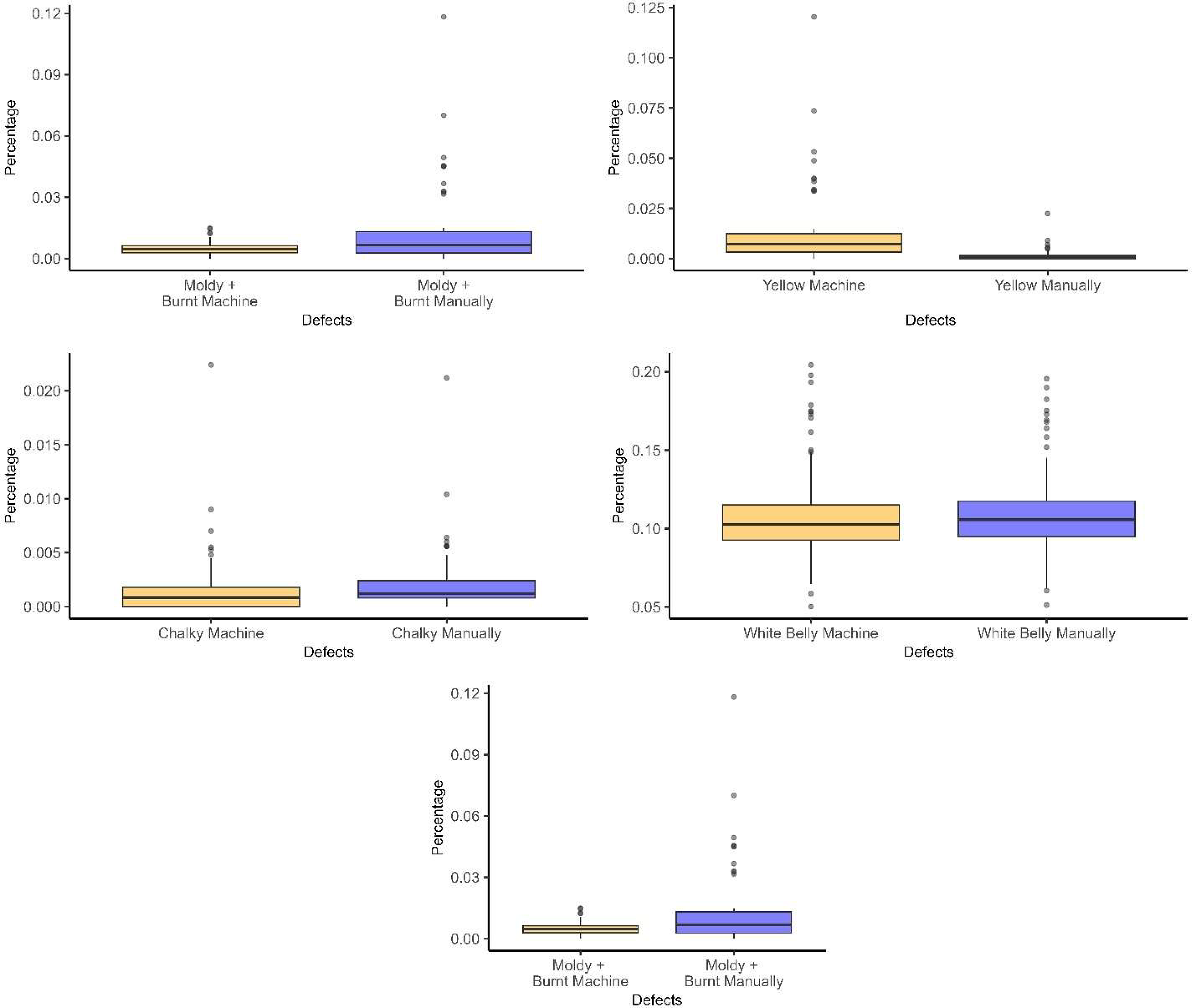
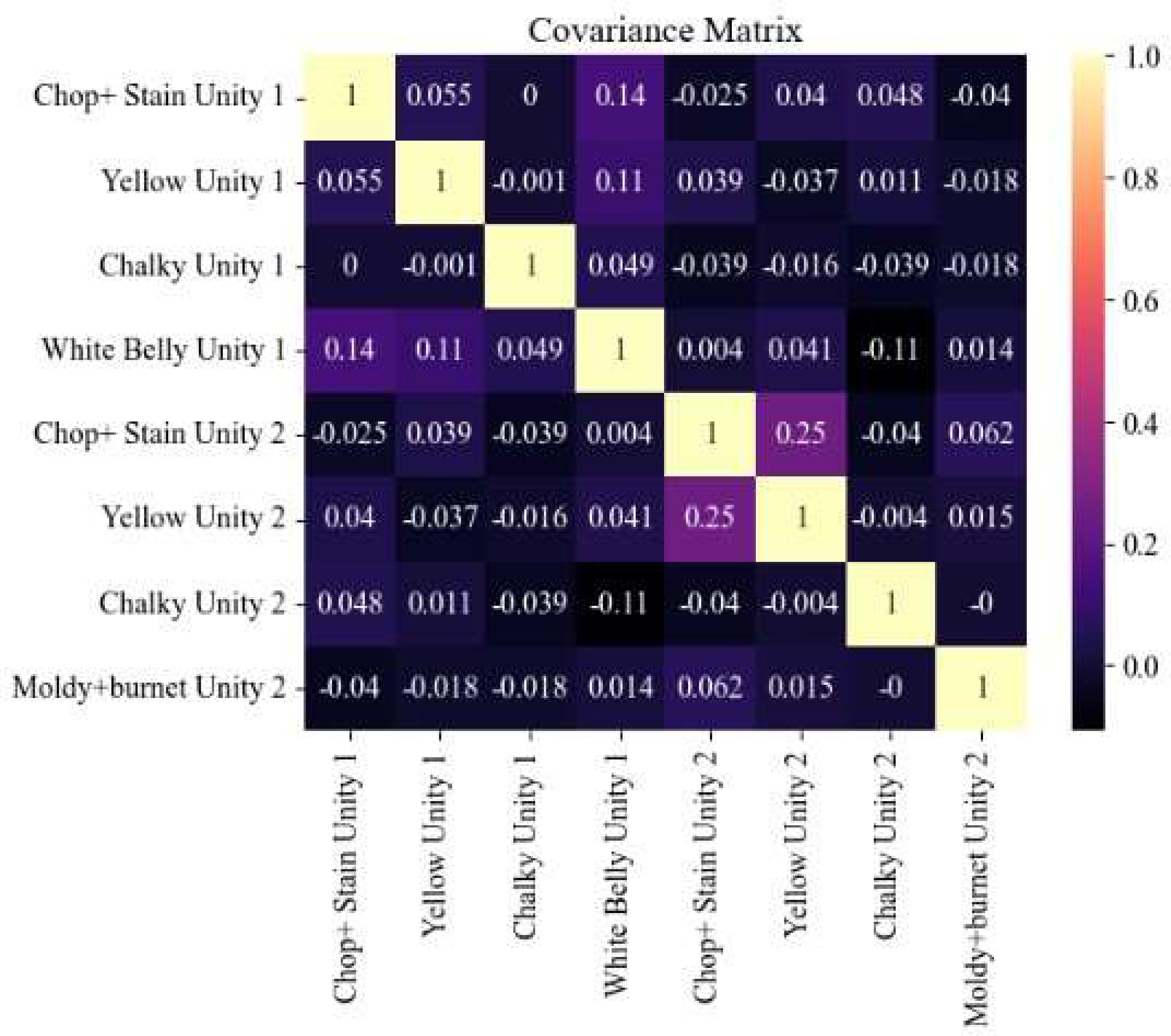
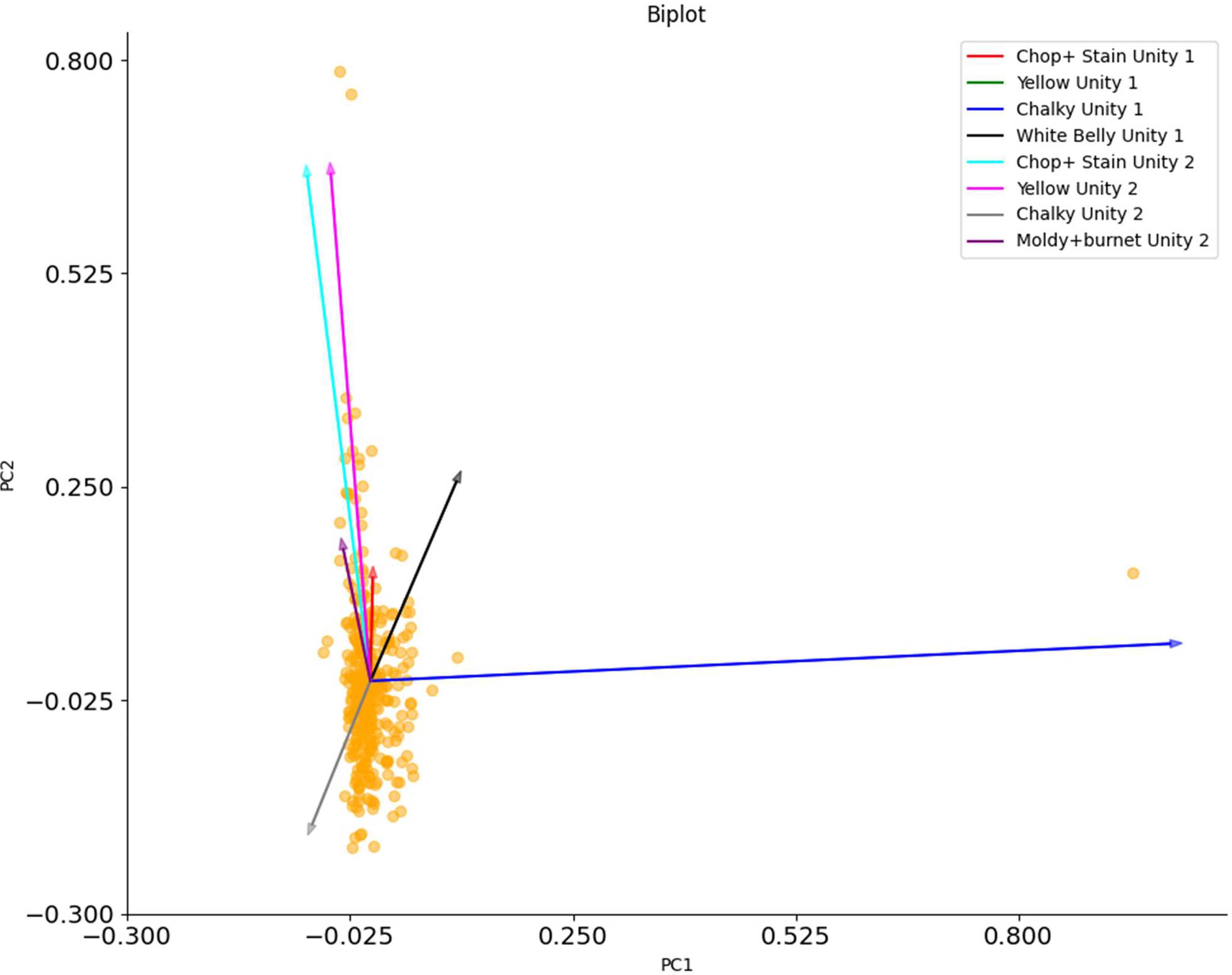
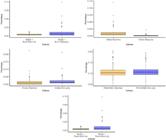
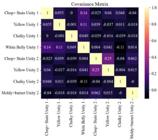
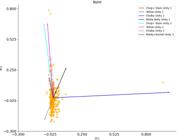
The grain classification process, essential in the industry, has traditionally relied on manual methods that are prone to inaccuracies and delays. The introduction of computer vision has revolutionized this scenario, enabling faster and more precise analyses. This study evaluated a digital classification device for identifying defects in rice grains, aiming to assess its reliability and associated benefits. Processed rice samples were manually classified by trained classifiers and subsequently analyzed using the Machvision Rice Analyzer equipment. A comparison of the results revealed remarkable consistency, validated by statistical analyses (including principal component analysis). The equipment achieved an average efficiency of 93.13% compared to the classifiers, with particular emphasis on the identification of defects, such as “chopped + stained” and “white belly”. Furthermore, multivariate analysis highlighted the significance of the “chalky” and “white belly” components in classification. The study concluded that adopting computer vision provides a reliable advantage, enhancing the standardization and efficiency of the grain classification process.
rice; categorization; digital tools; precision; food processing sector
 Thumbnail
 Thumbnail
 Thumbnail
 Thumbnail
 Thumbnail
 Thumbnail
 Thumbnail