Performance and emission of a diesel engine fueled with beef tallow biodiesel blends
Abstract
Beef tallow is the second major feedstock used for biodiesel production in Brazil; however, studies on its performance and emissions in diesel engines remain limited. This study evaluates the performance and emissions of a single-cylinder diesel engine operating on beef tallow biodiesel blends (B10, B20, B30, and B100) under varying load conditions. Engine tests were conducted using a hydraulic dynamometer at loads ranging from 1 to 5 Nm. The specific fuel consumption (SFC), exhaust gas temperature (EGT), nitrogen oxides (NOx), hydrocarbons (HC), carbon monoxide (CO), and carbon dioxide (CO2) were measured. The biodiesel blends exhibited higher SFC than diesel due to their lower energy content, although SFC decreased at higher engine loads. Beef tallow biodiesel consistently produced lower NOx emissions than diesel fuel across all operating conditions, indicating a potential environmental benefit associated with its higher degree of saturation. In general, the B10 and B20 blends exhibited the most balanced overall performances, combining moderate fuel consumption and controlled emissions. These results demonstrate that beef tallow biodiesel is a technically viable alternative for small diesel engines, supporting its use as a renewable substitute for fossil fuels in practical applications.
Keywords:
biofuel feedstocks; renewable energy; alternative fuels; fuel consumption
Introduction
The growing global demand for energy, driven by population growth and industrial activity, has intensified. In the context of the pursuit of sustainable development, this trend has made energy a critical factor for economic stability and technological progress in many countries (Wang et al., 2023; Taipabu et al., 2022; Saridemir et al., 2024). Consequently, relying exclusively on non-renewable energy sources, such as petroleum, natural gas, and coal, is no longer viable (Sharma et al., 2022). Moreover, fossil fuels are highly polluting and emit gases such as carbon monoxide (CO) and nitrogen oxides (NOx), which contribute to air pollution and, indirectly, to climate change (Park et al., 2014; Strzalka et al., 2017; Kalyani et al., 2023). Consequently, the demand for renewable energy alternatives is growing, with biodiesel emerging as a promising option.
The use of biodiesel in internal combustion engines has received increasing attention because it can be used without major engine modifications. Biodiesel is fully miscible with diesel and exhibits physicochemical properties similar to those of diesel (Hossain & Davies, 2010). It can be produced from various feedstocks, including edible and non-edible vegetable oils, waste materials, animal fats, and microalgae, thereby providing a renewable substitute for petroleum-based fuels (Singh et al., 2020; Gaur et al., 2022).
In Brazil, the use of biodiesel in diesel engines has already been institutionalized through mandatory blending programs, with the current blend containing 14% biodiesel (B14). This policy has gradually increased biodiesel adoption over the last few years, promoting both environmental benefits and the development of the domestic biofuel sector (Silva et al., 2025).
Currently, soybean biodiesel meets domestic demand, accounts for approximately 70% of national production, and remains the most widely used and economically competitive feedstock (César et al., 2019; Pachiannan et al., 2025; Branco et al., 2025). However, soybean cultivation competes with food production for land use (Colle et al., 2025). In this context, diversifying biodiesel feedstocks with alternative raw materials such as beef tallow could strengthen both the biofuel sector and the related production chains.
Beef tallow is considered the second-most-important raw material for biodiesel production, accounting for approximately 10% of the feedstock currently used. Beef tallow is a byproduct of the meat industry that requires no dedicated cultivation or additional land use, making it a sustainable alternative that valorizes waste. However, tallow has a higher saturated fatty acid content, which can negatively affect cold-flow properties and may require blending or specific engine considerations to ensure proper performance. In contrast, soybean oil is rich in unsaturated fatty acids, which improve cold-start behavior and fuel fluidity; however, its production competes with the food supply and demands significant agricultural inputs (Pereira et al., 2017). A higher degree of saturation of beef tallow biodiesel alters its combustion characteristics, potentially affecting engine performance and exhaust emissions (Gongora et al., 2025).
Previous studies have shown that biodiesel produced from mixed feedstocks, including formulations containing approximately 33% beef tallow combined with soybean oil and waste cooking oil, meets international fuel quality standards and exhibits improved physicochemical properties (Lancheros et al., 2023). Despite these promising results, studies assessing the performance and emission characteristics of beef tallow biodiesel in small diesel engines remain scarce. Therefore, the objective of this study is to evaluate the performance and emissions of a diesel engine operating on beef tallow biodiesel blends (B10, B20, B30, and B100) under varying load conditions.
Material and Methods
The experiment was conducted at the Laboratory of Energy Rationalization and Thermodynamics (LRE) of the State University of Western Paraná (UNIOESTE) in Cascavel, Paraná, Brazil.
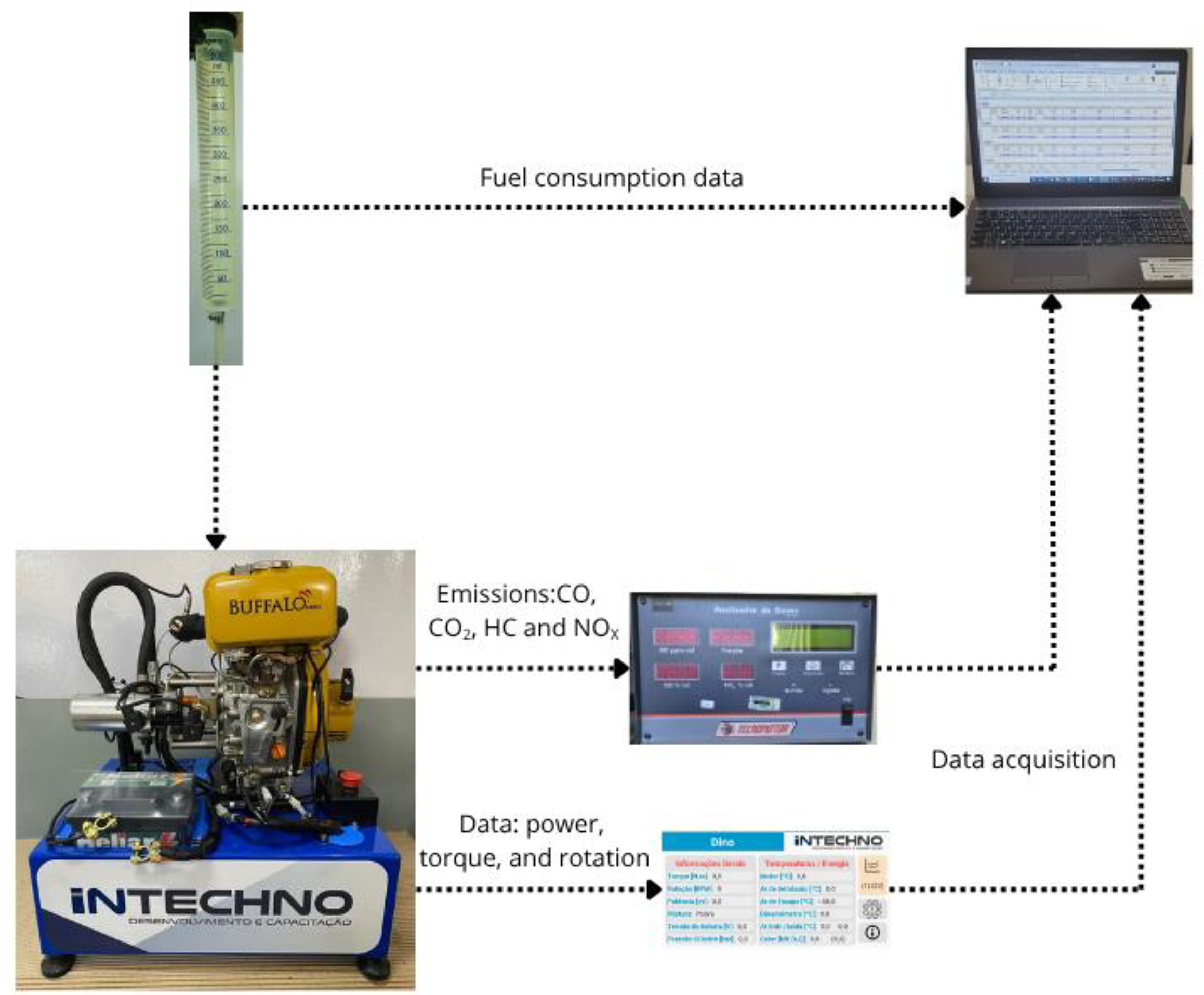
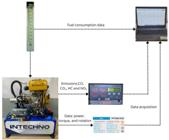
A diesel engine (Figure 1) coupled with a hydraulic dynamometer was used in this study. The engine dynamometer specifications are listed in Table 1. The engine was tested under five load conditions: 1, 2, 3, 4, and 5 Nm, at a constant speed of 2000 rpm. No modifications to the engine were required for the experiments.
Beef tallow biodiesel was produced from cattle fat using the transesterification method, with potassium hydroxide (KOH) as the catalyst and methanol as the alcohol. The proportions used were 1% KOH by oil weight and 25% methanol by oil volume. First, KOH and methanol were mixed to obtain a homogeneous solution. Then, the potassium methoxide solution was added to the oil, and the mixture was stirred continuously at 60°C.
After the reaction, the resulting mixture was transferred to a separation funnel and left to stand for 12 h to allow glycerin to separate from the biodiesel. Subsequently, the biodiesel was washed with distilled water and placed in an oven to remove residual moisture.
The biodiesel–diesel blends used in these tests were B10 (10% biodiesel), B20 (20% biodiesel), and B30 (30% biodiesel). Pure biodiesel (B100) and pure diesel (B0) were tested. Pure diesel oil, free of biodiesel, was obtained from an authorized supplier.
The physicochemical properties of biodiesel (B100) and diesel (B0) were determined in accordance with ASTM standards (Table 2).
The mass flow rates of the biodiesel, blends, and pure diesel were measured using a graduated burette for volume and a stopwatch for time (Sarvestani et al., 2016). The volumetric data were converted into mass data using the measured fuel density.
The SFC was calculated using [eq. (1)]:
in which
SFC is the specific fuel consumption (g kW⁻1 h⁻1);
mi and mf represent the fuel masses (g) at the beginning and end of the tests, respectively;
Pe is the engine power (kW);
t is the fuel consumption time (h).
Exhaust gas emissions were quantified using an environmental combustion analyzer (TM 131 Tecnomotor) with a sampling probe inserted 20 cm inside the engine-generator exhaust pipe. The analyzed gases were nitrogen oxides (NOx), hydrocarbons (HC), carbon monoxide (CO), carbon dioxide (CO2), and exhaust gas temperature (EGT). Table 3 presents the specifications of the TM 131 gas analyzer, including the accuracy and resolution presented by the manufacturer.
To evaluate the test values, uncertainty analyses of the variables were conducted using [eq. (2)] (Bharti et al., 2023).
Where:
ux is the uncertainty;
S is the standard deviation, and
n is the number of experiments.
The uncertainty results for each measured parameter are listed in Table 4. Uncertainty was evaluated using a Gaussian distribution with ±2σ confidence limits, corresponding to a 95% confidence interval. The uncertainties of SFC, CO, CO2, NOx, HC, and exhaust gas temperature (EGT) were ±0.019%, ±0.02%, ±0.007%, ±4.43%, ±0.86%, and ±0.4%, respectively.
Specific fuel consumption (SFC). Carbon monoxide (CO). Nitrogen oxides (NOx). Hydrocarbon (HC). Exhaust gas temperature (EGT).
The overall combined uncertainty of the experimental system was calculated using [eq. (3)].
The overall uncertainty was calculated as follows:
yielding the following values:
In engine performance testing, uncertainties less than 5% are generally considered acceptable. In this study, the overall uncertainty was 4.53%, indicating that all evaluated parameters were within the recommended range and confirming the reliability of the results (Çakmak & Özcan, 2022).
Results and Discussion
In general, higher SFC values were observed for biodiesel blends than for diesel blends (Figure 2). This behavior is mainly attributed to the lower calorific value of biodiesel, which requires a greater fuel supply to produce the same engine power output as diesel (Simsek, 2020). The additional fuel injection compensates for the reduced energy content of biodiesel, resulting in a higher SFC. As engine load increases, SFC decreases for all fuels, likely due to improved combustion efficiency and higher in-cylinder temperatures at higher loads (Yesilyurt et al., 2020).
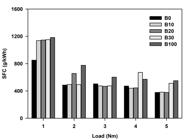
The results indicated that the effect of biodiesel content on SFC was more pronounced at low engine loads; this is particularly relevant for small engines or agricultural applications, which often operate under low-load conditions, because higher biodiesel proportions may lead to a greater increase in fuel consumption. In contrast, at medium and high engine loads, the SFC increased less markedly, suggesting that the higher in-cylinder temperatures and improved combustion efficiency at these loads partially mitigated the impact of the lower calorific value of biodiesel.
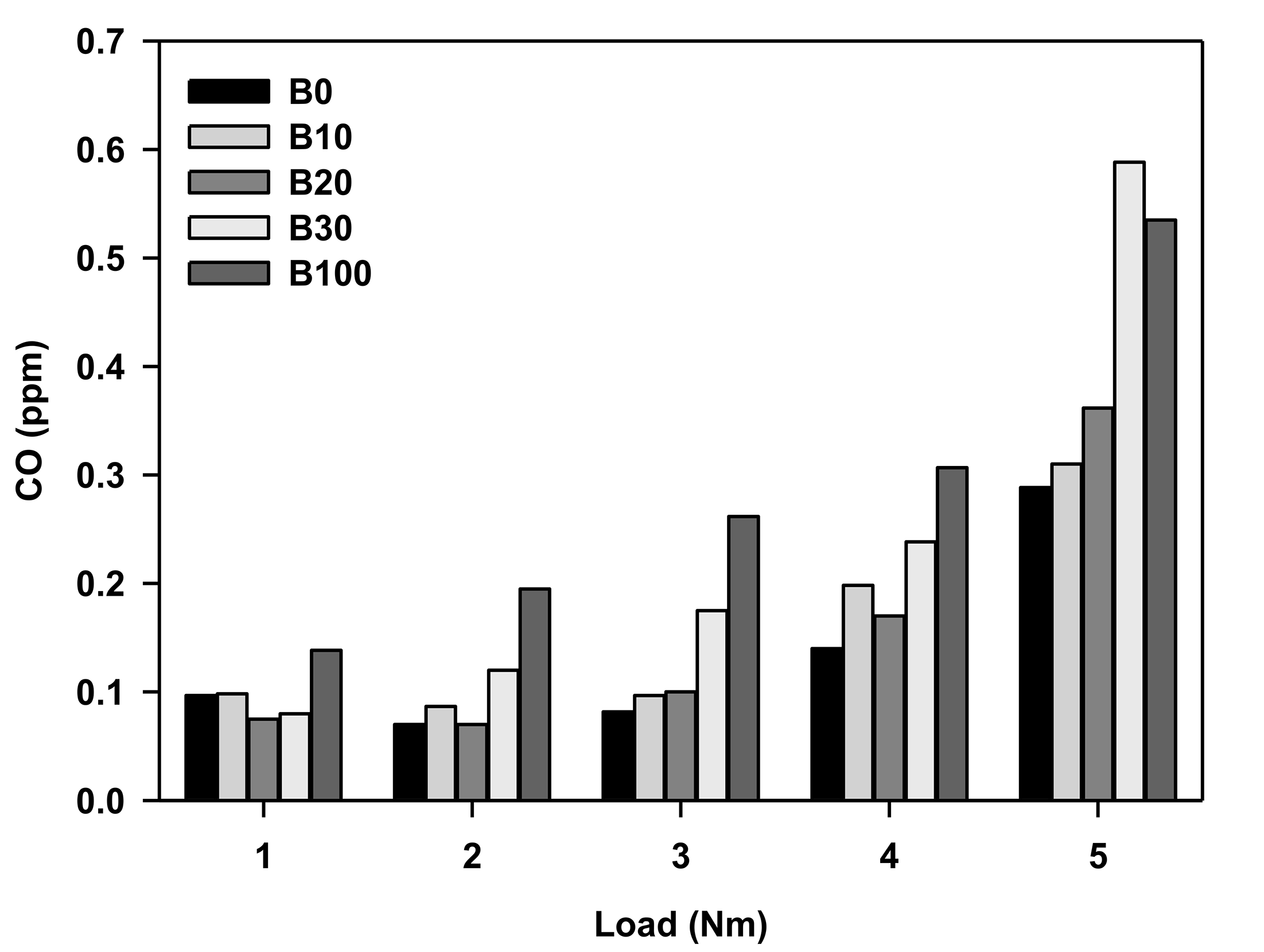
The CO emissions increased with the proportion of beef tallow biodiesel in the blend (Figure 3). Although the inherent oxygen content of biodiesel generally promotes oxidation, the specific properties of saturated beef tallow biodiesel appear to favor incomplete combustion under the tested conditions. This unexpected result can be attributed to the combined effects of low calorific value and high viscosity. The higher fuel injection required to compensate for the lower energy content might have created local fuel-rich zones within the cylinder. Concurrently, the higher viscosity of beef tallow biodiesel is likely to impair atomization and air-fuel mixing. Collectively, these factors outweigh the positive oxidative effects of fuel-bound oxygen, leading to elevated CO emissions. Similar findings were reported for other saturated and high-viscosity biodiesels (Leite et al., 2019).
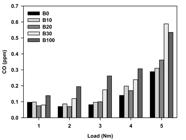
The unexpected increase in CO emissions could be directly related to the higher SFC of beef tallow biodiesel. A lower calorific value requires additional fuel to maintain engine power, demonstrating that SFC, combustion efficiency, and in-cylinder conditions are closely interlinked and collectively influence CO formation.
Lower biodiesel blends, such as B10 and B20, did not affect the CO emissions, indicating that these blends are suitable for use in small engines without compromising the combustion quality. In contrast, B30 and B100 showed noticeably higher CO emissions, particularly at medium and high engine loads, suggesting that although these blends offer greater renewable fuel content, they may lead to incomplete combustion under certain operating conditions.
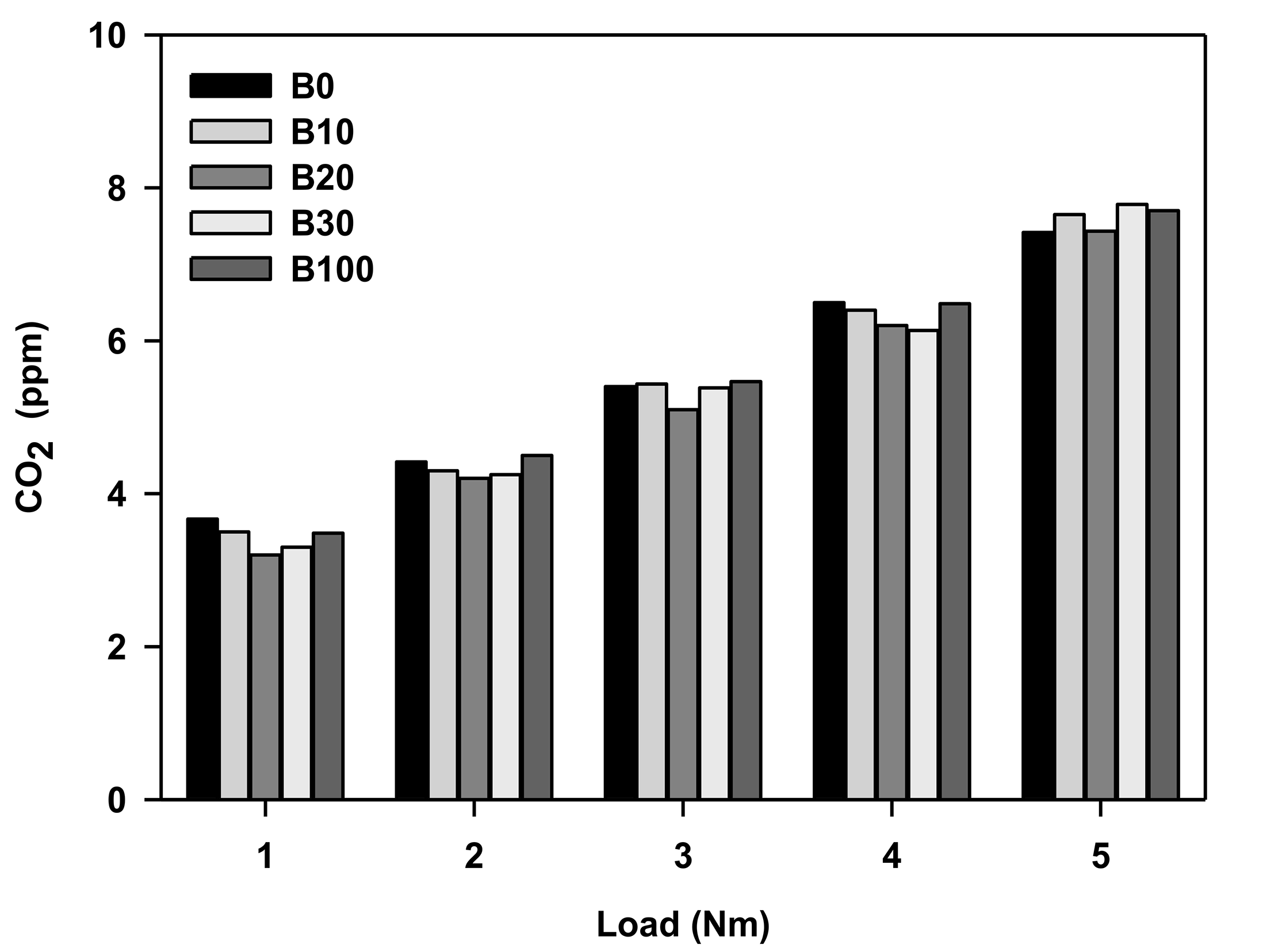
The CO2 emissions from beef tallow biodiesel were higher in the B30 and B100 blends than in diesel (B0) at the maximum engine load (Figure 4). This increase is mainly attributed to the oxygen content of the biodiesel, which promotes complete combustion and consequently greater CO2 release (Santos et al., 2023). At low engine load, CO2 emissions ranged from approximately 3.2% to 3.7% across all fuels, while at maximum load they increased to about 7.4% to 7.8%. This behavior reflects the greater mass of fuel burned and higher combustion temperatures under high-load conditions, which favors the more complete oxidation of carbon to CO2.
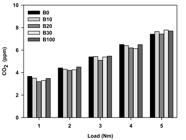
At maximum load, CO2 emissions increased from approximately 7.42% for diesel to about 7.70% for B100, indicating greater combustion completeness for biodiesel blends. This effect can be explained by the inherent oxygen content of biodiesel. In contrast, at low and medium engine loads, CO2 emissions from biodiesel blends were similar to those observed with diesel, indicating that biodiesel does not significantly increase CO2 emissions under typical operating conditions; this is a positive outcome, as it suggests that beef tallow biodiesel can be used as an alternative fuel without substantially increasing greenhouse gas emissions while also contributing to the valorization of animal residues.
Overall, CO2 emissions increased with engine load (Figure 4), mainly due to greater fuel consumption at higher loads (Aydin & Bayindir, 2010). Although reducing CO2 emissions is desirable to mitigate global warming, most studies have reported that biodiesel and its blends tend to produce more CO2 than conventional diesel fuels due to their higher combustion efficiency (Celebi & Aydın, 2018). Nevertheless, the CO2 released from biodiesel combustion is largely offset by photosynthetic CO2 uptake during the growth of the feedstock used for biodiesel production (Yesilyurt et al., 2020).
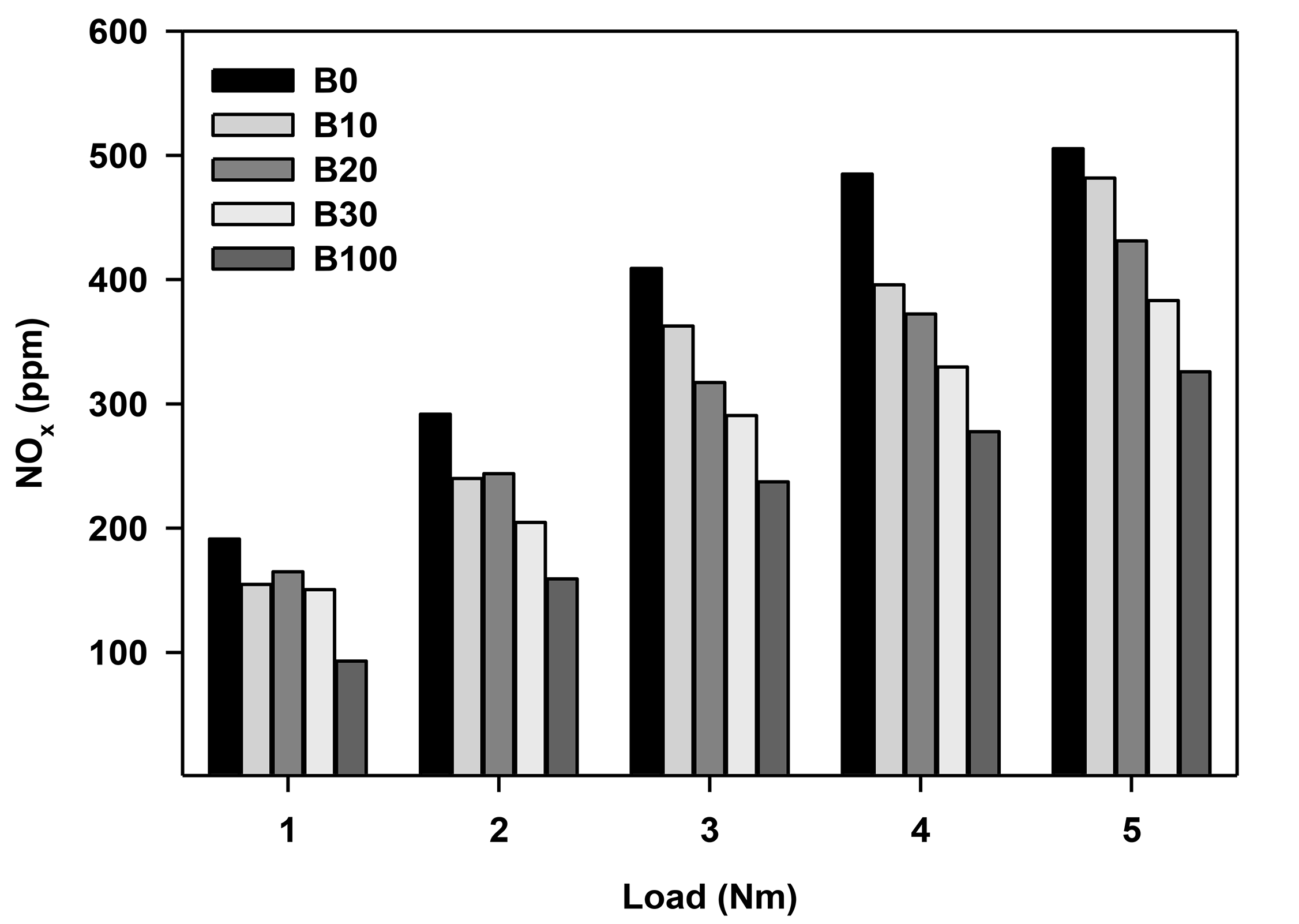
Beef tallow biodiesel produced lower NOx emissions than diesel fuel across all engine loads (Figure 5). Although biodiesel derived from various oilseed sources generally tends to increase NOx emissions (Mofijur et al., 2014; Gongora et al., 2022), saturated biodiesels lacking double bonds usually produce lower NOx levels than their unsaturated counterparts (Bakeas et al., 2011; Palash et al., 2013; Gongora et al., 2025). This behavior is associated with the molecular structure of the saturated biodiesel, which influences the ignition delay and combustion characteristics. Previous studies have demonstrated that NOx formation is strongly affected by the degree of saturation of biodiesel molecules (Samuelsen et al., 2013), and a positive correlation between unsaturation and ignition delay has been reported (Schönborn et al., 2009), which may help explain the lower NOx emissions observed for beef tallow biodiesel in this study.
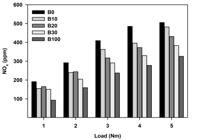
NOx emissions increased with engine load for all fuels (Figure 5), reflecting the higher in-cylinder temperatures and greater heat release associated with increased fuel injection at elevated loads (Shete et al., 2022). Nevertheless, beef tallow biodiesel consistently exhibited lower NOx emissions than diesel under all operating conditions. At low engine load, NOx emissions decreased from approximately 191 ppm for diesel to 93 ppm for B100, while at maximum load they decreased from about 505 ppm to 326 ppm. The reduction in NOx was more pronounced at low and medium loads. In contrast, the difference relative to diesel decreased at higher loads, likely due to the dominant effect of temperature on NOx formation under these conditions. These results indicate that saturated animal-based biodiesel can effectively mitigate NOx emissions in small diesel engines, particularly at partial load.
The reduction in NOx emissions observed with beef tallow biodiesel is environmentally relevant, particularly under low and medium engine loads, which are representative of typical operating conditions for small diesel engines used in agricultural and stationary applications. Although biodiesel use alone does not eliminate NOx emissions, the consistent reduction relative to diesel indicates meaningful mitigation potential, especially when combined with other emission-control strategies. Nitrogen oxides are among the most harmful pollutants emitted by diesel engines as they contribute to the formation of photochemical smog, acid rain, and tropospheric ozone, and are associated with adverse effects on human respiratory health (Farhan et al., 2024).
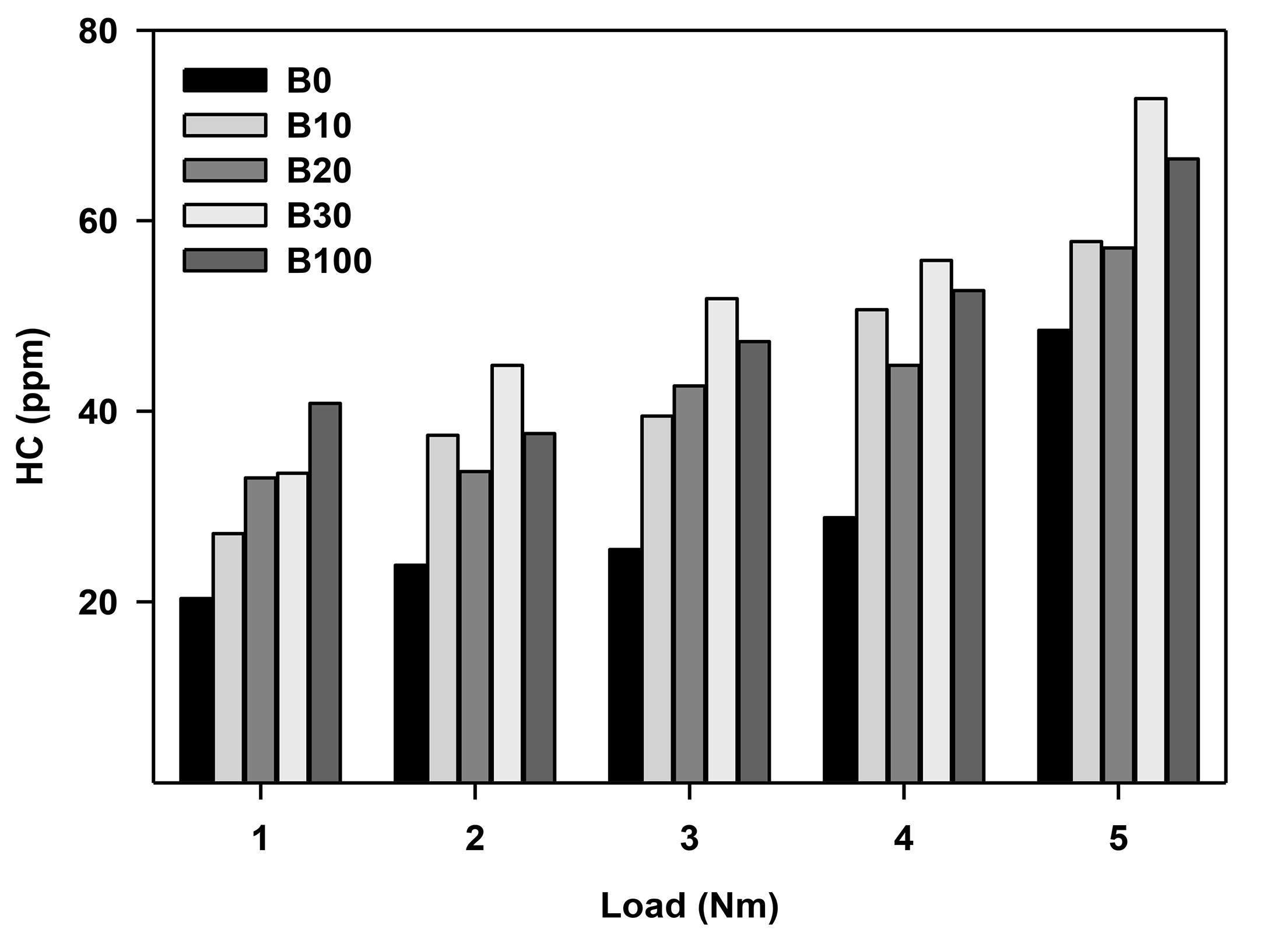
Higher HC emissions were observed for beef tallow biodiesel than for diesel fuel across all engine loads (Figure 6). HC emissions increased with engine load for all fuels, rising from approximately 20 ppm for diesel and 41 ppm for B100 at low load to approximately 49 ppm and 67 ppm, respectively, at maximum load. Typically, increasing the proportion of biodiesel in a blend enhances combustion efficiency due to the presence of bound oxygen and reduces HC emissions; however, this expected trend was not observed in the present study. Higher HC emissions may be associated with increased fuel injection to compensate for the lower calorific value of biodiesel and its higher viscosity, which can impair atomization and air–fuel mixing, particularly under high-load conditions.

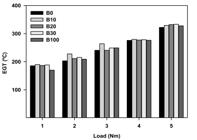
The exhaust gas temperature (EGT) increased progressively with engine load for all fuels (Figure 7), ranging from approximately 170–190°C at low load to 322–333°C at maximum load. Higher temperatures were consistently recorded for beef tallow biodiesel and its blends, particularly under high-load conditions, with EGT reaching about 333°C for B100 compared with 322°C for diesel. This behavior is commonly associated with the higher oxygen content of biodiesel, which enhances combustion efficiency and promotes more complete fuel oxidation (Kivevele et al., 2011).
Conclusions
-
The biodiesel blends exhibited higher SFC than diesel due to their lower energy content, although this parameter decreased at higher engine loads.
-
Emissions of CO and HC were elevated compared to diesel, particularly for higher blends (B30, B100) at medium to high loads.
-
Reduction in NOx was achieved across all loads, attributed to the high saturation degree of beef tallow biodiesel.
-
Higher EGT was recorded for beef tallow biodiesel, particularly under high load conditions.
-
B10 and B20 beef tallow biodiesel blends are proving to be viable options for low-load applications, reducing NOx without increasing CO2 emissions.
References
-
Aydin, H., & Bayindir, H. (2010). Performance and emission analysis of cottonseed oil methyl ester in a diesel engine. Renewable energy, 35 (3), 588-592. https://doi.org/10.1016/j.renene.2009.08.009
» https://doi.org/10.1016/j.renene.2009.08.009 -
Bakeas, E., Karavalakis, G., & Stournas, S. (2011). Biodiesel emissions profile in modern diesel vehicles. Part 1: Effect of biodiesel origin on the criteria emissions. Science of The Total Environment, 409 (9), 1670-1676. https://doi.org/10.1016/j.scitotenv.2011.01.024
» https://doi.org/10.1016/j.scitotenv.2011.01.024 -
Bharti, A., Debbarma, S., & Das, B. (2023). Effect of hydrogen enrichment and TiO2 nanoparticles on waste cooking palm biodiesel run CRDI engine. International Journal of Hydrogen Energy, 48 (75), 29391-29402. https://doi.org/10.1016/j.ijhydene.2023.04.081
» https://doi.org/10.1016/j.ijhydene.2023.04.081 -
Branco J.E.H., Prates R.C., Oliveira A.L.N., & Carvalho A.K.F. (2025). Evaluation of the greenhouse gas emissions of the Brazilian biodiesel and the impact of the mandatory blending of the biofuel into commercial diesel fuel. Chemosphere, 376, 144268. https://doi.org/10.1016/j.chemosphere.2025.144268
» https://doi.org/10.1016/j.chemosphere.2025.144268 -
Çakmak, A., & Özcan, H. (2022). Analysis of combustion and emissions characteristics of a DI diesel engine fuelled with diesel/biodiesel/glycerol tert-butyl ethers mixture by altering compression ratio and injection timing. Fuel, 315, 123200. https://doi.org/10.1016/j.fuel.2022.123200
» https://doi.org/10.1016/j.fuel.2022.123200 -
Celebi, Y., Aydin, H. (2018). Investigation of the effects of butanol addition on safflower biodiesel usage as fuel in a generator diesel engine. Fuel 222, 385-393. https://doi.org/10.1016/j.fuel.2018.02.174
» https://doi.org/10.1016/j.fuel.2018.02.174 -
César, A.S., Conejero, M.A., Ribeiro, E.C.B., Batalha, M.O. (2019). Competitiveness analysis of "social soybeans" in biodiesel production in Brazil. Renewable Energy 133, 1147-1157. https://doi.org/10.1016/j.renene.2018.08.108
» https://doi.org/10.1016/j.renene.2018.08.108 -
Colle, D., de Souza, S. N. M., & Bassegio, D. (2025). Energy efficiency in a dual engine using biogas and waste frying oil biodiesel. Acta Scientiarum. Technology, 47 (1), e69561. https://doi.org/10.4025/actascitechnol.v47i1.69561
» https://doi.org/10.4025/actascitechnol.v47i1.69561 -
Farhan, S. M., Pan, W., Zhijian, C., & JianJun, Y. (2024). Innovative catalysts for the selective catalytic reduction of NOx with H2: A systematic review. Fuel, 355, 129364. https://doi.org/10.1016/j.fuel.2023.129364
» https://doi.org/10.1016/j.fuel.2023.129364 -
Gaur, A., Dwivedi, G., Baredaar, P., & Jain, S. (2022). Influence of blending additives in biodiesel on physiochemical properties, engine performance, and emission characteristics. Fuel, 321, 124072. https://doi.org/10.1016/j.fuel.2022.124072
» https://doi.org/10.1016/j.fuel.2022.124072 -
Gongora, B., de Souza, S. N. M., Bassegio, D., Santos, R. F., Siqueira, J. A. C., Bariccatti, R. A., Gurgacz, F., Secco, D., Tokura, L. K., & Sequinel, R. (2022). Comparison of emissions and engine performance of safflower and commercial biodiesels. Industrial Crops and Products, 179, 114680. https://doi.org/10.1016/j.indcrop.2022.114680
» https://doi.org/10.1016/j.indcrop.2022.114680 -
Gongora, B., Bariccatti, R. A., Souza, S. N. D., Bassegio, D., & Sequinel, R. (2025). Performance and emission characteristics of a diesel engine fueled by babassu and soybean biodiesels. Engenharia Agrícola, 45, e20230166. http://dx.doi.org/10.1590/1809-4430 eng.agric.v45e20230166/2025
» http://dx.doi.org/10.1590/1809-4430 -
Hossain A.K., & Davies P.A. (2010). Plant oils as fuels for compression ignition engines: A technical review and life-cycle analysis. Renewable Energy, 35, 1-13. https://doi.org/10.1016/j.renene.2009.05.009
» https://doi.org/10.1016/j.renene.2009.05.009 -
Kalyani, T., Prasad, L.S.V., & Kolakoti, A. (2023). Effect of triacetin as an oxygenated additive in algae biodiesel fuelled CI engine combustion, performance, and exhaust emission analysis. Fuel, 338, 127366. https://doi.org/10.1016/j.fuel.2022.127366
» https://doi.org/10.1016/j.fuel.2022.127366 -
Kivevele, T. T., Kristóf, L., Bereczky, Á., & Mbarawa, M. M. (2011). Engine performance, exhaust emissions and combustion characteristics of a CI engine fuelled with croton megalocarpus methyl ester with antioxidant. Fuel, 90 (8), 2782 - 2789. https://doi.org/10.1016/j.fuel.2011.03.048
» https://doi.org/10.1016/j.fuel.2011.03.048 -
Lancheros, A., Guedes, C., & Borsato, D. (2023). Multiresponse optimization of biodiesel obtained from a mixture of soybean oil, beef tallow, and waste cooking oil. Biofuels, 14 (8), 785-792. https://doi.org/10.1080/17597269.2023.2175477
» https://doi.org/10.1080/17597269.2023.2175477 -
Leite, D., Santos, R. F., Bassegio, D., de Souza, S. N. M., Secco, D., Gurgacz, F., & da Silva, T. R. B. (2019). Emissions and performance of a diesel engine affected by soybean, linseed, and crambe biodiesel. Industrial Crops and Products, 130, 267-272. https://doi.org/10.1016/j.indcrop.2018.12.092
» https://doi.org/10.1016/j.indcrop.2018.12.092 -
Mofijur, M., Masjuki, H. H., Kalam, M. A., Atabani, A. E., Fattah, I. R., & Mobarak, H. M. (2014). Comparative evaluation of performance and emission characteristics of Moringa oleifera and Palm oil based biodiesel in a diesel engine. Industrial Crops and Products, 53, 78 - 84. https://doi.org/10.1016/j.indcrop.2013.12.011
» https://doi.org/10.1016/j.indcrop.2013.12.011 -
Pachiannan T., Zhong W., He Z., Alharbi S.A., & Brindhadevi K. (2025). Assessing the performance, and emissions characteristics of a diesel engine fueled with soya seed biodiesel blended with oxy-hydrogen. International Journal of Hydrogen Energy, 139, 1008-1014. https://doi.org/10.1016/j.ijhydene.2024.11.120
» https://doi.org/10.1016/j.ijhydene.2024.11.120 -
Palash, S. M., Kalam, M. A., Masjuki, H. H., Masum, B. M., Fattah, I. R., & Mofijur, M. (2013). Impacts of biodiesel combustion on NOx emissions and their reduction approaches. Renewable and Sustainable Energy Reviews, 23, 473 - 490. https://doi.org/10.1016/j.rser.2013.03.003
» https://doi.org/10.1016/j.rser.2013.03.003 -
Park, S.R., Pandey, A.K., Tyagi, V.V., & Tyagi, S.K. (2014). Energy and exergy analysis of typical renewable energy systems. Renewable and Sustainable Energy Reviews, 30, 105 - 23. https://doi.org/10.1016/j.rser.2013.09.011
» https://doi.org/10.1016/j.rser.2013.09.011 -
Pereira, G. G., Garcia, R. K., Ferreira, L. L., & Barrera-Arellano, D. (2017). Soybean and soybean/beef-tallow biodiesel: A comparative study on oxidative degradation during long-term storage. Journal of the American Oil Chemists' Society, 94 (4), 587-593. https://doi.org/10.1007/s11746-017-2962-6
» https://doi.org/10.1007/s11746-017-2962-6 -
Samuelsen, G. S., Brouwer, J., Vardakas, M. A., & Holdeman, J. D. (2013). Experimental and modeling investigation of the effect of air preheat on the formation of NO x in an RQL combustor. Heat and Mass Transfer, 49, 219-231. https://doi.org/10.1007/s00231-012-1080-0
» https://doi.org/10.1007/s00231-012-1080-0 -
Santos, T. K., Siqueira, J. A., Santos, R. F., Bassegio, D., & de Souza, S. N. (2023). Performance and emission characteristics of sesame biodiesel blends in diesel engine. Engenharia Agrícola, 43, e20220229. https://doi.org/10.1590/1809-4430Eng.Agric.v43n5e20220229/2023
» https://doi.org/10.1590/1809-4430Eng.Agric.v43n5e20220229/2023 -
Saridemir, S., Polat, F., & Agbulut, Ü. (2024). Improvement of worsened diesel and waste biodiesel fuelled-engine characteristics with hydrogen enrichment: A deep discussion on combustion, performance, and emission analyses. Process Safety and Environmental Protection, 184, 637 - 649. https://doi.org/10.1016/j.psep.2024.02.018
» https://doi.org/10.1016/j.psep.2024.02.018 -
Sarvestani, N. S., Rohani, A., Farzad, A., & Aghkhani, M. H. (2016). Modeling of specific fuel consumption and emission parameters of compression ignition engine using nanofluid combustion experimental data. Fuel Processing Technology, 154, 37-43. https://doi.org/10.1016/j.fuproc.2016.08.013
» https://doi.org/10.1016/j.fuproc.2016.08.013 -
Schönborn, A., Ladommatos, N., Williams, J., Allan, R., & Rogerson, J. (2009). The influence of molecular structure of fatty acid monoalkyl esters on diesel combustion. Combustion and Flame, 156 (7), 1396-1412. https://doi.org/10.1016/j.combustflame.2009.03.011
» https://doi.org/10.1016/j.combustflame.2009.03.011 -
Sharma, V., Hossain, A. K., Ahmed, A., & Rezk, A. (2022). Study on using graphene and graphite nanoparticles as fuel additives inw aste cooking oil biodiesel. Fuel, 328, 125270. https://doi.org/10.1016/j.fuel.2022.125270
» https://doi.org/10.1016/j.fuel.2022.125270 -
Shete, M., Deshpande, H., & Bhosale, S. (2022). Experimental evaluation of performance and emission characteristics of different blends of ecofriendly Hibiscus and Coconut oil mixture on CRDI engine. Sustainable Energy Technologies and Assessments, 54, 102853. https://doi.org/10.1016/j.seta.2022.102853
» https://doi.org/10.1016/j.seta.2022.102853 -
Silva, F. R. D., Baumgardt da Silva, F. J. L., Vandresen, F., da Silva Lisboa, F., & Sequinel, R. (2025). Oxidative stability of biodiesel: challenges and perspectives for the sustainability of a large-scale program in Brazil. Biofuels, 16(5), 545 - 552. https://doi.org/10.1080/17597269.2024.2432154
» https://doi.org/10.1080/17597269.2024.2432154 -
Singh D., Sharma D., Soni S.L., Sharma S., Kumar Sharma P., & Jhalani A. (2020). A review on feedstocks, production processes, and yield for different generations of biodiesel. Fuel, 262, 116553. https://doi.org/10.1016/j.fuel.2019.116553
» https://doi.org/10.1016/j.fuel.2019.116553 -
Simsek, S. (2020). Effects of biodiesel obtained from Canola, safflower oils and waste oils on the engine performance and exhaust emissions. Fuel, 265, 117026. https://doi.org/10.1016/j.fuel.2020.117026
» https://doi.org/10.1016/j.fuel.2020.117026 -
Sousa, V.M.Z., Luz, S.M., Caldeira-Pires, A., Machado, F.S., & Silveira, C.M. (2017). Life cycle assessment of biodiesel production from beef tallow in Brazil. The International Journal of Life Cycle Assessment, 22, 1837-1850. https://doi.org/10.1007/s11367-017-1396-6
» https://doi.org/10.1007/s11367-017-1396-6 -
Strzalka, R., Schneider, D., & Eicker, U. (2017). Current status of bioenergy technologies in Germany. Renewable and Sustainable Energy Reviews, 72, 801-820. https://doi.org/10.1016/j.rser.2017.01.091
» https://doi.org/10.1016/j.rser.2017.01.091 -
Taipabu, M.I., Viswanathan, K., Wu, W., Hattu, N., & Atabani, A.E. (2022). A critical review of the hydrogen production from biomass-based feedstocks: challenge, solution, and future prospect. Process Safety and Environmental Protection, 164, 384-407. https://doi.org/10.1016/j.psep.2022.06.006
» https://doi.org/10.1016/j.psep.2022.06.006 -
Wang, R., Laila, U., Nazir, R., & Hao, X. (2023). Unleashing the influence of industrialization and trade openness on renewable energy intensity using path model analysis: a roadmap towards sustainable development. Renewable Energy, 202, 280-288. https://doi.org/10.1016/j.renene.2022.11.035
» https://doi.org/10.1016/j.renene.2022.11.035 -
Yesilyurt, M. K., Cesur, C., Aslan, V., & Yilbasi, Z. (2020). The production of biodiesel from safflower (Carthamus tinctorius L.) oil as a potential feedstock and its usage in compression ignition engine: A comprehensive review. Renewable and Sustainable Energy Reviews, 119, 109574. https://doi.org/10.1016/j.rser.2019.109574
» https://doi.org/10.1016/j.rser.2019.109574
-
Data Availability Statement
The datasets generated during and/or analyzed during the current study are available from the corresponding author on reasonable request.
Edited by
-
Area Editor:
Fábio Lúcio Santos
The datasets generated during and/or analyzed during the current study are available from the corresponding author on reasonable request.