
 Inclusive Practices Using Assistive Technologies and DUA in the Inclusion of Students with Autism: A Systematic Review
Introduction. This study conducted a systematic review on the use of Assistive Technologies, based on Universal Design for Learning, in the teacher training process for school inclusion.
Methodology. The research sought to understand how Brazilian scientific literature addresses this topic, adopting a qualitative, descriptive, and exploratory approach based on the protocol by Senra and Lourenço (2016).
Discussion. Searches conducted in the Thesis and Dissertation Catalog of the Coordination for the Improvement of Higher Education Personnel between 2020 and 2025 identified 103 works, of which 17 met the inclusion criteria. The analysis identified three central categories: continuing education and teachers’ perceptions of inclusive practices; the use of Assistive Technologies in pedagogical practice; and technologies as learning supports.
Results. The results show that the integration of Assistive Technologies and Universal Design for Learning promotes flexible curricula, enhances student autonomy, and strengthens teaching practice, although challenges persist, such as gaps in initial training, the absence of consistent public policies, and insufficient institutional support.
Keywords
inclusive education; Universal Design for Learning; teacher training; autism spectrum disorder.
 Thumbnail
 Thumbnail
 Thumbnail
 Thumbnail
 Thumbnail
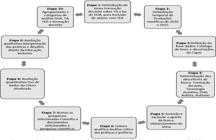
 Source: Author’s own work (2025), based on
  Source: Author’s own work (2025).
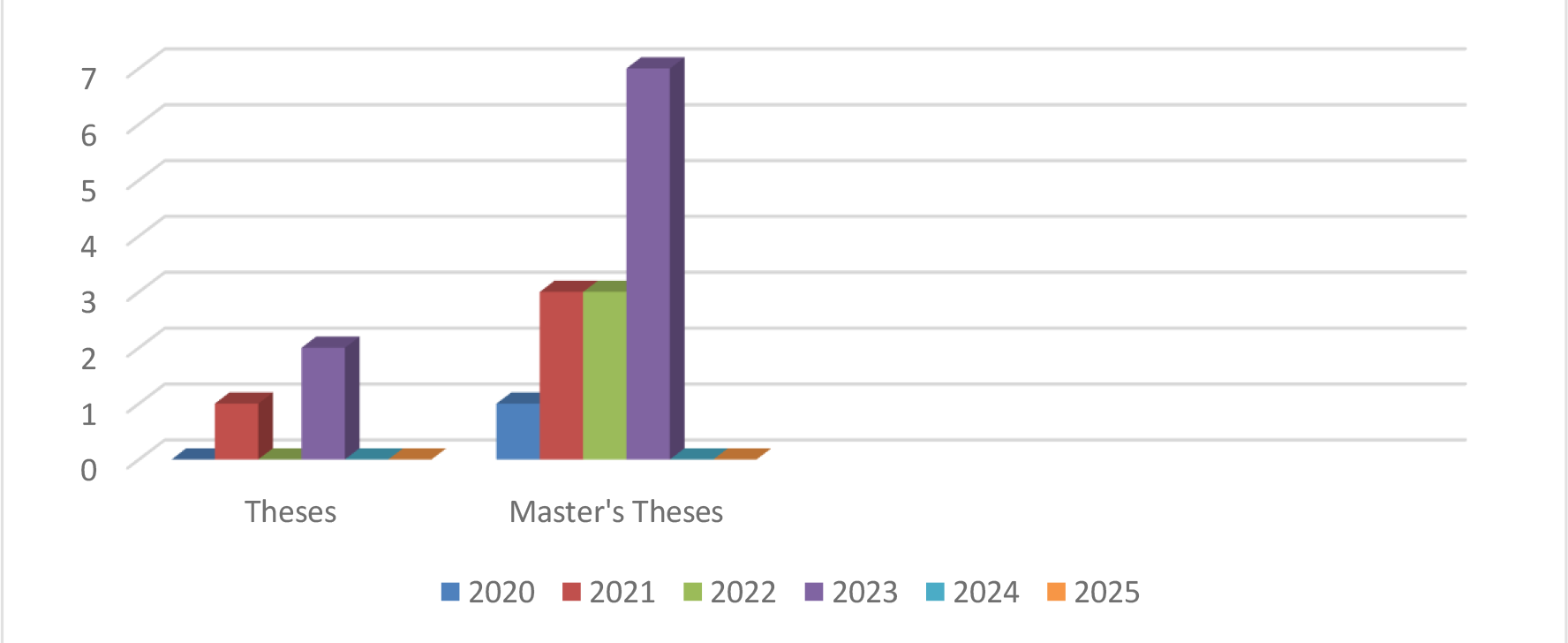 Source: Author’s own work (2025).
 Source: Author’s own work (2025).
 Source: Prepared by the authors (2025) using the WordArt® tool.