
 CHILD “INSIDE AND OUTSIDE THE BOX”: PEDAGOGICAL PRACTICES IN THE RETURN TO EARLY CHILDHOOD EDUCATION
ABSTRACT:
This article analyzes the initiatives of Early Childhood Education teachers and Municipal Centers for Early Childhood Education (CMEIs) during the return to in-person pedagogical practices after the remote teaching period caused by the COVID-19 pandemic. This qualitative research involved semi-structured interviews with eight teachers from the Municipal Education Network of Araucária (PR). Data analysis was based on Bardin (2016) and supported by the Atlas.ti software. The results reveal that teachers restructured their practices, redefined their planning, and strengthened their listening and attention to children, prioritizing the learning rights established in the BNCC. The main challenges included gaps in children's orality, socialization, motor development, and autonomy. In response, educators adopted strategies such as storytelling with active participation, group conversations, play-based activities, spatial reorganization, and the use of digital technologies. It is concluded that the return to in-person teaching demanded sensitivity, creativity, and intentionality from teachers, highlighting the importance of active listening, ongoing professional development, and child-centered planning for a more humane and responsive Early Childhood Education.
Keywords:
early childhood education; pandemic; pedagogical practice; remote teaching; child development
RESUMO:
Este artigo analisa as iniciativas de professores da Educação Infantil e dos Centros Municipais de Educação Infantil (CMEIs) no retorno às práticas pedagógicas presenciais após o ensino remoto decorrente da pandemia da covid-19. A pesquisa, de abordagem qualitativa, utilizou entrevistas semiestruturadas com oito docentes da Rede Municipal de Araucária (PR). A análise foi realizada segundo Bardin (2016), com auxílio do software Atlas.ti. Os resultados revelam que os professores reformularam suas práticas, ressignificaram o planejamento e fortaleceram a escuta e o olhar para as crianças, priorizando os direitos de aprendizagem previstos na BNCC. Dentre os desafios enfrentados estão lacunas na oralidade, socialização, motricidade e autonomia infantil. Em resposta, os docentes adotaram estratégias como contação de histórias com participação ativa, rodas de conversa, brincadeiras, reconfiguração dos espaços e uso de tecnologias. Conclui-se que o retorno ao presencial exigiu sensibilidade, criatividade e intencionalidade dos professores, evidenciando a importância da escuta ativa, da formação continuada e do planejamento centrado na criança para uma educação infantil mais humanizada, responsiva e conectada com as necessidades do pós-pandemia.
Palavras-chave:
educação infantil; pandemia; prática pedagógica; ensino remoto; desenvolvimento infantil
RESUMEN:
Este artículo analiza las iniciativas de los docentes de educación infantil y de los Centros Municipales de Educación Infantil (CMEIs) en el regreso a las prácticas pedagógicas presenciales tras el período de enseñanza remota causado por la pandemia de covid-19. La investigación, de carácter cualitativo, utilizó entrevistas semiestructuradas con ocho docentes de la Red Municipal de Educación de Araucária (PR). El análisis de los datos se basó en Bardin (2016), con el apoyo del software Atlas.ti. Los resultados muestran que los docentes reestructuraron sus prácticas, redefinieron la planificación y fortalecieron la escucha y la atención a los niños, priorizando los derechos de aprendizaje establecidos en la BNCC. Los principales desafíos identificados fueron lagunas en la oralidad, socialización, motricidad y autonomía infantil. Como respuesta, se adoptaron estrategias como narraciones con participación activa, conversaciones en grupo, juegos, reorganización de espacios y uso de tecnologías digitales. Se concluye que el regreso a la enseñanza presencial exigió sensibilidad, creatividad e intencionalidad docente, destacando la importancia de la escucha activa, la formación continua y la planificación centrada en el niño para una educación infantil más humana y receptiva
Palabras clave:
educación infantil; pandemia; práctica pedagógica; enseñanza remota; desarrollo infantil
SARS-CoV-2 (COVID-19) AND THE REORGANIZATION OF TEACHING PRACTICE
In December 2019, cases of unknown pneumonia emerged in Wuhan, China. By January 2020, the novel coronavirus, known as SARS-CoV-2, was identified. The disease spread rapidly and was declared a pandemic by the World Health Organization (WHO) on March 11, 2020. As of January 17, 2023, the WHO reported over 662 million cases and 6.7 million deaths worldwide, with Brazil ranking 5th among the most affected countries. In Brazil, the first confirmed case was on February 26, 2020. As of January 18, 2023, there had been 695,524 deaths, according to the Ministry of Health.
On March 11, 2020, the WHO declared COVID-19 a pandemic, requiring measures such as social isolation. One of the emergency actions to address the “new reality” was the implementation of remote learning in educational institutions. This demanded rapid adaptation from both institutions and educators. Teachers had to learn to use new technologies to continue serving children and adolescents. This process also represented a challenge for students and their families. These families took on a new role in mediating learning, and the students lost the social interaction of the school environment. The pedagogical environment started to be the domestic space, with all its limitations and particularities. This transition laid bare social, economic, and access inequalities in terms of time and educational resources.
Ribeiro (2021) describes how the unexpected arrival of the virus caught everyone by surprise, unprepared, preventing adults and children from having time for support and listening. It had a rapid and forced adaptation to remote pedagogical activities. Sommerhalde (2022) reports that, in Early Childhood Education, where interactions and the face-to-face environment are essential, teachers had to think about, adapt, and plan activities for remote learning, a task that was previously unthinkable for this educational stage.
Considering the learning and development rights established by law and the limitations for service delivery during the period of remote activities, the following problem was raised: what initiatives were undertaken by teachers and Municipal Early Childhood Education Centers (CMEIs-Centros Municipais de Educação Infantil) upon returning to in-person teaching practices to address the learning and development gaps of children?
Given this scenario of unprecedented changes and challenges, it was fundamental to understand how educational practices have been transformed and what strategies have been adopted to guarantee the continuity of the teaching-learning process, especially in early childhood education. Analyzing these adaptations and their implications enables us to reflect on the gaps and potential revealed during the pandemic, and to point out paths for building a more inclusive and resilient education in the face of future crises. In this context, this research aims to analyze the initiatives adopted by teachers and early childhood education centers (CMEIs) upon returning to in-person pedagogical practices, addressing children's learning gaps and ensuring their rights to learning and development.
Thus, this research is justified by its social, scientific, and academic relevance, as it highlights the persistence of the pandemic's impacts on education after the return to in-person classes, clarifying the challenges faced, sharing meaningful practices, and recognizing the collaborative work of early childhood education teachers.
EARLY CHILDHOOD EDUCATION: HOLISTIC DEVELOPMENT AND PEDAGOGICAL PRACTICES
Early childhood education, initially focused on caregiving, has been evolving with studies and legislation that have redefined its role. The Law of Guidelines and Bases of Education (LDB-Lei de Diretrizes e Bases da Educação) (Federal Law number 9.394/96) establishes that early childhood education aims at the integral development of children up to five years old, encompassing physical, psychological, intellectual, and social aspects. It is the first stage of basic education, offering daycare for children up to three years old and preschool for children from four to five years old. Early childhood education has the responsibility of providing pedagogical experiences, such as telling and listening to stories, expressing in different ways, and choosing roles in role-plays, promoting the integral growth of the child's abilities (Kusunoki; Conceição, 2021).
Thus, the Brazilian National Common Curriculum Base (BNCC-Base Nacional Comum Curricular) outlines the essential learning outcomes in basic education, guaranteeing students' rights to development and learning. In early childhood education, six core rights are highlighted: the right to coexist, to play, to participate, to express oneself, to explore, and to know oneself. Therefore, the BNCC structures teaching into five fields of experience: the self, the other, and us; body, gestures, and movements; lines, sounds, colors, and shapes; listening, speaking, thinking, and imagination; and spaces, times, quantities, relationships, and transformations. It also sets learning objectives for different age groups (infants, toddlers, and young children).
The BNCC defines interactions and play as structuring axes of early childhood education. Vygotsky (1987) states that play is a creative and imaginative activity that, when combined with reality, allows the child to explore new forms of expression, interpretation, action, and construction of social relationships. Oliveira (1998) emphasizes that, by experiencing social roles in role plays, the child creates meanings, which stimulates their imagination and promotes autonomy, reinforcing play as an essential activity for their development.
Interaction is the second structuring axis. Through play, children can learn to live together, interact, and resolve conflicts. Vygotsky (1998) emphasizes that play stimulates creativity and social skills. For Ribeiro (2021), the school environment is a space rich in meaningful coexistence and interactions, favoring development. This reinforces Palangana (2015), who sees, in Vygotsky's sociocultural theory, human development as a result of social interactions and the individual's active participation in the construction of their environment.
According to Vygotsky (1998), learning and development are interrelated: one enables the other. Thus, the author describes three levels of development: the Zone of Actual Development, which involves what the child can already do alone; the Zone of Potential Development, which refers to what the child can achieve with the help of adults or more experienced peers. The distance between these zones is referred to as the Zone of Proximal Development (ZPD).
The teacher's role is essential in guiding the improvement of skills not yet consolidated by students. The teacher must plan practices that ensure these rights, considering the needs and specificities of the class, with an emphasis on interactions and play. Also:
[…] pedagogical work needs to be guided by observing children as social beings, individuals who live in society, citizens. This requires that we consider their different characteristics, not only in terms of life history or geographic region, but also in social class, ethnicity, and gender (Kramer, 2002, p. 19).
Kramer (2002, p. 38) lists the fundamental principles to guide pedagogical practice in early childhood education: starting from the reality of children and recognizing their diversity; observing and valuing children's interactions; believing in children's abilities; proposing meaningful and enjoyable activities; expanding the construction of knowledge, enabling access to knowledge of the physical and social world; and promoting participation and mutual help among children.
These principles agree with other scholars in the field. Starting from the reality of children, recognizing their diversity implies creating a welcoming and stimulating environment where they feel they belong and are free to express themselves (Rosenau, 2012). Observing and valuing children's interactions is essential for human development. Relationships with other children and adults outside the family nucleus contribute to the construction of their ways of acting, feeling, and thinking; it is up to the teacher to mediate these exchanges and organize the physical space to favor them.
Another principle is believing in children's abilities, favoring the construction of a positive self-image. In early childhood education, they need to be the protagonists, while the teacher acts as a mediator of the process, proposing stimulating situations, listening attentively, and encouraging the joint construction of knowledge (Edwards, Gardini, and Forman, 2016).
Activities should be meaningful, challenging, and enjoyable, stimulating curiosity and valuing children's interests. Teaching needs to be flexible and accept diversity, since “the selected activities should prioritize cultural, social, and intellectual diversity in the early childhood education classroom” (Rosenau, 2012, p. 93).
Expanding knowledge construction involves addressing the experience areas outlined in the BNCC (Brazilian National Curriculum Base) and promoting connections to the daily lives and current events of children. Encouraging participation and mutual assistance fosters autonomy and cooperation. In this context, the Zone of Proximal Development (ZPD) as described by Vygotsky (1998) illustrates that children learn best with the support of peers oradults. This reinforces the need for teachers to serve as mediators of learning, in alignment with Kramer's principles (2002) of participation, cooperation, and valuing interactions (Koerich, 2012).
According to Fochi (2015; 2016), the fields of experience are essential to the integral development of children, built upon relationships with people and the world. According to Barbosa and Fochi (2015), it is fundamental to consider children's real experiences, their interactions, cultures, and narratives in different languages, as they learn motivated by the desire to understand the world.
Fochi (2015) states that organizing the fields of experience requires three pillars: playfulness, continuity, and meaningfulness. Playfulness allows the child to create and assign meaning; continuity values the sequence and the time necessary to deepen experiences, which, together, promote rich and meaningful learning.
Beyond practical considerations, the fundamental role of the teacher is crucial. In early childhood education, a teacher’s role involves a complex social practice that encompasses both formal and informal relationships aimed at exchanging ideas and constructing knowledge (Almeida & Soares, 2012). These social exchanges are evident in the school environment, where teachers strive to balance their initial theoretical training with their day-to-day practices. Martins (1989) differentiates between “theoretical didactics,” which relies on conjectures to inform educational actions, and “practical didactics,” which addresses the social needs of students as understood by teachers. He states that when faced with challenges in the classroom, teachers often adapt to the realities of their school environment by developing “practical didactics.” This adaptability became especially important during the period of remote learning and the subsequent return to in-person classes, as it was essential to consider the unique needs and interests of each child.
BETWEEN RETURNS AND REINVENTIONS: PATHS OF PRACTICE
Methodologically, this study adopts a qualitative approach, in which proximity to the research problem arising from the professional practice, “What initiatives did early childhood education teachers and CMEIs take upon returning to in-person teaching practice to address the learning and development gaps in children?”, was a primary factor.
The semi-structured interview was chosen for its flexibility and open approach, allowing for in-depth listening to the teachers' experiences during the pandemic and the return to in-person teaching (Minayo, 2001). The semi-structured interview and the Informed Consent Form (ICF) were approved by the Research Ethics Committee (CEP) of PUCPR, through a substantiated opinion, under number: 6.514.726.
Os participantes foram acessados pelas pesquisadoras por meio de suas atuações na Rede Municipal de Ensino e nas formações continuadas. Foram convidados via WhatsApp, onde foi explicada a finalidade da pesquisa e, após aceite, foram agendadas as entrevistas presenciais, conforme disponibilidade. Foram convidados dez professores, dos quais oito aceitaram participar. Cinco entrevistas foram presenciais, enquanto três ocorreram via Google Meet devido à impossibilidade de serem presenciais. As entrevistas com roteiro de perguntas abertas e gravadas com autorização duraram cerca de 25 a 60 minutos. As entrevistas foram transcritas com o Software TurboScribe. Em seguida, foi realizada uma leitura individual para corrigir erros e vícios de linguagem nas transcrições.
Data collection involved teachers who taught during the period of social isolation/remote teaching and upon the return to in-person activities.
Participants were recruited by the researchers through their involvement in the Municipal Education Network and continuing education programs. They were invited via WhatsApp, where the purpose of the research was explained. After agreeing to participate, in-person interviews were scheduled according to their availability. Out of ten invited teachers, eight agreed to take part in the study. Five interviews were conducted in person, while three were held via Google Meet due to the inability to arrange in-person meetings. The interviews followed a script of open-ended questions, were recorded with consent, and lasted approximately 25 to 60 minutes. The recordings were transcribed using TurboScribe software. Following this, an individual review was conducted to correct any errors and improve the clarity of the transcriptions.
Data analysis was performed using Atlas.ti software, for which a temporary license was requested from the CIDES (Creativity and Innovation in Higher Education Teaching) research group at PUCPR. Documents were entered into the software for data analysis, using Bardin's (2016) theoretical framework. A “floating reading” of the participants' testimonies was initiated, following the first stage of pre-analysis proposed by Bardin. Subsequently, an in-depth analysis of the material and data processing was carried out, which allowed for the definition of categories and subcategories.
To achieve the research categories and subcategories, the transcribed interviews were coded using Atlas.ti. Codes were developed by identifying patterns and recurring themes in the data, which allowed for meaningful analysis in alignment with the research objectives. The coding was organized into four main groups: “Training and Performance Data,” “Knowing Who You Are Talking To,” “From Remote Teaching to the Return of In-Person Teaching: From the Beginning to the Reorganization of Practice,” and “Contemporary Pedagogical Practices.”
After coding and categorizing the data in the software, the next step was interpretation, inference, and discussion. The systematized categories gave rise to the following subsections: i) training and performance data: to situate the teachers regarding their training, location, and length of service; ii) knowing who we are talking to: to broaden the understanding of the interviewees and their relationships with early childhood education; iii) from remote teaching to the return to in-person classes: addressing remote teaching, the reorganization of practices, and the challenges of returning; iv) among today's pedagogical practices: highlighting the meanings extracted from the period and current practices in early childhood education.
Training and performance data
Eight interviews were conducted with teachers from the Municipal Education Network of Araucária (PR). To preserve anonymity, the participants were identified with flower names, symbolizing the diversity present in the school environment.
Chart 1 lists the chosen names in alphabetical order with the respective age of each participant and the length of time they have been working as an early childhood education teacher in the Municipal Education Network:
Regarding academic background, 75% of the participants studied Pedagogy, another has a degree in Teacher Training, and another completed a technical-level teaching qualification and is currently studying Pedagogy. The most frequent specializations were in early childhood education (three participants), followed by literacy and special education (two participants in each). Specializations in play-based learning and neuropsychopedagogy were also mentioned, with one participant in each area.
Knowing who you are talking to
The question about the path to teaching sought to understand the professional identity of the participants based on the “three A’s” proposed by Nóvoa (1992): adherence, action, and self-awareness. Most chose teaching as their first option or identified with the career through interaction with children. All migrated to the public school system in search of stability, and some started as interns, highlighting the importance of these experiences in teacher training.
All demonstrated a strong emotional connection with early childhood education. Jasmim (2024) emphasizes that teachers need to be open to new perspectives, observing children with sensitivity and rediscovering their “inner child” in simple and playful activities. Orquídea (2024) adds that “[…] in addition to being prepared for different contexts, it is necessary to be prepared for different children, and to be there, together with them.” Lírio (2024) also highlighted the “reality shock” experienced by teachers between learning in initial training and classroom practice. She also reported that, upon completing the course, the theory seemed idealized, but the reality of the classroom revealed challenges and diversity. She is dedicated to dealing with these situations, aligning with Kramer (2005), who highlights the challenge of recognizing the child as a historical-cultural subject in education.
FROM REMOTE LEARNING TO THE RETURN TO IN-PERSON CLASSES: FROM THE BEGINNING TO THE REORGANIZATION OF PRACTICE
Due to the suspension of in-person activities, emergency measures have been implemented by the relevant authorities. At the national level, MEC Ordinance number 343/2020 allowed for the replacement of in-person classes with remote learning activities. In Paraná, State Decree number 4,258/2020 established guidelines to address the public health emergency caused by the novel Coronavirus. In Araucária, Municipal Decree number 34,357, dated March 18, 2020, introduced measures to combat the COVID-19 pandemic, including making activities optional starting March 18 and suspending in-person pedagogical activities from March 23 for an indefinite period.
Subsequently, at the end of April 2020, the Municipal Education Council (CME-Conselho Municipal de Educação) followed the guidelines of Opinion CNE/CP number 05/2020 and published Resolution CME number 01/2020, which regulated the reorganization of the school calendar under a special regime and authorized the counting of non-face-to-face activities for the purpose of fulfilling the minimum annual workload. The municipality's educational units were organized according to the guidelines of the CME and SMED. To meet the demands of the period, strategies such as sending activities via WhatsApp, conducting video calls, and delivering printed notebooks to families without internet access were used.
Memories of a “presented” reality: the period of isolation and remote educational activities
The interviewees noted that during the period of isolation, the primary means of staying in contact with families was through the use of technologies and applications. Calêndula mentioned creating tutorial videos to help support activities at home. According to Kenski (2008), technology—ranging from simple tools to advanced digital solutions—has always played a significant role in human history, transforming learning processes. It should be viewed as a means to an end rather than an end in itself. While essential for remote learning, these technologies also presented various challenges.
Onze Horas (2024) reported difficulties such as limited internet access, digital exclusion, and challenges faced as a teacher. Kenski (2008) points out that the advancement of technologies requires education to adapt and critically use these resources. Lírio highlighted that the lack of knowledge of digital tools generated insecurity in many professionals. The difficulty of integrating these technologies became evident during the pandemic, as observed by Batista Martins et al. (2020), who stated that many teachers did not feel prepared to transfer the classroom to the home environment.
Although several digital tools existed before the pandemic, their pedagogical use was limited and undervalued, despite the recognition of Digital Information and Communication Technologies — ICTs (Batista Martins et al., 2020). For Rosa (2024), the difficulty of the pandemic provided an opportunity to learn what was not mastered, highlighting the importance of keeping up with changes.
In addition to technological challenges, the absence of families emerged as a significant issue. According to Onze Horas (2024), ensuring that educational activities reached children was difficult, as many responses only recorded daily attendance. Girassol (2024) noted that during remote learning, some families struggled to keep up with activities, although teachers were always available to support both the children's development and the challenges faced by families. It was important to recognize that families could not be held responsible for low participation, as they unexpectedly took on teaching roles without adequate preparation, despite receiving guidance from teachers (Kusunoki; Conceição, 2021).
Faced with remote learning, early childhood education teachers sought strategies to maintain contact with children and families, despite the difficulties and limited responses. This period revealed gaps in learning, which became more evident with the return to in-person classes, the impact of which will be discussed below.
From the sights and tastes of returning to in-person events.
The return to in-person activities brought unprecedented experiences and new sensations for education professionals, marked by discoveries, challenges, ease, solutions, and difficulties. According to Municipal Decree number 35,818, of April 1, 2021, in-person classes in the Araucária Public School System were suspended until July 31, 2021. The return to the CMEIs was staggered and conditional upon compliance with the health protocols defined by the Ministries of Education and Health, such as the use of masks, hygiene, social distancing, and other safety measures.
Despite the proposed health measures, insecurity was present among teachers, families, and children. According to Onze Horas (2024), many families felt torn between ensuring family sustenance and sending their children to school, and many teachers were apprehensive and working in fear.
Despite the challenges posed by the pandemic, many families felt compelled to send their children to school for work. At the same time, teachers struggled to maintain social distancing, as the situation required close contact. Regarding mask usage, Onze Horas (2024) reported that, despite issued guidelines, many children did not wear masks or adhere to social distancing, making it difficult for teachers to enforce these precautions during the return to classes. This situation is further illustrated by Orquídea (2024) as:
[…] dominated everyone in a gigantic way. […] Everything was very controlled. So, it was as if the child was inside a box; and you had to take care of it so that nothing would happen to that child. And we felt it, didn't we (Orchid).
There is concern regarding the demands of the period, along with the revelation of the fragility of teaching work, especially in the face of challenges such as effectively monitoring the correct use of masks by children.
The return to in-person classes highlighted the so-called “pandemic children.” According to the BNCC, these children, like all children in early childhood education, are guaranteed six learning and development rights: to play, to interact, to participate, to explore, to express, and to know themselves.
When they arrive at school, they bring with them their family experiences and need to learn how to relate to adults and other unfamiliar children, living together in a collective environment (Barbosa; Fochi, 2015, p. 64). Therefore, interactions and play are essential in the pedagogical practice of early childhood education. From birth, children interact with their surroundings, promoting exchanges of experiences that are fundamental to their development (Oliveira, 2011).
During the period of isolation and remote learning, the fundamental aspects and learning rights of children were significantly restricted due to the unusual circumstances. According to Sommerhalder, Pott, and La Rocca (2022, p. 6), there was a breakdown of essential interactions, which affected children's right to play with their peers and to establish social relationships with unfamiliar adults in settings like early childhood education institutions. Similarly, Kusunoki and Conceição (2021) emphasize that during the pandemic, being physically present posed a risk to life, necessitating that children stay at home. This situation led to a reorganization of educational processes. However, the authors also note the limitations inherent in this reorganization (Kusunoki & Conceição, 2021, p. 39).
The repercussions and challenges of the limitations became evident upon returning to in-person activities, with difficulties related to coexistence and interactions, as reported by the interviewees, including Jasmim (2024), who highlighted that the lack of interaction during the pandemic compromised the learning process in early childhood education, which is essentially social and based on contact and play among children. These interactions are essential because they allow for the expression of prior knowledge and, simultaneously, the construction and sharing of new learning. According to Ribeiro (2021):
When a child meets another, they go through moments of observation, unique choices, exchanges through different languages — body language, verbal language, etc., solidifying their choices in their peers, which, in turn, will help them in the constitution of their personality, security, and autonomy […] (Ribeiro, 2021, p. 164).
Oliveira (2011, p. 146) states that “the interactions that children establish among themselves, of cooperation, confrontation, and the search for consensus, favor the manifestation of knowledge already acquired and the construction of shared knowledge.” Upon returning to in-person activities, these interactions in the children's pedagogical environment presented gaps, as highlighted by the interviewee Lírio (2024): “[…] we also noticed much more fear among the children. A distancing as well, I think, because of the time we lived through the pandemic, of not getting so close, not talking so close to your classmate, not touching […]”. It is important to remember that interactions during the remote learning period were limited by the circumstances imposed by the pandemic.
Upon returning to in-person classes, these gaps, which were not fully addressed in remote learning, became evident, being noticed by both children and teachers, especially in the children's forms of expression and development. The children were insecure and cried due to the long period spent with their families (Onze Horas, 2024). Many sought their mothers mainly through crying, and some did not speak, having learned to communicate at the CMEI due to a lack of socialization (Jasmim, 2024). Some children were more withdrawn, and it was only at the end of the year that one student managed to express herself more (Adália, 2024).
Although children do not yet master language as a symbolic system, they use manifestations such as crying and laughter to communicate. According to Vygotsky (1987), these expressions are important for development, serving as forms of communication and emotional and cognitive expression. Upon returning to in-person activities, teachers faced several situations involving crying and needed to support these feelings, helping children to express and understand their emotions.
Children experienced difficulties with oral communication, leading to comprehension problems. Adália (2024) attributes these challenges to the excessive use of electronic devices during periods of isolation, which diminished opportunities for oral communication and negatively affected their performance in the classroom. Language, especially speech, is crucial for learning (Koerich, 2012). During remote learning, children became more engaged with digital tools, which seemingly reduced their opportunities for verbal interaction, impacting their adjustment upon returning to in-person classes. According to Girassol (2024), the most significant challenge upon their return was addressing the children's speech difficulties, to the extent that understanding them became challenging. She noted that the contrast between pre-pandemic conditions and the situation afterward was so stark that it felt like an entirely different reality. Rosenau (2012) emphasizes that language develops through social exchanges within cultural contexts, particularly through a child's interactions with the world. The limitations on these interactions during isolation, especially in educational settings, compromised their ability to construct knowledge.
According to Ribeiro (2021, p. 164), “in times of childhood confinement and limitations on access to adequate spaces and contact with nature, the early childhood education institution becomes this stronghold of possible childhoods.” Upon returning, Lírio (2024) observed gaps in children's body expression, especially motor difficulties, attributed to the excessive use of cell phones and screens during isolation. During this period, families used digital devices to entertain children, and the return to in-person classes brought the offer of diverse environments and materials, contrasting with the routine limited to screens.
Throughout its history, Early Childhood Education has undergone several transformations and, according to the BNCC, is currently structured around the axes of interactions and play. According to Kishimoto (2023), toys and play are essential in this process, as they contribute to the development and construction of children's knowledge. Interactions, intrinsic to play, were highlighted by Oliveira (1998) as an opportunity to observe the relationships between children. Upon returning to in-person classes, gaps were perceived in the ways these games developed.
During remote learning activities, Oliveira et al. (2023) note that, despite teachers' efforts to encourage interactions and play, the outcomes were limited. This is primarily because early childhood education relies heavily on physical presence and contact with others. Interviewees, such as Lírio (2024), reported that upon returning to in-person learning, children engaged in more individualized play and showed reluctance to share toys. According to Koerich (2012), these conflicts over toy sharing should be mediated by the teacher, as they present valuable learning opportunities. Such mediation can help children manage frustration and foster the development of autonomy.
Despite the difficulties, the children continued to explore different spaces, but showed fear of being near others. “Exploring” involves movements, gestures, sounds, shapes, and interaction with the environment, both school and naturally. Rosa (2024) observed that the fear was not in the spaces but in the proximity to peers, reflecting how experiences during isolation impacted the children's socialization. However, children's curiosity remained an important factor in the exploration of spaces. Vygotsky (1998) highlighted that children are naturally curious and have the impulse to explore and learn about the world.
Girassol (2024) observed that, upon returning to in-person classes, many children were not autonomous in personal care—a reflection of family dependence in remote learning. As a result, teachers adopted strategies to encourage autonomy.
Corroborating this, the teachers position themselves as mediators in the process of seeking autonomy for the children. According to Vygotsky (1998), the ZRD refers to the actions that children can perform on their own, while the Zone of Potential Development refers to the actions that they can perform with the help of others. With the help of the teachers, the children internalize these actions and reach new ZRDs. The teachers' strategies and initiatives are part of the ZPD, functioning as a “bridge” that enables the transition to the ZRD.
During social isolation, children were used to receiving constant attention from family or caregivers. However, upon returning to the pedagogical and collective environment, they encountered difficulties in dealing with waiting for their turn, listening to their peers, and understanding social relationships. These issues connect with the BNCC's (Brazilian National Curriculum Base) field of experience: “the self, the other, and us.” Fochi (2015) highlights that the fields of experience favor playful behavior, organizing contexts that broaden access to knowledge, such as the use of unstructured materials and toys, stimulating the creation of cities, narratives, and social roles desired by children.
In the BNCC, “knowing oneself” involves the development of self-awareness, self-esteem, and self-knowledge in students, essential aspects for human growth and integral formation, including the recognition of their emotions, abilities, and limitations. Upon returning to in-person classes, the interviewees observed that the children brought their experiences and realities from home to school. Lírio (2024) highlights that, upon arriving at the educational unit, many children did not understand the limits imposed by the teachers, since at home, they could act more freely. Therefore, the challenge was to establish limits and behaviors in the school environment.
Lírio (2024) highlights the “limits and behaviors,” referring to a behaviorist approach focused on stimulating or repressing desirable and undesirable behaviors (Nogueira, Leal, 2015). This shows that, even in the field of teacher training, an influence of this perspective persists.
The return to in-person learning had challenges because teachers were not part of the children's physical reality during isolation. They had to adapt to a new space, routine, and rules, which caused strangeness. The loss of eating and sleeping routines, common during remote activities, impacted the children, as observed in the food selectivity mentioned by Lírio (2024). According to Rosenau (2012), nutrition needs to be seen as a fundamental part of child development, not just a biological need.
Given this context, the period of isolation and remote pedagogical activities left gaps in the learning and development rights proposed by the BNCC, which needed to be remodeled upon the return to in-person classes.
AMONG TODAY'S PEDAGOGICAL PRACTICES
The analysis of the categories reveals how early childhood education teachers have reshaped their role by rethinking practices and planning with a focus on children, which has generated important reflections on remote teaching and contributed to their professional and personal growth.
Regarding the changes in teaching practice
The participants highlighted the need to reformulate their pedagogical practices upon returning to in-person classes, transcending the resumption of the previous routine to meet the needs of the children. Pedagogical practice is complex and dynamic, according to Kramer (2002), and the “remodeling” refers to the significant modifications made by teachers to face the challenges of this return.
Lírio classified the return as a new stage in which, as an education professional, she would need to “take the reins”:
And we, too, with our heads, with our psyches shaken, with everything that was happening, it was very difficult to come back, to know what the limit was there. The limit of correction and the limit of understanding, you know, to understand that this was a new stage, but also that now I need to take the reins of this (Lírio, 2024).
The expression “taking the reins” reflects the teacher's initiative in leading the return in the best possible way. Girassol (2024) highlighted that this return facilitated the exchange of experiences between professionals and children, emphasizing the importance of direct contact and interactions in the learning process.
Adália (2024) and Lírio (2024) highlight that, upon returning to in-person classes, teachers needed to develop more skills, creativity, and flexibility to deal with a new reality marked by greater sensitivity among children and fragile family contexts. Planning required greater adaptation, as well as constant renewal of pedagogical practices.
Differentiating, planning, and considering the children were central aspects in the pedagogical remodeling upon returning to in-person classes. According to Martins (1989), the teacher finds space to create and intervene, promoting situations that favor learning. Next, the reported interferences during this period are presented.
Differentiating
As educators adjusted to in-person classes, interviewees adopted new teaching practices, including a more frequent incorporation of children's stories into their activities. Calendula (2024) highlights this shift, stating, “Maybe I'll include more stories... story videos, which I never used before. Nowadays, I occasionally include some storytellers.”
Vygotsky (1998) states that imagination is new for children up to the age of three, as initially there is a direct link between word and object. Over time, imagination develops from lived experiences, becoming an essential creative activity for pretend play. According to Rosenau (2012), this imaginary world is accessed, for example, when the teacher tells children's stories that engage with the child's fears, desires, and discoveries, allowing them to repeat and identify with these plots without getting tired.
Adália (2024) highlights that the return to in-person activities allowed for a transformation in the way children's stories are told, enabling a more engaging and meaningful approach that further enhanced children's interaction and interest in the narrative universe:
[…] I moved away from the book. Especially because I never really liked just using a book. So, I used another resource, like puppets. When I tell a story, I ask about the characters. Sometimes, I ask them to tell a story too. I give them that opportunity. So… when they start interacting… they will learn more. I will work on their oral skills, and I will also work on making them more uninhibited. So, in my planning regarding a story, I don't just tell it, I bring the child into the story, so that they are a participant […] (Adália, 2024).
Rosenau (2012) highlights that reading and storytelling moments should be experienced as magical moments, using differentiated materials and the teacher's expressiveness. Kramer (2002) adds that telling stories, inventing plots, and creating narratives are fundamental practices for children to express their understanding of the world, exercise symbolic creativity, and develop teamwork.
Adália (2024) highlighted the importance of actively involving children in children's stories, allowing them to participate and develop their oral and expressive skills. According to Barbosa and Fochi (2015, p. 66), “valuing children's voices, listening to the stories they tell, talking to them even when they are not yet able to respond with words is to narratively construct a rich, joyful, and understandable daily life.” This highlights the need for early childhood education teachers to offer opportunities for children to be heard in their various languages and activities, as pointed out by Girassol (2024):
I always try to do more playful activities, like outside, things that involve everyone, because sometimes the teachers who are with them every day end up giving other activities, so since I go into the classroom once or twice a week, I always look for more playful games, singing games, circle time, and more dynamic things (Girassol, 2024).
Circle time activities significantly develop language skills, valuing children's discourse. These moments strengthen self-esteem and the construction of children's identity (Rosenau, 2012). In this sense, Girassol adopts circle time activities with games to promote expression, socialization, and children's development. According to Koerich (2012), these moments are essential to stimulate speech and the multiple dimensions of childhood. Barbosa and Fochi (2015, p. 66) state that “it is fundamental to remember that adequate spaces, materials, and resources are not enough; there is a need for the presence of sensitive, attentive adults to transform the institutional environment into a place where playfulness predominates.” Girassol takes this care by offering playful activities in various spaces.
Play is an integral part of the practices upon returning to in-person learning, standing out for the way it is offered. Barbosa and Fochi (2015, p. 65) state that “when playing, children develop narrative arguments, take initiatives, represent roles, solve problems, and experience impasses. They invent ways of being and existing in the world through their games.” Oliveira (1996, p. 144) adds that “play constitutes the privileged resource for the development of preschool children. Affect, motor skills, language and perception, representation, memory, and other cognitive functions are deeply interconnected aspects.” In this understanding, Orquídea highlights that:
[…] Early childhood education is about play. So, if you bring a playful approach, an activity for them, if you present it differently, you captivate the child at that moment […] And you will captivate them. If necessary, you can even sing a song related to the theme you are working on. And that's how you get their attention. And so, I say it works really well (Orquídea).
Early childhood education plays a crucial role in preserving the culture of play (Barbosa; Fochi, 2012), and the teacher, as a mediator, makes a difference by captivating children. Play is a cultural action transmitted in the school environment (Barbosa; Fochi, 2015), as Orquídea (2024) reinforces by exemplifying that:
In a circle game… You are going to play in one way, and the child comes along and says: Teacher, why don't we play this way? Let's do it this way? And the children create in their own way (Orquídea, 2024).
Also, the organization of spaces is essential for play. According to Kramer (2002, p. 76), “organizing the room into areas is very important, as it favors the movement of children and their participation in activities that meet their interests.” Thus, Onze Horas (2024) values the corners (reading, circuits, huts, etc.) created in its educational institution, even in a reduced space. The creation of varied spaces provides “autonomy to children” (Rosenau, 2012, p. 117). Therefore, the teacher needs to observe and offer challenges and materials that enrich these experiences (Kramer, 2002).
Some of the difficulties pointed out led the interviewee Lírio (2024) to focus her pedagogical practice on the gaps that affected social interaction and motor skills: “I have been trying to develop this a little more and try to bring to my classroom practice what I saw was lacking in the pandemic, which was the social interaction of the children, the motor part, right, and everything else” (Lírio, 2024).
The movements performed by children are guided by several simultaneous mental processes that influence their behavior (Rosenau, 2012, p. 113). To promote comprehensive psychological development, Kramer (2002, p. 21) highlights that movement should not be mechanical or done merely for its own sake. Instead, it should be integrated into daily activities with specific purposes, such as building a doll or drawing a story. According to Rosenau (2012), movements also play a crucial role in communication. When children discover and master their motor and expressive abilities, they enhance their capacity to interact with their environment (Rosenau, 2012, p. 113).
During remote learning, peer interactions were significantly affected. Upon returning to in-person classes, there was an observed increase in conflicts (Adália, 2024), which underscores the importance of dialogue and individualized attention tailored to each child's developmental stage. Rosa (2024) and Onze Horas (2024) highlighted the challenges of reintegrating students into in-person classes, particularly in promoting interactions among children who had grown quite accustomed to their own environments. This transition also involved adhering to health measures and avoiding physical contact.
In the daycare and preschool environment, creating conditions that favor interactions between children and teachers is crucial, as it promotes children's development and autonomy (Oliveira, 1996). Upon returning to in-person classes, Onze Horas (2024) observed a gradual improvement in these interactions, with children showing interest in group activities, playing in the park, and with other children.
After returning to in-person classes, practices related to food gained prominence, with new approaches in daily life. Rosenau (2012) emphasizes that mealtimes can stimulate motor and cognitive processes in children, such as in the selection, chewing, and perception of food:
Little by little, we didn't try to force it, because we would create trauma in the child, and it was based on conversation. Then we brought in a lot of food-related activities, we told stories, and we made pretend food in the classroom, and we went through these playful approaches, so that in the cafeteria, we sang little songs, so that it would be a pleasant moment for the child, and the child, on the day she felt comfortable, she would eat, and that's what happened (Jasmim, 2024).
During the period of social isolation, many families faced challenges that made it difficult to maintain a healthy and varied eating routine. As students returned to school, these unhealthy eating habits often persisted, leading some children to develop aversions to certain foods or to reject the meals offered at school. Jasmim (2024) highlights that the teachers used natural strategies to engage children's interest in food, helping them feel more comfortable trying new items. Furthermore, Rosenau (2012) emphasizes the importance of adapting the environment in early childhood education centers (CMEIs) to meet children's needs, thereby promoting autonomy and encouraging the adoption of healthy eating habits.
Planning
Teacher planning had to adapt to the new reality to meet emerging needs. Martins (1989, p. 67) points out that “planning is not an end in itself, but a means of preparing and organizing action with a goal in mind,” and should be flexible and aligned with the phases of the child's integral development (Rosenau, 2012). The interviewees contributed reflections on these reconfigurations.
Onze Horas (2024) highlighted the challenge of improving planning for children's development, while Lírio (2024) sought to be more creative, exploring new possibilities in her planning to spark children's interest. Barbosa and Fochi (2015, p. 62) state that “teacher planning should be centered on creating opportunities for children,” which involves organizing spaces that favor experimentation and development in all phases of early childhood education. Therefore, it is important that planning focuses on the entire process of knowledge construction by the child, not just on the expected result (Barbosa, Fochi, 2015), becoming flexible and adapted to the context, class, and children.
The interviewees highlight that planning has begun to incorporate ICTs. Rosa (2024) emphasizes the replacement of paper with Google Drive for storing children's files, photos, and activities, facilitating digital planning:
[…] to do the planning, everything used to be done in notebooks, on paper; now we have computers. We type everything there, send it to the drive. We use the drive a lot now to store photos. It's helping a lot with innovation, let's say… Before, everything was on paper; the attendance book was handwritten. Now it's not, now you have the RCOs, you have online drives where you can store everything. Everything has gone online; the parents' WhatsApp groups are still maintained, and if we need to send something, we put it in the parents' group (Rosa, 2024).
Rosa (2024) highlights that the RCO (Online Class Register) was recently incorporated in the municipality and that the intensified use of technologies during remote activities facilitated the adaptation of teachers to ICTs, as reinforced by Calêndula (2024) when reporting that, although she still uses little, she started using technological tools during the pandemic.
The planning of early childhood education teachers needs to be redesigned to address the specificities of the current moment, with a particular emphasis on creativity as a crucial skill for developing solutions and turning ideas into reality. Additionally, teachers must act with intention, plan with a clear purpose, and organize experiences that help children understand themselves, relate to others, and recognize their connections with nature, culture, and science. This can be achieved through personal care, play, experimentation, literature, and interaction (Brazil, 2017, p. 39).
Along the same lines of understanding, Orquídea (2024) exemplifies the teacher's intentionality when planning and how this reflects on the development of children:
[…] it can be a beautiful, wonderful activity […], but if you approach the children and say, ‘Oh, today we’re going to make soap bubbles with paper rolls. And we’re going to stamp this sheet here,’ okay, but what was the intention behind that? Now, if you introduce yourself to the child, look, have you ever played with soap bubbles? Do you like this game? they will be working on their unique imagination. And there will be many answers […] And you will be talking to them during the activity […] (Orquídea, 2024).
Teachers are responsible for organizing the moments in which their actions will contribute to the child's development. This organization begins with the act of planning. Upon returning to in-person teaching activities, this planning has become something that must be creative and intentional, using ICTs as auxiliary tools for its development. And above all, always keeping the child in mind.
Children’s thinking
Differentiating, planning, and thinking (from children), three verbs that shape the analysis of the interviews and carry rich meanings about the pedagogical practice of the early childhood education teacher upon returning to in-person activities. Orquídea (2024) expresses that: “You have to be prepared for everything. I say this because, even though you have a lesson plan, it is only the base. Often, we have a lot of experience and think that the child doesn't have it, but they do have experiences that we never imagined […]” (Orquídea, 2024).
Orquídea (2024) emphasizes that planning is flexible, not a fixed script, because children, with their experiences, shape teaching practice. Barbosa (2010, p. 6) highlights that “adults are responsible for the education of babies, but to understand them it is necessary to be with them, observe, ‘listen to their voices’, accompany their bodies”, and Rosenau (2012) adds that the teacher must welcome, support, and challenge them in a shared journey.
Sensitive listening to children was a recurring point in the interviews: “[…] listening to her, giving voice to what she is feeling, to what she wants as well. So, it is also about respecting the child. I think this pandemic moment brought that. In the adaptation, we were able to understand the child better” (Jasmim, 2024). Ribeiro (2021, p. 159) argues that this listening requires sensitivity and understanding of the child's language and existence. By promoting moments of listening, their protagonism is strengthened, not as total freedom, but as their recognition as a thinking subject, with space to express themselves and dialogue. Jasmim (2024) reports that, after the pandemic, she came to value even more the respect, listening, and protagonism of children, especially during the adaptation process.
Respecting the child's time is fundamental in early childhood education. According to Barbosa and Fochi (2015, p. 64), “time articulates people and weaves stories,” giving meaning to individual and collective experiences. From this perspective, Jasmim (2024) highlights the importance of an attentive and empathetic gaze from the teacher towards the children in the pedagogical context. Each child develops at their own pace. According to Vygotsky (1987), this happens through interaction with the environment, in the ZPD. It is up to the teacher to mediate this process, offering support according to individual needs.
From this perspective, Jasmim (2024) highlighted the importance of respecting and valuing individual differences, also emphasizing the specificities of each class:
[…] working according to the class, each class has its own way, and so we plan according to that class, so there are classes that are faster, more accelerated, so we'll give them activities, we'll play games, we'll go outside to run and play and jump and do those things […] (Jasmim, 2024).
According to Kramer (2002), recognizing children means valuing their differences, which transcend psychological development, including habits, family values, and local contexts that influence their perceptions of the world. In the pandemic context, giving voice to and respecting children's time were essential to making the return to in-person learning a child-centered experience, highlighting their challenges and potential as a basis for teaching practice.
The importance of in-person interaction for children:
The importance that the interviewees attribute to physical presence in the context of early childhood education is highlighted. Calêndula offers a valuable contribution:
I think early childhood education is more about in-person learning. Because it doesn't just involve formal, systematized knowledge, right? It's about understanding the world, the exchange between peers, the interaction with others, that aspect of investigation, of them exploring their environment. So, I believe that remote learning for early childhood, I don't know, I don't know if some technology will come along that can replace all of that, but today I can't visualize something like that, remote learning for early childhood, that can develop the child in their entirety, in their wholeness (Calêndula, 2024).
Early childhood education is essential for the holistic development of children. Fochi (2016) highlights that they learn through experiences such as playing, exploring, and interacting. From this perspective, Calêndula defends the importance of in-person teaching, as the school environment fosters interactions and discoveries. Girassol (2024) also shares this view.
At that time during the pandemic, that's what we needed, that break... and that remote learning, but I don't think it fulfills the need. For me, school is about interaction, it's about affection, it's about caring for one another. So, I believe that at that moment it was ideal, but school has to be present, it has to know how to interact with everyone, with the staff, with the cook, with everyone, so, yes, education needs that in-person interaction (Girassol, 2024).
The school plays multiple significant roles for the child, and the early childhood learning environment provides experiences that only occur in person. Rosa reinforces this idea by highlighting the importance of social interaction in this context:
[…] remote learning for early childhood education is completely unproductive, because the child's social interaction, which you do in the classroom with other classmates, which you teach many things about how to behave, that they can't fight, that doesn't exist in remote learning […] (Rosa, 2024).
Rosa (2024) highlights the importance of physical presence at school to promote the emotional, cognitive, and social development of children. The absence of this contact, although understandable in emergency contexts, creates gaps in integral education, as Kusunoki and Conceição (2021) point out. Costa (2021) states that quality early childhood education depends on face-to-face experiences, interactions, and play.
The role of the teachers in early childhood education is fundamental, as they will ensure that pedagogical practice considers the specificities of the age group, guaranteeing the rights of children as proposed in the BNCC. Fochi (2016) emphasizes that this requires educators to have a vision of the child as someone who acts, creates, and produces culture, guiding the organization of educational work.
Lessons for Life and the Teaching Profession
During the pandemic and the return to in-person activities, the early childhood education teacher was a symbol of “transformation.” In this context, Lírio (2024) talks about the vision on this essential role:
The period we went through inevitably transformed you in some way. Anyone who wasn't transformed by the pandemic, I think, experienced it somewhat automatically. Those who truly felt everything that was happening were transformed in some way. There's no way they couldn't have been (Lírio, 2024).
Isolation, remote teaching, and the return to in-person education have led to transformations among teachers that vary based on their social contexts. To understand these changes, it is essential to consider both the professional and personal lives of educators, as suggested by Nóvoa (1992). The interviewees discussed both aspects in their narratives. Calêndula (2024) emphasizes the significance of being physically present with children, highlighting the importance of sharing the same space during in-person interactions. She also notes that teaching can be exhausting, and therefore, it should be recognized as a profession that comes with its own difficulties and challenges. Pedagogical work in early childhood education should not be idealized, as it encounters numerous obstacles daily.
In this context, teachers aim to enhance their pedagogical practice and navigate professional challenges. During the interviews, they reflected on the lessons learned from the pandemic, emphasizing aspects such as the importance of ongoing education, the adoption of new tools, and the appreciation for, as well as the limitations of, their profession. This reflects a new professional landscape. According to Girassol (2024) and Rosa (2024), professional life necessitates continuous learning and a persistent process of growth.
In my professional life, I realized that I sought new knowledge, looked for new ideas, and studied new topics so that I could better reach the group of people I needed (Girassol, 2024).
That we can never stand still. Let's suppose I did my teaching degree and stopped. I'm not going to do anything else. Then we already see that we can't just stay there. You go to college, and you already see that you can't stay there anymore. If you pursue postgraduate studies, you will already see that you must continually evolve. Always evolving (Rosa, 2024).
The participants also highlighted the importance of the constant pursuit of new knowledge and self-improvement. Girassol points out that this motivation is linked to better meeting the specific needs of each group, an idea also reinforced by Adália (2024):
I noticed that before doing this postgraduate course, I mentioned to you that I had a certain perspective. A narrower perspective, I'll say. But when I started researching, I realized, "There's a child I think has some difficulty, and it's challenging." So, I'll look for something, read to understand, and improve not only my practice with that specific child, but with the whole class. So, when I started seeking more knowledge, my planning also became richer (Adália, 2024).
The interviewees indicate that the pursuit of self-improvement extends beyond career advancement; it emphasizes enhancing teaching practices to better cater to children's needs, particularly with the transition back to in-person learning. They also highlight the importance of learning and utilizing new technological tools, such as those introduced by Jasmim (2024), who became acquainted with previously unknown resources.
Regarding the professional aspect, it taught me a lot. It taught me how to use new technologies. Something I didn't do before, I ended up becoming a video editor, recording videos that I never thought I would record. So, it brought these new challenges that were also good, that nowadays, when we need to use them again, I think we will have less difficulty in the future (Jasmim, 2024).
Jasmim (2024) highlights that the pandemic prompted teachers to adopt new technologies, which initially emerged out of necessity but have since proven beneficial for in-person teaching as pedagogical support. The interviewees reported a notable increase in appreciation for the teaching profession, especially from families who began to recognize early childhood education teachers as educators rather than merely caregivers. This sentiment is emphasized by Orquídea (2024).
[…] the pandemic also brought, for many parents as for ourselves… Parents asked: “Do you do all this? I thought my daughter only ate and only slept.” So, it also served to make them value the figure of the teacher (Orquídea, 2024).
There is still a distorted view of the role of early childhood education teachers, with terms like “Miss” or “babysitters,” reflecting a welfare-oriented perception before the LDB. Orquídea mentions that many families believed that children only ate and slept at school, but were surprised by the complexity of teaching work during the pandemic, which contributed to a greater appreciation of the profession. Furthermore, teachers face external and internal pressures. Lírio (2024) reports that the pandemic led them to adopt a more patient stance and to respect their limits:
[…] it certainly brought me much more humility to look at my work with more patience, to have more patience with myself, not to demand so much of myself either, because we also need to know our limits, to know that sometimes we just won't be able to handle it, we won't be a wonderful professional every year, there will be a year when we are bad, there will be a year when we are good. So, it is necessary to have patience and humility (Lírio, 2024).
The interviews demonstrate that, above all, teachers are human beings who experience successes, mistakes, and limitations. They do not have extraordinary abilities to change circumstances, but they continuously strive to enhance their practice. Overcoming these limitations requires, above all, patience and humility to recognize them and to address them effectively.
Like their professional lives, the personal lives of early childhood education teachers were also profoundly impacted by the pandemic context. According to Goodson (1992, p. 63), “life experiences and the sociocultural environment are obviously key ingredients of the person we are.” The author also highlights that these factors shape teaching practice, because the more the teacher invests their “self” in teaching and sociocultural experience, the more this is reflected in their performance.
Therefore, when questioning the interviewees about the lessons that the moment of social isolation, the remote period, and the return to in-person teaching brought to their personal lives, they presented a humanized view of how they faced this process.
Orquídea (2024) showed a self-aware perspective on her life trajectory, highlighting that, with the arrival of the pandemic, she began to reflect more on herself. She raised questions about her relationship with herself, with others, and with the world around her:
I mean, the pandemic came to make us think more about our lives. What am I doing with it? Am I a good human being? What am I doing with my life, with the lives of others? Am I helping my neighbor? Am I thinking about others? Do I do things only for myself? (Orquídea, 2024).
Family was a fundamental pillar for the interviewees during social isolation, strengthening and expanding emotional bonds, since they spent more time together during this period.
It brought me closer to my family. We were already close, whether we like it or not, we get closer because we spend more time at home, we can keep up with each other more. And I believe that we are ready to face the obstacles, the challenges are there and they arrive surprisingly, as this disease did, but we can overcome these barriers and prevail (Jasmim, 2024).
Amid the difficulties and experiences brought about by the pandemic period, Onze Horas (2024) highlighted two words that resonate: persistence and overcoming.
I think that's where we have to persevere in what we want, chase after it. It's about overcoming the difficult moments we go through and having faith that everything will work out (Eleven O'Clock, 2024).
According to Nóvoa (1992, p. 17), “it is impossible to separate the professional self from the personal self.” This means that the lessons learned in both areas shape the teacher. The experiences and knowledge gained during the pandemic significantly influenced the transformations that occurred when returning to in-person teaching. These changes were marked by experiences that affected both the personal and professional spheres.
RESUMING THE JOURNEY WITH ZEAL
This study aimed to analyze the initiatives adopted by early childhood education teachers and Municipal Centers for Early Childhood Education (CMEIs) as they returned to in-person teaching practices. The focus was on addressing children's learning gaps and ensuring their rights to learning and development.
The COVID-19 pandemic forced a transition to remote learning, which brought numerous challenges, including low participation rates in activities, difficulties in monitoring student progress, and an increased burden on families who took on teaching responsibilities despite facing various limitations. The resulting isolation led to gaps in child development, reflecting deficiencies that arose from this exceptional social context.
As in-person activities resumed, early childhood education teachers needed to reorganize their practices to meet the needs of children transitioning from remote to in-person learning. According to Martins (1989), teachers devise strategies to overcome the everyday challenges of school life, creating initiatives that extend beyond the difficulties encountered.
The title “The Child Inside and Outside the Box” (“A criança dentro e fora da caixa”) symbolizes the two phases’ children experience: isolation, with limitations and excessive screen time, and the return to school, marked by interactions, play, and meaningful experiences. The metaphor also reflects the importance of children's participation, as well as the need for intentional and sensitive pedagogical practices.
Therefore, some indicators of pedagogical practice in the “new normal” (a term used by the participants for the period of return to in-person activities in early childhood education) were identified, which are described below:
-
) storytelling practice beyond the use of common references, such as books, but using differentiated resources and considering the child as a participant in the process. Valuing their voice and making them actively participate in these moments;
-
) richness of the practice of circle time from the perspective of developing language in different ways, valuing listening to children's expressions, and helping them develop a positive self-image;
-
) play, a structural axis of early childhood education, and the way in which the teacher positions themselves as a mediator of the process, arousing children's interest and allowing them to create their own games in different ways, with different materials and in different spaces;
-
) motor skills at different times of the routine, aiming at movement, expression, knowledge, and body control, from the perspective of the physical and cognitive development of children;
-
) providing opportunities and conditions for diverse interactions between peers, in which conflict situations offer a chance for the child to develop their autonomy, with the teacher acting as a mediator in this process;
-
) adoption of a flexible and creative planning by the teacher: with the perspective of creating multiple opportunities for children, making adjustments as needed and where the intentionality of the proposals and propositions employed by the teacher becomes transparent;
-
) sensitivity of the teacher's view towards children as protagonists of early childhood education: being heard, respected in their learning and development time, and in their individual differences, as a starting point for pedagogical practice;
-
v) prevalence of face-to-face teaching for early childhood education, considering the fullness of child development in a space of multiple experiences and investigations of and with the environment;
-
) transformations of the teacher as a person and as a professional, from the mobilizations carried out in seeking updates in the study and learning about unknown digital tools, from the appreciation as early childhood education teachers, who, in this period of uncertainty, are in a human position: equipped with fears, fragilities, and hopes.
Just as indicators were identified, some trends were also observed, already addressed in the body of the text:
-
) the research participants mentioned the children's “difficulties,” understood as neurotypical conditions, but the study prefers to use the term “gaps” to highlight the barriers and deficiencies caused by the historical and social context of the period;
-
) the teachers demonstrate, on several occasions, a tendency to adopt the behaviorist perspective of human development, indicating that this view may still be present in teacher training;
-
) It is noticeable that teachers still seek to be recognized as early childhood educators, and not just as “caregivers” or “Miss/Mr.” Therefore, there is a need for public policies that value and strengthen this professional identity.
It is essential to emphasize the importance of providing teachers with consistent initial and ongoing training, focusing on the specific needs of childhood and human development. Additionally, more studies on food selectivity are needed, as this topic was mentioned by participants but is underexplored in the existing research. Although this issue existed prior to the pandemic, it gained significance with the return to in-person classes. Nutrition should be a key topic in schools and early childhood education centers, and new research will help guide practices for establishing healthy eating routines for children.
A future perspective suggests studying the children, the main agents of this process, to understand their contributions in the pandemic context. If this study analyzed teachers' practices upon returning to in-person classes, it is also important to explore how the children themselves experienced and shaped this reality. A limitation of the research is its focus on a single municipal network. Future studies could broaden the scope, including longitudinal analyses and comparisons between the public and private sectors.
References
- ALMEIDA, Cláudia M.; SOARES, Kátia C. D. Professor de Educação Infantil e anos iniciais do Ensino Fundamental Curitiba: InterSaberes, 2012.
-
ARAUCÁRIA. Prefeitura do Município. Decreto nº 34.357, de 17 de março de 2020 Dispõe sobre as medidas para enfrentamento da emergência de saúde pública de importância internacional decorrente da infecção humana pelo novo coronavírus SARS-CoV-2/covid-19. Araucária, 17 mar. 2020. Disponível em: Disponível em: https://leismunicipais.com.br/a/pr/a/araucaria/decreto/2020/3436/34357/decreto-n-34357- 2020-dispoe-sobre-as-medidas-para-enfrentamento-da-emergencia-de-saude-publica-de-importancia-internacional-decorrente-da-infeccao-humana-pelo-novo-coronavirus-sars-cov-2-covid-19 Acesso em:10 set. 2022.
» https://leismunicipais.com.br/a/pr/a/araucaria/decreto/2020/3436/34357/decreto-n-34357- 2020-dispoe-sobre-as-medidas-para-enfrentamento-da-emergencia-de-saude-publica-de-importancia-internacional-decorrente-da-infeccao-humana-pelo-novo-coronavirus-sars-cov-2-covid-19 -
ARAUCÁRIA. Prefeitura do Município. Resolução nº 01 Regime especial para reorganização e cumprimento do calendário escolar 2020. Conselho Municipal de Educação, 2020. Disponível em: Disponível em: https://drive.google.com/file/d/1OpUHrFC1cvycuvztH9-YBkR1ANCgEP1_/view Acesso em: 11 set. 2022.
» https://drive.google.com/file/d/1OpUHrFC1cvycuvztH9-YBkR1ANCgEP1_/view -
BARBOSA, Maria C. As especificidades da ação pedagógica com os bebês Universidade Federal do Rio Grande do Sul, 2010. Disponível em: Disponível em: https://portal.mec.gov.br/docman/dezembro-2010-pdf/7154-2-2-artigomec-acao-pedagogica-bebes-m-carmem/file Acesso em:13 abr. 2024.
» https://portal.mec.gov.br/docman/dezembro-2010-pdf/7154-2-2-artigomec-acao-pedagogica-bebes-m-carmem/file - BARBOSA, Maria C. S.; FOCHI, Paulo S. Os bebês no berçário: ideias-chave. In: ALBUQUERQUE, S. S.; FLORES, M. L. R. (Orgs.). Implementação do Proinfância no Rio Grande do Sul: perspectivas políticas e pedagógicas. Porto Alegre: EDIPUCRS, 2015. p. 57-68.
- BARDIN, Laurence. Análise de conteúdo São Paulo: Edições 70, 2016.
-
BATISTA MARTINS, Sandra C.; SANTOS, Geiza; RUFATO, João A.; BRITO, Glaucia S. As tecnologias na educação em tempos de pandemia: uma discussão (im)pertinente. Revista Interacções, S. l., v. 16, n. 55, p. 6-27, 2020. https://doi.org/10.25755/int.21019
» https://doi.org/10.25755/int.21019 -
BRASIL. Lei nº 9.394 de 20 de dezembro de 1996 Estabelece as Diretrizes e Bases da Educação Nacional. Brasília, 1996. Disponível em: Disponível em: https://www.planalto.gov.br/ccivil_03/leis/l9394.htm Acesso em:11 dez. 2022.
» https://www.planalto.gov.br/ccivil_03/leis/l9394.htm -
BRASIL. Ministério da Educação. Secretaria de Educação Básica. Base Nacional Comum Curricular 3. ed. Brasília: Ministério da Educação, 2017. Documento em construção no Conselho Nacional de Educação. Brasília, 2017. Disponível em: Disponível em: https://basenacionalcomum.mec.gov.br/images/BNCC_EI_EF_110518_versaofinal_site.pdf Acesso em:13 dez. 2022.
» https://basenacionalcomum.mec.gov.br/images/BNCC_EI_EF_110518_versaofinal_site.pdf -
BRASIL. Ministério da Educação. Portaria nº 343, de 17 de março de 2020 Dispõe sobre a substituição das aulas presenciais por aulas em meios digitais enquanto durar a situação de pandemia do Novo Coronavírus - covid-19. Brasília, 2020. Disponível em: Disponível em: https://www.planalto.gov.br/ccivil_03/Portaria/PRT/Portaria%20n%C2%BA%20343-20-mec.htm Acesso em: 1 set. 2022
» https://www.planalto.gov.br/ccivil_03/Portaria/PRT/Portaria%20n%C2%BA%20343-20-mec.htm -
BRASIL. Ministério da Educação. Parecer CNE/CP nº 5, de 28 de abril de 2020 Dispõe sobre a reorganização do calendário escolar e da possibilidade de cômputo de atividades não presenciais para fins de cumprimento da carga horária mínima anual, em razão da pandemia da covid-19. Brasília, 2020. Disponível em: Disponível em: https://portal.mec.gov.br/index.php?option=com_docman&view=download&alias=145011-pcp005-20&category_slug=marco-2020-pdf&Itemid=30192 Acesso em:1 set. 2022.
» https://portal.mec.gov.br/index.php?option=com_docman&view=download&alias=145011-pcp005-20&category_slug=marco-2020-pdf&Itemid=30192 -
BRASIL. Ministério da EducaçãoMinistérios da Educação e Saúde estabelecem protocolo para retorno seguro às aulas Brasília, 2021. Disponível em:Disponível em:https://www.gov.br/pt-br/noticias/educacao-e-pesquisa/2021/08/ministerios-da-educacao-e-saude-estabelecem-protocolo-para-retorno-seguro-as-aulas Acesso em:27 mar. 2024.
» https://www.gov.br/pt-br/noticias/educacao-e-pesquisa/2021/08/ministerios-da-educacao-e-saude-estabelecem-protocolo-para-retorno-seguro-as-aulas -
COSTA, Sinara. A. Relação família-escola na Educação Infantil: reflexões em tempos de pandemia. In: SANTOS, Marlene O. (Org.). Educação infantil em tempos de pandemia Salvador: EDUFBA, 2021. p. 145-154. Disponível em: https: Disponível em: https: https://books.scielo.org/id/5gtk4/pdf/santos-9786556303703.pdf Acesso em:5 jul. 2024.
» https://books.scielo.org/id/5gtk4/pdf/santos-9786556303703.pdf - EDWARDS, Carolyn; GANDINI, Lella; FORMAN, George. As cem linguagens da criança: a abordagem de Reggio Emilia na educação da primeira infância. Porto Alegre: Penso, 2016.
-
FOCHI, Paulo S. A didática dos campos de experiência. Revista Pátio, v. 49, 2016. Disponível em: Disponível em: https://www.researchgate.net/publication/319653636_A_didatica_dos_campos_de_experiencia Acesso em:2 abr. 2024.
» https://www.researchgate.net/publication/319653636_A_didatica_dos_campos_de_experiencia -
FOCHI, Paulo S. Ludicidade, continuidade e significatividade nos campos de experiência. In: FINCO, Daniela; BARBOSA, Maria C.; FARIA, Ana L. G. (Orgs.). Campos de experiência na escola da infância: contribuições italianas para inventar um currículo de educação infantil brasileiro. Campinas: Leitura Crítica, 2015. Disponível em: Disponível em: https://amnoroeste.org.br/uploads/sites/566/2023/05/1596117_Camposdeexperiencianaescola_Donwload_1.pdf Acesso em:2 abr. 2024.
» https://amnoroeste.org.br/uploads/sites/566/2023/05/1596117_Camposdeexperiencianaescola_Donwload_1.pdf - GOODSON, Ivor F. Dar voz ao professor: as histórias de vida dos professores e o seu desenvolvimento profissional. In: NÓVOA, António (Org.). Vida de professores Lisboa: Porto Editora, 1992. p. 63-78.
- KENSKI, Vani M. Educação e tecnologias: o novo ritmo da informação. Campinas: Papirus, 2008.
-
KISHIMOTO, Tizuko M. (Org.). Jogo, brinquedo, brincadeira e a educação [e-book]. São Paulo: Cortez, 2023. ISBN 9786555553918. Disponível em: Disponível em: https://integrada.minhabiblioteca.com.br/#/books/9786555553918/ Acesso em:1 maio 2024.
» https://integrada.minhabiblioteca.com.br/#/books/9786555553918/ -
KOERICH, Ana. C. M. A formação do sujeito autônomo na perspectiva histórico-cultural: muito além do “fazer sozinho”In: COUTINHO, Angela S.; DAY, Gisele; WIGGERS, Verena (Orgs.). Práticas pedagógicas na educação infantil: diálogos possíveis a partir da formação profissional. São Leopoldo: Oikos; Nova Petrópolis: Nova Harmonia, 2012. p. 28-41. Disponível em:Disponível em:https://nditeste.paginas.ufsc.br/files/2013/08/Praticas-pedagogicas-na-Ed-Inf.pdf Acesso em: 2 jun. 2024.
» https://nditeste.paginas.ufsc.br/files/2013/08/Praticas-pedagogicas-na-Ed-Inf.pdf - KRAMER, Sônia. Com a pré-escola nas mãos São Paulo: Ática, 2002.
- KRAMER, Sônia. Profissionais da educação infantil: gestão e formação. São Paulo: Ática, 2005.
-
KUSUNOKI, Karolyne A. R.; CONCEIÇÃO, Aline N. Educação infantil em tempos de pandemia. In: CONCEIÇÃO, Aline N.; PEREIRA, Adriana A.; SOUZA, Maewa M. G. S. (Orgs.). De repente, uma pandemia: discussões sobre os processos educacionais durante o período de distanciamento social [recurso eletrônico]. Porto Alegre: Editora Fi, 2021. p. 23-40. Disponível em: Disponível em: https://www.editorafi.org/054pandemia Acesso em: 9 jul. 2024.
» https://www.editorafi.org/054pandemia - MARTINS, Pura L. O. A Didática teórica/didática prática: para além do confronto. São Paulo: Edições Loyola, 1989.
- MINAYO, Maria C. S. (Org). Pesquisa social: teoria, método e criatividade. 19. ed. Petrópolis: Vozes, 2001.
- NOGUEIRA, Makeliny O. G. LEAL, Daniela. Teorias da aprendizagem: um encontro entre os pensamentos filosófico, pedagógico e psicológico. 2 ed. Curitiba: InterSaberes , 2015.
- NÓVOA, António. (Org.). Vida de Professores Lisboa: Porto Editora, 1992.
-
ORGANIZAÇÃO MUNDIAL DA SAÚDE. Painel da OMS COVID-19 Genebra: OMS, 2023. Disponível em: Disponível em: https://data.who.int/dashboards/covid19/cases Acesso em:17 jan. 2023.
» https://data.who.int/dashboards/covid19/cases -
OLIVEIRA, Zilma M. R. A brincadeira e o desenvolvimento infantil: implicações para a educação em creches e pré-escolas. Motrivivência, Florianópolis, ano VIII, n. 9, p. 136-145, dez. 1996. Disponível em: Disponível em: https://periodicos.ufsc.br/index.php/motrivivencia/article/view/5663 Acesso em:29 abr. 2024.
» https://periodicos.ufsc.br/index.php/motrivivencia/article/view/5663 -
OLIVEIRA, Zilma M. R. Estrutura e funcionamento de instituições de educação infantil. In: CURY, Carlos R. J. et al(Orgs.). Subsídios para credenciamento e funcionamento de instituições de educação infantil Vol. II. Brasília: MEC/SEF, 1998. p. 87-94. Disponível em:Disponível em:https://portal.mec.gov.br/seb/arquivos/pdf/volume_II.pdf Acesso em: 25 ago. 2023.
» https://portal.mec.gov.br/seb/arquivos/pdf/volume_II.pdf - OLIVEIRA, Zilma de M. R. Educação Infantil: fundamentos e métodos. São Paulo: Cortez, 2011.
-
OLIVEIRA, Lindsey M.; MACHADO, Jade A. M.; TELLES, Michelle M.; BERSCH, Angela. A. S. A corporeidade e a educação infantil: desafios para os docentes no ensino remoto emergencial. Educação e Pesquisa, São Paulo, v. 49, e265880, 2023. https://doi.org/10.1590/S1678-4634202349265880
» https://doi.org/10.1590/S1678-4634202349265880 -
PALANGANA, Isilda C. Desenvolvimento e aprendizagem em Piaget e Vigotski 1. ed. São Paulo: Summus Editorial, 2015. E-book. Disponível em: https://plataforma.bvirtual.com.br Acesso em: 12 ago. 2023.
» https://plataforma.bvirtual.com.br -
RIBEIRO, Silvanne. Escuta às crianças da Educação Infantil em épocas de isolamento social e confinamentos das infâncias. In: SANTOS, Marlene O. (Org.). Educação infantil em tempos de pandemia Salvador: EDUFBA, 2021. p. 155-171. Disponível em: Disponível em: https://books.scielo.org/id/5gtk4 Acesso em:6 jul. 2024.
» https://books.scielo.org/id/5gtk4 - ROSENAU, Luciana S. Diagnóstico do fazer docente na educação infantil Curitiba: Ibpex, 2012.
-
SOMMERHALDER, Aline; POTT, Eveline T. B.; ROCCA, Concetta L. A educação infantil em tempo de SARS-CoV-2: a (re)organização dos fazeres docentes. Educação e Pesquisa, v. 48, p. e254817, 2022. https://doi.org/10.1590/S1678-4634202248254817por
» https://doi.org/10.1590/S1678-4634202248254817por - VYGOTSKY, Lev S. Pensamento e linguagem São Paulo: Martins Fontes, 1987.
- VYGOTSKY, Lev S. A formação social da mente São Paulo: Martins Fontes, 1998.
The content is already available.
History
-
Received
31 July 2025 -
Preprint posted on
29 July 2025
10.1590/SciELOPreprints.12791 -
Accepted
24 Sept 2025

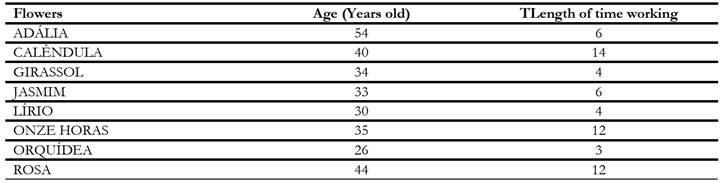 Source: the authors (2024).