
 Blak Mama and the Pedagogy of the Oppressed: Intercultural Dialogues and Cultural Subversion in Ecuadorian Cinema
This article analyzes the film Blak Mama (2009), directed by Miguel Alvear and Patricio Andrade, as a cinematic text that embodies and re-signifies the principles of Paulo Freire’s liberating pedagogy in dialogue with categories from cultural studies and film theory. Drawing on concepts such as conscientization, dialogue, and the viable unheard-of, the article examines how the film subverts official symbols of Ecuadorian culture through strategies of parody, carnival, and hybridity, transforming them into sites of cultural negotiation. The film, centered on three paper recyclers devoted to the Virgin of La Merced, combines magical realism, surrealism, and popular elements in a fragmented and transgressive narrative where the popular and the marginal confront the official and the hegemonic. The analysis relies on an interdisciplinary theoretical framework that integrates Freire’s proposals on liberating education, Mikhail Bakhtin’s notions of parody and carnival, Aníbal Quijano’s concept of the coloniality of power, and Walter Mignolo’s idea of epistemic disobedience, along with Linda Hutcheon and Robert Stam’s perspectives on parody as cultural critique and postcolonial resistance. From this perspective, Blak Mama emerges as a space of cultural resistance and critical intercultural education that destabilizes dominant narratives while simultaneously celebrating the capacity of communities to reinvent their traditions and project emancipatory horizons.
Keywords:
Paulo Freire; Cultural Studies; Parody; Hybridity; Resistance
 Thumbnail
 Thumbnail
 Thumbnail
 Thumbnail
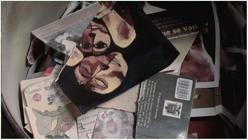
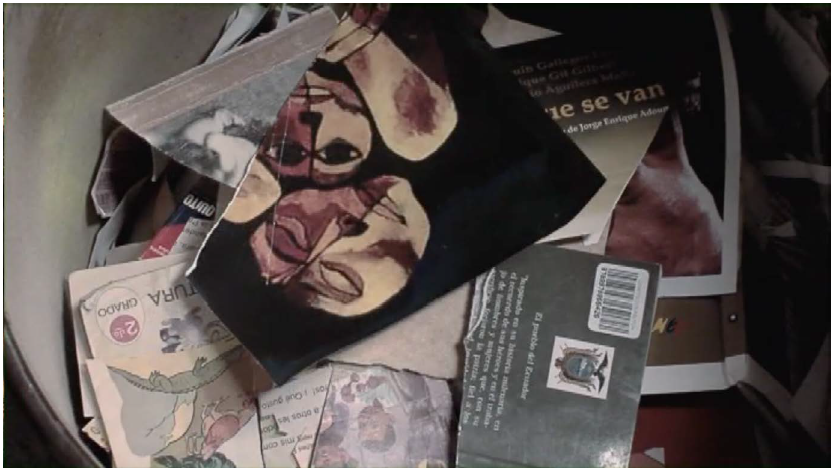 Nota: la destrucción de textos y símbolos canónicos, entre ellos Los que se van de Aguilera Malta, Gallegos Lara y Gil Gilbert, manuales escolares y la obra pictórica Las manos de la ira de Oswaldo Guayasamín, lo que evidencia la crítica paródica al canon cultural y político.Fuente: Fotograma de la película Blak Mama (2009), dir. Miguel Alvear y Patricio Andrade.
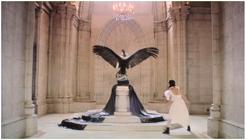
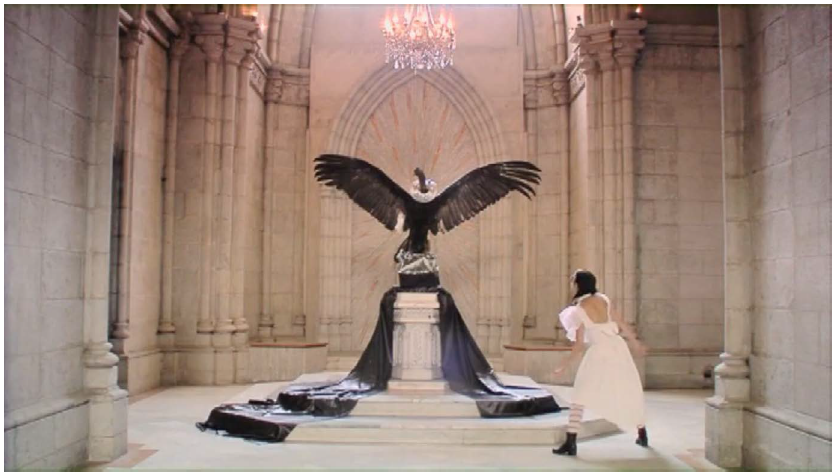 Nota: La escena la confrontación con la estatua del cóndor, emblema central del escudo nacional y símbolo de orgullo patrio, transformado aquí en objeto de resistencia y desacralización. Fuente: Fotograma de la película Blak Mama (2009), dir. Miguel Alvear y Patricio Andrade.
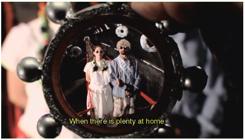
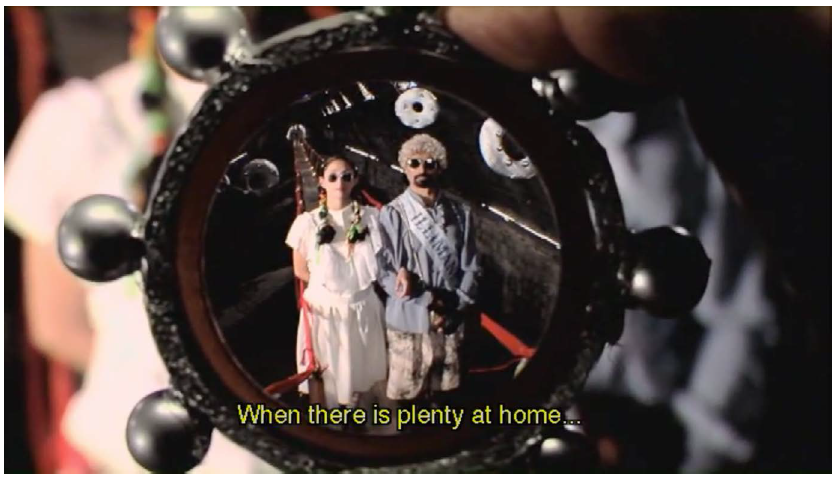 Nota: La escena parodia el matrimonio tradicional, mostrando a los novios a través de una lupa mientras se pronuncian frases de sumisión femenina, subvirtiendo la institución como símbolo de posesión.Fuente: Fotograma de la película Blak Mama (2009), dir. Miguel Alvear y Patricio Andrade.
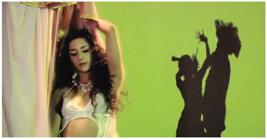
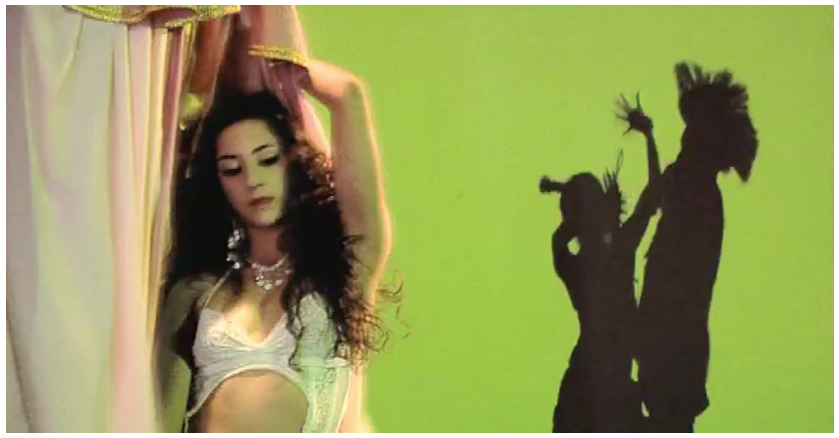 Nota: La imagen muestra a la Virgen Wolff en una danza sensual, acompañada de sombras rituales, subvirtiendo el carácter sacro del espacio religioso. Fuente: Fotograma de la película Blak Mama (2009), dir. Miguel Alvear y Patricio Andrade.