 Transformative Service Research and the role of service robots: a bibliometric analysis
Abstract
Abstract Robotic Transformative Service Research (RTSR) is an interdisciplinary field expanding the principles of Transformative Service Research (TSR) by integrating service robots into contexts focused on improving well-being and reducing vulnerabilities. Despite its relevance, RTSR literature remains fragmented across domains like healthcare, robotics, and service management, hindering a cohesive understanding of the field. This study addresses this gap through a systematic review and bibliometric analysis of RTSR, identifying thematic trends, research gaps, and future directions. The central objective is to map RTSR’s intellectual structure using bibliographic coupling, which grouped 152 articles into six thematic clusters. Data was collected from academic databases and analyzed through network mapping. The use of service robots in elderly care stands out for providing emotional well-being, inhibiting loneliness, for example. The analysis of several use cases of service robots in elderly care is carried out in the article to highlight the importance of using this service in cases of great importance, such as in cases of dementia. Cultural sensitivity and personalization of robots emerged as essential factors for increasing user acceptance and scalability, particularly in diverse healthcare environments. Ethical concerns, such as emotional dependence from long-term interaction with robots, are also discussed, especially in long-term care, where robots serve as emotional companions. This paper proposes a research agenda focused on interdisciplinary integration and the development of cultural competence to expand the use of service robots. The analysis of RTSR literature identifies key challenges and outlines paths to advance the application of these robots across different sectors.
Keywords:
Service robots; Robotic Transformative Service Research; Well-being; Vulnerability
Resumo
Resumo Pesquisa em Serviços Transformativos com Robôs (RTSR) é um campo interdisciplinar que expande os princípios da pesquisa em Serviços Transformativos (TSR) ao integrar robôs de serviço em contextos voltados para a promoção do bem-estar e a redução de vulnerabilidades. Apesar de sua relevância, a literatura sobre RTSR permanece fragmentada em áreas como saúde, robótica e gestão de serviços, dificultando uma compreensão coesa do campo. Este estudo aborda essa lacuna por meio de uma revisão sistemática e uma análise bibliométrica de RTSR, identificando tendências temáticas, lacunas de pesquisa e direções futuras. O objetivo central é mapear a estrutura intelectual do RTSR utilizando acoplamento bibliográfico, que agrupou 152 artigos em seis clusters temáticos. Os dados foram coletados nas bases acadêmicas e analisados por meio de mapeamento de redes. Os principais achados destacam o uso de robôs no cuidado de idosos para mitigar a solidão e melhorar o bem-estar emocional. O estudo enfatiza a necessidade de ensaios clínicos longitudinais em larga escala para validar a eficácia dos robôs no tratamento de condições crônicas, como demência. A sensibilidade cultural e a personalização dos robôs também se mostraram fatores essenciais para aumentar a aceitação pelos usuários e a escalabilidade, especialmente em ambientes de saúde diversos. Questões éticas, como a dependência emocional decorrente da interação prolongada com robôs, também são discutidas, especialmente em cuidados de longa duração, onde os robôs atuam como companheiros emocionais. Este artigo propõe uma agenda de pesquisa focada na integração interdisciplinar e no desenvolvimento de competência cultural para ampliar o uso dos robôs de serviço. A análise da literatura sobre RTSR identifica desafios-chave e traça caminhos para avançar na aplicação desses robôs em diferentes setores.
Palavras-chave:
Robôs de serviço; Pesquisa em Serviços Transformativos Robóticos; Bem-estar; Vulnerabilidade
1 Introdução
Transformative Service Research (TSR) emerged as an interdisciplinary field, inspired by pioneering approaches such as Transformative Service Design (TSD) and Transformative Consumer Research (TCR) (Anderson et al., 2013; Özçağlar-Toulouse & Burroughs, 2014). Both approaches have played crucial roles in evolving service concepts beyond mere customer satisfaction, promoting meaningful changes in individuals' lives and society. While TSD focuses on how services can be designed to enhance social and environmental well-being, TCR examines consumption through the lens of its potential to drive positive transformations in well-being and social justice (Özçağlar-Toulouse & Burroughs, 2014; Zeng & Botella-Carrubi, 2023). Influenced by these developments, TSR has established itself as a field that investigates how services can foster not only functional benefits but also social, emotional, and psychological transformations, helping reduce vulnerabilities and improve well-being (Anderson et al., 2013; Gomes et al., 2020). Transformative services span various areas, including inclusive education, preventive healthcare, social entrepreneurship, and more, underscoring the importance of service interactions as opportunities for value co-creation between providers and consumers (Chen et al., 2021; Dratsiou et al., 2022).
Recently, advances in robotic technologies and their increasing application in service contexts have expanded TSR's scope, leading to the emergence of Robotic Transformative Service Research (RTSR). RTSR broadens TSR by integrating service robots as mediators and facilitators of interactions aimed at enhancing user well-being through cognitive and social interventions (Čaić et al., 2019; Wirtz et al., 2018). According to Wirtz et al. (2018), service robots are autonomous, adaptable, and interactive interfaces that may take both physical and virtual forms, either humanoid or non-humanoid.
Service robots are mainly used in the health and education sectors, providing support for vulnerable cases, reducing isolation and mitigating loneliness, usually among the elderly and individuals with special needs (Henkel et al., 2020; Shibata et al., 2021). However, RTSR research faces challenges due to fragmented academic output. Although many studies examine the role of robots in transformative services, such as those found in healthcare, technology and services journals, these studies do not explicitly refer to RTSR, making it difficult to consolidate this field. This fragmentation complicates the identification of key contributions and consistent themes needed to guide future research (Pu et al., 2019; Gasteiger et al., 2021).
A systematic review is needed to integrate dispersed knowledge and provide a clearer view of RTSR's intellectual structure. It is important to examine how different disciplines have shaped RTSR, covering both technical aspects and its impact on well-being. Most research so far has focused on technical or ethical issues, with little interdisciplinary analysis of robots' role in social transformation. This study addresses that gap through a systematic and bibliometric review, aiming to map key themes, identify common theories and methods, and highlight gaps that need further exploration. This paper explores the intellectual structure of research on transformative service robots. The aim is to consolidate RTSR as a field, laying the foundation for future research and examining how service robots can drive transformation in different contexts. It also aims to position RTSR as an interdisciplinary area, guiding future studies towards the most emerging gaps.
2 Methods and data
This systematic literature review (SLR) adhered to the methodology proposed by Tranfield et al. (2003), which includes data collection, data processing, and data analysis.
2.1 Sample selection and evaluation
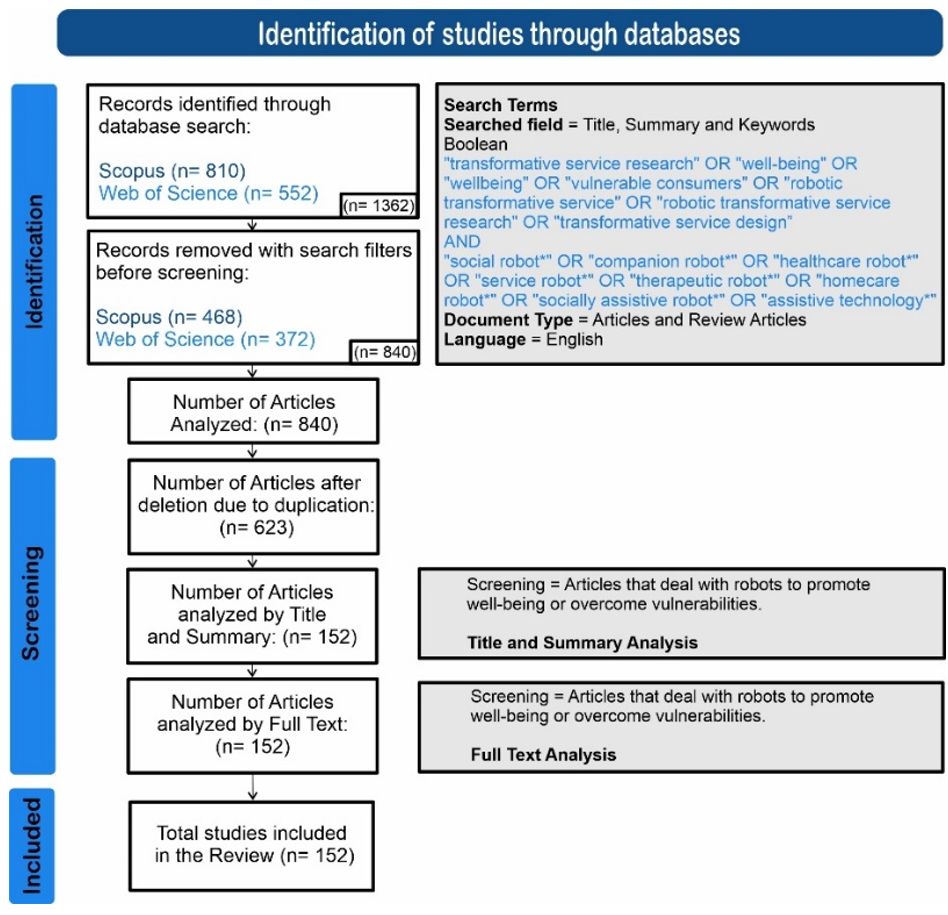
The articles for the sample were selected through searches in two databases: Scopus and Web of Science (WoS). The choice of these databases was motivated by their broad coverage of scientific journals and diverse academic disciplines. Furthermore, both are considered the most comprehensive databases for literature reviews (Mariani & Borghi, 2019; Zupic & Čater, 2015). The searches were conducted in November 2023 and were based on a set of keywords. The first set included terms related to transformative service research, while the second included terms about service robots. The inclusion criteria were (i) articles and reviews published in scientific journals and (ii) written in English. Figure 1 shows the keywords considered, as well as the steps taken to select the sample articles.
The metadata from the articles identified in both databases were extracted separately, resulting in two distinct datasets. A total of 468 documents were found indexed in Scopus and 372 in Web of Science. Subsequently, these two datasets were integrated using Mendeley® software. After removing duplicates, 623 documents remained for further evaluation. A first screening process was then carried out by reading the article titles, keywords, and abstracts. To qualify for inclusion, articles needed to (i) primarily focus on service robots as the technology and (ii) involve services related to well-being or the mitigation of vulnerabilities. Articles that did not meet these criteria were excluded. For example, Nieforth et al. (2023) address the use of assistive technology with dogs to promote individual well-being, and Mauri et al. (2012) focus on using computer vision to assist people with cerebral palsy. A second screening process was then conducted to analyze the full documents. Two authors from the research team participated in this screening. Finally, 152 focal articles were selected, which make up the final sample.
2.2 Data analysis
Biblioshiny was used to integrate the metadata of the articles in the final sample, enabling the application of bibliometric techniques through the functions of the Bibliometrix R package (Aria & Cuccurullo, 2017). A variety of data analysis techniques were employed. Descriptive and citation analyses of the sample articles revealed publication frequency, key journals, research methodologies, and the most influential works. Beyond quantitative analyses using bibliometric techniques (Donthu et al., 2021; Tomomitsu & Moraes, 2021), thematic analysis (Nowell et al., 2017) was employed to explore themes and robot typologies presented in the sample articles. This analysis also outlined future research directions, aiming to guide efforts toward enriching this field of study. For these purposes, NVivo 11 Plus software facilitated the coding, comparison of results, and synthesis of information (Jackson & Bazeley, 2019). NVivo enables researchers to manage and code data, analyze coded materials, and develop conceptual models (Mortelmans, 2019).
3 Results
3.1 Descriptive analysis
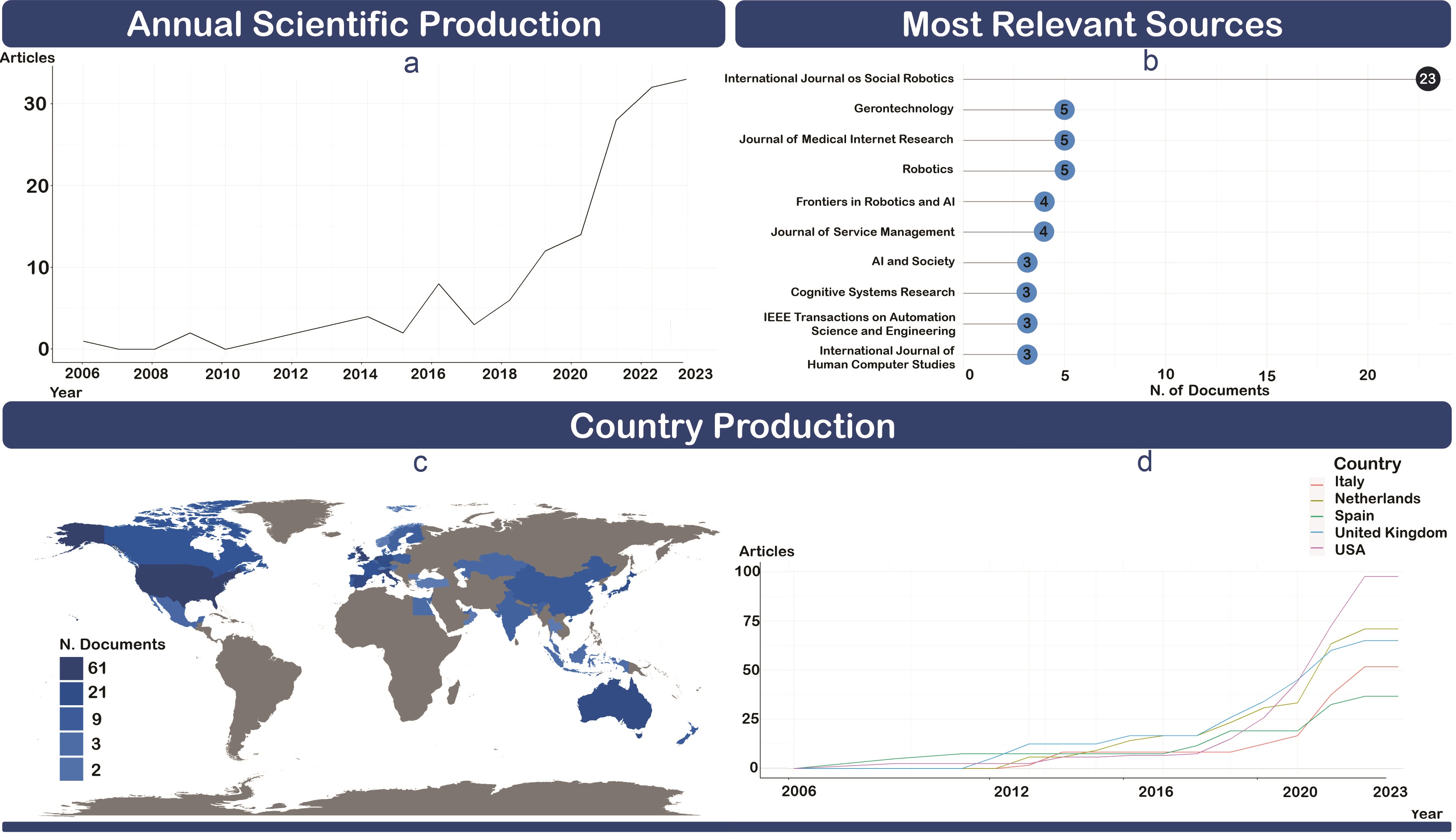
Figure 2 provides descriptive data on the sample. Since the first publications dating back to 2006, including the article by Sparrow & Sparrow (2006), the discussion of the use of service robots in elderly care has been emphasized along with concerns about social and emotional interactions. However, interest in the topic grew, especially from 2013 onwards with the publication of seminal articles on TSR (e.g., Anderson et al., 2013). As a result, a strong boost in publications occurred from 2018 onwards (125 articles in the sample), consolidating the interest of researchers from different communities in the use of service robots to generate well-being and mitigate vulnerabilities.
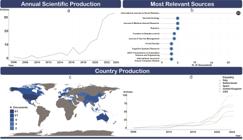
Figure 2b shows the journals with the most articles in the sample: International Journal of Social Robotics (23 articles), Gerontechnology, Journal of Medical Internet Research, and Robotics (5 each), followed by Frontiers in Robotics and AI and Journal of Service Management (4 each). The interdisciplinary nature of RTSR research spans fields like computer science, robotics, healthcare, and business services. Most studies focus on robotics development and human-robot interaction algorithms, while healthcare and business applications emphasize the use of service robots in transformative services. Figures 2c and 2d present the geographic distribution of the authors, with the United States and Europe leading RTSR research. Within Europe, Italy, the Netherlands, Spain, and the United Kingdom stand out.
Table 1 presents the articles in the sample with the highest number of requests. Six of the ten most cited articles were published between 2019 and 2020, which indicates the recent interest in the topic. Sparrow & Sparrow (2006) is the most reported article and receives this recognition for being one of the pioneers to study the ability of service robots to meet the needs of the elderly from a well-being and quality of life perspective. Articles related to the areas of computing and robotics gained prominence due to the analysis of issues related to the accessibility of socially assistive robots (e.g., Kachouie et al., 2014; Louie et al., 2014). De Graaf (2016) emphasizes ethical aspects in interactions between men and robots. From 2019 onwards, articles more linked to health gained strength, such as Pu et al. (2019) who study the potential of service robots in improving the well-being of elderly people and Sriram et al. (2019) and Góngora Alonso et al. (2019) who carried out systematic reviews of the application of service robots in treating people with dementia and supporting caregivers. From 2020 onwards, articles linked to service management gain recognition. These articles emphasize the application of service robots to improve customer experience and operational efficiency, such as the study by Lu et al. (2020) which investigates the impact of service robots on the well-being of customers and employees; Odekerken-Schröder et al. (2020) and Henkel et al. (2020) who studied the use of service robots applied in transformative services with the purpose of mitigating loneliness.
3.2 Content analysis
After conducting a detailed bibliometric analysis, which clarified the contours and evolution of the RTSR field, this section provides a deeper analysis of the content of the identified studies. Table 2 complements the descriptive analysis by examining the content of the sample articles. TSR investigates how services can positively impact the lives of consumers (Anderson et al., 2013). Similarly, RTSR seeks to promote well-being and address vulnerabilities through the use of service robots. Thus, we aimed to evaluate the alignment of the articles with the objectives of TSR. In the final sample, 70.3% of the articles (e.g., Looije et al., 2017; Barber et al., 2023; Moerman et al., 2019; Trost et al., 2019) focus on enhancing well-being through the socio-emotional use of robots, while 29.6% (e.g., Barber et al., 2022; Chen et al., 2020; Mitzner et al., 2014; Nap et al., 2022) address mitigating vulnerabilities by having robots perform functional tasks (e.g., supporting daily activities). Another point of interest was mapping the sectors where these studies were conducted. As shown in Table 2, the healthcare sector (87.5%) dominates RTSR applications. For example, robots are applied in therapeutic services to improve the well-being of children with diabetes (e.g., Cañamero & Lewis, 2016; Looije et al., 2017) or to support children’s mental well-being (e.g., Barber et al., 2023; Moerman et al., 2019).
The articles analyzed include 63.1% empirical studies, 25.6% literature reviews, and 11.1% conceptual articles. Of the 96 empirical studies, 84 use qualitative methods, such as case studies (e.g., Prochaska et al., 2023; Smakman et al., 2022), quasi-experiments (e.g., Boumans et al., 2019; Li et al., 2022), and experiments (e.g., Khosla & Chu, 2013; Ribino et al., 2021). Only six studies apply quantitative methods, mainly surveys (e.g., Chiu et al., 2021; Savela et al., 2022). Most qualitative studies (81.2%) are short-term, while 9.3% are long-term or longitudinal. Short-term studies, lasting a few hours or days, do not track robot use over time (e.g., Li et al., 2022; Schneider & Bousbiat, 2023). Others, such as those by Melkas et al. (2020), Latikka et al. (2021), and Barber et al. (2022), extend over several days but less than a month. Longitudinal studies include Savela et al. (2022), which lasted eight weeks; Prochaska et al. (2023) and Dinesen et al. (2022), conducted over 12 weeks; and Joranson et al. (2016), carried out over 18 months.
Regarding the types of service robots, 47.9% focus on humanoid models, followed by 22.9% on non-humanoid designs. Another 6.2% explore both types, while 22.9% do not specify the robots' anthropomorphic characteristics. Recipients of transformative services in RTSR include elderly individuals, as 47.9% of the studies investigate how robots assist in daily activities (e.g., Gasteiger et al., 2021; Khosla & Chu, 2013) or provide emotional support (e.g., Abbott et al., 2019; Bradwell et al., 2022; Chiu et al., 2021). Another 19.7% address the use of robots for individuals with health conditions. Examples include robots applied in social management (Chita-Tegmark & Scheutz, 2021), enhancing patients' mood during home rehabilitation (Augello et al., 2022), supporting individuals with cognitive or substance use disorders (Demange et al., 2018; Prochaska et al., 2023), or assisting dementia patients (Koh et al., 2021; Pike et al., 2021; Sriram et al., 2019).
Studies focusing on children (14.5%) explore how robotic pets support mental well-being (e.g., Barber et al., 2023; Moerman et al., 2019), the use of storytelling robots (Li et al., 2022), or educational robots that help children overcome learning challenges (e.g., Huijnen et al., 2016; Lemaignan et al., 2022) and assist university students (Jeong et al., 2022). Additionally, 12.5% of the studies focus on front-line employees in companies, investigating how service robots collect information to improve the organizational climate (Ribino et al., 2021; Savela et al., 2022) or assist retail workers (Willems et al., 2022). In healthcare settings, robots also assist nurses and caregivers (Aymerich-Franch & Ferrer, 2022; Allison et al., 2009). Finally, research related to the COVID-19 pandemic highlights the role of robots in supporting healthcare professionals' well-being (Betriana et al., 2020; Dodds et al., 2022).
Through thematic exploration, we analyzed the various ways in which service robots are applied to improve well-being and mitigate vulnerabilities. Three predominant themes emerged: the use of robots to support the well-being of vulnerable groups, such as the elderly and disabled; their use in educational settings to foster inclusion and personalized learning; and their role in healthcare, providing assistance and companionship, ranging from health monitoring to emotional support. Each theme reflects a key aspect of transformative services, demonstrating not only the practical applications of robots but also the diverse needs they address within vulnerable communities. This understanding is essential for the next section, where we explore how these applications align with specific archetypes of transformative service robots.
3.3 Bibliographic coupling
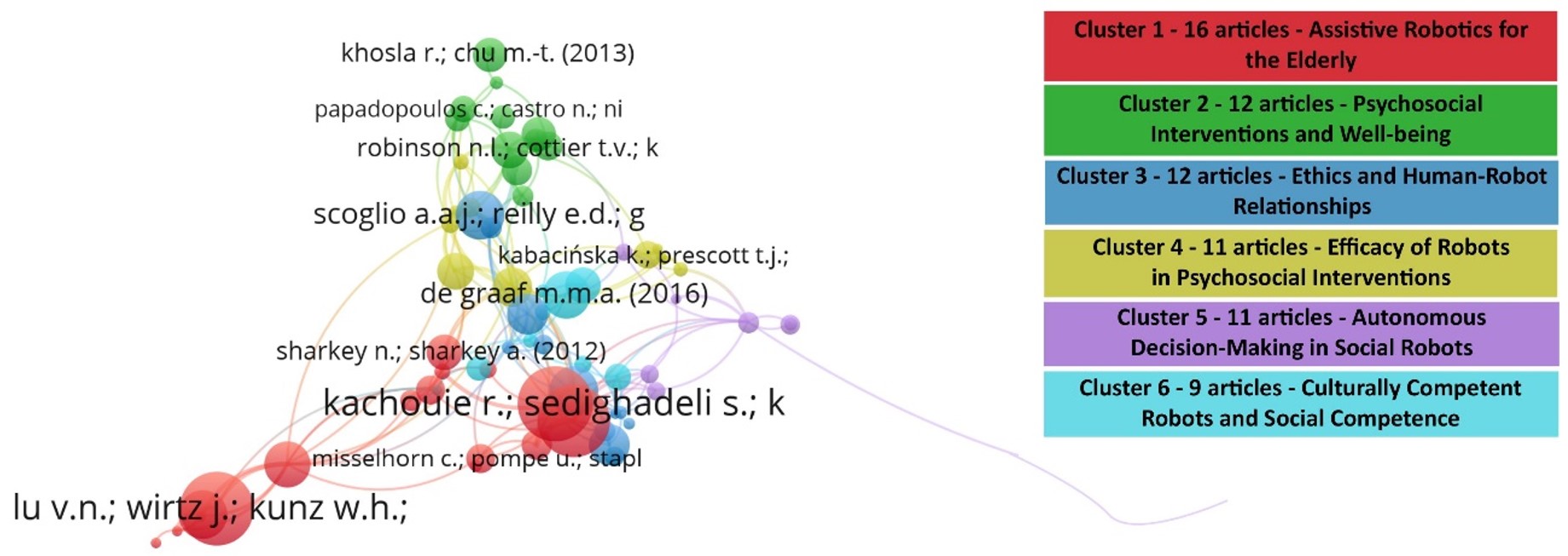
Figure 3 presents the bibliographic coupling network generated by the VOSviewer software (van Eck & Waltman, 2010). To better visualize the network, only articles with at least five citations and clusters with a minimum number of seven items were considered (Srivastava & Sivaramakrishnan, 2021), which resulted in a network with 71 articles, divided into six clusters. Bibliographic coupling forms clusters of articles with great thematic similarity, representing the main themes of research on RTSR. In the network, the size of the node (article) denotes the number of citations the article has received. Thus, the larger the node, the more influential the article is on the network (van Eck & Waltman, 2010).
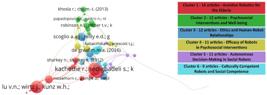
Figure 3 is complemented by Table 3, which indicates the most influential articles in each cluster. In addition to citations (Web of Science), the table shows the total link strength of each article, as suggested by Srivastava & Sivaramakrishnan (2021). This metric denotes the importance of an article in the intellectual structure investigated and avoids the bias of older articles receiving more citations (van Eck & Waltman, 2014; Srivastava & Sivaramakrishnan, 2021). Therefore, articles with greater link strength are associated with more publications, denoting their influence on the topic. Each cluster is discussed below with an emphasis on the thematic analysis of the most influential articles. This made it possible to characterize the main themes and research topics covered in each cluster.
Cluster 1 (red nodes in Figure 3) consists of 16 articles emphasizing the integration of service robots to support the well-being and care of elderly people in long-term care institutions and other vulnerable groups. For example, the systematic review and meta-analysis by Pu et al. (2019) examines the effectiveness of service robots in psychological and physiological domains, reporting positive outcomes but underscoring the need for more rigorous research. Henkel et al. (2020) discuss the role of service robots during the COVID-19 pandemic, identifying their potential to provide social support and entertainment. Kachouie et al. (2014) identified gaps in the literature and compiled evidence on the use of service robots for elderly care, while Lu et al. (2020) suggested that these robots can reduce caregivers’ workloads. The studies reviewed existing literature, highlighting the therapeutic role of service robots, the need for further research into their effectiveness and acceptance among older populations, and practical lessons from case studies on their use in long-term care. These findings speak to the theme of developing care practices and policies. This cluster aligns with research suggesting that social robots can serve as non-pharmacological tools to address behavioral and psychological symptoms in elderly people with dementia (Demange et al., 2018). However, bibliographic coupling shows that large-scale randomized clinical trials are needed to confirm the therapeutic benefits of assistive robots across different cultural settings. The broader adoption of these technologies faces challenges related to scalability and acceptance among elderly users and healthcare professionals. While the findings of this study are positive, more research is needed to assess the long-term effectiveness and practical feasibility of service robots in long-term care settings.
Cluster 2 (green nodes in Figure 3) consists of 12 articles focused on the development and implementation of service robots, with particular attention to elderly care and mental support during and after the COVID-19 pandemic. The studies evaluate the role of service robots and artificial intelligence in these contexts. Robinson et al. (2019) explore the impact of psychosocial interventions by robots, reporting improvements in the emotional well-being of older adults but emphasizing the need for more rigorous research methodologies in future studies. Papadopoulos et al. (2020) describe the methodology of the CARESSES protocol, designed to test culturally competent assistive robots. This study raises the question of whether culturally sensitive interventions can improve health outcomes for older adults living in long-term care facilities. A significant contribution to the field is the publication of the CARESSES protocol results by Papadopoulos et al. (2022), indicating that culturally adapted robots positively impact the psychological well-being of elderly users. The results of the analyses suggest that interventions aligned with users' cultural contexts are more effective in promoting acceptance and therapeutic efficacy. The studies in this cluster highlight RTSR’s role as an interdisciplinary field, linking social robotics, artificial intelligence, and long-term care. The CARESSES study shows that culturally competent robots expand RTSR by considering users' cultural and social contexts, opening new possibilities for personalized robotic interventions. These personalized approaches enhance acceptance among elderly users and caregivers and support future policies that incorporate these technologies ethically into care environments. However, the authors highlight that additional clinical trials are needed to assess the long-term efficacy and psychosocial impacts of these interventions in different cultural contexts.
Cluster 3 (blue nodes in Figure 3) includes 12 articles examining the intersection of social robotics, aging, and dementia care. Some studies, such as Demange et al. (2018), Góngora Alonso et al. (2019) and Asgharian et al. (2022), focus on robots such as PARO to provide emotional support to the elderly. These studies also assess the acceptance and perceived usefulness of these robots among both elderly individuals and caregivers, noting their ability to reduce loneliness and stress. A recurring theme in this cluster is the need to personalize robots to meet the cultural and individual needs of elderly users. Personalization improves functionality and promotes acceptance across different social and cultural contexts. Góngora Alonso et al. (2019) and Asgharian et al. (2022) emphasize that robots such as PARO are well-received in long-term care settings but highlight the importance of customization to maximize their impact. Sætra (2022) and Whelan et al. (2018) explore how robots can be adapted for both home and institutional care. Saetra’s study also raises ethical concerns about forming emotional bonds between humans and robots. While these bonds may help alleviate loneliness, they present potential psychological risks, including emotional dependence. The cluster’s main contribution lies in the personalization and integration of social robots into elderly care, focusing on both functionality and cultural adaptation. Ethical discussions by De Graaf (2016) and Pike et al. (2021) examine the depth of human-robot interactions in long-term care. While service robots reduce isolation and improve well-being, some authors point out that they also raise concerns about long-term psychological effects, such as the development of one-dimensional relationships that can harm emotional health over time (De Graaf, 2016; Pike et al., 2021). This cluster emphasizes the transition of robots from functional tools to social companions with personalized approaches. Culturally sensitive and ethically developed robots, as proposed by Whelan et al. (2018), offer new opportunities for effective and socially acceptable interventions. However, studies like Demange et al. (2018) highlight the need for further empirical research to validate the psychological and social effects of these interactions, particularly among vulnerable populations.
Cluster 4 (yellow nodes in Figure 3) contains 11 articles on the use of social robots, specifically non-humanoid robots like “robopets,” in elderly and pediatric care. These robots—such as PARO (robotic seal), Joy for All Cat (robotic cat), and MIRO (robotic dog)—offer emotional support, reduce stress, and, in some cases, stimulate cognition and memory. The cluster focuses on the therapeutic use of robots, particularly for patients with dementia and other neurodegenerative conditions, as well as children in educational and healthcare settings. Studies by Abbott et al. (2019), Pike et al. (2021), and Bradwell et al. (2021) report positive outcomes of using robopets in long-term care facilities, where these robots promote well-being and foster a sense of connection. They offer practical ways to improve the quality of life of older adults by providing entertainment, distraction, and emotional communication, which helps reduce loneliness and isolation. While Cluster 2 focuses on broader psychosocial interventions, especially during extended isolation periods like the COVID-19 pandemic, Cluster 4 centers on the clinical impact of robopets in specific cases. It evaluates their effects on symptoms such as apathy, agitation, and depression, aiming to improve severe clinical conditions through short-term treatments. For instance, Bradwell et al. (2021) demonstrate how PARO and other robopets help lower anxiety and agitation in elderly individuals with dementia by offering emotional support similar to real pets but without the logistical and health risks associated with live animals in healthcare settings. However, integrating robopets into long-term care programs remains essential for a fuller assessment of their effectiveness. This cluster highlights an emerging area within RTSR focused on the personalization and clinical efficacy of social robots. Unlike Cluster 2, which addresses broader interventions, Cluster 4 examines the specific therapeutic potential of non-humanoid robots in treating symptoms within vulnerable groups, such as elderly individuals with dementia and children receiving healthcare. These robots act as therapeutic tools, improving quality of life, but challenges around cultural acceptance and integration into long-term care persist. The studies also point to the need for more rigorous clinical trials to assess the effectiveness of these robots across different cultural and geographical settings. Although the literature shows encouraging results (such as symptom reduction in dementia and short-term cognitive improvements) adapting robots to meet the cultural and individual needs of patients remains a significant challenge.
Cluster 5 (purple nodes in Figure 3) consists of 11 articles investigating the interaction between the elderly and service robots, with a focus on reducing loneliness and social isolation, particularly among individuals with Alzheimer’s and dementia. While it shares similarities with Cluster 4, which examines the therapeutic effects of pet-like robots, Cluster 5 covers a broader range of robots beyond specific forms like “robopets.” These studies explore how social robots can function not only as companions but also as facilitators of social interaction and promoters of emotional well-being. A key example in this cluster is the study by Koutentakis et al. (2020), which presents a systematic review on how service robots and other technologies detect, predict, and mitigate loneliness in the elderly. The authors demonstrate that robots can proactively identify early signs of social isolation by using sensors and artificial intelligence to monitor older adults’ behavior and alert caregivers when necessary. Latikka et al. (2021) also build on this when discussing the design of robots for patients with Alzheimer’s and dementia, arguing that such robots can improve quality of life and meet medical needs such as medication reminders and health monitoring. While Cluster 4 focuses on therapeutic robots that resemble pets and are effective in long-term care settings for alleviating anxiety and depression, Cluster 5 encompasses a broader range of robots in therapeutic and social settings.
It emphasizes the use of robots as facilitators of social interaction, not only in healthcare but also in home and community environments. Unlike Cluster 4, which addresses symptoms that have already manifested, Cluster 5 places greater emphasis on preventing loneliness before it negatively impacts mental health. This cluster highlights the importance of integrating robots with technologies for monitoring and predicting loneliness, positioning robots as proactive tools in preventive care rather than merely reactive solutions to emotional or health crises. It focuses on the potential of robots to promote independence and maintain social engagement among the elderly, enabling them to remain active in their communities for longer periods. However, as noted by Koutentakis et al. (2020), there is a significant gap in research on the scalability and long-term effectiveness of these robots, especially in different cultural contexts. More robust clinical trials are needed to evaluate how these robots can be adapted to diverse social environments, ensuring their acceptance and effectiveness.
Cluster 6 (turquoise nodes in Figure 3) consists of 9 articles addressing the increasing use of robots in social contexts and the ethical, psychological, and cultural implications of their integration. This cluster examines not only the technical and functional aspects of robots but also the broader human challenges associated with their adoption. Integrating social robots into daily interactions raises essential questions about how these machines should engage with humans and the long-term societal impact of such interactions. De Graaf (2016) reflects on the ethical implications of human-robot relationships, questioning whether forming emotional bonds with robots is beneficial or harmful. The study raises concerns about emotional dependency, social isolation, and the potential replacement of authentic human interactions with machine-mediated relationships. These challenges are especially relevant in elderly care, where robots can help alleviate loneliness but may also foster dependency that could undermine users’ emotional well-being over time. Pérula-Martínez et al. (2019) explore how bioinspired decision-making systems can improve human-robot interactions, making them more natural and intuitive. The authors emphasize the use of biologically inspired models that allow robots to adjust their behavior based on user preferences, increasing efficiency and adaptability. This approach aims to develop robots that not only follow commands but also learn from interactions, fostering more fluid and personalized connections with users. However, the lack of more robust and longitudinal clinical trials limits the validation of these approaches in real-world social settings, particularly among older adults and vulnerable populations. Santhanaraj & Mm (2021) further assess the current capabilities of service robots, focusing on their adoption in elderly care. The study identifies key barriers to large-scale adoption, including high costs and low user acceptance, especially among older adults who may struggle with new technologies. Personalization, as demonstrated by Papadopoulos et al. (2020) with “culturally competent” robots, offers a promising solution to increase acceptance. Robots that adjust their behavior to align with cultural and social norms show improved acceptance and usability. This represents a meaningful innovation in Robotic Transformative Service Research (RTSR), as cultural considerations are often overlooked in studies focused primarily on emotional or functional support.
This cluster underscores the need for a multidisciplinary approach to social robotics that goes beyond technological advancements to consider the human and social dimensions of robot integration. Issues of autonomy, empathy and cultural acceptance are crucial to ensuring that robots are effectively incorporated into social contexts without diminishing the quality of human interactions or compromising the mental health of users. According to the studies reviewed, robots should not only perform functional tasks competently, but also engage sensitively with the cultural and emotional needs of users. As noted by Pérula-Martínez et al. (2019) and De Graaf (2016), the large-scale adoption of social robots requires continuous ethical reflection to prevent long-term negative effects, particularly among vulnerable populations such as the elderly and children.
The six clusters analyzed show how service robots are being integrated into sectors such as elderly care, healthcare, and long-term care. These clusters cover practical, emotional and clinical uses, while also addressing ethical, psychological and cultural issues related to their adoption. According to the studies reviewed, service robots can help reduce social isolation, provide emotional support and assist in daily tasks, but challenges remain in personalization, scalability, cultural adaptation and ethical considerations. While research suggests these robots could move beyond functional tools to act as companions that promote well-being and independence, clinical validation and widespread acceptance are still limited. The findings highlight the need for interdisciplinary efforts to expand the use of service robots across different settings. The next section outlines a research agenda to tackle these challenges, strengthen the RTSR field, and guide future studies toward improving the application and impact of these technologies.
4 Future research avenue
The cluster analysis revealed significant gaps that need to be addressed to advance the application of service robots in healthcare and eldercare settings. One of the main challenges identified in Clusters 1 and 5 is the scalability and cultural acceptance of robots in different contexts (see Table 4). Santhanaraj & Mm (2021) point out that high costs and user resistance, especially among older adults, limit large-scale adoption. Future research should explore modular and flexible platforms that can be easily adapted to various contexts without compromising functionality. Understanding cultural and psychological barriers is essential to developing methodologies that enhance robot acceptance among elderly and vulnerable populations. As Papadopoulos et al. (2020) suggest, testing robots in diverse cultural settings will be crucial to validate how regions with varying levels of development and infrastructure respond to the introduction of robots in healthcare services.
In addition to acceptance, clinical validation of robots remains a critical gap discussed across several clusters (see Table 4). Studies such as Pu et al. (2019) emphasize that the impact of social robots still lacks robust longitudinal trials, especially for chronic conditions like dementia. Therefore, future research should conduct clinical trials to assess the impact of robots over time, focusing on variables such as emotional well-being, social interaction, and treatment adherence. Another issue highlighted in Cluster 5 is the need to explore the preventive potential of robots, examining how they can reduce social isolation and prevent mental health problems before they become serious. These trials should include samples that are diverse in terms of age, culture, and socioeconomic background to validate the global applicability of robotic solutions. Interdisciplinary integration is key to advancing RTSR (see Table 4). While the field connects robotics, healthcare, psychology, and service design, clinical and psychosocial interventions remain fragmented. Developing robots that function as both caregivers and social facilitators could provide more effective solutions for vulnerable groups. Synergies between cognitive science and interaction design should also be explored to build robots that address users' physical and emotional needs in a more integrated way.
Personalization and ethics are also critical areas for development (see Table 4). Cultural competence and autonomous decision-making, discussed in Cluster 6, highlight the potential of customizing robots based on cultural and social norms, though they also introduce ethical concerns. Future studies should explore advanced methods for personalizing robots by combining artificial intelligence with cultural, social, and emotional data from users. Addressing the ethical issues of robotic autonomy is essential. De Graaf (2016) raises concerns about emotional dependence and the risks of replacing human interactions with robotic ones. Clear guidelines and regulations are needed to ensure that robots operate ethically, safeguarding users' privacy, emotional health, and dignity.
5 Discussion and conclusion
This study mapped the intellectual structure of Robotic Transformative Service Research (RTSR) by identifying six main clusters through bibliographic coupling. The analysis identified key trends in RTSR and revealed significant gaps that need to be addressed to advance interdisciplinary research and practical applications. A recurring challenge across the clusters is the scalability and cultural acceptance of robots, especially in elderly care. Cluster 1, led by studies such as Pu et al. (2019) and Henkel et al. (2020), explored how social robots provided emotional support and reduced isolation during the COVID-19 pandemic. However, as Santhanaraj & Mm (2021) noted in Cluster 6, large-scale adoption remains limited by high costs, technological complexity, and low acceptance among older users. The lack of robust clinical trials validating the long-term benefits of these robots further complicates adoption.
Cluster 5 emphasizes the role of social robots in reducing social isolation among the elderly, with Koutentakis et al. (2020) highlighting that loneliness prevention is still in early stages. Gasteiger et al. (2021) suggests that robots can facilitate community engagement, but further research is needed to determine how these solutions can scale across diverse cultural and economic environments. Interdisciplinary integration also emerges as a critical need. Cluster 4 focuses on non-humanoid robots such as “robopets” for specific clinical interventions, such as managing dementia (e.g., Abbott et al., 2019; Bradwell et al., 2021). In contrast, Cluster 5 explores a broader range of robots targeting social interventions to prevent isolation. Collaboration between these areas can result in more comprehensive solutions, where robots address both clinical needs and support socialization, reducing broader vulnerabilities.
Cluster 6 highlights the potential of culturally competent robots to improve acceptance by aligning interventions with users' social and cultural norms, as shown by Papadopoulos et al. (2020). This approach should be integrated into other clusters, especially for vulnerable populations like dementia patients, ensuring that robotic solutions are culturally adapted and widely accepted. The ethical challenges raised by Cluster 6 are crucial to human-robot interactions. De Graaf (2016) warns of the emotional dependency that users, particularly in long-term care, may develop toward robots. This concern aligns with findings in Cluster 3, where Góngora Alonso et al. (2019) examined the use of robots like PARO to provide emotional support. Although these robots help alleviate loneliness, they may replace authentic human interactions, potentially harming users' mental health in the long term. Culturally competent robots, as discussed in Cluster 6, offer solutions by enhancing acceptance through alignment with social norms, but balancing these interactions remains essential.
These findings underscore the need for robots that not only perform practical and emotional functions but also respect the cultural and social complexities of different environments. The next section outlines a future research agenda to address these challenges, consolidate the RTSR field, and explore new possibilities for effective robotic applications across various sectors.
-
Financial support: None.
-
How to cite: Barbosa, P. P., Ferreira, F. F. M., Cesário, L. C., & Mendes, G. H. S. (2024). Transformative Service Research and the role of service robots: a bibliometric analysis. Gestão & Produção, 31, e11624. https://doi.org/10.1590/1806-9649-2024v31e11624
-
Statement on Data Availability
The authors declare that all underlying content related to the manuscript is fully available and unrestricted. This includes the datasets used in the research, analyses, and any other relevant material referenced in the manuscript.
References
-
Abendschein, B., Edwards, A., & Edwards, C. (2022). Novelty experience in prolonged interaction: a qualitative study of socially-isolated college students’ in-home use of a robot companion animal. Frontiers in Robotics and AI, 9, 733078. http://doi.org/10.3389/frobt.2022.733078 PMid:35360498.
» http://doi.org/10.3389/frobt.2022.733078 -
Abbott, R., Orr, N., McGill, P., Whear, R., Bethel, A., Garside, R., Stein, K., & Thompson-Coon, J. (2019). How do “robopets” impact the health and well-being of residents in care homes? A systematic review of qualitative and quantitative evidence. International Journal of Older People Nursing, 14(3), e12239. http://doi.org/10.1111/opn.12239 PMid:31070870.
» http://doi.org/10.1111/opn.12239 -
Allison, B., Nejat, G., & Kao, E. (2009). The design of an expressive humanlike socially assistive robot. Journal of Mechanisms and Robotics, 1(1), 011001. http://doi.org/10.1115/1.2959097
» http://doi.org/10.1115/1.2959097 -
Amirabdollahian, F., Akker, R., Bedaf, S., Bormann, R., Draper, H., Evers, V., Pérez, J. G., Gelderblom, G. J., Ruiz, C. G., Hewson, D., Hu, N., Koay, K. L., Kröse, B., Lehmann, H., Mart, P., Michel, H., Prevot-Huille, H., Reiser, U., Saunders, J., Sorell, T., Stienstra, J., Syrdal, D., Walters, M., & Dautenhahn, K. (2013). Assistive technology design and development for acceptable robotics companions for ageing years. Paladyn: Journal of Behavioral Robotics, 4(2), 94-112. http://doi.org/10.2478/pjbr-2013-0007
» http://doi.org/10.2478/pjbr-2013-0007 -
Anderson, L., Ostrom, A. L., Corus, C., Fisk, R. P., Gallan, A. S., Giraldo, M., Mende, M., Mulder, M., Rayburn, S. W., Rosenbaum, M. S., Shirahada, K., & Williams, J. D. (2013). Transformative service research: an agenda for the future. Journal of Business Research, 66(8), 1203-1210. http://doi.org/10.1016/j.jbusres.2012.08.013
» http://doi.org/10.1016/j.jbusres.2012.08.013 -
Aria, M., & Cuccurullo, C. (2017). Bibliometrix: an R-tool for comprehensive science mapping analysis. Journal of Informetrics, 11(2), 959-975. http://doi.org/10.1016/j.joi.2017.08.007
» http://doi.org/10.1016/j.joi.2017.08.007 -
Asgharian, P., Panchea, A. M., & Ferland, F. (2022). A review on the use of mobile service robots in elderly care. Robotics, 11(6), 127. http://doi.org/10.3390/robotics11060127
» http://doi.org/10.3390/robotics11060127 -
Augello, A., Infantino, I., Pilato, G., & Vitale, G. (2022). Extending affective capabilities for medical assistive robots. Cognitive Systems Research, 73, 21-25. http://doi.org/10.1016/j.cogsys.2021.12.004
» http://doi.org/10.1016/j.cogsys.2021.12.004 -
Aymerich-Franch, L., & Ferrer, I. (2022). Liaison, safeguard, and well-being: analyzing the role of social robots during the COVID-19 pandemic. Technology in Society, 70, 101993. http://doi.org/10.1016/j.techsoc.2022.101993 PMid:35607651.
» http://doi.org/10.1016/j.techsoc.2022.101993 -
Barber, O., Somogyi, E., McBride, A., & Proops, L. (2023). Exploring the role of aliveness in children? responses to a dog, biomimetic robot, and toy dog. Computers in Human Behavior, 142, 107660. http://doi.org/10.1016/j.chb.2023.107660
» http://doi.org/10.1016/j.chb.2023.107660 -
Barber, R., Ortiz, F. J., Garrido, S., Calatrava-Nicolás, F. M., Mora, A., Prados, A., Vera-Repullo, J. A., Roca-González, J., Méndez, I., & Mozos, Ó. M. (2022). A Multirobot system in an assisted home environment to support the elderly in their daily lives. Sensors, 22(20), 7983. http://doi.org/10.3390/s22207983 PMid:36298332.
» http://doi.org/10.3390/s22207983 -
Betriana, F., Tanioka, R., Gunawan, J., & Locsin, R. C. (2022). Healthcare robots and human generations: consequences for nursing and healthcare. Collegian, 29(5), 767-773. http://doi.org/10.1016/j.colegn.2022.01.008
» http://doi.org/10.1016/j.colegn.2022.01.008 -
Betriana, F., Tanioka, T., Locsin, R. C., Malini, H., & Lenggogeni, D. P. (2020). Are Indonesian nurses ready for healthcare robots during the covid-19 pandemic? Belitung Nursing Journal, 6(3), 63-66. http://doi.org/10.33546/bnj.1114
» http://doi.org/10.33546/bnj.1114 -
Boumans, R., Van Meulen, F., Hindriks, K., Neerincx, M., & Rikkert, M. G. M. O. (2019). Robot for health data acquisition among older adults: a pilot randomized controlled cross-over trial. BMJ Quality & Safety, 28(10), 793-799. http://doi.org/10.1136/bmjqs-2018-008977 PMid:30894423.
» http://doi.org/10.1136/bmjqs-2018-008977 -
Bradwell, H. L., Noury, G. E. A., Edwards, K. J., Winnington, R., Thill, S., & Jones, R. B. (2021). Design recommendations for socially assistive robots for health and social care based on a large-scale analysis of stakeholder positions social robot design recommendations. Health Policy and Technology, 10(3), 100544. http://doi.org/10.1016/j.hlpt.2021.100544
» http://doi.org/10.1016/j.hlpt.2021.100544 -
Bradwell, H., Edwards, K. J., Winnington, R., Thill, S., Allgar, V., & Jones, R. B. (2022). Implementing affordable socially assistive pet robots in care homes before and during the COVID-19 pandemic: stratified cluster randomized controlled trial and mixed methods study. JMIR Aging, 5(3), e38864. http://doi.org/10.2196/38864 PMid:35830959.
» http://doi.org/10.2196/38864 -
Čaić, M., Mahr, D., & Oderkerken-Schröder, G. (2019). Value of social robots in services: social cognition perspective. Journal of Services Marketing, 33(4), 463-478. http://doi.org/10.1108/JSM-02-2018-0080
» http://doi.org/10.1108/JSM-02-2018-0080 -
Cañamero, L., & Lewis, M. (2016). Making new “New AI” friends: designing a social robot for diabetic children from an embodied AI perspective. International Journal of Social Robotics, 8(4), 523-537. http://doi.org/10.1007/s12369-016-0364-9
» http://doi.org/10.1007/s12369-016-0364-9 -
Chen, S.-C., Moyle, W., Jones, C., & Petsky, H. (2020). A social robot intervention on depression, loneliness, and quality of life for Taiwanese older adults in long-term care. International Psychogeriatrics, 32(8), 981-991. http://doi.org/10.1017/S1041610220000459 PMid:32284080.
» http://doi.org/10.1017/S1041610220000459 -
Chen, T., Dodds, S., Finsterwalder, J., Witell, L., Cheung, L., Falter, M., Garry, T., Snyder, H., & McColl-Kennedy, J. R. (2021). Dynamics of wellbeing co-creation: a psychological ownership perspective. Journal of Service Management, 32(3), 383-406. http://doi.org/10.1108/JOSM-09-2019-0297
» http://doi.org/10.1108/JOSM-09-2019-0297 -
Chita-Tegmark, M., & Scheutz, M. (2021). Assistive robots for the social management of health: a framework for robot design and human-robot interaction research. International Journal of Social Robotics, 13(2), 197-217. http://doi.org/10.1007/s12369-020-00634-z PMid:32421077.
» http://doi.org/10.1007/s12369-020-00634-z -
Chiu, C.-J., Hsieh, S., & Li, C.-W. (2021). Needs and preferences of middle-aged and older adults in Taiwan for companion robots and pets: survey study. Journal of Medical Internet Research, 23(6), e23471. http://doi.org/10.2196/23471 PMid:34347621.
» http://doi.org/10.2196/23471 -
Correll, N., Arechiga, N., Bolger, A., Bollini, M., Charrow, B., Clayton, A., Dominguez, F., Donahue, K., Dyar, S., Johnson, L., Liu, H., Patrikalakis, A., Robertson, T., Smith, J., Soltero, D., Tanner, M., White, L., & Rus, D. (2010). Indoor robot gardening: design and implementation. Intelligent Service Robotics, 3(4), 219-232. http://doi.org/10.1007/s11370-010-0076-1
» http://doi.org/10.1007/s11370-010-0076-1 -
De Graaf, M. M. A. (2016). An ethical evaluation of human–robot relationships. International Journal of Social Robotics, 8(4), 589-598. http://doi.org/10.1007/s12369-016-0368-5
» http://doi.org/10.1007/s12369-016-0368-5 -
Demange, M., Lenoir, H., Pino, M., Cantegreil-Kallen, I., Rigaud, A. S., & Cristancho-Lacroix, V. (2018). Improving well-being in patients with major neurodegenerative disorders: differential efficacy of brief social robot-based intervention for 3 neuropsychiatric profiles. Clinical Interventions in Aging, 13, 1303-1311. http://doi.org/10.2147/CIA.S152561 PMid:30057445.
» http://doi.org/10.2147/CIA.S152561 -
Dennis, M. J. (2022). Social robots and digital well-being: how to design future artificial agents. Mind & Society, 21(1), 37-50. http://doi.org/10.1007/s11299-021-00281-5
» http://doi.org/10.1007/s11299-021-00281-5 -
Dinesen, B., Hansen, H. K., Grønborg, G. B., Dyrvig, A.-K., Leisted, S. D., Stenstrup, H., Schacksen, C. S., & Oestergaard, C. (2022). Use of a social robot (LOVOT) for persons with dementia: exploratory study. JMIR Rehabilitation and Assistive Technologies, 9(3), e36505. http://doi.org/10.2196/36505 PMid:35916689.
» http://doi.org/10.2196/36505 -
Dodds, S., Palakshappa, N., & Stangl, L. M. (2022). Sustainability in retail services: a transformative service research (TSR) perspective. Journal of Service Theory and Practice, 32(4), 521-544. http://doi.org/10.1108/JSTP-12-2021-0255
» http://doi.org/10.1108/JSTP-12-2021-0255 -
Donthu, N., Kumar, S., Pattnaik, D., & Lim, W. M. (2021). A bibliometric retrospection of marketing from the lens of psychology: Insights from Psychology & Marketing Psychology and Marketing, 38(5), 834-865. http://doi.org/10.1002/mar.21472
» http://doi.org/10.1002/mar.21472 -
Dratsiou, I., Varella, A., Romanopoulou, E., Villacanas, O., Cooper, S., Isaris, P., Serras, M., Unzueta, L., Silva, T., Zurkuhlen, A., MacLachlan, M., & Bamidis, P. D. (2022). Assistive technologies for supporting the wellbeing of older adults. Technologies, 10(1), 8. http://doi.org/10.3390/technologies10010008
» http://doi.org/10.3390/technologies10010008 -
Ejdys, J., & Gulc, A. (2022). Factors influencing the intention to use assistive technologies by older adults. Human Technology, 18(1), 6-28. http://doi.org/10.14254/1795-6889.2022.18-1.2
» http://doi.org/10.14254/1795-6889.2022.18-1.2 -
Erel, H., Trayman, D., Levy, C., Manor, A., Mikulincer, M., & Zuckerman, O. (2022). Enhancing emotional support: the effect of a robotic object on human–human support quality. International Journal of Social Robotics, 14(1), 257-276. http://doi.org/10.1007/s12369-021-00779-5
» http://doi.org/10.1007/s12369-021-00779-5 -
Feng, Y., Barakova, E. I., Yu, S., Hu, J., & Rauterberg, G. W. M. (2020). Effects of the level of interactivity of a social robot and the response of the augmented reality display in contextual interactions of people with dementia. Sensors, 20(13), 3771. http://doi.org/10.3390/s20133771 PMid:32635640.
» http://doi.org/10.3390/s20133771 -
Gasteiger, N., Loveys, K., Law, M., & Broadbent, E. (2021). Friends from the future: a scoping review of research into robots and computer agents to combat loneliness in older people. Clinical Interventions in Aging, 16, 941-971. http://doi.org/10.2147/CIA.S282709 PMid:34079242.
» http://doi.org/10.2147/CIA.S282709 -
Gomes, M. B., No., Silva, L. E. N., Lima, S. H. O., & Grangeiro, R. R. (2020). Analysis of scientific production on transformative consumer research and transformative service research. Organizações & Sociedade, 28(96), 73-106. http://doi.org/10.1590/1984-92302021v28n9604en
» http://doi.org/10.1590/1984-92302021v28n9604en -
Góngora Alonso, S., Hamrioui, S., de la Torre Diez, I., Motta Cruz, E., Lopez-Coronado, M., Franco, M., Góngora Alonso, S., Hamrioui, S., De La Torre Díez, I., Motta Cruz, E., López-Coronado, M., & Franco, M. (2019). Social robots for people with aging and dementia: a systematic review of literature. Telemedicine Journal and e-Health, 25(7), 533-540. http://doi.org/10.1089/tmj.2018.0051 PMid:30136901.
» http://doi.org/10.1089/tmj.2018.0051 -
Henkel, A. P., Čaić, M., Blaurock, M., & Okan, M. (2020). Robotic transformative service research: deploying social robots for consumer well-being during COVID-19 and beyond. Journal of Service Management, 31(6), 1131-1148. http://doi.org/10.1108/JOSM-05-2020-0145
» http://doi.org/10.1108/JOSM-05-2020-0145 -
Huijnen, C. A. G. J., Lexis, M. A. S., & de Witte, L. P. (2016). Matching robot KASPAR to Autism Spectrum Disorder (ASD) therapy and educational goals. International Journal of Social Robotics, 8(4), 445-455. http://doi.org/10.1007/s12369-016-0369-4
» http://doi.org/10.1007/s12369-016-0369-4 - Jackson, K., & Bazeley, P. (2019). Qualitative data analysis with NVivo (3rd ed.). London: SAGE Publications Ltd.
-
Jeong, S., Aymerich-Franch, L., Arias, K., Alghowinem, S., Lapedriza, A., Picard, R., Park, H. W., & Breazeal, C. (2022). Deploying a robotic positive psychology coach to improve college students’ psychological well-being. User Modeling and User-Adapted Interaction http://doi.org/10.1007/s11257-022-09337-8 PMid:38737788.
» http://doi.org/10.1007/s11257-022-09337-8 -
Joranson, N., Pedersen, I., Rokstad, A. M. M., & Ihlebaek, C. (2016). Change in quality of life in older people with dementia participating in Paro-activity: a cluster-randomized controlled trial. Journal of Advanced Nursing, 72(12), 3020-3033. http://doi.org/10.1111/jan.13076 PMid:27434512.
» http://doi.org/10.1111/jan.13076 -
Kachouie, R., Sedighadeli, S., Khosla, R., & Chu, M.-T. (2014). Socially assistive robots in elderly care: a mixed-method systematic literature review. International Journal of Human-Computer Interaction, 30(5), 369-393. http://doi.org/10.1080/10447318.2013.873278
» http://doi.org/10.1080/10447318.2013.873278 -
Kamide, H., Kawabe, K., Shigemi, S., & Arai, T. (2015). Anshin as a concept of subjective well-being between humans and robots in Japan. Advanced Robotics, 29(24), 1624-1636. http://doi.org/10.1080/01691864.2015.1079503
» http://doi.org/10.1080/01691864.2015.1079503 -
Khosla, R., & Chu, M.-T. (2013). Embodying care in matilda: an affective communication robot for emotional wellbeing of older people in Australian residential care facilities. ACM Transactions on Management Information Systems, 4(4), 1-33. http://doi.org/10.1145/2544104
» http://doi.org/10.1145/2544104 -
Kim, J., Kim, S., Kim, S., Lee, E., Heo, Y., Hwang, C. Y., Choi, Y. Y., Kong, H. J., Ryu, H., & Lee, H. (2021). Companion robots for older adults: Rodgers’ evolutionary concept analysis approach. Intelligent Service Robotics, 14(5), 729-739. http://doi.org/10.1007/s11370-021-00394-3 PMid:34804242.
» http://doi.org/10.1007/s11370-021-00394-3 -
Koh, W. Q., Felding, S. A., Toomey, E., & Casey, D. (2021). Barriers and facilitators to the implementation of social robots for older adults and people with dementia: a scoping review protocol. Systematic Reviews, 10(1), 49. http://doi.org/10.1186/s13643-021-01598-5 PMid:33546772.
» http://doi.org/10.1186/s13643-021-01598-5 -
Koutentakis, D., Pilozzi, A., & Huang, X. (2020). Designing socially assistive robots for alzheimer’s disease and related dementia patients and their caregivers: where we are and where we are headed. Healthcare (Basel), 8(2), 73. http://doi.org/10.3390/healthcare8020073 PMid:32225117.
» http://doi.org/10.3390/healthcare8020073 -
Latikka, R., Rubio-Hernandez, R., Lohan, E. S., Rantala, J., Fernandez, F. N., Laitinen, A., & Oksanen, A. (2021). Older adults’ loneliness, social isolation, and physical information and communication technology in the era of ambient assisted living: a systematic literature review. Journal of Medical Internet Research, 23(12), e28022. http://doi.org/10.2196/28022 PMid:34967760.
» http://doi.org/10.2196/28022 -
Lemaignan, S., Newbutt, N., Rice, L., & Daly, J. (2022). “It’s important to think of pepper as a teaching aid or resource external to the classroom”: a social robot in a school for autistic children. International Journal of Social Robotics http://doi.org/10.1007/s12369-022-00928-4
» http://doi.org/10.1007/s12369-022-00928-4 -
Lestingi, L., Bersani, M. M., & Rossi, M. (2022). Model-driven development of service robot applications dealing with uncertain human behavior. IEEE Intelligent Systems, 37(6), 48-56. http://doi.org/10.1109/MIS.2022.3215698
» http://doi.org/10.1109/MIS.2022.3215698 -
Li, Y., Liang, N., Effati, M., & Nejat, G. (2022). Dances with social robots: a pilot study at long-term care. Robotics, 11(5), 96. http://doi.org/10.3390/robotics11050096
» http://doi.org/10.3390/robotics11050096 -
Looije, R., Neerincx, M. A., & Hindriks, K. V. (2017). Specifying and testing the design rationale of social robots for behavior change in children. Cognitive Systems Research, 43, 250-265. http://doi.org/10.1016/j.cogsys.2016.07.002
» http://doi.org/10.1016/j.cogsys.2016.07.002 -
Louie, W.-Y. G., McColl, D., & Nejat, G. (2014). Acceptance and attitudes toward a human-like socially assistive robot by older adults. Assistive Technology, 26(3), 140-150. http://doi.org/10.1080/10400435.2013.869703 PMid:26131794.
» http://doi.org/10.1080/10400435.2013.869703 -
Lu, V. N., Wirtz, J., Kunz, W. H., Paluch, S., Gruber, T., Martins, A., & Patterson, P. G. (2020). Service robots, customers, and service employees: what can we learn from the academic literature and where are the gaps? Journal of Service Theory and Practice, 30(3), 361-391. http://doi.org/10.1108/JSTP-04-2019-0088
» http://doi.org/10.1108/JSTP-04-2019-0088 -
Luperto, M., Romeo, M., Monroy, J., Renoux, J., Vuono, A., Moreno, F.-A., Gonzalez-Jimenez, J., Basilico, N., & Borghese, A. A. (2022). User feedback and remote supervision for assisted living with mobile robots: A field study in long-term autonomy. Robotics and Autonomous Systems, 155, 104170. http://doi.org/10.1016/j.robot.2022.104170
» http://doi.org/10.1016/j.robot.2022.104170 -
Manh Do, H., Sheng, W. E. E., Harrington, A., & Bishop, J. (2021). Clinical screening interview using a social robot for geriatric care. IEEE Transactions on Automation Science and Engineering, 18(3), 1229-1242. http://doi.org/10.1109/TASE.2020.2999203
» http://doi.org/10.1109/TASE.2020.2999203 -
Mariani, M., & Borghi, M. (2019). Industry 4.0: A bibliometric review of its managerial intellectual structure and potential evolution in the service industries. Technological Forecasting and Social Change, 149, 119752. http://doi.org/10.1016/j.techfore.2019.119752
» http://doi.org/10.1016/j.techfore.2019.119752 -
Mauri, C., Solanas, A., & Granollers, T. (2012). A nonformal interactive therapeutic multisensory environment for people with cerebral palsy. International Journal of Human-Computer Interaction, 28(3), 202-212. http://doi.org/10.1080/10447318.2011.581894
» http://doi.org/10.1080/10447318.2011.581894 -
Melkas, H., Hennala, L., Pekkarinen, S., & Kyrki, V. (2020). Impacts of robot implementation on care personnel and clients in elderly-care institutions. International Journal of Medical Informatics, 134, 104041. http://doi.org/10.1016/j.ijmedinf.2019.104041 PMid:31838291.
» http://doi.org/10.1016/j.ijmedinf.2019.104041 -
Mitzner, T. L., Chen, T. L., Kemp, C. C., & Rogers, W. A. (2014). Identifying the potential for robotics to assist older adults in different living environments. International Journal of Social Robotics, 6(2), 213-227. http://doi.org/10.1007/s12369-013-0218-7 PMid:24729800.
» http://doi.org/10.1007/s12369-013-0218-7 -
Moerman, C. J., van der Heide, L., & Heerink, M. (2019). Social robots to support children’s well-being under medical treatment: A systematic state-of-the-art review. Journal of Child Health Care, 23(4), 596-612. http://doi.org/10.1177/1367493518803031 PMid:30394806.
» http://doi.org/10.1177/1367493518803031 -
Mortelmans, D. (2019). Analyzing qualitative data using NVivo In H. van den Bulck, M. Puppis, K. Donders & L. van Audenhove (Eds.), The Palgrave handbook of methods for media policy research (pp. 435-450). Cham: Palgravem Macmillan. http://doi.org/10.1007/978-3-030-16065-4_25
» http://doi.org/10.1007/978-3-030-16065-4_25 -
Nap, H. H., Lukkien, D. R. M., Ter, M. S., Bevilacqua, R., Amabili, G., Morresi, N., Revel, G. M., Casaccia, S., Alberts, J., de Koning, J., Wac, K., & Hofstede, B. M. (2022). GUARDIAN: an assisted living social robotics eco-system. Gerontechnology (Valkenswaard), 21(s), 1. http://doi.org/10.4017/gt.2022.21.s.697.opp1
» http://doi.org/10.4017/gt.2022.21.s.697.opp1 -
Nieforth, L. O., Rodriguez, K. E., & O’Haire, M. E. (2023). Benefits and challenges of mobility and medical alert service dogs for caregivers of service dog recipients. Disability and Rehabilitation. Assistive Technology, 18(6), 743-751. http://doi.org/10.1080/17483107.2021.1916630 PMid:34077328.
» http://doi.org/10.1080/17483107.2021.1916630 -
Nowell, L. S., Norris, J. M., White, D. E., & Moules, N. J. (2017). Thematic Analysis. International Journal of Qualitative Methods, 16(1), 1609406917733847. http://doi.org/10.1177/1609406917733847
» http://doi.org/10.1177/1609406917733847 -
Odekerken-Schröder, G., Mele, C., Russo-Spena, T., Mahr, D., & Ruggiero, A. (2020). Mitigating loneliness with companion robots in the COVID-19 pandemic and beyond: an integrative framework and research agenda. Journal of Service Management, 31(6), 1149-1162. http://doi.org/10.1108/JOSM-05-2020-0148
» http://doi.org/10.1108/JOSM-05-2020-0148 -
Özçağlar-Toulouse, N., & Burroughs, J. E. (2014). Introduction to the special issue on transformative consumer research: taking the TCR movement global. Journal of Marketing Management, 30(17-18), 1723-1727. http://doi.org/10.1080/0267257X.2014.960231
» http://doi.org/10.1080/0267257X.2014.960231 -
Papadopoulos, C., Hill, T., Battistuzzi, L., Castro, N., Nigath, A., Randhawa, G., Merton, L., Kanoria, S., Kamide, H., Chong, N.-Y., Davidson, R., & Sgorbissa, A. (2020). The CARESSES study protocol: testing and evaluating culturally competent socially assistive robots among older adults residing in long term care homes through a controlled experimental trial. Archives of Public Health, 78(1), 26. http://doi.org/10.1186/s13690-020-00409-y PMid:32206312.
» http://doi.org/10.1186/s13690-020-00409-y -
Papadopoulos, I., Ali, S., Papadopoulos, C., Castro, N., Faulkes, N., & Koulouglioti, C. (2022). A qualitative exploration of care homes workers’ views and training needs in relation to the use of socially assistive humanoid robots in their workplace. International Journal of Older People Nursing, 17(3), e12432. http://doi.org/10.1111/opn.12432 PMid:34679219.
» http://doi.org/10.1111/opn.12432 -
Pereira, D., Bozzato, A., Dario, P., & Ciuti, G. (2022). Towards foodservice robotics: a taxonomy of actions of foodservice workers and a critical review of supportive technology. IEEE Transactions on Automation Science and Engineering, 19(3), 1820-1858. http://doi.org/10.1109/TASE.2021.3129077
» http://doi.org/10.1109/TASE.2021.3129077 -
Pérula-Martínez, R., Castro-Gonzalez, A., Malfaz, M., Alonso-Martin, F., & Salichs, M. A. (2019). Bioinspired decision-making for a socially interactive robot. Cognitive Systems Research, 54, 287-301. http://doi.org/10.1016/j.cogsys.2018.10.028
» http://doi.org/10.1016/j.cogsys.2018.10.028 -
Pike, J., Picking, R., & Cunningham, S. (2021). Robot companion cats for people at home with dementia: a qualitative case study on companies. Dementia (London), 20(4), 1300-1318. http://doi.org/10.1177/1471301220932780 PMid:32668978.
» http://doi.org/10.1177/1471301220932780 -
Prochaska, J. J., Vogel, E. A., Chieng, A., Baiocchi, M., Pajarito, S., Pirner, M., Darcy, A., & Robinson, A. (2023). A relational agent for treating substance use in adults: protocol for a randomized controlled trial with a psychoeducational comparator. Contemporary Clinical Trials, 127, 107125. http://doi.org/10.1016/j.cct.2023.107125 PMid:36813084.
» http://doi.org/10.1016/j.cct.2023.107125 -
Proia, S., Carli, R., Cavone, G., & Dotoli, M. (2022). Control techniques for safe, ergonomic, and efficient human-robot collaboration in the digital industry: a survey. IEEE Transactions on Automation Science and Engineering, 19(3), 1798-1819. http://doi.org/10.1109/TASE.2021.3131011
» http://doi.org/10.1109/TASE.2021.3131011 -
Pu, L., Moyle, W., Jones, C., & Todorovic, M. (2019). The effectiveness of social robots for older adults: a systematic review and meta-analysis of randomized controlled studies. The Gerontologist, 59(1), e37-e51. http://doi.org/10.1093/geront/gny046
» http://doi.org/10.1093/geront/gny046 -
Ribino, P., Bonomolo, M., Lodato, C., & Vitale, G. (2021). A humanoid social robot based approach for indoor environment quality monitoring and well-being improvement. International Journal of Social Robotics, 13(2), 277-296. http://doi.org/10.1007/s12369-020-00638-9
» http://doi.org/10.1007/s12369-020-00638-9 -
Robinson, N. L., Cottier, T. V., & Kavanagh, D. J. (2019). Psychosocial health interventions by social robots: systematic review of randomized controlled trials. Journal of Medical Internet Research, 21(5), e13203. http://doi.org/10.2196/13203 PMid:31094357.
» http://doi.org/10.2196/13203 -
Sætra, H. S. (2022). First, they came for the old and demented care and relations in the age of artificial intelligence and social robots. Human Arenas, 5(1), 25-43. http://doi.org/10.1007/s42087-020-00125-7
» http://doi.org/10.1007/s42087-020-00125-7 -
Santhanaraj, K. K., & Mm, R. (2021). A survey of assistive robots and systems for elderly care. Journal of Enabling Technologies, 15(1), 66-72. http://doi.org/10.1108/JET-10-2020-0043
» http://doi.org/10.1108/JET-10-2020-0043 -
Savela, N., Latikka, R., Oksa, R., Kortelainen, S., & Oksanen, A. (2022). Affective attitudes toward robots at work: a population-wide four-wave survey study. International Journal of Social Robotics, 14(6), 1379-1395. http://doi.org/10.1007/s12369-022-00877-y PMid:35464870.
» http://doi.org/10.1007/s12369-022-00877-y -
Schneider, C., & Bousbiat, H. (2023). Coaching robots for older seniors: do they get what they expect? Insights from an Austrian study. International Journal of Environmental Research and Public Health, 20(4), 2965. http://doi.org/10.3390/ijerph20042965 PMid:36833659.
» http://doi.org/10.3390/ijerph20042965 -
Shibata, T., Hung, L., Petersen, S., Darling, K., Inoue, K., Martyn, K., Hori, Y., Lane, G., Park, D., Mizoguchi, R., Takano, C., Harper, S., Leeson, G. W., & Coughlin, J. F. (2021). Paro as a biofeedback medical device for mental health in the covid-19 era. Sustainability (Basel), 13(20), 11502. http://doi.org/10.3390/su132011502
» http://doi.org/10.3390/su132011502 -
Silva, B. N., Silva, W. V., de Macêdo, A. F. P., de Almeida Levino, N., Dalazen, L. L., Kaczam, F., & da Veiga, C. P. (2024). A systematic review on social currency: a one-decade perspective. Journal of Financial Services Marketing, 29(2), 636-652. http://doi.org/10.1057/s41264-023-00231-x
» http://doi.org/10.1057/s41264-023-00231-x -
Smakman, M. H. J., Preciado Vanegas, D. F., Smit, K., Leewis, S., Okkerse, Y., Obbes, J., Uffing, T., Soliman, M., van der Krogt, T., & Tönjes, L. (2022). A trustworthy robot buddy for primary school children. Multimodal Technologies and Interaction, 6(4), 29. http://doi.org/10.3390/mti6040029
» http://doi.org/10.3390/mti6040029 -
Sparrow, R., & Sparrow, L. (2006). In the hands of machines? The future of aged care. Minds and Machines, 16(2), 141-161. http://doi.org/10.1007/s11023-006-9030-6
» http://doi.org/10.1007/s11023-006-9030-6 -
Sriram, V., Jenkinson, C., & Peters, M. (2019). Informal carers’ experience of assistive technology use in dementia care at home: a systematic review. BMC Geriatrics, 19(1), 160. http://doi.org/10.1186/s12877-019-1169-0 PMid:31196003.
» http://doi.org/10.1186/s12877-019-1169-0 -
Srivastava, M., & Sivaramakrishnan, S. (2021). Mapping the themes and intellectual structure of customer engagement: a bibliometric analysis. Marketing Intelligence & Planning, 39(5), 702-727. http://doi.org/10.1108/MIP-11-2020-0483
» http://doi.org/10.1108/MIP-11-2020-0483 -
Tomomitsu, H. T. A., & Moraes, R. O. (2021). The evolution of studies on information technology and organizational agility: a bibliometric analysis. Gestão & Produção, 28(2), e5294. http://doi.org/10.1590/1806-9649-2020v28e5294
» http://doi.org/10.1590/1806-9649-2020v28e5294 -
Tranfield, D., Denyer, D., & Smart, P. (2003). Towards a methodology for developing evidence‐informed management knowledge by means of systematic review. British Journal of Management, 14(3), 207-222. http://doi.org/10.1111/1467-8551.00375
» http://doi.org/10.1111/1467-8551.00375 -
Trost, M. J., Ford, A. R., Kysh, L., Gold, J. I., & Mataric, M. (2019). Socially assistive robots for helping pediatric distress and pain a review of current evidence and recommendations for future research and practice. The Clinical Journal of Pain, 35(5), 451-458. http://doi.org/10.1097/AJP.0000000000000688 PMid:30951515.
» http://doi.org/10.1097/AJP.0000000000000688 -
van Eck, N. J., & Waltman, L. (2010). Software survey: VOSviewer, a computer program for bibliometric mapping. Scientometrics, 84(2), 523-538. http://doi.org/10.1007/s11192-009-0146-3 PMid:20585380.
» http://doi.org/10.1007/s11192-009-0146-3 -
van Eck, N. J., & Waltman, L. (2014). CitNetExplorer: a new software tool for analyzing and visualizing citation networks. Journal of Informetrics, 8(4), 802-823. http://doi.org/10.1016/j.joi.2014.07.006
» http://doi.org/10.1016/j.joi.2014.07.006 -
Whelan, S., Murphy, K., Barrett, E., Krusche, C., Santorelli, A., & Casey, D. (2018). Factors affecting the acceptability of social robots by older adults including people with dementia or cognitive impairment: a literature review. International Journal of Social Robotics, 10(5), 643-668. http://doi.org/10.1007/s12369-018-0471-x
» http://doi.org/10.1007/s12369-018-0471-x -
Willems, K., Verhulst, N., De Gauquier, L., & Brengman, M. (2022). Frontline employee expectations on working with physical robots in retailing. Journal of Service Management http://doi.org/10.1108/JOSM-09-2020-0340
» http://doi.org/10.1108/JOSM-09-2020-0340 -
Wirtz, J., Patterson, P. G., Kunz, W. H., Gruber, T., Lu, V. N., Paluch, S., & Martins, A. (2018). Brave new world: service robots in the frontline. Journal of Service Management, 29(5), 907-931. http://doi.org/10.1108/JOSM-04-2018-0119
» http://doi.org/10.1108/JOSM-04-2018-0119 -
Yan, F., Yang, X., Li, N., Yu, X., & Zhai, H. (2021). Emotion generation and transition of companion robots based on Plutchik’s model and quantum circuit schemes. Security and Communication Networks, 2021, 1-15. http://doi.org/10.1155/2021/6802521
» http://doi.org/10.1155/2021/6802521 -
Zafrani, O., Nimrod, G., & Edan, Y. (2023). Between fear and trust: older adults’ evaluation of socially assistive robots. International Journal of Human-Computer Studies, 171, 102981. http://doi.org/10.1016/j.ijhcs.2022.102981
» http://doi.org/10.1016/j.ijhcs.2022.102981 -
Zeng, T., & Botella-Carrubi, D. (2023). Improving societal benefit through transformative consumer research: a descriptive review. Technological Forecasting and Social Change, 190, 122435. http://doi.org/10.1016/j.techfore.2023.122435
» http://doi.org/10.1016/j.techfore.2023.122435 -
Zupic, I., & Čater, T. (2015). Bibliometric methods in management and organization. Organizational Research Methods, 18(3), 429-472. http://doi.org/10.1177/1094428114562629
» http://doi.org/10.1177/1094428114562629
The authors declare that all underlying content related to the manuscript is fully available and unrestricted. This includes the datasets used in the research, analyses, and any other relevant material referenced in the manuscript.