 Knowledge management, organizational learning and innovation: practical recommendations for the public sector
Abstract
Abstract In the context of continuous change, public organizations must innovate to sustain their responsiveness and the quality of services delivered. Although the literature acknowledges that Knowledge Management (KM) and Organizational Learning (OL) foster innovation, gaps remain in translating these approaches into integrated and operationalizable guidance to promote continuous and systematic innovation in the public sector. To address this gap, this article conducts a Systematic Literature Review (SLR) to examine how KM and OL can support such development and to identify related practical recommendations. The search was carried out in Scopus and Web of Science, resulting in 36 studies selected for in-depth analysis and an interpretive qualitative synthesis of the findings. As a theoretical contribution, this study organizes and integrates dispersed evidence on the relationship between KM, OL, and innovation in the public sector, clarifying recurring organizational conditions associated with both the ideation and the implementation of innovations in public settings. As an applied contribution, it proposes six managerial guidelines and a set of recommendations derived from the reviewed literature, structured to support managers in implementing actions that mobilize KM and OL to sustain continuous and systematic innovation. By offering an implementation-oriented synthesis, the article supports managerial decision-making and strengthens innovation capability in public organizations.
Keywords:
Knowledge management; organizational learning; innovation; public sector
Resumo
Resumo Em um contexto de mudanças contínuas, organizações públicas precisam inovar para sustentar sua capacidade de resposta e a qualidade dos serviços prestados. Embora a literatura reconheça que a Gestão do Conhecimento (GC) e a Aprendizagem Organizacional (AO) favorecem a inovação, ainda há lacunas na tradução dessas abordagens em orientações integradas e operacionalizáveis para promover a inovação de forma contínua e sistemática no setor público. Para enfrentar essa lacuna, este artigo realiza uma Revisão Sistemática da Literatura (SLR), com o objetivo de compreender como GC e AO podem apoiar esse desenvolvimento e de identificar recomendações práticas associadas. A busca foi conduzida nas bases Scopus e Web of Science, resultando na seleção de 36 estudos para análise aprofundada, com síntese interpretativa qualitativa dos achados. Como contribuição teórica, o estudo organiza e integra evidências dispersas sobre a relação entre GC, AO e inovação no setor público, explicitando condições organizacionais recorrentes associadas à ideação e à implementação de inovações em ambientes públicos. Como contribuição aplicada, propõe seis diretrizes gerenciais e um conjunto de recomendações derivadas da literatura revisada, estruturadas para orientar gestores na implementação de ações que mobilizam GC e AO para sustentar a inovação contínua e sistemática. Ao oferecer uma síntese com lógica de implementação, o artigo contribui para a tomada de decisão gerencial e para o fortalecimento da capacidade de inovação em organizações públicas.
Palavras-chave:
Gestão do conhecimento; aprendizagem organizacional; inovação; setor público
1 Introduction
Innovation is widely recognized as one of the primary drivers of organizational performance. Within public service contexts, innovation can be understood as the introduction of new or improved services, processes, or organizational practices, implemented mainly to improve effectiveness, efficiency, and societal value, rather than to seek market competitiveness or financial gains (Arundel et al., 2019; Clausen et al., 2020). Accordingly, public sector innovation emerges as a complex, multidimensional phenomenon influenced by interrelated factors. In addition, the public sector is generally characterized by a resource- constrained environment in which frugal thinking that relies on learning, experimentation, and collaboration enables the efficient use of limited resources (Arend et al., 2023) while supporting knowledge management through organizational learning, cross-functional collaboration, and the reuse of context-specific knowledge, enhancing efficiency and public value.
Despite its importance, innovation in public organizations often occurs reactively or opportunistically rather than through a strategic and well-planned approach (Alosani et al., 2020). Such a tendency prevents government organizations from keeping pace with the changes and evolutions observed in the private sector (Alosani et al., 2020; OECD, 2017).
Various studies reveal that effective Knowledge Management (KM) practices positively affect the innovation performance of organizations (Martin & Alfaro, 2018; Tajdini & Tajeddini, 2018; Tang & Yeh, 2015). Nazari & Emami (2012) describe these practices as regular and systematic activities ensuring an effective use and distribution of knowledge. Moreover, organizations can significantly enhance internal learning through KM, thereby increasing efficiency and productivity. Employees access information more rapidly and implement well-established ideal practices. Furthermore, sharing knowledge and encouraging collaboration to foster new ideas lead to innovative solutions and process improvements (Adams & Lamont, 2003; Tajdini & Tajeddini, 2018).
KM plays a crucial role in innovation by transforming learning skills and essential competencies into sustainable sources of value creation (Tajdini & Tajeddini, 2018). Strengthening Organizational Learning (OL) is essential for the continuous and systematic development of innovation, which is crucial for the public sector to enhance efficiency and societal value creation (Adam, 2022; Lee & Jin, 2022; Savory, 2009). As Lourenço (2015) states, continuous innovation enables public organizations to build the capacity to generate resources, sustain their activities, and effectively respond to societal needs. Additionally, the process of creating, acquiring, sharing, and applying knowledge significantly affects innovation practices (Rahim et al., 2023), as KM enables organizations to deliver services more efficiently and competitively, strengthening organizational performance (Buheji et al., 2015; Goh, 2002).
KM and OL are deeply intertwined processes that jointly support innovation. KM practices enable the creation, sharing, and application of knowledge within and across the organization, fostering innovation and strengthening organizational performance (Bougoulia & Glykas, 2023), while OL strengthens the collective capacity to learn from experience, adapt routines and develop new capabilities based on the organizational knowledge (Anand & Brix, 2022). Therefore, KM provides the inputs and mechanisms for knowledge dynamics, and OL transforms them into improved capabilities that foster innovative ideas, services, and processes (Tajdini & Tajeddini, 2018; Rahim et al., 2023).
Despite the importance of implementing KM to drive innovation in the public sector, there is a gap concerning practical recommendations for promoting innovation based on KM and OL. Studies connecting learning and innovation typically address applications in specific cases or situations (Bartlett, 2003; Hartley & Rashman, 2018); these offer less practical theoretical models or structures (Limba et al., 2019) or cover only some of the view of elements recommended for effective innovation management in the public sector (Choi & Chandler, 2020; Dalkir et al., 2006; Hartley & Rashman, 2018; Savory, 2009).
Although previous studies recognize that KM facilitates knowledge sharing and support organizational learning, and that both KM and OL contribute to innovation, there is still a lack of a comprehensive framework that shows how these capabilities jointly support innovation in the public sector, especially in developing countries pressured to improve services with scarce resources (Anand & Brix, 2022; Rahim et al. 2023). Based on this gap, this study addresses the following research question: How can knowledge management and organizational learning jointly support innovation, particularly in public-sector organizations in a developing country?
Therefore, understanding how to promote innovation through KM and OL from a practical perspective is particularly crucial for public organizations in developing countries, having to withstand immense pressure to improve both the quality and quantity of their public services (Zambrano-Gutiérrez & Puppim de Oliveira, 2022). Accordingly, this work aims to explore the relationship between KM, OL, and innovation in the public sector through a systematic literature review, and seeks to understand how KM and OL can assist in promoting a continuous and systematic development of innovation in the public sector to yield the main practical recommendations for promoting innovation through KM.
2 Knowledge management, organizational learning, and innovation
Knowledge Management (KM) encompasses a series of regular and systematic activities aimed at maximizing the value of available knowledge, thereby ensuring its effective utilization and distribution (Nazari & Emami, 2012). According to Nonaka & Takeuchi (1997), knowledge can be categorized into a couple of types: tacit and explicit. Tacit knowledge, often referred to as subjective knowledge, is personal, context-specific, and complex to articulate and communicate. Conversely, explicit knowledge is systematically documented in formal language and represents codified information.
Nonaka & Takeuchi (1997) contend that knowledge creation transcends mere learning from others or external acquisition. They argue that it arises from an interaction between tacit and explicit knowledge through four modes of knowledge conversion: (a) socialization, involving the exchange of tacit knowledge; (b) externalization, converting tacit to explicit knowledge; (c) combination, merging various forms of explicit knowledge; and (d) internalization, transforming explicit knowledge back into tacit knowledge. These interactions are crucial for organizational knowledge creation. KM provides value by systematically nurturing and disseminating an organization’s accumulated wisdom and best practices, both effectively and beneficially (Nishihara et al., 2018; Nonaka & Takeuchi, 1997).
Studies developed by Arantes et al (2021) in Brazilian firms show that organizations tend to emphasize socialization and externalization processes, while combination and internalization remain underdeveloped, indicating a lack of systematic integration and institutionalization of the knowledge. The authors highlight the need for investments in learning mechanisms and formal knowledge systems to strengthen the KM in organizations.
A primary challenge for organizations lies in ensuring that relevant knowledge, both internal and external to the organization, is effectively employed in innovation processes (Savory, 2006). Consequently, organizations must evolve into 'learning organizations' with the capacity to adapt and flourish in dynamic and complex environments.
In this regard, Organizational Learning (OL) assumes a pivotal role in the sustained development of innovation (Savory, 2009). OL is characterized by its collective capacity to be rooted in cognitive and experiential processes including acquisition, dissemination and application of knowledge within the organization (Dibella et al., 1996).
Werlang & Rossetto (2019) demonstrate that OL influences organizational innovativeness and performance, highlighting learning as a key driver of firm competitiveness. Although their studies focused on the hotel sector, these findings suggest that fostering learning-oriented practices (e.g., knowledge sharing, team involvement, and openness to innovation) may also be relevant in public sector organizations seeking to enhance innovation and organizational performance.
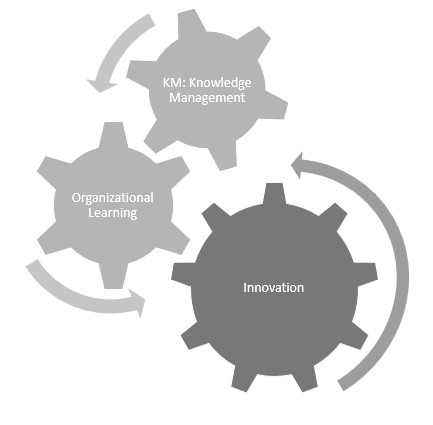
It is evident that innovation, OL, and KM are closely interconnected (Figure 1). Innovation encompasses the generation, promotion, and deliberate application of creative ideas for benefiting organizations or the public, in addition to being heavily influenced by learning through the process of tacit knowledge exchange (Ononye, 2022). Innovation is perceived not merely as the creation but as the implementation of new ideas and practices capable of transforming individual creativity, experience, and expertise into practical solutions (Bessant, 2003; Ononye, 2021).
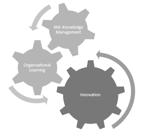
Relationship between knowledge management, organizational learning, and innovation in the public sector.
In the public-sector context, innovation refers to the intentional introduction or improvement of services, processes, or organizational practices aimed at enhancing effectiveness, efficiency, and public value rather than achieving market competitiveness (Arundel et al., 2019; Clausen et al., 2020). KM is understood as the set of systematic activities through which public organizations create, capture, share, and apply knowledge to support service delivery and organizational objectives, particularly under conditions of resource constraints, accountability, and procedural rigidity (Nazari & Emami, 2012). OL represents a collective and continuous process through which public organizations acquire, interpret, and institutionalize knowledge derived from experience and interaction, transforming dispersed individual knowledge into shared capabilities that support adaptation and change (Savory, 2009).
OL influences innovation in public organizations by operating as a collective process of capability acquisition and development that enables the transformation of complex situations and the improvement of service delivery (Khan & Khan, 2019). In public institutions, OL is considered a fundamental condition for managerial innovation, as it allows organizations to develop new insights and associations between past and future actions in order to implement necessary changes (Al Saied & Alkhoraif, 2024).
The impact of organizational learning on innovation manifests through multiple mechanisms and dimensions. For instance, OL enables public organizations to achieve ambidextrous innovation by balancing the exploration of new services and technologies with the exploitation and optimization of existing capabilities and processes (Choi & Chandler, 2015). This balance is supported by a qualitative and quantitative stock of knowledge accumulated through active learning processes, which provides the cognitive foundation for both exploratory and exploitative innovation (Al Saied & Alkhoraif, 2024).
Regarding the mechanisms through which OL influences innovation, prior studies identify three core processes: knowledge acquisition, knowledge sharing, and knowledge application (Zhou et al., 2024). External knowledge acquisition reduces uncertainty and increases organizational sensitivity to environmental changes; knowledge sharing integrates previously isolated knowledge bases to generate new solutions; and the practical application of learning enables organizations to reduce errors and adjust strategic directions in order to innovate in public services (Zhou et al., 2024).
Several contextual factors shape this relationship. Information technology infrastructure and digital empowerment facilitate organizational learning by enabling the codification of tacit knowledge into explicit, accessible routines, thereby ensuring continuity in learning and innovation processes and reducing the risk of knowledge loss due to employee retirement or turnover (Lartey et al., 2021; Yan et al., 2025). Transformational leadership further acts as a catalyst for innovation by fostering inspirational motivation and accelerating organizational learning among team members (Asiedu et al., 2020).
Despite its centrality, organizational learning in public organizations faces structural constraints, including bureaucratic rigidity and organizational inertia (Choi & Chandler, 2015). The absence of strong competitive pressure may lead to “success traps,” where past achievements hinder adaptation to new environments, or “failure traps,” where reforms are introduced too frequently without sufficient time to realize the benefits of prior innovations (Choi & Chandler, 2015). Therefore, administrative capability and continuous learning are essential for public organizations to maintain legitimacy and generate public value in dynamic institutional contexts (Choi & Chandler, 2015; Nguyen et al., 2024).
Empirical evidence from public-sector organizations consistently shows that the relationship between organizational learning, knowledge management, and innovation is neither linear nor automatic. Case-based evidence indicates that, in public organizations, learning often remains fragmented and individualized, frequently oriented toward personal objectives such as career progression rather than collective process improvement or innovation. Structural rigidity, centralized decision-making, and the marginalization of technological capital constrain the conversion of individual learning into shared organizational practices, thereby weakening innovation outcomes despite the availability of technical knowledge (Zammel & Najar, 2024). These findings highlight a critical distinction between the presence of knowledge and the organization’s capacity to mobilize it collectively, suggesting that innovation failures in public organizations are less related to knowledge scarcity than to institutional barriers that prevent learning from being transformed into organizational-level change.
Across quantitative and mixed-method studies, a convergent finding is that knowledge management plays a pivotal enabling role by institutionalizing learning processes and translating dispersed individual knowledge into collective organizational capabilities. In public-sector contexts, KM, particularly through knowledge-sharing mechanisms and digital infrastructures, supports organizational learning by fostering shared interpretation, reducing errors, and embedding knowledge into routines and systems (Zammel & Najar, 2024; Lartey et al., 2021; Yan et al., 2025). However, authors diverge regarding the causal direction between these constructs. While some studies show that organizational learning and innovation act as strong antecedents of KM initiatives (Lartey et al., 2021), others emphasize KM as an indirect or mediating mechanism through which learning can generate innovation, especially when learning alone lacks direct impact on innovation performance (Al Zoubi et al., 2025). This divergence reflects contextual characteristics of public organizations, where formalization, governance, and accountability require learning to be codified, legitimized, and embedded before it can support innovation.
Taken together, these studies suggest that, in public organizations, innovation emerges predominantly as an indirect and incremental outcome of the interaction between organizational learning and knowledge management, rather than as a direct consequence of learning alone. Evidence from project-based public organizations and infrastructure agencies shows that KM systems, through codification of tacit knowledge, digital platforms, and structured governance, enable organizational learning to become collective, routinized, and operationally actionable, thereby supporting process improvements, service continuity, and organizational resilience (Al Saied & Alkhoraif, 2024; Yan et al., 2025). In contrast to private-sector settings, innovation in public organizations tends to be regulated, mission-oriented, and institutionally mediated, requiring alignment between learning processes, KM practices, and organizational culture. Consequently, organizational learning creates the cognitive potential for change, knowledge management converts this potential into organizational capability, and innovation materializes as a mediated outcome aligned with public value creation, accountability, and long-term service effectiveness (Lartey et al., 2021).
3 Method
A Systematic Literature Review (SLR) was conducted to understand how Knowledge Management (KM) and Organizational Learning (OL) can support and contribute to a continuous and systematic development of innovation in the public sector by focusing on interrelating these topics. According to Guardia et al. (2013), SLR is a research method aimed at answering theoretical questions by analyzing knowledge accumulated by researchers, since it facilitates a systematic organization of existing knowledge in a transparent and reproducible manner (Tranfield et al., 2003). It was selected for its ability to provide a comprehensive and structured understanding of the topic at hand. This study adhered to the steps proposed by Tranfield et al. (2003) for conducting SLRs, i.e., planning and conducting the review, and reporting the findings.
The planning step involved developing a research protocol specifying research questions, search bases, document retrieval methods, and selection criteria. The guiding research questions were: RQ1: How can KM and OL assist in promoting a continuous and systematic development of innovation in the public sector? RQ2: What are practical recommendations for promoting such development through KM?
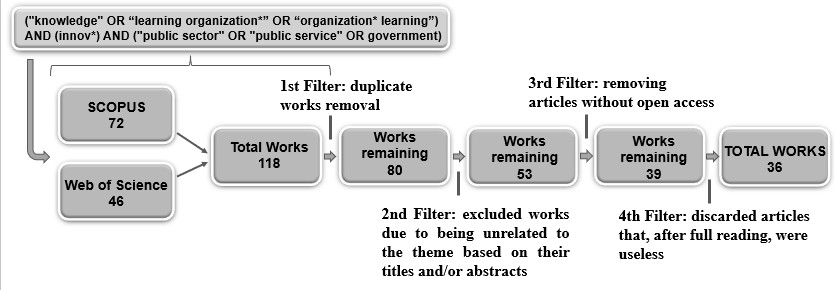
For this reason, two databases were selected: Scopus and Web of Science (WoS). These were selected for being the two major comprehensive sources of publication metadata, since they provide broad coverage of academic works relevant to this study's field of knowledge, thence ensuring an extensive and pertinent review of existing literature (Pranckutė, 2021). The search string used was: ("knowledge" OR “learning organization” OR “organization learning”) AND (innov*) AND ("public sector" OR "public service" OR government). It was conducted on January 13, 2024 aiming to find works particularly addressing the relationship between KM, OL, and innovation in the public sector. This particular order was selected after several attempts using different keywords and formulations related to the topic at hand. The used search criteria resulted in a remarkable degree of precision in identifying relevant works, given that it bypasses the inclusion of publications unrelated to the public sector or with significantly diverse focuses (Bousquet et al., 2023).
The search yielded 72 publications through Scopus and 46 from the Web of Science, amounting to 118 works (Figure 2). The search period was not defined. Four sequential filters were then applied in the analysis: the first one removed duplicate works, resulting in 80 remaining articles; the second one excluded works that, upon assessing their title and/or abstract, demonstrated no relationship with the investigated topic or had a very specific scope in the health sector, leaving 53 works; the third one removed 14 articles unable to be accessed through the university to which researchers are affiliated; and the fourth one discarded three articles that, upon reviewing the full manuscript, were unaligned with the objectives herein, ultimately leaving 36 works for in-depth analyses (Figure 2).

Among the 36 selected works, two were books, three were book chapters, and 28 were journal articles, three of which had been presented at conferences/congresses. An in-depth analysis of their content was conducted to understand how KM and OL relate to innovations in the public sector and collect practical recommendations. For this purpose, an electronic spreadsheet (Microsoft Excel) was used to facilitate data organization as the texts were reviewed, with categories created in alignment with the research questions. Appendix A presents the list of analyzed articles, along with their main contributions and recommendations derived from the literature.
In reporting SLR findings, qualitative metasynthesis was the predominant method of analysis, in which an interpretative data synthesis is conducted (Lopes & Fracolli, 2008). Initially, the main contributions of works on understanding how KM and OL can facilitate a continuous and systematic development of innovation in the public sector were presented. Subsequently, their findings were correlated and summarized to establish guidelines for public organizations to manage knowledge and develop learning so as to enhance innovation. Ultimately, practical recommendations were proposed for each of the established guidelines.
4 Results and discussions
An in-depth search on the intricate interaction between KM, OL, and innovation in the public sector allowed understanding how KM and OL are fundamental in promoting a continuous and systematic development of the innovation sector-wise. This section sought to answer the two questions proposed for this SLR.
4.1 Knowledge management and organizational learning towards fostering innovation in the public sector
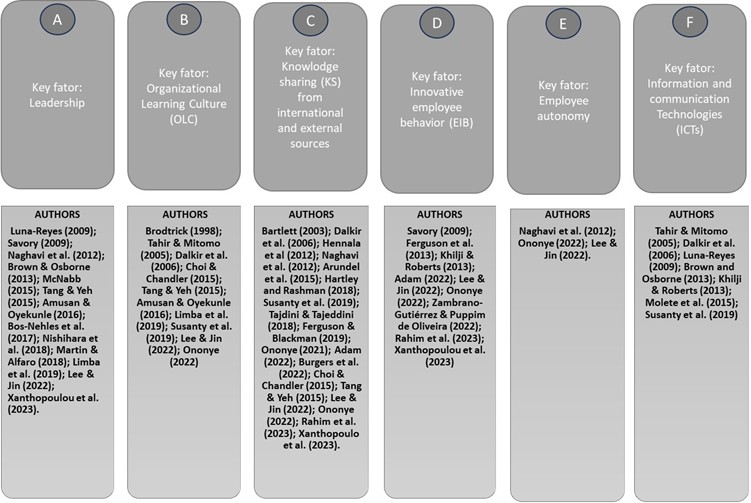
Six key factors (Figure 3) were identified while seeking to understand the manner KM and OL assist in promoting a continuous and systematic development of innovation in the public sector, as they assist in explaining how a systematization of the relationship among KM, OL, and innovation in public organizations occurs. These factors were selected owing to their direct relation to the topics assessed herein.
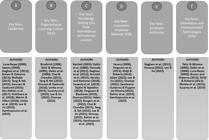
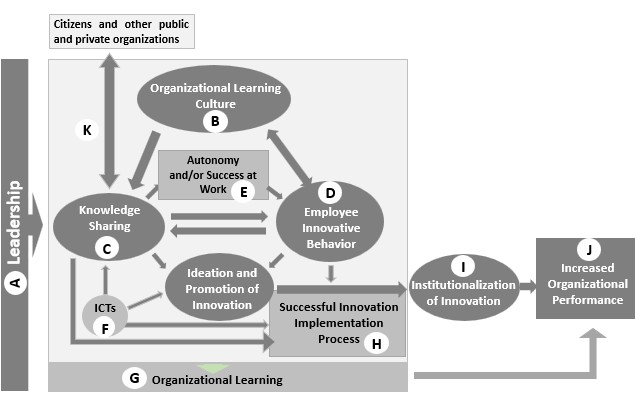
Figure 4 illustrates a model synthesizing the relationships among key KM factors able to promote organizational learning, innovation, and enhanced organizational performance in the public sector according to the analyzed studies. In a broader context, it is evident that leadership (Factor A) plays a pivotal role in the entire innovation process. Organizational learning and the development of innovations in public organizations are supported by the establishment of an organizational learning culture (OLC - Factor B) through knowledge sharing (KS – Factor C) (both involving intraorganizational and external sources), innovative employee behavior (IEB – Factor D), worker autonomy (WA - Factor E) and the employment of Information and Communication Technologies (ICTs – Factor F) to facilitate these processes.
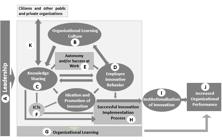
Relationship among key factors able to enhance organizational learning, innovation, and organizational performance in the public sector.
As depicted in Figure 4, leadership (Factor A) significantly affects the entire Knowledge Management (KM) process, which in turn enhances organizational learning, innovation, and organizational performance. Xanthopoulou et al. (2023) recommend that senior executives in public organizations and policymakers ought to devise a strategy and action plan to implement optimal KM practices through the creation, storage, dissemination, and application of knowledge, aiming to bolster innovation, and organizational performance. Furthermore, Nishihara et al. (2018) underestimate the critical role of leadership in facilitating knowledge creation and sharing within an organization (Figure 4 – Factor C). Martin & Alfaro (2018) stress the importance of committed leadership in fostering collaborative innovation among stakeholders from public, academic, and civil organizations.
In this regard, Ferguson & Blackman (2019) advocate a managerial approach able to foster an innovative-friendly environment. Work environment and organizational climate significantly affect knowledge sharing among employees (Lee & Jin, 2022). An Organizational Learning Culture (OLC - Factor B) promotes knowledge sharing (KS - Factor C) and Innovative Employee Behavior (IEB - Factor D), defined as proactive and discretionary behaviors addressing workplace challenges and enhancing task performance through innovation (Lee & Jin, 2022).
Adam (2022) emphasizes an urgent need to foster IEB and foster a knowledge-sharing culture to spur innovation in the public sector by revealing a direct and significant impact of IEB on knowledge sharing, thus facilitating comprehensive organizational change.
Moreover, Lee & Jin (2022) found that employee autonomy (Factor E) can enhance the positive effects of knowledge sharing by favorably moderating the relationship between KS and IEB. Such autonomy is crucial in linking tacit knowledge sharing to innovative employee performance, thereby driving tacit knowledge sharing (Ononye, 2022; Lee & Jin, 2022). Therefore, the most empowered and autonomous employees feel that the more they engage in tacit knowledge sharing, the better they develop behaviors conducive to innovation.
Strong knowledge sharing correlates with greater organizational commitment, job satisfaction, and overall performance (Tajdini & Tajeddini, 2018). Given the importance of IEB to share knowledge effectively and promote an OLC capable of driving innovation, it is suggested that public managers enhance IEB by encouraging employees to identify and address work-related challenges through both formal and informal education, meetings, communication, and collaboration.
Additionally, Arundel et al. (2015) highlight that engaging with external sources for knowledge sharing can assist organizations in overcoming innovation barriers. Hartley & Rashman (2018) emphasize the significance of KM in fostering interorganizational learning and innovation processes. They demonstrate that organizations incrementally improve their capacity to acquire, assimilate, and apply learning in their innovation processes through enhanced organizational learning from external knowledge sources. Zambrano-Gutiérrez & Puppim de Oliveira (2022) report that external learning mechanisms and sectoral diversity catalyze transformative innovations, while new internal learning processes and continuous administrative improvements incentivize incremental innovations. Similarly, Kallio & Lappalainen (2015) argue that leveraging external sources can facilitate organizational learning through collaborative services within innovation networks, provided it is a shared goal among the involved parties.
Some pieces of research undermine the importance of organizational learning and culture to enhance innovation activities and organizational performance in the public sector (Amusan & Oyekunle, 2016; McNabb, 2015; Ononye, 2022; Susanty et al., 2019; Tang & Yeh, 2015). Organizational learning (Figure 4 – Item G) is directly related to organizational performance (Figure 4 – Item J), either directly or indirectly through innovation, and organizational culture (Figure 4 – Factor B) exerts a positive influence on organizational performance through innovation (Figure 4 – Item I) (Tang & Yeh, 2015). Naghavi et al. (2012) found a direct and significant relationship among knowledge sharing, organizational innovation, and organizational performance (OP), where organizational innovation serves as a partial mediator between knowledge sharing and OP. This finding highlights the importance of knowledge sharing in promoting innovation and, by extension, in enhancing OP. Moreover, technology plays a significant role a facilitator in this regard (Vaitkevičius, 2018).
Information and Communication Technologies (ICTs) (Figure 4 – Factor F) can be employed in processes of preservation, aggregation, analysis, and knowledge transfer, enabling the information sharing regardless of location and time (McNabb, 2015; Susanty et al., 2019; Tahir & Mitomo, 2005). Tahir & Mitomo (2005) explain that the use of ICT applications by public servants facilitates innovation activities and allows significant knowledge acquisition to act as a mediator, thus strengthening the relationship between using ICT and innovative activities within an organization.
Susanty et al. (2019), McNabb (2015), Tahir & Mitomo (2005), and Brown & Osborne (2013) reveal that ICT support for knowledge sharing is positively related to the performance of organizational innovation. In this context, Molete et al. (2015) present a 'knowledge evolution tree' where processed data becomes useful information, essential for generating knowledge, which subsequently leads to ideas and insights. The authors emphasize the need to maintain its integrity and availability, in addition to ensuring its availability to decision-makers, since it is a critical aspect for successful organizational innovation.
Thus, it is evident that the use of ICTs facilitates knowledge management, since it provides a conducive context for ideation and innovation. However, in addition to creating a favorable context, it seems that knowledge management assists in the actual process of implementing innovation (Figure 4 – item H) and contributes to its success. The following subsection explores how knowledge management aids in the actual process of innovation implementation.
Subsequently, Figure 5 details the main relationships among each of the key factors of knowledge management favoring organizational learning, innovation, and the enhancement of organizational performance.
4.1.1 Knowledge management factors facilitating a successful innovation implementation process
Bartlett (2003) emphasizes the importance of laying down a solid knowledge foundation concerning the problem addressed by innovation to ensure a successful innovation implementation process. According to the author, motivations for innovation must be clearly recorded and analyzed to assess their success. Additionally, Dalkir et al. (2006) propose the creation of logical models through a collaborative work to identify and map connections between activities of an initiative and the realization of its potential outcomes aiming to provide various stakeholders (including management and employees) with a clear and concise view of the process, thus highlighting the result chain and identifying the intermediate steps required to achieve the final outcomes.
It is known that there must be integration of intelligence and information within a KM framework so that it can be mutually and reciprocally utilized and enhanced towards innovation, and fed back into the system (Bartlett, 2003; Khilji & Roberts, 2013). Some authors further stress the importance of evaluating both the success and failure of innovation (Bartlett, 2003; Choi & Chandler, 2015; Limba et al., 2019), and found that it may be perilous to provide knowledge about processes that had not been properly assessed (Bartlett, 2003; Choi & Chandler, 2015).
By feeding the KM system with evaluations, an evolved performance management system is designed, contributing to continuous improvement (Bartlett, 2003). Limba et al. (2019) reveal that for a full institutionalization of change in top-down innovation processes, an effective feedback process is required, followed by a feed-forward process; in the former, individual experiences and perceptions are used to generate insights related to innovation, and the information collected during the feedback process is used to make adaptations and adjustments to the newly implemented organizational practices in the latter.
Moreover, Choi & Chandler (2015) highlight that hasty evaluations can lead to a premature abandonment of potentially useful ideas and reveal the importance of allowing sufficient time for innovations to demonstrate their long-term benefits. They advise against the risk of starting a failure cycle by abandoning innovations too quickly, in addition to the pitfalls of success, where previous successes might hinder adaptation to new conditions. To mitigate such risks, the authors recommend an ambidextrous learning strategy balancing explorative innovation, seeking new opportunities and technologies, involving greater risks and uncertainties, with exploitative innovation, focusing on improving and optimizing existing processes and services, enhancing operational efficiency; it can be implemented either structurally, with separate structures for each type of activity, or sequentially, alternating phases devoted to each.
Thus, it is necessary to ensure that an excessive push for innovation does not exceed the organization’s knowledge capacities, given that a knowledge deficit may frustrate employees, generate resistance to change, and induce subpar performance. It is crucial for the success of innovation to provide sufficient time for its implementation; resist premature reviews; include in the innovation process stakeholders and employees who are experienced with current systems; conduct tests and divide heterogeneous innovation projects into smaller parts or implement them as a series of pilot projects (Choi & Chandler, 2020).
In the case of practice-based innovations (developed by the team in the course of their work), Savory (2009) also evidences the need for an in-depth understanding of the innovation process to sustain innovation policies. To such an end, he proposes activities including shared problem-solving, prototyping and experimentation, implementation and integration of technology, and the collection of external knowledge to the organization.
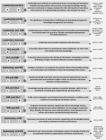
For KM activities to be part of work processes, KM projects should be an integral part of everyday organizational operations (Ferguson et al., 2013). It is observed that the use of ICTs can assist in the entire KM process while introducing innovation, and that a strategic use of power and organizational policies plays a crucial role in ensuring that innovations are not only accepted but also effectively incorporated and disseminated throughout the organization (Limba et al., 2019; Tahir & Mitomo, 2005). Figure 6 provides a summary of KM process factors able to favor the success of innovations when employed in an actual innovation implementation process.
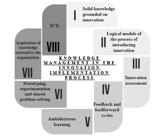
Factors of the KM process favoring the success of innovations when employed in actual innovation implementation processes.
4.2 Practical recommendations for promoting continuous and systematic innovation in the public sector
All in all, it becomes apparent that factors related to Knowledge Management (KM) are capable of fostering an environment prone to ideation and innovation and aiding the actual process of implementing innovation in the public sector. These factors also contribute to promote Organizational Learning (OL), whose enhancement improves organizational capabilities to acquire, assimilate and apply learning in the innovation process. The entire process leading to innovation can be assisted by KM and, considering its overall context, the following guidelines for a continuous and systematic development of innovation in the public sector are presented:
-
Exercise effective strategic leadership to promote innovation;
-
Build an organizational learning culture;
-
Seek knowledge and collaboration from external sources;
-
Use Information and Communication Technologies (ICT) for KM;
-
Establish a solid knowledge foundation for the problem addressed by the innovation;
-
Evaluate and balance innovations.
Several practical recommendations were developed to assist in promoting a continuous and systematic development of innovation in the public sector to facilitate the application of these guidelines, following a review of works, organization, and summarization of content. These recommendations were related to each of the six outlined guidelines, as in Table 1.
Practical recommendations for promoting continuous and systematic innovation in the public sector.
The set of guidelines and practical recommendations synthesized from the reviewed studies (Table 1) is intended to support public managers in fostering the continuous and systematic development of innovation in the public sector. Specifically, it offers actionable guidance to strengthen organizational conditions associated with both the generation and the implementation of innovations, aligning Knowledge Management (KM) and Organizational Learning (OL) practices with recurring public-sector needs such as coordination across units, standardization, experiential learning, and adaptation to institutional constraints.
Although the literature widely acknowledges the relevance of KM and OL for innovation, many studies still provide recommendations that remain broad, fragmented, or difficult to operationalize in day-to-day public management (Bartlett, 2003; Hartley & Rashman, 2018; Limba et al., 2019; Choi & Chandler, 2020; Dalkir et al., 2006; Savory, 2009). In this study, the contribution lies in consolidating and systematizing previously dispersed recommendations and structuring them into a coherent set of guidelines and practical actions that clarify how KM and OL can be mobilized intentionally and recurrently to support innovation in public organizations. Rather than proposing a closed causal model, the article provides an applied synthesis with an implementation-oriented logic designed to facilitate the adoption of learning-oriented managerial practices and the strategic use of knowledge throughout the innovation process.
To further enhance applicability for practitioners, we offer a brief applied example illustrating how the six guidelines in Table 1 can be integrated into a single initiative (illustrative example, not additional empirical evidence). Consider a scenario in which a state-level forensic science institution seeks to implement innovation in a continuous and systematic manner across all regional units (e.g., standardizing routines, reducing rework, digitizing workflows, and improving turnaround times). Senior leadership may launch a multi-regional innovation program with a clear strategic intent, establish cross-functional governance (regional representatives, operational and laboratory units, IT, quality, and administrative areas), and define roles, resources, and success metrics. To build an OL culture, the program can institutionalize recurring learning cycles, short after-action reviews following pilots, inter-regional communities of practice, and protected time for training, so that lessons (including failures) are treated as learning opportunities and embedded into routines rather than remaining individualized.
Building on this foundation, the organization can leverage external knowledge and collaboration by partnering with universities, other public agencies, and citizen-facing stakeholders to co-design solutions and adapt successful practices to local realities. KM enabled by ICT can support the initiative through a shared digital knowledge platform (e.g., repositories of SOPs, templates, decision logs, dashboards, and searchable lessons learned), reducing knowledge loss due to turnover and accelerating diffusion across regions. The same platform may also include a procurement and contracting memory module (e.g., repositories of needs assessments and technical specifications, market research/price references, risk matrices, technical criteria, SLAs, and lessons learned by purchase category), enabling regional units to reuse validated documents and reduce rework and inconsistencies. To establish a solid knowledge base around each innovation problem, teams can employ simple logic models and problem-definition briefs (baseline indicators, root causes, stakeholders, constraints, and expected outcomes), combined with prototyping and phased implementation. Finally, to evaluate and balance innovations, leadership can combine experimentation (pilots) with the optimization of proven practices, supported by continuous feedback and forward-looking adjustments, benchmarking across regional units, and periodic portfolio reviews to scale what works and discontinue what does not, thereby sustaining innovation as an integrated, continuous, and system-level capability aligned with public value and accountability.
5 Conclusion
This paper sought to understand how KM and OL can assist in promoting the continuous and systematic development of innovation in the public sector. Detailed analyses provided practical solutions and valuable theoretical insights into how effective KM strategies can be applied to improve OL and the innovation capacity of public organizations.
Public organizations exhibit structural and workforce characteristics that shape the dynamics of knowledge management and innovation, distinguishing them from the private sector due to the absence of direct competitive pressures and the prevalence of bureaucratic rigidity (Choi & Chandler, 2015). With respect to the workforce, learning processes tend to be individualized and fragmented, often oriented toward personal career objectives and individual economic gains rather than collective innovation, a tendency further reinforced by intellectual self-preservation behaviors (Asiedu et al., 2020; Zammel & Najar, 2024). Moreover, the impending retirement of specialists in the public sector poses a critical risk of intellectual capital loss, creating the need for robust technological infrastructures—such as digital platforms and repositories of standard operating procedures (SOPs)—to codify tacit knowledge into explicit organizational routines (Lartey et al., 2021; Yan et al., 2025). Structurally, high levels of centralization and administrative red tape act as barriers to knowledge mobilization, rendering transformational or knowledge-oriented leadership and the use of digital collaboration tools, such as social media, essential for institutionalizing organizational learning and converting cognitive potential into public value and institutional resilience (Khan & Khan, 2019; Nguyen et al., 2024; Walker, 2014).
It was evident that KM is essential for creating an environment conducive to idea generation and effective implementation of innovations, thereby facilitating all stages of the innovation process. However, the findings indicate that fostering innovation in public organizations does not necessarily require high initial levels of technological maturity or advanced capabilities. Instead, fundamental and initial conditions are largely organizational and institutional in nature. A critical starting point is the recognition of organizational learning as a collective and strategic process rather than an outcome of isolated training initiatives. Even in resource-constrained public organizations, learning-oriented practices—such as reflection on past experiences, problem-based learning, and cross-functional interaction—create the foundations for knowledge mobilization and gradual innovation.
In parallel, basic but systematic knowledge management practices represent an essential enabling condition. The codification of critical knowledge, documentation of lessons learned, and use of accessible digital tools to store and disseminate knowledge help institutionalize learning and reduce dependence on individual expertise. These practices are particularly relevant in public-sector contexts characterized by workforce aging, turnover, and procedural rigidity. The findings suggest that a continuous and systematic development of innovations relies on effective strategic leadership, the establishment of an organizational learning culture, the implementation of ICT practices, fostering learning using external sources, laying down a solid knowledge foundation for the problem addressed by innovation, as well as evaluating and balancing innovations through ambidextrous learning. Leadership commitment and an innovation-supportive culture further reinforce these initial conditions by legitimizing knowledge sharing, experimentation, and incremental change. Together, these elements enable public organizations with limited capabilities to progressively build an innovation-oriented culture grounded in organizational learning and knowledge management, rather than relying on disruptive or resource-intensive innovation strategies.
The practical recommendations presented herein assist public managers in promoting innovation and contribute to transforming the public sector by integrating innovation into organizational development and service improvement, while strengthening efficiency and responsiveness to citizens’ needs. As a contribution, this study systematizes recommendations previously dispersed across the literature on KM, OL, and public sector innovation, organizing them into integrated guidelines with a clear implementation logic for leveraging KM practices to strengthen OL and, in turn, support continuous and systematic innovation in public organizations.
This study advances the literature by providing an integrated and context-specific synthesis of how knowledge management and organizational learning jointly support innovation in public organizations. Unlike prior studies that treat these constructs in isolation or derive insights predominantly from private-sector contexts, this review clarifies their distinct yet complementary roles under public-sector constraints. The findings suggest that organizational learning constitutes the cognitive foundation for change, while knowledge management functions as the institutional mechanism that translates learning into organizational capabilities and routinized practices. Innovation, in turn, emerges as a mediated and predominantly incremental outcome aligned with public value creation, accountability, and service improvement.
The study contributes to theory by repositioning knowledge management as a critical intermediary between learning and innovation in the public sector and by highlighting the importance of sociotechnical and institutional conditions in shaping this relationship. The review also opens several avenues for future research, including empirical testing of mediation and moderation mechanisms between KM, OL, and innovation, comparative studies across levels of government and national contexts, and longitudinal research examining how learning and KM capabilities evolve over time. Additionally, future studies may explore the role of leadership styles, governance arrangements, and digital infrastructures in institutionalizing innovation in public organizations, thereby extending and refining the framework proposed in this review.
However, several limitations should be acknowledged. The search strategy was restricted to Scopus and Web of Science, which may have excluded relevant studies not indexed in these databases, particularly regional outlets, conference proceedings, book chapters, and grey literature such as technical reports and government documents that often disseminate practice-oriented evidence on public sector innovation. This restriction may introduce database coverage bias, leading to the underrepresentation of contributions from certain countries and languages, thereby shaping the scope of the review and the synthesized guidelines.
In addition, because the evidence comes from different countries, the recommendations should be understood as principle-based guidelines and adapted to the local context. Institutional arrangements, legal frameworks, and administrative capacities vary across countries and may influence how Knowledge Management (KM) and Organizational Learning (OL) practices translate into innovation capability; therefore, transferring these recommendations across contexts typically requires adjustments in routines, governance, and implementation instruments. Future research could expand the search to additional databases and complementary sources, incorporate citation tracking and grey literature, and conduct comparative studies across countries and public service domains, as well as empirical approaches such as action research, to further test and refine the proposed guidelines.
Appendix A Analyzed studies, main contributions and practical recommendations.
| Authors | Main contributions | Summary of recommendations derived from the studies |
|---|---|---|
| Adam (2022) | Suggests that Knowledge Sharing (KS) has significant mediating effects on the relationship between Employees’ Innovative Behavior (EIB) and change management stages. | Encourage employees in government institutions to share knowledge and support EIB by motivating them to contribute to initiatives and express creative ideas. |
| Amusan & Oyekunle (2016) | Provides insights into how the innovation process can be managed, standardized, and replicated within government departments. Presents a self-audit table for Organizational Learning Culture (OLC). | Promote continuous employee training and development; establish insightful leadership and proficient management to foster an innovation culture, assess risks and benefits of new ideas, overcome resistance to change, motivate staff to seek solutions, and deliver tangible results. |
| Arundel et al. (2015) | Identifies three main innovation methods in public agencies: policy-dependent, bottom-up, and knowledge-scanning. | Promote collaboration with other organizations and innovate through partnerships. |
| Bartlett (2003) | Develops theoretical propositions on the construction and use of knowledge in public sector organizations. | Identify the problem to be addressed; develop a solid knowledge base; record and analyze innovation objectives; develop and continuously improve a Knowledge Management (KM) framework aligned with innovation; evaluate innovation success and failure. |
| Bos-Nehles et al. (2017) | Identifies reasons for low implementation of bottom-up ideas in knowledge-intensive public organizations, emphasizing leadership roles. | Create a supportive environment for the development and realization of innovative ideas; supervisors should engage in internal and external networking and lobby for innovation funding. |
| Brodtrick (1998) | Presents three core processes of the learning organization. | Establish learning partnerships with citizens (as customers); strongly encourage and support individual learning and embed its outcomes into organizational culture and practices. |
| Brown & Osborne (2013) | Identifies critical factors supporting innovation development, including adequate resources, engaged champions, clear vision, robust leadership, and well-managed stakeholder networks. | Ensure adequate financial and human resources for innovation processes; adopt a risk-management (rather than risk-avoidance) approach; enhance learning and networked knowledge sharing. |
| Burgers et al. (2022) | Shows that the effects of external knowledge sourcing and user co-creation are moderated by innovation support practices, employee involvement, and constraints. | Adopt managerial practices that support innovation (e.g., active leadership involvement, trial-and-error approaches, evaluation and incentives); promote in-depth knowledge search with up to three external sources. |
| Choi & Chandler (2020) | Proposes a conceptual model of knowledge vacuum explaining factors leading to innovation failure in e-government systems. | Allocate sufficient time for innovation implementation; manage the innovation process; resist premature reviews; involve experienced stakeholders and employees; conduct testing and pilot projects; break heterogeneous innovation projects into smaller parts. |
| Choi & Chandler (2015) | Presents a conceptual framework emphasizing balance between innovation and refinement of existing knowledge, avoiding success and failure traps. | Balance reform needs and refinement of innovation knowledge through structural or sequential ambidexterity. |
| Dalkir et al. (2006) | Introduces a tool designed to track, manage, and measure outputs and outcomes of innovation initiatives. | Conduct collaborative work to create logical models mapping activities and outcomes; measure the success or failure of KM initiatives. |
| Ferguson & Blackman (2019) | Identifies a combination of managerial elements (mandate and trust-building) and practice elements (challenging norms and crossing boundaries) as critical for innovation practice. | Declare organizational commitment to innovation; support employees who challenge norms; promote trust in innovation through managerial intervention; acquire innovation-relevant knowledge by expanding boundaries. |
| Ferguson et al. (2013) | Highlights differences between public and private sectors and identifies a gap in practice-based KM approaches in the public sector. | Integrate KM projects into everyday operations so that KM activities become part of work processes. |
| Hartley & Rashman (2018) | Demonstrates that organizational innovation capacity depends on the level of Organizational Learning (OL). | Strengthen the existing knowledge base by adapting innovations from other institutions. |
| Hennala et al. (2012) | Identifies six challenges related to user collaboration in public service innovation. | Create accessible participation arenas; reinforce employees’ roles as partners in service development; ensure leadership commitment to collaborative innovation; appropriately use participatory innovation activities; recognize user expertise. |
| Kallio & Lappalainen (2015) | Shows how collaborative service development within innovation networks can be addressed as an OL process. | Promote innovation networks integrating actors from different sectors; establish shared objectives; conduct interactive idea sessions to motivate and co-create within networks. |
| Khilji & Roberts (2013) | Proposes an integrated knowledge-based planning system using ICTs to support smart and sustainable government development. | Avoid treating business change as purely IT projects; conduct knowledge-based integrated innovation planning; create an environment supportive of knowledge-building aspirations. |
| Lee & Jin (2022) | Finds that Organizational Learning Culture (OLC) positively affects EIB and KS; KS mediates the OLC–EIB relationship; job autonomy moderates the KS–EIB relationship. | Build a learning-oriented environment; facilitate employee interaction; offer frequent informal opportunities (e.g., workshops, informal events); encourage problem identification and improvement through formal and informal learning. |
| Limba et al. (2019) | Argues that top-down innovation institutionalization requires feedback and feedforward learning processes. | Use influence, power, and discipline to obtain feedback and conduct feedforward; strengthen OL and use organizational politics to sustain innovation and change. |
| Luna-Reyes (2009) | Shows that identifying, eliciting, disseminating, and using knowledge enhances individual and collective innovation capabilities. | Identify core knowledge and competencies; create learning-oriented visions, policies, and processes; bring together diverse stakeholders to build shared meanings around problems and solutions. |
| Martin & Alfaro (2018) | Identifies key elements for effective knowledge transfer: enabling context, absorptive capacity, trust networks, and flexible organizations. | Ensure commitment from senior public executives to enable innovation across all organizational levels. |
| McNabb (2015) | Demonstrates that KM enhances organizational process efficiency and recognizes ICT as a KM component alongside people, systems, and culture. | Develop strategic plans; foster a change-friendly culture; demonstrate leadership commitment to innovation; define annual goals and measure performance; manage human capital; formalize and disseminate organizational knowledge; strategically integrate ICT acquisitions. |
| Molete et al. (2015) | Shows that KM systems based on collaborative data improve service delivery, provided information integrity is ensured. | Develop KM systems based on collaborative data to promote timely access to relevant information and knowledge. |
| Naghavi et al. (2012) | Identifies positive relationships among KM processes, innovation, and organizational performance, with innovation partially mediating this relationship. | Managers should recognize the positive KM–innovation–performance relationship and provide support to strengthen it. |
| Nishihara et al. (2018) | Reviews KM models and case studies in public administration. | Create physical and virtual spaces for knowledge sharing; use power and influence to align efforts; establish ambitious goals; create Ba (shared knowledge creation spaces); promote practical wisdom (phronesis). |
| Ononye (2021) | Finds that socialization and internalization positively affect innovation, while externalization has an indirect effect via internalization. | Allocate resources to socialization and knowledge internalization activities (e.g., mentoring and training). |
| Ononye (2022) | Shows that tacit knowledge sharing and job thriving are antecedents of employee innovation. | Promote a knowledge-sharing culture; invest in tacit knowledge exchange programs; assign thriving employees to innovation tasks; regularly assess job thriving. |
| Rahim et al. (2023) | Finds that knowledge creation, acquisition, sharing, and application significantly impact sustainable innovation practices. | Ensure well-developed KM strategies encompassing creation, acquisition, sharing, and application of knowledge. |
| Savory (2009) | Identifies three dimensions of knowledge transformation: codification, abstraction, and diffusion. | Support practice-based knowledge production through shared problem-solving, prototyping, experimentation, technology integration, and external knowledge absorption. |
| Susanty et al. (2019) | Shows that innovation performance is higher in organizations that treat ICT as an innovation enabler. | Establish innovation units or KM-responsible bodies; use ICTs to enhance innovation performance; build platforms for joint innovation with external actors. |
| Tahir & Mitomo (2005). | Demonstrates that ICT-based knowledge enrichment mediates innovation in the public sector. | Intensify ICT use to store and disseminate information and knowledge. |
| Tajdini & Tajeddini (2018) | Shows that innovation and knowledge sharing are associated with higher performance, job satisfaction, and organizational commitment. | Treat organizational innovation and knowledge sharing as strategic capabilities for improved performance and commitment. |
| Tang & Yeh (2015) | Shows that OL and organizational culture influence organizational performance through innovation. | Establish a flexible, open, positive, and trust-based culture; support employees; emphasize learning, experience sharing, and communication. |
| Vaitkevičius (2018) | Emphasizes synergy among people, processes, and technologies in KM for public sector innovation. | Promote an organizational climate with reward systems encouraging cooperation, trust, learning, and innovation. |
| Xanthopoulou et al. (2023) | Shows that KM best practices act as mechanisms linking high-performance organizations and innovation. | Integrate KM best practices into organizational strategies; adopt KM systems; implement change with leadership commitment and continuous monitoring. |
| Zambrano-Gutierrez & Puppim de Oliveira (2022) | Shows that external learning mechanisms drive transformative innovation, while internal learning drives incremental innovation. | Prioritize engagement of representatives from diverse sectors when implementing radical innovation projects. |
-
Financial support:
None.
-
How to cite:
Bousquet, H. M., Yamanaka, L., Lizarelli, F. L., Gambi, L. N., & Poltronieri, C. F. (2026). Knowledge management, organizational learning and innovation: practical recommendations for the public sector. Gestão & Produção, 33, e6625. https://doi.org/10.1590/1806-9649-2025v33e6625
Statement on Data Availability
The data that support the findings of this study are available from the corresponding author upon request.
References
-
Adam, N. A. (2022). Employees’ innovative work behavior and change management phases in government institutions: the mediating role of knowledge sharing. Administrative Sciences, 12(1), 28. https://doi.org/10.3390/admsci12010028
» https://doi.org/10.3390/admsci12010028 -
Adams, G. L., & Lamont, B. T. (2003). Knowledge management systems and developing sustainable competitive advantage. Journal of Knowledge Management, 7(2), 142-154. https://doi.org/10.1108/13673270310477342
» https://doi.org/10.1108/13673270310477342 -
Al Saied, M. K., & Alkhoraif, A. A. (2024). The role of organizational learning and innovative organizational culture for ambidextrous innovation. The Learning Organization, 31(2), 205-226. https://doi.org/10.1108/TLO-06-2023-0101
» https://doi.org/10.1108/TLO-06-2023-0101 -
Al Zoubi, J. Z., Obeidat, Z., Almajali, D. A., Masa’deh, R. E., Hmoud, H. Y., & Al-Zoubi, M. O. (2025). Impact of knowledge-oriented leadership and organizational learning on innovation performance: a mediating role of knowledge management. VINE Journal of Information and Knowledge Management Systems https://doi.org/10.1108/VJIKMS-03-2023-0069
» https://doi.org/10.1108/VJIKMS-03-2023-0069 -
Alosani, M. S., Yusoff, R., & Al-Dhaafri, H. (2020). The effect of innovation and strategic planning on enhancing organizational performance of Dubai Police. Innovation & Management Review, 17(1), 2-24. https://doi.org/10.1108/INMR-06-2018-0039
» https://doi.org/10.1108/INMR-06-2018-0039 -
Amusan, L., & Oyekunle, O. A. (2016). Conceptualizing innovation management development through organizational learning in the public service: any lessons for developing states? Problems and Perspectives in Management, 14(3), 266-275. https://doi.org/10.21511/ppm.14(3-1).2016.13
» https://doi.org/10.21511/ppm.14(3-1).2016.13 -
Anand, A., & Brix, J. (2022). The learning organization and organizational learning in the public sector: a review and research agenda. The Learning Organization, 29(2), 129-156. https://doi.org/10.1108/TLO-05-2021-0061
» https://doi.org/10.1108/TLO-05-2021-0061 -
Arantes, L. S., Martinelli, O., Jr., Viegas, T. O. C., & Rohenkoh, J. E. (2021). Maturity and level of knowledge management in the company: an application of Nonaka and Takeuchi model and Fuzzy Logic. Gestão & Produção, 28(2), e5305. https://doi.org/10.1590/1806-9649-2020v28e5305
» https://doi.org/10.1590/1806-9649-2020v28e5305 -
Arend, M., Ramos, C. F., & Souza, Y. S. D. (2023). Inovação frugal na expansão de subsidiária de multinacional em um mercado emergente. Gestão & Produção, 30, e9322. https://doi.org/10.1590/1806-9649-2022v29e9322
» https://doi.org/10.1590/1806-9649-2022v29e9322 -
Arundel, A., Bloch, C., & Ferguson, B. (2019). Advancing innovation in the public sector: aligning innovation measurement with policy goals. Research Policy, 48(3), 789-798. https://doi.org/10.1016/j.respol.2018.12.001
» https://doi.org/10.1016/j.respol.2018.12.001 -
Arundel, A., Casali, L., & Hollanders, H. (2015). How European public sector agencies innovate: the use of bottom-up, policy-dependent and knowledge-scanning innovation methods. Research Policy, 44(7), 1271-1282. https://doi.org/10.1016/j.respol.2015.04.007
» https://doi.org/10.1016/j.respol.2015.04.007 -
Asiedu, M. A., Anyigba, H., Ofori, K. S., Ampong, G. O. A., & Addae, J. A. (2020). Factors influencing innovation performance in higher education institutions. The Learning Organization, 27(4), 365-378. https://doi.org/10.1108/TLO-12-2018-0205
» https://doi.org/10.1108/TLO-12-2018-0205 -
Bartlett, D. (2003). Producing organisational knowledge through innovation, performance and evaluation: the case of the public sector. International Journal of Business Performance Management, 5(4), 350. https://doi.org/10.1504/IJBPM.2003.003817
» https://doi.org/10.1504/IJBPM.2003.003817 -
Bessant, J. (2003). Challenges in innovation management. In L. V. Shavinina (Eds.), The International Handbook on Innovation (pp. 761-774). USA: Elsevier. https://doi.org/10.1016/B978-008044198-6/50052-8
» https://doi.org/10.1016/B978-008044198-6/50052-8 -
Bos-Nehles, A., Bondarouk, T., & Nijenhuis, K. (2017). Innovative work behaviour in knowledge-intensive public sector organizations: the case of supervisors in the Netherlands fire services. International Journal of Human Resource Management, 28(2), 379-398. https://doi.org/10.1080/09585192.2016.1244894
» https://doi.org/10.1080/09585192.2016.1244894 -
Bougoulia, E., & Glykas, M. (2023). Knowledge management maturity assessment frameworks: A proposed holistic approach. Knowledge and Process Management, 30(4), 355-386. https://doi.org/10.1002/kpm.1731
» https://doi.org/10.1002/kpm.1731 - Bousquet, H. D. M., Poltronieri, C. F., & Yamanaka, L. (2023, outubro 27). A relação entre a gestão do conhecimento e a inovação no setor público: uma análise bibliométrica e breve revisão da literatura. In Anais do Encontro Nacional de Engenharia de Produção – Enegep Rio de Janeiro: ABEPRO. https://doi.org/10.14488/ENEGEP2023_TN_ST_404_1984_46253.
-
Brodtrick, O. (1998). Organizational learning and innovation: tools for revitalizing public services. International Review of Administrative Sciences, 64(1), 83-96. https://doi.org/10.1177/002085239806400107
» https://doi.org/10.1177/002085239806400107 -
Brown, L., & Osborne, S. P. (2013). Innovation in public services: old and new directions for knowledge. In S. P. Osborne & L. Brown (Eds.), Handbook of innovation in public services (pp. 563-566). Cheltenham: Elgaronline. https://doi.org/10.4337/9781849809757.00051
» https://doi.org/10.4337/9781849809757.00051 -
Buheji, M., Al-Hasan, S., Thomas, B., & Melle, D. (2015). Knowledge management’s influence on government organisations’ innovativeness. Management and Organizational Studies, 2(1), 153-165. https://doi.org/10.5430/mos.v2n1p153
» https://doi.org/10.5430/mos.v2n1p153 -
Burgers, J. H., Arundel, A., & Casali, G. L. (2022). Effect of knowledge search depth, user co-creation and moderating factors on the outcomes of service innovations by European public sector organizations. Public Management Review https://doi.org/10.1080/14719037.2022.2118820
» https://doi.org/10.1080/14719037.2022.2118820 -
Choi, T., & Chandler, S. M. (2015). Exploration, exploitation, and public sector innovation: an organizational learning perspective for the public sector. Human Service Organizations, Management, Leadership & Governance, 39(2), 139-151. https://doi.org/10.1080/23303131.2015.1011762
» https://doi.org/10.1080/23303131.2015.1011762 -
Choi, T., & Chandler, S. M. (2020). Knowledge vacuum: an organizational learning dynamic of how e-government innovations fail. Government Information Quarterly, 37(1), 101416. https://doi.org/10.1016/j.giq.2019.101416
» https://doi.org/10.1016/j.giq.2019.101416 -
Clausen, T. H., Demircioglu, M. A., & Alsos, G. A. (2020). Intensity of innovation in public sector organizations: the role of push and pull factors. Public Administration, 98(1), 159-176. https://doi.org/10.1111/padm.12617
» https://doi.org/10.1111/padm.12617 - Dalkir, K., Wiseman, E., Shulha, M., & Mclntyre, S. (2006). An innovative measurement framework for a government knowledge management initiative Reading: Academic Conferences Limited.
-
Dibella, A. J., Nevis, E. C., & Gould, J. M. (1996). Understanding organizational learning capability. Journal of Management Studies, 33(3), 361-379. https://doi.org/10.1111/j.1467-6486.1996.tb00806.x
» https://doi.org/10.1111/j.1467-6486.1996.tb00806.x -
Ferguson, S., & Blackman, D. (2019). Translating innovative practices into organizational knowledge in the public sector: a case study. Journal of Management & Organization, 25(1), 42-57. https://doi.org/10.1017/jmo.2017.25
» https://doi.org/10.1017/jmo.2017.25 -
Ferguson, S., Burford, S., & Kennedy, M. (2013). Divergent approaches to knowledge and innovation in the public sector. International Journal of Public Administration, 36(3), 168-178. https://doi.org/10.1080/01900692.2012.749278
» https://doi.org/10.1080/01900692.2012.749278 -
Goh, S. C. (2002). Managing effective knowledge transfer: an integrative framework and some practice implications. Journal of Knowledge Management, 6(1), 23-30. https://doi.org/10.1108/13673270210417664
» https://doi.org/10.1108/13673270210417664 -
Guardia, M., Alves Queiroz, G., & Laraia Rocha, R. (2013). A adoção da revisão bibliográfica sistemática na engenharia de produção: uma análise dos anais do ENEGEP Retrieved in 2023, December 28, from https://repositorio.usp.br/directbitstream/71d5a7a5-5fa6-40f6-bb52-83d72c3a835f/%5BTrab%20ev%5D%20Guardia_A%20ado%C3%A7%C3%A3o%20da%20revis%C3%A3o%20bibliogr%C3%A1fica.pdf
» https://repositorio.usp.br/directbitstream/71d5a7a5-5fa6-40f6-bb52-83d72c3a835f/%5BTrab%20ev%5D%20Guardia_A%20ado%C3%A7%C3%A3o%20da%20revis%C3%A3o%20bibliogr%C3%A1fica.pdf -
Hartley, J., & Rashman, L. (2018). Innovation and inter-organizational learning in the context of public service reform. International Review of Administrative Sciences, 84(2), 231-248. https://doi.org/10.1177/0020852318762309
» https://doi.org/10.1177/0020852318762309 -
Hennala, L., Konsti-Laakso, S., & Harmaakorpi, V. (2012). Challenges of bringing citizen knowledge into public sector service innovation. In H. Melkas & V. Harmaakorpi (Eds.), Practice-based innovation: insights, applications and policy implications (pp. 255-275). Berlin: Springer. https://doi.org/10.1007/978-3-642-21723-4_14
» https://doi.org/10.1007/978-3-642-21723-4_14 -
Kallio, K., & Lappalainen, I. (2015). Organizational learning in an innovation network: enhancing the agency of public service organizations. Journal of Service Theory and Practice, 25(2), 140-161. https://doi.org/10.1108/JSTP-09-2013-0198
» https://doi.org/10.1108/JSTP-09-2013-0198 -
Khan, N. A., & Khan, A. N. (2019). What followers are saying about transformational leaders fostering employee innovation via organisational learning, knowledge sharing and social media use in public organisations? Government Information Quarterly, 36(4), 101391. https://doi.org/10.1016/j.giq.2019.07.003
» https://doi.org/10.1016/j.giq.2019.07.003 -
Khilji, N. K., & Roberts, S. A. (2013). The role of innovative communication channels, effective coordination strategy and knowledge management in the UK local government planning system. Journal of Information and Knowledge Management, 12(4), 1350033. https://doi.org/10.1142/S0219649213500330
» https://doi.org/10.1142/S0219649213500330 -
Lartey, P. Y., Kong, Y., Afriyie, S. O., Santosh, R. J., & Bah, F. B. M. (2021). Knowledge management issues in India: a public sector perspective. International Journal of Public Administration, 44(3), 215-230. https://doi.org/10.1080/01900692.2019.1676778
» https://doi.org/10.1080/01900692.2019.1676778 -
Lee, J., & Jin, M. H. (2022). Understanding the organizational learning culture—Innovative behavior relation in local government: the roles of knowledge sharing and job autonomy. Public Administration https://doi.org/10.1111/padm.12884
» https://doi.org/10.1111/padm.12884 -
Limba, R. S., Hutahayan, B., Solimun, S., & Fernandes, A. (2019). Sustaining innovation and change in government sector organizations: examining the nature and significance of politics of organizational learning. Journal of Strategy and Management, 12(1), 103-115. https://doi.org/10.1108/JSMA-10-2017-0075
» https://doi.org/10.1108/JSMA-10-2017-0075 -
Lopes, A. L. M., & Fracolli, L. A. (2008). Revisão sistemática de literatura e metassíntese qualitativa: considerações sobre sua aplicação na pesquisa em enfermagem. Texto & Contexto Enfermagem, 17(4), 771-778. https://doi.org/10.1590/S0104-07072008000400020
» https://doi.org/10.1590/S0104-07072008000400020 -
Lourenço, F. M. G. (2015). Inovação de técnicas administrativas para o melhoramento de desempenho das atividades organizacionais: um estudo feito nas Direções Provinciais do Setor Público no Cuanza Norte (Master's thesis). Instituto Politécnico do Porto, Porto. Repositório Científico. Retrieved in 2023, December 28, from http://recipp.ipp.pt/bitstream/10400.22/6353/1/DM_FernandoLouren%C3%A7o_2015.pdf
» http://recipp.ipp.pt/bitstream/10400.22/6353/1/DM_FernandoLouren%C3%A7o_2015.pdf -
Luna-Reyes, L. F. (2009). Government innovation through knowledge management. In M. D. Lytras & P. O. Pablos. Knowledge ecology in global business (pp. 291-305). Hershey: IGI Global. https://doi.org/10.4018/978-1-60566-270-1.ch018
» https://doi.org/10.4018/978-1-60566-270-1.ch018 - Martin, M. P., & Alfaro, I. (2018). Transferencia interactiva de conocimiento para la innovación de la gestión en servicios públicos Interactive transfer of knowledge for innovation on public services management. Revista Espacios, 39(47), 1-21.
-
McNabb, D. E. (2015). Knowledge management in the public sector New York: Routledge. https://doi.org/10.4324/9781315703053
» https://doi.org/10.4324/9781315703053 - Molete, K., Dehinbo, O. J., & Dehinbo, K. O. (2015). An innovative knowledge sharing system for collaboration in the public sector: the case of a south african government department. In Proceedings of the World Congress on Engineering and Computer Science (Vol. 1). San Francisco: International Association of Engineers.
- Naghavi, M., Mohamad, Z., & Sambasivan, M. (2012). The Mediating Role of Organizational Innovation on the Relationship between Knowledge Management Processes and Organizational Performancein the Public Sector. In Knowledge Management International Conference (KMICe) Malaysia.
-
Nazari, K., & Emami, M. (2012). Knowledge Management: from theory to practice. Australian Journal of Business and Management Research, 1(11), 20-23. https://doi.org/10.52283/NSWRCA.AJBMR.20120111A03
» https://doi.org/10.52283/NSWRCA.AJBMR.20120111A03 - Nguyen, L. T., Tran, K. T., & Trieu, H. D. (2024). The impact of organizational learning facilitators on organization performance in the public sector: testing the role of innovation and optimization activities. Review of Integrative Business and Economics Research, 13(3), 184-200.
- Nishihara, A. H., Matsunaga, M., Nonaka, I., & Yokomichi, K. (2018). Knowledge creation in public adminstrations. Innovative Government in Southeast Asia and Japan USA: Springer.
- Nonaka, I., & Takeuchi, H. (1997). Criação de conhecimento na empresa: como as empresas japonesas geram a dinâmica da inovação Rio de Janeiro: Elsevier.
-
Organisation for Economic Cooperation and Development - OECD. (2017). Embracing innovation in government: global trends 2017 Paris: OECD Publishing. Retrieved in 2026, April 3, from https://www.oecd.org/content/dam/oecd/en/publications/reports/2017/02/embracing-innovation-in-government_0ddd40bf/58344dc5-en.pdf
» https://www.oecd.org/content/dam/oecd/en/publications/reports/2017/02/embracing-innovation-in-government_0ddd40bf/58344dc5-en.pdf -
Ononye, U. (2022). Linking tact knowledge sharing to employee innovation with job thriving as a mediational factor: a public sector perspective. International Journal of Public Policy and Administration Research, 9(2), 22-32. https://doi.org/10.18488/74.v9i2.3022
» https://doi.org/10.18488/74.v9i2.3022 -
Ononye, U. H. (2021). Tacit Knowledge and Innovation: Insights from the Public Sector in Delta State, Nigeria. Journal of Information and Knowledge Management, 20(3), 2150032. https://doi.org/10.1142/S0219649221500325
» https://doi.org/10.1142/S0219649221500325 -
Pranckutė, R. (2021). Web of Science (WoS) and Scopus: the titans of bibliographic information in today’s academic world. Publications, 9(1), 12. https://doi.org/10.3390/publications9010012
» https://doi.org/10.3390/publications9010012 -
Rahim, R. A., Ong, M. H. A., Wahab, L. N. A., & Anwar, N. (2023). Knowledge management strategies and green innovation practices: empirical evidence from the malaysian public sector. International Journal of Industrial Engineering and Production Research, 34(2), 1-11. https://doi.org/10.22068/ijiepr.34.2.9
» https://doi.org/10.22068/ijiepr.34.2.9 -
Savory, C. (2006). Translating knowledge to build technological competence. Management Decision, 44(8), 1052-1075. https://doi.org/10.1108/00251740610690612
» https://doi.org/10.1108/00251740610690612 -
Savory, C. (2009). Building knowledge translation capability into public-sector innovation processes. Technology Analysis and Strategic Management, 21(2), 149-171. https://doi.org/10.1080/09537320802625223
» https://doi.org/10.1080/09537320802625223 -
Susanty, A. I., Yuningsih, Y., & Anggadwita, G. (2019). Knowledge management practices and innovation performance: a study at Indonesian Government apparatus research and training center. Journal of Science and Technology Policy Management, 10(2), 301-318. https://doi.org/10.1108/JSTPM-03-2018-0030
» https://doi.org/10.1108/JSTPM-03-2018-0030 -
Tahir, N. H., & Mitomo, H. (2005). The Impact of Knowledge Enrichment Through ICT Usage on Innovation Capability in the Malaysian Public Sector. Studies en Regional Science, 35(2), 369-369. https://doi.org/10.2457/srs.35.369
» https://doi.org/10.2457/srs.35.369 -
Tajdini, J., & Tajeddini, O. (2018). Innovativeness and knowledge management in public sector enterprises. Middle East Journal of Management, 5(3), 271-295. https://doi.org/10.1504/MEJM.2018.093613
» https://doi.org/10.1504/MEJM.2018.093613 -
Tang, L. L., & Yeh, Y. L. (2015). Effect of organizational culture, leadership style, and organizational learning on organizational innovation in the public sector. Journal of Quality, 22(5), 461-481. https://doi.org/10.6220/joq.2015.22(5).06
» https://doi.org/10.6220/joq.2015.22(5).06 -
Tranfield, D., Denyer, D., & Smart, P. (2003). Towards a methodology for developing evidence informed management knowledge by means of systematic review. British Journal of Management, 14(3), 207-222. https://doi.org/10.1111/1467-8551.00375
» https://doi.org/10.1111/1467-8551.00375 -
Vaitkevičius, V. (2018). The importance of knowledge management for the innovativeness of the public sector. Informacijos Mokslai, 83, 36-51. https://doi.org/10.15388/Im.2018.83.3
» https://doi.org/10.15388/Im.2018.83.3 -
Walker, R. M. (2014). Internal and external antecedents of process innovation: a review and extension. Public Management Review, 16(1), 21-44. https://doi.org/10.1080/14719037.2013.771698
» https://doi.org/10.1080/14719037.2013.771698 -
Werlang, N. B., & Rossetto, C. R. (2019). The effects of organizational learning and innovativeness on organizational performance in the service provision sector. Gestão & Produção, 26(3), e3641. https://doi.org/10.1590/0104-530x3641-19
» https://doi.org/10.1590/0104-530x3641-19 -
Xanthopoulou, S., Tsiotras, G., Kafetzopoulos, D., & Kessopoulou, E. (2023). Investigating the relationships among high-performance organizations, knowledge-management best practices, and innovation: evidence from the greek public sector. Sustainability (Basel), 15(18), 13810. https://doi.org/10.3390/su151813810
» https://doi.org/10.3390/su151813810 -
Yan, M. R., Hong, L. Y., & Hu, R. R. (2025). Benchmarking knowledge management practices and digital empowerment for business excellence in Asia. Knowledge Management Research and Practice, 1-15. https://doi.org/10.1080/14778238.2025.2590653
» https://doi.org/10.1080/14778238.2025.2590653 -
Zambrano-Gutiérrez, J. C., & Puppim de Oliveira, J. A. (2022). The dynamics of sources of knowledge on the nature of innovation in the public sector: understanding incremental and transformative innovations in local governments. Journal of Public Administration: Research and Theory, 32(4), 656-670. https://doi.org/10.1093/jopart/muab053
» https://doi.org/10.1093/jopart/muab053 -
Zammel, I., & Najar, T. (2024). Nexus between technological capital, organizational structure and knowledge sharing in organizational restructuring initiatives. VINE Journal of Information and Knowledge Management Systems, 54(4), 896-915. https://doi.org/10.1108/VJIKMS-09-2021-0191
» https://doi.org/10.1108/VJIKMS-09-2021-0191 -
Zhou, Z., Duan, Y., Qiu, J., & Yang, L. (2024). The influence of organizational learning on library service innovation. Library Hi Tech, 42(3), 765-781. https://doi.org/10.1108/LHT-04-2021-0148
» https://doi.org/10.1108/LHT-04-2021-0148
-
Editor-in-Chief
Pedro Munari.