Steroids for the Prevention of Sensorineural Hearing Loss Secondary to Acute Otitis Media: A Systematic Review
Abstract
Introduction Acute otitis media (AOM) is associated with the development of permanent sensorineural hearing loss (SNHL). The potential role of steroids in preventing cochlear damage secondary to AOM has been discussed.
Objective To critically analyze the current evidence on the use of steroids to prevent AOM-associated SNHL.
Data synthesis A total of 15 studies was categorized into 3 groups: 1) studies on histopathological changes in the inner ear secondary to AOM (n 5); 2) those on the relationship between AOM and hearing outcomes (n = 5); and 3) studies on the (hearing or histological) outcomes of AOM treatment using steroids (n = 5). Experimental studies in animals and human temporal bones revealed that AOM is associated with the upregulation of proinflammatory cytokines in the middle and inner ears, resulting in an inflammatory process. Inflammatory cytokines and bacterial toxins translocate from the middle to the inner ears through the semipermeable round window membrane, causing structural damage to the neuroepithelium, mainly in the cochlear basal turn. In experimental studies, the use of steroids has been shown to reduce the expression of inflammatory cells and cytokines and the structural damage affecting the stria vascularis and hair cells. One study clinically evaluated the effects of steroids on AOM patients with SNHL, and it demonstrated significant improvements in hearing thresholds.
Conclusion Experimental data demonstrate that steroids can reduce the expression of inflammatory cytokines and reduce structural damage to the cochlear neurosensory epithelium. However, these findings have yet to be translated to a clinical setting due to the lack of high-level evidence.
Keywords
otitis media; sensorineural hearing loss; inner ear; steroids
Introduction
Acute otitis media (AOM) is a disease with high incidence and prevalence worldwide, especially in the pediatric population, being the top-ranked condition and leading patients and caregivers to seek pediatric emergency departments. It can affect people at any age, but the peak incidence ranges from 6 to 24 months of age.1 The incidence in adults is much lower compared with children. Studies2,3 have described the incidence of AOM in adults as ranging from 2.7 to 5.3 per 1 thousand person-years.
In general, the full spectrum of clinical presentations of otitis media (OM) may cause complications associated with substantial morbidity and mortality,4 but it can also cause varying degrees of hearing sequelae, including the development of permanent sensorineural hearing loss (SNHL);5,6 OM may also cause secondary endolymphatic hydrops (SEH), leading to more severe degrees of hearing loss and varying degrees of vestibular symptoms.7 Although SNHL is more frequent in cases of chronic suppurative OM,8 recent studies5 have revealed that even a single AOM episode can result in permanent high-frequency (HF) hearing loss. A cohort study9,10 of 30 years demonstrated that patients with a childhood history of chronic suppurative OM or recurrent AOM had worse hearing, as well as higher prevalence of self-reported tinnitus and vestibular symptoms, as compared with peers without a history of those diseases, suggesting a role of continuous inflammation in the development of these symptoms. The true incidence of SNHL in AOM patients is not clear.
The diagnosis of AOM is based on the characteristic clinical symptoms and otoscopic findings. Most cases can be treated with pain control and careful observation, while patients with bilateral disease and/or severe symptoms (toxemia, fever > 39 °C, otalgia for > 48 hours) are treated with antibiotics.1,11 The role of steroids in AOM management is still unclear: currently, their use is restricted to selected cases or in research protocols. Recent evidence12,13 indicates that steroids might be useful in the prevention of cochlear damage secondary to OM, either by reducing local cytokine production or by reducing direct damage to inner-ear structures. Additionally, steroids have been associated with lower rates of treatment failure and shorter duration of middle ear effusion, potentially reducing the risk of OM sequelae such as SNHL.13–16
Considering the potential benefits of steroids in preventing AOM-related SNHL, we conducted a systematic review of the literature to critically analyze the current evidence regarding their use in preventing SNHL secondary to AOM.
Review of Literature
Search Strategy
From September 2021 to April 2023, we conducted a systematic review of the literature in the he PubMed, LILACS, SciELO, and Scopus databases using the following search strings: sensorineural hearing loss acute otitis media and acute otitis media steroid, with a restriction to articles published within the last 20 years. Additionally, we screened the reference lists of the selected articles and gray literature (Google Scholar) to identify any further relevant studies.
Study Selection
All studies identified in the preliminary selection (title and abstract screening) were assessed in full by two of the authors (AFBSS and RdCM). In cases of disagreement, a third independent reviewer (JJJJ or GCB) made the final decision on whether the study should be included in the final analysis. We included original studies reporting the hearing outcomes of AOM patients. The exclusion criteria were studies whose abstract or full text was unavailable; studies written in languages other than English, Portuguese, and Spanish; and studies including populations with genetic diseases or syndromes, chronic OM, or a history of ear surgery. Some of the parameters collected were the pathogen involved in AOM, the number and species of subjects, the duration of the intervention/treatment, and the methods of outcome assessment.
Reference screening and backward citation tracking were performed to identify any missed articles. Full-text screening and data extraction were conducted by two authors (AFBSS and RdCM). Assessment of the quality of the experimental studies using validated scales was not possible.
Results
Study Selection
The initial search yielded 230 articles; an additional 3 were identified through reference tracking (Fig. 1). After removing duplicates, 217 studies remained for title and abstract screening, resulting in the exclusion of 178 (83,2%) articles. Following full-text review, 24 articles were excluded due to study design (n = 15), irrelevant outcomes (n = 7), or unavailability of the full text (n = 2). Ultimately, 15 studies5,7,12,13,16–21,23–27 met all inclusion criteria and were selected for appraisal.
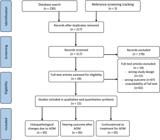
Due to the significant heterogeneity in study designs and non-standardized reporting of results, the included articles were categorized into 3 groups: 1) studies on histopathological changes in the inner ear secondary to AOM17–21 (n = 5); 2) studies investigating the relationship between AOM and hearing outcomes5,7,23–25 (n = 5); and 3) studies evaluating the effects (either hearing or histological outcomes) of the steroid treatment for AOM12,13,16,26,27 (n = 5).
In the first group,17–21 animals' models were used to evaluate the response of the middle and inner ears to AOM. The analysis period following inoculation with AOM pathogens ranged from 24 hours to 28 days. These studies17–20 focused on evaluating the expression of inflammatory mediators and cytokines in the middle and inner ears using various laboratory techniques. One study21 also assessed auditory brainstem response (ABR) threshold shifts in an AOM animal model, comparing the results to those of wild-type control mice.
Group 25,7,23–25 focused on evaluating the hearing sequelae of AOM, and it included 220 subjects. Three of the studies used a healthy control group for comparison;23,24,25 one used the contralateral ear (in cases of unilateral AOM) as a control,5 and one did not include a control group in their analysis.7 The articles in group 312,13,16,26,27 (evaluating the role of steroids in AOM treatment) included a total of 153 rats12,13,16,27 (experimental studies) and 7 humans26 (a clinical study), who received steroids at varying doses. The most commonly used steroid was dexamethasone, a glucocorticoid.
Quality assessment of the six cohort studies5,7,23–26 involving patients was conducted using the Newcastle-Ottawa Scale.22 Four of the studies5,23–25 was classified as "high-quality", while the remaining two7,26 was classified as "low-quality".
Histopathological Changes Due to AOM
Different animal models of AOM were studied, including mice, guinea pigs, and chinchillas. To induce AOM, both Haemophilus influenzae and Streptococcus pneumoniae were used (Table 1).
MacArthur et al.17 suggested that inflammatory interleukins (ILs) were produced locally in the cochlea of animals with AOM. It has been shown that some areas of the cochlea, such as the spiral ligament (SL) and the lateral wall, contain fibrocytes that play a role in the production of cytokines upon stimulation by bacterial components through receptors of the toll-like receptor (TLR) 2 (TLR2), 4 (TLR4), and 9 (TLR9) genes.17 Ghaheri et al.18 and Trune et al.19 demonstrated that tissues within the cochlea, particularly the SL of the lateral wall, can express cytokine messenger RNA (mRNA), leading to local cytokine production. The increase in local cytokine levels initiates and amplifies the intracochlear immune response.18,19
Sensorineural hearing loss secondary to AOM can also be related to structural cell damage caused by free radicals. The presence of an inflammatory process may disrupt the homeostasis of the myeloperoxidase-catalyzed system, which is responsible for supplying energy to the inner ear, leading to the accumulation of reactive oxygen species and subsequent degeneration of cellular structures within the scala media. In the organ of Corti, it appears that the degeneration of supporting cells precedes damage to the cochlear sensory cells.20
Tsuprun et al.,21 in animals treated with wild-type S. pneumoniae and the pneumococcal surface protein A (PspA) and pneumolysin (Ply) strains, observed mild hearing loss and slight structural changes in the stria vascularis (SV), suggesting that the pneumococcal PspA and Ply proteins may contribute to the damage to the SV that results in SNHL. Additionally, moderate SNHL has been reported after the application of IL-1β and IL-8 onto the round window membrane (RWM) of rats, with no morphologic changes observed in the cochlea.21
Hearing Loss Secondary to AOM
In the studies in group 2,5,7,23–25 comprising a total of 220 patients, the subjects were followed-up for different periods of time (Table 2), and all studies used at least standard tonal audiometry to measure the outcomes.
Using conventional tonal and speech audiometry, Kasemodel et al,23 showed increased bone- and air-conduction thresholds among patients with AOM as compared to healthy patients, providing evidence of sensorineural hearing damage. Similarly, Park et al.7 showed persistent SNHL secondary to AOM in 9.3% of the ears affected by AOM, and some of the patients with AOM-associated hearing loss later developed tinnitus. By also analyzing HF audiometry, Cordeiro et al.5 further demonstrated that the extended HF hearing thresholds were still higher as compared with controls after 6 months of AOM.
Regarding long-term sequelae, Ryding et al.24 and Krakau et al.,25 who also performed standard and HF audiometry, demonstrated that the HF thresholds of patients with a history of AOM were significantly higher than those of non-affected patients after 10 and 30 years respectively. Transient click-evoked otoacoustic emissions were performed by Ryding et al.,24 who identified that the wave thresholds in both ears were significantly weaker in the recurrent AOM group as compared to the controls in the frequency bands of 4 and 5 kHz.
None of these articles identified the pathogen involved in AOM-associated SNHL.
Prevention of AOM-related SNHL or Ear Damage Using Steroids
The studies evaluating the role of steroids in the prevention of inner-ear damage and hearing loss included experimental protocols12,13,16,27 (153 mice/rats) and a clinical evaluation26 (7 humans) (Table 3). In the experimental studies, the three most common pathogens (S. pneumoniae, Moraxella catarrhalis, and H. influenzae) were used to induce AOM. The selected studies did not standardize the type, dose, or administration method for the steroid treatment, and the results were evaluated through audiologic tests, histopathological methods, and cochlear blood flow (CBF) analysis.
Using electron microscopy, Sone et al.12 found minimal abnormalities in the groups treated with dexamethasone or nitric oxide 30 minutes after middle-ear inoculation of endotoxin, while animals treated with phosphate-buffered saline showed further signs of stria vascularis degeneration (enlargement of intercellular spaces in the intermediate cells).
Jang et al.27 compared intratympanic saline solution and intratympanic dexamethasone in AOM-induced animals. Tests performed 24 hours after AOM induction showed complete recovery of the ABR audiometry threshold in the steroid-treated group, as well as an increase in cochlear blood flow in comparison to the controls.
After inducing unilateral AOM, Park and Yeo16 divided 27 rats into 3 groups: 1) rats that were not treated; 2) those that received intramuscular antibiotics; and 3) animals that received both intramuscular antibiotics and steroids (daily for 5 days). Although the antibiotic-treated group showed a beneficial effect on the mucosal changes, more pronounced and obvious effects on the inflammatory response were observed in the group that received both drugs, including the preventive effect of mucosal metaplasia to secretory epithelium which are related to an increased risk of recurrent AOM and OM with effusion.
MacArthur et al.13 compared the effects of mineralocorticoids (improvement in fluid homeostasis) and glucocorticoids (causing immune suppression) in the inner ear response. Both treatments were generally similar in reducing middle- and inner-ear inflammation. Post-hoc comparisons showed that both classes of steroids were effective in reducing the number of inflammatory cells by day 5.
Heywood et al.,26 who the only clinical study, included patients with unilateral AOM who developed SNHL despite a 7-day course of oral antibiotics. After placement of a Sheppard ventilation tube, topical steroids were administrated (3 intratympanic injections of methylprednisolone 40 mg/mL followed by dexamethasone drops at 0.1% 4 times a day for 1 week). Four out of 7 patients improved their thresholds either in their pure-tone average or in the HFs (4 and 8kHz). The variables associated with a prognosis of good hearing recovery were patients who had mild SNHL affecting exclusively the HFs and patients who received antibiotics within the acute phase of AOM. Nevertheless, patients presenting with more severe hearing loss affecting all audiometric frequencies and those who presented with persistent hearing loss after AOM resolution had a worse prognosis for hearing recovery.
Discussion
One of the many complications that can arise from AOM, SNHL results in the highest long-term burden. In a pilot cost-of-illness study on the long-term complications/sequelae of AOM,28 the group that presented permanent SNHL had the highest mean cost. Unfortunately, no clinical treatment has been proven effective in the prevention or treatment of AOM-associated SNHL; therefore, treatments that could prevent these sequelae are highly warranted. There is a lack of high-quality evidence to support the prevention of AOM-related SNHL. Clinical practice guidelines29,30 and Cochrane systematic reviews31 do not endorse the use of steroids for the treatment of AOM. However, these guidelines and reviews have evaluated the use of steroids for AOM resolution without considering the risk of SNHL in the equation.
Inflammatory mediators and bacterial toxins can translocate to the inner ear through RWM, resulting in intracochlear production of ILs and inflammation. The lateral wall structures are important for ion homeostasis; inflammation can affect potassium (K +) transport and its recycling into endolymph, resulting in hearing loss. Inflammation can also affect the tight junctions of endothelial cell that are necessary for preservation of the blood-labyrinth barrier.19 Paparella et al.32 and Ferster et al.33 have also reported that OM can result in SEH from a variety of mechanisms, including pressure variations in the middle ear, RWM mobility alterations, or by the resulting intracochlear inflammatory process itself. The RWM seems to be the main route for the passage of inflammatory mediators and products to the inner ear;34 however, other routes might also be involved in this process (such as the oval window and middle-ear vessels).35 It is not possible to predict exactly when the damage to the inner ear begins, but inflammatory aspects were already observed 24 hours after inoculation by immunohistochemistry.17,19
Acute otitis media leads to rapid cytokine production in the middle and inner ears – including IL-1α, IL-1β, and IL-6, tumor necrosis factor, and bone morphogenetic protein – that begins within 24 hours, peaks around 72 hours, and tends to decline thereafter.17–19 During the peak of inflammation, cytokines involved in inflammatory response and tissue remodeling are upregulated.18 These studies demonstrated that cytokines are locally produced by structures within the lateral wall and the organ of Corti,17–19,20 and are not solely the result of passive translocation through the RWM.36 Furthermore, studies20,21 have revealed significant threshold shifts 48 hours and 28 days after bacterial inoculation, which were not attributable to conductive hearing loss, demonstrating transient and permanent SNHL secondary to AOM.
We hypothesize that, although the production of proinflammatory cytokines may reduce the risk of labyrinthitis and propagation of the infection to the central nervous system, it could, in turn, increase the chances of inflammatory lesions to the cochlear sensory epithelium.
Five clinical studies have focused on evaluating short- and long-term hearing sequelae secondary to AOM. Hearing loss in patients with AOM during the acute phase of the disease has been observed,23 and although it could be argued that this threshold shift might be temporary and secondary to the active inflammatory process, robust evidence suggests otherwise. Permanent hearing loss affecting the extended HFs has also been observed 6 months after AOM resolution,5 similar to a case report published by Margolis and Nelson.37 High-frequency thresholds were significantly elevated among patients with a history of recurrent OM, long after the acute disease.24,25 Collectively, these results clearly demonstrate that the inner ear suffers not only early functional damage (most likely inflammatory) during the AOM episode but also permanent structural damage. Although the clinical significance of such extended HF hearing loss is still not fully understood, studies38,39 suggest that it is associated with tinnitus, deterioration of musical tone perception, and difficulties in sound localization and speech perception, potentially resulting in academic underachievement.
Hydén et al.40 studied patients (n = 20) with AOM presenting with inner-ear complications and/or facial palsy. Since their focus was on the infectious agent, their study was not included in the present review, but the presence of SNHL in this scenario is noteworthy. Among the 15 patients with hearing loss, 5 had severe loss across the entire frequency range, 6 had loss in the mid and high frequencies, and 4 had HF loss.
Only 5 studies12,13,16,26,27 have evaluated the use of steroids to treat or prevent SNHL secondary to AOM, including one clinical26 and four experimental studies.12,13,16,27 The only clinical study26 advocating for the use of steroids has several shortcomings: the sample was very small, preventing a precise statistical analysis. Furthermore, the steroid regimen did not appear to follow the current recommendations from similar protocols, and there was significant heterogeneity in age and in the time elapsed between the onset of AOM symptoms and steroid treatment. Therefore, the results must be interpreted with caution. The experimental studies13,27,41 unanimously corroborated the effectiveness of steroids in reducing middle- and inner-ear inflammatory cytokines, inflammation, and cochlear structural damage. Considering that steroids can effectively reduce the expression of inflammatory genes, they appear to be promising candidates to reduce AOM-related SNHL in a clinical setting, provided their safety and cost-effectiveness are confirmed. Moreover, structures within the scala media (SV, SL, and inner/outer hair cells) and spiral ganglion neurons possess steroid receptors.41
Based on the data we have gathered, steroids appear to be a promising therapy for the prevention of AOM-associated SNHL. Several pathophysiological mechanisms identified in these studies can be adequately reversed or mitigated by steroid treatment, resulting in improved hearing outcomes and a lower risk of cochlear structural damage. Although steroids can theoretically be used in such cases, three critical questions remain unanswered by the current evidence. First: which patients are at risk of developing inner-ear sequelae secondary to AOM? Second: are the risks associated with steroid use outweighed by their potential benefits in these cases? Third: if indicated, how soon should steroid treatment be administrated? These are unresolved questions that should be further explored through experimental studies, as well as randomized, controlled, double-blinded clinical trials.
The small number of studies dedicated to evaluating SNHL secondary to AOM and steroid treatment or prevention, along with the high methodological heterogeneity among them, did not enable us to perform a meta-analysis of the outcomes. We could not restrict our research specifically to the pediatric population, as there are not enough studies; however, there is no reason to believe that these results could not apply to this group. Therefore, there is insufficient evidence to either support or dismiss the use of steroids in this specific population. Despite these limitations, our results suggest that steroids represent a promising therapeutic strategy to prevent SNHL being secondary to AOM. Studies on this topic are critically needed to evaluate their efficacy and safety before they can be translated into clinical practice. Since the pediatric population was not evaluated in any of the included studies, we cannot formally advocate for the use of steroids in children; however, the risk-benefit ratio should be carefully considered.
Conclusion
Acute otitis media can lead to inner-ear damage through different pathophysiological pathways, potentially resulting in SNHL or elevated HF thresholds, which may be associated with tinnitus or difficulties in speech perception. Further exploration clinical and experimental studies are warranted before the use of steroids for AOM-associated SNHL can be translated into the clinical practice.
Data Availability
Data will be available upon request to the corresponding author.
References
-
1 Suzuki HG, Dewez JE, Nijman RG, Yeung S. Clinical practice guidelines for acute otitis media in children: a systematic review and appraisal of European national guidelines. BMJ Open 2020;10(05):e035343. Doi: 10.1136/bmjopen-2019-035343
» https://doi.org/10.1136/bmjopen-2019-035343 -
2 Pontefract B, Nevers M, Fleming-Dutra KE, Hersh A, Samore M, Madaras-Kelly K. Diagnosis and Antibiotic Management of Otitis Media and Otitis Externa in United States Veterans. Open Forum Infect Dis 2019;6(11):ofz432. Doi: 10.1093/ofid/ofz432
» https://doi.org/10.1093/ofid/ofz432 -
3 Rijk MH, Hullegie S, Schilder AGM, Kortekaas MF, Damoiseaux RAMJ, Verheij TJM, Venekamp RP. Incidence and management of acute otitis media in adults: a primary care-based cohort study. Fam Pract 2021;38(04):448–453. Doi: 10.1093/fampra/cmaa150
» https://doi.org/10.1093/fampra/cmaa150 -
4 Mattos JL, Colman KL, Casselbrant ML, Chi DH. Intratemporal and intracranial complications of acute otitis media in a pediatric population. Int J Pediatr Otorhinolaryngol 2014;78(12):2161–2164. Doi: 10.1016/j.ijporl.2014.09.032
» https://doi.org/10.1016/j.ijporl.2014.09.032 -
5 Cordeiro FP, Monsanto RdC, Kasemodel ALP, Gondra LdA, Penido NdO. Extended high-frequency hearing loss following the first episode of otitis media. Laryngoscope 2018;128(12):2879–2884. Doi: 10.1002/lary.27309
» https://doi.org/10.1002/lary.27309 -
6 Hunter LL, Margolis RH, Rykken JR, Le CT, Daly KA, Giebink GS. High frequency hearing loss associated with otitis media. Ear Hear 1996;17(01):1–11. Doi: 10.1097/00003446-199602000-00001
» https://doi.org/10.1097/00003446-199602000-00001 -
7 Park JH, Park SJ, Kim YH, Park MH. Sensorineural hearing loss: a complication of acute otitis media in adults. Eur Arch Otorhinolaryngol 2014;271(07):1879–1884. Doi: 10.1007/s00405-0132675-x
» https://doi.org/10.1007/s00405-013-2675-x -
8 Paparella MM, Oda M, Hiraide F, Brady D. Pathology of sensorineural hearing loss in otitis media. Ann Otol Rhinol Laryngol 1972;81(05):632–647. Doi: 10.1177/000348947208100503
» https://doi.org/10.1177/000348947208100503 -
9 Aarhus L, Tambs K, Kvestad E, Engdahl B. Childhood Otitis Media: A Cohort Study With 30-Year Follow-Up of Hearing (The HUNT Study). Ear Hear 2015;36(03):302–308. Doi: 10.1097/AUD.0000000000000118
» https://doi.org/10.1097/AUD.0000000000000118 -
10 Aarhus L, Tambs K, Hoffman HJ, Engdahl B. Childhood otitis media is associated with dizziness in adulthood: the HUNT cohort study. Eur Arch Otorhinolaryngol 2016;273(08):2047–2054. Doi: 10.1007/s00405-015-3764-9
» https://doi.org/10.1007/s00405-015-3764-9 - 11 Gaddey HL, Wright MT, Nelson TN. Otitis Media: Rapid Evidence Review. Am Fam Physician 2019;100(06):350–356
-
12 Sone M, Hayashi H, Yamamoto H, Tominaga M, Nakashima T. A comparative study of intratympanic steroid and NO synthase inhibitor for treatment of cochlear lateral wall damage due to acute otitis media. Eur J Pharmacol 2003;482(1-3):313–318. Doi: 10.1016/j.ejphar.2003.09.051
» https://doi.org/10.1016/j.ejphar.2003.09.051 -
13 MacArthur CJ, DeGagne JM, Kempton JB, Trune DR. Steroid control of acute middle ear inflammation in a mouse model. Arch Otolaryngol Head Neck Surg 2009;135(05):453–457. Doi: 10.1001/archoto.2009.23
» https://doi.org/10.1001/archoto.2009.23 -
14 Kerschner JE, Khampang P, Hong W. Dexamethasone modulation of MUC5AC and MUC2 gene expression in a generalized model of middle ear inflammation. Laryngoscope 2016;126(07):E248–E254. Doi: 10.1002/lary.25762
» https://doi.org/10.1002/lary.25762 -
15 McCormick DP, Saeed K, Uchida T, Baldwin CD, Deskin R, Lett-Brown MA, et al. Middle ear fluid histamine and leukotriene B4 in acute otitis media: effect of antihistamine or corticosteroid treatment. Int J Pediatr Otorhinolaryngol 2003;67(03):221–230. Doi: 10.1016/s0165-5876(02)00372-5
» https://doi.org/10.1016/s0165-5876(02)00372-5 -
16 Park SN, Yeo SW. Effects of antibiotics and steroid on middle ear mucosa in rats with experimental acute otitis media. Acta Otolaryngol 2001;121(07):808–812. Doi: 10.1080/00016480152602249
» https://doi.org/10.1080/00016480152602249 -
17 MacArthur CJ, Pillers DAM, Pang J, Kempton JB, Trune DR. Altered expression of middle and inner ear cytokines in mouse otitis media. Laryngoscope 2011;121(02):365–371. Doi: 10.1002/lary.21349
» https://doi.org/10.1002/lary.21349 -
18 Ghaheri BA, Kempton JB, Pillers DAM, Trune DR. Cochlear cytokine gene expression in murine acute otitis media. Laryngoscope 2007; 117(01):22–29. Doi: 10.1097/01.mlg.0000240170.48584.73
» https://doi.org/10.1097/01.mlg.0000240170.48584.73 -
19 Trune DR, Kempton B, Hausman FA, Larrain BE, MacArthur CJ. Correlative mRNA and protein expression of middle and inner ear inflammatory cytokines during mouse acute otitis media. Hear Res 2015;326:49–58. Doi: 10.1016/j.heares.2015.04.006
» https://doi.org/10.1016/j.heares.2015.04.006 -
20 Watanabe K, Jinnouchi K, Pawankar R, Yagi T. Expression of myeloperoxidase and cochlear dysfunction in the lipopolysaccharide-treated guinea pig. Eur Arch Otorhinolaryngol 2001;258(04):164–167. Doi: 10.1007/s004050100335
» https://doi.org/10.1007/s004050100335 -
21 Tsuprun V, Cureoglu S, Schachern PA, Ferrieri P, Briles DE, Paparella MM, Juhn SK. Role of pneumococcal proteins in sensorineural hearing loss due to otitis media. Otol Neurotol 2008;29(08):1056–1060. Doi: 10.1097/MAO.0b013e31818af3ad
» https://doi.org/10.1097/MAO.0b013e31818af3ad -
22 Gierisch JM, Beadles C, Shapiro A, McDuffie JR, Cunningham N, Bradford D, et al. Appendix B: Newcastle-Ottawa Scale Coding Manual for Cohort Studies. In: Gierisch JM, Beadles C, Shapiro A, McDuffie JR, Cunningham N, Bradford D, et al. Health Disparities in Quality Indicators of Healthcare among Adults with Mental Illness. Washington, DC: Department of Veterans Affairs; 2014. Available from: https://www.ncbi.nlm.nih.gov/books/NBK299087/
» https://www.ncbi.nlm.nih.gov/books/NBK299087/ -
23 Kasemodel ALP, Costa LEM, Monsanto RDC, Tomaz A, Penido NO. Sensorineural hearing loss in the acute phase of a single episode of acute otitis media. Braz J Otorhinolaryngol 2020;86(06):767–773. Doi: 10.1016/j.bjorl.2019.06.001
» https://doi.org/10.1016/j.bjorl.2019.06.001 -
24 Ryding M, Konradsson K, Kalm O, Prellner K. Auditory consequences of recurrent acute purulent otitis media. Ann Otol Rhinol Laryngol 2002;111(3 Pt 1):261–266. Doi: 10.1177/000348940211100311
» https://doi.org/10.1177/000348940211100311 -
25 Krakau M, Dagöö BR, Hellström S, Granath A. Long-term hearing outcomes after recurrent acute otitis media during early childhood. Acta Otolaryngol 2017;137(12):1238–1243. Doi: 10.1080/00016489.2017.1362111
» https://doi.org/10.1080/00016489.2017.1362111 -
26 Heywood RL, Ifeacho SN, Narula AA. Effect of intratympanic steroid administration on sensorineural hearing loss associated with acute otitis media. J Laryngol Rhinol Otol 2016;130(06):532–535. Doi: 10.1017/S0022215116001110
» https://doi.org/10.1017/S0022215116001110 - 27 Jang CH, Cho YB, Choi CH, Park SY, Pak SC. Effect of topical dexamethasone on sensorineural hearing loss in endotoxin-induced otitis media. In Vivo 2007;21(06):1043–1047
- 28 Strens D, Knerer G, Van Vlaenderen I, Dhooge IJM. A pilot cost-ofillness study on long-term complications/sequelae of AOM. B-ENT 2012;8(03):153–165
-
29 Lieberthal AS, Carroll AE, Chonmaitree T, Ganiats TG, Hoberman A, Jackson MA, et al. The diagnosis and management of acute otitis media. Pediatrics 2013;131(03):e964–e999. Doi: 10.1542/peds. 2012-3488
» https://doi.org/10.1542/peds.2012-3488 -
30 Rosenfeld RM, Shin JJ, Schwartz SR, Coggins R, Gagnon L, Hackell JM, et al. Clinical Practice Guideline: Otitis Media with Effusion (Update). Otolaryngol Head Neck Surg 2016;154(1, Suppl) S1–S41. Doi: 10.1177/0194599815623467
» https://doi.org/10.1177/0194599815623467 -
31 Ranakusuma RW, Pitoyo Y, Safitri ED, Thorning S, Beller EM, Sastroasmoro S, Del Mar CB. Systemic corticosteroids for acute otitis media in children. Cochrane Database Syst Rev 2018;3(03):CD012289. Doi: 10.1002/14651858.CD012289.pub2
» https://doi.org/10.1002/14651858.CD012289.pub2 -
32 Paparella MM, Goycoolea MV, Meyerhoff WL, Shea D. Endolymphatic hydrops and otitis media. Laryngoscope 1979;89(01):43–58. Doi: 10.1288/00005537-197901000-00005
» https://doi.org/10.1288/00005537-197901000-00005 -
33 Ferster APO, Cureoglu S, Keskin N, Paparella MM, Isildak H. Secondary Endolymphatic Hydrops. Otol Neurotol 2017;38(05):774–779. Doi: 10.1097/MAO.0000000000001377
» https://doi.org/10.1097/MAO.0000000000001377 -
34 Goycoolea MV. Clinical aspects of round window membrane permeability under normal and pathological conditions. Acta Otolaryngol 2001;121(04):437–447. Doi: 10.1080/000164801300366552
» https://doi.org/10.1080/000164801300366552 -
35 Saijo S, Kimura RS. Distribution of HRP in the inner ear after injection into the middle ear cavity. Acta Otolaryngol 1984;97(56):593–610. Doi: 10.3109/00016488409132937
» https://doi.org/10.3109/00016488409132937 -
36 Engel F, Blatz R, Kellner J, Palmer M, Weller U, Bhadki S. Break down of the round window membrane permeability barrier evoked by streptolysin O: possible etiologic role in development of sensorineural hearing loss in acute otitis media. Infect Immun 1995;63(04):1305–1310. Doi: 10.1128/iai.63.4.1305-1310.1995
» https://doi.org/10.1128/iai.63.4.1305-1310.1995 -
37 Margolis RH, Nelson DA. Acute otitis media with transient sensorineural hearing loss. A case study. Arch Otolaryngol Head Neck Surg 1993;119(06):682–686. Doi: 10.1001/archotol.1993. 01880180102020
» https://doi.org/10.1001/archotol.1993.01880180102020 -
38 Moreno-Gómez FN, Véliz G, Rojas M, Martínez C, Olmedo R, Panussis F, et al. Music Training and Education Slow the Deterioration of Music Perception Produced by Presbycusis in the Elderly. Front Aging Neurosci 2017;9:149. Doi: 10.3389/fnagi.2017.00149
» https://doi.org/10.3389/fnagi.2017.00149 -
39 König O, Schaette R, Kempter R, Gross M. Course of hearing loss and occurrence of tinnitus. Hear Res 2006;221(1-2):59–64. Doi: 10.1016/j.heares.2006.07.007
» https://doi.org/10.1016/j.heares.2006.07.007 -
40 Hydén D, Akerlind B, Peebo M. Inner ear and facial nerve complications of acute otitis media with focus on bacteriology and virology. Acta Otolaryngol 2006;126(05):460–466. Doi: 10.1080/00016480500401043
» https://doi.org/10.1080/00016480500401043 -
41 Trune DR, Canlon B. Corticosteroid therapy for hearing and balance disorders. Anat Rec (Hoboken) 2012;295(11):1928–1943. Doi: 10.1002/ar.22576
» https://doi.org/10.1002/ar.22576
Edited by
-
Editor-in-Chief:
Geraldo Pereira Jotz.