Mismatch Negativity in Children with Deficits in Auditory Abilities
Introduction Mismatch negativity (MMN) represents a negative component of event-related potentials, which is mentioned by guidelines as an important tool to provide measurable data regarding the functionality of the auditory system in acoustic processing. However, the literature still lacks reliable data that can support the clinical use of this potential in the complementary diagnosis of central auditory processing (CAP) disorder (CAPD).
Objectives To analyze whether MMN assessment might be associated with the CAP behavioral test battery, as well as to assess the effects of auditory ability deficits on MMN responses in the pediatric population.
Methods In total, 45 age-matched children participated in the study. They were submitted to the CAP behavior assessment and to MMN. The children were tested with a combination of speech contrast consisting of acoustic syllables [da] versus [ta], governed by the oddball paradigm.
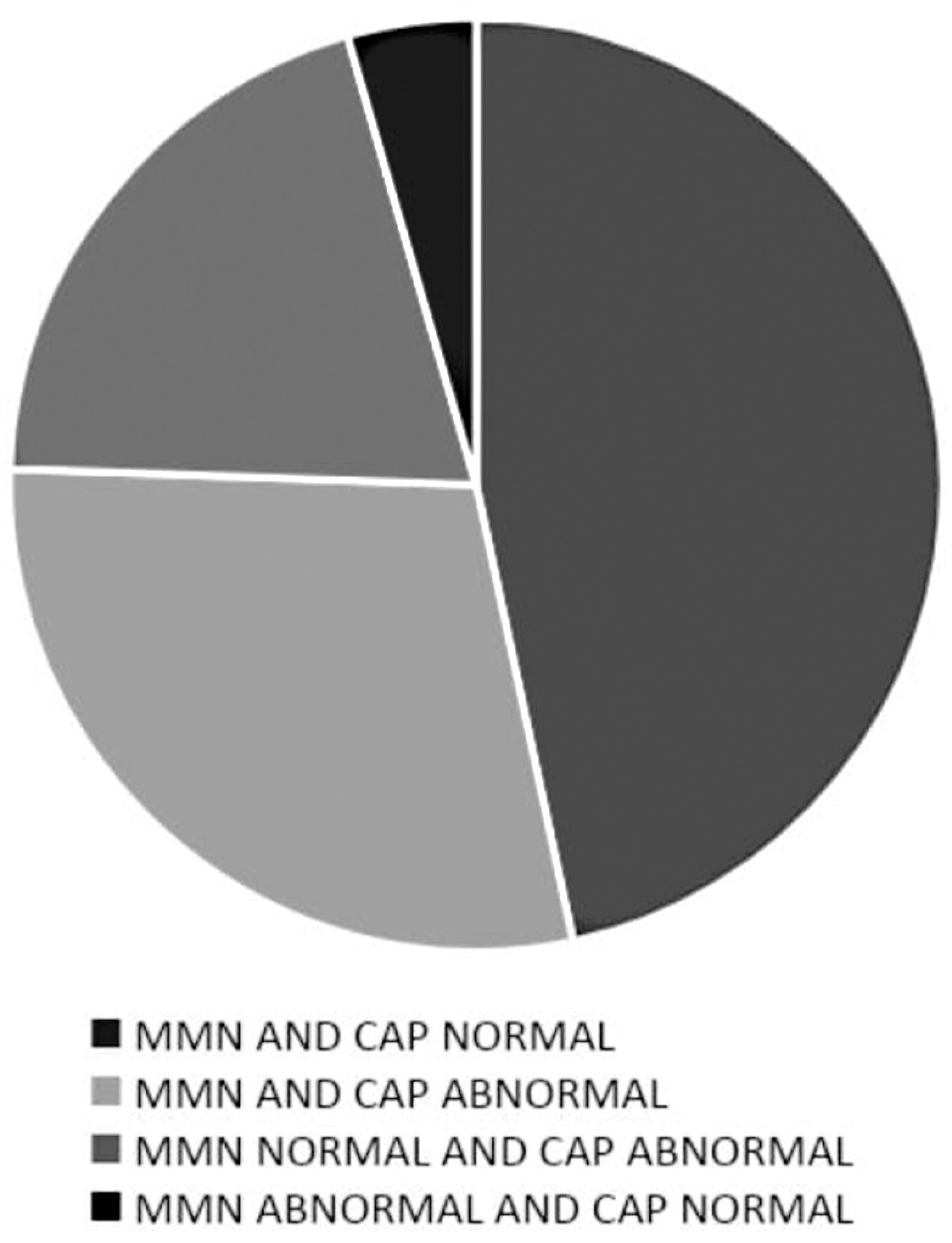
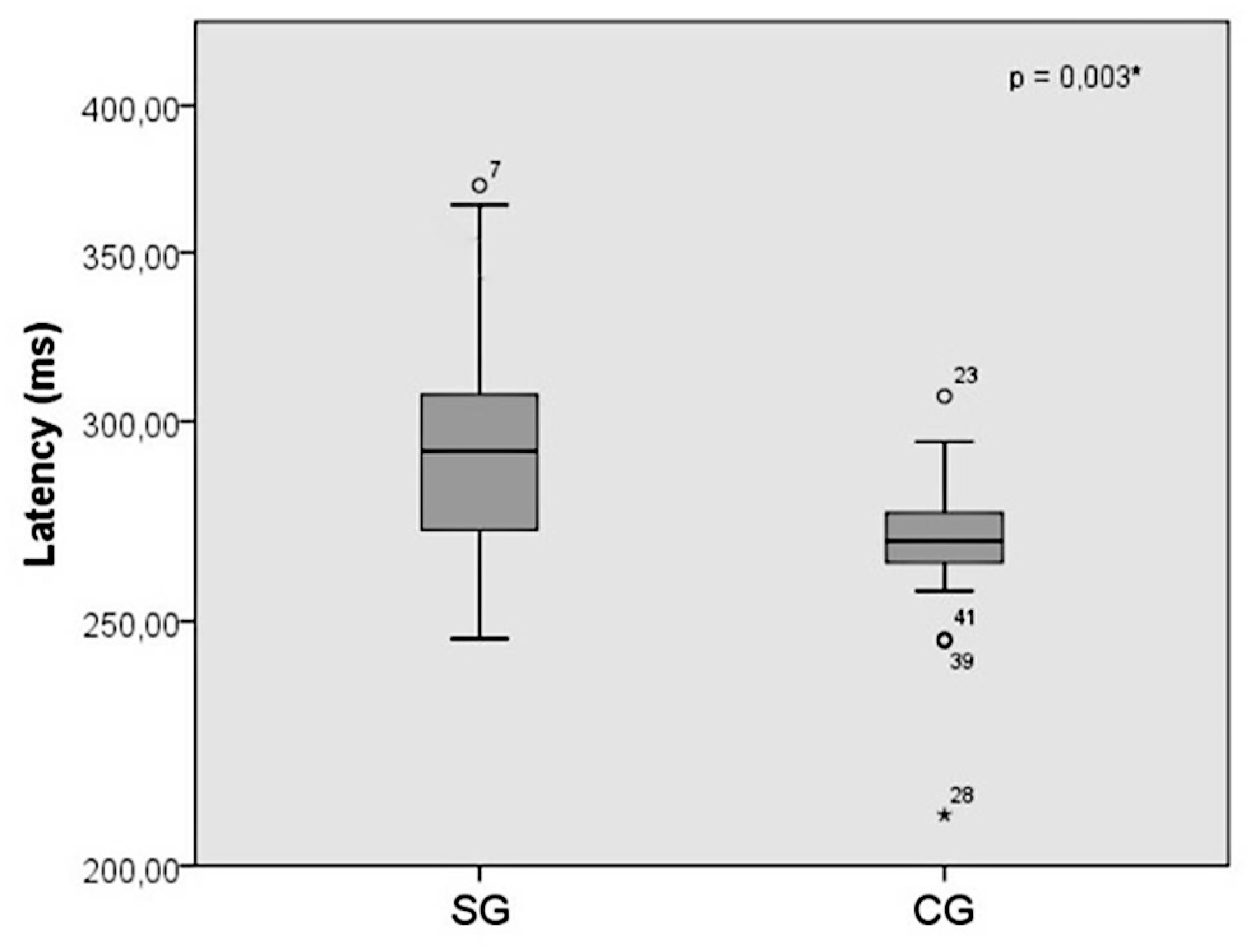
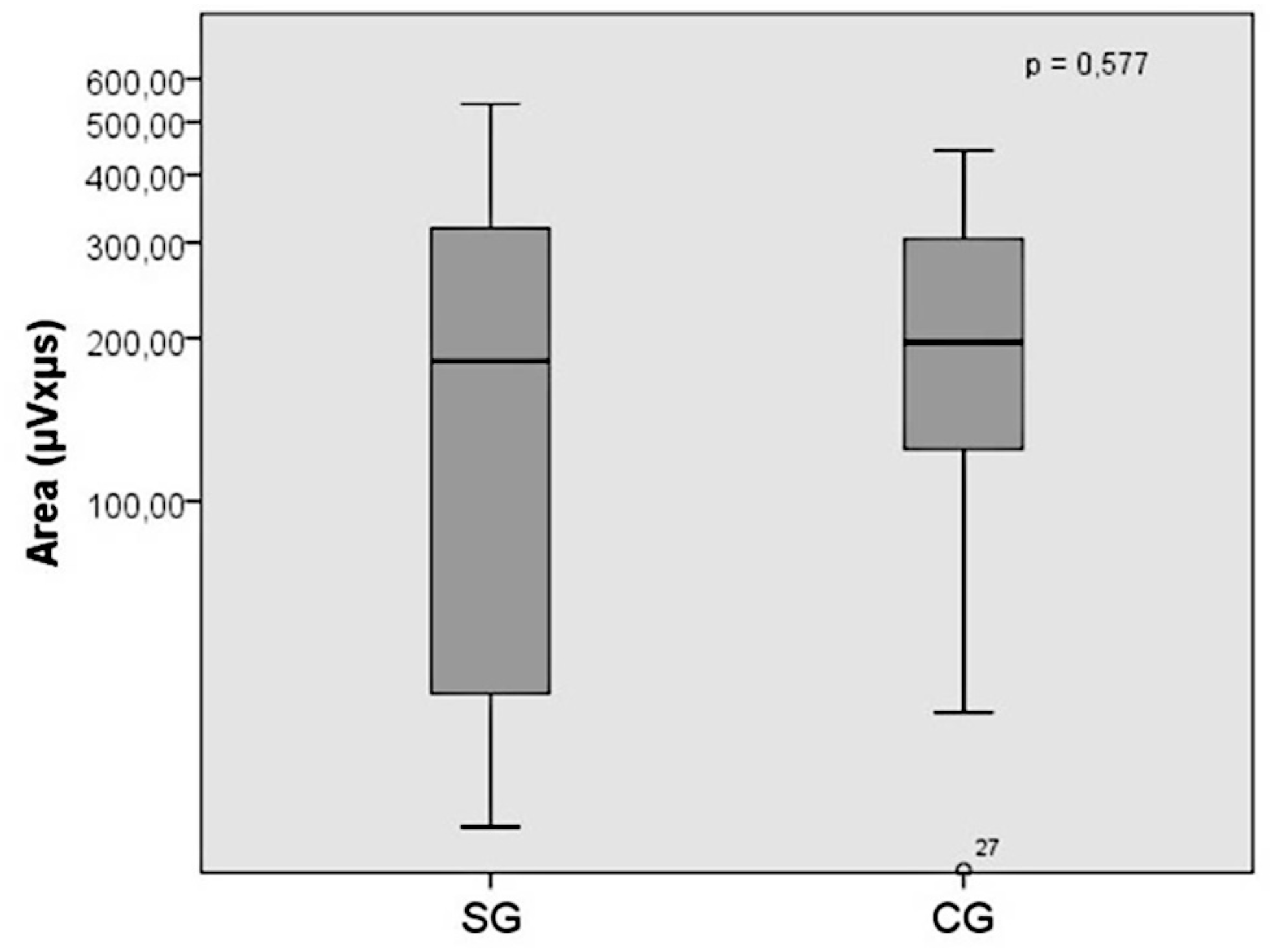
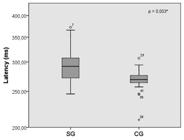
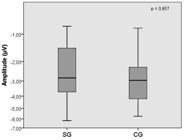
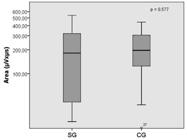
Results Mismatch negativity did not show a direct association with a single test but with the combination of the four tests used as a behavioral test battery to identify CAPD. The results also indicated that the auditory ability deficits influenced the measurement of MMN latency (p = 0.003*), but not the amplitude (p = 0.857) or the area (p = 0.577).
Conclusion Mismatch negativity was shown to be statistically associated with the battery of tests used to identify deficits in auditory abilities in the studied sample rather than with a single behavioral test. The deficits in auditory abilities were observed in the MMN latency. Mismatch negativity can be used to assess children with CAPD.
Keywords
auditory cortex; central auditory processing; central auditory processing disorder; child; auditory evoked potentials
 Thumbnail
 Thumbnail
 Thumbnail
 Thumbnail