 Evaluation of Two Methods for Dyeing Alpaca Fibers Using Synozol Red K3BS and Novacron Navy FN-BN
Abstract
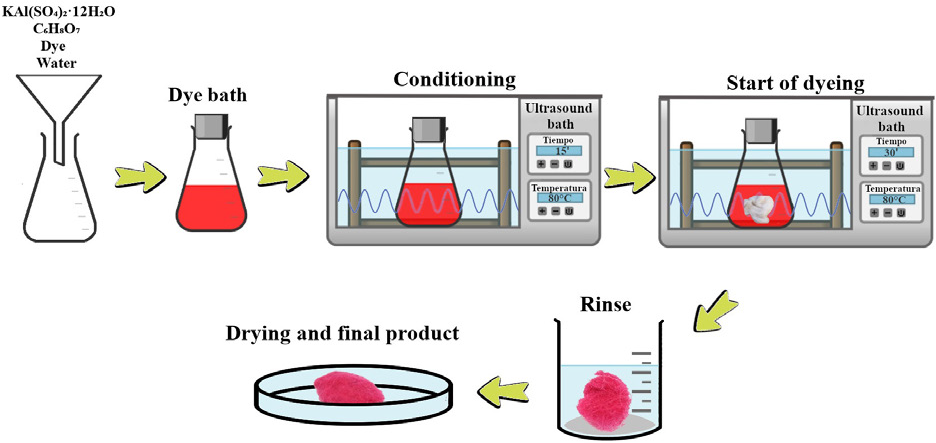
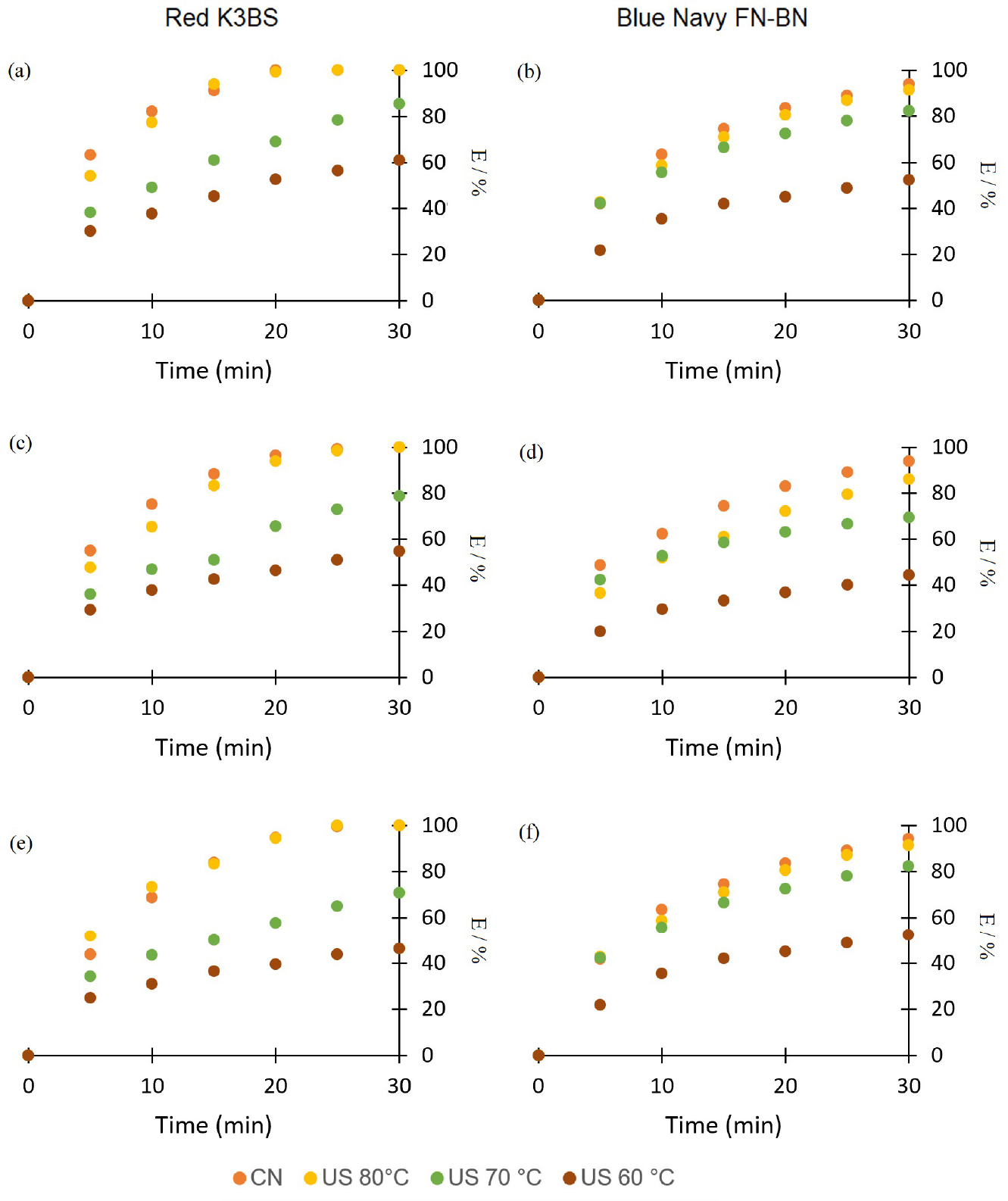
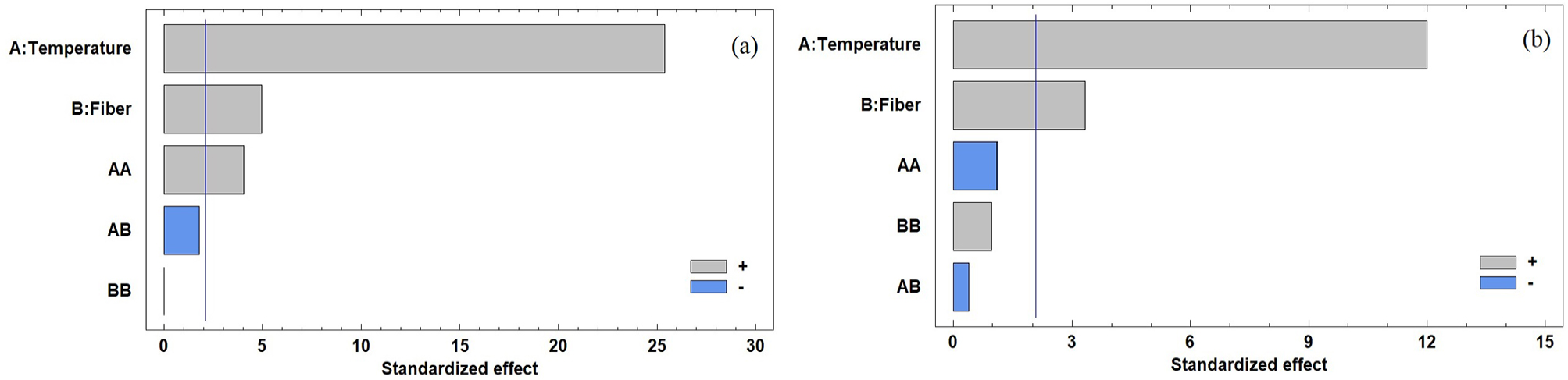
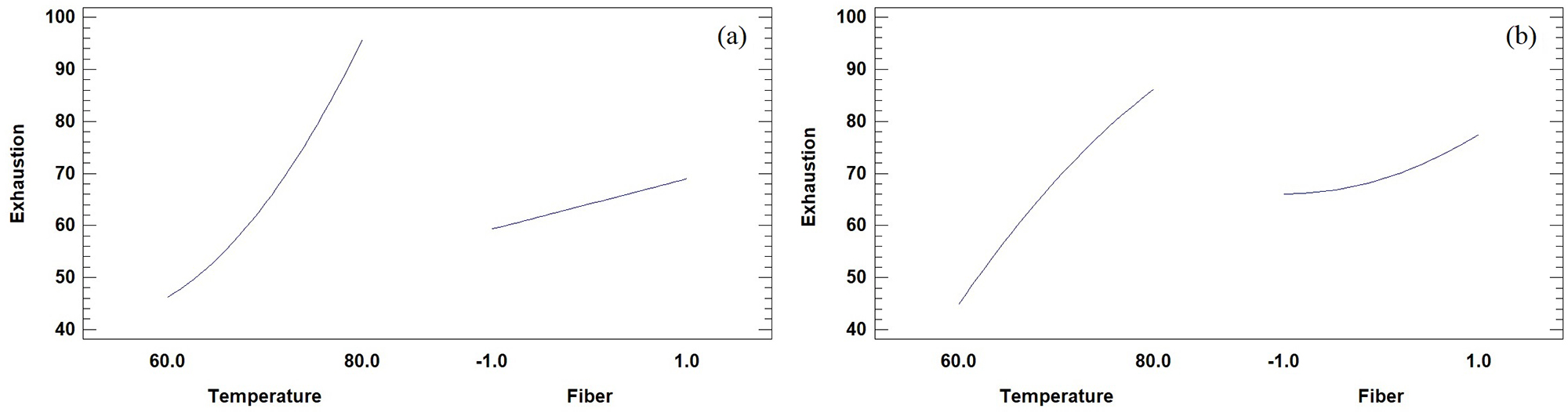
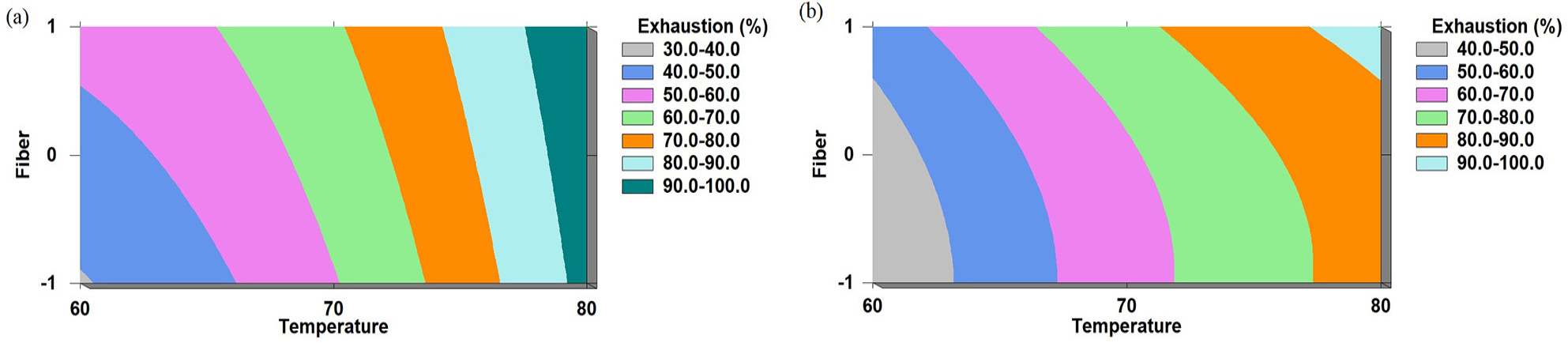
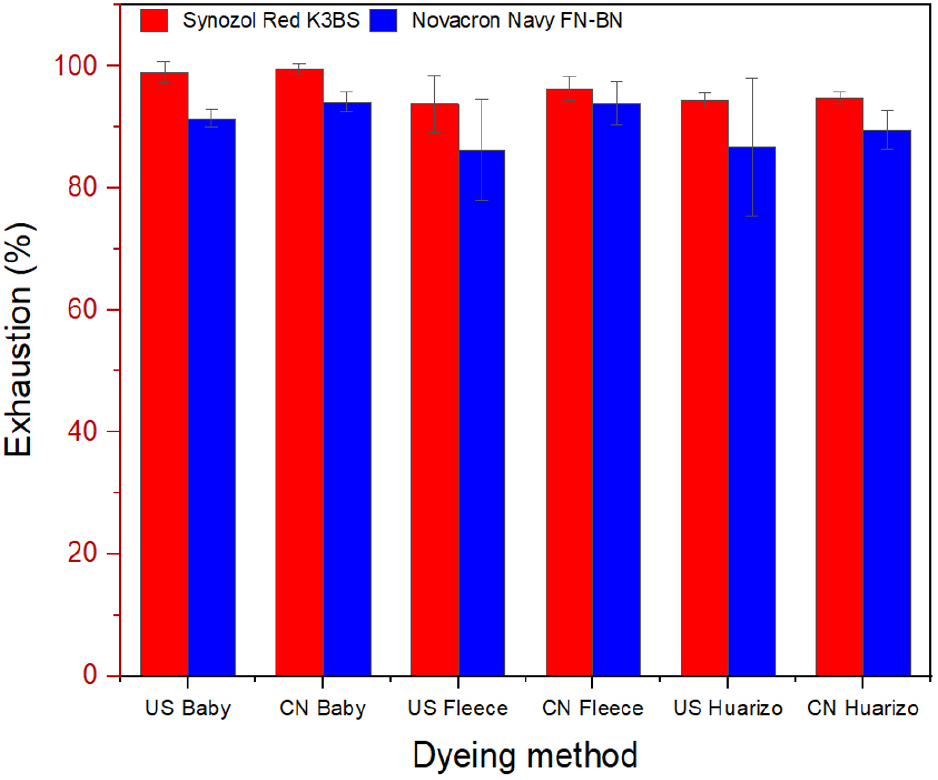
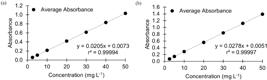
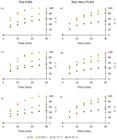
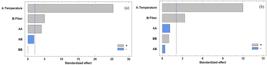
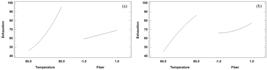
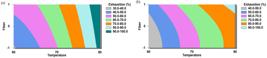
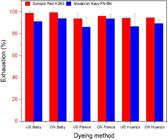
The objective of this research study was to compare the conventional exhaustion method (CN) and the ultrasound-assisted depletion method (US) in the dyeing of alpaca fibers with azo textile dyes Synozol Red K3BS and Novacron Navy FN-BN. The analytical method was validated by UV-Vis spectroscopy, which demonstrated adequate linearity and sensitivity. To optimize US, a 32 factorial design was carried out with temperature factors of 60, 70 and 80 °C, using Baby alpaca, Fleece and Huarizo fibers, which determined that Baby dyeing at 80 °C maximizes exhaustion of the dyes. These parameters were used to compare US with CN using the F-test and t-test, which indicated no statistically significant difference the depletion of the dyes in both methods. Different color fastness tests were performed in both methods using digital images. The paired t-test was also performed, resulting in a p-value greater than 0.05, which shows that US does not compromise the color fastness of the fibers.
Keywords:
alpaca fiber; conventional depletion; color fastness; dye
 Thumbnail
 Thumbnail
 Thumbnail
 Thumbnail
 Thumbnail
 Thumbnail
 Thumbnail