 The Control of the Adsorption of Doxorubicin on Gold Surfaces Tracked by Surface-Enhanced Raman Scattering Spectroscopy
Abstract
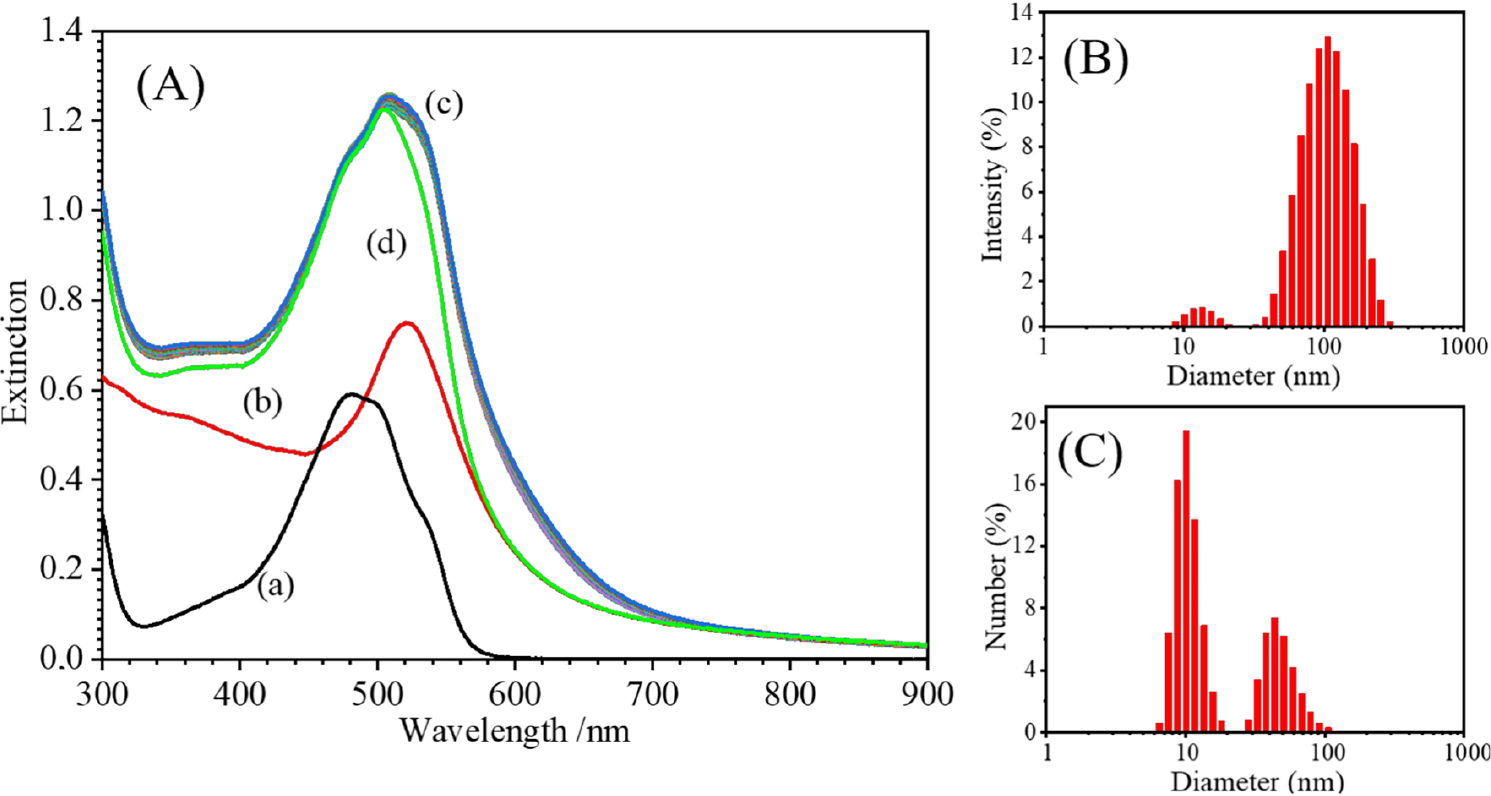
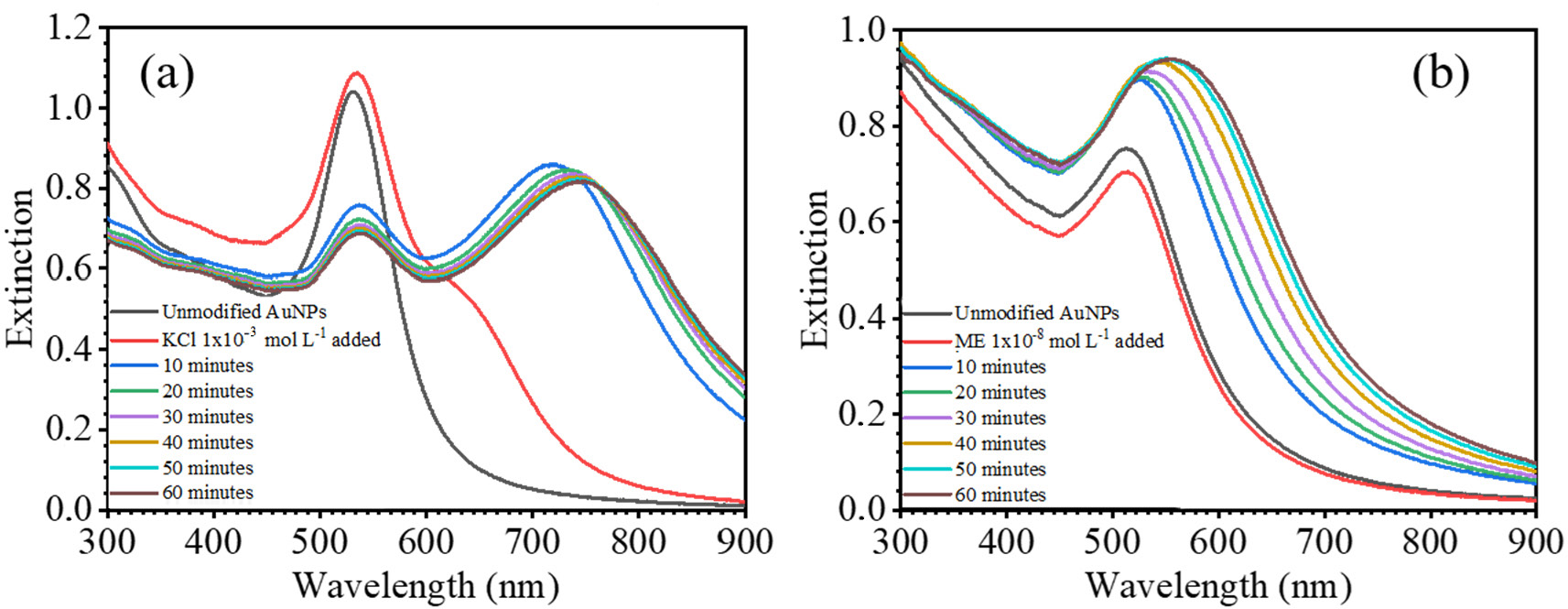
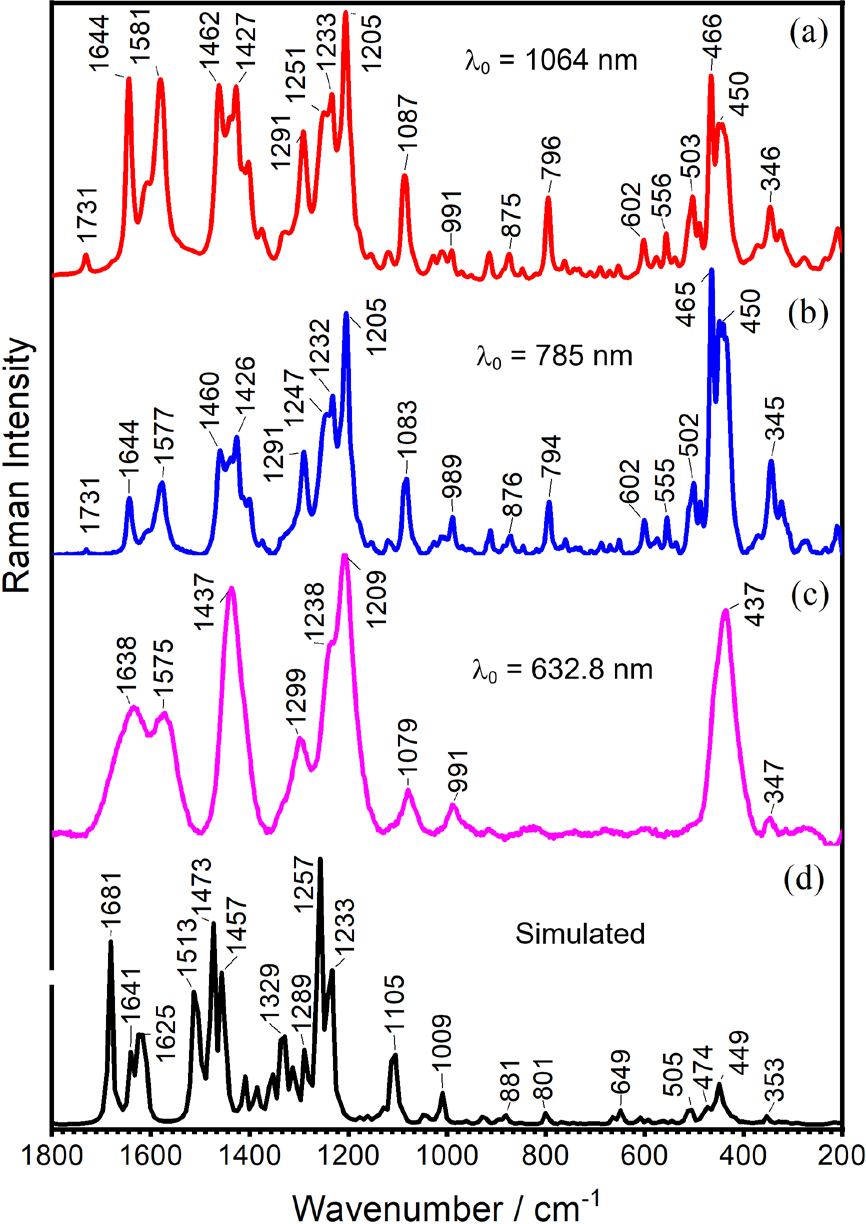
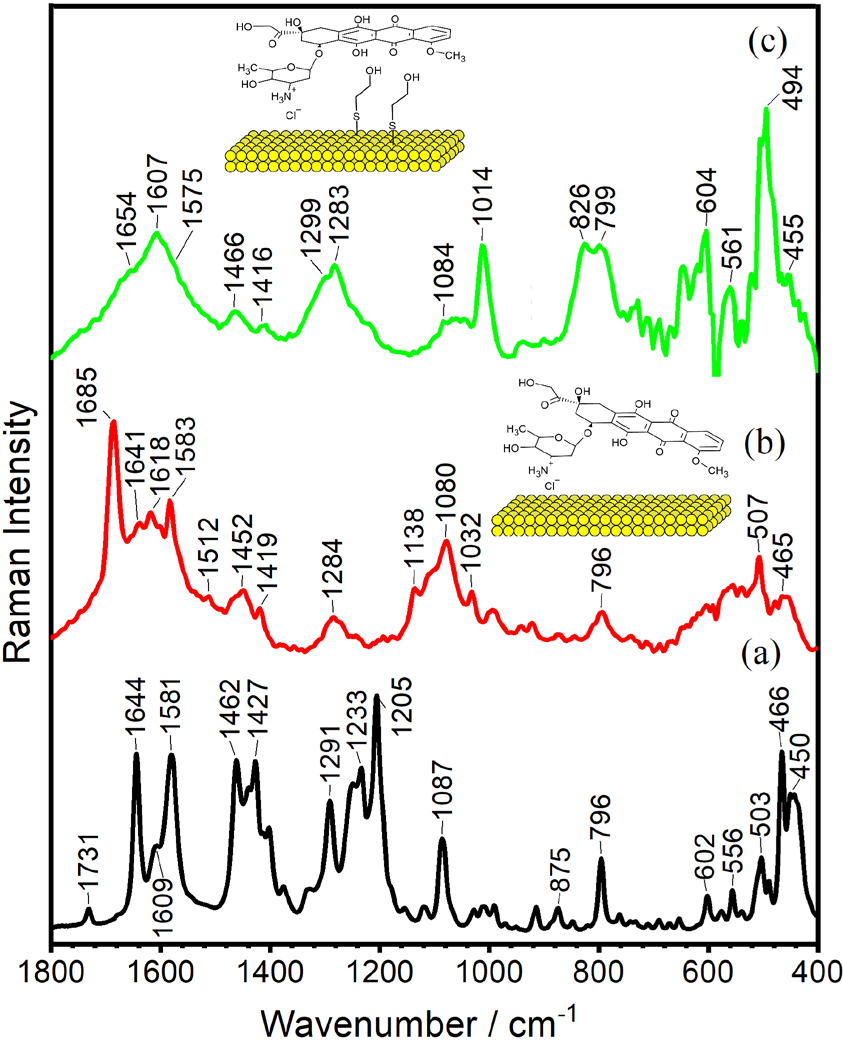
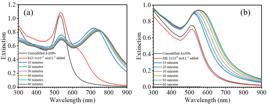
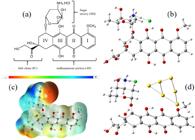
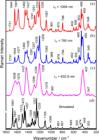
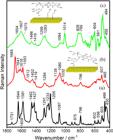
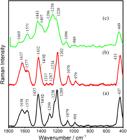
Doxorubicin (DOX) is a drug used in the treatment of several neoplasms, but known for strong side effects, including dysfunctions in heart, bone marrow and liver. These effects have been overcome through its use in drug delivery systems, as gold nanoparticles (AuNP). Seeking to understand such complex interactions, surface-enhanced Raman scattering (SERS) spectroscopy was used to study the control of the adsorption of DOX on Au surfaces provided by chemical modifications with chloride ions and 2-mercaptoethanol (ME). The optimal adsorption kinetics was determined by UV-Vis-NIR spectroscopy to preclude aggregation processes and to maximize the localized surface plasmon resonance (LSPR) with the excitation lines for SERS analysis. The vibrational assignment of Raman and SERS spectra were done with the support of Density Functional Theory (DFT) calculation, allowing the proposition of adsorption geometries of the drug on the metallic surfaces.
Keywords:
plasmonic; quantum calculation; cancer; adsorption control; nanodevice
 Thumbnail
 Thumbnail
 Thumbnail
 Thumbnail
 Thumbnail
 Thumbnail