Prevalence of depressive symptoms in patients with chronic kidney disease on hemodialysis
Objective The present study evaluated the prevalence of depression in patients with chronic kidney disease undergoing hemodialysis treatment.
Methods This cross-sectional, descriptive, and quantitative study was conducted in a medium-sized dialysis center in Belém, Pará. The sample was calculated with 40 patients, following predefined inclusion and exclusion criteria. Sociodemographic and clinical data were collected through questionnaires, and depression was assessed using the Beck Depression Inventory. The study was approved by the institutional ethics committee.
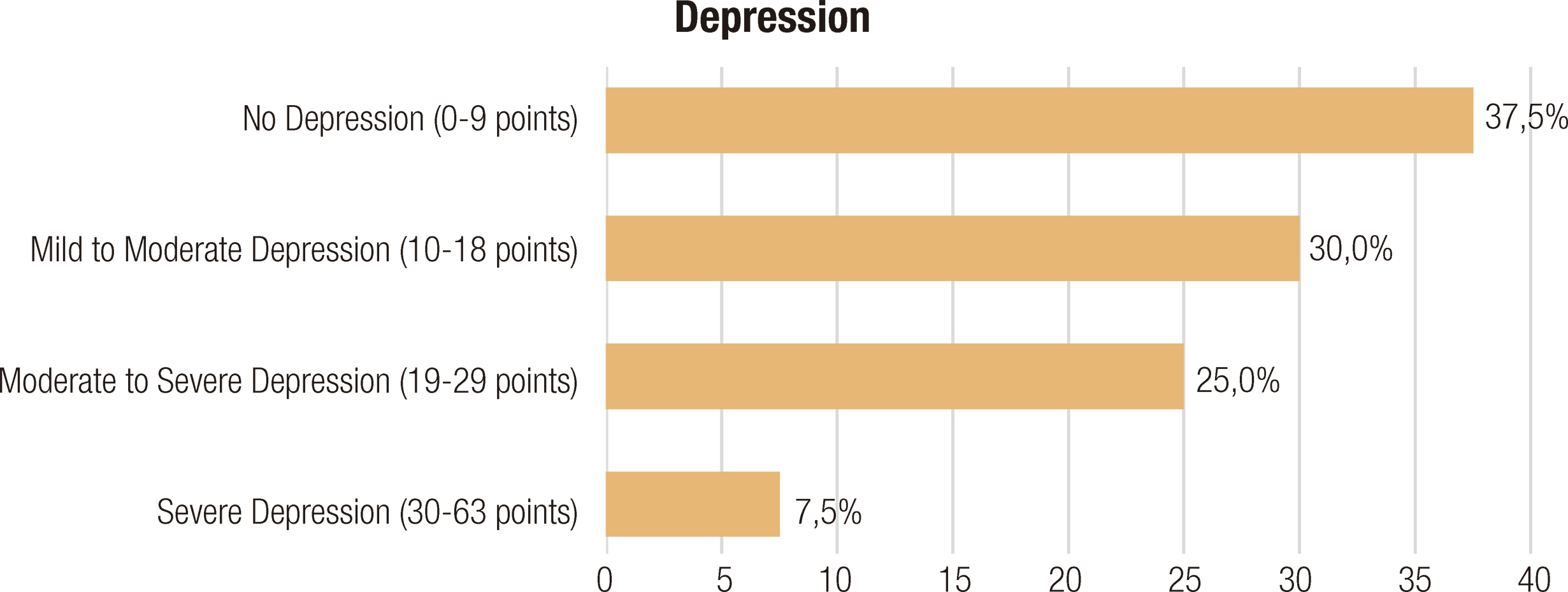
Results The study included 40 patients, with 55% male and 52.5% aged 40-59. Most had completed or partially completed high school, were single, and 42.5% had a monthly income of one minimum wage. The main comorbidities were hypertension (62.5%) and diabetes (32.5%). 62.5% of the patients showed some level of depressive symptoms, while 37.5% had no depressive signs. Most associated the onset of depression with the start of hemodialysis. No significant differences were found between those who underwent psychotherapy and those who didn’t. Patients in the public healthcare system scored higher in certain depressive domains.
Conclusion The presence of depressive symptoms in hemodialysis patients is linked to treatment burdens and life losses, highlighting the need for comprehensive, multidisciplinary care to improve their quality of life.
Renal Insufficiency Chronic; Renal Dialysis; Depression; Mental Health; Quality of Life
 Thumbnail