 Development of a Synthetic Simulator for Training in Transanal Minimally Invasive Surgery (TAMIS)
Abstract
Transanal minimally invasive surgery (TAMIS) represents a significant advancement in the local excision of rectal neoplasms, yet its adoption is hindered by a demanding learning curve characterized by instrument crowding and restricted triangulation. Traditional training models, such as cadaveric or animal workshops, are often limited by high costs and ethical constraints. The present study describes the development and technical validation of a synthetic simulator for TAMIS training using an elastomeric pelvic mannequin. Unlike models requiring active CO2 insufflation, this simulator ensures self-sustaining lumen patency due to the material's resilience, effectively mimicking the middle and upper rectum in a benchtop setting. The experimental setup utilized a standard single-access port (GelPoint Path, Applied Medical) lubricated with lidocaine gel and a 10-mm 30-degree laparoscope to replicate clinical conditions. Technical assessment focused on intraluminal rectal wall suturing, demonstrating realistic tissue resistance and accurate reproduction of spatial constraints. This reproducible and portable model offers a viable alternative for democratizing advanced proctology education, allowing for exhaustive deliberate practice in a risk-free environment prior to clinical application.
Keywords
transanal minimally invasive surgery; simulation training; medical education; laparoscopy; colorectal surgery
Introduction
The evolution of minimally invasive colorectal surgery has prioritized functional preservation and reduced surgical trauma through natural orifice access. In this scenario, transanal minimally invasive surgery (TAMIS) stands out as a fundamental technique for the local resection of rectal neoplasms, avoiding radical surgeries, providing less local trauma, and potentially maintaining functional outcomes, which are directly linked to quality of life.1,2
However, proficiency in this technique requires mastery of a "bottom-up" anatomy in a restricted operative field, which imposes significant educational challenges.3 Technical difficulties are reported in approximately 40% of transanal procedures, often attributed to the unfamiliar view and the complex interpretation of anatomical landmarks from this perspective.4 To ensure patient safety, the traditional apprenticeship model has been replaced by surgical simulation, which enables the acquisition of psychomotor skills in a risk-free environment prior to clinical application.5
Literature demonstrates that the use of simulators is an effective alternative for developing surgical competencies.5 Improving these skills is crucial for the learning curve in laparoscopic surgery, as greater technical proficiency considerably reduces operative time and tissue trauma, promoting greater patient safety.6 In addition to economic accessibility, these models stand out for their portability and reproducibility, allowing deliberate and repetitive practice, even outside the hospital environment, a fundamental factor for the consolidation of surgical technique.
Given the need to democratize access to high-quality training, the current study presents the development of a synthetic simulator aimed at teaching TAMIS.
Materials and Methods
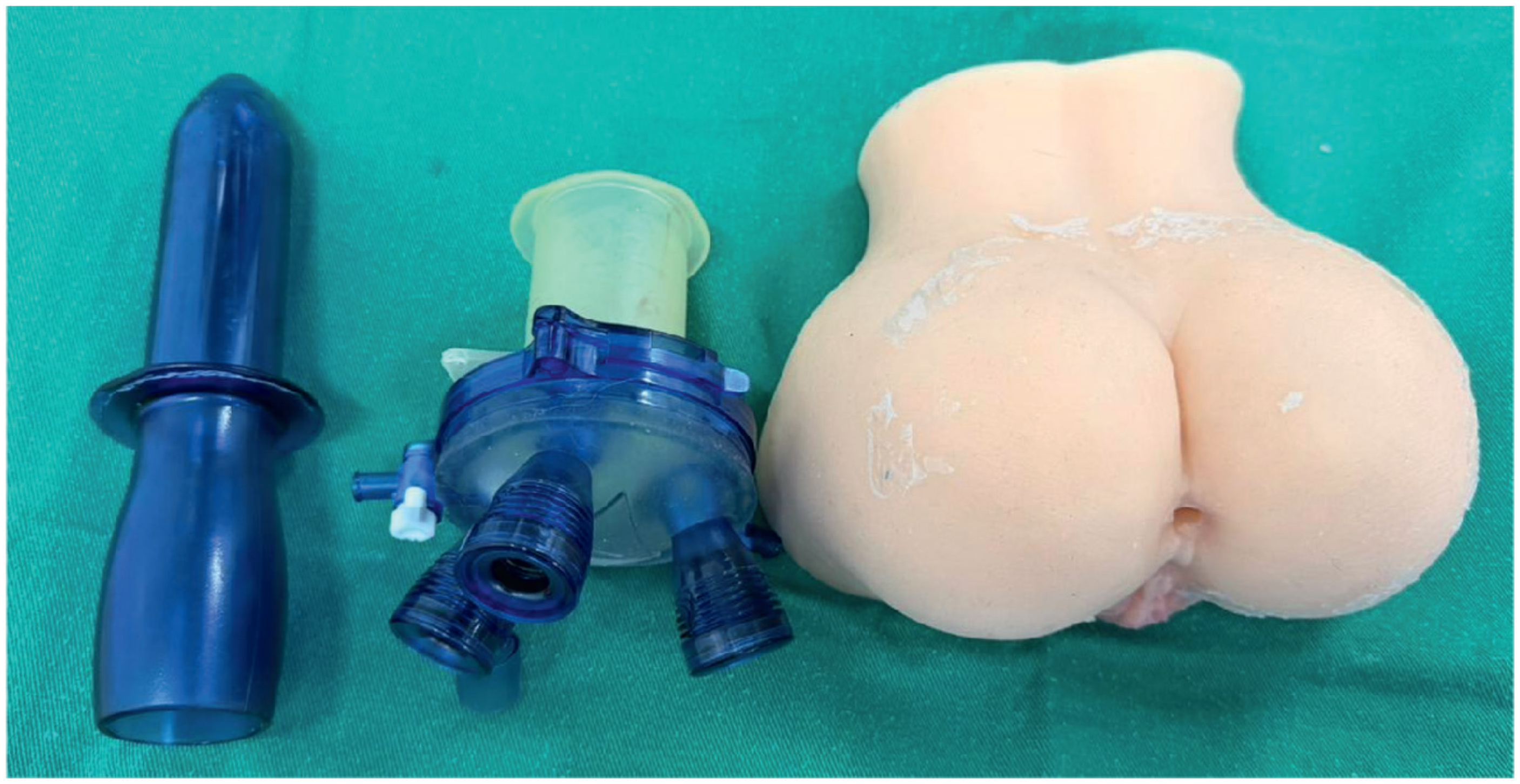
The simulator was structured using the internal cavity of an anatomical silicone mannequin (Fig. 1). Unlike models that require active insufflation or rigid external supports, the thickness and resilience of the mannequin's silicone properties ensured self-sustaining lumen patency. This configuration mimicked the middle and upper rectum, providing a confined tubular workspace that faithfully replicates the volumetric constraints of the transanal approach.
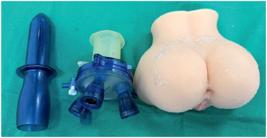
Components of the simulator: the high-density anatomical silicone mannequin (right) and the standard transanal minimally invasive surgery (TAMIS) single-access device (GelPoint Path) (left) before assembly.
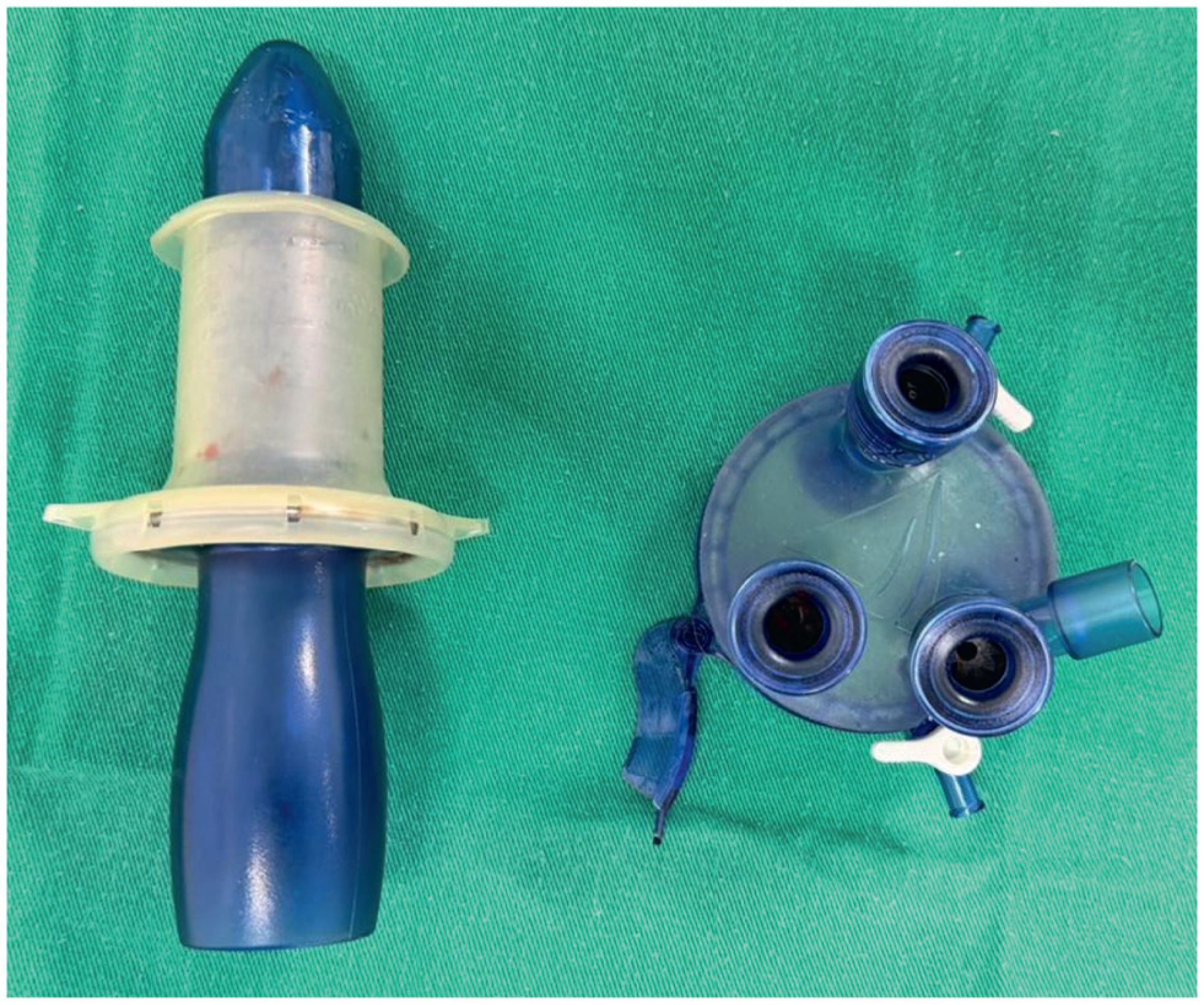
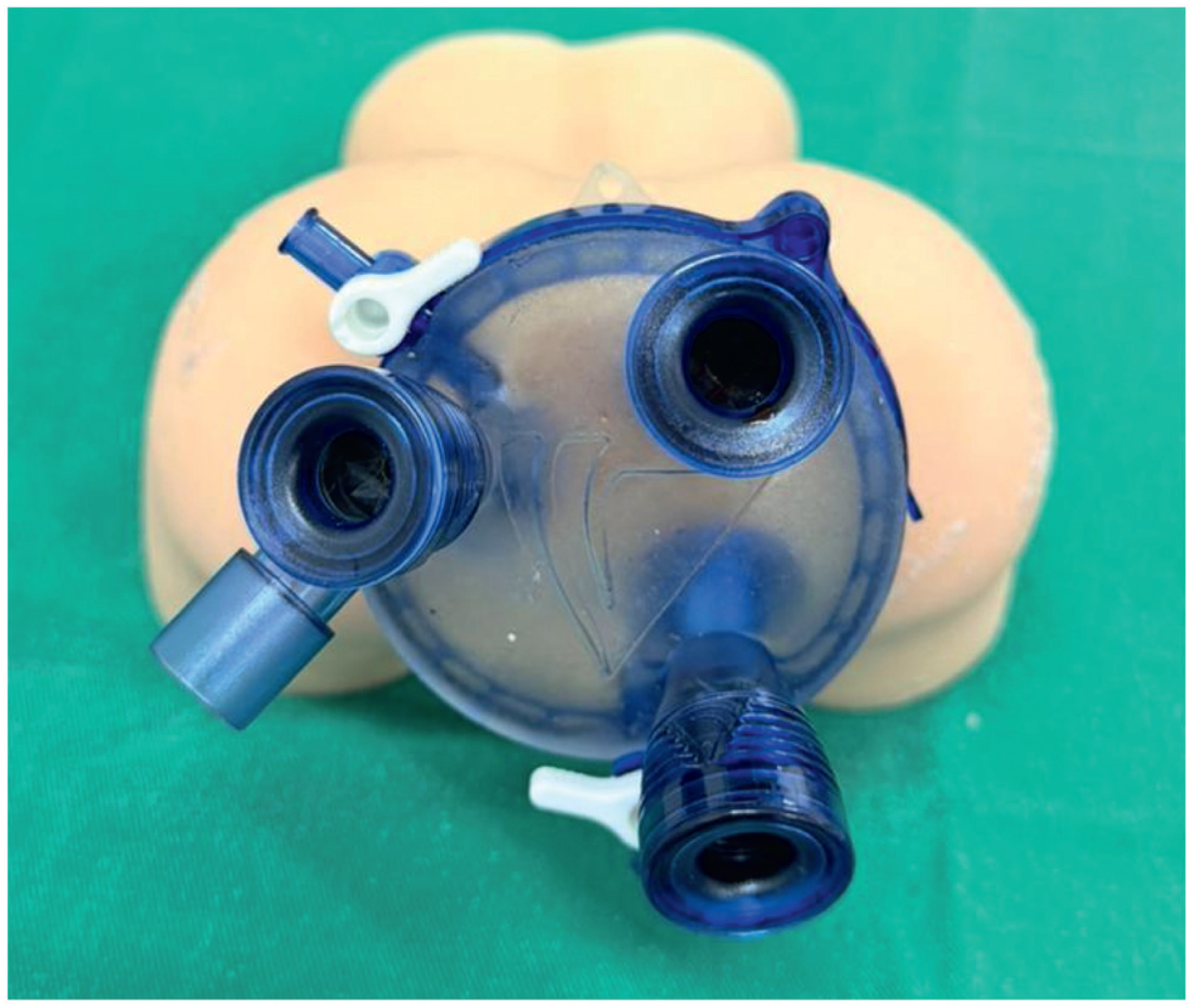
For access to the simulator's anal canal, the standard TAMIS device GelPoint Path (Applied Medical) was utilized (Fig. 2). The introduction and manipulation of the port were optimized by applying lidocaine gel, which reduced mechanical friction between the silicone surfaces and allowed for free movement and angulation of the device during intracavitary maneuvers (Fig. 3).
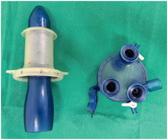
Detailed view of the standard single-access device (GelPoint Path) used as the transanal platform for the simulation.
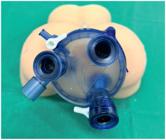
External view of the simulator setup showing the standard single-access TAMIS port (GelPoint Path, Applied Medical) coupled to the anal canal of the silicone mannequin.
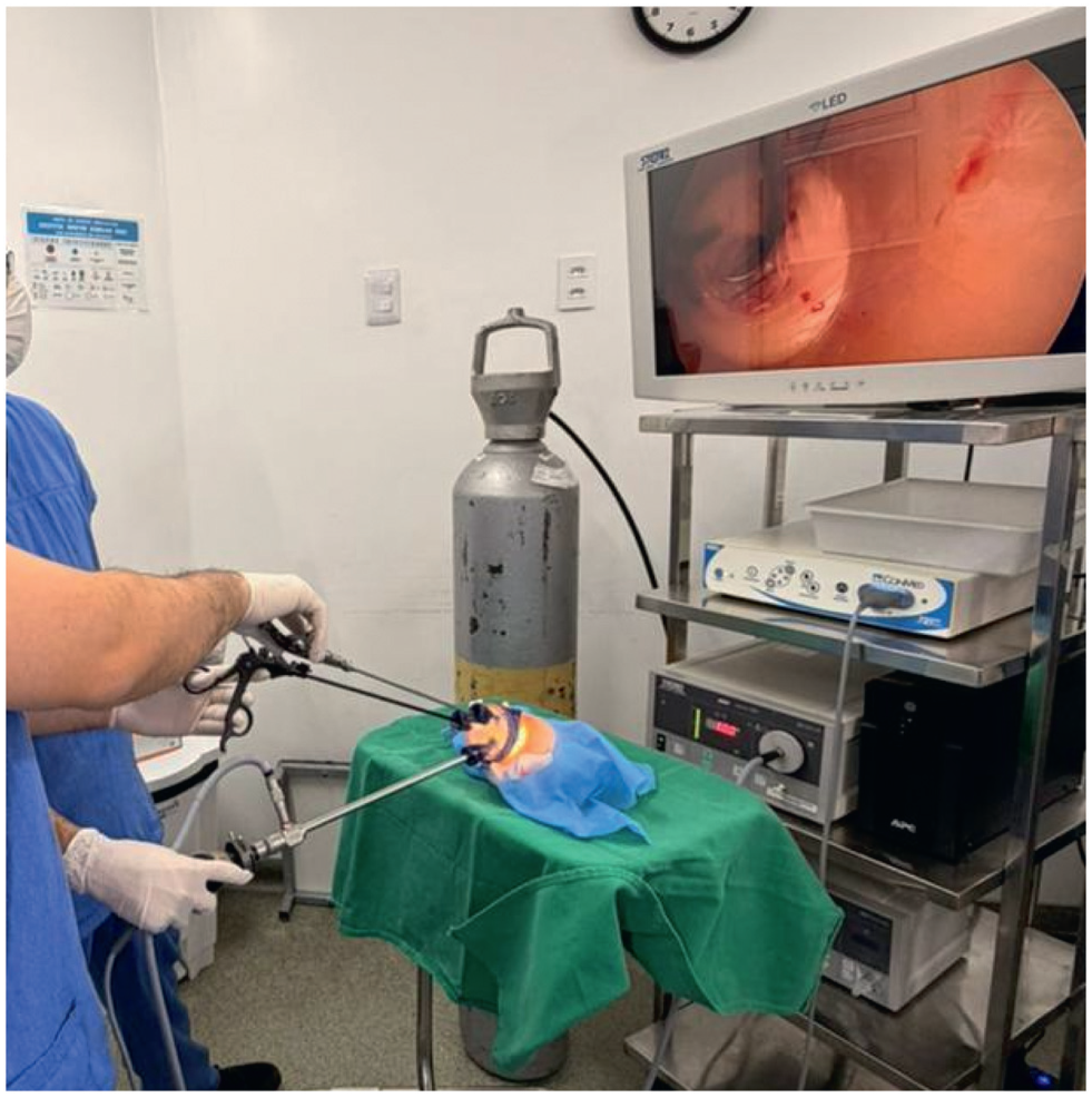
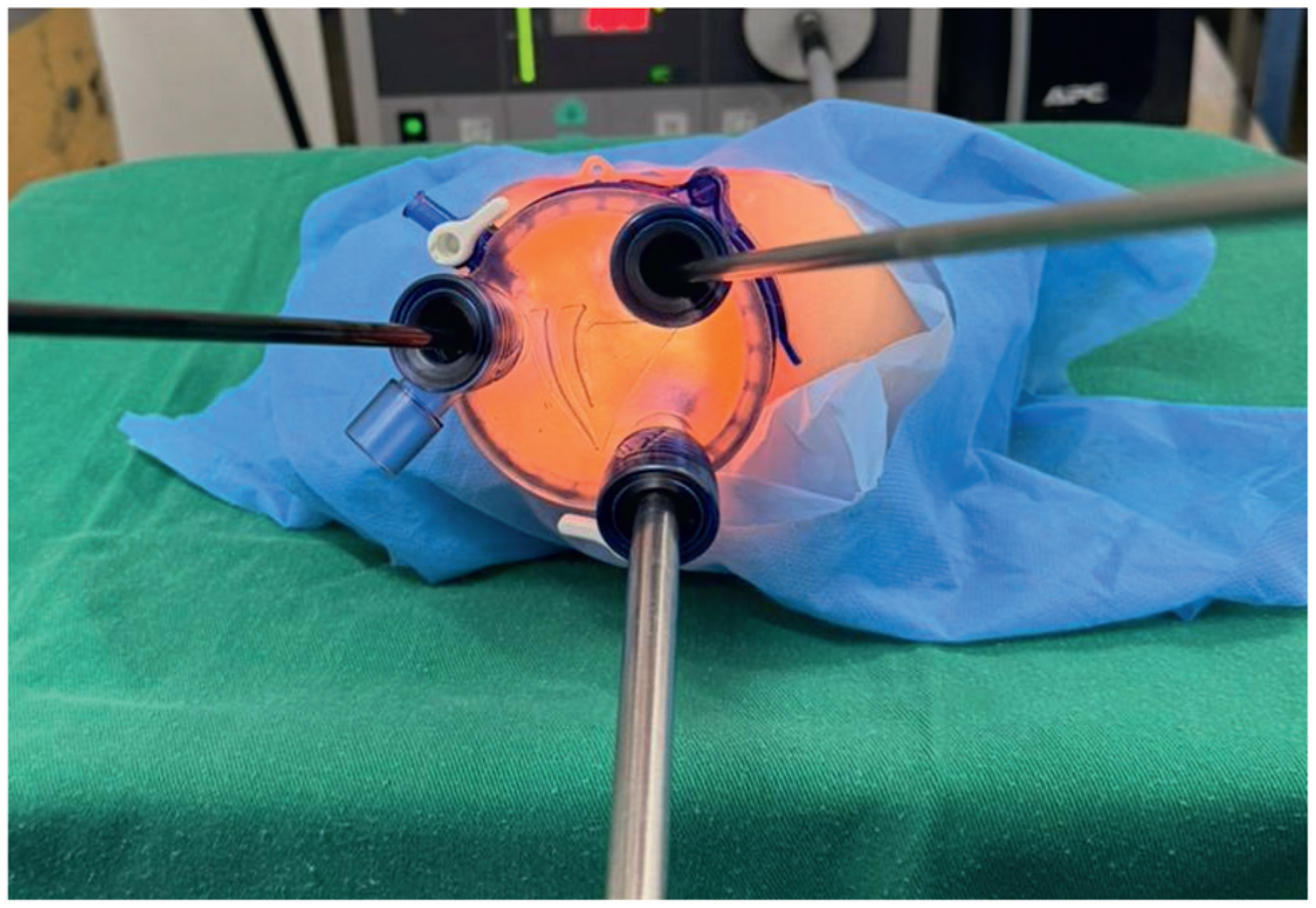
Visualization was achieved through a conventional laparoscopic imaging system, specifically using a 10-mm 30-degree laparoscope (Fig. 4). The choice of a 30° angle aimed to replicate standard clinical practice, allowing for detailed inspection of the lateral walls and the ceiling of the synthetic lumen. The instrumentation consisted of conventional 5-mm laparoscopic instruments (grasper and needle holder) (Fig. 5). The primary task for model validation consisted of intracavitary suturing performed by two colorectal surgeons. Utilizing polyglactin 910 sutures, the procedures were conducted directly on the simulator's silicone wall targeting fine motor skills and knot tying under tension within an environment of limited triangulation.
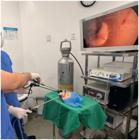
The standard laparoscopic imaging system setup used for training, utilizing a 10-mm 30° laparoscope to provide angled visualization within the restricted synthetic lumen.

Conventional laparoscopic instruments (grasper, laparoscope and needle holder) inserted through the single-port device during a suturing task validation.
Results
The simulator demonstrated excellent technical stability, maintaining a static open lumen throughout the entire manipulation. The procedure was executed in its entirety by two colorectal surgeons, who reported no technical constraints during the process. The absence of a requirement for CO2 insufflation characterizes the model as a highly available benchtop training platform with low logistical costs, allowing for practice in extra-hospital environments without dependence on electronic insufflation systems.
The use of the 30° laparoscope in conjunction with the single-access port accurately reproduced the phenomenon of instrument crowding. It was observed that the internal anatomy of the mannequin challenges the surgeon with constant adjustments to the laparoscope's positioning to maintain field visualization during suturing. The silicone wall offered realistic resistance to needle passage and knot tightening, allowing for the simulation of actual tissue tension.
Discussion
Transanal minimally invasive surgery, introduced in 2010, has established itself as a viable alternative to transanal endoscopic microsurgery (TEM) for the local excision of benign rectal lesions and early-stage malignant neoplasms (T1).1,2 Unlike TEM, which requires rigid and expensive equipment, TAMIS utilizes a single-access platform and conventional laparoscopic instruments, offering a 360-degree view of the rectal lumen and lower implementation costs, as well as a faster learning curve and lower rates of anal sphincter trauma.2,3 The simulator addressed in the current study was developed to meet the specific training demands of this technique, aligning with the principles of accessible simulation described in the literature.
The traditional model of surgical education, historically based on the concept of learning on real patients under supervision ("see one, do one, teach one"), has undergone significant paradigmatic changes. This transition is primarily motivated by potential risks to the patient and time management needs.7 Restrictions on residents' workloads, ethical concerns, and the imperative need for patient safety have driven the transition to simulation-based training. This methodology allows for the acquisition of psychomotor skills in a controlled and risk-free environment, especially for video surgery procedures that present long and complex learning curves.3,5 Furthermore, the use of synthetic simulators bypasses bioethical impasses and bureaucracy related to the use of animals or living models.6
The execution of TAMIS presents technical challenges inherent to the restricted anatomy of the rectum, in which the workspace is confined and tubular, making instrument manipulation and spatial orientation difficult.3,8 The simulator discussed here replicates this spatial restriction through the internal cavity of an anatomical silicone mannequin, which ensures self-sustaining lumen patency due to the material's thickness and resilience, effectively mimicking the middle and upper rectum. Similar to the model proposed by Popa et al.,9 which used rigid tubes of different diameters to simulate the rectum, this model forces the surgeon to train navigation and tissue manipulation within a restricted axis.
The use of conventional laparoscopic instruments in TAMIS offers the advantage of low cost and ready availability but imposes significant technical challenges due to the use of straight forceps in a narrow rectal lumen.1 Indeed, endoluminal suturing is recognized as one of the most challenging aspects of the procedure.10 This configuration limits the range of motion and requires the surgeon to develop refined dexterity to coordinate instruments and avoid space conflicts in the working channel.1,9
While robotic platforms have been proposed to facilitate the procedure and potentially shorten the learning curve, their high cost remains a significant barrier in developing countries.11 In this context, practical simulation allows the surgeon to repeatedly execute complex maneuvers, bridging the gap between theory and practice and transforming purely observational knowledge into real and reproducible technical dexterity.
The TAMIS technique has an estimated learning curve of 14 to 24 cases to achieve proficiency in terms of resection margins.12 The scarcity of cases in smaller centers and the high cost of courses with biological or cadaveric models hinder training.9 While cadaveric models provide high fidelity, their adoption is restricted by high procurement and storage costs, alongside an unpredictable supply.13 Additionally, while live animal models offer valuable tactile feedback, they present significant anatomical discrepancies, most notably the absence of a developed mesorectum compared to humans.14 The advantage of the present simulator lies in its practicality and portability, allowing training to occur in institutions with fewer resources, thus democratizing the teaching of the technique. The reproducibility of the model facilitates its dissemination, allowing residents and surgeons to train exhaustively before application in real patients.
However, due to the properties of the material used, the model does not allow for training in other stages of TAMIS, such as energy-based margin marking and layered dissection. Although this simulator has limitations regarding physical fidelity, such as the absence of real bleeding and realistic haptic feedback, these restrictions do not compromise its pedagogical utility. A comparative study15 indicated that high material fidelity does not always correlate with greater educational efficacy in acquiring fundamental technical skills. The validity of the training lies in the simulator's ability to reproduce procedural steps and the spatial constraints of the surgery, allowing for the development of the necessary dexterity, even in the absence of living tissue.5,9
A major limitation of the present study is the lack of objective assessment of the learning curve transfer to the operating room. Future studies should compare performance scores between residents trained in this model versus traditional methods.
Conclusion
The synthetic simulator developed in the current study proves to be a viable and effective tool for training in TAMIS. By replicating the specific spatial constraints of the rectal lumen and allowing the use of conventional laparoscopic instruments, the model addresses the main technical challenges of the learning curve, such as instrument crowding and the loss of traditional triangulation.
The portability of the device facilitates its implementation in various educational settings, promoting the democratization of advanced surgical training. While acknowledging the absence of biological fidelity, the simulator fulfills its primary purpose: providing a safe and reproducible platform for the acquisition of essential psychomotor skills before clinical practice. Therefore, its adoption can potentially increase patient safety and optimize the proficiency of surgeons in training for minimally invasive transanal procedures.
-
Funding
The authors declare that they did not receive funding from agencies in the public, private, or non-profit sectors to conduct the present study.
-
Ethical Statement
Ethics committee approval was not required for the present study, as it describes the development of a synthetic surgical simulator and did not involve human subjects, identifiable patient data, or animal experimentation.
Data Availability
Data will be available upon request to the corresponding author.
References
-
1 Kim MJ, Lee TG. Transanal minimally invasive surgery using laparoscopic instruments of the rectum: A review. World J Gastrointest Surg 2021;13(10):1149–1165. Doi: 10.4240/wjgs.v13.i10.1149
» https://doi.org/10.4240/wjgs.v13.i10.1149 -
2 Mustafa SMT, Govil D, Arora V, et al. TransanalMinimally Invasive Surgery for Rectal Cancer. South Asian J Cancer 2025;13(04): 263–266. Doi: 10.1055/s-0044-1801775
» https://doi.org/10.1055/s-0044-1801775 -
3 Keller DS, De Lacy FB, Hompes R. Education and Training in Transanal Endoscopic Surgery and Transanal Total Mesorectal Excision. Clin Colon Rectal Surg 2021;34(03):163–171. Doi: 10.1055/s-0040-1718682
» https://doi.org/10.1055/s-0040-1718682 -
4 Francis N, Penna M, Mackenzie H, Carter F, Hompes R International TaTME Educational Collaborative Group. Consensus on structured training curriculum for transanal total mesorectal excision(TaTME). Surg Endosc 2017;31(07):2711–2719. Doi: 10.1007/s00464-017-5562-5
» https://doi.org/10.1007/s00464-017-5562-5 -
5 Duboureau H, Renaud-Petel M, Klein C, Haraux E. Development and evaluation of a low-cost part-task trainer for laparoscopic repair of inguinal hernia in boys and the acquisition of basic laparoscopy skills. J Pediatr Surg 2021;56(04):674–677. Doi: 10.1016/j.jpedsurg.2020.05.044
» https://doi.org/10.1016/j.jpedsurg.2020.05.044 -
6 Cunha CMQD, Lima DMF, Menezes FJC. LOW-COST SIMULATOR ASSEMBLY FOR 3-DIMENSIONALVIDEOSURGERY TRAINING. Arq Bras Cir Dig 2018;31(03):e1384. Doi: 10.1590/0102-672020180001e1384
» https://doi.org/10.1590/0102-672020180001e1384 -
7 Wang C, Chen L, Mu D, Xin M, Luan J. A Low-Cost Simulator for Training in Endoscopic-Assisted Transaxillary Dual-Plane Breast Augmentation. Ann Plast Surg 2017;79(06):525–528. Doi: 10.1097/SAP.0000000000001239
» https://doi.org/10.1097/SAP.0000000000001239 -
8 Jakobsen PCH, Krarup PM, Jensen KK, Nordholm-Carstensen A. Robot-assisted TAMIS: a systematic review of feasibility and outcomes. Surg Endosc 2023;37(05):3398–3409. Doi: 10.1007/s00464-022-09853-z
» https://doi.org/10.1007/s00464-022-09853-z -
9 Popa C, Schlanger D, Prunoiu VM, Puia IC, Zaharie F. A novel step-by-step training program for transanal endoscopic surgery. BMC Med Educ 2023;23(01):327. Doi: 10.1186/s12909-023-04296-z
» https://doi.org/10.1186/s12909-023-04296-z -
10 Naiderman D, Tufare AL, Trinchero LB, et al. Transanal Minimally-Invasive Surgery (TAMIS): Experience with No Closure of the Rectal Defect. J Coloproctol 2021;41(04):348–354. Doi: 10.1055/s-0041-1735642
» https://doi.org/10.1055/s-0041-1735642 -
11 Guraieb-Trueba M, Sánchez-Robles JC, Navarro-Lara E, Herrera-Virrueta VJ. Robotic Transanal Surgery. Initial Experience in aDeveloping Country. J Coloproctol 2021;41(02):163–167. Doi: 10.1055/s-0041-1726051
» https://doi.org/10.1055/s-0041-1726051 -
12 Fournier FR, Brown CJ. Transanal Endoscopic Surgery: Who Should Be Doing This Procedure? Clin Colon Rectal Surg 2022;35(02):99–105. Doi: 10.1055/s-0041-1742109
» https://doi.org/10.1055/s-0041-1742109 -
13 Penna M, Whiteford M, Hompes R, Sylla P. Developing and assessing a cadaveric training model for transanal total mesorectal excision: initial experience in the UK and USA. Colorectal Dis 2017;19(05):476–484. Doi: 10.1111/codi.13525
» https://doi.org/10.1111/codi.13525 -
14 Grieco M, Elmore U, Vignali A, Caristo ME, Persiani R. Surgical Training for Transanal Total Mesorectal Excision in a Live Animal Model: A Preliminary Experience. J Laparoendosc Adv Surg Tech A 2022;32(08):866–870. Doi: 10.1089/lap.2021.0845
» https://doi.org/10.1089/lap.2021.0845 -
15 Lejus-Bourdeau C, Pousset F, Magne C, Bazin O, Grillot N, Pichenot V. Low-cost versus high-fidelity pediatric simulators for difficult airway management training: a randomized study in continuing medical education. Braz J Anesthesiol 2023;73(03):250–257. Doi: 10.1016/j.bjane.2021.05.006
» https://doi.org/10.1016/j.bjane.2021.05.006
Edited by
-
Editor-in-Chief:
Henrique Sarubbi Fillmann.