
 Pre-harvest desiccation: can it affect the physiological quality of soybean seeds?
ABSTRACT:
Pre-harvest desiccation of soybean using herbicides aims to advance harvest and reduce seed deterioration after physiological maturity. However, certain products may compromise seed physiological potential from harvest through storage. This study aimed to evaluate the effects of pre-harvest desiccation of soybean plants with different herbicides on seed physiological quality. The experiments were conducted in Apucarana, Paraná and Mauá da Serra, Paraná, Brazil, using the following treatments: control (no herbicide application), Diquat; Glufosinate Ammonium; Carfentrazone; Atrazine; Saflufenacil; [Glufosinate Ammonium + Carfentrazone], and Tiafenacil. The evaluated variables included plant water content, seed moisture loss, thousand-seed weight, and yield, as well as first germination count, germination, seedling length and dry mass, accelerated aging, emergence, and peroxidase and catalase activity. The use of Diquat and Tiafenacil allowed harvest to be advanced by up to eight days while maintaining seed physiological quality in both locations, even after storage. In Apucarana, the application of Saflufenacil, Carfentrazone, Glufosinate Ammonium, and Glufosinate Ammonium + Carfentrazone compromised seed physiological quality both at harvest and after storage. Atrazine allowed harvest to be advanced without impairing seed quality. In Mauá da Serra, although all treatments showed high germination, Glufosinate Ammonium and its combination with Carfentrazone reduced seed vigor after storage, indicating negative effects on seed longevity. Overall, pre-harvest desiccation was effective in advancing harvest; however, its effects on seed physiological quality depend on the herbicide used.
Index terms:
germination; Glycine max (L.) Merrill; herbicide; vigor
RESUMO:
A dessecação em pré-colheita da soja, realizada com herbicidas, busca antecipar a colheita e reduzir a deterioração das sementes após a maturidade fisiológica. Contudo, determinados produtos podem comprometer o potencial fisiológico das sementes, desde a colheita até o armazenamento. O objetivo deste trabalho foi avaliar o efeito da dessecação das plantas de soja na pré-colheita, com diferentes herbicidas, na qualidade fisiológica das sementes. Os experimentos foram conduzidos em Apucarana/PR e em Mauá da Serra/PR e os tratamentos utilizados foram: controle (sem aplicação de herbicida); Diquat; Glufosinato de Amônio; Carfentrazone; Atrazina; Saflufenacil; [Glufosinato de Amônio+Carfentrazone]; e Tiafenacil. Foram avaliados o conteúdo de água na planta, perda de umidade da semente, peso de mil sementes e produtividade; primeira contagem de germinação, germinação, comprimento e massa seca de plântulas, envelhecimento acelerado, emergência e atividade das enzimas peroxidase e catalase. Utilizando os herbicidas Diquat e Tiafenacil, foi possível antecipar a colheita em até oito dias, mantendo a qualidade fisiológica das sementes em ambos os locais, até mesmo, após o armazenamento. O uso dos herbicidas Diquat e Tiafenacil permitiu a antecipação da colheita em até 8 dias, mantendo a qualidade fisiológica das sementes em ambos os locais, mesmo após o armazenamento. Em Apucarana/PR, a aplicação dos herbicidas Saflufenacil, Carfentrazone, Glufosinato de Amônio e [Glufosinato de Amônio+Carfentrazone] comprometeram a qualidade fisiológica das sementes tanto na avaliação inicial quanto após o armazenamento. A aplicação do herbicida Atrazina permitiu a antecipação da colheita, mantendo a qualidade fisiológica das sementes. Em Mauá da Serra/PR, embora todos os tratamentos tenham apresentado elevada germinação, a aplicação de Glufosinato de Amônio e [Glufosinato de Amônio + Carfentrazone] resultou em redução do vigor após o armazenamento, evidenciando impacto negativo sobre a longevidade das sementes. De modo geral, a dessecação em pré-colheita mostrou-se eficiente para antecipar a colheita; no entanto, os efeitos sobre a qualidade fisiológica das sementes dependem do herbicida utilizado.
Termos para indexação:
germinação; Glycine max (L.) Merrill; herbicida; vigor
INTRODUCTION
Soybean (Glycine max (L.) Merrill) is the most important agricultural crop in Brazil, with production of 177.8 million tons in the 2025/2026 season (CONAB, 2026). In production systems, pre-harvest desiccation is a widely adopted practice, consisting of the forced maturation of plants through the application of desiccant herbicides. The main objective of this practice is to accelerate natural senescence, thereby advancing grain and seed harvest (Botelho et al., 2016). However, this management practice may compromise the seed physiological quality, particularly affecting vigor and longevity (Chamma et al., 2023).
In Brazil, paraquat was the main herbicide used for soybean pre-harvest desiccation for many years. However, since the 2020/2021 season, its use has been prohibited (ANVISA, 2020), limiting the available options for this purpose. Among the herbicides currently used, Diquat acts as an inhibitor of photosystem I (Mendes and Silva, 2023), whereas Glufosinate Ammonium inhibits the enzyme glutamine synthetase (Takano et al., 2020). More recently, Tiafenacil has been introduced, whose mechanism of action involves the inhibition of the enzyme protoporphyrinogen oxidase (PROTOX) (Park et al., 2018). Given the limited number of registered products, it is important to identify effective alternatives that enable earlier soybean harvest without compromising seed quality. In this context, some molecules that accelerate plant senescence and show potential for use as desiccants include Atrazine, an inhibitor of photosystem II, and Carfentrazone and Saflufenacil, which also inhibit PROTOX (Mendes and Silva, 2023).
In seed production, seeds should be harvested at physiological maturity (Daltro et al., 2010; Marques et al., 2023), as this is when they reach maximum dry matter accumulation and complete development, exhibiting high physiological potential with germination and vigor close to their maximum values. However, at this stage, soybean seeds present a water content of approximately 55% (Hartmann-Filho et al., 2017), making mechanical harvesting unfeasible. In this context, pre-harvest desiccation promotes greater plant uniformity and accelerates the harvest point, reducing seed exposure to biotic and abiotic stress factors in the field after physiological maturity, thereby helping to preserve physiological potential and minimize seed deterioration (Botelho et al., 2016; Shu et al., 2020; Pinheiro et al., 2023).
Seed deterioration is primarily associated with the production and progressive accumulation of reactive oxygen species (ROS), leading to oxidative stress and a consequent reduction in seed physiological quality (Ebone et al., 2019). This process can be accelerated by factors such as heavy rainfall before harvest, pathogen incidence or pesticide residues, all of which negatively affect seed physiological quality and longevity (Daltro et al., 2010; Chamma et al., 2023). However, seeds possess enzymatic and non-enzymatic antioxidant defense systems that act to eliminate excess ROS and protect cellular components from severe and irreversible damage (Nadarajah, 2020).
Thus, pre-harvest desiccation may contribute to improved seed quality by enabling earlier harvest and reducing exposure to unfavorable environmental conditions, such as high humidity and temperature, which accelerate field deterioration (Daltro et al., 2010). However, its effects on seed physiological quality vary depending on the herbicide used and environmental conditions and may result in reduced vigor and germination (Zuffo et al., 2019). In addition, although the practice facilitates earlier harvest, seed vigor may still be compromised, especially after storage, indicating increased susceptibility to deterioration (Chamma et al., 2023). Despite these advances, there is still limited information integrating the effects of different herbicides with the physiological and biochemical mechanisms involved in seed deterioration, particularly regarding oxidative stress and antioxidant enzyme activity. Furthermore, studies involving recently introduced herbicides, such as Tiafenacil, remain scarce, highlighting the need for integrated investigations of physiological and biochemical responses related to seed quality.
In this context, further studies are needed involving both established and recently introduced herbicides, such as Tiafenacil, for which information on desiccation efficiency and impacts on seed physiological quality is still limited. Thus, the objective of this study was to evaluate the effects of pre-harvest desiccation of soybean plants using different herbicides on seed physiological quality.
MATERIAL AND METHODS
The experiments were conducted in the field between October and March 2022 in two municipalities: Apucarana, Paraná, Brazil (23°36’01” S and 51°21’26” W; 794 m altitude) and Mauá da Serra, Paraná, Brazil (23°50’21” S and 51°10’06” W; 925 m altitude). According to Köppen’s classification, the climate of Paraná is classified as Cfa, characterized as humid subtropical, with no dry season and a hot summer.
The experimental design was a randomized block, with four replications. The treatments consisted of: control (no application); Diquat (400 g a.i. ha-1); Glufosinate Ammonium (500 g a.i. ha-1); Carfentrazone (30 g a.i. ha-1); Atrazine (1500 g a.i. ha-1); Saflufenacil (49 g a.i. ha-1); Glufosinate Ammonium+Carfentrazone ([400+20] g a.i. ha-1); and Tiafenacil (67.8 g a.i. ha-1). For Tiafenacil, the solution included the adjuvant Nori, at 1.0 L ha-1, whereas for the other treatments, the adjuvant Assist was used at 0.5% of the solution volume.
Treatments were applied when plants reached physiological maturity (R7 stage), defined as 75% of pods showing mature coloration (yellow or brown). Herbicide applications were performed using a CO2-pressurized knapsack sprayer equipped with four-nozzle bloom spaced 0.5 m apart, delivering a spray volume of 308 L ha-1. Flat-fan nozzles with a 110° spray angle were used. Each plot consisted of six crop rows spaced 0.5 m apart with 10 m in length, the two central rows were considered as the usable area.
Soil samples were collected from the 0-20 cm layer. In Apucarana, the results were: pH in CaCl2: 5.4; Ca, Mg, K, Al, H + Al, CEC and SB: 7.17, 2.26, 0.26, 0.0, 6.21, 15.91 and 9.70 cmolc.dm-3, respectively; P: 17.99 mg dm-3; base saturation: 60.96; organic matter: 41.99 g.dm-3; clay, silt and sand: 66%, 14% and 20%, respectively. In Mauá da Serra, the results were: pH in CaCl2: 4.9; Ca, Mg, K, Al, H + Al, CEC and SB: 6.31, 1.96, 0.26, 0.10, 9.01, 17.54 and 8.53 cmolc.dm-3, respectively; P: 9.97 mg.dm-3; base saturation: 48.63; organic matter: 48.77 g dm-3; clay, silt and sand: 50%, 10% and 40%, respectively.
In Apucarana, the soybean cultivar used was BMX LANÇA 58I60 RSF IPRO, with an indeterminate growth habit, with maturity group 5.8 and a cycle of 120-128 days. Sowing was carried out on October 12, 2021, and treatments were applied on February 15, 2022. In Mauá da Serra, the cultivar BMX NEXUS 64IX66 RSF I2X was used, also with an indeterminate growth habit, maturity group 6.4, and cycle of approximately 124 days. Sowing was performed on October 29, 2021, and treatments were applied on March 8, 2022. In both locations, sowing was mechanized and crop management followed recommended practices for soybean cultivation (Seixas et al., 2020). Harvesting was performed when seeds reached a moisture content between 13 and 15% (wet basis) (França-Neto et al., 2016).
Field evaluations included plant water content (Ceccon and Concenço, 2014) and seed moisture content, and these parameters were monitored from treatments application until harvest of the last treatment. Even after a treatment reached harvest moisture (13-15%), sample collection was maintained to monitor the dynamics of water loss in plants and seeds, allowing comparison with the treatments that reached harvest point later. Three plants per plot were collected from the usable area, and seeds were separated from the aerial part. Shoot dry mass (g.plant⁻¹) was determined in an oven at 80 °C until constant weight, and seed moisture content (%) was determined using the oven method at 105 ± 3 °C for 24 h (Brasil, 2025). Water content in the aerial part was calculated using Equation 1:
where: WC = water content (%), FM = fresh mass, and DM = dry mass.
When seeds reached 13-15% moisture, harvest was performed by collecting plants along 6 meters from the two central rows of each plot. Samples were mechanically threshed using a stationary threshing machine, and thousand-seed weight (TSW) was determined according to the Rules for Seed Testing (Brasil, 2025). Yield was estimated from the seed mass obtained in the usable area and corrected to 13% moisture, using Equation 2:
where: YLD₁₃% = corrected yield moisture (kg.ha⁻¹); YLD = observed yield (kg.ha⁻¹); U = seed moisture (%).
Seed physiological quality was evaluated at the Seed Laboratory of the Agronomy Department of the State University of Maringá and in a greenhouse at the Center for Applied Research in Agriculture (NUPAGRI).
Seeds were subjected to first germination count and germination tests. For each field plot, 50 seeds were used with four replications, totaling 800 seeds per treatment. The germination test was conducted using paper rolls moistened with distilled water at 3 times the dry paper mass, incubated at 25 °C in a Mangelsdorf-type germinator (Brasil, 2025). Root and shoot length, as well as root and shoot dry mass, were determined according to Krzyzanowski et al. (2020). The accelerated aging test was performed at 41 °C for 48 h using a water-jacketed chamber (VWR Brand - 3015 Model / USA) (Marcos-Filho, 2020).
Seedling emergence was evaluated in sand substrate using eight replications of 50 seeds per plot, according to Rules for Seed Testing (Brasil, 2025). For enzymatic analysis, seeds were germinated for five days, following the germination test methodology (Brasil, 2025), after this period, seedlings were separated into shoot and root, frozen and stored immediately at -80 °C. Protein extraction followed Lusso and Pascholati (1999) methodology and total protein content was determined according to Bradford (1976). Catalase activity (CAT) was determined according to Tomankova et al. (2006), based on the decomposition of hydrogen peroxide (H₂O₂), monitored by the reduction of absorbance at 240 nm in a spectrophotometer. Peroxidase activity (POX) was determined by the direct spectrophotometric method at 30 °C (Hammerschmidt et al., 1982).
After harvest, 500 g seed samples from each treatment were stored in a cold chamber for 180 days at 10 oC and 50% relative humidity. This storage period was defined as representing the maximum interval prior to seed use in the subsequent crop cycle. After storage, all parameters previously evaluated immediately after harvest were reassessed, except for the accelerated aging test.
Data were tested for homoscedasticity using Bartlett’s test and for normality using the Shapiro-Wilk test. When necessary, data were transformed using the Box-Cox method (Box and Cox, 1964). Analysis of variance was performed separately for each site, and means were compared using Tukey’s test at the 5% significance level, using R® software (R Core Team, 2025).
RESULTS
In the experiment conducted in Apucarana, plant water content followed a pattern similar to seed moisture content over the evaluated period (Figures 1 and 2). Lower water content was observed in plants treated with Diquat and Tiafenacil throughout the monitoring period, whereas plants treated with the other herbicides did not differ significantly (Figure 1).
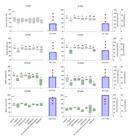
Water content in plants after their desiccation with different herbicides in Apucarana/PR. Different letters correspond to the difference between treatments by Tukey test (p<0.05). Gray bars represent evaluations carried out before harvest, while green bars indicate monitoring after seed harvest. Accumulated precipitation after the application of the treatments is indicated by bars with blue filling, and the minimum, average and maximum temperatures are indicated by inverted triangles (▼) of red color, with their respective axes located on the right side of the graph.
Similarly, in Apucarana, the use of Diquat and Tiafenacil resulted in greater seed moisture loss over time, while the other treatments did not differ from each other (Figure 2). Plants treated with Diquat and Tiafenacil reached the harvest point 8 days after application (DAA). Treatments with Atrazine, Saflufenacil and Glufosinate Ammonium + Carfentrazone reached harvested at 10 DAA, where as those treated with Glufosinate Ammonium and Carfentrazone were harvested at 12 DAA. Control plants reached the harvest point at 16 DAA (Figure 2).

Moisture content of seeds after desiccation of plants with different herbicides in Apucarana/PR. Different letters correspond to the difference between treatments by Tukey test (p<0.05). Gray bars represent evaluations carried out before harvest, while green bars indicate monitoring after seed harvest. Accumulated precipitation after the application of the treatments is indicated by bars with blue filling, and the minimum, average and maximum temperatures are indicated by inverted triangles (▼) of red color, with their respective axes located on the right side of the graph.
In the experiment conducted in Mauá da Serra, at 6 and 8 DAA, plants treated with Diquat showed the lowest water content, not differing from those treated with Glufosinate Ammonium, Atrazine, Glufosinate Ammonium + Carfentrazone and Tiafenacil (Figure 3). On 12 and 14 DAA, no differences were observed in seed moisture content among treatments. Up to 6 DAA, treatments did not differ statistically however, at 8 DAA, lower seed moisture content was observed in treatments with Diquat, Glufosinate Ammonium, Glufosinate Ammonium + Carfentrazone and Tiafenacil, compared with the other treatments (Figure 4). At 10 DAA, seed moisture was lower in the treatments with Diquat, Tiafenacil and Atrazine. Plants treated with Diquat and Tiafenacil were the first to reach the harvested point (10 DAA). The remaining herbicide treatments were harvested at 12 DAA, while control plants reached the harvest point at 14 DAA.

Water content in plants after their desiccation with different herbicides in Mauá da Serra/PR. Different letters correspond to the difference between treatments by Tukey test (p<0.05). Gray bars represent evaluations carried out before harvest, while green bars indicate monitoring after seed harvest. Accumulated precipitation after the application of the treatments is indicated by bars with blue filling, and the minimum, average and maximum temperatures are indicated by inverted triangles (▼) of red color, with their respective axes located on the right side of the graph.

Moisture content of seeds after desiccation of plants with different herbicides in Mauá da Serra/PR. Different letters correspond to the difference between treatments by Tukey test (p<0.05). Gray bars represent evaluations carried out before harvest, while green bars indicate monitoring after seed harvest. Accumulated precipitation after the application of the treatments is indicated by bars with blue filling, and the minimum, average and maximum temperatures are indicated by inverted triangles (▼) of red color, with their respective axes located on the right side of the graph.
TSW and seed yield did not differ significantly between treatments in either experimental area. On average, TSW and seed yield were 209 g and 3958 kg.ha-1, respectively in Apucarana, and 172 g and 5301 kg.ha-1, respectively in Mauá da Serra.
In the experiment conducted in Apucarana, only shoot dry mass did not differ among treatments (Table 1). In the accelerated aging test, seeds from plants treated with Diquat resulted in 83% normal seedlings, followed by Tiafenacil and Atrazine treated plants (Table 1). For first germination count, germination, seedling emergence in sand substrate, root length, shoot length and root dry mass, the highest values were observed in seeds from plants desiccated with Diquat, Atrazine, Glufosinate Ammonium + Carfentrazone, and Tiafenacil. In the remaining treatments, germination and vigor were negatively affected, with lower values across all evaluated variables (Table 1).
Means of the variables first germination count (FGC), germination test (GER), accelerated aging test (AA), emergence in sand substrate (EME), root length (RL), shoot length (SL), root dry mass (RDM), shoot dry mass (SDM), obtained from soybean seeds from plants subjected to desiccation with different herbicides in Apucarana/PR, 2021/2022 season.
In Mauá da Serra, no difference was observed among treatments for root length, shoot length, root dry mass or shoot dry mass (Table 2). For first germination count and germination, seeds from plants desiccated with Glufosinate Ammonium + Carfentrazone showed the lowest percentage, not differing from those treated with Glufosinate Ammonium, Carfentrazone and Saflufenacil (Table 2).
Means of the variables first germination count (FGC), germination test (GER), accelerated aging test (AA), emergence in sand substrate (EME), root length (RL), shoot length (SL), root dry mass (RDM), shoot dry mass (SDM), obtained from soybean seeds from plants subjected to desiccation with different herbicides in Mauá da Serra/PR, 2021/2022 season.
In the accelerated aging test, seeds from plants treated with Atrazine showed the lowest mean (87% normal seedlings), not differing from those treated with Diquat, Glufosinate Ammonium, Carfentrazone and Saflufenacil. Tiafenacil resulted in the highest mean (93% normal seedlings), not differing from the control or from treatments with Diquat, Carfentrazone, Saflufenacil and [Glufosinate Ammonium + Carfentrazone] (Table 2). In the emergence test in sand substrate, ambiguity among treatments was observed (Table 2); however, treatment with Carfentrazone resulted in lower emergence compared with the control treatment. All treatments showed germination above 80%, which is the minimum required for soybean seed commercialization in Brazil (Brasil, 2013). After 180 days of storage, the treatments that produced and maintained the highest seed physiological quality were those involving Diquat, Atrazine, [Glufosinate Ammonium + Carfentrazone] and Tiafenacil (Table 3).
Means of the variables first germination count (FGC), germination test (GER), emergence in sand substrate (EME), root length (RL), shoot length (SL), root dry mass (RDM), shoot dry mass (SDM), obtained from soybean seeds from plants subjected to desiccation with different herbicides, after 180 days of storage in Apucarana/PR, 2021/2022 season.
Regarding the data from the experiment conducted in Mauá da Serra, after the 180 days of storage, germination, root length, shoot length, root dry mass and shoot dry mass did not differ among treatments (Table 4). In the first germination count test, seeds from plants treated with Glufosinate Ammonium showed the lowest mean, not differing from the control or from treatments with Diquat, Saflufenacil, [Glufosinate Ammonium + Carfentrazone] and Tiafenacil (Table 4).
Means of the variables first germination count (FGC), germination (GER), emergence in sand substrate (EME), root length (RL), shoot length (SL), root dry mass (RDM), shoot dry mass (SDM), obtained from soybean seeds from plants subjected to desiccation with different herbicides, after 180 days of storage in Mauá da Serra/PR, 2021/2022 season.
In contrast, higher percentages of normal seedlings in the first germination count were observed for seeds from plants treated with Carfentrazone, not differing from those from the control or from treatments with Diquat, Atrazine, Saflufenacil and Tiafenacil (Table 4). For emergence in sand substrate, seeds from plants treated with [Glufosinate Ammonium + Carfentrazone] showed the lowest mean, differing from all other treatments (Table 4).
In the enzymatic evaluations of seeds harvested in Apucarana, in the pre-storage period, only root peroxidase (POX) activity did not differ among treatments (Table 5). Seeds from plants treated with [Glufosinate Ammonium + Carfentrazone] and Tiafenacil showed the lowest POX activity, not differing from the control or from treatments with Glufosinate Ammonium, Carfentrazone and Saflufenacil. The highest POX activity in the shoot was observed in seeds from plants treated with Diquat and Atrazine, without differing from the control or from treatments with Glufosinate Ammonium, Carfentrazone and Saflufenacil (Table 5).
Catalase (CAT) activity in the shoot was higher in seedlings from treatments with Tiafenacil, not differing from those treated with Glufosinate Ammonium, Atrazine and Saflufenacil (Table 5). In contrast, CAT activity in the root was highest in seeds from the control treatment and lowest in those treated with Tiafenacil (Table 5).
After the storage period, POX activity in both root and shoot did not differ statistically (Table 5). Regarding CAT activity in the shoot, higher values were observed in the Saflufenacil treatment, not differing from the control or Carfentrazone. Seedlings from plants desiccated with Atrazine showed the lowest CAT activity, not differing from those treated with Diquat, Glufosinate Ammonium, [Glufosinate Ammonium + Carfentrazone] and Tiafenacil (Table 5). In the root, CAT activity was highest in the Saflufenacil treatment and lowest in treatments with Glufosinate Ammonium and Atrazine (Table 5).
For seeds produced in Mauá da Serra, POX and CAT activities in the roots of seedlings did not differ among treatments in the evaluation prior to storage (Table 6). Higher POX activity in the shoot was observed in the Diquat treatment, not differing from the control, Glufosinate Ammonium and [Glufosinate Ammonium + Carfentrazone] treatments. The lowest activities were observed in treatments with Carfentrazone and Tiafenacil, not differing from Atrazine and Saflufenacil (Table 6). For CAT activity, the lowest value was observed in the Atrazine treatment, not differing from Diquat, Carfentrazone, Saflufenacil, and [Glufosinate Ammonium + Carfentrazone]. The highest activity was observed in the Tiafenacil treatment, not differing from the control, Diquat, Glufosinate Ammonium, Carfentrazone, and [Glufosinate Ammonium + Carfentrazone] (Table 6).
After storage, POX activity in the shoot was lower in the Control and Atrazine treatments, differing only from Tiafenacil. In the root, the lowest activities were observed in the Control, Diquat and Carfentrazone treatments, differing only from Saflufenacil, which showed the highest activity, without differing from Glufosinate Ammonium, Atrazine, [Glufosinate Ammonium + Carfentrazone] and Tiafenacil (Table 6).
For CAT activity in the shoot, the highest value was observed in the Control, not differing from Diquat, whereas the lowest activity occurred in the Saflufenacil treatment, differing only from these treatments. In the roots, the highest activity was also observed in the Control, differing from Saflufenacil and [Glufosinate Ammonium + Carfentrazone], which showed the lowest activities (Table 6).
DISCUSSION
When pre-harvest desiccation is performed at the physiological maturity stage, reductions in yield and thousand-seed weight are generally not observed (Daltro et al., 2010; Marques et al., 2023). The acquisition of seed physiological quality occurs progressively during maturation and may be interrupted if desiccation is carried out before seed development is complete (Cardoso et al., 2024). In this context, previous studies indicate that herbicide application at the appropriate stage does not result in significant differences in these variables (Albrecht et al., 2022; Santos et al., 2023). Additionally, Moura et al. (2024) reported increased yield with the use of Diquat in pre-harvest desiccation of Xtend soybean.
In the present study, some treatments resulted in reduced seed physiological quality compared with that expected when desiccation is performed at the appropriate stage. This behavior is associated with the longer residence time of plants in the field after physiological maturity, particularly in the control, Glufosinate Ammonium, Carfentrazone, Saflufenacil and [Glufosinate Ammonium + Carfentrazone] treatments. Under these conditions, prolonged exposure to environmental variations promotes seed deterioration, favoring the accumulation of reactive oxygen species (ROS), which trigger lipid peroxidation and cell membrane disorganization, thereby compromising structural integrity and metabolic functioning (Ebone et al., 2019; Hasanuzzaman et al., 2021; Pinheiro et al., 2023). Furthermore, the combined effects of adverse environmental conditions and possible changes in the final stages of maturation may interfere with the acquisition of seed physiological quality, ultimately impairing seed performance (Cardoso et al., 2024).
Therefore, reduced membrane integrity negatively affects rehydration capacity and cell reorganization during germination, resulting in a lower percentage of normal seedlings and reduced germination. This effect was observed in the treatments, in which germination values fell below 80%, the minimum threshold established for the commercialization of soybean seeds in Brazil (Brasil, 2013).
In the experiment conducted in Apucarana, even after 180 days of storage, the results of the physiological variables indicated a reduction in seed vigor, accompanied by decreased antioxidant enzyme activity. This response suggests that vigor loss is primarily associated with the aging and deterioration processes during storage rather than with treatment effects.
During storage, ROS accumulate due to an imbalance between their production and the removal capacity of the antioxidant system, leading to oxidative stress. This process promotes cell membrane damage through lipid peroxidation, compromising seed structural integrity and metabolism. Antioxidant enzymes, such as catalase (CAT) and peroxidase (POX), play a key role in ROS scavenging and in reducing oxidative damage; however, their activity tends to decline during storage, favoring the progression of deterioration and loss of vigor (Ebone et al., 2019; Hasanuzzaman et al., 2021; Traxler et al., 2023).
In both experimental areas, Diquat and Tiafenacil were the most effective herbicides, allowing harvest to be advanced and fulfilling the primary objective of pre-harvest desiccation. The reduction in the period that seeds remained in the field resulted in improved physiological quality, particularly in Apucarana. Previous studies have shown that desiccation performed at the appropriate stage can advance harvest and help maintain seed physiological quality by reducing exposure to adverse environmental conditions after physiological maturity (Albrecht et al., 2022).
The differences observed among herbicides may be related to their mode of action. Diquat is a contact herbicide that acts by diverting electrons in photosystem I, leading to rapid ROS generation and causing near-immediate desiccation of plant tissues (Mendes and Silva, 2023). This rapid action reduces the time seeds remain in the field after physiological maturity, thereby minimizing exposure to adverse environmental conditions and reducing deterioration processes.
On the other hand, Glufosinate Ammonium acts by inhibiting the enzyme glutamine synthetase, resulting in ammonia accumulation and metabolic disruption, in addition to inducing ROS formation in a light-dependent manner (Takano et al., 2020). This mechanism has a more gradual effect, wich may prolong the desiccation process and increase seed exposure to stress factors in the field.Protoporphyrinogen oxidase (PROTOX)-inhibiting herbicides, such as Carfentrazone, Saflufenacil and Tiafenacil, act by inhibiting this key enzyme in chlorophyll biosynthesis, leading to the accumulation of protoporphyrin IX (Mendes and Silva, 2023). In the presence of light and oxygen, this compound promotes ROS formation, resulting in lipid peroxidation, loss of membrane integrity, and rapid tissue necrosis (Traxler et al., 2023). However, differences in the intensity and dynamics of action among these herbicides may explain the variations observed in seed physiological quality across treatments.
In both experimental areas, control plants remained longer in the field before reaching the harvest point, increasing the exposure to environmental variation. Under these conditions, prolonged field exposure favors seed deterioration process, associated with ROS accumulation and damage cell membrane damage through lipid peroxidation, ultimately compromising seed vigor and physiological quality (Ebone et al., 2019; Hasanuzzaman et al., 2021). Thus, pre-harvest desiccation represents a strategy to mitigate these effects when performed at the appropriate time.
In the experiment conducted in Mauá da Serra, environmental conditions were favorable to crop development, resulting in germination rates above 93% for all treatments, even after storage. In addition to climatic factors, regional altitude may also be associated with the higher physiological quality of seeds produced under these conditions (Nunes et al., 2023). Althoug germination was not affected, seeds from plants treated with Glufosinate Ammonium and [Glufosinate Ammonium + Carfentrazone] showed reduced vigor after 180 days of storage, indicating negative effects on seed longevity. Reductions in seed physiological quality due to Glufosinate Ammonium applied during pre-harvest desiccation have been previously reported, particularly affecting vigor (Delgado et al., 2015; Botelho et al., 2016; Zuffo et al., 2019; Zuffo et al., 2020; Albrecht et al., 2022) and seed longevity during storage (Chamma et al., 2023).
Soybean plants subjected to biotic and abiotic stresses may exhibit increased production of ROS, triggering the activation of the antioxidant defense system. This system includes enzymes such as CAT and POX, wich are responsible for scavenging these reactive species (Nadarajah, 2020). The activity of these enzymes reflects metabolic responses in plant tissues and may indicate changes in the physiological state of seedlings; however, it does not always directly correlate with seed physiological quality.
In the experiment conducted in Apucarana, the lowest CAT and POX activities were observed in seedlings derived from seeds of plants desiccated with Tiafenacil. In association with the high physiological quality of the seeds, these responses suggest a low level of interference of this herbicide in the antioxidant mechanisms of the seedlings. Tiafenacil, a protoporphyrinogen oxidase (PROTOX) inhibitor, recently introduced for pre-harvest desiccation of soybean in Brazil (Brasil, 2023), has been reported to exhibit low toxicity (Park et al., 2018), which may contribute to the maintenance of seed physiological performance.
In contrast, seedlings derived from seeds of plants treated with Diquat and Atrazine showed increased CAT and POX activity in both shoot and root tissues, indicating distinct metabolic responses among treatments. This increase may be associated with the activation of the antioxidant system in response to stress conditions. However, the maintenance of high seed physiological quality suggests that this response did not impair vigor and may reflect the efficiency of cellular protection mechanisms (Traxler et al., 2023).
In the experiment conducted in Mauá da Serra, CAT and POX activities varied among treatments plant structures, without showing a consistent response pattern. These variations were not directly associated with seed physiological quality, as all treatments exhibited high germination despite differences in enzymatic activity. This result indicates that, under conditions of high physiological quality, antioxidant enzyme activity in seedlings has limited sensitivity to discriminate differences among treatments.
CONCLUSIONS
The use of Diquat and Tiafenacil advanced harvest by up to 8 days while maintaining seed physiological quality in both locations, even after storage. In Apucarana, Saflufenacil, Carfentrazone, Glufosinate Ammonium and [Glufosinate Ammonium + Carfentrazone] reduced seed physiological quality both at initial evaluation and after storage, whereas Atrazine advanced harvest without impairing seed quality. In Mauá da Serra, although all treatments showed high germination, Glufosinate Ammonium and [Glufosinate Ammonium + Carfentrazone] tratments reduced seed vigor after storage, indicating negative effects on seed longevity. Overall, pre-harvest desiccation was effective in advancing harvest; however, its impact on seed physiological quality depends on the herbicide used.
ACKNOWLEDGEMENTS
The authors would like to thank the Universidade Estadual de Maringá and the Graduate Program in Agronomy for the opportunity and support in the development of this study. The authors also acknowledge the CNPq for the scholarship granted, which was essential for conducting this research.The authors are also grateful to Victoria Chisthinan Conceição Pessutti for her valuable contribution to the practical execution of the study.
REFERENCES
-
ALBRECHT, L.P.; YOKOYAMA, A.S.; ALBRECHT, A.J.P.; KOSINSKI, R.; MILLEO, R.; SILVA, A.F. Glufosinate and Diquat in pre-harvest desiccation of soybean at four phenological stages, and their impact on seed quality. Chilean Journal of Agricultural Research, v.83, n.3, p.448-456, 2022. http://dx.doi.org/10.4067/S0718-58392022000300448
» https://doi.org/http://dx.doi.org/10.4067/S0718-58392022000300448 - ANVISA. Agência Nacional de Vigilância Sanitária. Resolução da diretoria colegiada - RDC nº 428, de 7 de outubro de 2020 Brasília: Diretoria colegiada -Anvisa, 2020.
-
BOTELHO, F.J.E.; OLIVEIRA, J.A.; VON-PINHO, E.V.R.; CARVALHO, E.R.; FIGUEIREDO, I.B.D.; ANDRADE, V. Qualidade de sementes de soja obtidas de diferentes cultivares submetidas à dessecação com diferentes herbicidas e épocas de aplicação. Agro@mbiente on-line, v.10, p.137-144, 2016. https://doi.org/10.18227/1982-8470ragro.v10i2.2760
» https://doi.org/https://doi.org/10.18227/1982-8470ragro.v10i2.2760 -
BOX, G.E.P.; COX, D.R. An analysis of transformations. Journal of the Royal Statistical Society Series B: Statistical Methodology, v.26, n.2, p.211-243, 1964. https://doi.org/10.1111/j.2517-6161.1964.tb00553.x
» https://doi.org/https://doi.org/10.1111/j.2517-6161.1964.tb00553.x -
BRADFORD, M.M. A rapid and sensitive method for the quantification of microgram quantities of protein utilizing the principle of protein-dye binding. Analytical Biochemistry, v.72, p.248-254, 1976. https://doi.org/10.1016/0003-2697(76)90527-3
» https://doi.org/https://doi.org/10.1016/0003-2697(76)90527-3 -
BRASIL. Ministério da Agricultura, Pecuária e Abastecimento. Regras para análise de sementes Brasília: MAPA, 2025. https://wikisda.agricultura.gov.br/pt-br/Laborat%C3%B3rios/Metodologia/Sementes/RAS_2025/Amostragem
» https://wikisda.agricultura.gov.br/pt-br/Laborat%C3%B3rios/Metodologia/Sementes/RAS_2025/Amostragem - BRASIL. Ministério da Agricultura, Pecuária e do Abastecimento. Instrução Normativa n. 45, de 17 de setembro de 2013 Padrões de identidade e qualidade para produção e comercialização de sementes., 2013.
- BRASIL. Ministério da Agricultura, Pecuária e Abastecimento. Departamento de sanidade vegetal e insumos agrícolas coordenação-geral de agrotóxicos e afins ATO n. 5, de 8 de fevereiro de 2023. Brasília: MAPA, 2023.
-
CARDOSO, C.P.; PERISSATO, S.M.; BIANCHI, L.; RIBEIRO, M.; CHAMMA, L.; SILVA, E.A.A. Characterization of acquisition of physiological quality in soybean seeds from desiccated plants. Journal of Seed Science, n.46, e202446013, 2024. https://doi.org/10.1590/2317-1545v46280620
» https://doi.org/https://doi.org/10.1590/2317-1545v46280620 -
CECCON, G.; CONCENÇO, G. Produtividade de massa e dessecação de forrageiras perenes para integração lavoura-pecuária. Planta Daninha, v.32, n.2, p.319-326, 2014. https://doi.org/10.1590/S0100-83582014000200009
» https://doi.org/https://doi.org/10.1590/S0100-83582014000200009 -
CHAMMA, L.; SILVA, G.F.; PERISSATO, S.M.; ALIEVI, C.; CHAVES, P.P.N.; GIANDONI, V.C.R.; CALONEGO, J.C.; SILVA, E.A.A. Does forced plant maturation by applying herbicide with desiccant action influence seed longevity in soybean? Plants, v.12, n.15, p.2769, 2023. https://doi.org/10.3390/plants12152769
» https://doi.org/https://doi.org/10.3390/plants12152769 - CONAB. Companhia Nacional de Abastecimento. Acompanhamento de safra brasileiro - grãos: Sexto Levantamento, março 2026 - safra 2025/2026. Brasília: CONAB, 2026.
-
DALTRO, E.M.F.; ALBUQUERQUE, M.C.F.; FRANÇA-NETO, J.B.; GUIMARÃES, S.C.; GAZZIERO, D.L.P.; HENNING, A.A. Aplicação de dessecantes em pré-colheita: efeito na qualidade fisiológica de sementes de soja. Revista Brasileira de Sementes, v.32, n.1, p.111-220, 2010. https://doi.org/10.1590/S0101-31222010000100013
» https://doi.org/10.1590/S0101-31222010000100013 -
DELGADO, C.M.L.; COELHO, C.M.M.; BUBA, G.P. Mobilization of reserves and vigor of soybean seeds under desiccation with glufosinate ammonium. Journal of Seed Science , v.37, n.2, p.154-161, 2015. https://doi.org/10.1590/2317-1545v37n2148445
» https://doi.org/10.1590/2317-1545v37n2148445 -
EBONE, L.A.; CAVERZAN, A.; CHAVARRIA, G. Physiologic alterations in orthodox seeds due to deterioration processes. Plant Physiology and Biochemistry, v.145, p.34-42, 2019. https://doi.org/10.1016/j.plaphy.2019.10.028
» https://doi.org/https://doi.org/10.1016/j.plaphy.2019.10.028 - FRANÇA-NETO, J.B.; KRZYZANOWSKI, F.C.; HENNING, A.A.; PÁDUA, G.P.; LORINI, I.; HENNING, F.A. Tecnologia da produção de semente de soja de alta qualidade Londrina: Embrapa Soja, 2016. (Documentos, 380).
-
HAMMERSCHIMIDT, T.R.; NUCLES, E.M.; KUC, J. Association of enhanced peroxidase activity with induced systemic resistance of cucumber to Colletotrichum lagenarium. Physiological Plant Pathology, v.20, p.73-82, 1982. https://doi.org/10.1016/0048-4059(82)90025-X
» https://doi.org/https://doi.org/10.1016/0048-4059(82)90025-X -
HARTMANN-FILHO, C.P.; GONELI, A.L.D.; MASETTO, T.E.; MARTINS, E.A.S.; OBA, G.C. Physiological potential of soybean seeds after maturation and submitted to artificial drying.Journal of Seed Science , v.39, p.374-384, 2017. https://doi.org/10.1590/2317-1545v39n4175656
» https://doi.org/https://doi.org/10.1590/2317-1545v39n4175656 -
HASANUZZAMAN, M.; RAIHAN, M.R.H.; MASUD, A.A.C.; RAHMAN, K.; NOWROZ, F.; RAHMAN, M.; NAHAR, K.; FUJITA, M. Regulation of reactive oxygen species and antioxidant defense in plants under Salinity. International Journal of Molecular Sciences, v.22, n.17, 9326, 2021. https://doi.org/10.3390/ijms22179326
» https://doi.org/https://doi.org/10.3390/ijms22179326 - KRZYZANOWSKI, F.C.; FRANÇA-NETO, J.B.; GOMES-JUNIOR, F.G.; NAKAGAWA, J. Testes de vigor baseados em desempenho de plântulas In: KRZYZANOWSKI, F.C.; VIEIRA, R.D.; FRANÇA-NETO, J.B.; MARCOS-FILHO, J. (Eds.). Vigor de sementes: conceitos e testes. Londrina: ABRATES, 2020. p.79-140.
- LUSSO, M.F.G.; PASCHOLATI, S.F. Activity and isoenzymatic pattern of soluble peroxidases in maize tissues after mechanical injury or fungal inoculation. Summa Phytopathologica, v.25, n.3, p.244-249, 1999.
- MARCOS-FILHO, J. Testes de envelhecimento acelerado. In: KRZYZANOWSKI, F.C.; VIEIRA, R.D.; FRANÇA-NETO, J.B.; MARCOS-FILHO, J. (Eds.). Vigor de sementes: conceitos e testes . Londrina: ABRATES , p.185-237. 2020.
-
MARQUES, R.L.L.; MARQUES, F.S.; ALMEIDA, A.S.; FIGUEIREDO, J.C.; MARTINS, A.C.; MARTINS, A.B. N.; MARTINS, M.J.; CARDOSO, I.C. Qualidade fisiológica de sementes de soja submetidas aplicação de dessecantes. Contribuciones a Las Ciencias Sociales, v.16, n.9, p.17554-17569, 2023. https://doi.org/10.55905/revconv.16n.9-223
» https://doi.org/https://doi.org/10.55905/revconv.16n.9-223 - MENDES, K.F.; SILVA, A.A. Plantas daninhas: herbicidas São Paulo: Oficina de Textos, 2023.
-
MOURA, J.V.O.; MEDEIROS, E.S.; SILVA, P.V.; SCHEDENFFELDT, B.F.; MONQUERO, P.A.; SILVA, G.P.; MAUAD, M.; BORGES, R.P.P.N.; FRANÇA, N.; SALMAZO, P.A.V.; MONTEIRO, M.S.; MASETTO, T.E. Herbicides in pre- harvest desiccation of X-tend soybean. International Journal of Agriculture & Biology, v.32, n.2, 2024. https://doi.org/10.17957/IJAB/15.2190
» https://doi.org/https://doi.org/10.17957/IJAB/15.2190 -
NADARAJAH, K.K. ROS homeostasis in abiotic stress tolerance in plants. International Journal of Molecular Sciences , v.21, n.15, p.5208, 2020. https://doi.org/10.3390/ijms21155208.
» https://doi.org/https://doi.org/10.3390/ijms21155208 -
NUNES, G.H.C.; MARTINS, A.B.N.; TUNES, L.V.M.; SILVA, T.A.; ALMEIDA, A.S.; PEREIRA, A.F.L. Sementes esverdeados e qualidade de sementes de soja produzidas em campos de multiplicação com diferentes altitudes no sudoeste goiano. Contribuciones a Las Ciencias Sociales , v.16, n.10, p.23563-23581, 2023. https://doi.org/10.55905/revconv.16n.10-288
» https://doi.org/https://doi.org/10.55905/revconv.16n.10-288 -
PARK, J.; AHN, J.O.; NAM, J.; HONG, M.; NAMSOOK, C.; KIM, T.; YU, G.; CANTOU, S. Biochemical and physiological mode of action of Tiafenacil, a new protoporphyrinogen IX oxidase-inhibiting herbicide. Pesticide Biochemistry and Physiology, v.152, p.38-44, 2018. https://doi.org/10.1016/j.pestbp.2018.08.010
» https://doi.org/https://doi.org/10.1016/j.pestbp.2018.08.010 -
PINHEIRO, D.T.; DIAS, D.C.F.S.; SILVA, L.J.; MARTINS, M.S.; FINGER, F.L. Oxidative stress, protein metabolism, and physiological potential of soybean seeds under weathering deterioration in the pre-harvest phase. Acta Scientiarum. Agronomy, v.45, e56910, 2023. https://doi.org/10.4025/actasciagron.v45i1.56910
» https://doi.org/https://doi.org/10.4025/actasciagron.v45i1.56910 -
R CORE TEAM. A language and environment for statistical computing Vienna: R Foundation for Statistical Computing, 2025. https://www.r-project.org/
» https://www.r-project.org/ -
SANTOS, W.F.; HORVATHY-NETO, A.; SILVA, A.G.; BRACCINI, A.L.; BRAZ, G.B.P.; JAKELAITIS, A.; PERIN, A. Performance de herbicidas na dessecação pré- colheita de cultivares de soja. Weed Control Journal, v. 22, e202300777, p.1-10, 2023. https://doi.org/10.7824/wcj.2023;22:00777
» https://doi.org/https://doi.org/10.7824/wcj.2023;22:00777 - SEIXAS, C.D.S.; NEUMAIER, N.; BALBINOT-JUNIOR, A.A.; KRZYZANOWSKI, F.C.; LEITE, R.M.V.B.C. Tecnologias de produção de soja Londrina: Embrapa Soja , 2020. 347p.
-
SHU, Y.; ZHOU, Y.; MU, K.; HU, H.; CHEN, M.; HE, Q.; HUANG, S.; MA, H.; YU, X. A transcriptomic analysis reveals soybean seed pre-harvest deterioration resistance pathways under high temperature and humidity stress. Genome, v.63, n.2, p.115-124, 2020. https://doi.org/10.1139/gen-2019-0094
» https://doi.org/https://doi.org/10.1139/gen-2019-0094 -
TAKANO, H.K.; BEFFA, R.; PRESTON, C.; WESTRA, P.; DAYAN, F.E. A novel insight into the mode of action of glufosinate: how reactive oxygen species are formed. Photosynthesis Research, v.144, p.361-372, 2020. https://doi.org/10.1007/s11120-020-00749-4
» https://doi.org/https://doi.org/10.1007/s11120-020-00749-4 -
TOMANKOVA, K.; LUHOVA, L.; PETRIVALSKY, M.; PEC, P.; LEBEDA, A. Biochemical aspects of reactive oxygen species formation in the interaction between Lycopersicon spp. and Oidium neolycopersici Physiological and Molecular Plant Pathology, v.68, n.1-3, p.22-32, 2006. https://doi.org/10.1016/j.pmpp.2006.05.005
» https://doi.org/https://doi.org/10.1016/j.pmpp.2006.05.005 -
TRAXLER, C.; GAINES, T.A.G.; KÜPPER, A.; LUEMMEN, P.; DAYAN, F.E. The nexus between reactive oxygen species and the mechanism of action of herbicides. Journal of Biological Chemistry, v.299, n.11, p.1-19, 2023. https://doi.org/10.1016/j.jbc.2023.105267
» https://doi.org/https://doi.org/10.1016/j.jbc.2023.105267 -
ZUFFO, A.M.; SANTOS, M.D.; OLIVEIRA, I.C.; ALVES, C.Z.; AGUILERA, J.G.; TEODORO, P.E. Does chemical desiccation and harvest time affect the physiological and sanitary quality of soybean seeds? Revista Caatinga, v.32, p. 934-942, 2019. https://doi.org/10.1590/1983-21252019v32n409rc
» https://doi.org/https://doi.org/10.1590/1983-21252019v32n409rc -
ZUFFO, A.M.; AGUILERA, J.G.; CARVALHO, E.R.; TEODORO, P.E. Harvest times with chemical desiccation and the effects on the enzymatic expression and physiological quality of soybean seeds. Revista Caatinga , v.33, p.361-370, 2020. https://doi.org/10.1590/1983-21252020v33n209rc
» https://doi.org/https://doi.org/10.1590/1983-21252020v33n209rc
Additional data will be made available by the authors upon reasonable request.


