 Observational anatomic study of ascending lumbar veins in human cadavers
Background The ascending lumbar veins (ALVs) and their continuations in the thorax as veins of the azygos and hemiazygos system constitute one of the main routes of collateral circulation in the caval system. However, there is some doubt about their efficiency, primarily with regard to the direction of flow and the presence or absence of valves in their lumina.
Objectives To conduct an anatomic study of the ALVs, noting the frequency, number, and types of valves present and the morphometry, tributaries, surrounding structures, drainage, and continuation of the ALVs.
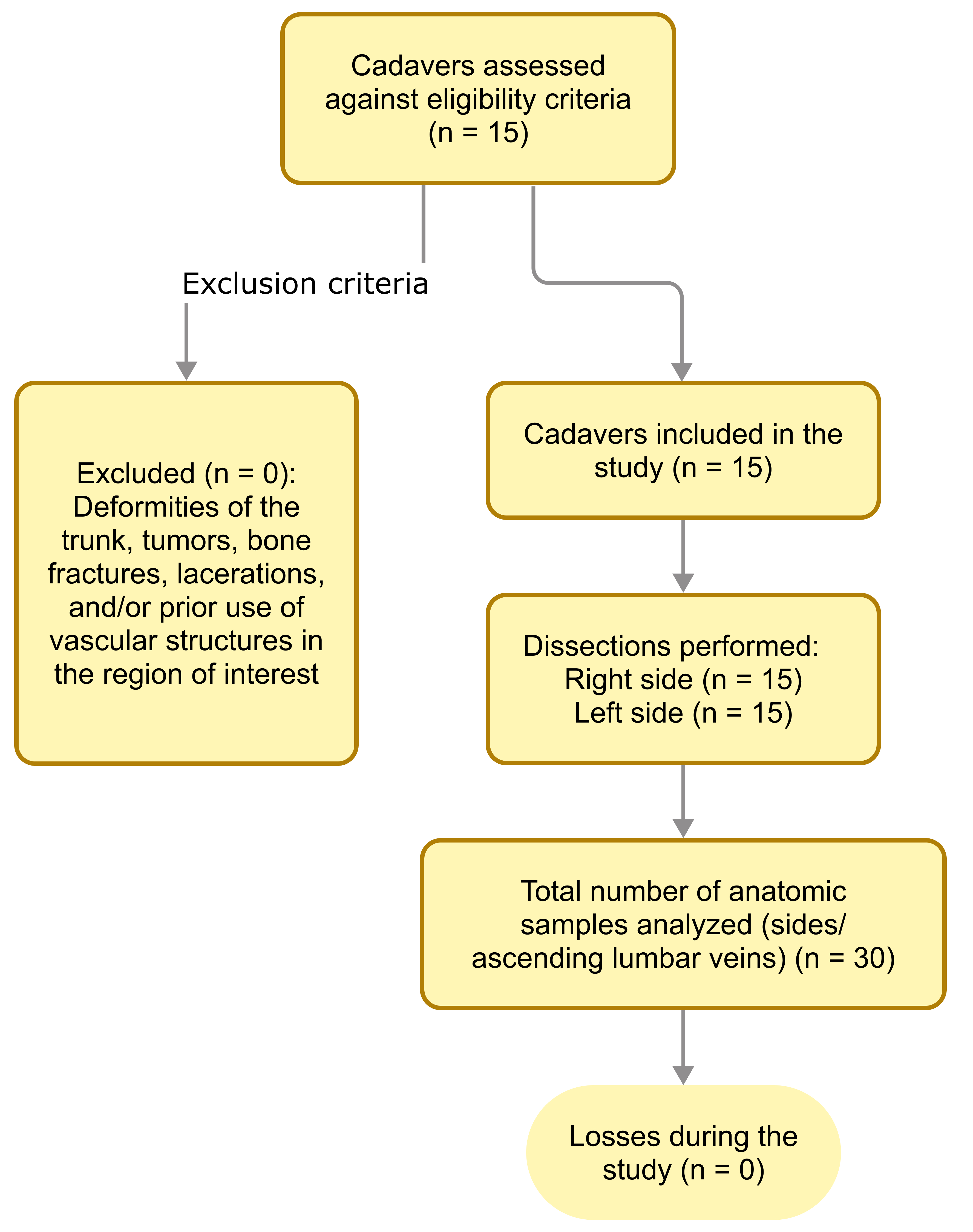
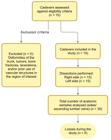
Methods This is a descriptive anatomic study conducted with 15 human cadavers and a total of 30 dissections.
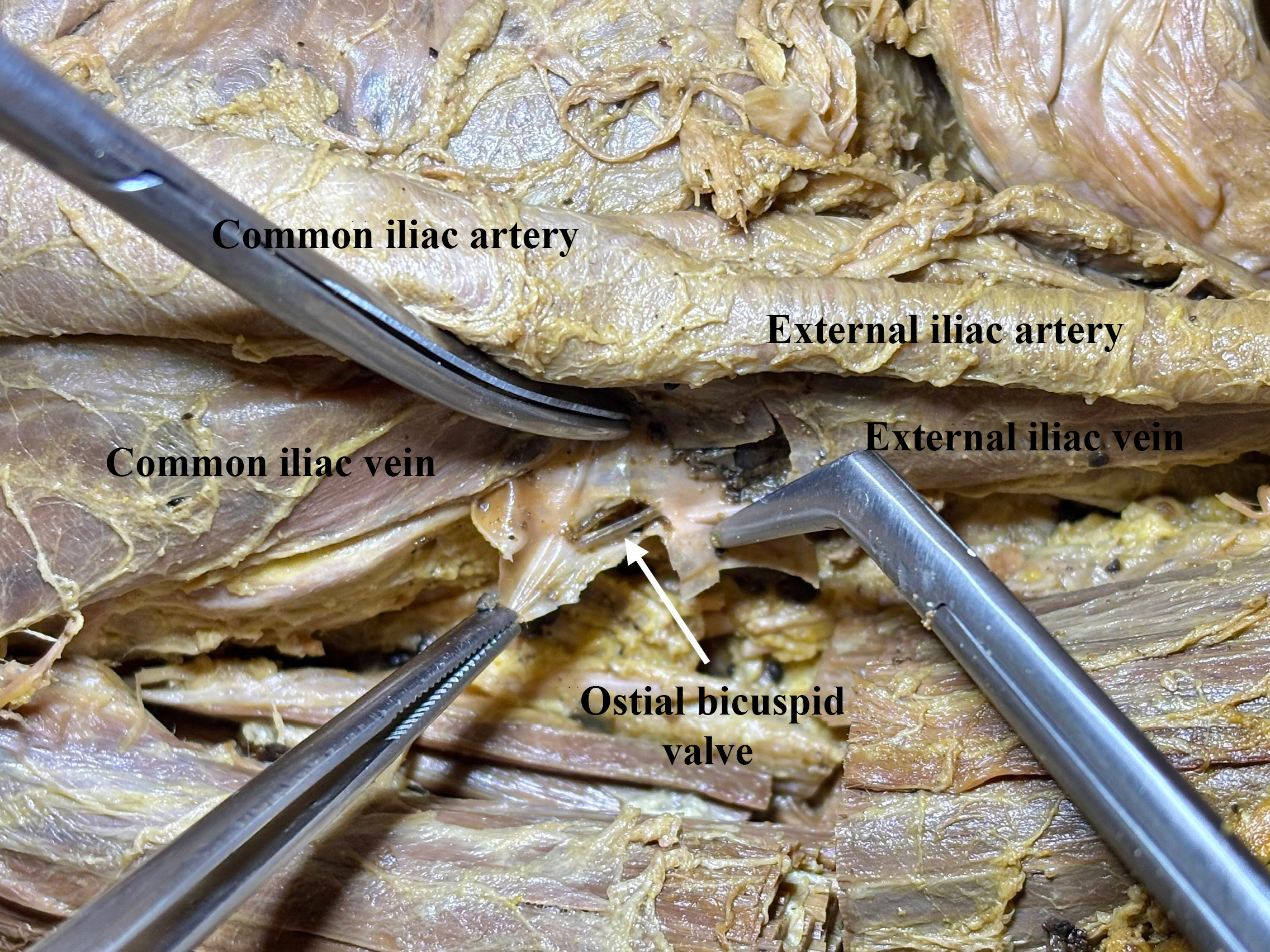
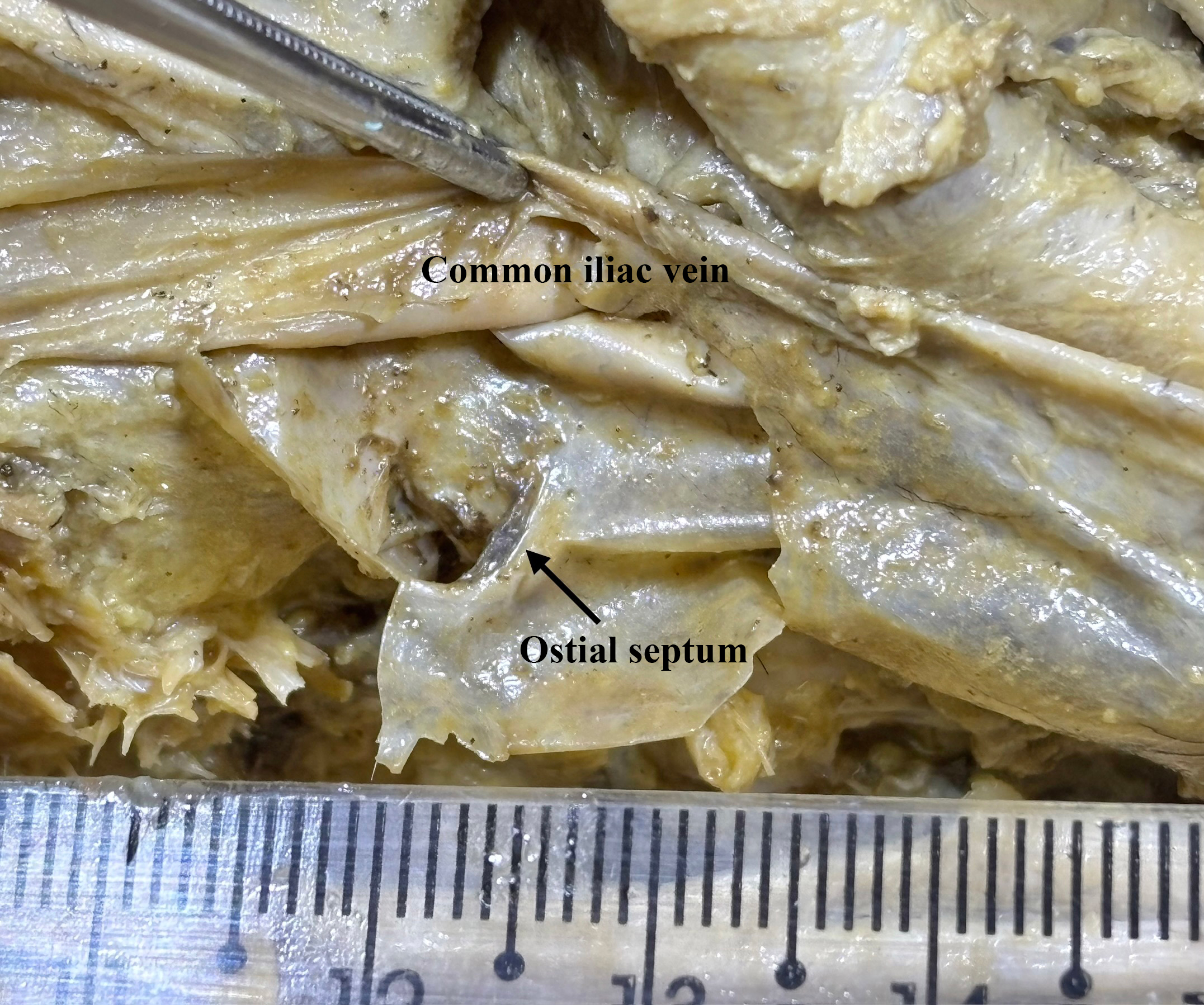
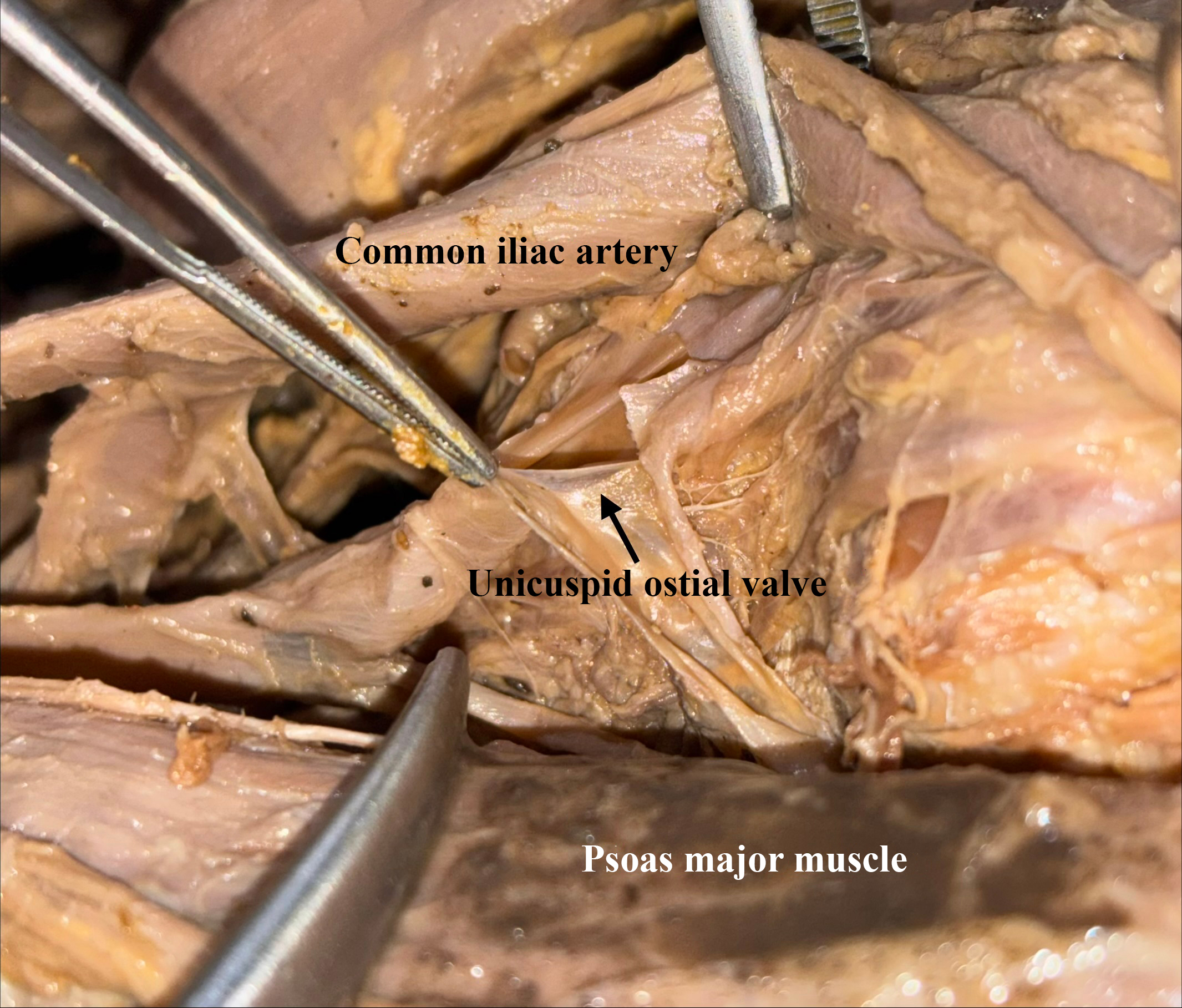
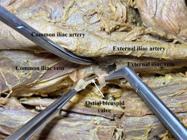
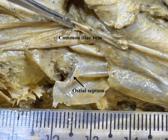
Results Six valves and four septa were observed. The ALVs most frequently drained into the common iliac vein (CIV) and in 40% of cases they did not continue longitudinally beyond the fourth lumbar vertebra. Muscular tributaries were the most frequent type. Mean ALV diameter was 2.75 mm on the right and 3.65 mm on the left. The ALVs were located lateral to the vertebral bodies and intervertebral discs; medial to the psoas major muscle and obturator nerve; posterior to the pelvic and abdominal lymph node chains and the CIV; and anterior to the transverse processes of the lumbar vertebrae.
Conclusions Considering the presence of valves and septa in the ALVs and the fact that they did not always extend beyond the fourth lumbar vertebra, it can be concluded that the ALVs cannot always be defined as routes of collateral circulation with ascending and descending flow supporting the caval system.
Keywords:
anatomy; venous valves; collateral circulation; caval veins; iliac vein
 Thumbnail
 Thumbnail
 Thumbnail
 Thumbnail