 Schistosoma mansoni soluble egg antigen and its key proteins differentially affect dextran sodium sulphate-induced inflammatory bowel disease
Abstract
BACKGROUND Inflammatory bowel disease (IBD) is an increasingly prevalent disease, affecting over seven million people worldwide and imposes a heavy burden on public health. The rising prevalence of IBD may be attributed to the hygiene hypothesis, which suggests that reduced exposure to parasites and microbes may weaken the immune system, thereby increasing susceptibility to developing IBD. Studies suggest helminths and their secretory products can modulate the host immunity and attenuate IBD. Our previous research also demonstrated that intestinal schistosomiasis can mitigate chronic IBD symptoms by restoring intestinal immune balance and dysbiosis.
OBJECTIVES While the primary pathology of schistosomiasis results from egg entrapment, we hypothesised that soluble egg antigen (SEA), known for its strong immunomodulatory effect, may contribute to the improvement of IBD. Given that SEA comprises multiple different proteins, identifying the role of individual components may clarify the therapeutic potential of SEA in IBD.
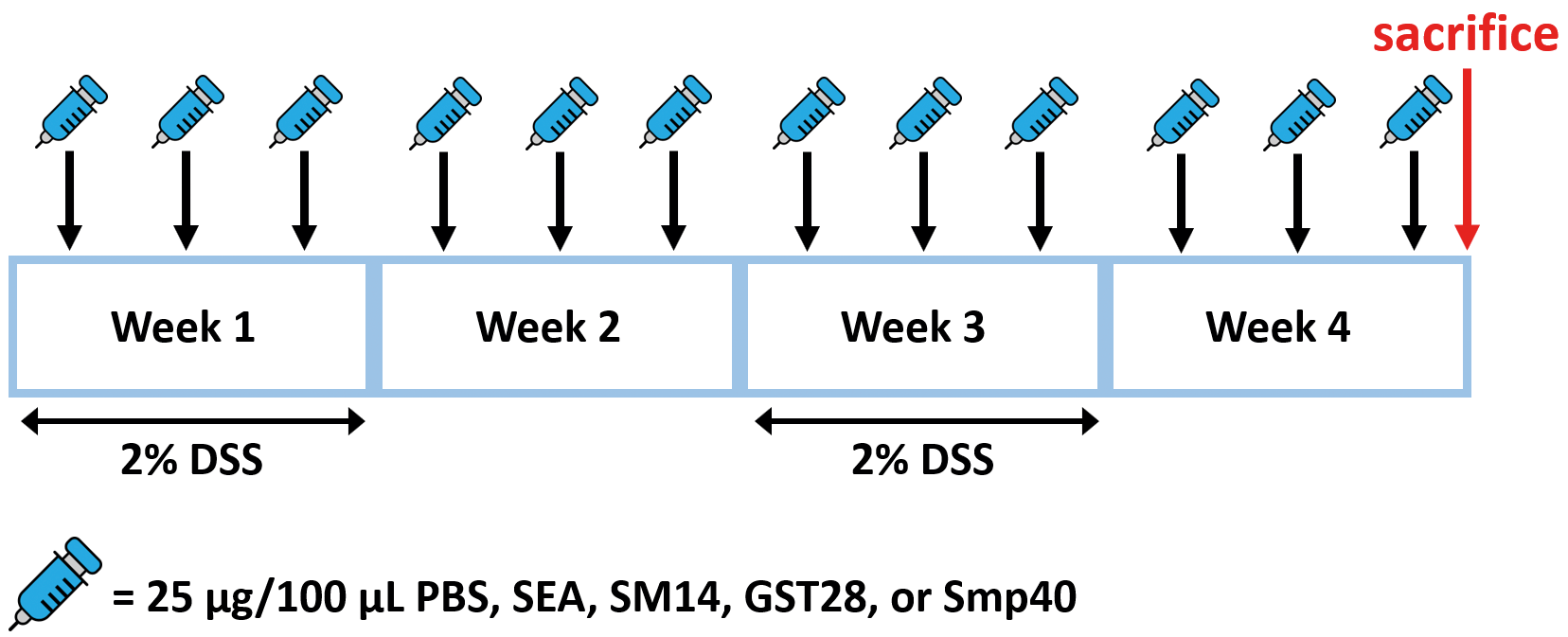
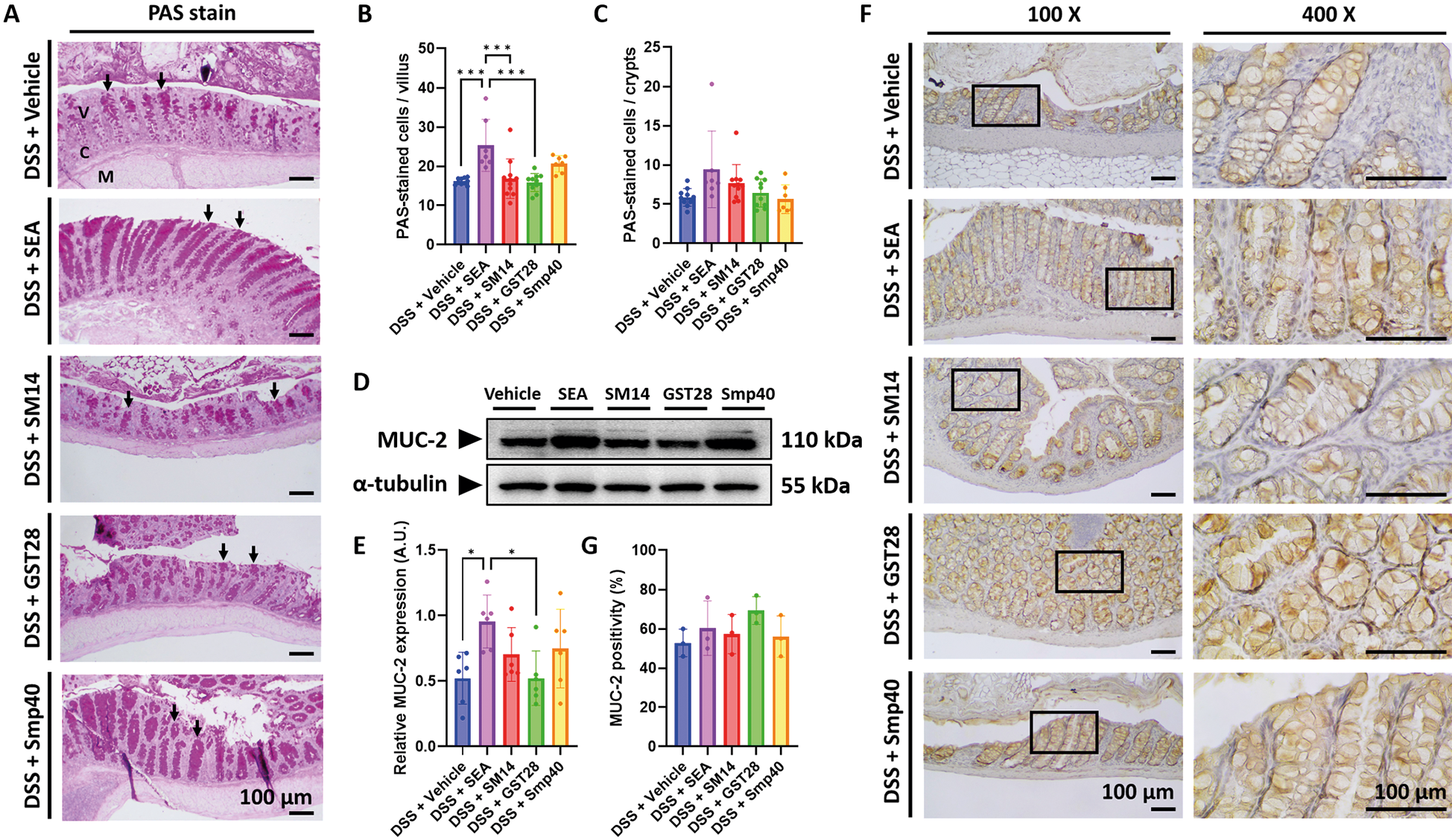
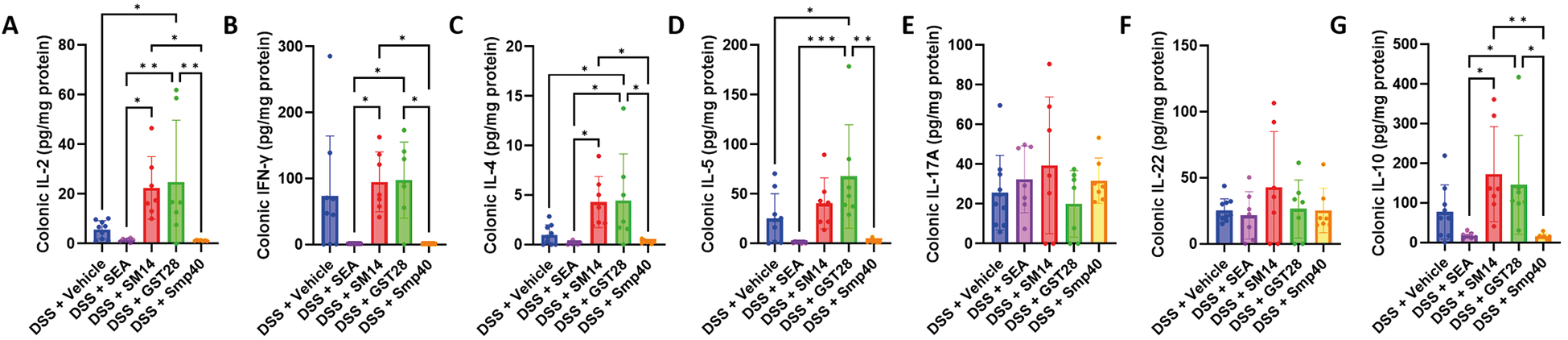
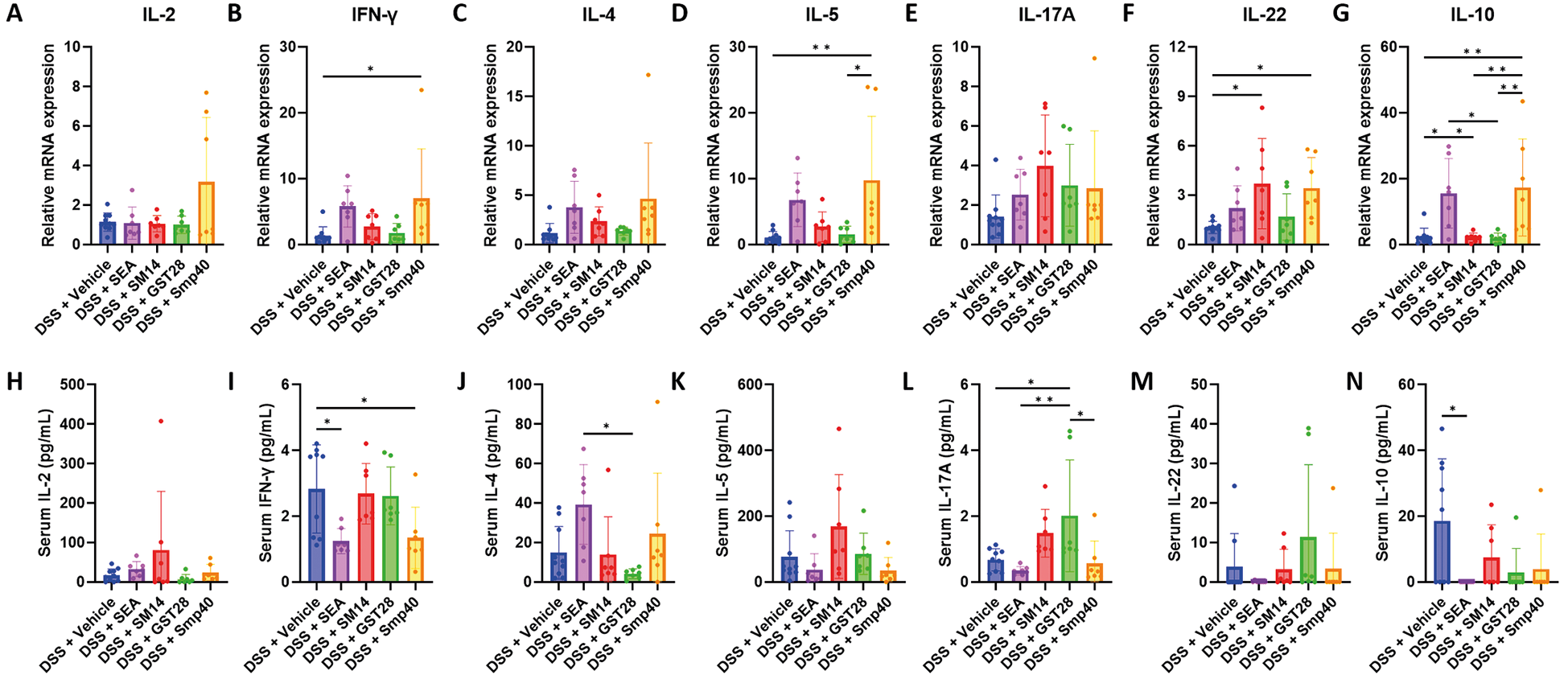
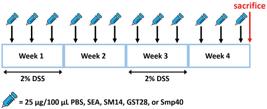
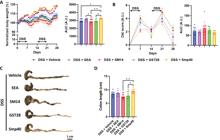
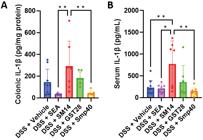
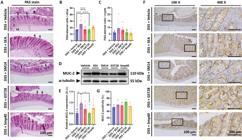
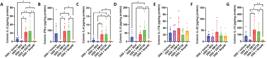
METHODS BALB/c mice were induced with dextran sodium sulphate (DSS) to develop IBD. Throughout the experiment, mice were intraperitoneally injected with 250 μg/mL crude SEA extract or recombinant egg antigen proteins, including SM14, GST28, and SMP40, three times a week. Colonic histopathology was assessed by H&E staining, and the immune response was evaluated through periodic acid-Schiff (PAS) staining, immunohistochemistry, enzyme-linked immunosorbent assay (ELISA), western blot, and quantitative polymerase chain reaction (qPCR).
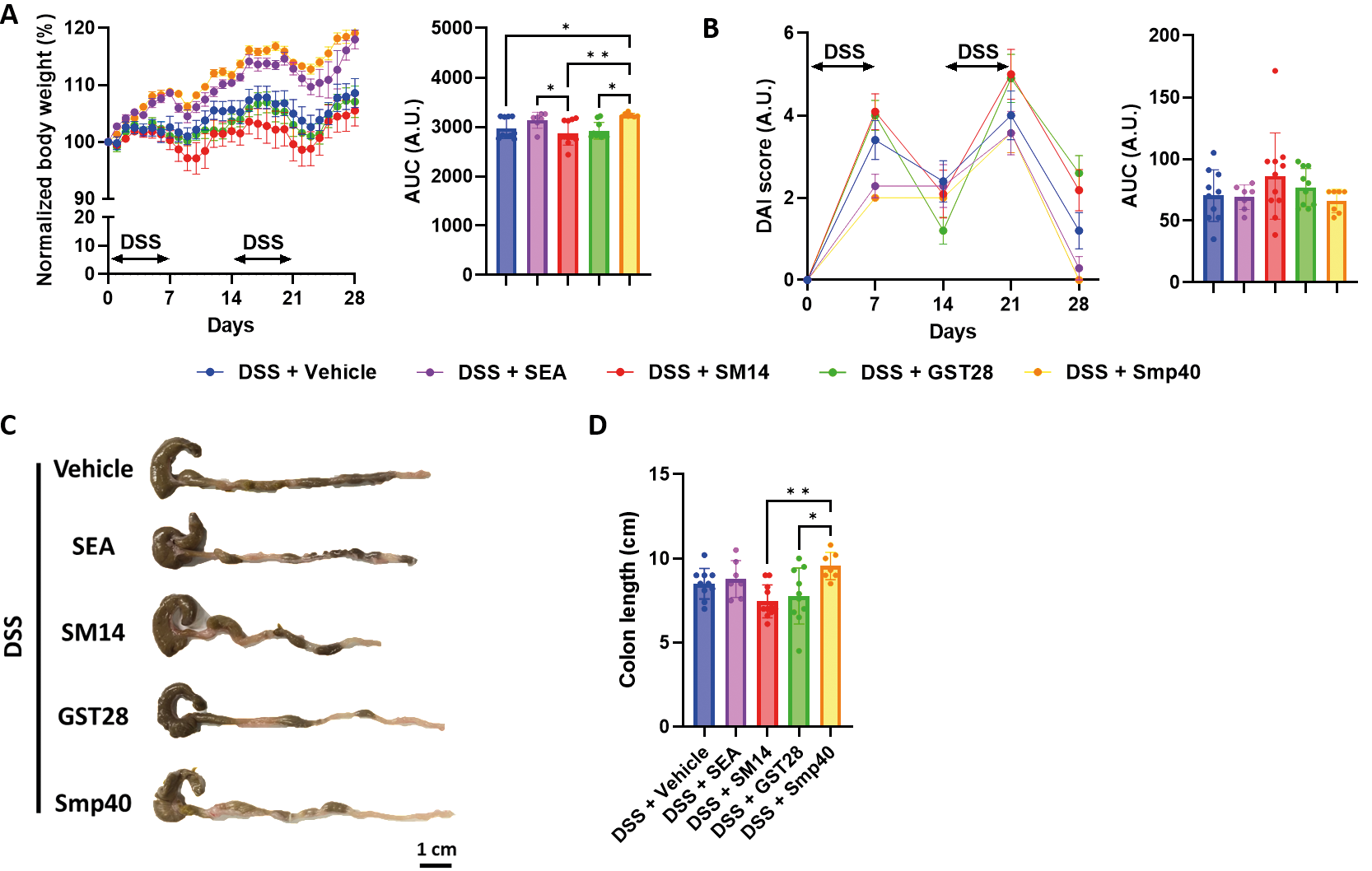
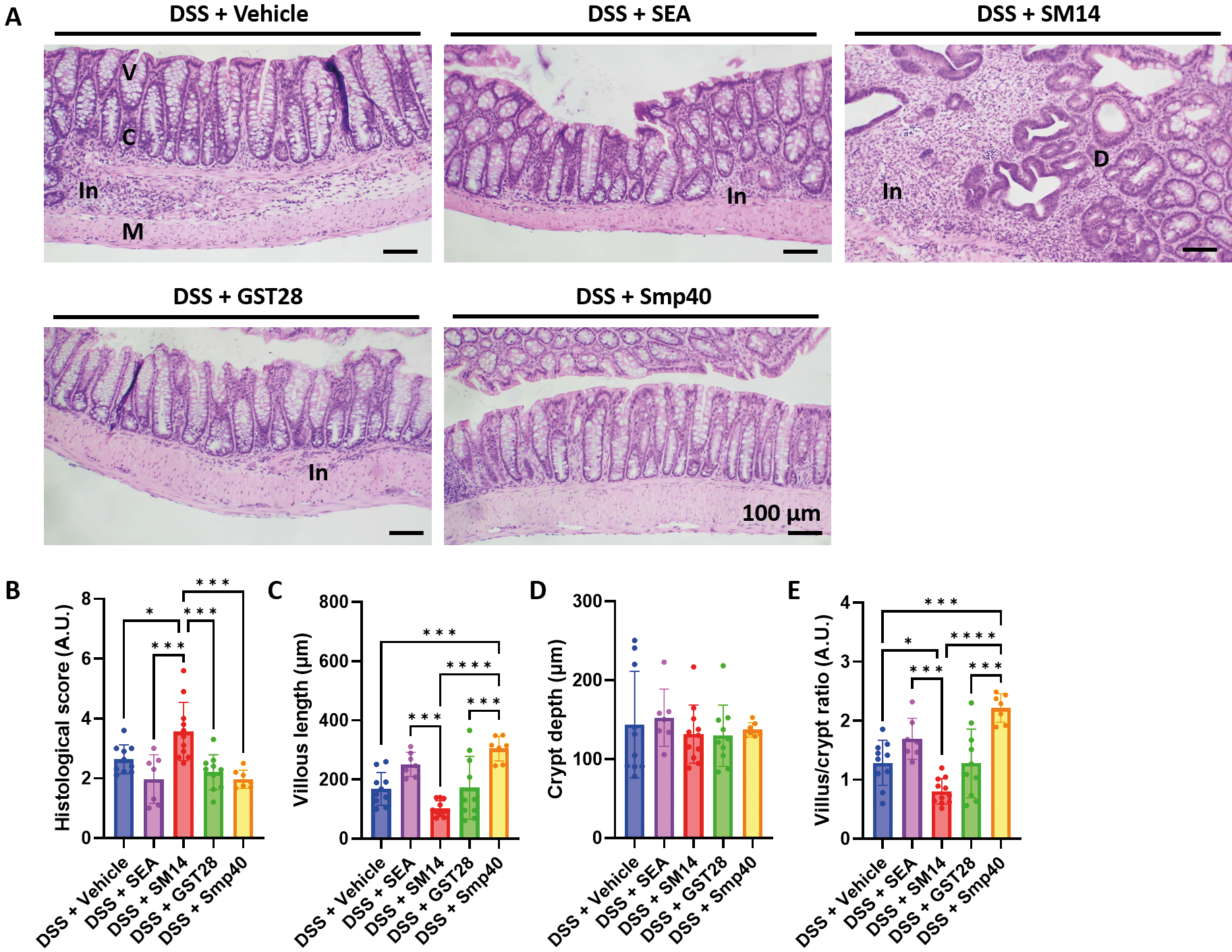
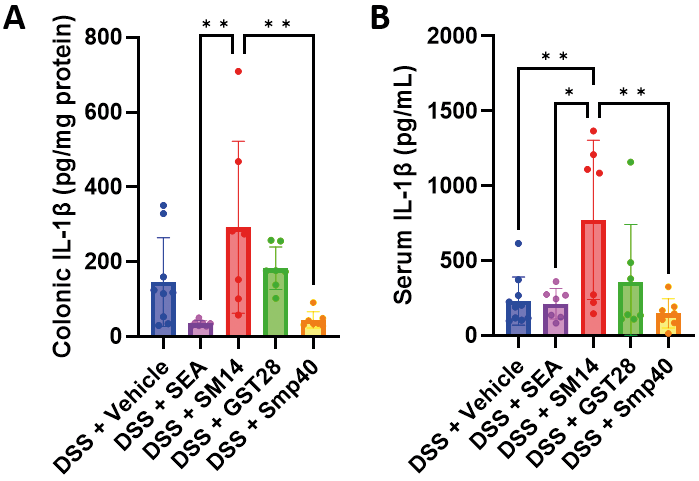
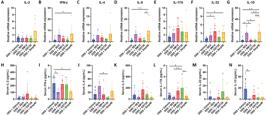
FINDINGS Both SEA and Smp40 alleviated DSS-induced IBD, whereas SM14 exacerbated the disease and led to colonic dysplasia. In contrast, GST28 showed no significant effect on IBD. Further investigation revealed that all tested proteins modulated the immune response in mice, though each did so in different ways. These differences in immune modulation may underlie the varying disease outcomes observed.
MAIN CONCLUSIONS While SEA has shown therapeutic promise in IBD, it is also important to investigate the safety and mechanisms of individual antigens before considering their clinical application in the future.
Key words:
inflammatory bowel disease; soluble egg antigen; Schistosoma; colonic dysplasia
 Thumbnail
 Thumbnail
 Thumbnail
 Thumbnail
 Thumbnail
 Thumbnail
 Thumbnail