 Immune dysregulation, apoptosis impairment, and enhanced seroreactivity to Anisakis simplex in Crohn’s disease: interplay of IL-7/IL-7R signalling and CD132 deficiency
Abstract
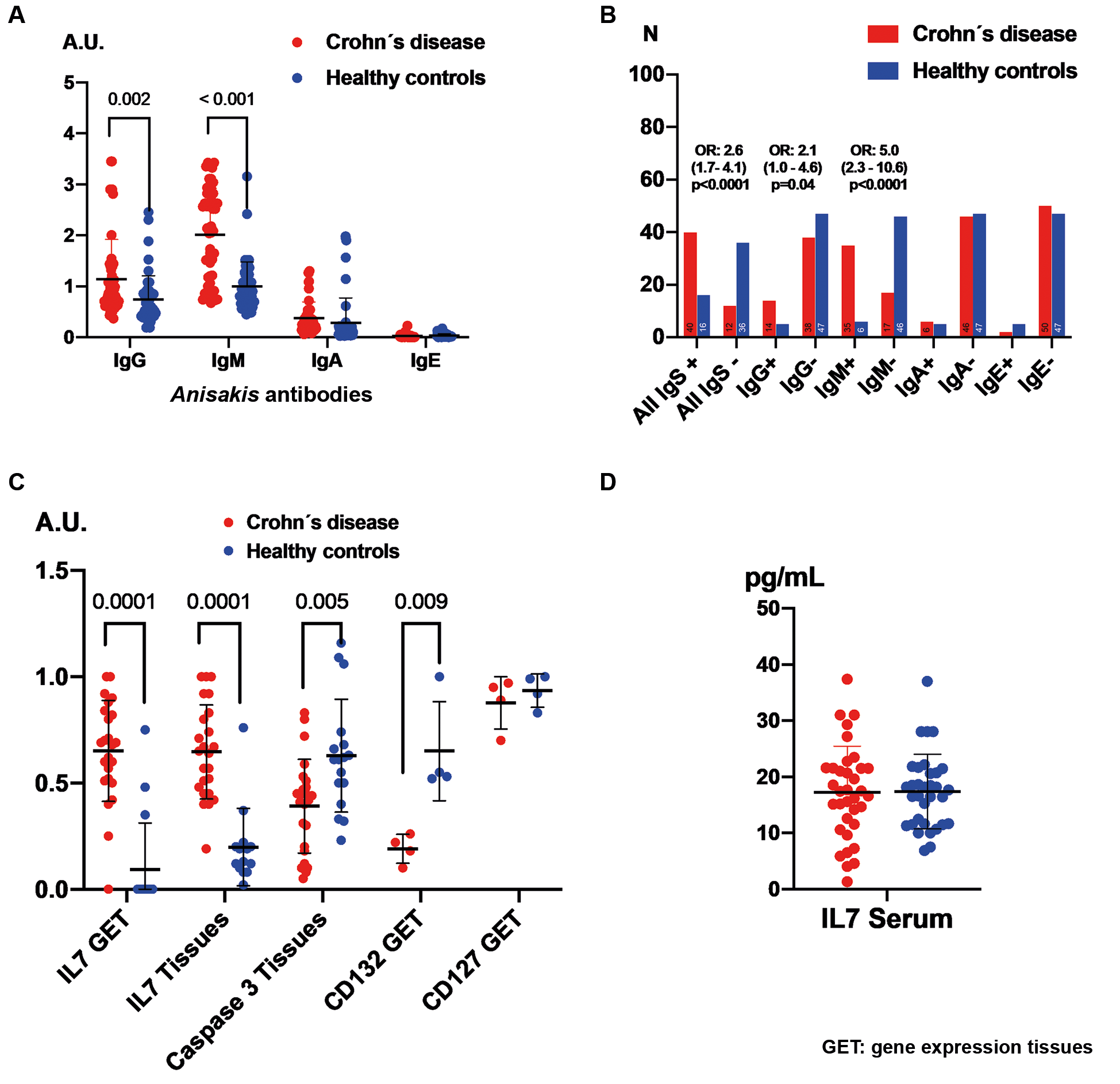
BACKGROUND In previous studies, we identified a deficiency of γδ T cells and an increased prevalence of anti-Anisakis simplex antibodies in patients with Crohn’s disease (CD). Additionally, decreased gene expression of the interleukin 2 (IL-2) receptor γ subunit (CD132) was observed in tissues from CD patients.
OBJECTIVE To analyse the gene expression of IL-7 and its receptors in tissues from CD patients and to explore its relationship with anti-A. simplex antibodies.
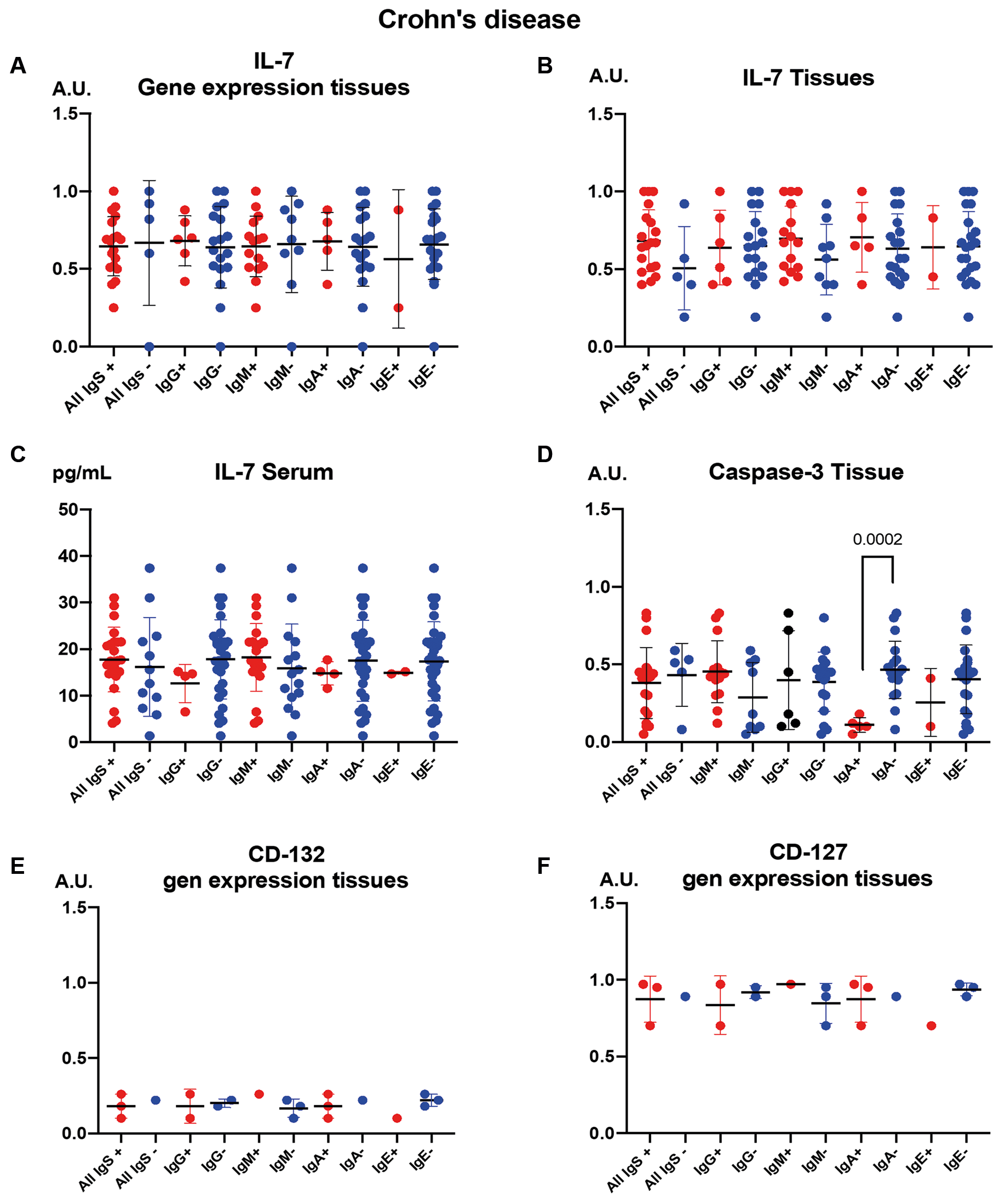
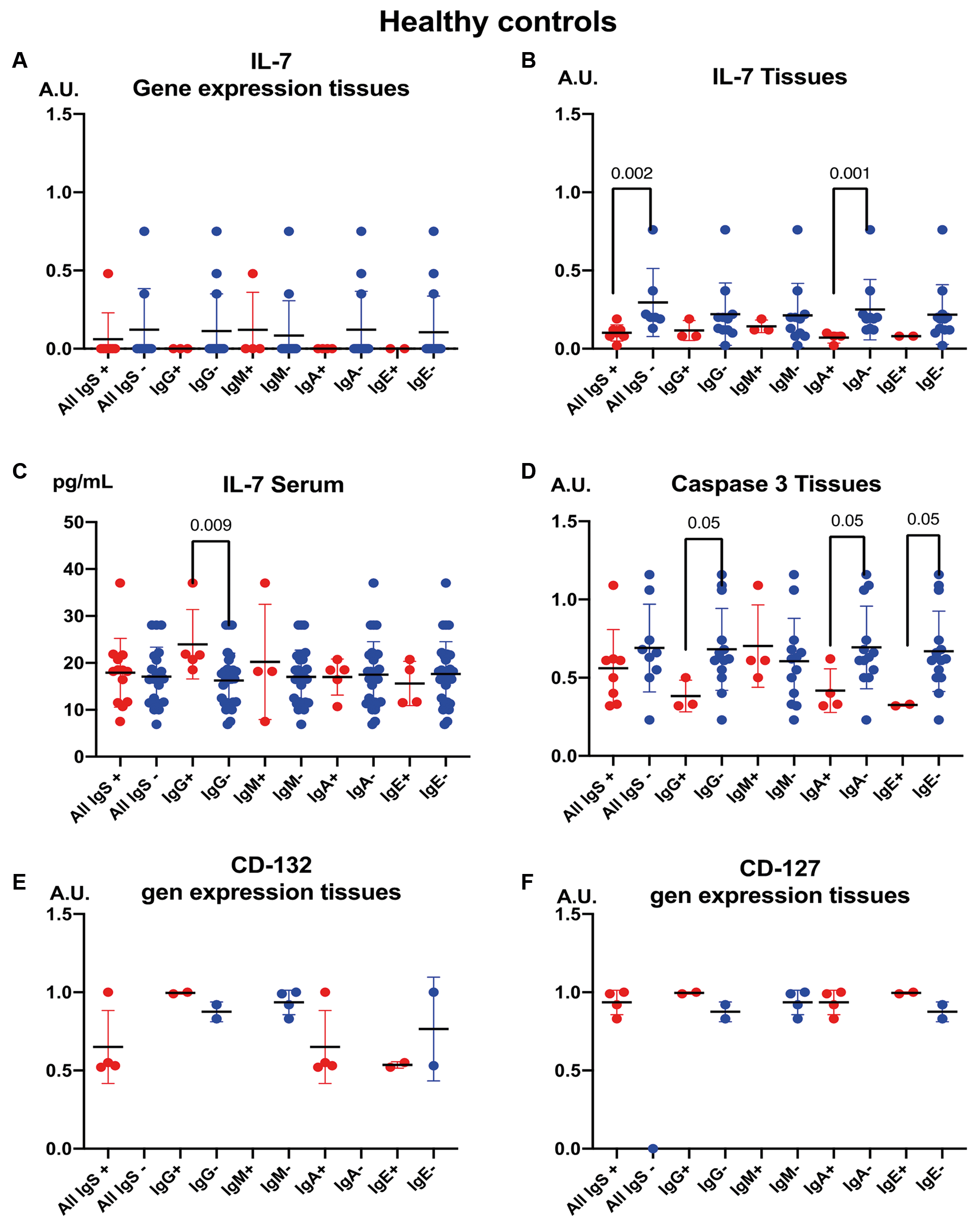
METHODS 52 patients diagnosed with CD were compared with a control group of 52 healthy individuals. Peripheral blood samples were analysed to assess levels of anti-A. simplex antibodies and IL-7. In addition, intestinal tissue samples from 20 subjects in each group were examined to evaluate IL-7 gene expression, IL-7 protein levels, the IL-2 receptor γ subunit (CD132), the IL-7 receptor α subunit (CD127), and caspase-3 expression.
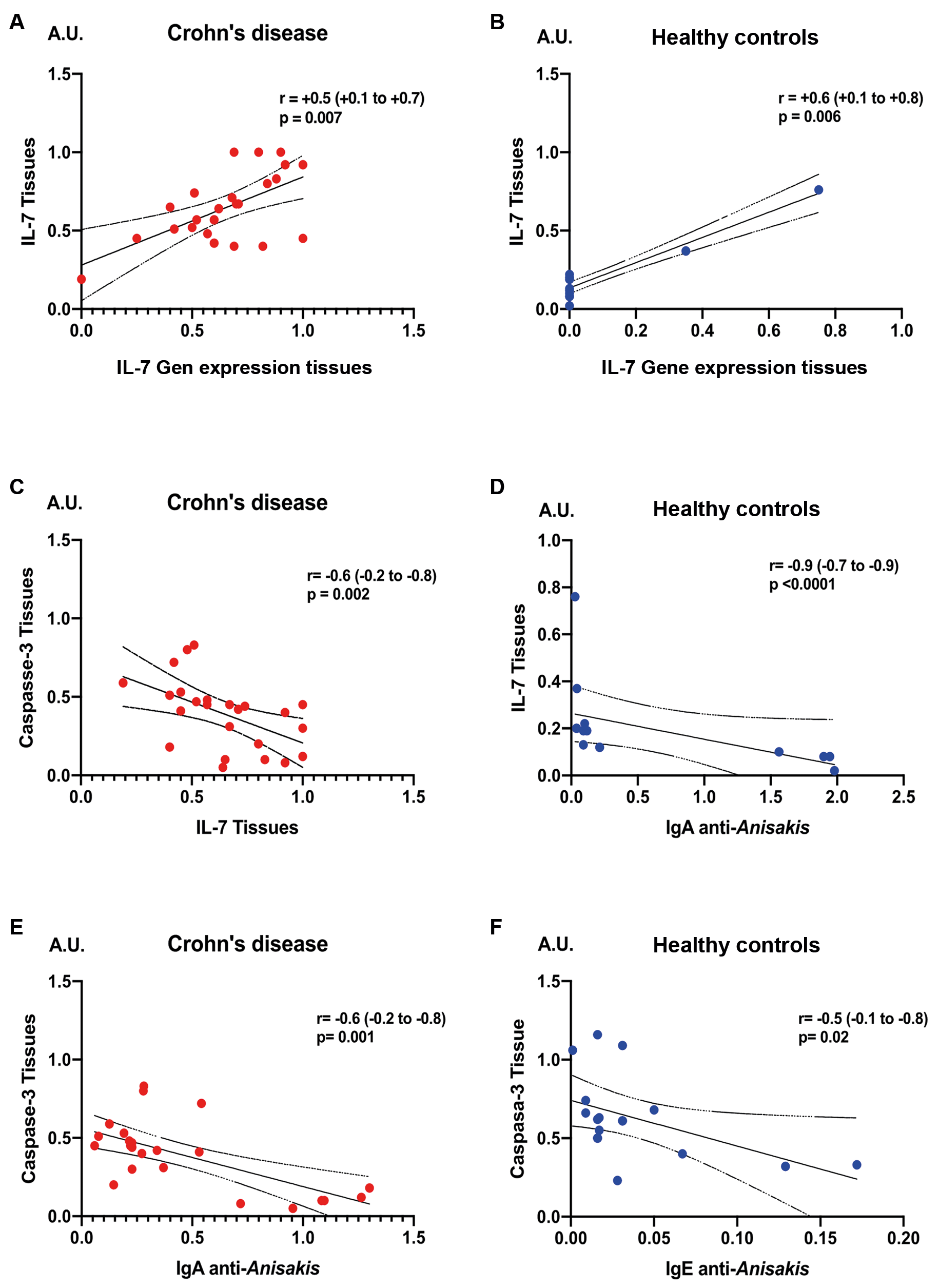
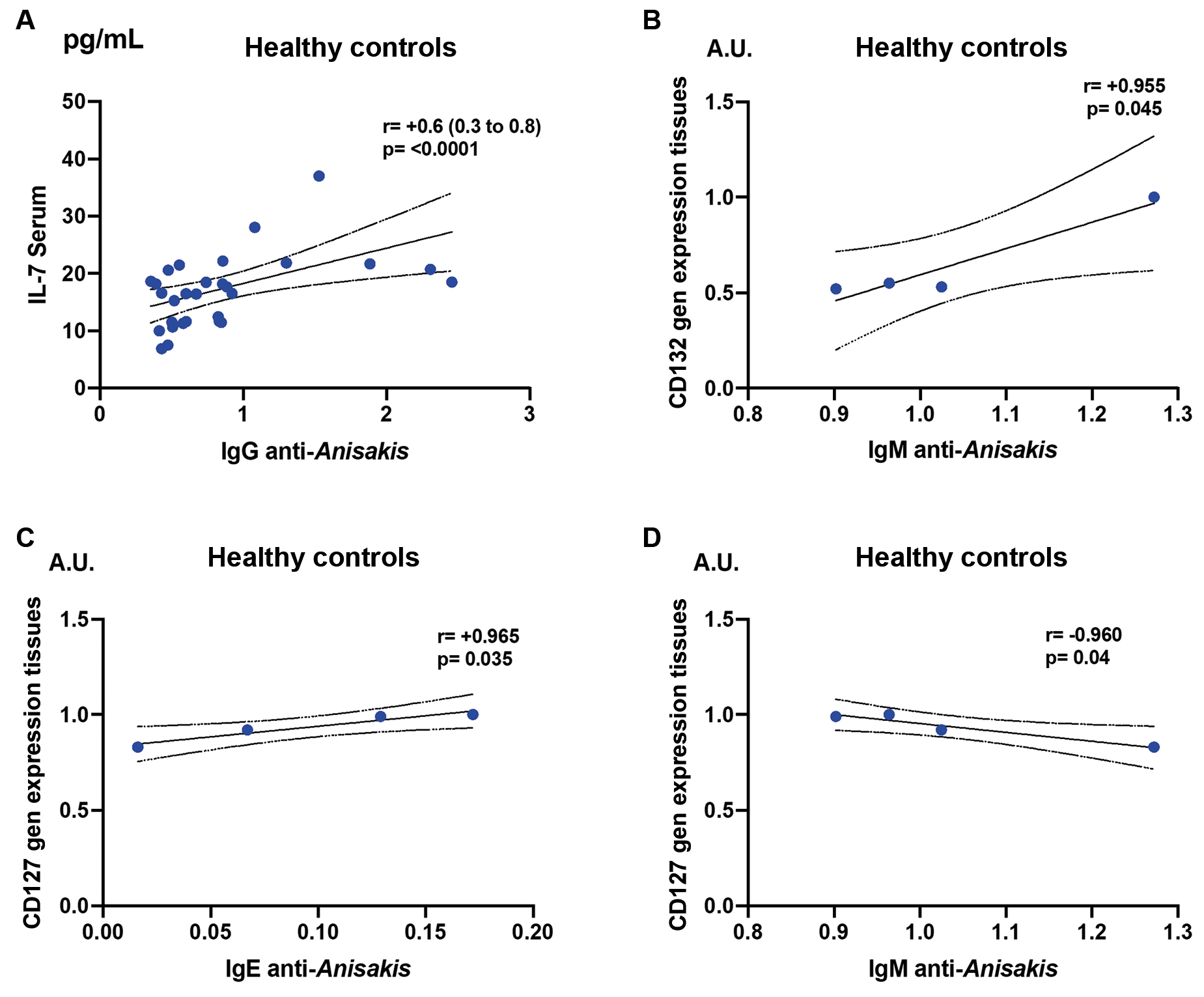
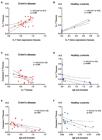
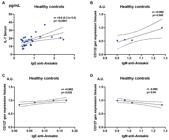
FINDINGS Anti-A. simplex antibody levels were elevated in patients with CD. Caspase-3 expression was significantly reduced in the tissues of CD patients with anti-A. simplex IgA, and this reduction extended to IgG and IgE in healthy individuals. A negative correlation was observed between caspase-3 levels and serum anti-A. simplex IgA, as well as IL-7 levels in the tissues of CD patients. In healthy subjects, tissue IL-7 levels were lower in those positive for anti-A. simplex IgA, while serum IL-7 levels were higher in individuals positive for anti-A. simplex IgG.
MAIN CONCLUSIONS This study revealed the interplay between IL-7 signalling, γδ T cell deficiency, and immune responses to A. simplex in CD. Our findings underscored a cause-effect relationship between CD132 deficiency, γδ T cell depletion, and defective mucosal immunity, which may drive both CD inflammation and susceptibility to parasitic infections like A. simplex.
Key words:
Crohn’s disease; anti-Anisakis simplex antibodies; IL-7 gene expression; IL-2 receptor subunit g (CD 132); caspase-3
 Thumbnail
 Thumbnail
 Thumbnail
 Thumbnail
 Thumbnail