 Piecing together the puzzle: current knowledge and open questions about the Klebsiella pneumoniae type VI secretion system (T6SS)
Abstract
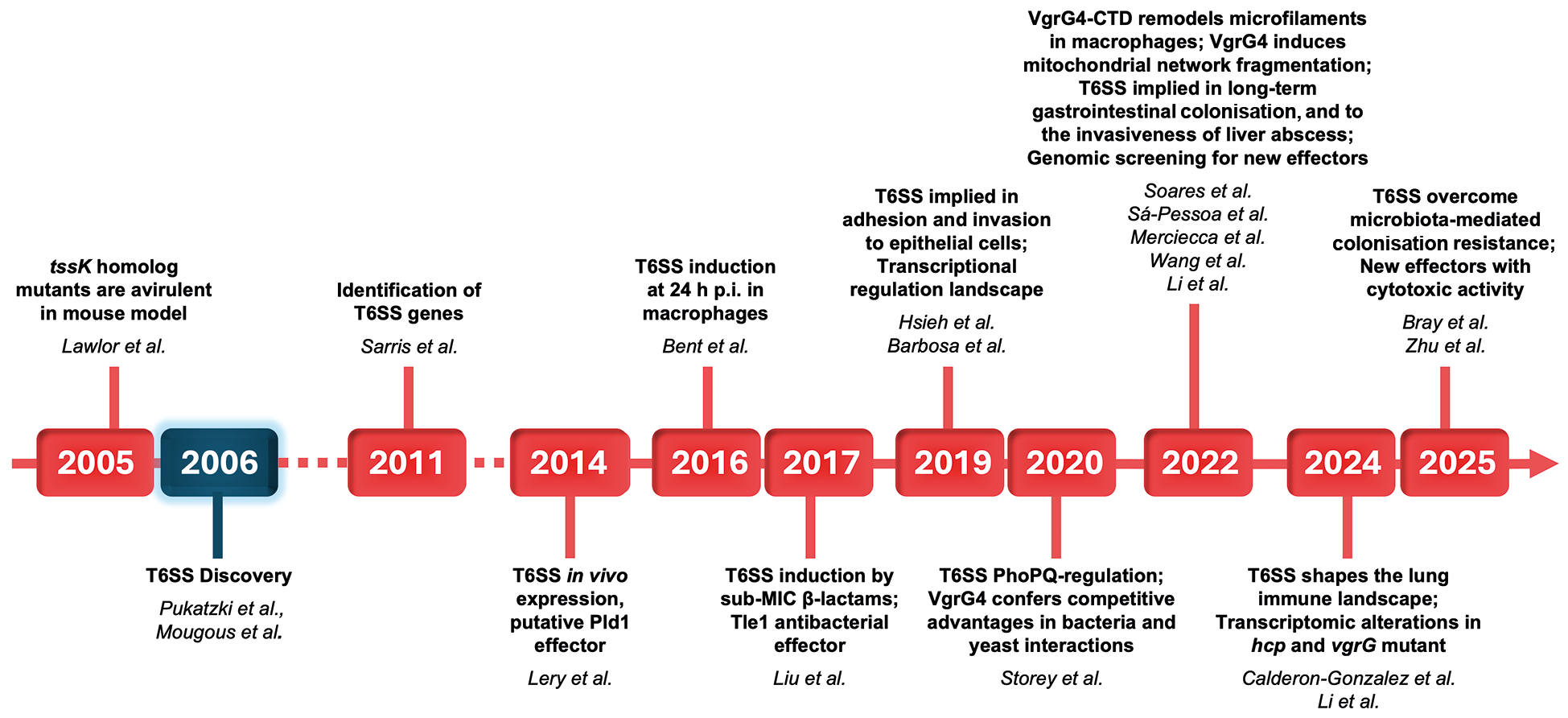
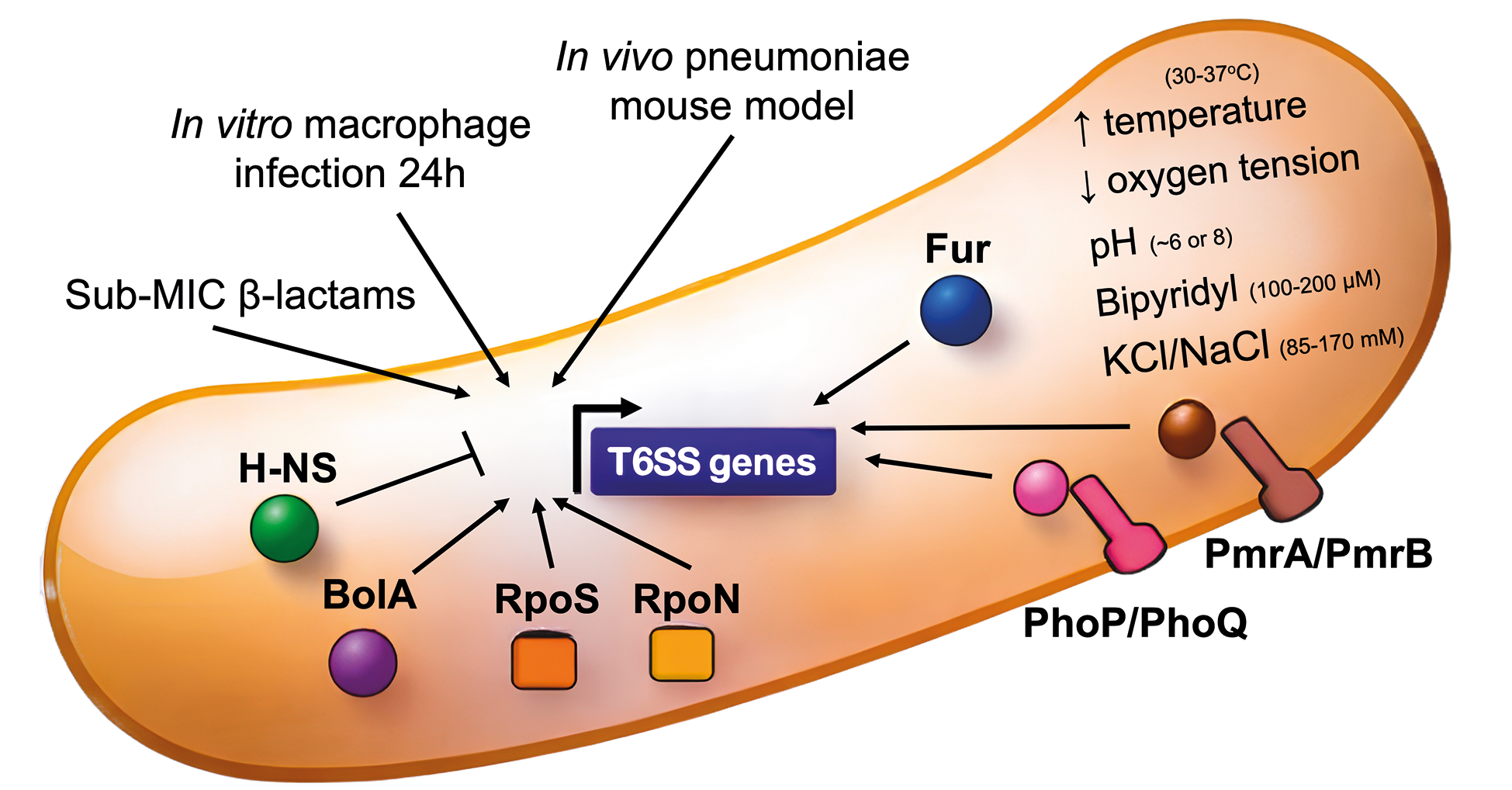
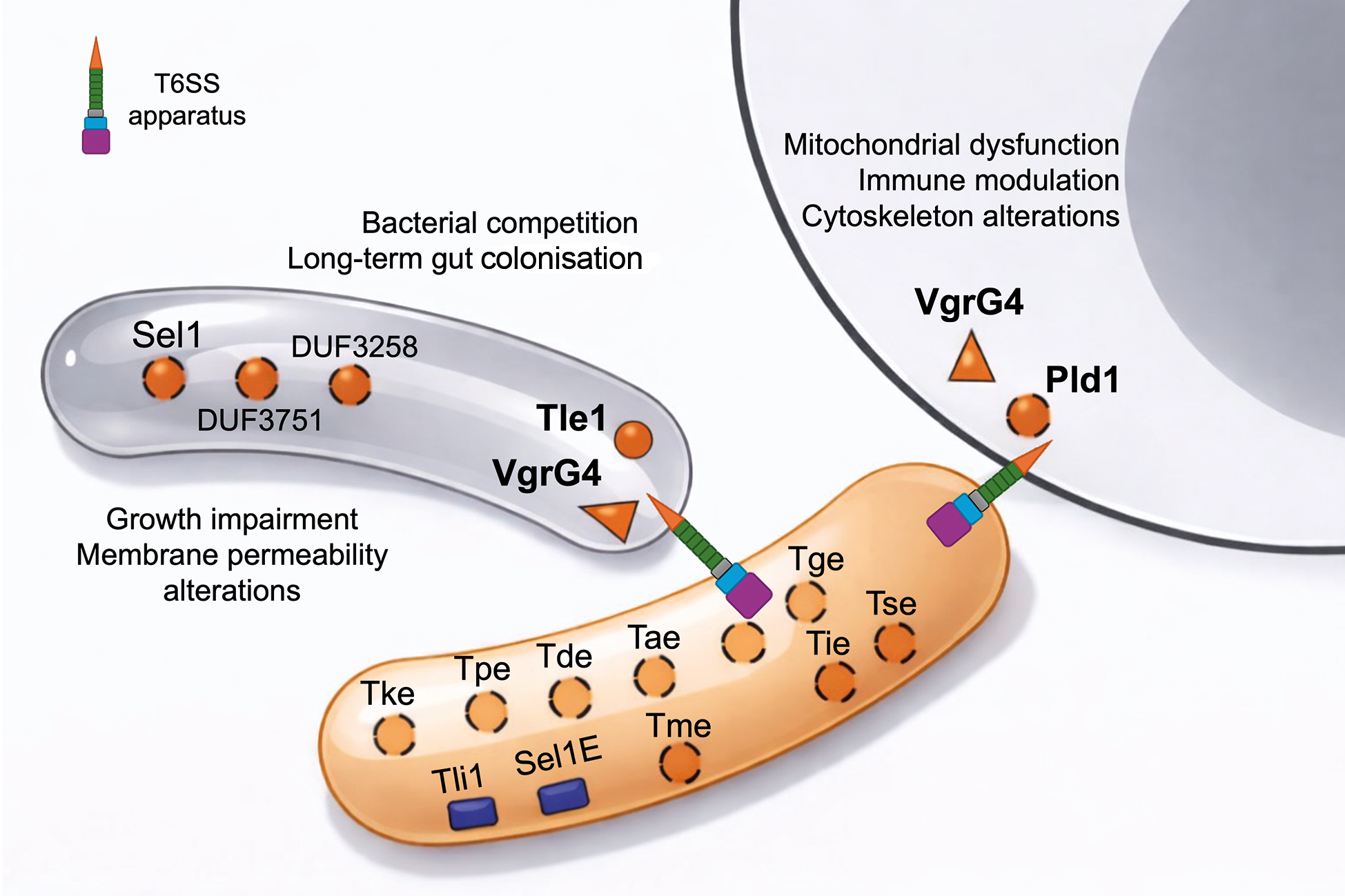
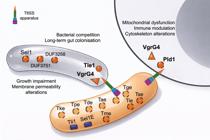
Klebsiella pneumoniae (Kp) is currently a top priority for the development of alternative therapeutic strategies, according to the World Health Organisation, due to serious concerns regarding infections caused by multiple drug resistant (MDR) bacteria. The convergence of hypervirulence and MDR represents a major threat to public health worldwide. Kp displays an extensive genomic diversity, reflecting a variable repertoire of resistance and virulence factors. Despite this heterogeneity, the type VI secretion system (T6SS) is encoded in most Kp-genomes and plays important roles in competition and pathogenesis. The T6SS is a large macromolecular complex assembled in the cytoplasm that spans the inner and outer membranes. Upon activation, it undergoes conformational changes allowing the delivery of effectors into the extracellular milieu or target cells. Herein, we summarise the current knowledge on the Kp-T6SS, presenting a chronological overview of published studies, discussing the mechanisms, signals, and regulators involved in T6SS expression. Next, we detail both predicted and characterised effector proteins, including Tle1, Pld1 and VgrG4. Finally, we discuss the presence of Kp-T6SS in mobile genetic elements or in clinical samples, highlighting the importance of genomic vigilance and Kp-T6SS detection in high-risk cases. This review integrates available evidence, identifies knowledge gaps, and outlines future directions.
Key words:
VgrG; phospholipase; effector proteins; bacterial virulence; gene expression regulation
 Thumbnail
 Thumbnail
 Thumbnail