The Effect of Substrate Chemical Homogeneity on Nanotube Formation in Ti-35Nb-xSi Alloys
Abstract
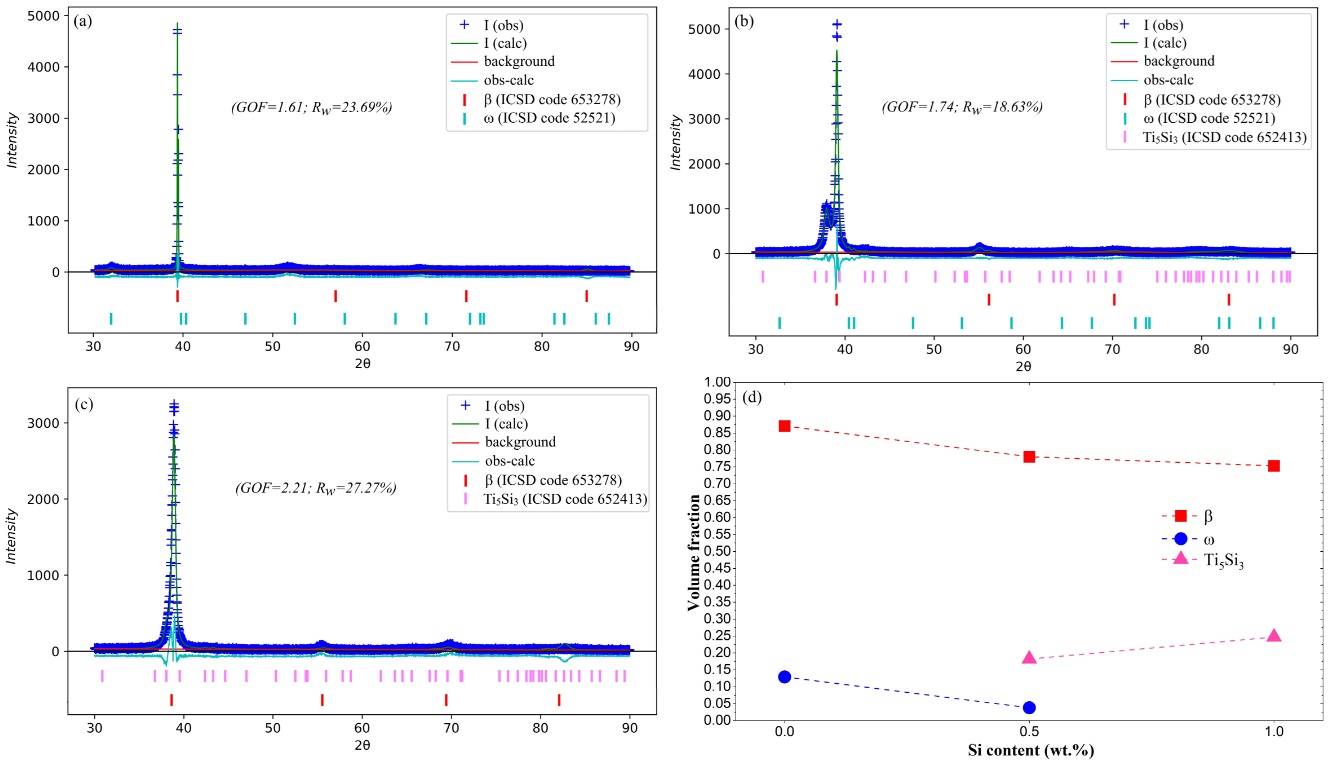
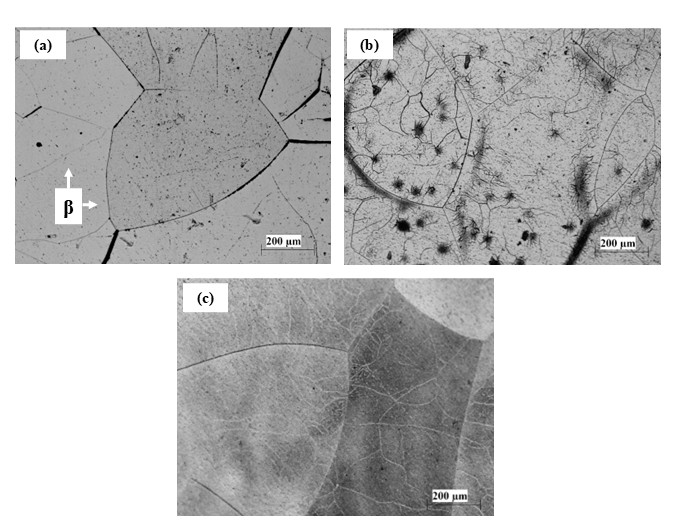
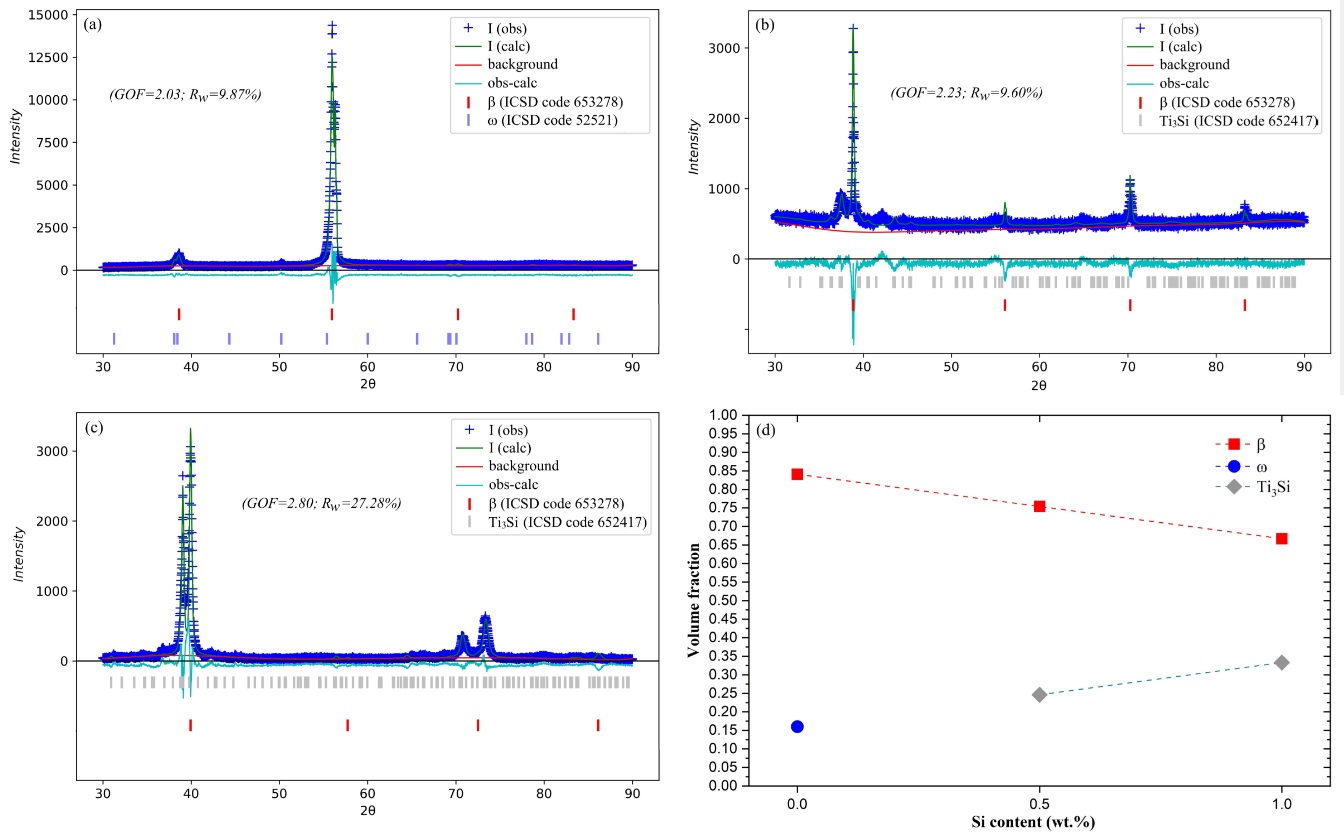
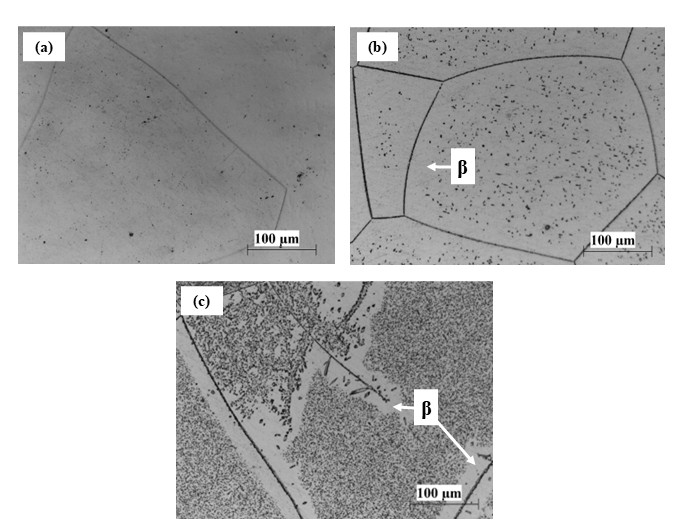
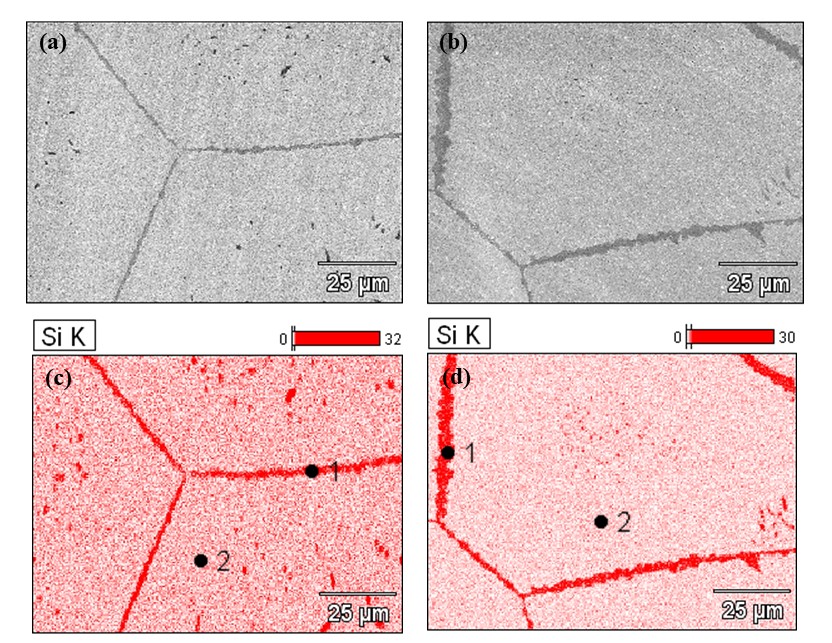
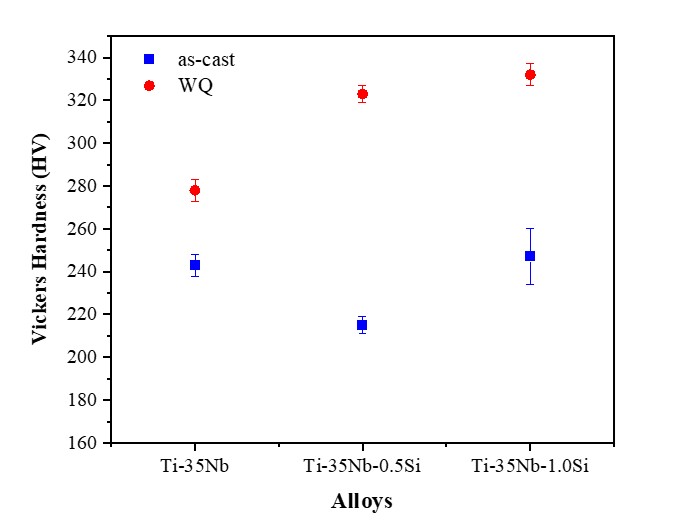
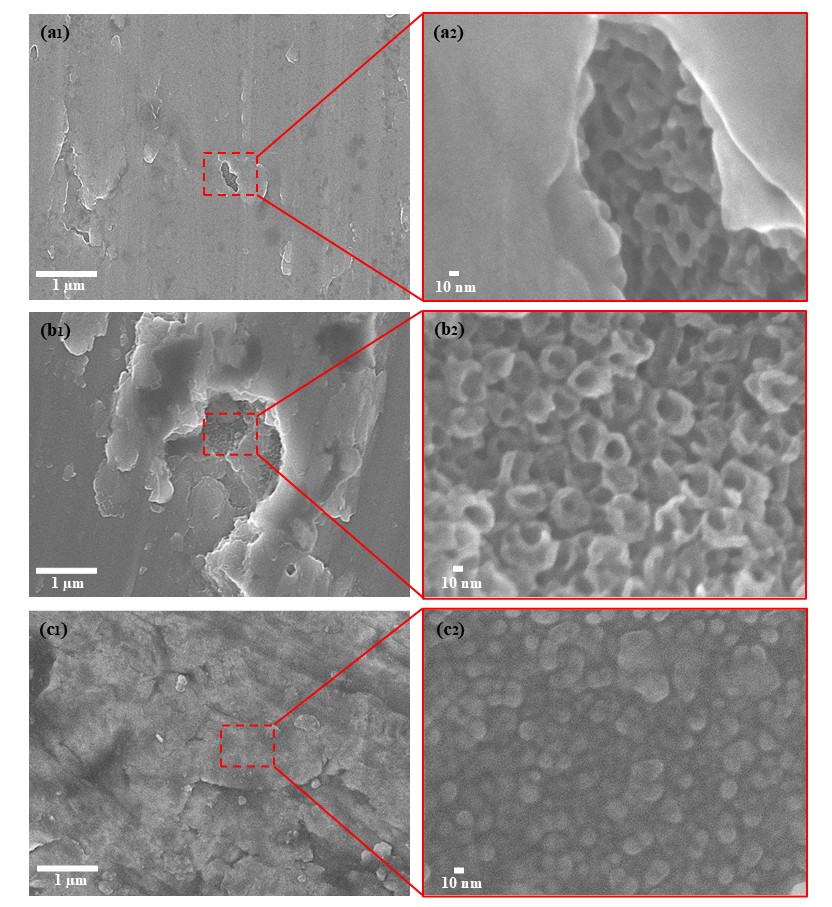
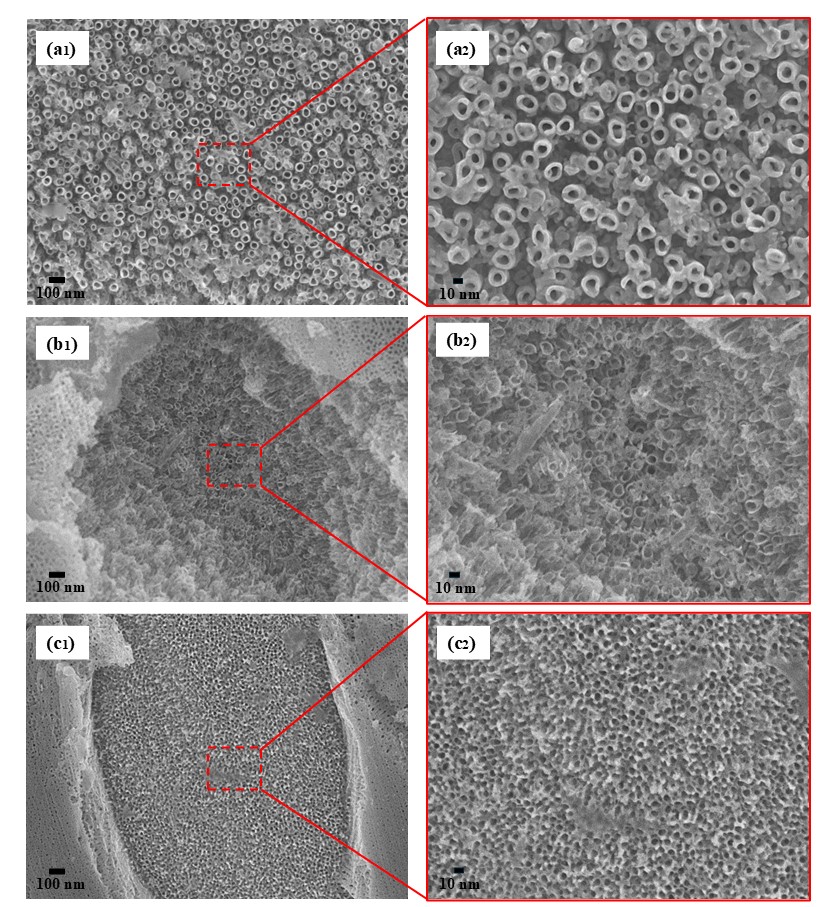
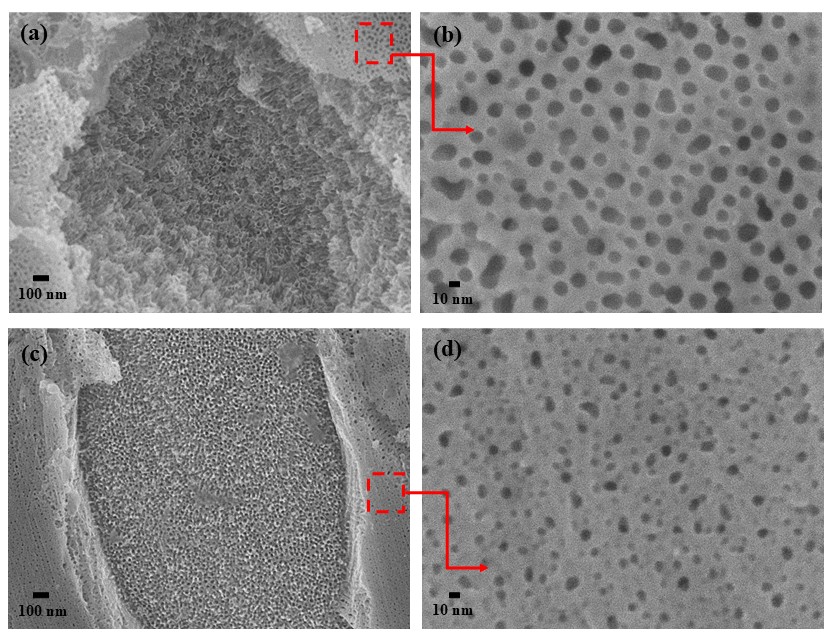
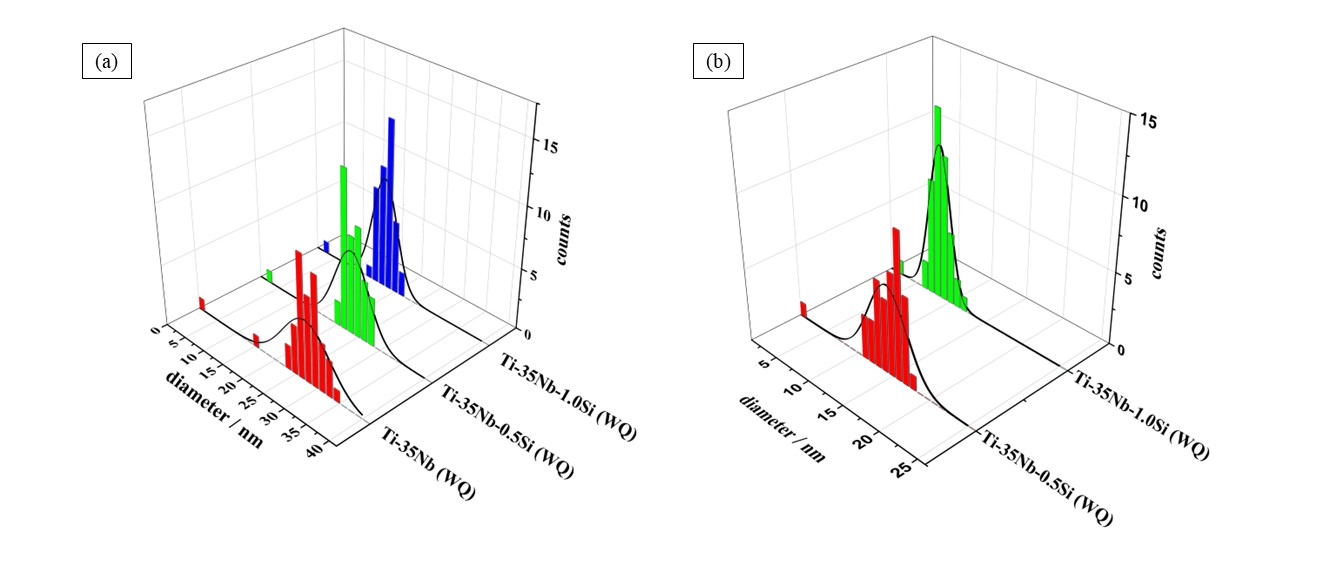
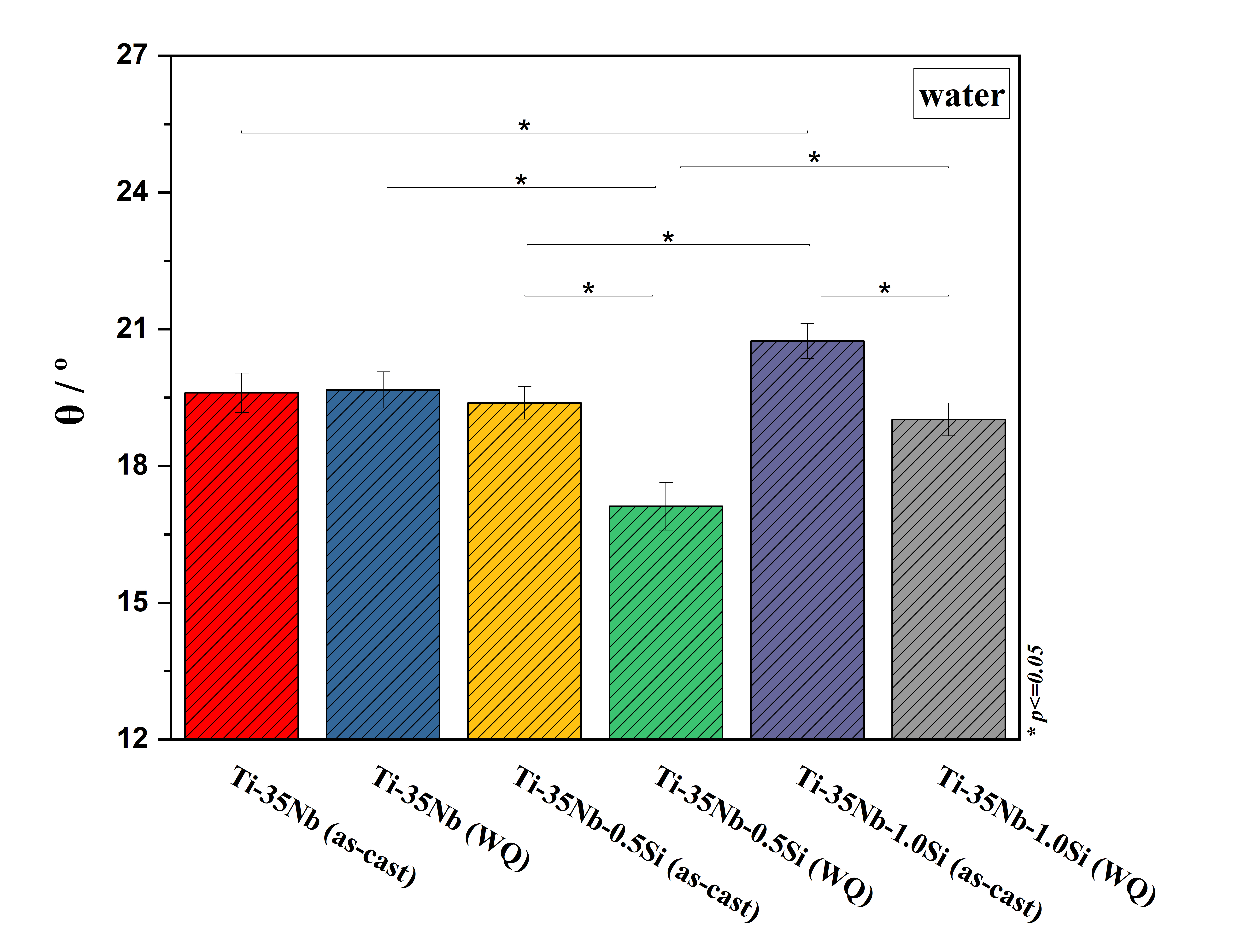
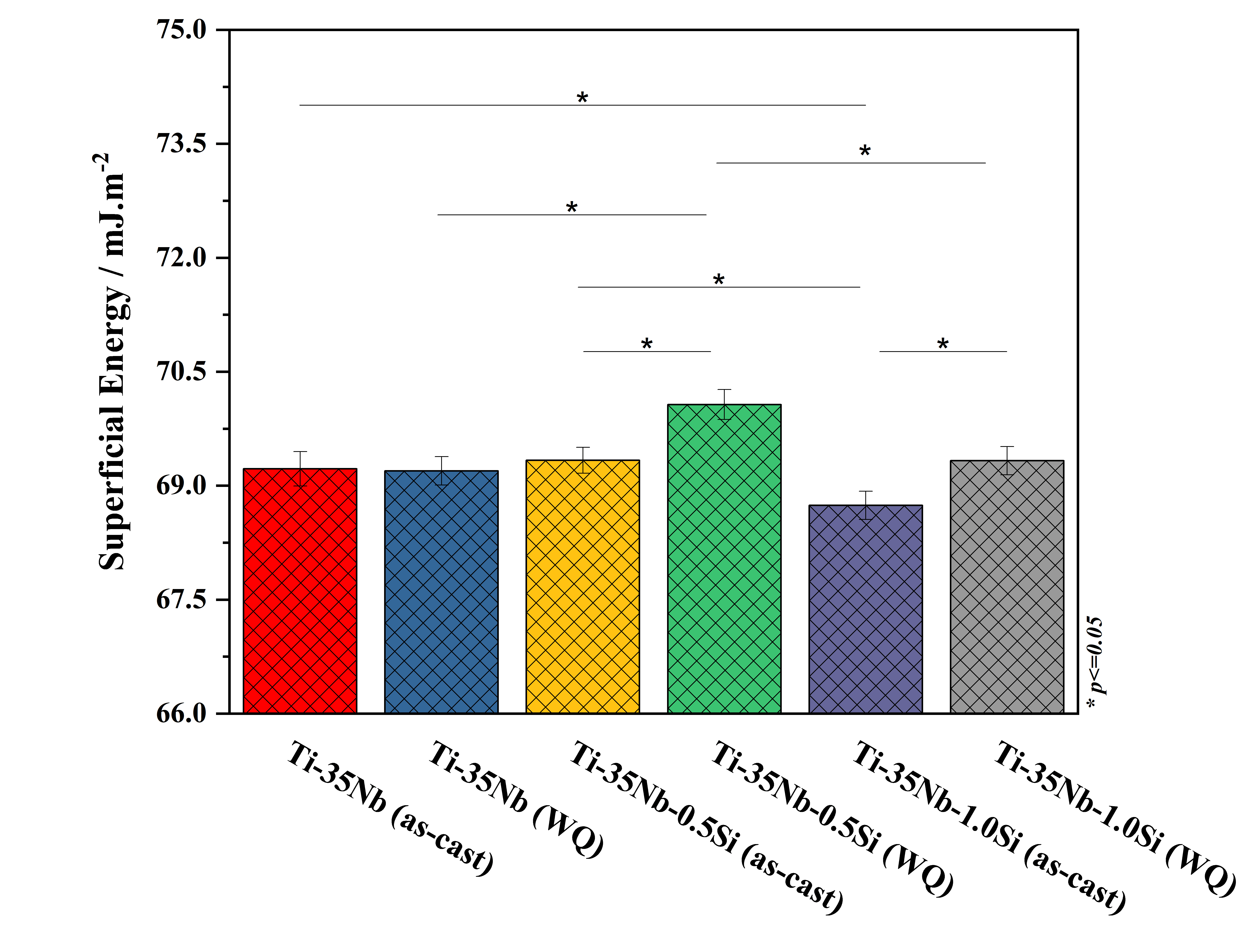
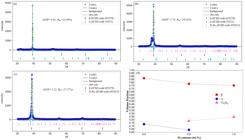
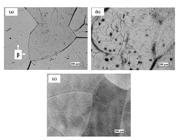
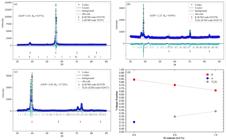
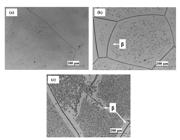
Modifying the surface of β-Ti alloys using the electrochemical anodizing process makes it possible to produce TiO2 nanotubes and nanopores that favor better bioactivity and cell-implant interaction. The use of elements that benefit biological properties, such as Nb and Si, makes the whole process even more advantageous. However, the microstructural and compositional characteristics of β-Ti alloys affect the formation, organization and uniformity of nanotubes. Therefore, this study produced Ti-35Nb-xSi alloys and analyzed the microstructure and formation of TiO2 nanostructures in the as-cast and water quenched (WQ) conditions. The results showed that the addition of Si reduced the precipitation of the ɷ-phase, making the β-phase more stable and formed the (Ti,Nb)5Si3 compound for as-cast and (Ti,Nb)3Si compound for WQ. The growth of nanostructured and hydrophilic layers was benefited from the chemical homogeneity of the substrate after heat treatment, with Si-rich regions affecting nanotube formation and the size of their diameters.
Keywords:
Biomaterials; titanium alloys; Ti-Nb-Si; microstructure; anodization
 Thumbnail
 Thumbnail
 Thumbnail
 Thumbnail
 Thumbnail
 Thumbnail
 Thumbnail
 Thumbnail
 Thumbnail
 Thumbnail
 Thumbnail
 Thumbnail